
Roofing Tips & Guides
Expert Roofing Advice for Charlotte Homeowners
Learn from Charlotte's trusted roofing experts. Tips on maintenance, repair, replacement, and protecting your home from the elements.
Leak or wind damage from Isaias? 24/7 emergency tarping, free storm-damage inspections and insurance-claim help.
Learn from Charlotte's trusted roofing experts. Tips on maintenance, repair, replacement, and protecting your home from the elements.
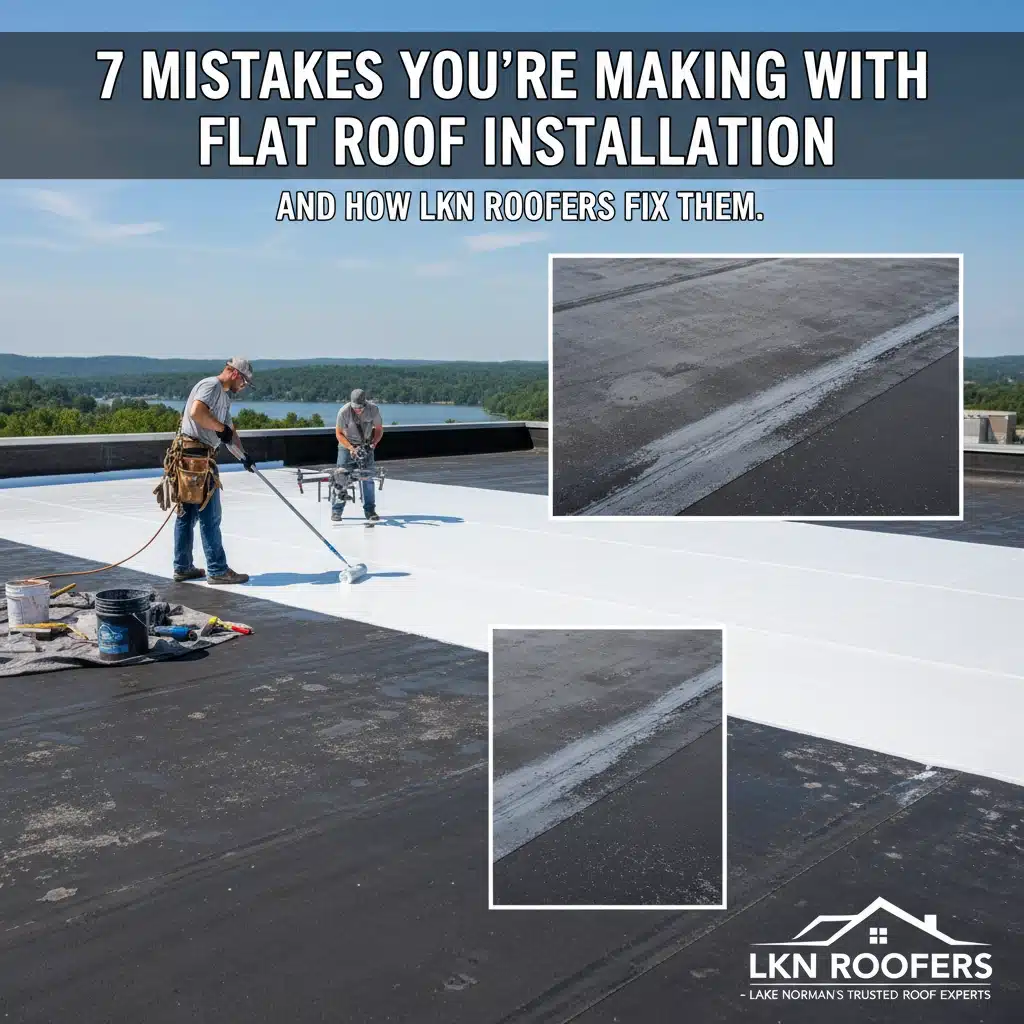
Flat roofs are becoming increasingly popular in the Lake Norman area. From modern homes in Cornelius to commercial buildings in Huntersville, these sleek, contemporary roofing systems offer unique advantages. But here's the thing – I've seen more flat roof disasters than I care to count over my years in the roofing business.
The Lake Norman region presents unique challenges for flat roofs. Our humid summers, occasional ice storms, and the thermal expansion that comes with North Carolina's temperature swings can turn minor installation mistakes into major headaches. After working on hundreds of flat roof projects across the area, I've identified seven critical mistakes that homeowners and even some contractors make – and more importantly, how we fix them.
Before we dive into the mistakes, let's talk about why flat roofs work well in our area when installed correctly. The Lake Norman climate – with its moderate rainfall and relatively mild winters – is actually quite suitable for flat roofing systems. The challenge comes from our temperature variations and the occasional severe weather that rolls through.
I remember a project we completed last year in Davidson where the previous contractor had made virtually every mistake in the book. The homeowner was dealing with constant leaks, and when we inspected the roof, it was clear that shortcuts during installation had created a nightmare scenario. That experience reinforced why getting flat roof installation right from the start is so crucial.
What Goes Wrong
This is the big one – and it's more common than you might think. Many contractors assume that existing roof structures can automatically handle the additional weight of flat roofing systems, especially when homeowners want to add features like rooftop decks or solar panels.
In the Lake Norman area, many homes were built in the 1980s and 1990s with traditional pitched roof designs. When converting to or installing flat roofs, the structural requirements are completely different. I've seen cases where contractors installed heavy modified bitumen systems without checking if the structure could handle the load.
The consequences are serious. Sagging, cracking, and in extreme cases, structural failure. One project we took over in Mooresville had visible sagging because the original installer never conducted a structural analysis before installing a garden roof system.
How We Fix It
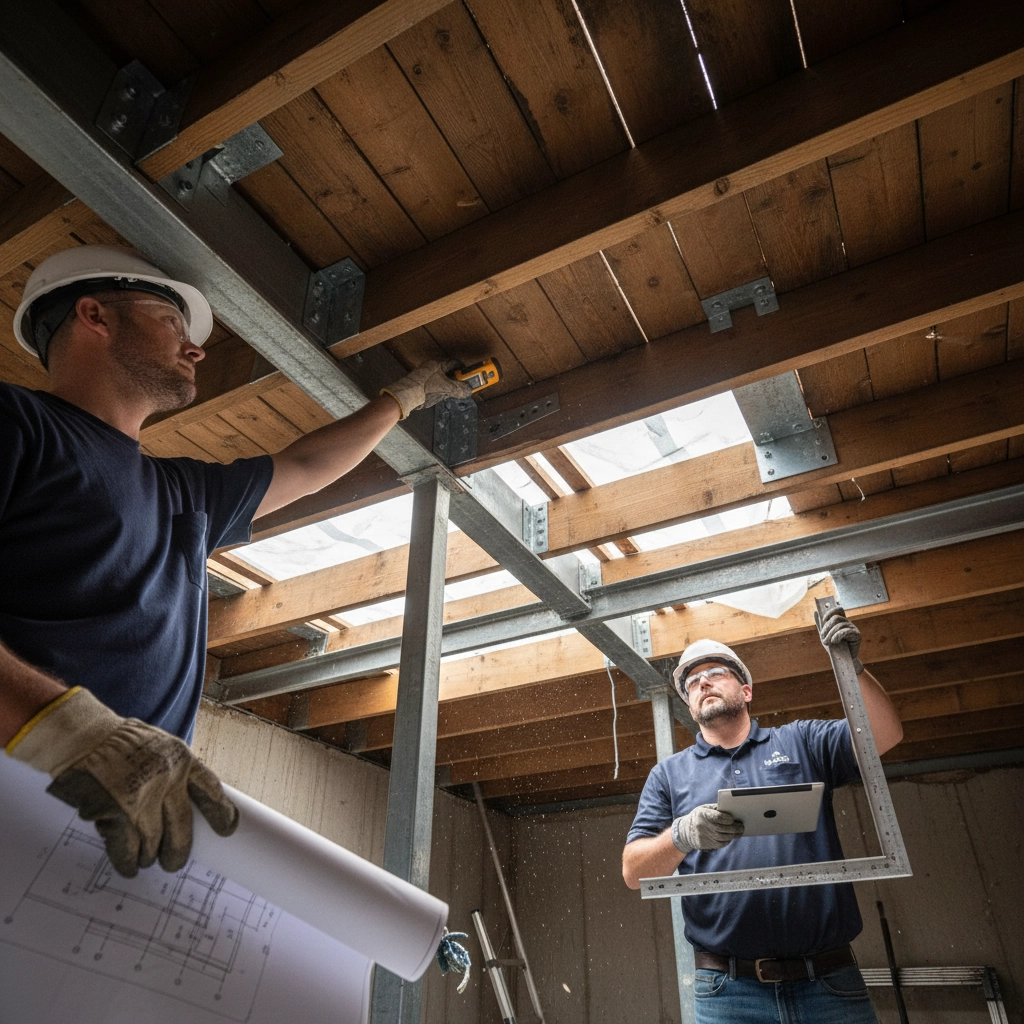
Before we touch a single material, we conduct a comprehensive structural assessment. This isn't just a quick visual inspection – we're looking at beam spacing, load-bearing capacity, and the overall structural integrity of the building.
For existing structures that need reinforcement, we work with structural engineers to determine exactly what's needed. Sometimes this means adding additional support beams or strengthening existing ones. Yes, it adds to the upfront cost, but it prevents catastrophic problems later.
We also factor in future loads. If a homeowner mentions they might want solar panels or a rooftop patio someday, we account for that potential weight in our structural planning.
What Goes Wrong
Not all flat roofing materials perform equally in North Carolina's climate. I've seen contractors choose membranes based solely on price, without considering how they'll hold up to our specific weather conditions.
Lake Norman's climate includes hot, humid summers with temperatures reaching into the 90s, plus occasional ice storms in winter. UV exposure is significant during our long summers, and thermal expansion and contraction cycles are more pronounced than in more temperate climates.
TPO membranes, for example, can be an excellent choice for our area when properly installed, but some lower-grade TPO products don't stand up well to our UV exposure. Similarly, I've seen EPDM rubber installations that failed prematurely because the wrong adhesive was used for our humidity levels.
How We Fix It
We match the membrane system to Lake Norman's specific climate conditions. For most residential applications in our area, we typically recommend high-quality TPO or EPDM systems, but the specific product depends on the building's exposure, usage, and budget.
We also consider the building's orientation and surrounding environment. A flat roof on a lakefront home in Cornelius faces different challenges than one in a heavily wooded area of Huntersville. Lakefront properties deal with more severe weather exposure, while wooded areas might have issues with debris accumulation.
Our material selection process includes reviewing manufacturer warranties and performance data specific to North Carolina's climate zone. We only use materials that have proven track records in our regional conditions.
What Goes Wrong
Here's something that drives me crazy – contractors who don't understand that "flat" roofs aren't actually flat. Every flat roof needs proper slope and drainage, but this is where I see more mistakes than anywhere else.
Lake Norman receives about 43 inches of rainfall annually, with intense thunderstorms during summer months. Without proper drainage, water pools on the roof surface. Ponding water is the enemy of any flat roof membrane – it accelerates deterioration and creates massive leak risks.
I've inspected flat roofs where water was literally standing in puddles days after a rainstorm. In one case in Huntersville, poor drainage design led to ice damming during a winter storm, which caused the roof membrane to separate and flood the interior.
The problem often starts with inadequate slope design. Flat roofs need at least a 1/4 inch per foot slope toward drains, but many installers eyeball this instead of using proper leveling equipment.
How We Fix It
We design drainage systems before installation begins, not after. This means calculating the roof area, expected water volume based on local rainfall data, and sizing drains appropriately.
For Lake Norman properties, we typically install more drains than the minimum code requirements. Our summers can bring sudden downpours that dump several inches of rain in a short time, and adequate drain capacity is crucial for handling these events.
We also pay attention to drain placement. Drains should be located at the lowest points of the roof, and we create gentle slopes that guide water toward them. We use laser levels and precise installation techniques to ensure proper slope throughout the roof surface.
Secondary drainage is another critical element. We install overflow drains or scuppers as backup systems, so if primary drains become blocked by debris, water still has an escape route.

What Goes Wrong
Most flat roof leaks don't happen in the middle of the membrane – they occur at flashings, penetrations, and detail areas. This includes areas around HVAC equipment, vents, skylights, and where the roof meets walls or parapets.
In the Lake Norman area, these details face additional challenges. Our temperature swings cause more expansion and contraction movement, which stresses flashing connections. High humidity can also contribute to sealant deterioration if the wrong products are used.
I've seen contractors rush through flashing work, using inadequate materials or improper installation techniques. One project we took over in Davidson had roof-to-wall flashing that was installed with standard roofing cement instead of proper membrane adhesive. The flashing separated during the first major temperature swing, creating multiple leak points.
How We Fix It
Detail work is where craftsmanship really shows. We take our time on these critical areas because we know they're where problems typically develop.
For penetrations like vents and pipes, we use proper boot systems designed for the specific membrane type. We also create custom flashings when needed, rather than trying to make generic products fit unusual situations.
Wall flashings get special attention in our area because of thermal movement. We use flexible membrane materials that can accommodate building movement without separating. We also ensure that flashings extend high enough up walls to prevent water intrusion during heavy rains or snow melt.
For HVAC equipment, we create proper curb flashings and ensure that all connections are mechanically fastened and fully adhered. We also plan for future equipment maintenance access without compromising the roof membrane.
What Goes Wrong
Membrane seams are critical stress points, especially in climates with significant temperature variations like ours. I've seen too many installations where seams fail within the first few years because thermal expansion and contraction weren't properly accounted for.
Lake Norman's temperature swings – from summer highs in the 90s to occasional winter lows in the teens – create substantial thermal movement in roofing materials. Membranes expand and contract, and if seams aren't properly designed and installed, they can separate or tear.
Poor seaming technique is another common issue. This includes installing seams in cold weather without proper temperature considerations, contaminated seam surfaces, or incorrect overlap dimensions. I've inspected roofs where seams were barely holding together because the installer didn't follow manufacturer specifications.
How We Fix It
Proper seaming starts with understanding thermal movement patterns. We design membrane layouts to minimize stress on seams and include expansion joints where necessary to accommodate building movement.
Temperature control during installation is crucial. We don't install membrane seams when temperatures are too cold for proper adhesive performance, and we account for thermal expansion that occurs as temperatures rise after installation.
Surface preparation is critical for seam integrity. We ensure all seam surfaces are clean and dry before application, and we test seam strength as work progresses. This includes destructive testing of sample seams to verify proper adhesion.
We also use proper overlap dimensions and seaming techniques specified by membrane manufacturers. There's no shortcuts here – following manufacturer guidelines exactly ensures warranty compliance and long-term performance.
What Goes Wrong
Time pressure kills quality flat roof installations. When contractors feel rushed – whether due to weather, scheduling, or budget pressure – they start cutting corners. This is especially problematic for flat roofs, where attention to detail is absolutely critical.
In the Lake Norman market, scheduling pressure often comes from trying to complete work between weather events. Our spring and summer storm seasons can create narrow installation windows, and some contractors try to rush work to beat incoming weather.
I've seen projects where contractors skipped proper surface preparation, didn't allow adequate time for adhesives to cure, or failed to conduct proper quality checks. One project we took over had multiple areas where the membrane wasn't properly adhered because the installer rushed the process and didn't allow time for primer to properly cure.
How We Fix It
We plan installations around realistic timeframes that account for proper installation procedures. This means sometimes waiting for better weather conditions rather than rushing to meet artificial deadlines.
Quality control checkpoints are built into our installation process. We inspect work at multiple stages and don't proceed to the next phase until the current work meets our standards. This includes adhesion testing, seam verification, and drainage checks.
We also maintain clear communication with clients about timeline realities. If weather conditions aren't suitable for quality installation, we explain why waiting is better than proceeding with compromised work.
For complex projects, we break installation into phases that can be completed properly within available weather windows. This might mean installing the membrane system in sections, but it ensures quality at every step.
What Goes Wrong
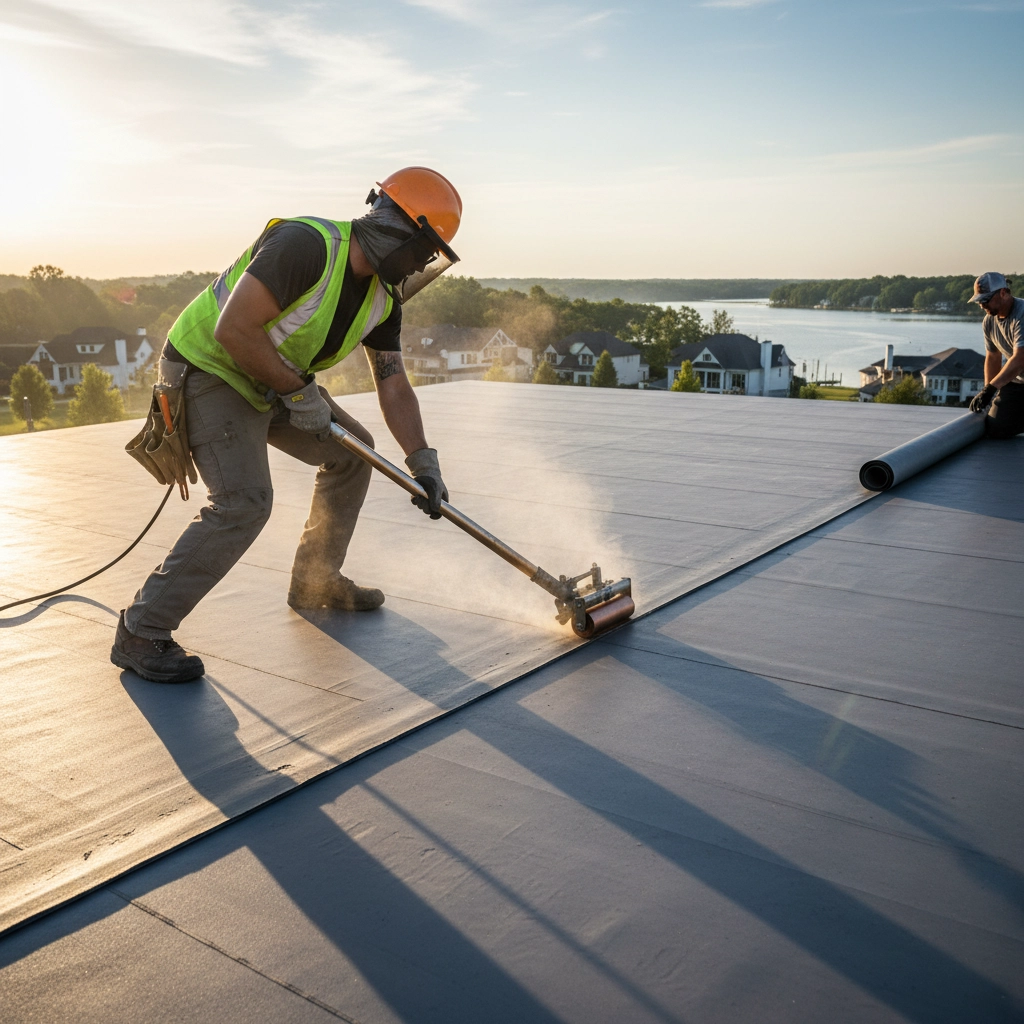
Many flat roof installations are done without any consideration for ongoing maintenance requirements. This is a critical oversight because flat roofs require more regular maintenance than sloped roofs to perform properly over their expected lifespan.
In Lake Norman, seasonal maintenance is particularly important. Our area gets significant leaf fall in autumn, which can block drains and create moisture retention issues. Summer storms can deposit debris that needs to be cleared promptly.
I've seen flat roofs that were installed without proper access routes for maintenance, making it difficult and expensive to perform routine inspections and repairs. Some installations also don't account for the need to access and service HVAC equipment located on the roof.
How We Fix It
Maintenance planning begins during the design phase. We ensure that roofs have proper access routes that don't compromise the membrane integrity. This includes walkways for regular maintenance and protection around HVAC equipment.
We also provide detailed maintenance guidelines to property owners, including seasonal checklists and information about what to watch for between professional inspections. This proactive approach helps identify and address minor issues before they become major problems.
For commercial properties, we often recommend maintenance contracts that include regular inspections, drain cleaning, and minor repairs. This approach extends roof life and prevents unexpected failures.
We design installations with maintenance in mind, using materials and configurations that are practical to service. This includes selecting drain systems that are easy to clean and using membrane systems that can be locally repaired when necessary.
Working in the Lake Norman area brings specific challenges that affect flat roof installation decisions. Our proximity to the lake creates higher humidity levels than inland areas, which affects material selection and installation timing.
Lakefront properties also face more severe weather exposure, including stronger winds and occasional water spout activity. These properties require more robust attachment methods and higher-grade materials.
The area's mix of new construction and older homes being renovated creates unique situations. New construction allows for optimal flat roof design from the ground up, while renovations often require creative solutions to work with existing structural limitations.
Local building codes in different Lake Norman communities also vary slightly, and we ensure compliance with all applicable requirements. Some areas have specific requirements for drainage, insulation, or wind resistance that affect installation details.
After seeing hundreds of flat roof projects in the Lake Norman area, I can tell you that quality installation makes all the difference. The upfront investment in proper materials and professional installation pays for itself many times over through reduced maintenance costs and extended roof life.
We've taken over too many projects where homeowners tried to save money with inexperienced contractors, only to face major repair costs within a few years. A properly installed flat roof should provide decades of reliable performance with routine maintenance.
The complexity of flat roof systems – from structural considerations to membrane selection to drainage design – requires specialized knowledge and experience. This isn't the type of project where general contractors can easily cross over without proper training and experience.
If you're considering a flat roof installation or dealing with problems from a previous installation, the key is working with experienced professionals who understand both the technical requirements and local conditions.
At Best Roofing Now, we've developed our flat roofing expertise through years of working specifically in the Lake Norman region. We understand the unique challenges our climate presents and have refined our installation procedures to address them.
We also believe in transparency throughout the process. Before any work begins, we conduct thorough inspections, provide detailed explanations of what's needed, and ensure you understand both the installation process and ongoing maintenance requirements.
Our project portfolio throughout Lake Norman demonstrates our commitment to quality installations that stand the test of time. Every project teaches us something new, and we continuously refine our approach based on real-world performance data.
Don't let flat roof installation mistakes turn your roofing investment into a recurring nightmare. Whether you're planning a new installation or dealing with problems from previous work, professional assessment and quality installation are your best protection against costly future problems.
Contact Best Roofing Now today for a comprehensive consultation about your flat roofing needs. We'll assess your specific situation, explain your options clearly, and provide honest recommendations based on your property's unique requirements and your long-term goals.
Your Lake Norman property deserves a flat roof installation that's done right the first time. Let's make that happen together.
For those interested in learning more about our expertise with commercial applications, check out our insights on business.lakenormanchamber.org where we detail our approach to commercial flat roofing challenges specific to the Lake Norman business community.
Best Roofing Now
Charlotte's trusted roofing experts since 2019
Based on this article, you may be interested in these services.
We proudly serve these Charlotte-area communities with professional roofing services.
View All Service Areas →See our recent roofing work across the Charlotte metro area.
Charlotte, NC
new roof
Charlotte, NC
new roof

Charlotte, NC
new roof
Charlotte, NC
new roof
Get a free roof inspection and honest assessment from Charlotte's most trusted roofing company.