
Roofing Tips & Guides
Expert Roofing Advice for Charlotte Homeowners
Learn from Charlotte's trusted roofing experts. Tips on maintenance, repair, replacement, and protecting your home from the elements.
Leak or wind damage from Isaias? 24/7 emergency tarping, free storm-damage inspections and insurance-claim help.
Learn from Charlotte's trusted roofing experts. Tips on maintenance, repair, replacement, and protecting your home from the elements.
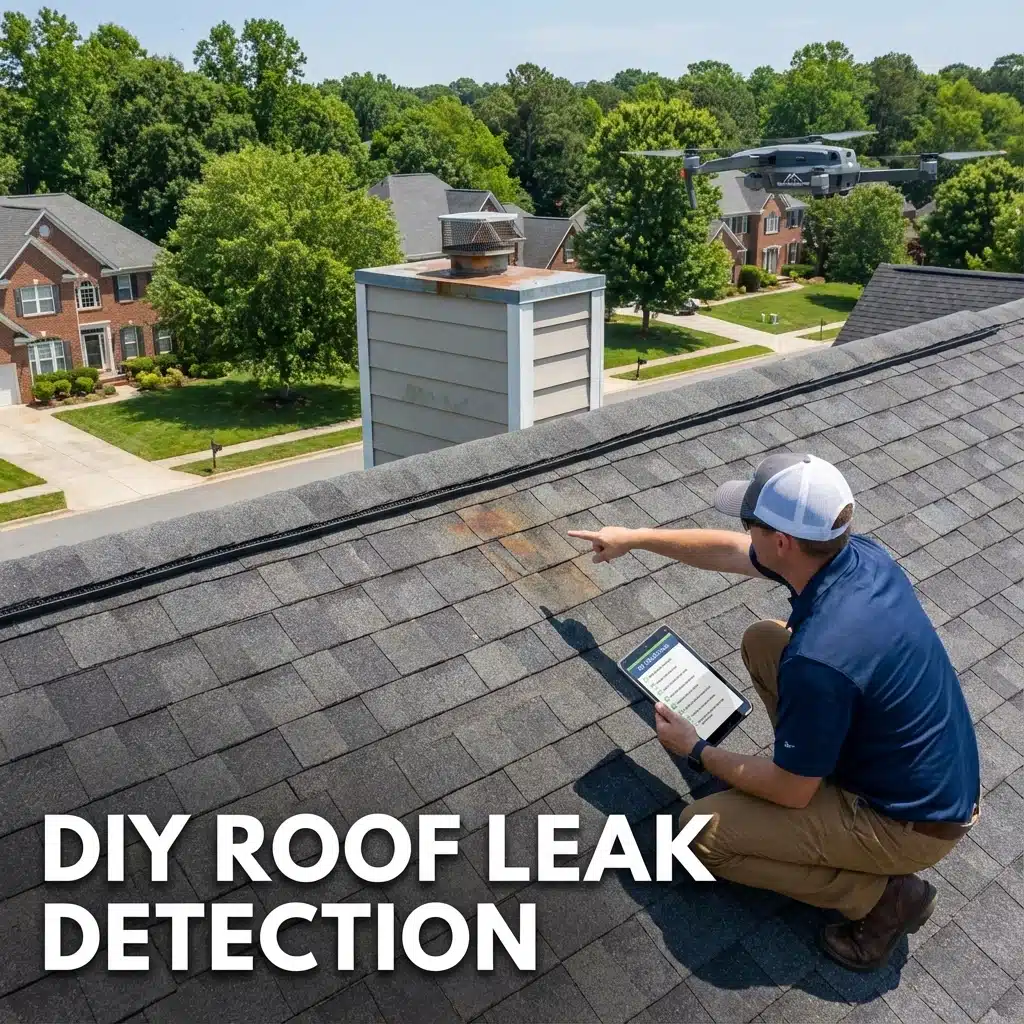
After two decades of climbing onto Charlotte and Lake Norman roofs, I've seen every type of leak imaginable. The homeowners who catch problems early save thousands. The ones who wait until water is pouring through their ceiling? Well, let's just say those conversations are much more expensive.
Here's the thing about roof leaks in North Carolina: our unpredictable weather patterns make early detection crucial. One day we're dealing with afternoon thunderstorms, the next it's ice from a surprise winter storm. Your roof takes a beating, and small problems become big problems fast.
But you don't need to be a roofing professional to spot the early warning signs. In fact, some of the most reliable leak indicators are things you can check from inside your home. I'm going to share the five simple signs that should get your attention before you pick up the phone to call us or any other roofer.
Before we dive into detection, let's talk about why this matters so much in our area. Charlotte's climate is tough on roofs. We get about 43 inches of rain per year, often in heavy downpours that test every weak spot. Add in our occasional ice storms and the way our clay soil shifts, and you've got conditions that create leaks.
I've inspected thousands of homes from Myers Park to Cornelius, and I can tell you that the homeowners who catch leaks early spend about 70% less on repairs than those who wait. That's not an exaggeration. A small flashing issue that costs $300 to fix can turn into $8,000 of structural damage if water sits in your walls for months.
The good news? Most leaks give you plenty of warning before they become disasters. You just need to know what to look for.
This is the big one. Water stains are your roof's way of waving a red flag and shouting "Help me!"
Water stains typically show up as brown or yellowish discoloration on your ceilings or upper walls. They often have irregular edges and can look like coffee stains or rings. New stains that weren't there before are immediate cause for concern.
Here's how to check properly:
Walk through your home and look up. Pay special attention to corners where walls meet ceilings, areas around light fixtures, and spots near plumbing vents or chimneys. In two-story homes, check the ceilings of your top floor rooms first.
Don't ignore small stains. I've seen homeowners dismiss a water stain the size of a dinner plate, thinking it's "not that bad." Six months later, that same leak had damaged $4,000 worth of drywall, insulation, and flooring.
The tricky part about water stains is that they don't always appear directly under the leak. Water can travel along roof decking or structural members before dripping down. A stain in your living room might be caused by damaged flashing around a chimney 15 feet away.
In Lake Norman homes, I often find stains in bedrooms that share walls with bathrooms. The culprit is usually damaged flashing around vent pipes on the roof.
When water gets behind your walls, it pushes moisture into places it shouldn't be. Paint loses its grip on wet surfaces, creating visible warning signs you can spot from across the room.
Look for paint that's bubbling up like tiny blisters, peeling away in sheets, or cracking in spider web patterns. This happens most often near ceiling edges and on exterior walls.
I remember inspecting a beautiful home in Davidson where the homeowner called about "paint problems" in their master bedroom. They thought they had a humidity issue. When we got on the roof, we found three missing shingles and damaged underlayment. The paint was trying to tell them about a leak that had been active for months.
The paint issue typically shows up before you see actual water stains. That makes it an early warning system that can save you serious money.
To check for this sign, walk around your home's interior and look at the paint on upper walls and ceilings. Use your fingers to gently press on areas where paint looks different. Bubbled paint will feel soft or spongy.
Don't confuse this with normal paint aging. Leak-related paint damage usually appears in specific patterns – often in lines that follow roof lines or in patches near roof penetrations.
This one requires a hands-on approach, but it's incredibly reliable for detecting hidden leaks.
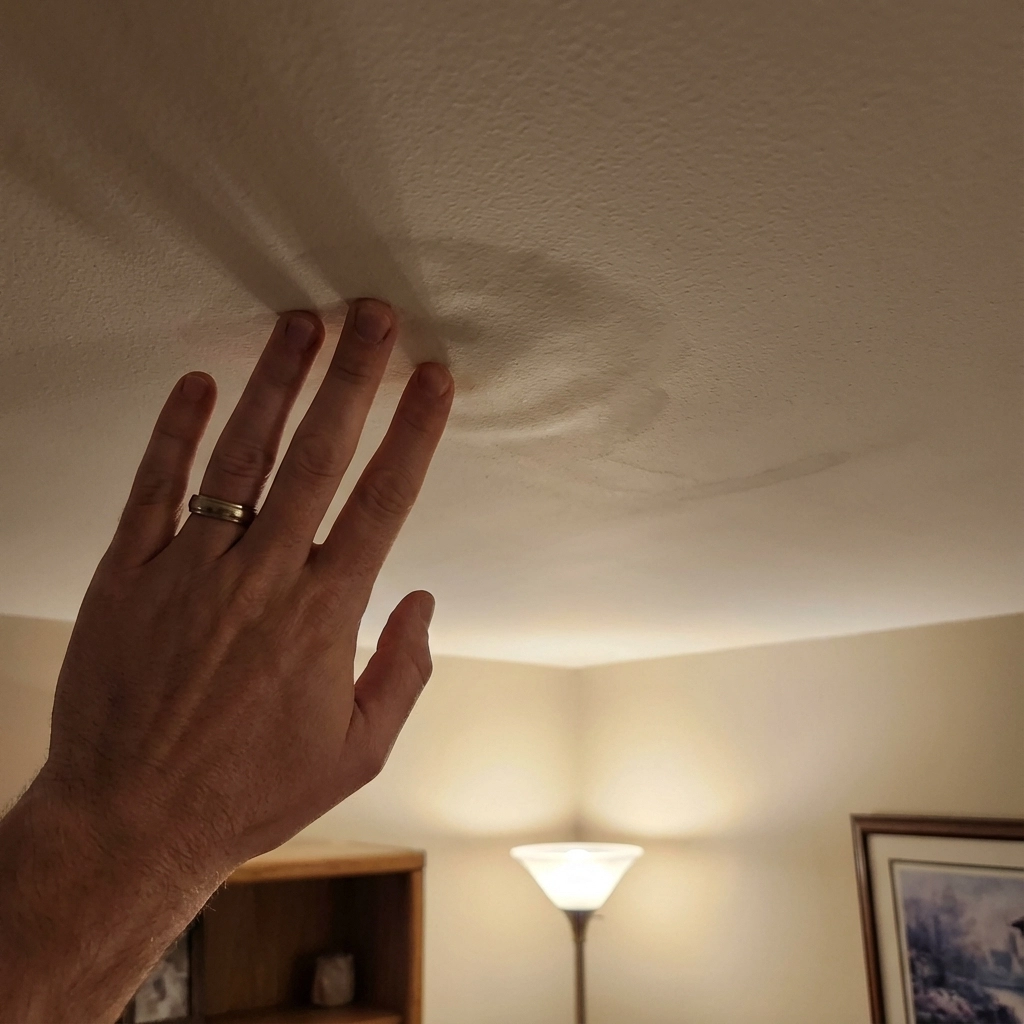
Healthy ceilings feel solid when you press gently against them. When water saturates the drywall and insulation above, the ceiling becomes soft, spongy, or starts to sag.
Here's how to check: Stand on a sturdy chair or ladder and gently press upward on different areas of your ceiling with your palm. Don't push hard – you're feeling for changes in firmness. Pay extra attention to areas around ceiling fans, light fixtures, and near exterior walls.
A ceiling that feels soft or gives more than usual indicates water damage above. Sometimes you'll notice sagging with your eyes before you feel it with your hands. Look for subtle dips or areas where the ceiling plane isn't perfectly flat.
This is actually one of the more serious warning signs because it means water has been present long enough to compromise structural materials. I've seen ceilings collapse when homeowners ignored this warning.
Last winter, I got an emergency call from a homeowner in Huntersville. They'd noticed their bedroom ceiling felt "a little soft" but waited two months to call. By the time we arrived, water had saturated the insulation so thoroughly that we had to replace the entire ceiling and check for mold growth.
If you find soft spots, don't wait. This indicates an active leak that's causing ongoing damage.

Your attic is like a detective's dream – it shows you exactly what's happening above your living space without any guesswork.
The best time to check your attic is during or right after a heavy rain. That's when active leaks are most obvious. But even during dry weather, you can spot signs of previous water intrusion.
Here's what to look for:
Wet or discolored insulation: Healthy insulation is dry and maintains its original color. Wet insulation looks darker, clumps together, or has water stains. Once insulation gets wet, it loses its effectiveness and can develop mold.
Water drips or wet wood: Look for water actively dripping or evidence of water on wooden structural members. Fresh water damage shows up as dark stains on wood.
Rust or corrosion: Check metal components like nails, brackets, or ductwork for rust. Rust forms when moisture is consistently present.
Daylight coming through: Turn off any attic lights and look up. If you can see daylight coming through your roof, water can get in the same way.
I always tell homeowners to make this check part of their seasonal routine. Every spring and fall, spend 10 minutes in your attic with a flashlight. Look around roof penetrations – chimneys, vents, skylights – because these are common trouble spots.
In Charlotte's humid climate, it's normal to see some condensation in attics during certain weather conditions. But if you find wet insulation or water stains that weren't there before, that's a leak, not condensation.
Pro tip: If you're not comfortable in your attic or don't have safe access, skip this step and focus on the other signs. Your safety is more important than any inspection.
Sometimes the most obvious signs are the ones we see every day but don't really notice. A quick visual check of your roof can reveal problems before they cause interior damage.
You don't need to get on your roof for this inspection. From the ground, use binoculars or even your phone's camera with zoom to get a closer look.
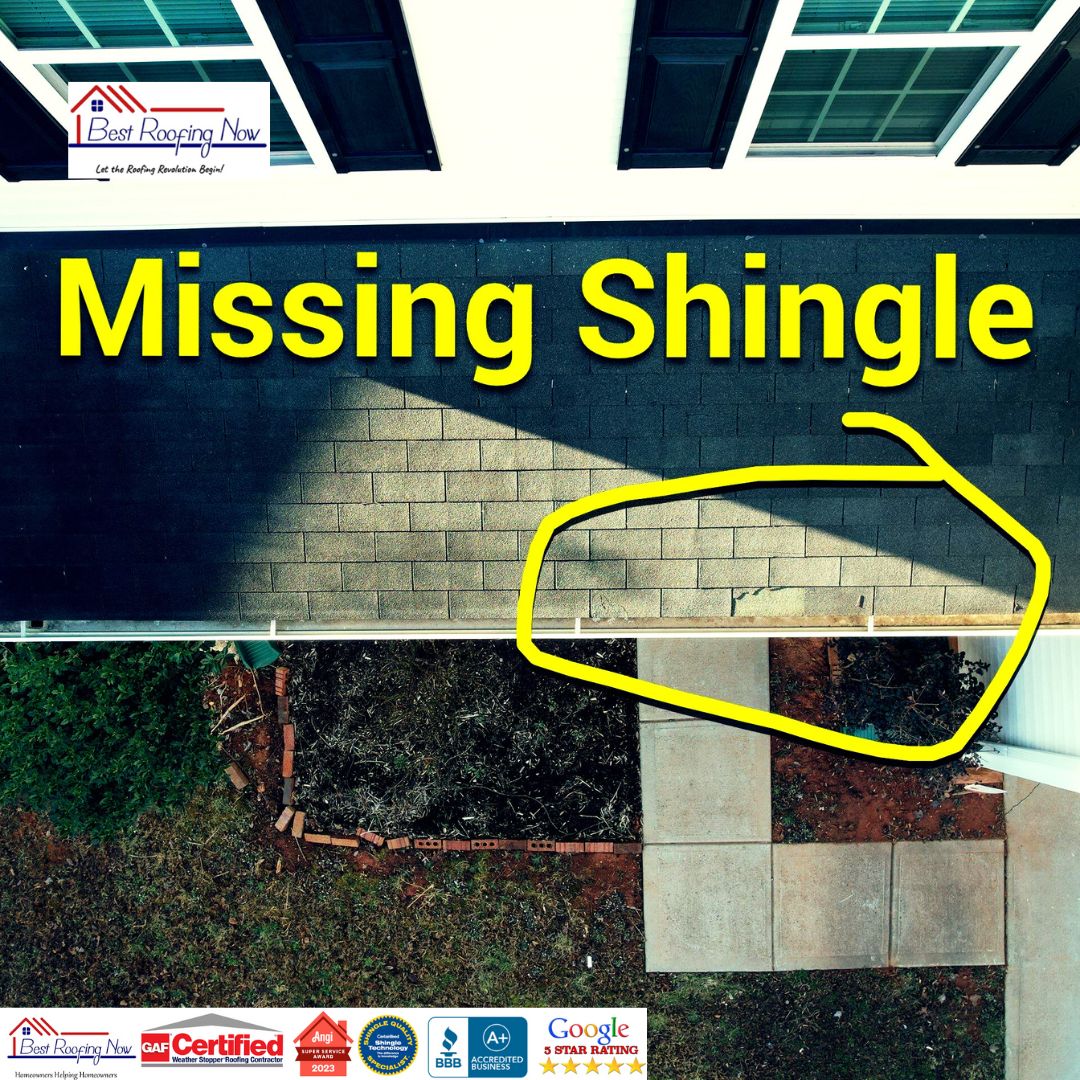
Missing shingles: After storms, check for bare spots where shingles have blown off. Missing shingles leave your roof decking exposed to weather.
Curled or cupped shingles: Shingles that curl up at the edges or cup in the middle indicate aging or moisture damage. These compromised shingles can't properly shed water.
Cracked or split shingles: Look for obvious cracks that run across shingle surfaces. These create entry points for water.
Damaged flashing: Check the metal trim around chimneys, vents, and roof edges. Flashing that's pulled away, cracked, or missing is a common leak source.
Granule loss: If you're cleaning granules out of your gutters regularly, it might indicate shingle deterioration.
I've found that most homeowners look at their roof the same way they look at their ceiling fan – it's there, it seems fine, so they don't think about it. But a quick monthly glance can catch problems early.
In our area, I recommend checking your roof after every major storm. Charlotte's summer thunderstorms can produce golf ball-sized hail and straight-line winds that damage shingles. Ice storms can cause completely different but equally serious damage.
Here's a sign that doesn't make the typical lists but should: strange odors in your home.
A musty, damp smell that reminds you of wet cardboard or old basements often indicates hidden moisture. This smell comes from mold growth or wet building materials that you can't see.
I've walked into homes where homeowners insisted they didn't have leaks, but I could smell moisture the moment I stepped inside. Sure enough, we'd find hidden water damage in walls or attic spaces.
This smell is particularly noticeable in closed-up rooms or areas with poor ventilation. If you notice a persistent musty odor that doesn't go away with normal cleaning, investigate further.
Here's the most important part of this entire article: timing matters more than you might think.
If you find any of these signs, don't wait to see if they get worse. Water damage accelerates quickly, especially in North Carolina's humid environment. What starts as a small leak can become a mold problem, structural damage, or electrical hazard within weeks.
I understand the temptation to wait and see. Nobody wants to spend money on roof repairs. But I promise you that waiting almost always costs more than acting quickly.
Consider this: A typical repair for damaged flashing costs between $200-500. But if that flashing leak damages your drywall, insulation, and flooring, you're looking at $3,000-8,000 in repairs. The math is simple.
The signs I've shared will catch most problems, but they're not foolproof. Some leaks are sneaky. Water can travel long distances before showing up as damage, making the source difficult to pinpoint.
Professional roof inspections use tools and techniques that reveal hidden problems. We check areas that aren't safe for homeowners to access, and we know the subtle signs that indicate developing problems.
That said, the detection methods I've outlined will catch the majority of leaks before they cause serious damage. Think of them as your first line of defense, with professional inspection as your backup.
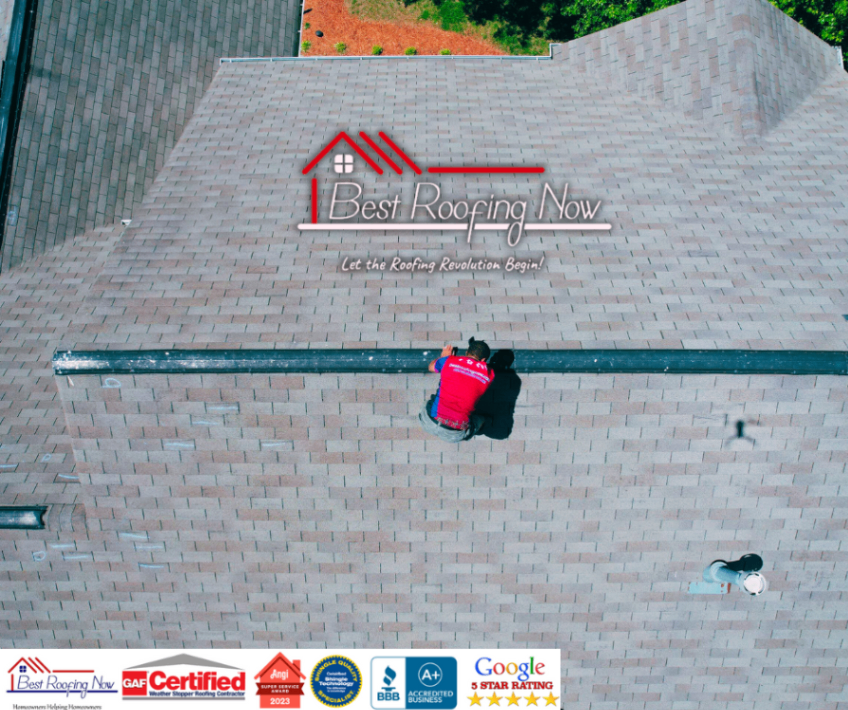
Living in the Charlotte and Lake Norman area presents unique challenges for roof leak detection:
Clay soil movement: Our expansive clay soils shift with moisture changes, sometimes causing slight house movement that can open small gaps in roof systems.
Rapid weather changes: We can go from drought to flood conditions quickly. Roofs that seem fine during dry spells might reveal problems during heavy rain periods.
Tree coverage: Many of our neighborhoods have mature trees. Falling branches, accumulated debris, and constant shade create conditions that can hide developing problems.
Hurricane season: Even when major storms miss us directly, they can bring sustained winds and rain that test every weak point in your roof system.
I've seen too many homeowners learn this lesson the hard way. Last year, I inspected a beautiful home in Cornelius where the owners had noticed a small water stain six months earlier. They decided to "keep an eye on it."
By the time they called us, that small stain had turned into $12,000 of damage. The leak had rotted roof decking, damaged ceiling joists, ruined insulation, and created a mold problem that required professional remediation.
The original repair would have cost less than $400.
If you discover any of these warning signs, here's your action plan:
Document everything: Take photos of stains, damage, or problem areas. This helps with insurance claims and gives contractors reference points.
Minimize immediate damage: If you're seeing active drips, place buckets to catch water and move belongings out of the affected area.
Call for professional inspection: Don't try to diagnose the exact source yourself. Professional roofers have the tools and experience to pinpoint problems safely.
Get multiple opinions: For major repairs, it's smart to get several estimates. But don't let this process drag on for weeks while damage continues.
While knowing how to spot leaks is important, preventing them is better. Simple maintenance goes a long way:
Don't wait until the next big storm to check for these warning signs. Set aside an hour this weekend to walk through your home and look for the signs I've described. Check your ceilings, feel for soft spots, and take a quick look at your roof from the ground.
If you find any problems – or even if you're not sure – reach out to us at Best Roofing Now. We offer free inspections throughout the Charlotte and Lake Norman areas, and we'll give you straight answers about what needs attention and what can wait.
Your roof protects everything you care about. A few minutes of attention now can save you thousands later and give you peace of mind knowing your home is secure.
Ready to schedule your free roof inspection? Visit us at Best Roofing Now or call us today. We've been protecting Charlotte-area homes for over 20 years, and we'd be honored to help protect yours.
Best Roofing Now
Charlotte's trusted roofing experts since 2019
Based on this article, you may be interested in these services.
We proudly serve these Charlotte-area communities with professional roofing services.
View All Service Areas →See our recent roofing work across the Charlotte metro area.
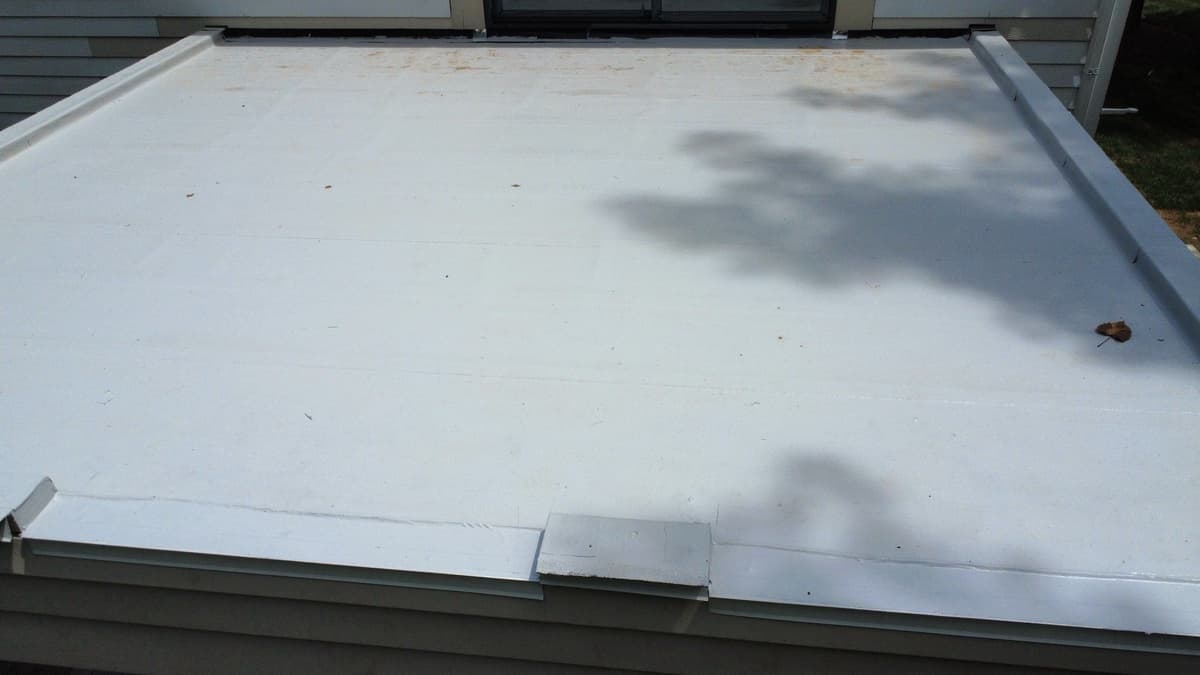
Charlotte, NC
new roof
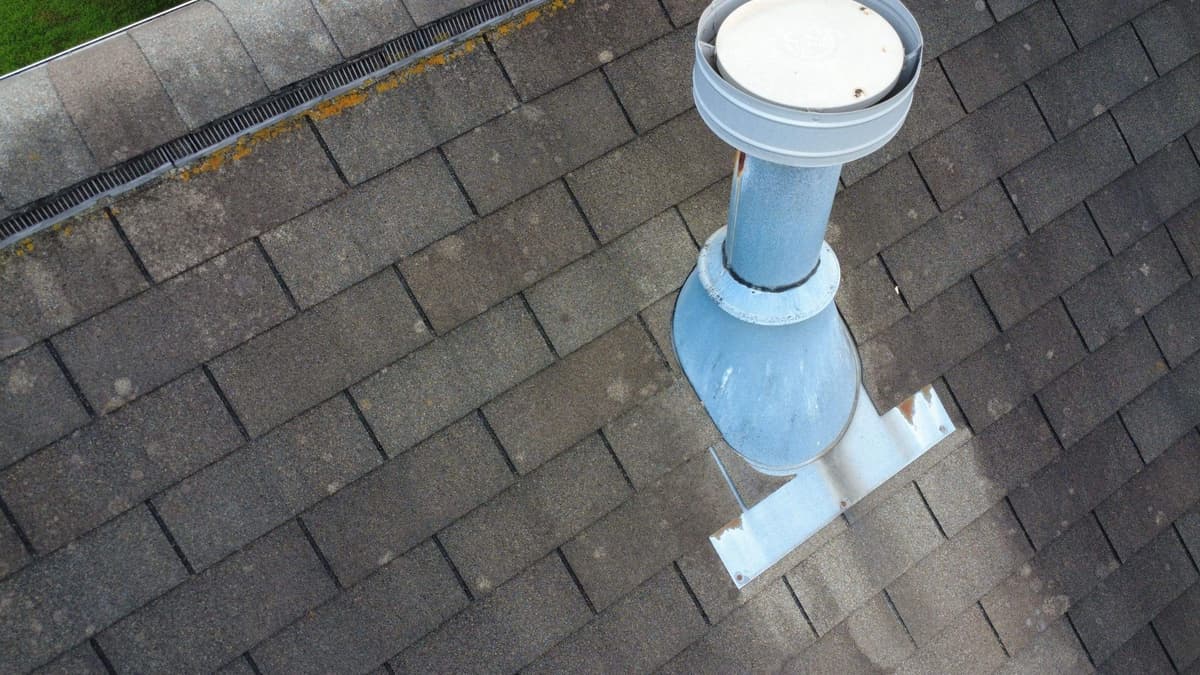
Charlotte, NC
work in progress

Charlotte, NC
new roof
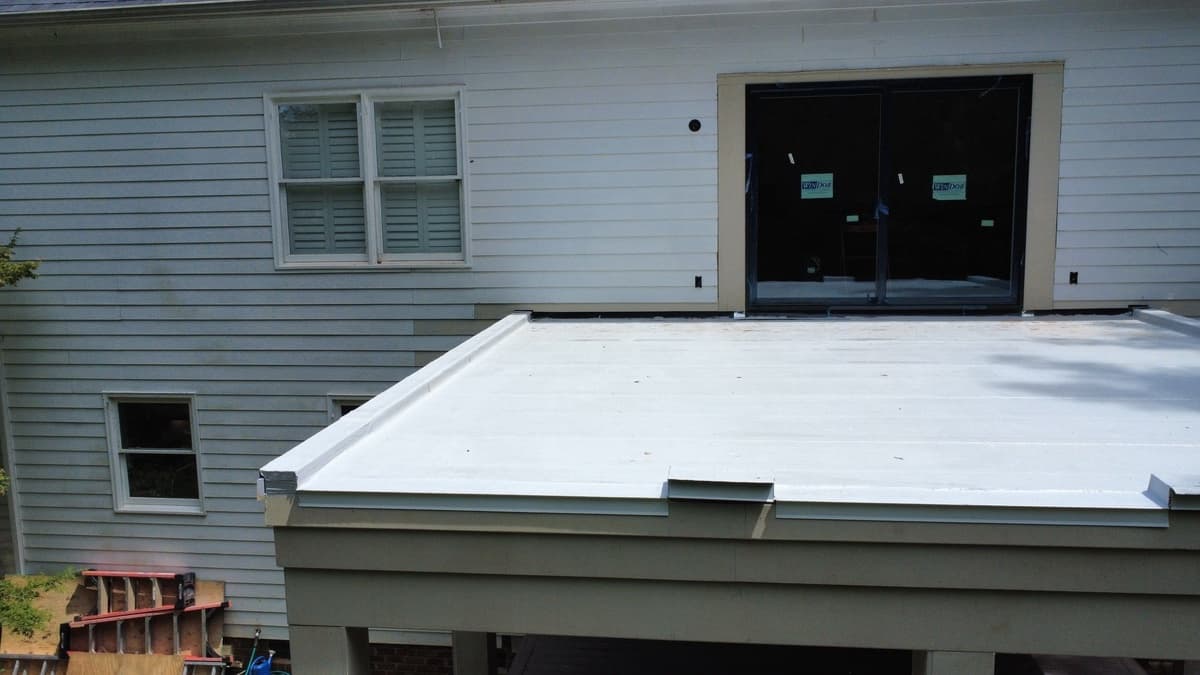
Charlotte, NC
new roof
Get a free roof inspection and honest assessment from Charlotte's most trusted roofing company.


