
Roofing Tips & Guides
Expert Roofing Advice for Charlotte Homeowners
Learn from Charlotte's trusted roofing experts. Tips on maintenance, repair, replacement, and protecting your home from the elements.
Leak or wind damage from Isaias? 24/7 emergency tarping, free storm-damage inspections and insurance-claim help.
Learn from Charlotte's trusted roofing experts. Tips on maintenance, repair, replacement, and protecting your home from the elements.
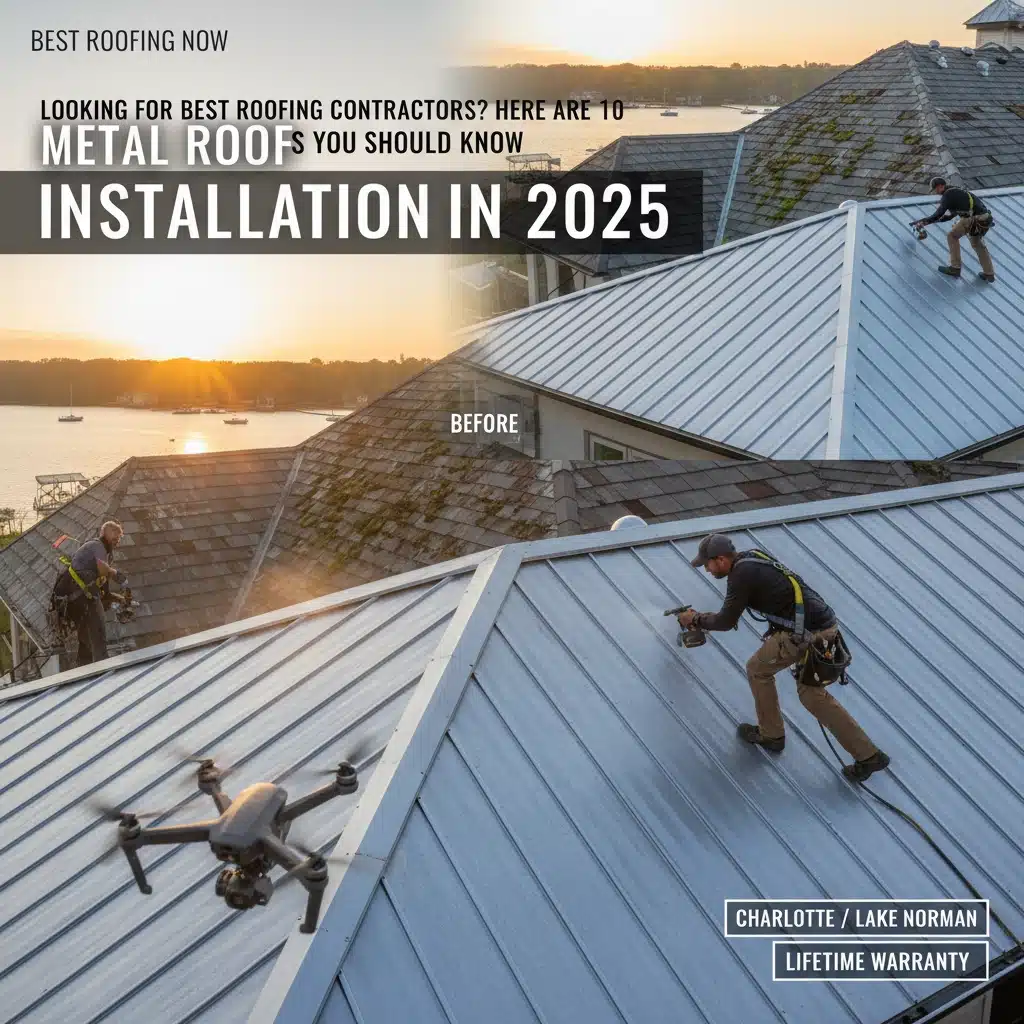
Metal roofing has become the fastest-growing roofing material in America, and for good reason. In the Charlotte and Lake Norman regions, we're seeing more homeowners make the switch every month. The durability, energy efficiency, and long-term value make metal roofs an excellent investment for North Carolina properties.
But here's what most homeowners don't realize: the quality of your installation matters more than the quality of your materials. I've seen $15,000 metal roofs fail in five years due to poor installation, while properly installed systems last 50+ years with minimal maintenance.
Whether you're considering metal roofing for your Charlotte home or researching contractors in Concord, these ten essential facts will help you make informed decisions and avoid costly mistakes.
One of the biggest advantages of metal roofing is that it can often be installed directly over your existing asphalt shingles. This approach can save you 25-40% on labor costs while adding an extra layer of insulation to your home.
However, this only works under specific conditions. Your existing shingles should be relatively flat with minimal curling, cupping, or granule loss. The roof deck underneath must be structurally sound with no soft spots, sagging, or water damage. You'll get the best results when your current roof has only one layer of shingles.
In Charlotte's humid climate, we frequently encounter homes where moisture has compromised the roof deck. That's why we always perform a thorough inspection before recommending overlay installation. If there's any question about the structural integrity, we'll recommend complete tear-off for the safest, longest-lasting result.
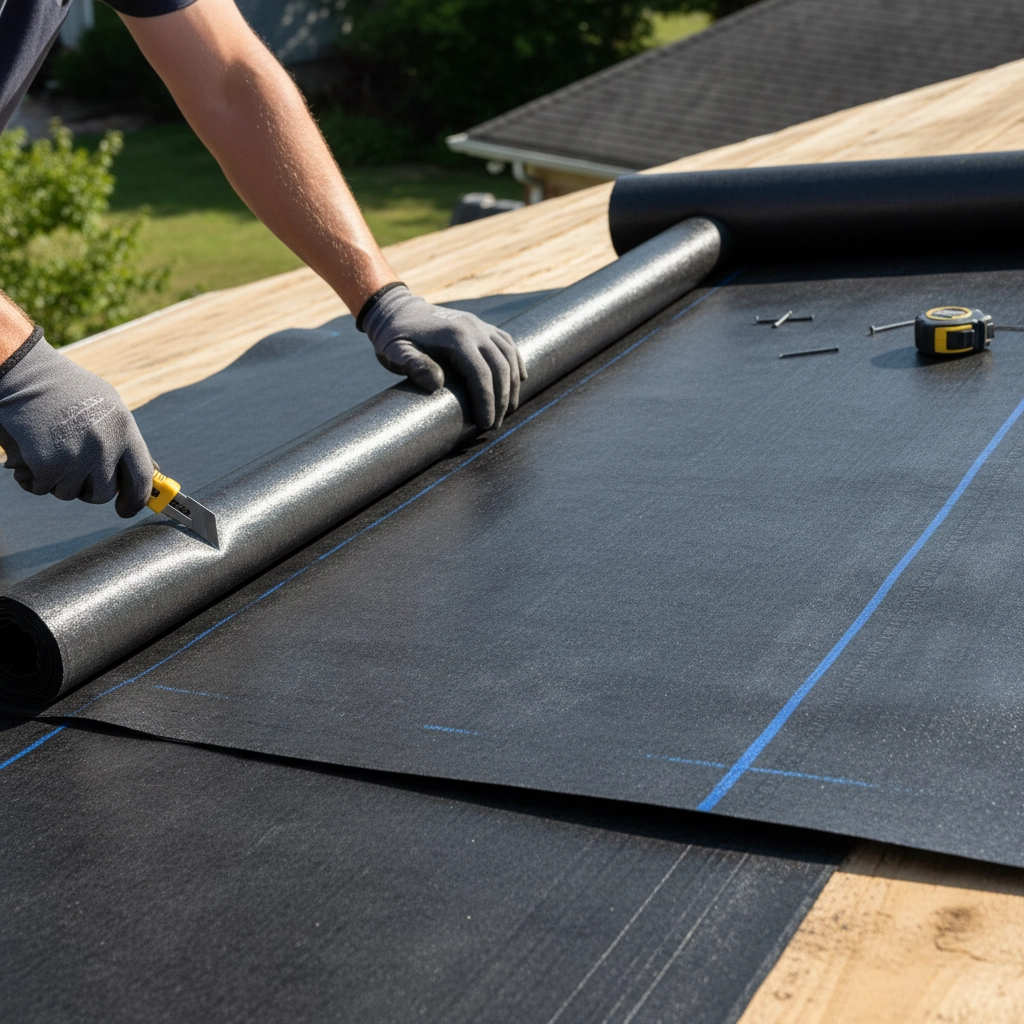
Before any metal panels go up, the preparation work determines whether your roof lasts 20 years or 50 years. This step is where many contractors cut corners, and it's where homeowners pay the price later.
The roof deck must be inspected for rot, warping, or loose boards. Any damaged sections need replacement before installation begins. All loose debris, protruding nails, and ridge caps must be removed. We also clean the entire roof deck, removing dust, debris, and anything that could puncture the underlayment or create uneven surfaces.
This preparation phase isn't glamorous, but it's critical. In the Lake Norman area, where we see frequent storms and high winds, proper deck preparation prevents 90% of future problems. A good contractor will spend considerable time on this phase and document any issues they find.
Metal roof underlayment serves as your roof's moisture barrier and thermal break. It protects against condensation, ice dams, and wind-driven rain that might penetrate the metal panels. High-quality synthetic underlayment should cover the entire roof surface without gaps or wrinkles.
The type of underlayment matters significantly. Standard felt paper isn't adequate for metal roofing applications. We use high-temperature synthetic underlayment that won't degrade from heat buildup under metal panels. This material also provides superior tear resistance during installation and better long-term performance.
In North Carolina's climate, where summer temperatures can create extreme heat buildup under metal panels, quality underlayment prevents moisture problems that lead to deck rot and insulation damage. This investment pays for itself by preventing expensive repairs down the road.
Furring strips create an air gap between metal panels and the roof deck, allowing for ventilation and drainage. This detail is often overlooked, but it's essential for preventing moisture problems and reducing heat transfer.
These wooden strips should be spaced 24 inches apart, running perpendicular to your metal panels. They must be perfectly straight and securely fastened with screws long enough to penetrate through existing shingles and into the roof deck. We use chalk lines to ensure precise alignment because even small variations create installation problems later.
The air gap created by furring strips allows moisture to escape and reduces heat transfer to your attic space. In Charlotte's hot summers, this can significantly reduce cooling costs and prevent ice dam formation during our occasional winter weather.
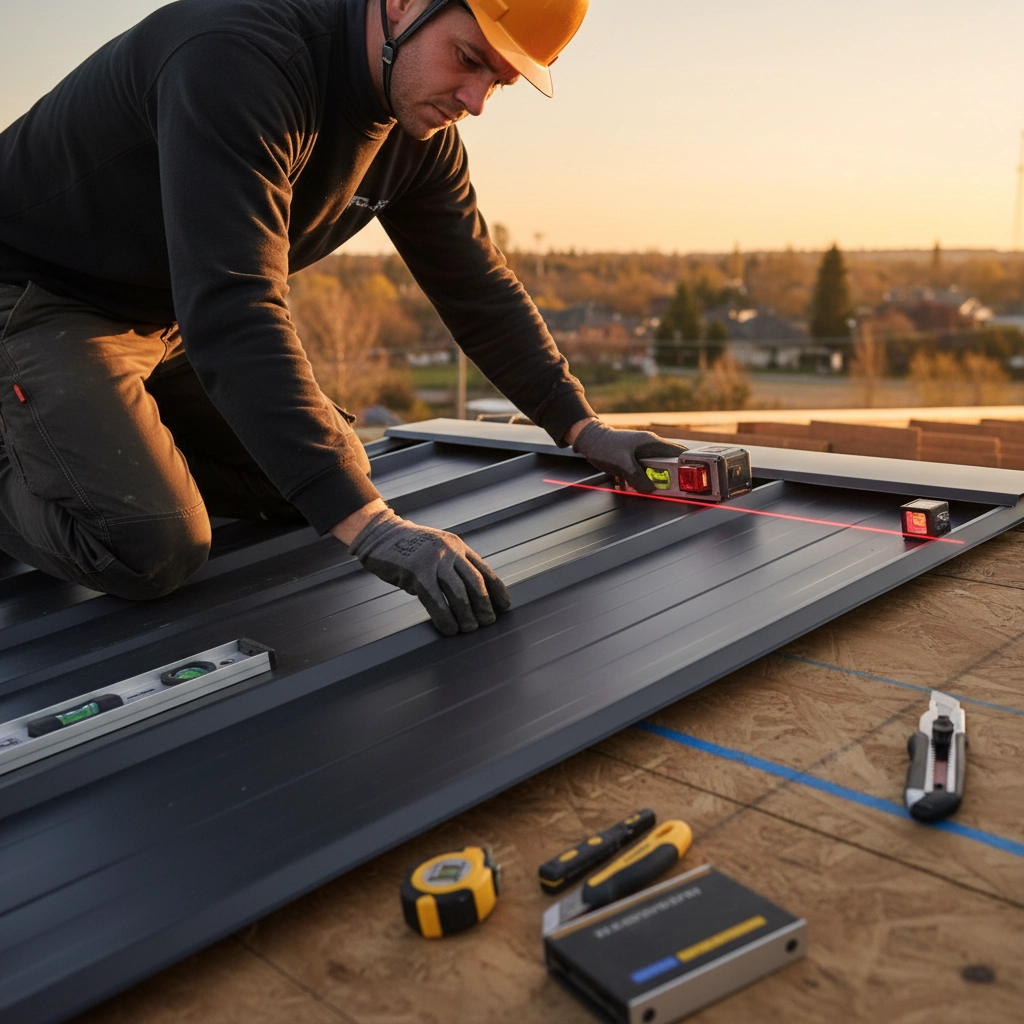
When installing metal panels, starting square is absolutely critical. If the first panel is even slightly tilted, every subsequent panel will be tilted as well. This creates visual problems, performance issues, and premature failure points.
Starting square means ensuring your first panel is perfectly aligned with the roof's edge and perpendicular to the eave. We use precise measurements and laser levels to achieve this alignment. The first panel sets the standard for the entire installation, so we take extra time to get it perfect.
Many homeowners don't realize how critical this step is until they see the results. A roof that's not started square looks unprofessional and can create water infiltration points where panels don't align properly. This is one area where experience and attention to detail really show.
Using the wrong fasteners or incorrect placement causes more metal roof failures than any other factor. The fasteners must be corrosion-resistant, properly sized, and designed specifically for metal roofing applications.
We use self-tapping metal screws with EPDM rubber washers that create watertight seals. These screws must penetrate completely through the metal panel and at least 3/4 inch into the roof deck. The screws should be long enough to provide secure attachment without over-penetrating.
Placement is equally critical. Screws go in the flat sections of panels, never in the ridges where water can pool. They must be driven straight and tightened properly – too loose and they'll leak, too tight and they'll crush the washer or dimple the panel. We see this mistake frequently with inexperienced installers.
Each metal panel must overlap the previous panel by at least one full ridge, typically 1-2 inches depending on manufacturer specifications. This overlap creates the watertight seal that protects your home from wind-driven rain and prevents moisture infiltration.
The overlap pattern must be consistent across the entire roof surface. We measure and mark each panel before installation to ensure uniform overlaps. Inconsistent overlaps create weak points where panels can separate during high winds or allow water infiltration.
In the Charlotte area, where we experience severe thunderstorms and occasional hurricanes, proper panel overlap is your primary defense against wind-driven rain. This detail might seem minor during installation, but it becomes critical during severe weather events.
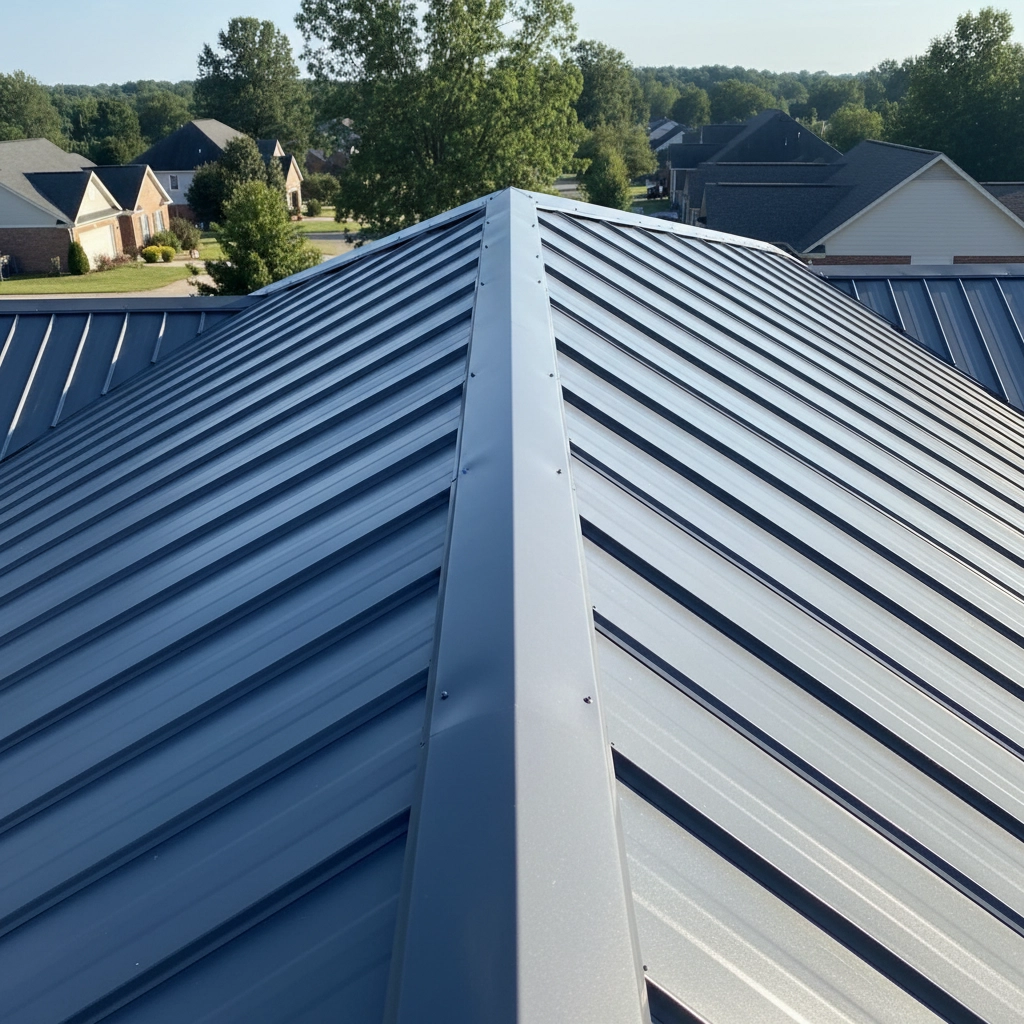
Proper flashing installation is where metal roofing gets technical. Every transition, penetration, and roof edge requires specific flashing details to prevent water infiltration. This includes valleys, ridges, eaves, sidewalls, and penetrations like chimneys and vent pipes.
Valley flashing must be wide enough to handle heavy water flow and properly sealed at all edges. Ridge caps need adequate overlap and proper fastening patterns. Drip edge directs water into gutters and away from fascia boards. Each detail requires specific materials and installation techniques.
We frequently repair metal roofs where flashing was installed incorrectly or omitted entirely. These repairs are expensive and often require removing significant portions of the roof. Getting the flashing right during initial installation prevents these problems and ensures long-term performance.
Metal roof installation requires specific safety considerations due to the slippery surface and sharp edges. Professional installers use specialized safety equipment including harnesses, non-slip footwear, and protective gloves rated for sharp metal edges.
Roof pitch affects both safety and performance. Most metal roofing systems require a minimum slope of 3:12 for proper water drainage. Steeper pitches provide better performance but increase installation difficulty and safety requirements.
Weather conditions during installation are critical. Metal panels become extremely slippery when wet and can be damaged by hail or high winds during installation. We monitor weather conditions closely and reschedule installation when conditions aren't ideal for safety or quality results.
While metal roofs require less maintenance than asphalt shingles, they're not maintenance-free. Regular inspections help identify small problems before they become expensive repairs. We recommend annual inspections and maintenance to ensure optimal performance.
Maintenance includes clearing debris from gutters and roof surfaces, trimming overhanging branches, and inspecting fasteners for loosening or corrosion. Any scratches or exposed metal should be touched up promptly to prevent rust formation.
Fastener maintenance is particularly important. Over time, thermal expansion and contraction can cause fasteners to loosen. We recommend professional inspections every 3-5 years to check fastener tightness and replace any that show signs of corrosion or wear.
Metal roofing represents a significant investment in your property's value and performance. In our region's climate, with hot summers, occasional severe weather, and high humidity, proper installation details become even more critical.
The key is finding contractors who understand these ten essential elements and have the experience to execute them properly. Not all roofing contractors have metal roofing expertise, and the installation techniques are significantly different from asphalt shingle installation.
When evaluating contractors, ask specific questions about their metal roofing experience, installation procedures, and warranty coverage. Request references from recent metal roof installations and inspect their work quality in person when possible.
Before hiring anyone for your metal roof installation, ask these specific questions:
A qualified contractor should answer these questions confidently and provide specific details about their procedures. Vague answers or reluctance to discuss technical details are red flags that indicate insufficient experience or expertise.
The best contractors will also provide detailed written estimates that specify materials, installation procedures, and warranty terms. They should be licensed, insured, and able to provide local references from recent projects.
Metal roofing costs more upfront than asphalt shingles, but the long-term value proposition is compelling. When properly installed, metal roofs last 40-70 years compared to 15-25 years for asphalt shingles. They also provide energy savings, increased property value, and reduced maintenance costs.
The key is ensuring proper installation by experienced contractors who understand these critical details. Cutting corners during installation eliminates the long-term benefits and can create expensive problems that require premature replacement.
For Charlotte homeowners considering metal roofing, now is an excellent time to make this investment. Energy costs continue rising, severe weather events are becoming more frequent, and property values in our region continue appreciating. A quality metal roof installation provides immediate benefits and long-term value protection.
Ready to explore metal roofing for your property? Contact Best Roofing Now for a comprehensive evaluation of your roofing needs. Our experienced team understands the specific requirements for successful metal roof installation in the Charlotte and Lake Norman regions. We'll assess your current roof condition, discuss your options, and provide detailed recommendations based on your specific situation and budget.
You can explore our previous metal roofing projects and customer reviews throughout Charlotte to see the quality craftsmanship we deliver. For comprehensive roofing services in the Charlotte area, visit our Charlotte location page.
Follow us on LinkedIn for regular updates on roofing industry trends, installation techniques, and maintenance tips that help protect your investment for decades to come.
Best Roofing Now
Charlotte's trusted roofing experts since 2019
Based on this article, you may be interested in these services.
We proudly serve these Charlotte-area communities with professional roofing services.
View All Service Areas →See our recent roofing work across the Charlotte metro area.
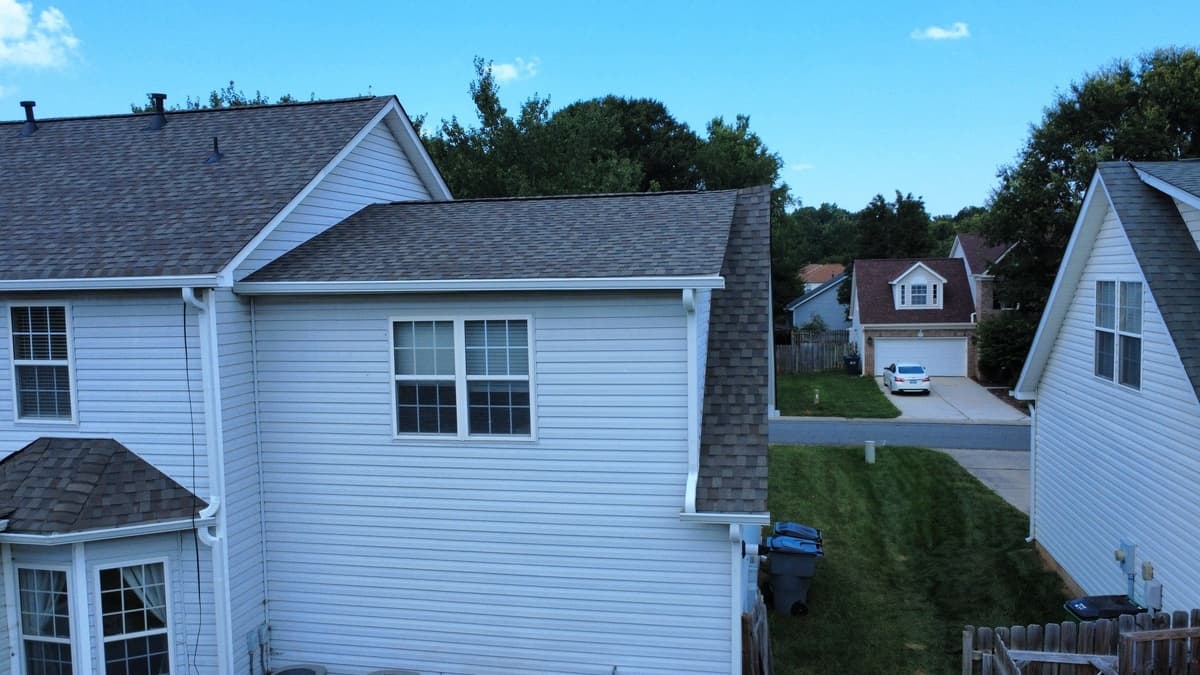
Charlotte, NC
new roof
Charlotte, NC
before after
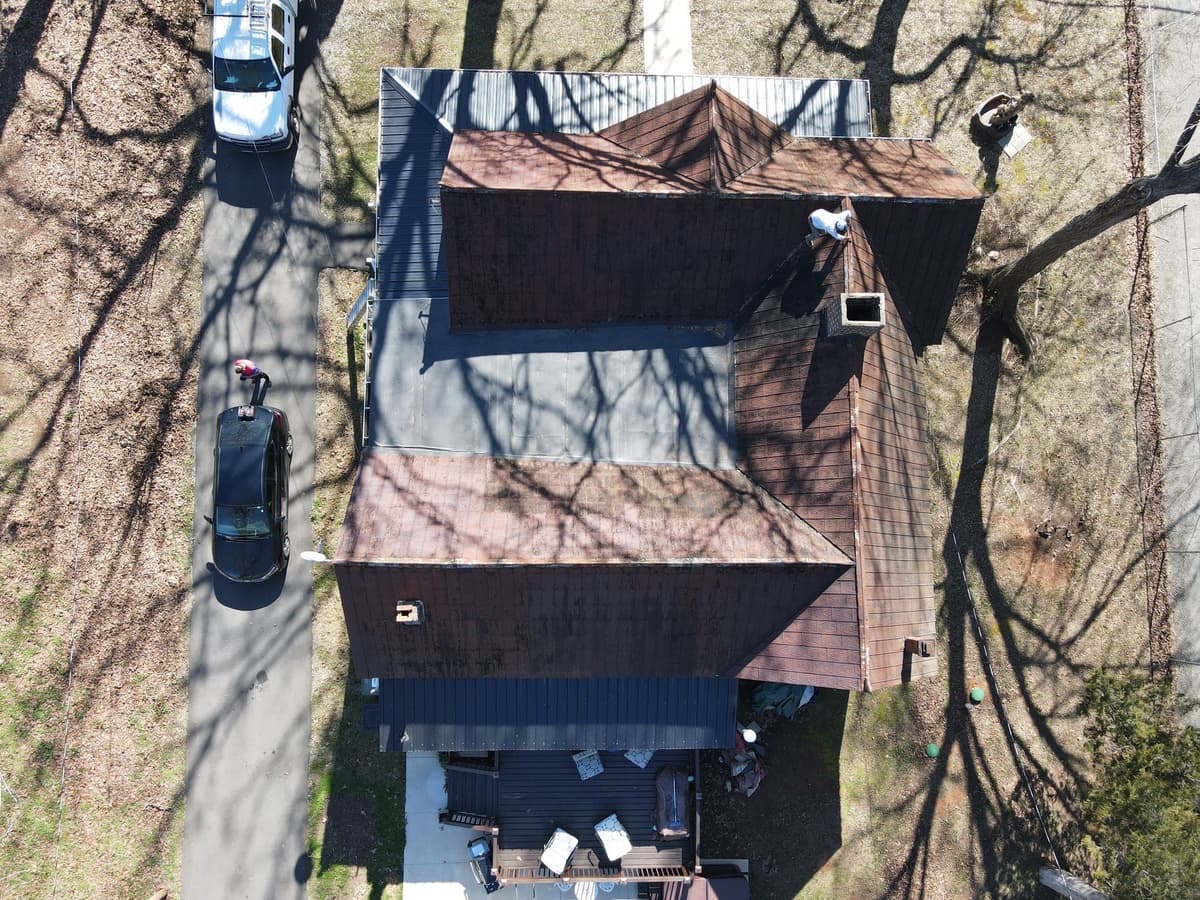
Charlotte, NC
new roof
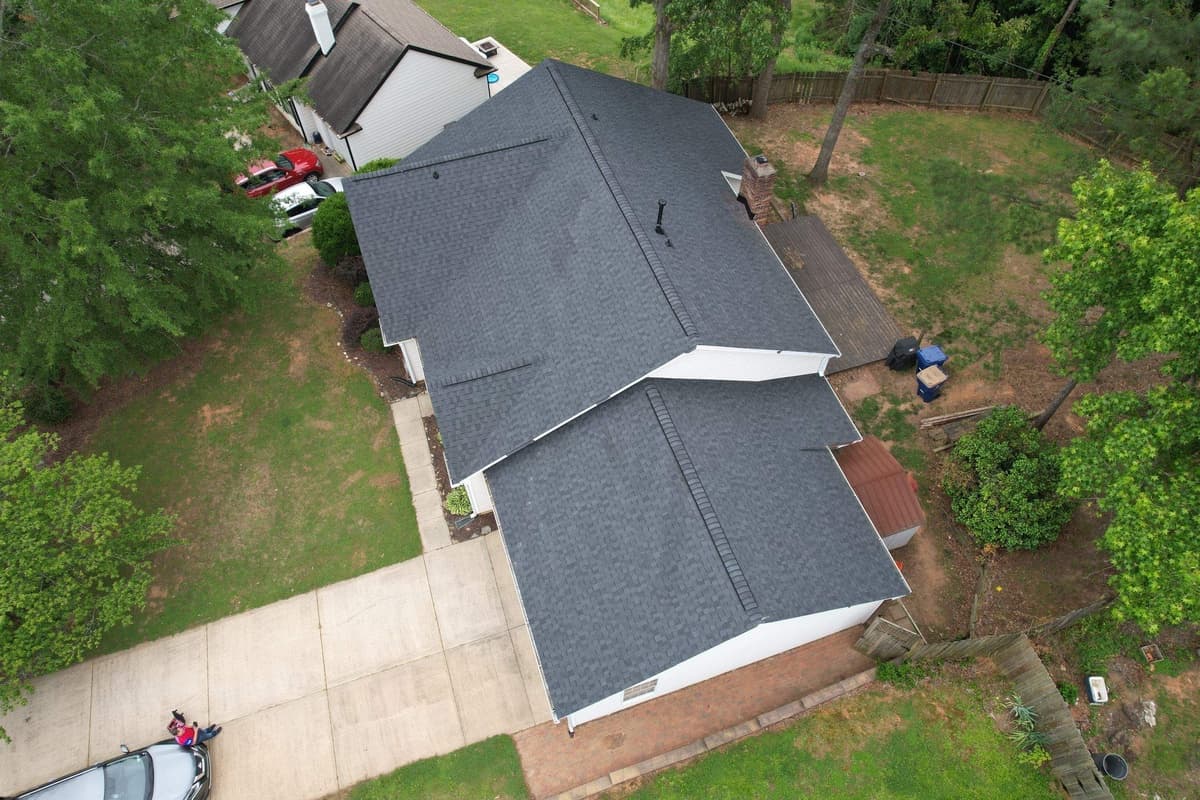
Charlotte, NC
new roof
Get a free roof inspection and honest assessment from Charlotte's most trusted roofing company.