
Roofing Tips & Guides
Expert Roofing Advice for Charlotte Homeowners
Learn from Charlotte's trusted roofing experts. Tips on maintenance, repair, replacement, and protecting your home from the elements.
Leak or wind damage from Isaias? 24/7 emergency tarping, free storm-damage inspections and insurance-claim help.
Learn from Charlotte's trusted roofing experts. Tips on maintenance, repair, replacement, and protecting your home from the elements.

When homeowners in Charlotte and Lake Norman start thinking about major exterior renovations, they often face a tough question: should we tackle the roof and siding separately, or plan both projects together? After 15+ years in the roofing business here in North Carolina, I've seen both approaches work: and fail spectacularly.
The truth is, coordinating your roof and siding projects can save you thousands of dollars and months of disruption. But only if you do it right. Get the timing wrong, choose the wrong contractor, or skip crucial preparation steps, and you'll end up with a bigger headache than you started with.
Here's everything I've learned about planning these two major projects together, including the mistakes that cost Charlotte homeowners the most money and stress.
Most homeowners don't realize how much overlap exists between roofing and siding work. Both projects require similar equipment (scaffolding, ladders, dumpsters), similar prep work (protecting landscaping, moving outdoor furniture), and often reveal the same underlying issues.
When we remove old siding, we frequently discover moisture damage, rotted sheathing, or inadequate house wrap that also affects the roof line. Similarly, roof replacements often expose problems with fascia boards, soffits, and trim that connect directly to your siding system.
By coordinating both projects, you can address these interconnected issues in one coordinated effort instead of making separate discoveries months apart. Plus, many of our Charlotte clients save 15-20% on total project costs by bundling both jobs with the same contractor team.
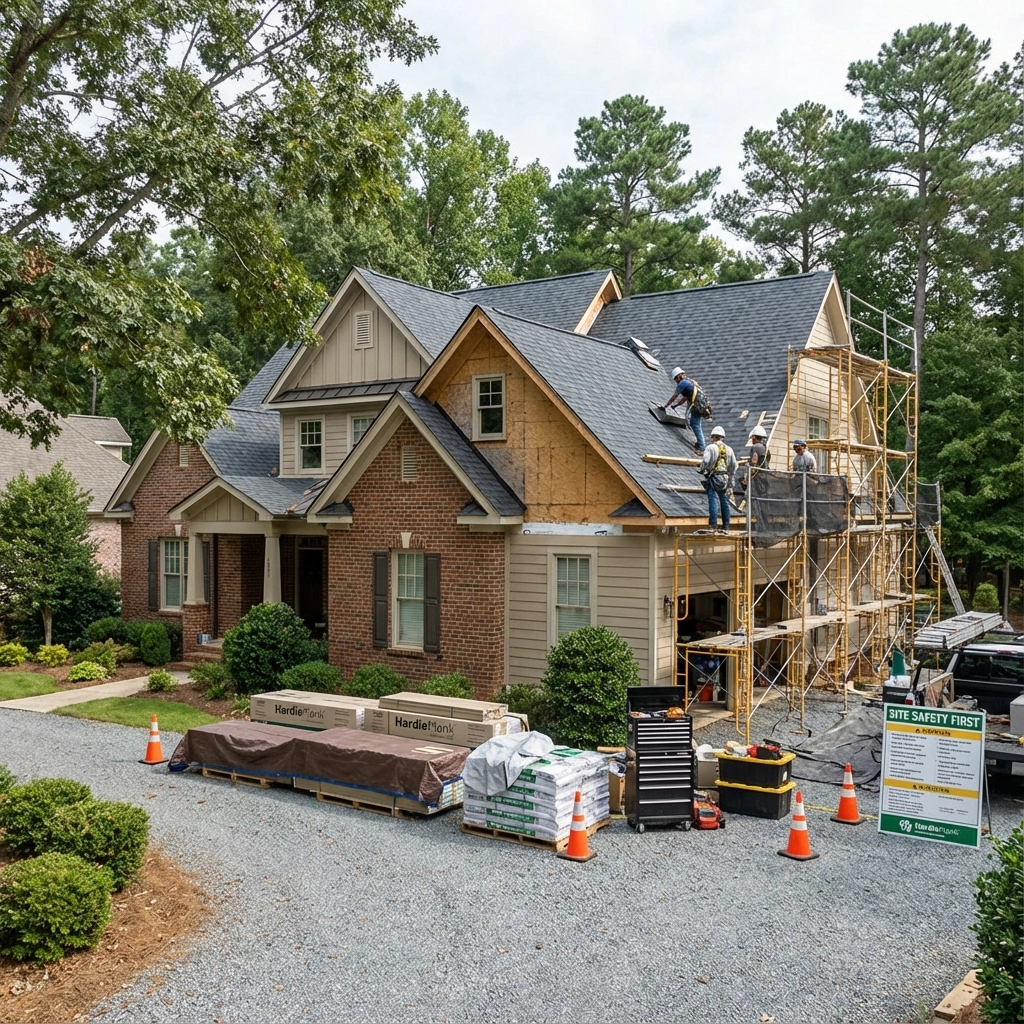
The biggest mistake I see homeowners make is trying to run both projects simultaneously. It sounds efficient, but it creates chaos on your property and serious safety risks for the crews.
The Right Sequence: Roof First, Then Siding
We always recommend completing your roof replacement before starting siding work. Here's why this sequence makes sense:
Structural Protection: Your new roof needs to be completely weather-tight before we start removing exterior wall protection. Charlotte's unpredictable spring storms can dump 2-3 inches of rain in an afternoon, and you don't want water getting into exposed wall cavities.
Debris Management: Roof tear-offs create tons of debris, nails, and granules that fall around your home's perimeter. Installing new siding first means protecting it from roofing debris or potentially damaging fresh materials.
Inspection Opportunities: Once the roof is complete, we can properly inspect the connection points where your roof meets the walls. This is where most leak issues develop, and we can address any concerns before they get covered by new siding.
Realistic Timeline Expectations
For most Charlotte-area homes, expect:
Weather delays are common during our summer thunderstorm season (June-August) and can add 3-5 days to each project. Plan accordingly.
Every homeowner wants to know the bottom line, but the real savings come from understanding where bundled projects create efficiencies: and where they don't.
Where You Save Money:
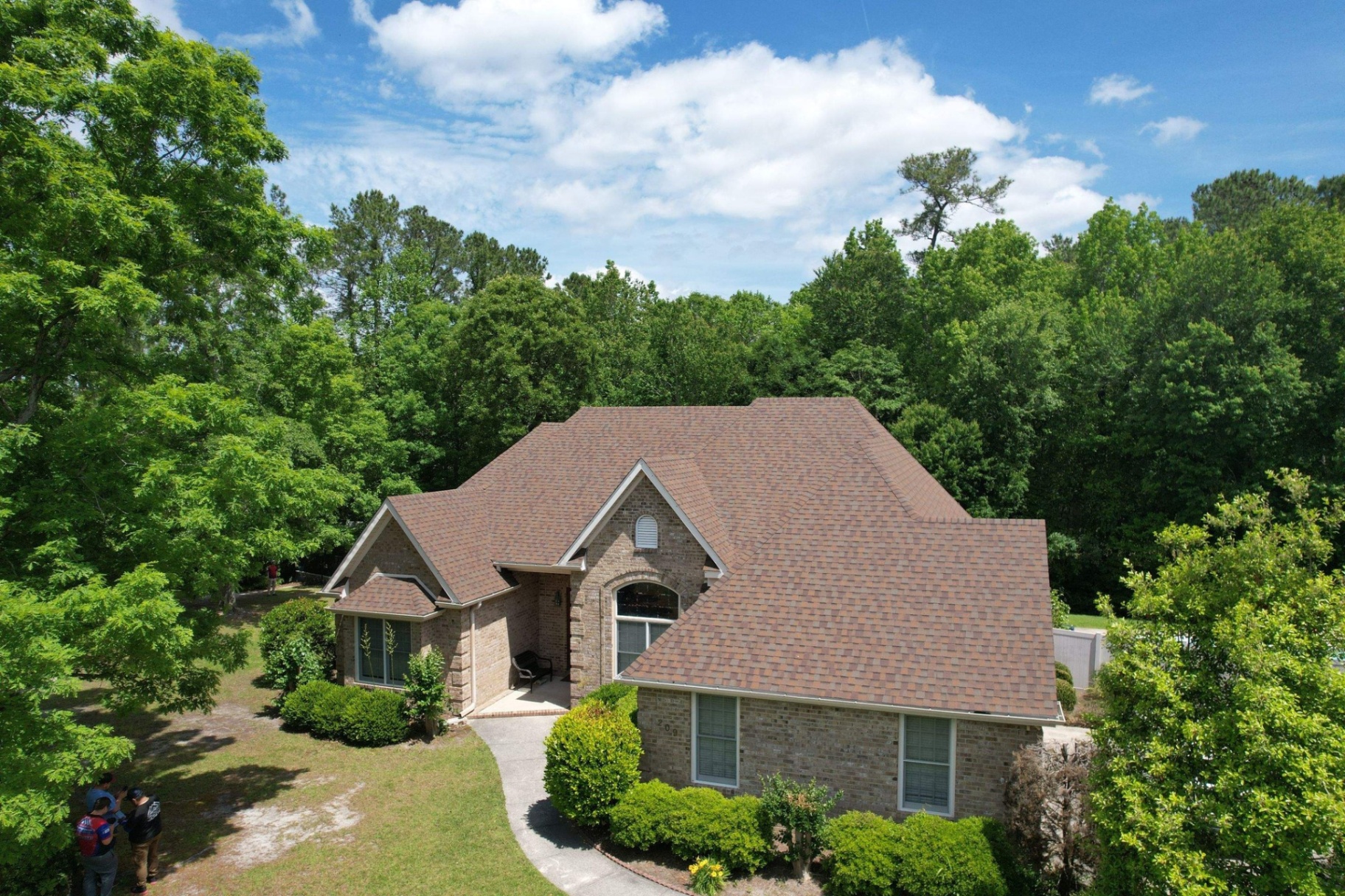
Mobilization Costs: Instead of paying separate setup fees for equipment delivery, dumpster placement, and site preparation, you're splitting these costs across both projects. On average, this saves Charlotte homeowners $800-1,500.
Material Purchasing Power: Contractors can often negotiate better pricing when ordering larger quantities of complementary materials. We frequently get better deals on underlayment, flashing, and trim when we're also ordering siding materials.
Shared Problem-Solving: When we discover underlying issues like rotted fascia boards or damaged house wrap, we can address everything at once instead of making separate service calls months later.
Where Costs Can Increase:
Complexity Premium: Some contractors charge 10-15% more for coordinated projects because of the additional planning and project management required. Make sure you're actually saving money after factoring in this premium.
Extended Timeline Risks: If weather delays stretch your project timeline, you might face additional costs for extended equipment rentals or crew rescheduling fees.
Material Storage: Storing siding materials during roof completion can require additional space rental or delivery coordination fees.
Local Cost Factors for Charlotte/Lake Norman
Our area's unique characteristics affect project costs in ways many contractors don't discuss upfront:
After handling hundreds of combined roofing and siding projects, these are the errors that create the biggest problems for homeowners:
Mistake #1: Inadequate Contractor Vetting
The biggest disaster I see is homeowners choosing contractors based purely on price, especially for combined projects. Managing two major renovations requires experience, proper licensing, and strong project management skills.
What to verify:
Many out-of-state contractors bid aggressively on combined projects but lack the local knowledge to handle our specific requirements, especially regarding wind load calculations and moisture management in our humid climate.
Mistake #2: Skipping the Structural Assessment
Once old materials come off, you might discover structural problems that affect both your roof and siding. I've seen homeowners get halfway through combined projects only to discover:
The fix: Require a comprehensive structural assessment after material removal but before new installation begins. Budget an additional 10-15% for potential structural repairs.

Mistake #3: Poor Weather Planning
Charlotte's weather patterns make timing crucial for exterior projects. Our summer thunderstorm season creates daily afternoon shower risks, while our mild winters can be interrupted by sudden ice storms.
Common weather-related problems:
Smart weather planning: Schedule project starts for late fall or early spring when weather patterns are more predictable. Always require contractors to have temporary protection plans for unexpected weather changes.
Mistake #4: Inadequate Permit and Inspection Coordination
Combined projects often require multiple permits and inspections that need to be coordinated properly. In Charlotte, you typically need:
Many homeowners don't realize that failing an inspection on one component can delay the entire project. We've seen cases where improper roof flashing installation delayed siding completion by two weeks while corrections were made.
Mistake #5: Insufficient Site Preparation
Combined projects create significantly more disruption than single projects. The most common oversights include:
Landscaping Protection: Both projects create debris, require equipment access, and involve materials storage. Without proper protection, you can lose expensive landscaping that takes years to replace.
Neighbor Considerations: Extended timelines and increased noise levels can strain neighbor relationships. We always recommend discussing project timelines with adjacent homeowners, especially in close-knit Lake Norman communities.
Interior Preparation: Roofing work creates vibration and dust that can affect interior spaces, while siding work often requires accessing areas near windows and doors. Proper interior preparation prevents damage to belongings and living spaces.
Working in our area requires understanding specific regional factors that affect combined roofing and siding projects:
Building Code Requirements
Charlotte's building codes have specific requirements for:
Make sure your contractor understands these local requirements and has recent experience with Charlotte building inspectors.
Material Selection for Our Climate
Our hot, humid summers and mild winters with occasional ice create specific performance requirements:
Roofing: Architectural shingles with high algae resistance perform best in our climate. Metal roofing is gaining popularity for its durability and energy efficiency benefits.
Siding: Fiber cement and vinyl siding both work well here, but installation techniques must account for our humidity levels and temperature swings. James Hardie fiber cement is particularly popular in Lake Norman's upscale neighborhoods.
Seasonal Considerations
Best timing for combined projects:
Timing to avoid:
After managing hundreds of these combined projects, here are the strategies that consistently lead to successful outcomes:
Create a Detailed Timeline with Buffer Time
Work with your contractor to create a realistic timeline that includes:
Establish Clear Communication Protocols
With multiple crews and extended timelines, communication becomes crucial:
Plan for Temporary Inconveniences
Combined projects mean extended disruption to your normal routines:
Combining roof and siding projects makes sense for many Charlotte-area homeowners, but it's not right for everyone. Consider the combined approach if:
✅ Both your roof and siding need replacement within the next 2-3 years
✅ You want to minimize total disruption time
✅ You're comfortable with a more complex project management situation
✅ You've found a contractor with proven experience in combined projects
Stick with separate projects if:
❌ Only one system truly needs immediate replacement
❌ Your budget is tight and you need to spread costs over time
❌ You're uncomfortable with the increased complexity and timeline
❌ You haven't found a contractor you trust completely with both types of work
Planning combined roofing and siding projects requires careful coordination, experienced contractors, and realistic expectations. But when done right, it's one of the most effective ways to transform your home's exterior while maximizing your renovation investment.
If you're considering a combined roof and siding project in Charlotte or Lake Norman, we'd love to discuss your specific situation and help you determine if this approach makes sense for your home and budget.
Ready to explore your options? Contact Best Roofing Now today for a comprehensive assessment of your roof and siding systems. We'll help you create a coordinated plan that maximizes your investment while minimizing disruption to your daily life.
Our experienced team understands the unique requirements of Charlotte-area homes and can guide you through every step of the planning process. From initial assessment to final inspection, we're here to ensure your combined project delivers the results you're looking for.
Best Roofing Now
Charlotte's trusted roofing experts since 2019
Based on this article, you may be interested in these services.
We proudly serve these Charlotte-area communities with professional roofing services.
View All Service Areas →See our recent roofing work across the Charlotte metro area.
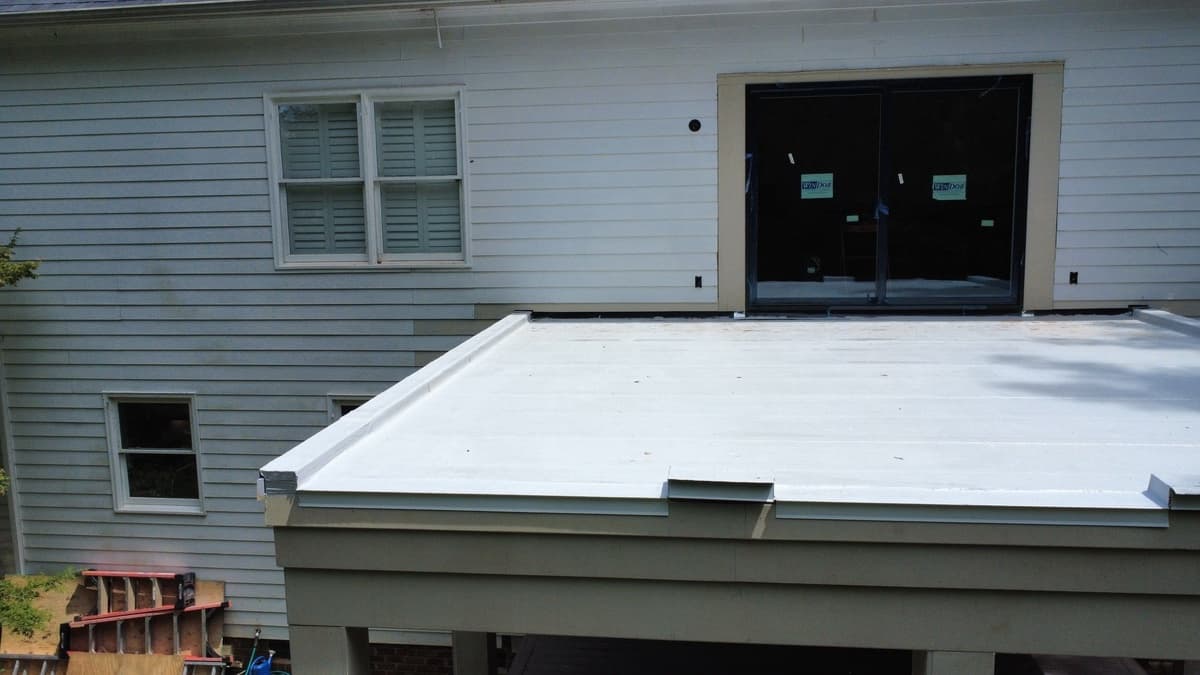
Charlotte, NC
new roof
Charlotte, NC
new roof

Charlotte, NC
before after
Charlotte, NC
new roof
Get a free roof inspection and honest assessment from Charlotte's most trusted roofing company.


