
Roofing Tips & Guides
Expert Roofing Advice for Charlotte Homeowners
Learn from Charlotte's trusted roofing experts. Tips on maintenance, repair, replacement, and protecting your home from the elements.
Leak or wind damage from Isaias? 24/7 emergency tarping, free storm-damage inspections and insurance-claim help.
Learn from Charlotte's trusted roofing experts. Tips on maintenance, repair, replacement, and protecting your home from the elements.
Fall interactions and outputs need
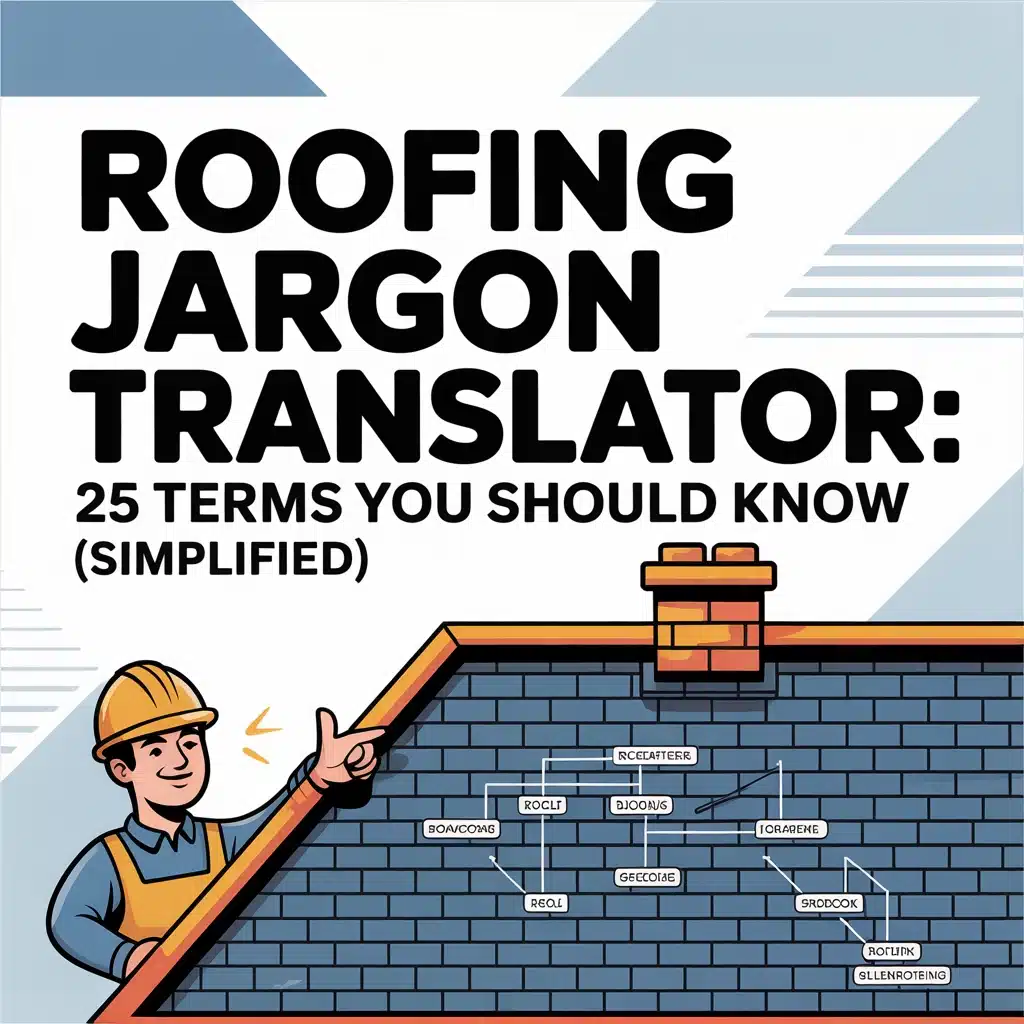
Ever had a roofer talk at you in what sounds like a totally different language? If you’ve ever had to Google “What is flashing?” or nodded along hoping no one asks you to define “underlayment,” you’re not alone. Roofing comes with its own set of terms—and understanding them can make you feel a whole lot more comfortable when it comes time for repairs or replacements.
That’s where this Roofing Jargon Translator comes in. We’ve rounded up 25 must-know roofing terms and translated them into plain English, complete with real-world examples and simple explanations. With this glossary, you’ll feel ready for whatever your next roofing project throws at you—whether you’re chatting with a contractor or reviewing a proposal.
1. Asphalt Shingles
The most common roofing material in the United States. These are those typical rectangular “shingle” pieces you see on most homes. Asphalt shingles are affordable, durable, and come in lots of colors.
2. Shingle
Think of these as the individual tiles (often made of asphalt, wood, slate, or metal) layered on your roof to keep the weather out.
3. Architectural Shingles
A step up from basic asphalt shingles. They’re thicker, have a more interesting texture, and generally last longer.
4. Single-Ply Roofing
A type of flat roofing membrane used mostly in commercial settings—think of it as one big waterproof sheet. (Examples: TPO, EPDM.)
5. TPO (Thermoplastic Polyolefin)
A popular type of single-ply roofing membrane. TPO is white and reflects sunlight, so it helps keep commercial buildings cooler.
6. Metal Roofing
Roofs made from steel, aluminum, copper, or zinc. Metal roofs are famous for their long life and ability to handle tough weather.
7. Underlayment
A water-resistant (or waterproof) layer installed under your shingles. Its main job: catch stray water and protect the roof deck, like a raincoat for your house.
8. Decking (Sheathing)
The flat base layer (usually plywood or OSB) that all the other roofing materials attach to.
9. Fascia
The board running along the edge of your roof—right where the gutters hang. Fascia is both decorative and protects the edge from weather.
10. Soffit
The underside of any part of the roof that hangs out past your walls. Often vented to let your attic “breathe.”
11. Eave
The lower edge of your roof that extends beyond the wall. Where water drips off when it rains.
12. Ridge
The top “peak” where two roof planes meet.
13. Hip
The external angle formed by the meeting of two sloping roof sections. Hip roofs have a sort of “pyramid” look.
14. Valley
The internal angle where two roof planes come together. Valleys are prone to leaks if not sealed well.
15. Flashing
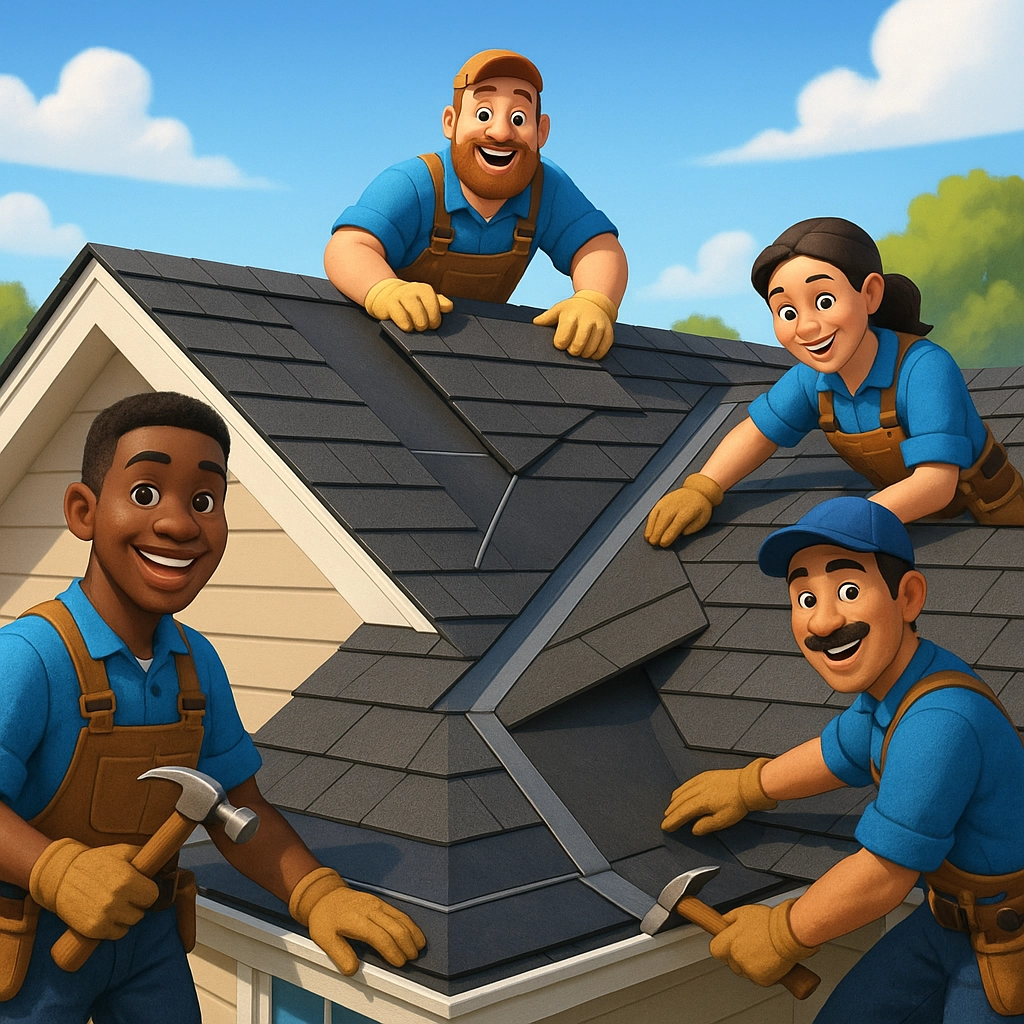
Thin strips of metal (often aluminum or galvanized steel) installed anywhere your roof meets a wall, chimney, vent, or skylight. Its mission: keep water out of tricky spots.
“Flashing is like the umbrella at seams—water can’t sneak in where it doesn’t belong.”
16. Sealant
A waterproof goo (like silicone) used to seal small gaps or joints, making sure water stays out.
17. Vapor Retarder
A material designed to slow the movement of water vapor through the roof assembly.
18. Waterproofing
General methods or materials applied to keep the roof from absorbing water (and eventually leaking).
19. Starter Strip (Starter Shingles)
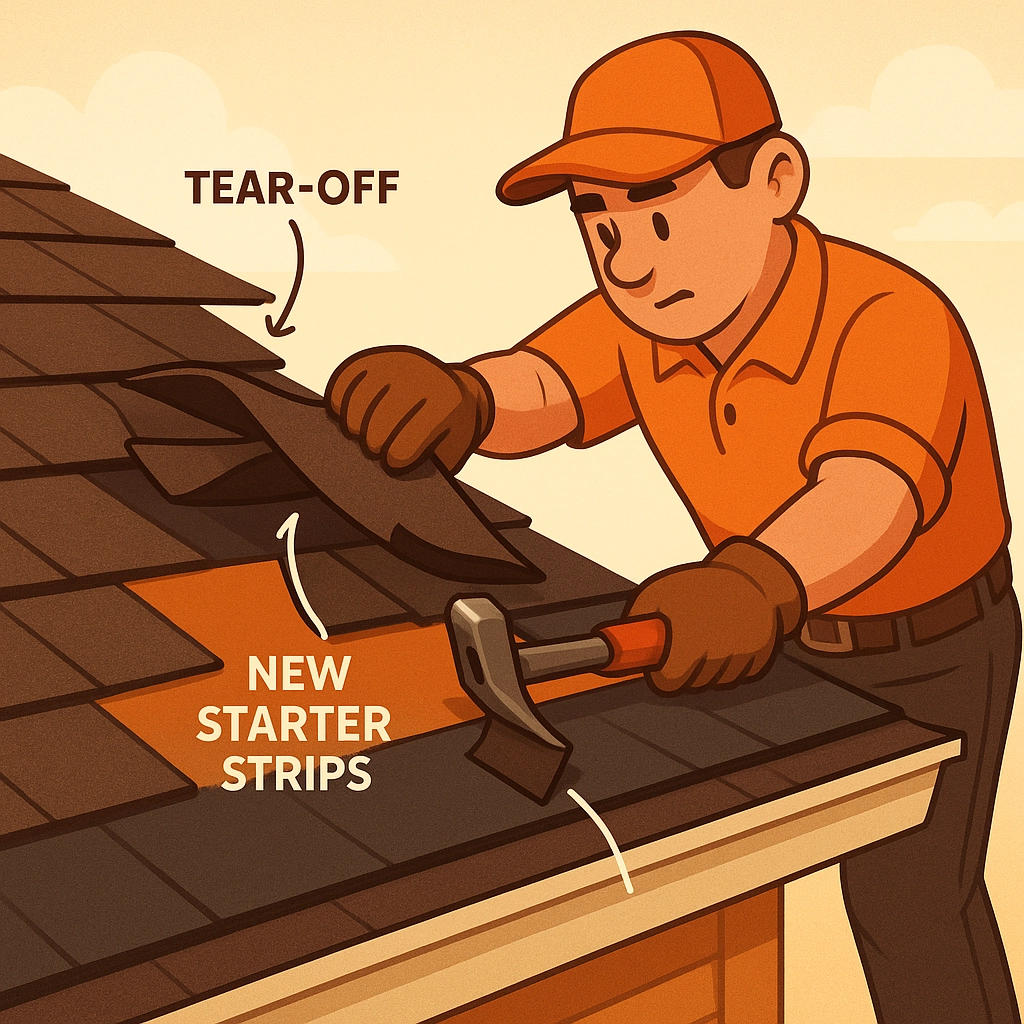
The very first row of shingles installed at the edge of the roof. It ensures the rest of the shingles line up and helps seal the edge against wind.
20. Tear-Off
The process of removing old roofing before installing new materials. Might cost a little extra—but it’s essential for a long-lasting new roof.
21. Re-roofing
Replacing the old roof with new roofing materials. (Not just repairs—this usually means a full swap.)
22. Overlay (Recover)
A method where new shingles are installed right on top of the old ones—without removing them first. Faster, but not always best for longevity.
23. Pitch (Slope)
How “steep” your roof is. Expressed as a ratio of vertical rise to horizontal run (like 6:12). More pitch = steeper roof.
24. Rise
The vertical distance from the lowest to highest point of the roof.
25. Run
The horizontal distance over which the roof rises up.
“Don’t hesitate to ask your roofer if you hear a word you don’t know—good contractors will always be happy to translate,” says the Best Roofing Now team.
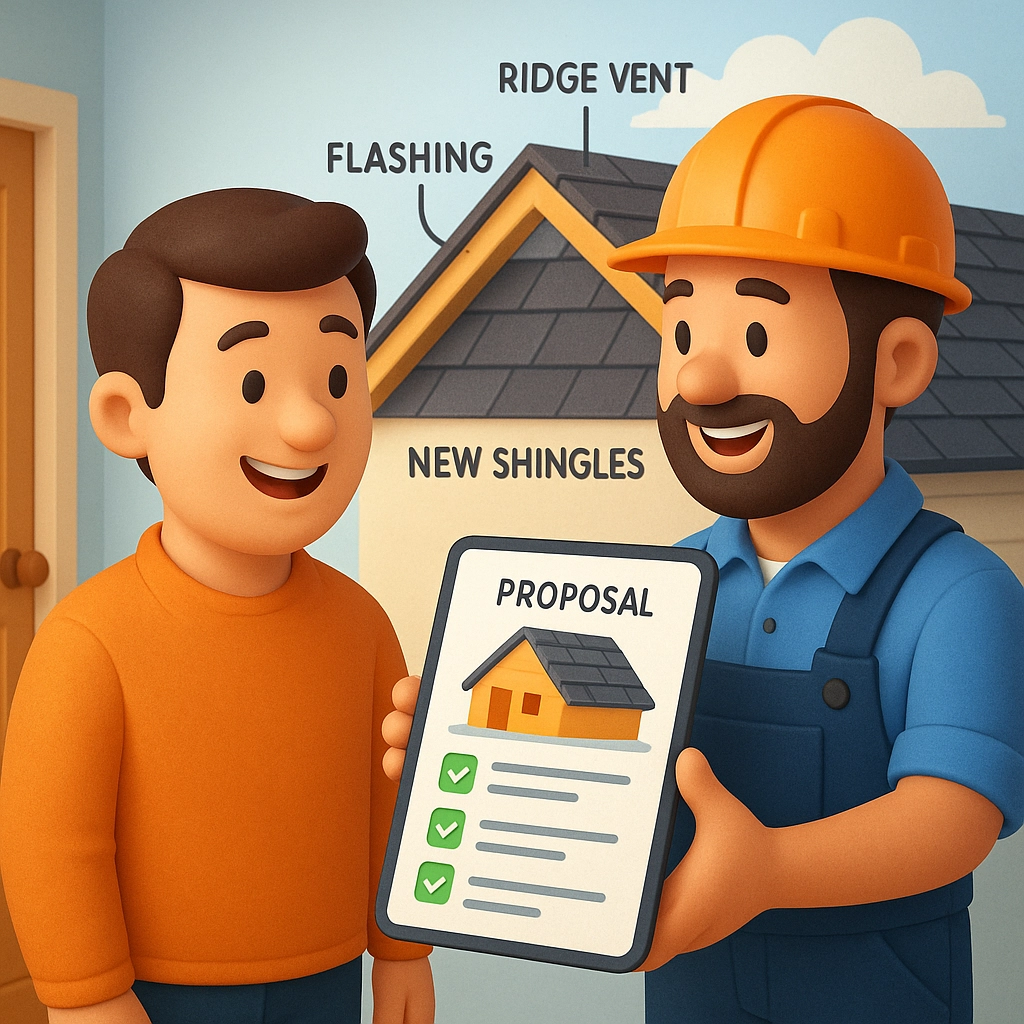
Maybe you get a quote that says:
“Remove existing asphalt shingles and underlayment. Inspect decking. Replace with architectural shingles, new flashing at all valleys and chimneys, add ridge vent, and install starter strip along all eaves.”
Here’s what that means in plain English:
“Roofing projects shouldn’t feel like a pop quiz,” says the crew at Best Roofing Now. “We’re here to make the process easy—from explaining every term to making sure your roof lasts as long as possible.”
Want a printable version of this guide or even more easy explanations?
📚 Get the Roofing Glossary from Best Roofing Now, or just give us a call—no question’s too small.
Ready to tackle your next roofing conversation like a pro? Visit our services page or check out even more tips on our blog.
Knowledge is power—and peace of mind for your biggest investment: your home!
Best Roofing Now
Charlotte's trusted roofing experts since 2019
Based on this article, you may be interested in these services.
See our recent roofing work across the Charlotte metro area.
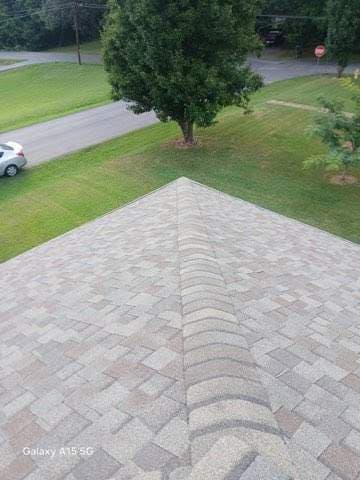
Charlotte, NC
new roof
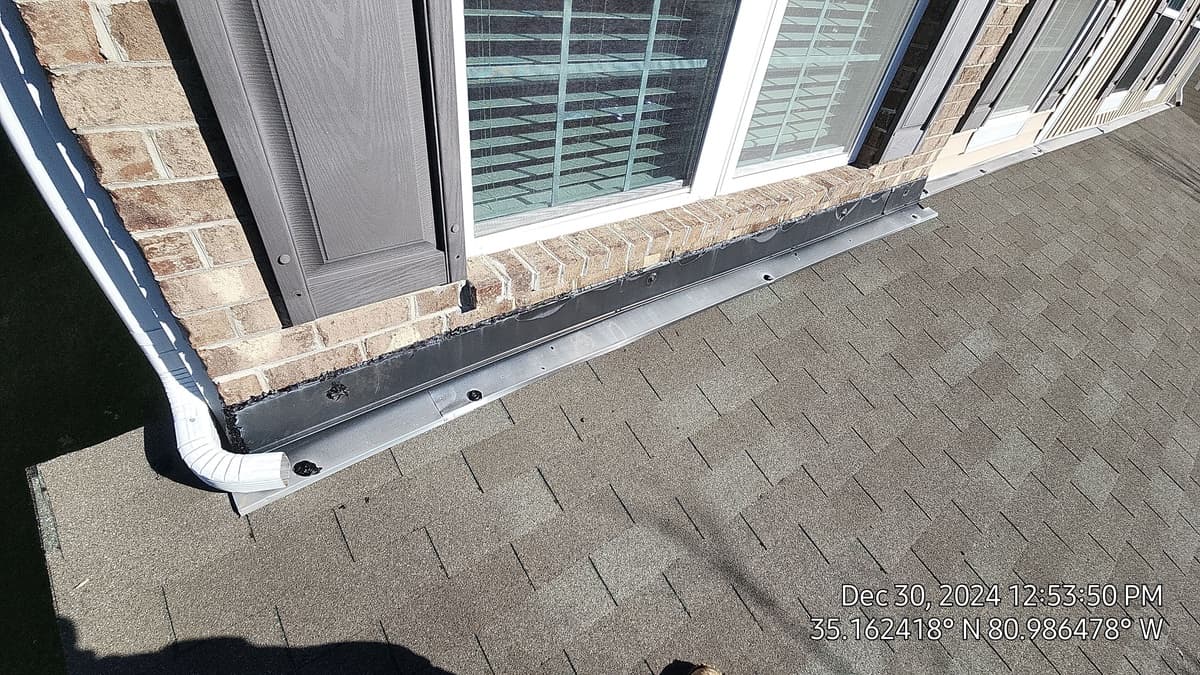
Charlotte, NC
new roof
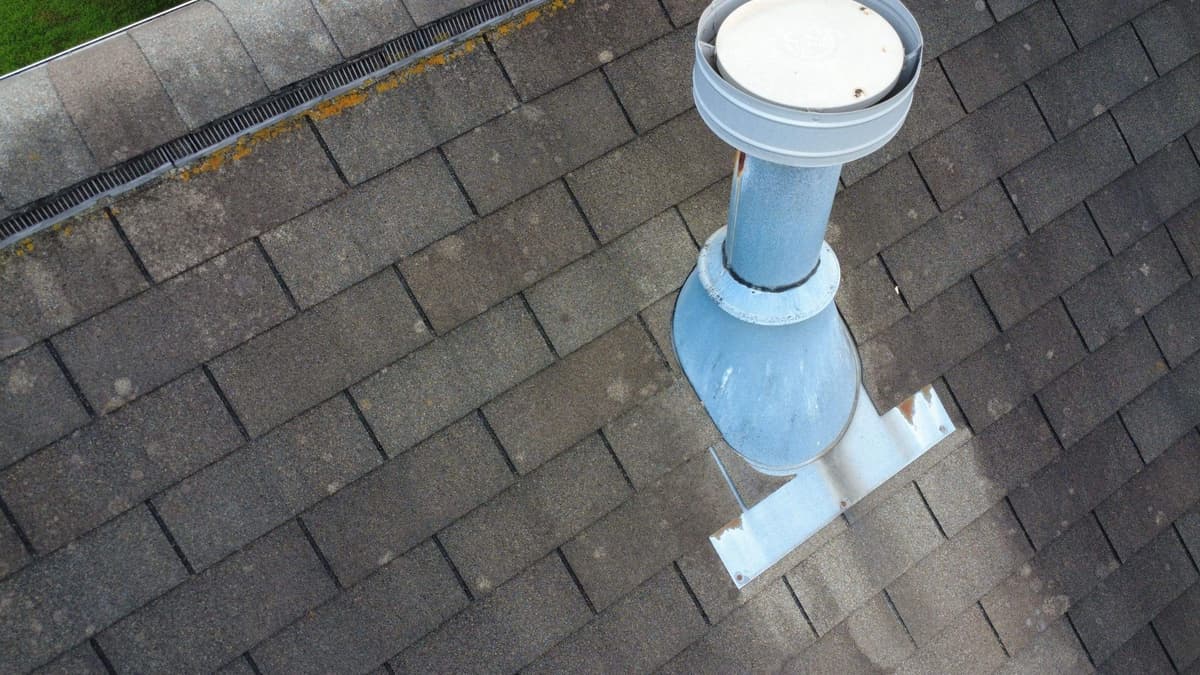
Charlotte, NC
work in progress
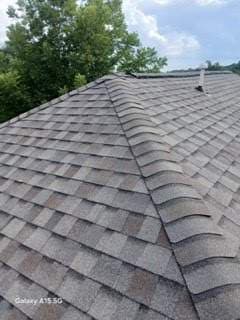
Charlotte, NC
new roof
Get a free roof inspection and honest assessment from Charlotte's most trusted roofing company.