
Roofing Tips & Guides
Expert Roofing Advice for Charlotte Homeowners
Learn from Charlotte's trusted roofing experts. Tips on maintenance, repair, replacement, and protecting your home from the elements.
Leak or wind damage from Isaias? 24/7 emergency tarping, free storm-damage inspections and insurance-claim help.
Learn from Charlotte's trusted roofing experts. Tips on maintenance, repair, replacement, and protecting your home from the elements.
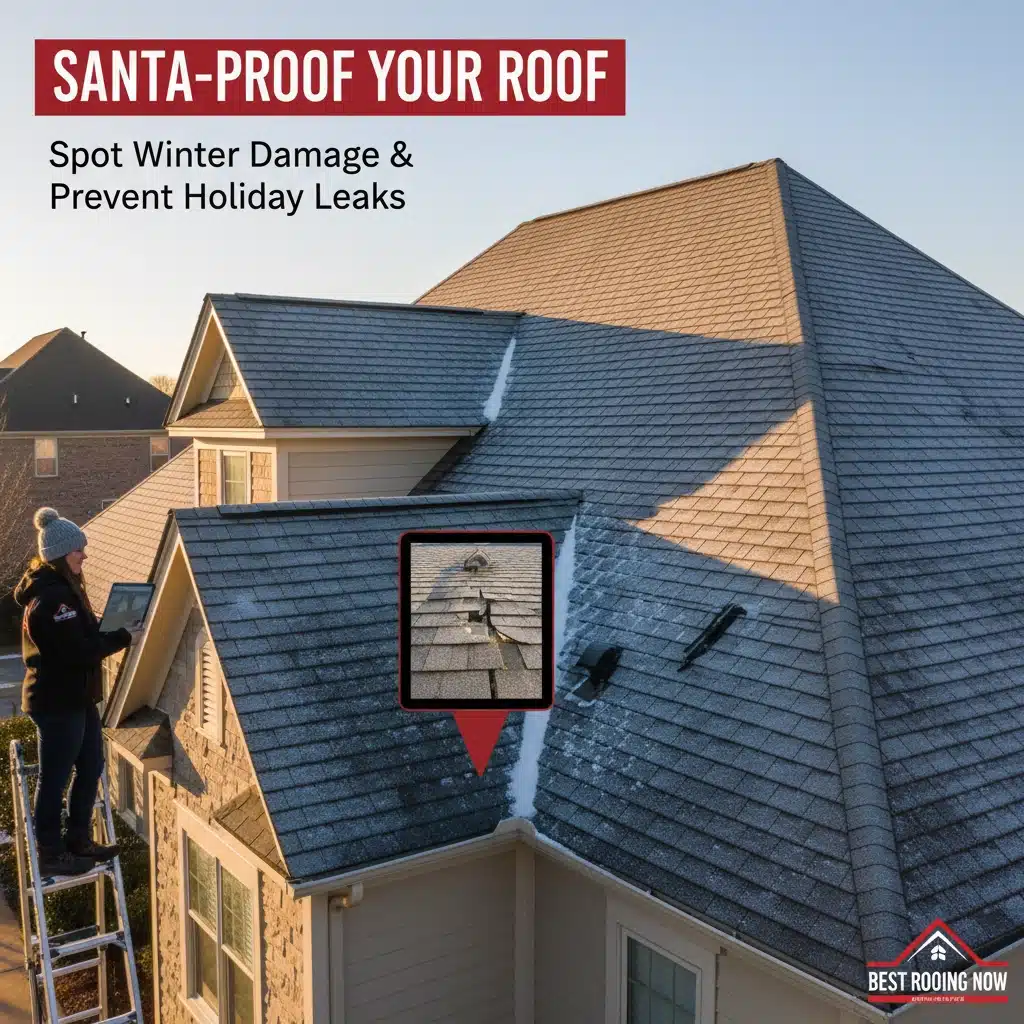
The holidays are here, and while you're busy planning Christmas dinner and hanging lights, your roof is getting ready for its biggest test of the year. Winter weather in Charlotte and Lake Norman can be unpredictable – one day it's 65 degrees, the next we're dealing with ice storms that shut down I-77.
After 15 years of emergency calls on Christmas morning from homeowners dealing with leaks, I've learned something important. The families who enjoy stress-free holidays are the ones who prepare their roofs in early December. Not after the damage happens.
Here's your complete guide to spotting winter damage early and preventing those holiday disasters that turn Christmas morning into a nightmare.
Your roof talks to you. The trick is learning its language before it starts screaming.
Walk around your Charlotte home this week and look up. Those icicles hanging from your gutters aren't just pretty winter decorations. They're red flags telling you that heat is escaping from your attic and creating ice dams. When warm air hits your roof deck, it melts snow unevenly. That water refreezes at the edges, creating a dam that forces water back under your shingles.
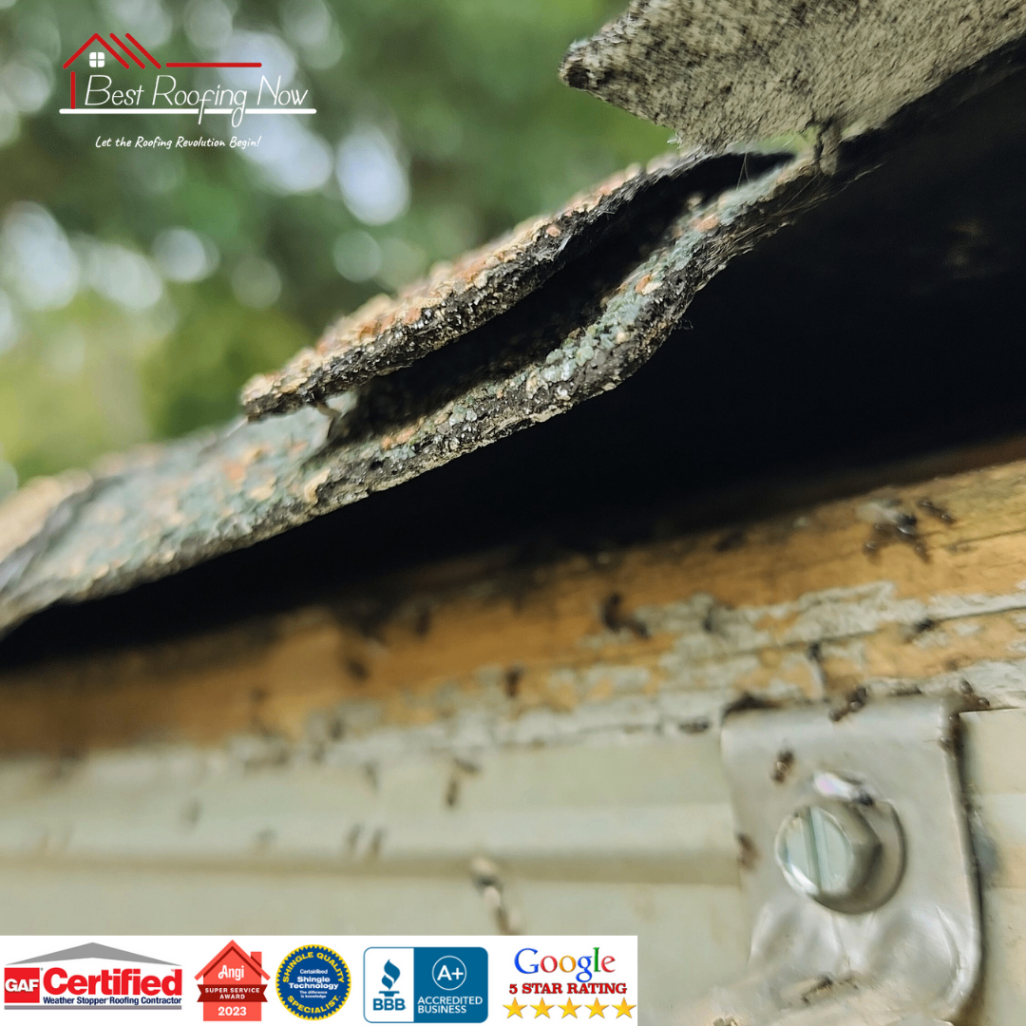
Check for loose or missing shingles around your roofline. December wind storms in our area can lift damaged shingles that looked fine in September. Look especially close at the edges and valleys where wind hits hardest. If you spot shingles that are curling, cracked, or missing granules, mark those spots. Winter weather will turn minor damage into major problems fast.
Inspect your flashing – those metal strips around chimneys, vents, and where your roof meets walls. Flashing problems cause 90% of the leak calls I get during winter storms. Look for rust, gaps, or sections that seem loose. If you can slide a business card under the flashing, water can get in too.
Inside your house, check your attic and ceilings for water stains or dark spots. Even tiny stains mean water is already finding its way in. During our next ice storm, those small leaks will become big problems.
December 3rd puts us right in the sweet spot for winter prep. Too early and you're wasting time. Too late and you're scrambling during the next storm.
Schedule your professional inspection now. I know it sounds like sales talk, but here's the reality: most homeowners miss 70% of roof problems during their own inspections. We use infrared cameras to spot heat loss patterns and moisture intrusion that you can't see from the ground. A $200 inspection beats a $5,000 emergency repair every time.
Clear all debris from your roof. Those pretty fall leaves piling up in your valleys and gutters? They're about to freeze solid and create ice barriers. When snow melts, that water needs somewhere to go. If it can't flow down your valleys or through your gutters, it backs up under your shingles.
Trim overhanging branches. Lake Norman homeowners know how our oak and pine trees can spread over rooflines. Winter ice adds serious weight to branches. I've seen a single ice-loaded limb punch straight through a roof deck. Keep branches at least 10 feet from your roofline.
According to the National Roofing Contractors Association, "Proper preparation in early winter prevents 80% of cold-weather roofing emergencies." That preparation window is closing fast in Charlotte.
Ice dams are the silent killers of Charlotte roofs. You don't see them forming, then suddenly you've got water pouring through your ceiling during Christmas dinner.
Fix your attic insulation and ventilation first. Most homes in our area need 15-20 inches of proper insulation. That's R-30 to R-38 value. But here's what contractors don't tell you – how it's installed matters more than how much you have. Compressed insulation loses 50% of its effectiveness.
Your attic needs to breathe. Cold air comes in through soffit vents, travels across your attic floor, and exits through ridge vents. This keeps your roof deck at the same temperature as outside air. No temperature difference means no ice dams.
Seal air leaks like your heating bill depends on it – because it does. About one-third of your home's heat loss happens through tiny gaps around light fixtures, ceiling fans, plumbing penetrations, and that attic hatch you never think about. Use weatherstripping and caulk to seal these spots.
Walk through your house with an infrared thermometer (Harbor Freight sells them for $30). Point it at your ceiling on a cold day. Hot spots show you exactly where heat is escaping into your attic.
Clean gutters are your roof's best friend during winter storms. Clogged gutters turn into ice dams that force water back under your roofing materials.
Clean everything out now. Don't just scoop leaves from the gutters – flush them with a garden hose to remove all the small debris. Check that water flows freely through downspouts. If it backs up, snake out the blockage or call a professional.

Inspect for leaks and sagging. Gutters full of ice weigh 10 times more than gutters full of water. Loose hangers or small leaks become big problems when ice forms. Look for water stains on your fascia boards or separation at gutter joints.
Direct water away from your foundation. Your downspouts should carry water at least 4 feet from your house. During winter thaws, you want that meltwater flowing away from your foundation, not pooling against your basement walls.
Consider gutter guards if you're tired of cleaning leaves every fall. But choose carefully – cheap plastic guards can create ice dam problems. Metal micro-mesh guards work best in our climate.
When that next winter storm hits Charlotte, you'll want to remove excess snow safely. The key word is safely.
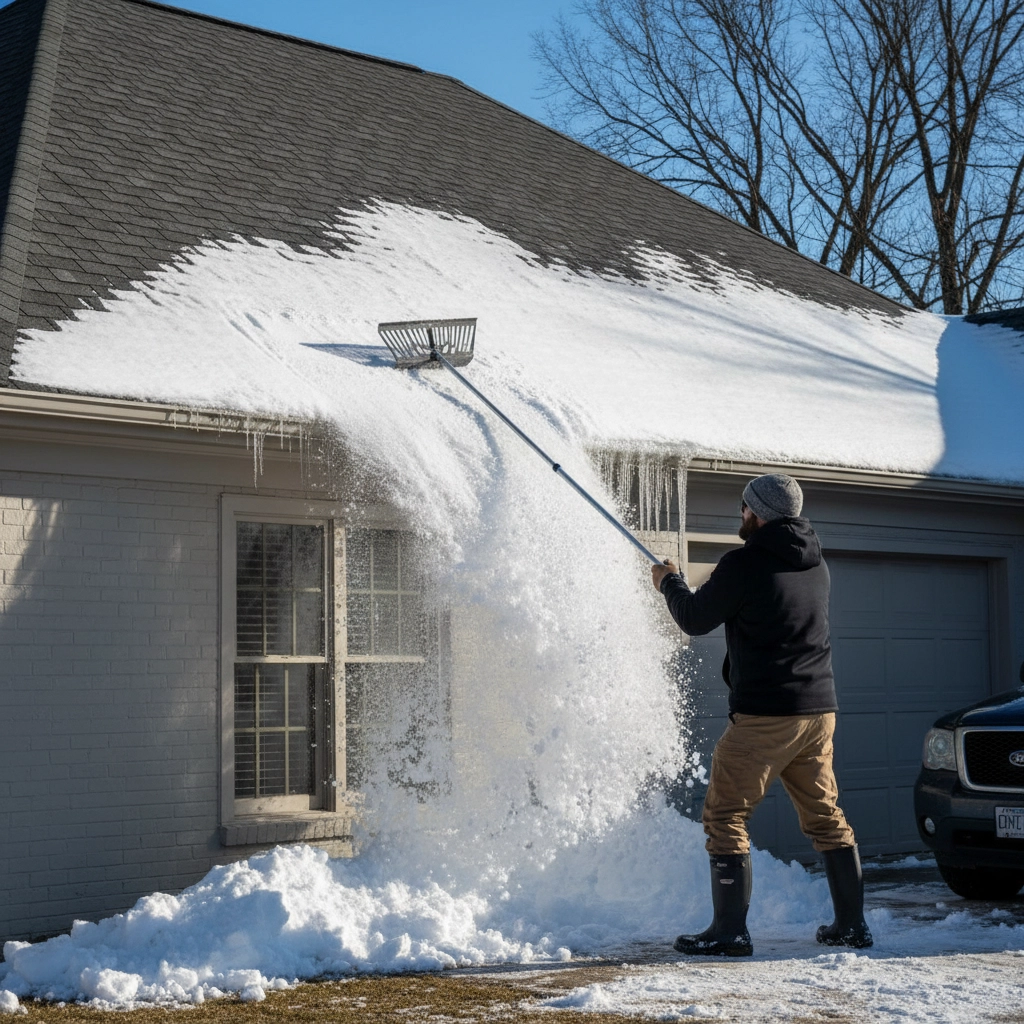
Use a roof rake from the ground. These extendable tools let you pull snow down without climbing onto your roof. Focus on the bottom 3-4 feet of your roofline where ice dams form. Don't try to clear your entire roof – just create channels for meltwater to flow.
Never use metal tools or hammers on your roof. I've seen homeowners chip away at ice with crowbars and hammers, thinking they're helping. Instead, they're destroying the protective granules on their shingles and creating weak spots for future leaks.
Don't climb onto an icy roof. This should be obvious, but every winter I treat homeowners who thought they could safely walk on frozen shingles. Emergency room visits cost more than professional snow removal.
If snow builds up more than 6 inches deep, call professionals. We have the right equipment and safety training to remove it without damaging your roofing materials.
Some winter roof problems need professional attention immediately. Don't wait for a convenient time – winter storms don't care about your holiday plans.
Call us if you see active leaks. Even small drips can cause thousands in damage once they reach your insulation, drywall, and electrical systems. We offer 24/7 emergency service because roof leaks don't wait for business hours.
Get help with major ice dam removal. While you can safely remove light snow, ice dams require professional equipment. We use steam to melt ice without damaging your shingles. DIY ice removal usually makes the problem worse.
Schedule repairs for damaged flashing or missing shingles. These problems won't fix themselves, and winter weather will make them worse every day. A $300 repair in December prevents a $3,000 insurance claim in February.
Charlotte and Lake Norman weather keeps us on our toes. We might see 70-degree days in December followed by ice storms that shut down the Queen City. This freeze-thaw cycle is particularly hard on roofing materials.
Ice storms are our biggest threat. Unlike steady snow that insulates your roof, ice storms create the perfect conditions for ice dams and sudden temperature changes that crack flashing and split shingles.
Our clay soil expands and contracts with freeze-thaw cycles, affecting your home's foundation and potentially shifting your roofline. Watch for new cracks in interior walls or doors that stick – these can indicate structural movement that affects your roof.
Lake effect moisture around Norman creates unique challenges. Homes near the lake see more ice formation and higher humidity that can worsen attic ventilation problems.
I've seen too many families learn this lesson the hard way. The average emergency roof repair during the holidays costs $2,400. That same repair, done as scheduled maintenance in early December, costs $400.
But the real cost isn't just money. It's Christmas morning with buckets in your living room. It's explaining to your in-laws why they can't sleep in the guest bedroom because the ceiling is wet. It's missing your kids' Christmas programs because you're dealing with insurance adjusters.
According to the Insurance Institute for Business & Home Safety, "Winter roof damage increases 400% when homeowners skip pre-season maintenance inspections."
Here's what you need to do this week to Santa-proof your roof:
Today: Walk around your house and look for obvious damage. Check gutters and downspouts. Look inside your attic for stains or moisture.
This week: Schedule a professional inspection. Clean gutters thoroughly. Trim overhanging branches.
Before December 15th: Complete any needed repairs. Test your attic ventilation. Seal air leaks around ceiling penetrations.
Keep on hand: Roof rake for snow removal. Emergency numbers for professional help. Buckets and tarps (just in case).
The families I work with who enjoy stress-free winters all have one thing in common – they prepare their roofs before problems happen. They don't wait for leaks to call professionals. They don't assume their roof will handle whatever weather comes.
Your roof protects everything you care about most. Your family. Your memories. Your Christmas morning peace of mind. A little preparation now saves a lot of heartache later.
Ready to Santa-proof your roof? Call Best Roofing Now at (704) 827-0052 for your free winter inspection. We'll identify problems before they become emergencies, so you can focus on what matters most – enjoying the holidays with your family.
Don't wait until Santa's reindeer are the only ones comfortable on your roof. Schedule your inspection today and give yourself the gift of winter peace of mind.
Best Roofing Now
Charlotte's trusted roofing experts since 2019
Based on this article, you may be interested in these services.
We proudly serve these Charlotte-area communities with professional roofing services.
View All Service Areas →See our recent roofing work across the Charlotte metro area.
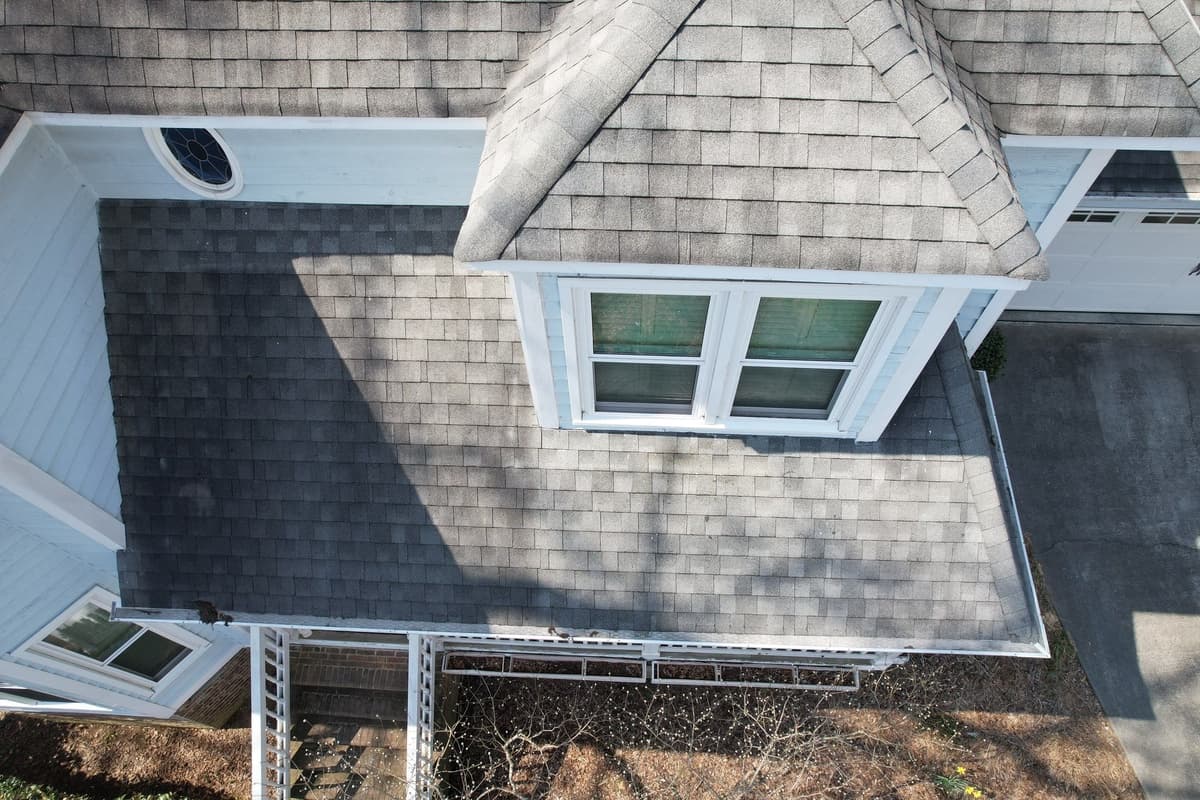
Charlotte, NC
new roof
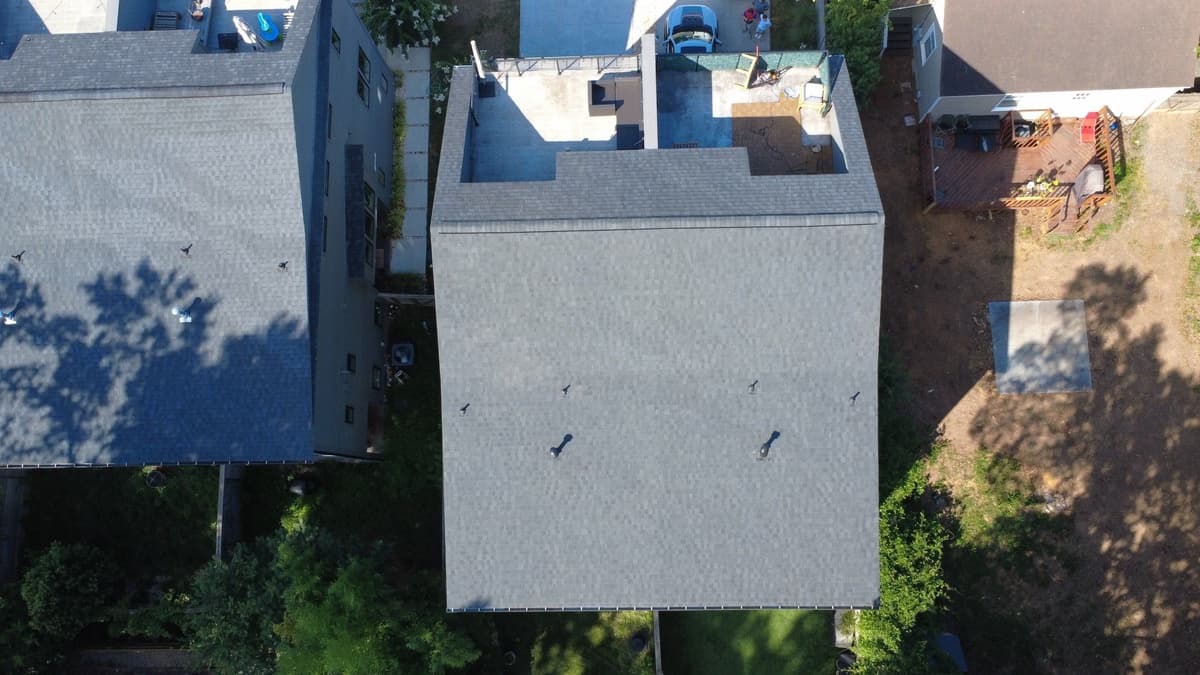
Charlotte, NC
new roof
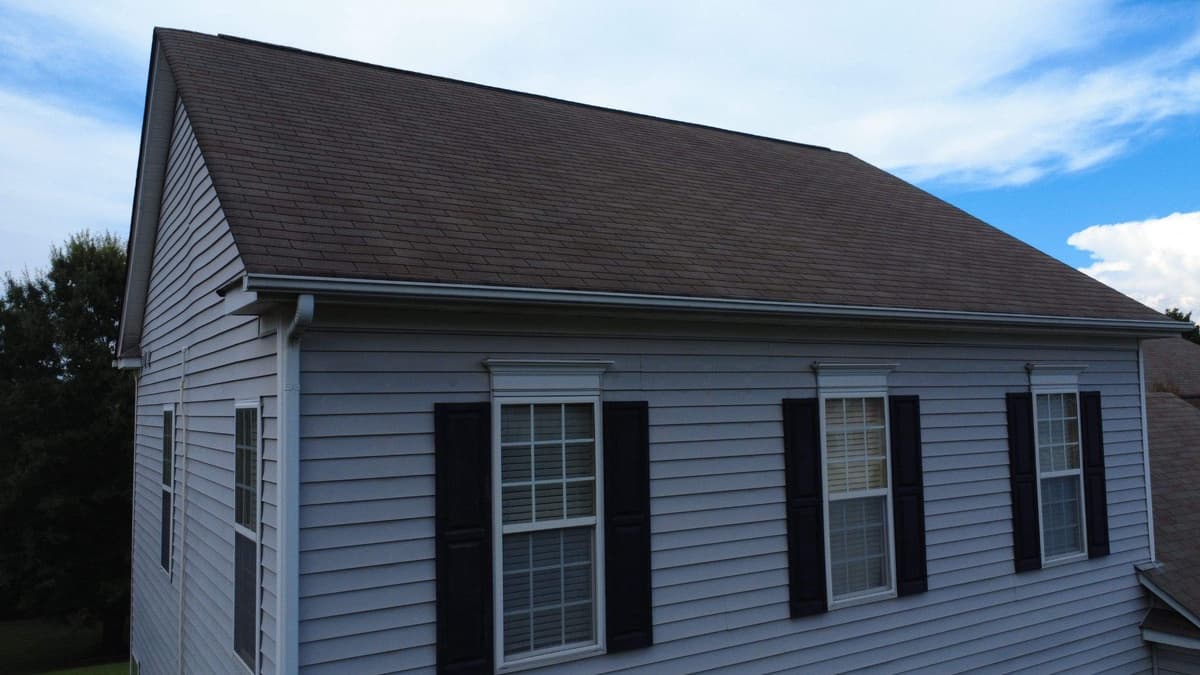
Charlotte, NC
new roof
Charlotte, NC
work in progress
Get a free roof inspection and honest assessment from Charlotte's most trusted roofing company.