Roofing Tips & Guides
Expert Roofing Advice for Charlotte Homeowners
Learn from Charlotte's trusted roofing experts. Tips on maintenance, repair, replacement, and protecting your home from the elements.
Leak or wind damage from Isaias? 24/7 emergency tarping, free storm-damage inspections and insurance-claim help.
Learn from Charlotte's trusted roofing experts. Tips on maintenance, repair, replacement, and protecting your home from the elements.
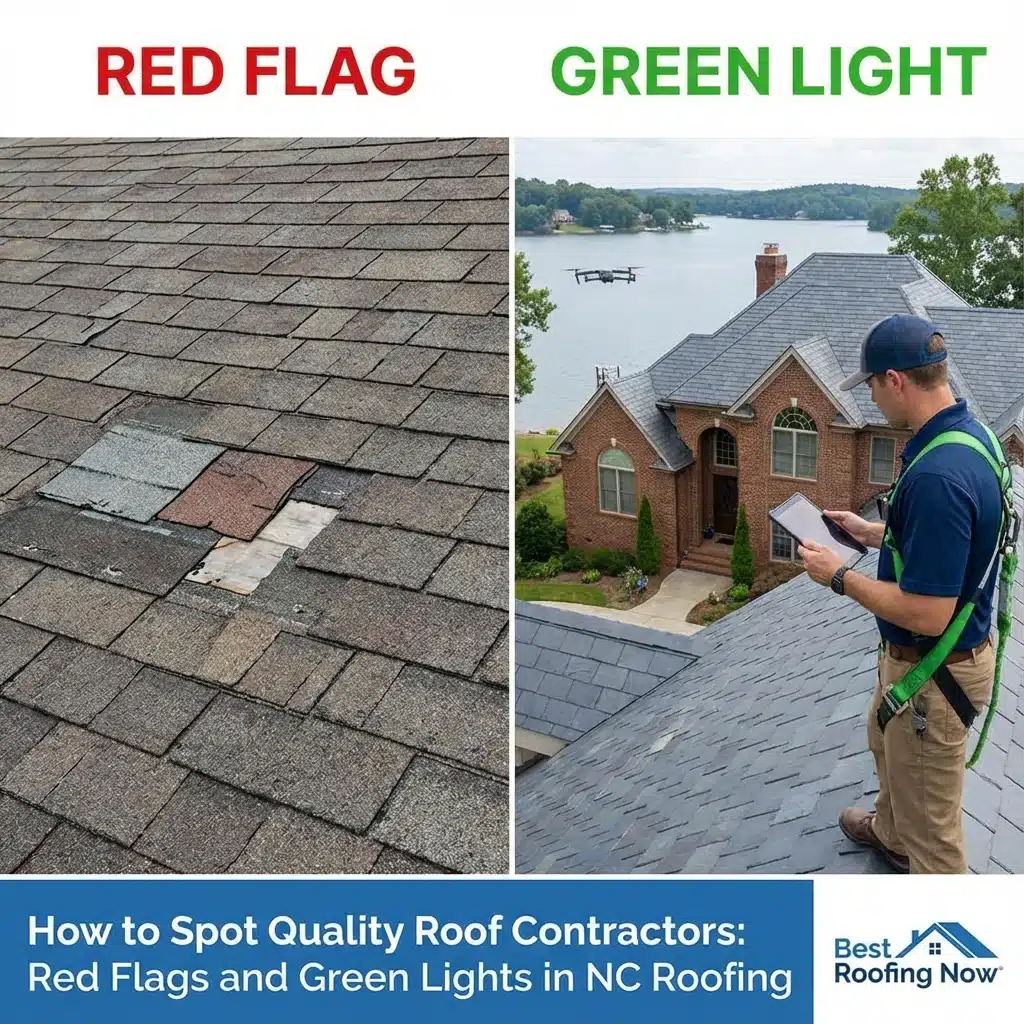
Choosing the right roofing contractor can make or break your home investment. In North Carolina, where severe storms and humidity test every roof, finding quality roof contractors isn't just smart: it's essential for protecting your family and property value.
We've seen too many homeowners get burned by fly-by-night operators who promise the world and deliver disaster. After 15 years in NC roofing, we know exactly what separates legitimate professionals from scam artists.
Here's your complete guide to spotting quality roof contractors and avoiding costly mistakes.
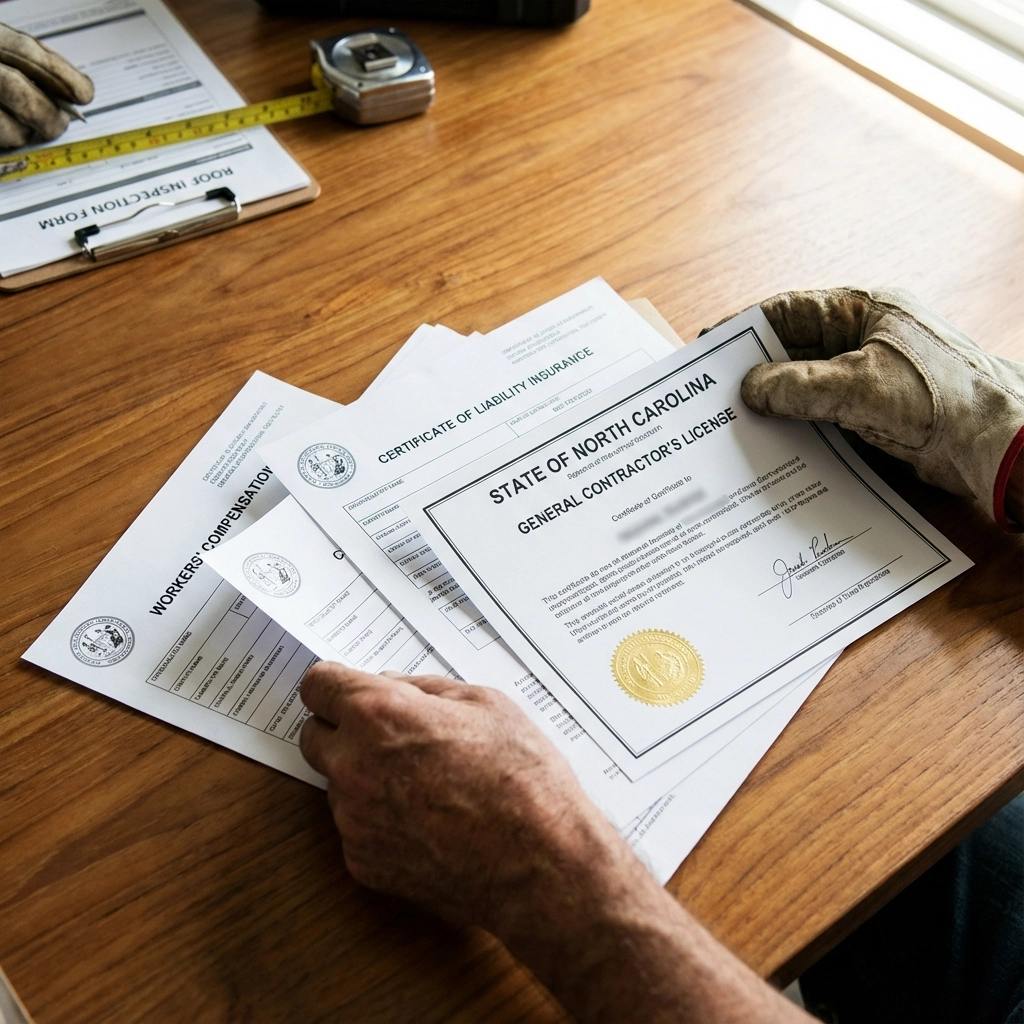
Every legitimate roofing contractor in North Carolina must carry a General Contractor's License. Don't just take their word for it: ask to see the physical license and verify it online through the North Carolina Licensing Board for General Contractors.
Quality roof contractors also carry:
Request certificates of insurance directly from their insurance company. Any contractor who can't provide current insurance documents within 24 hours should be crossed off your list immediately.
Best roofing companies build their business on referrals, not door-to-door sales. Look for contractors with:
Ask for references from recent jobs in your neighborhood. Quality contractors are proud to share their work and will connect you with satisfied customers.
Top roofing companies invest in training and certifications from major manufacturers like GAF, Owens Corning, and CertainTeed. These partnerships mean:
GAF Master Elite contractors, for example, represent less than 2% of all roofing contractors nationwide. This certification requires proven track records, strong financials, and commitment to customer service.
Professional contractors provide comprehensive written estimates that include:
Beware of vague estimates that just list a total price. Quality work requires detailed planning, and professional contractors document everything.
NC roofing contractors prioritizing safety will:
Ask about their safety record and incident history. Companies with strong safety cultures protect both workers and your property during installation.
Storm chasers flood North Carolina after every major weather event, going door-to-door promising quick fixes and insurance claim assistance. These operators typically:
Legitimate local contractors don't need to knock on doors: their reputation brings customers to them.
When a bid comes in 30-50% lower than others, there's usually a catch. Low-ball contractors often:
Remember: quality materials and skilled labor cost real money. Unrealistically low prices usually mean corners will be cut.
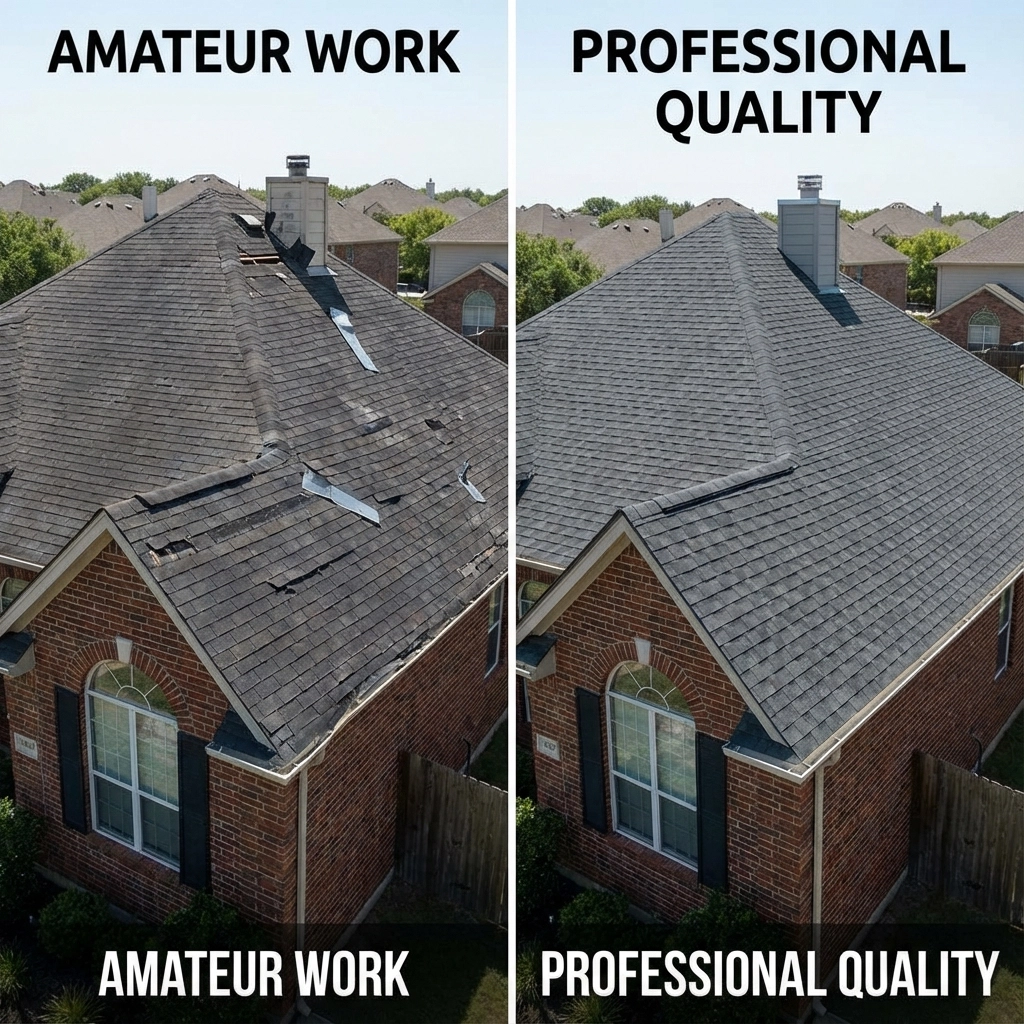
Professional roofing companies accept multiple payment methods and never demand full payment upfront. Red flags include:
Legitimate contractors typically request 10-20% down, with remaining payments tied to project milestones.
Be suspicious of contractors who:
Quality contractors invest in local offices, equipment, and relationships that keep them accountable to the community.
Professional contractors give you time to make informed decisions. Avoid contractors who:
Good contractors want educated customers who understand their investment.
Visit the NC Licensing Board website to verify:
Write down the license number and verify it independently: don't just look at business cards or advertisements.
Contact insurance companies directly to verify:
Insurance scams are common, so always verify directly with insurance providers rather than accepting copies that could be altered.
Use these resources to investigate potential contractors:
Look for patterns in complaints or reviews that might indicate ongoing problems.
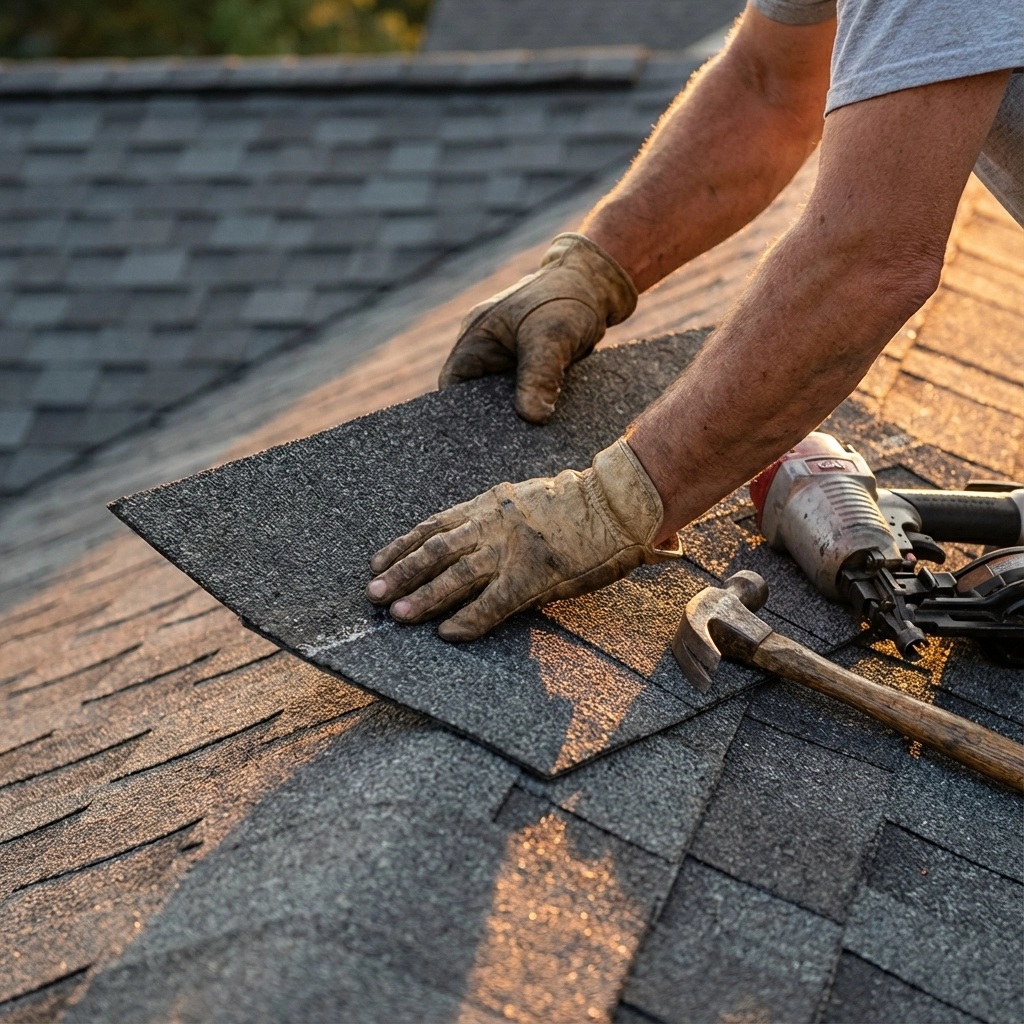
Our region faces unique roofing challenges that quality roof contractors understand:
Experienced local contractors design solutions for these specific conditions rather than using generic approaches.
North Carolina building codes require specific wind resistance ratings and installation methods. Contractors should be familiar with:
Ask how they stay current with code changes and handle permit applications.
With frequent storm damage in our area, many roofing projects involve insurance claims. Best roofing contractors help by:
However, be wary of contractors who promise to "handle everything" with your insurance company. You maintain the relationship with your insurer, not the contractor.
After major storms, watch for contractors who:
These practices are often illegal and can void your insurance coverage.
Storm damage creates material shortages, leading some contractors to:
Establish material specifications in writing and require approval for any substitutions.
Professional contractors follow structured consultation processes:
Rush jobs and pressure tactics have no place in professional roofing consultations.
Quality roof contractors maintain regular communication through:
Establish communication preferences upfront and expect contractors to follow through consistently.
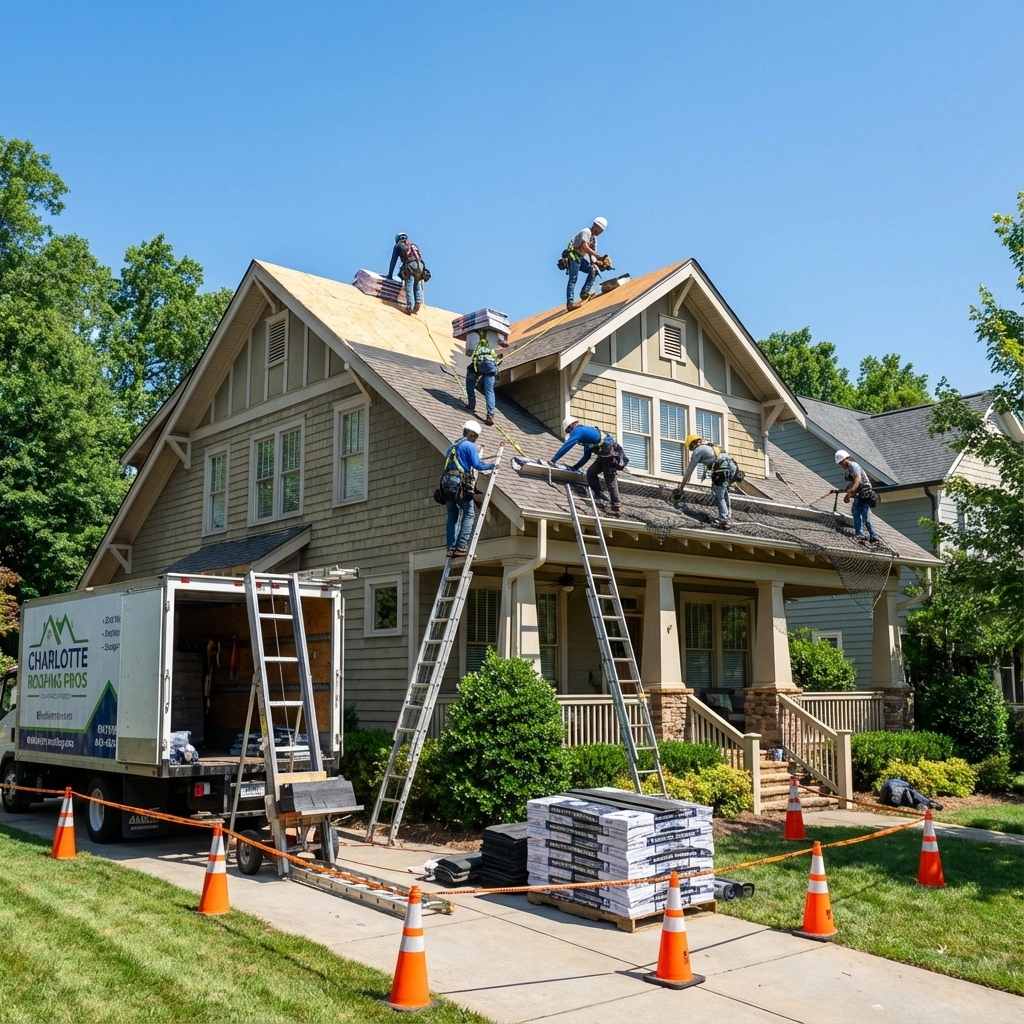
Well-managed roofing projects include:
Professional contractors manage projects systematically rather than showing up whenever convenient.
Get at least three written estimates, but don't automatically choose the lowest price. Compare:
The cheapest quote often becomes the most expensive choice when problems arise.
Beyond technical qualifications, consider:
Roofing companies that make you uncomfortable during sales will likely cause stress throughout the project.
Never start work without a detailed written contract including:
Read everything carefully and ask questions about unclear terms before signing.
Protect yourself by:
Legitimate contractors have financing relationships that eliminate need for large upfront payments.
Stay involved throughout the project:
Quality roof contractors welcome customer involvement and questions about their work.

If you notice problems:
Small problems become big headaches if not addressed quickly.
If contractors don't respond appropriately:
Professional contractors resolve issues quickly to maintain their reputation.
Choosing quality roof contractors protects your home, your family, and your financial investment. Take time to research properly rather than rushing into decisions based on convenience or price alone.
The difference between best roofing companies and mediocre ones becomes obvious when storms test their work. Invest in quality now to avoid expensive problems later.
Ready to find a contractor you can trust? Start with our guide to choosing the right roofing contractor for additional insights from our team.
Schedule your free roofing consultation today. We'll inspect your roof, answer your questions, and provide honest recommendations based on 15 years of NC roofing experience. No pressure, no sales tricks: just professional advice you can count on.
Best Roofing Now
Charlotte's trusted roofing experts since 2019
Based on this article, you may be interested in these services.
We proudly serve these Charlotte-area communities with professional roofing services.
View All Service Areas →See our recent roofing work across the Charlotte metro area.
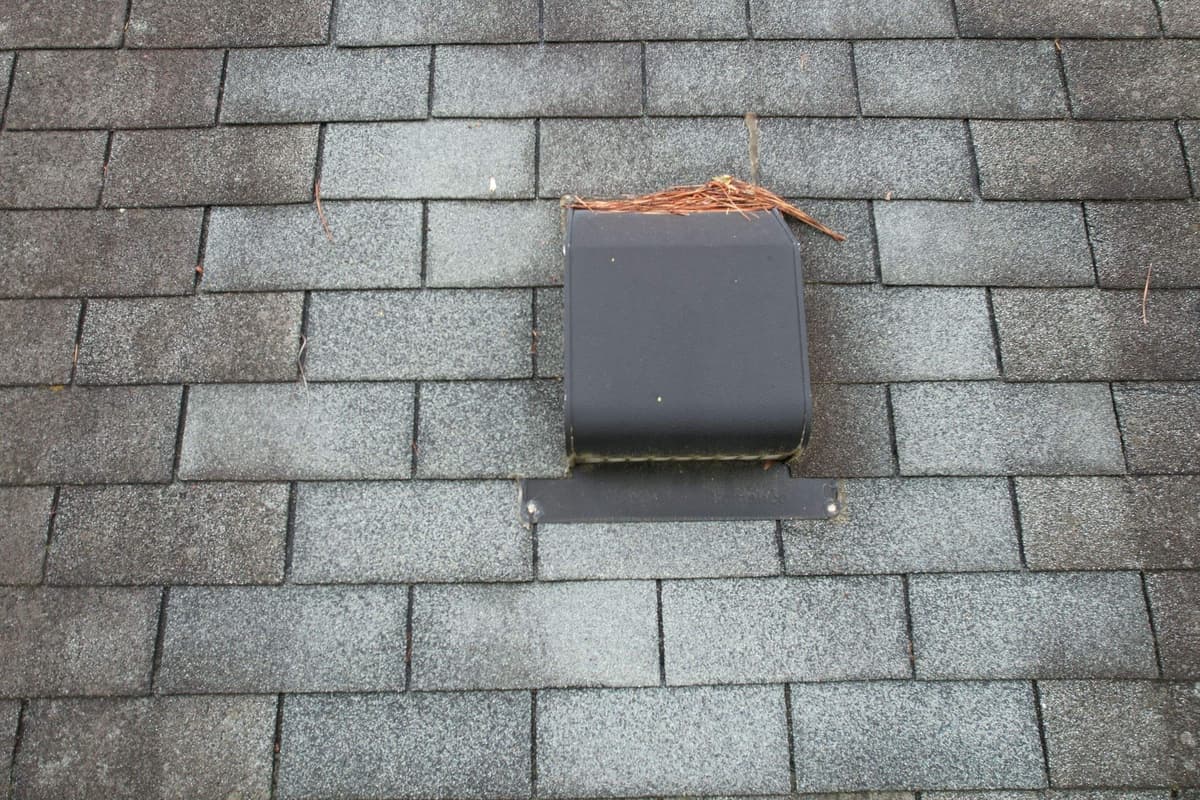
Charlotte, NC
new roof
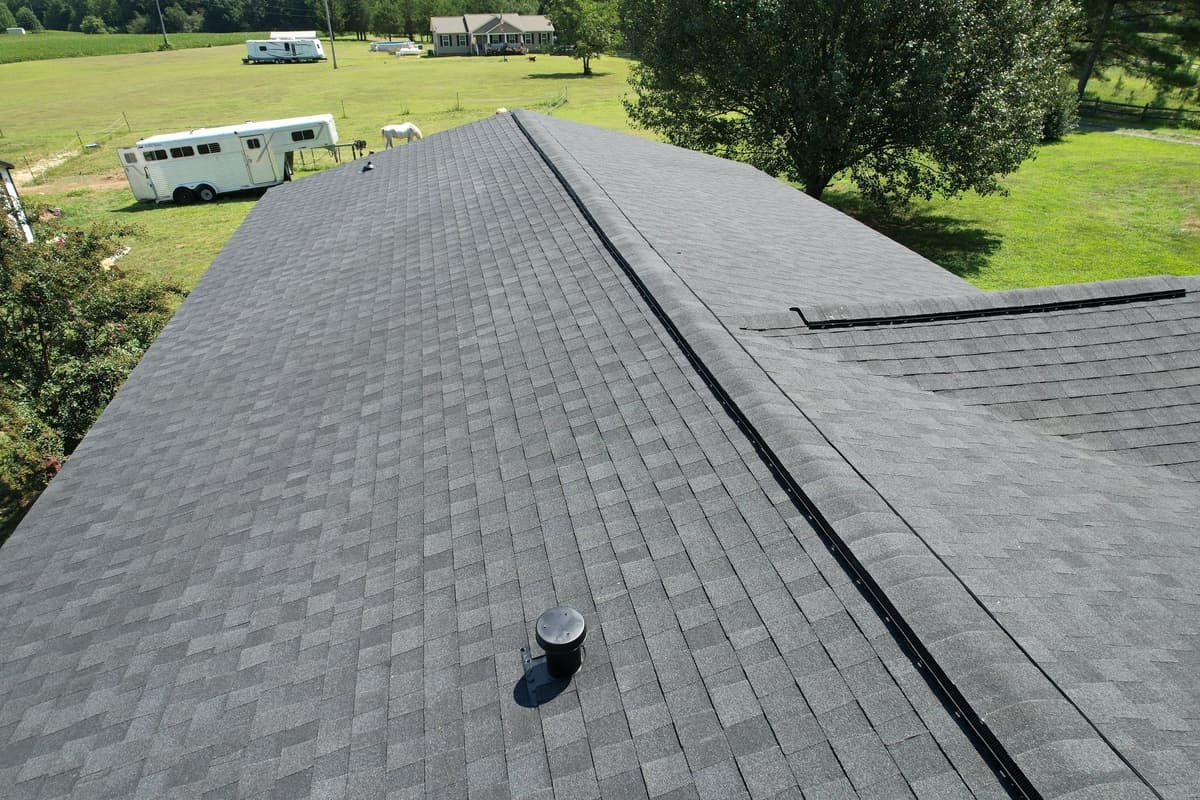
Charlotte, NC
new roof
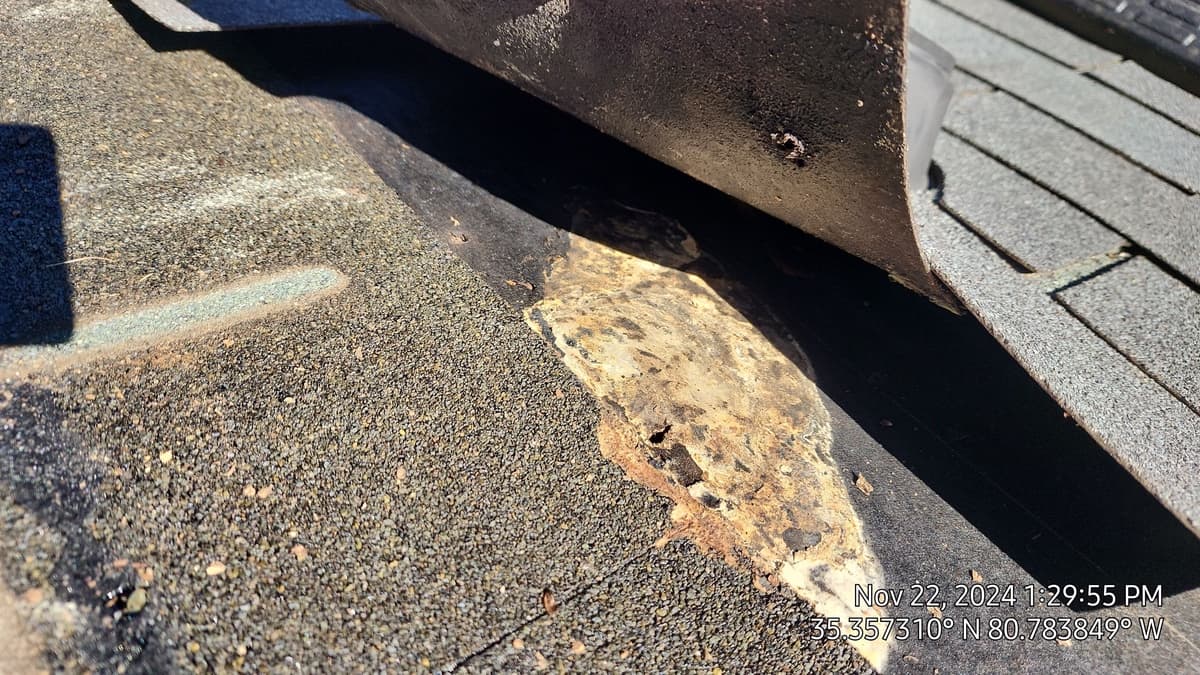
Charlotte, NC
new roof
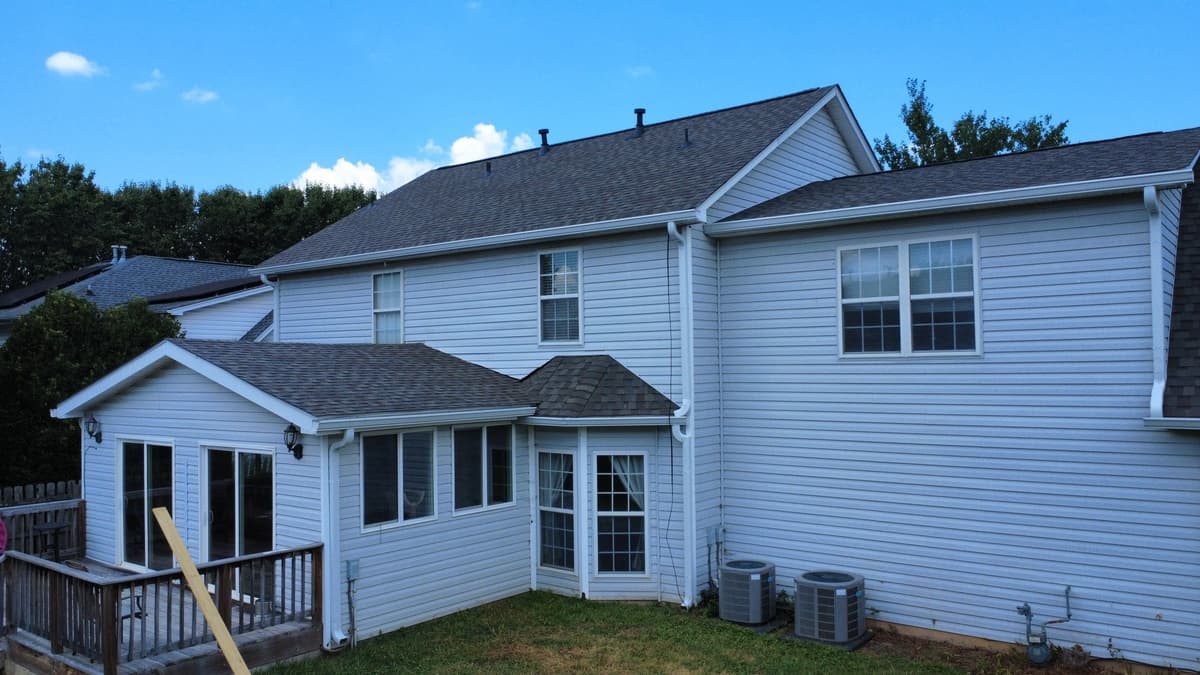
Charlotte, NC
new roof
Get a free roof inspection and honest assessment from Charlotte's most trusted roofing company.


