
Roofing Tips & Guides
Expert Roofing Advice for Charlotte Homeowners
Learn from Charlotte's trusted roofing experts. Tips on maintenance, repair, replacement, and protecting your home from the elements.
Leak or wind damage from Isaias? 24/7 emergency tarping, free storm-damage inspections and insurance-claim help.
Learn from Charlotte's trusted roofing experts. Tips on maintenance, repair, replacement, and protecting your home from the elements.
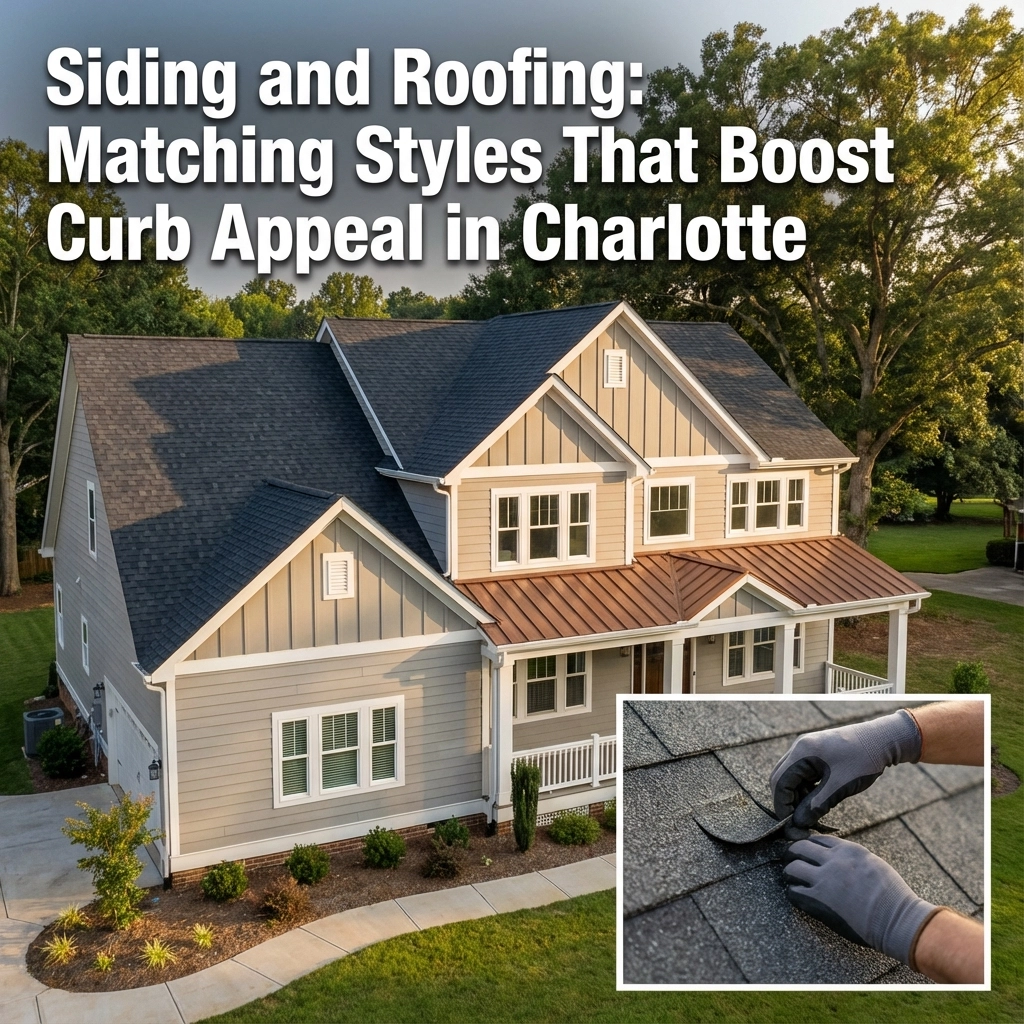
Your home's exterior tells a story before anyone even walks through the front door. In Charlotte's competitive real estate market, the right combination of siding and roofing can add serious value to your property: we're talking thousands of dollars in equity and that instant "wow factor" that makes neighbors stop and stare.
But here's the thing: matching siding and roofing isn't just about picking two materials you like and hoping they work together. It's about understanding how colors, textures, and architectural styles complement each other to create a cohesive look that feels intentional and polished.
After helping hundreds of Charlotte homeowners transform their exteriors, I've learned that the best combinations aren't always the most obvious ones. Sometimes a subtle contrast works better than a perfect match. And sometimes what looks great in Myers Park might feel out of place in Ballantyne.
Let me walk you through everything you need to know about creating stunning siding and roofing combinations that'll make your Charlotte home the envy of the neighborhood.
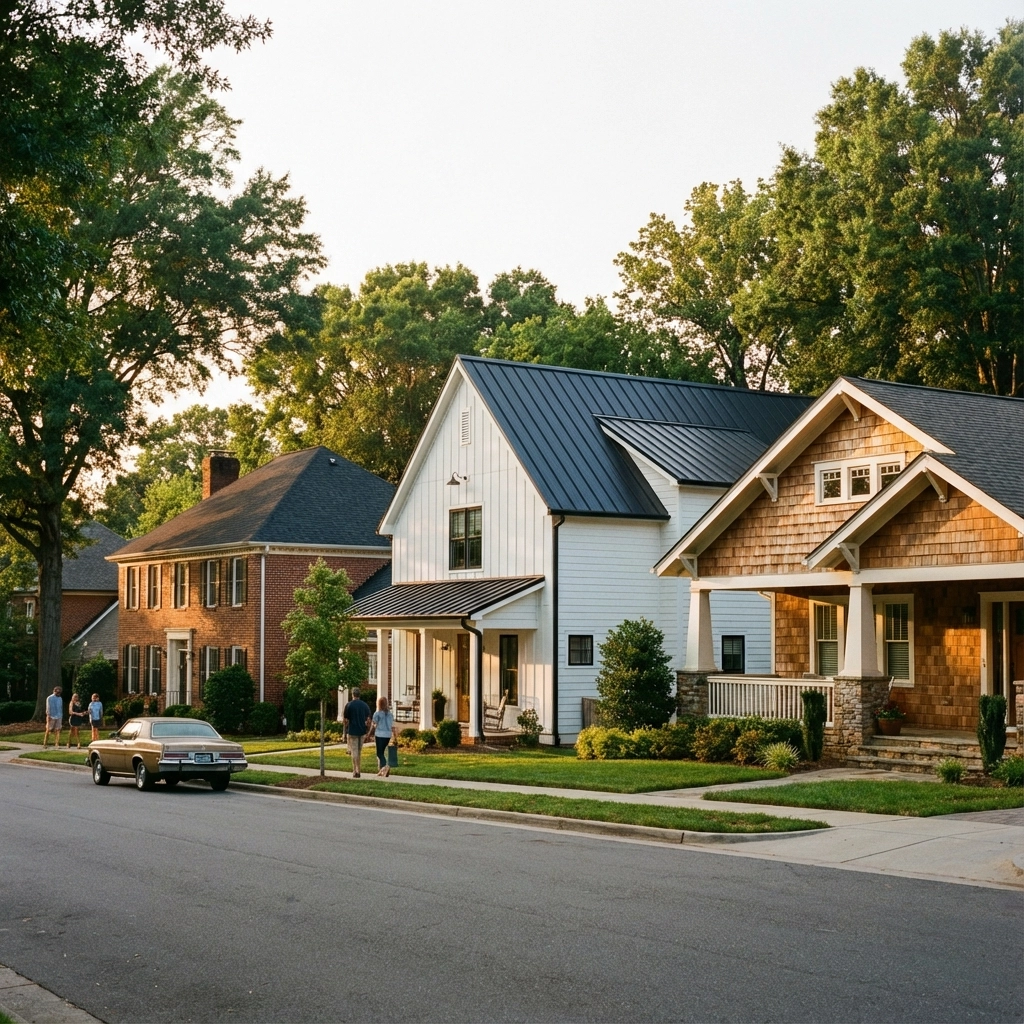
Charlotte sits in a unique spot where traditional Southern architecture meets modern urban development. Drive through Dilworth and you'll see century-old bungalows with their original wood siding and cedar shake roofs. Head over to South End, and you'll find sleek townhomes with fiber cement siding and architectural shingles.
This diversity means you have incredible freedom in your design choices. But it also means you need to consider your neighborhood context. A ultra-modern metal and glass combination might look amazing in Plaza Midwood but feel completely wrong in a traditional Myers Park setting.
Charlotte's climate adds another layer of complexity. Our humid summers, occasional ice storms, and those surprise hail events we get every few years mean your materials need to be both beautiful and tough. You're not just designing for curb appeal: you're designing for durability.
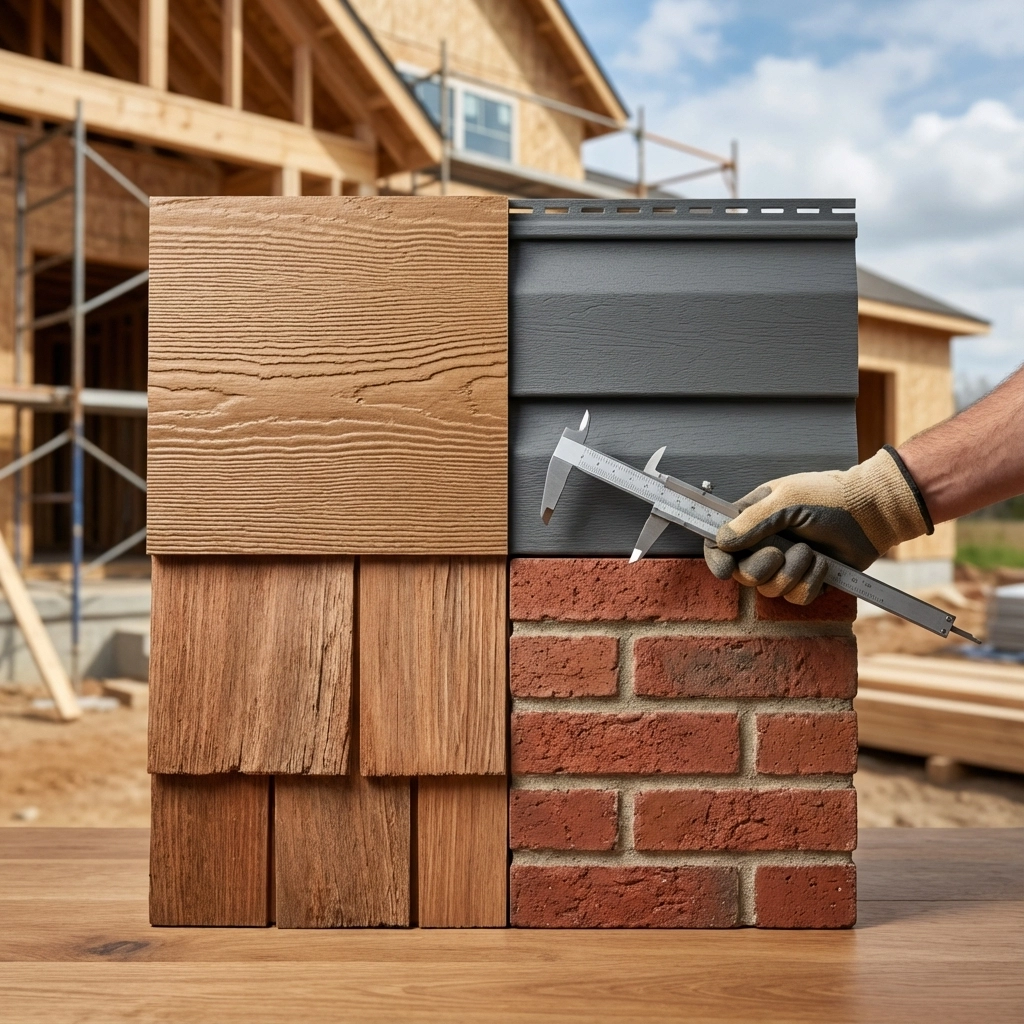
Fiber Cement: The Charlotte Favorite
Fiber cement has become the gold standard in Charlotte new construction, and for good reason. Companies like James Hardie have perfected this material to handle our climate while offering incredible design flexibility.
What makes fiber cement special? It can mimic almost anything: wood grain, smooth stucco, even brick texture. The ColorPlus® Technology means your paint won't fade under our intense summer sun, and it won't warp or crack like vinyl can during temperature swings.
I've installed fiber cement in every Charlotte neighborhood from Cornelius to Mint Hill. It works equally well on contemporary homes in South End and traditional colonials in Myers Park. The key is choosing the right texture and profile for your home's architectural style.
Vinyl Siding: Practical and Versatile
Don't let anyone tell you vinyl siding is "cheap." Today's vinyl products are light-years ahead of what was available even ten years ago. The color selection is massive, the profiles look natural, and the maintenance requirements are almost zero.
Vinyl works especially well for Charlotte families who want to spend weekends enjoying Lake Norman instead of painting and staining their home exterior. It handles humidity like a champ and won't rot or attract insects.
The trick with vinyl is choosing quality products. Look for thicker gauges (.044" or higher) and insulated options if you're dealing with Charlotte's energy costs. Cheap vinyl can look wavy or fake, but premium vinyl can fool most people into thinking it's wood.
Wood Siding: Classic Charlotte Character
Cedar, cypress, and pine siding built Charlotte's historic neighborhoods. There's something about real wood that just feels right on older homes: the way it weathers, the natural grain patterns, the authentic texture.
But let's be honest about wood's limitations in Charlotte. It requires regular maintenance (think staining every 3-5 years), it's susceptible to moisture damage, and carpenter bees seem to love it. If you're choosing wood, commit to the upkeep or plan for early replacement.
Wood works best on homes built before 1960 where authenticity matters more than convenience. It's also perfect for accent areas: maybe wood shakes on gables while using fiber cement for main walls.
Brick and Stone Veneer: Charlotte Tradition
Brick has been a Charlotte staple since our textile mill days. Red brick colonials, painted brick cottages, stone-accented contemporaries: brick and stone add instant credibility and value to any home.
The beauty of masonry is its permanence. Once it's up, you're looking at decades of maintenance-free exterior walls. It also provides excellent insulation value, which helps with Charlotte's summer cooling costs.
Modern brick and stone veneer options give you traditional looks without traditional weight and cost. You can get the appearance of full stone construction with a fraction of the expense and structural requirements.
Metal Siding: Modern Charlotte Edge
Steel and aluminum siding might seem industrial, but when done right, it creates stunning modern exteriors. Think of the sleek townhomes in Noda or some of the contemporary additions in Dilworth.
Metal siding comes in corrugated patterns, smooth panels, or even wood-grain textures. It's incredibly durable, fire-resistant, and recyclable. Plus, it can handle Charlotte weather without fading, cracking, or warping.
The downside? Installation requires expertise, and repairs can be tricky. But for homeowners wanting that urban loft aesthetic, metal siding delivers drama that other materials can't match.
Asphalt Shingles: The Reliable Choice
Architectural asphalt shingles dominate Charlotte rooflines, and there's good reason for their popularity. They offer excellent wind resistance (crucial for our spring storm season), come in dozens of colors and patterns, and provide solid value for 20-30 years.
Today's architectural shingles create depth and shadow lines that mimic premium materials like slate or cedar shake. Brands like GAF, Owens Corning, and CertainTeed offer lifetime warranties and color options ranging from subtle grays to bold blues.
The key with asphalt shingles is choosing the right profile. Dimensional shingles add visual interest, while three-tab shingles look flat and dated. For Charlotte homes, I typically recommend architectural shingles in medium to dark tones that hide dirt and algae staining.
Metal Roofing: Growing Charlotte Trend
Standing seam metal roofs are exploding in popularity across Charlotte neighborhoods. They last 50+ years, reflect heat (reducing cooling costs), and handle severe weather better than almost any other material.
Metal roofing comes in traditional colors like charcoal and bronze, but also bold options like copper penny and forest green. The clean lines work beautifully with both traditional and modern architecture.
One consideration: metal roofing costs 2-3 times more than asphalt initially. But when you factor in longevity and energy savings, the math often works out favorably over 20+ years.
Cedar Shake: Authentic Charlotte Character
Cedar shake roofs create that authentic, aged look that's perfect for Charlotte's historic neighborhoods. The natural oils in cedar resist insects and decay, and the material actually improves with weathering.
But cedar requires maintenance. You'll need periodic cleaning, treatment, and eventual replacement of individual shakes. It's also more expensive initially and requires experienced installers.
Cedar works best on homes where authenticity matters more than convenience: historic properties, mountain-style homes, or anywhere you want that "established" look that only comes with natural materials.
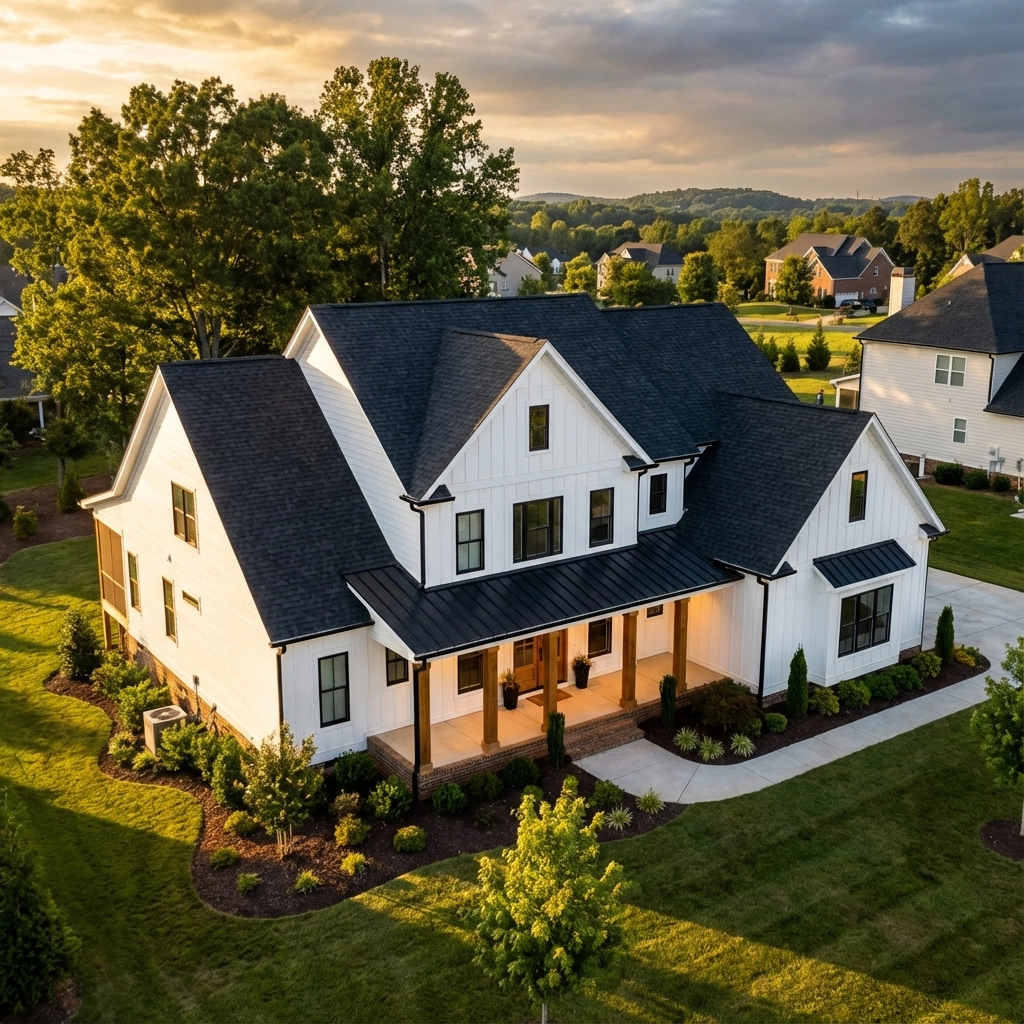
The Modern Farmhouse: White Fiber Cement + Dark Asphalt
This combination has taken Charlotte by storm, and you'll see it throughout newer developments in Huntersville, Cornelius, and Mooresville. Bright white or off-white fiber cement siding paired with charcoal or black architectural shingles creates clean, contemporary appeal with farmhouse warmth.
The contrast is striking but not harsh. The dark roof grounds the light walls and provides visual weight that prevents the home from looking top-heavy. Add black window trim and you've got a combination that photographs beautifully and appeals to most buyers.
Why it works in Charlotte: The light siding reflects heat, reducing cooling costs. The dark roof hides dirt and algae staining that's common in our humid climate. And the style feels fresh without being too trendy.
Classic Southern: Brick + Medium-Tone Asphalt
Red brick with warm gray or brown asphalt shingles embodies traditional Charlotte architecture. You'll find this combination throughout Myers Park, Dilworth, and established neighborhoods across the metro area.
The key is matching undertones. Red brick with warm undertones pairs beautifully with brown or bronze-toned shingles. Brick with cool undertones works better with gray or slate-colored roofing.
This combination never goes out of style and appeals to buyers who value tradition and permanence. It also requires minimal maintenance compared to painted exteriors.
Contemporary Edge: Dark Fiber Cement + Metal Roofing
Charcoal or black fiber cement with standing seam metal roofing creates sophisticated, modern appeal. This combination works especially well in urban neighborhoods like South End, Noda, and parts of Plaza Midwood.
The monochromatic approach emphasizes architectural lines rather than material contrasts. It's bold without being flashy, modern without being cold.
Consider this combination if you want to stand out from typical suburban exteriors while maintaining broad appeal for future resale.
Coastal Casual: Light Blue-Gray Siding + White Metal
This combination brings coastal vibes to Charlotte's landlocked location. Light blue-gray fiber cement or vinyl with bright white metal roofing creates relaxed, beachy appeal that works surprisingly well in Lake Norman area homes.
The light colors reflect heat and create an airy, spacious feeling. White metal roofing stays cool and bright, while the soft blue-gray adds personality without being overwhelming.
This works best on homes with porches, dormers, or other architectural details that support the casual coastal aesthetic.
Traditional Elegance: Cedar Siding + Cedar Shake Roof
For ultimate authenticity, nothing beats cedar-on-cedar combinations. The materials age together, creating natural weathering that looks intentional and sophisticated.
This combination works beautifully on homes in established neighborhoods where fitting in matters more than standing out. It's especially appropriate for Arts and Crafts bungalows, mountain-style homes, or anywhere natural materials feel right.
The downside is maintenance. Both materials require periodic treatment and eventual replacement. But for homeowners committed to authentic natural materials, nothing else delivers the same character and warmth.
Understanding Undertones
Every color has undertones: those subtle hints of other colors that become obvious when you put different materials together. Cool undertones include blue, green, and purple hints. Warm undertones include yellow, orange, and red hints.
The secret to professional-looking combinations is matching undertones rather than trying to match exact colors. A warm gray siding with yellow undertones will clash with a cool gray roof that has blue undertones, even though both colors are "gray."
The 60-30-10 Rule
Professional designers use this rule for balanced color schemes: 60% main color (usually siding), 30% secondary color (usually roofing), and 10% accent colors (trim, doors, shutters).
This creates visual balance without overwhelming the eye. Your siding should dominate, your roof should provide substantial contrast or complement, and your trim should add personality and definition.
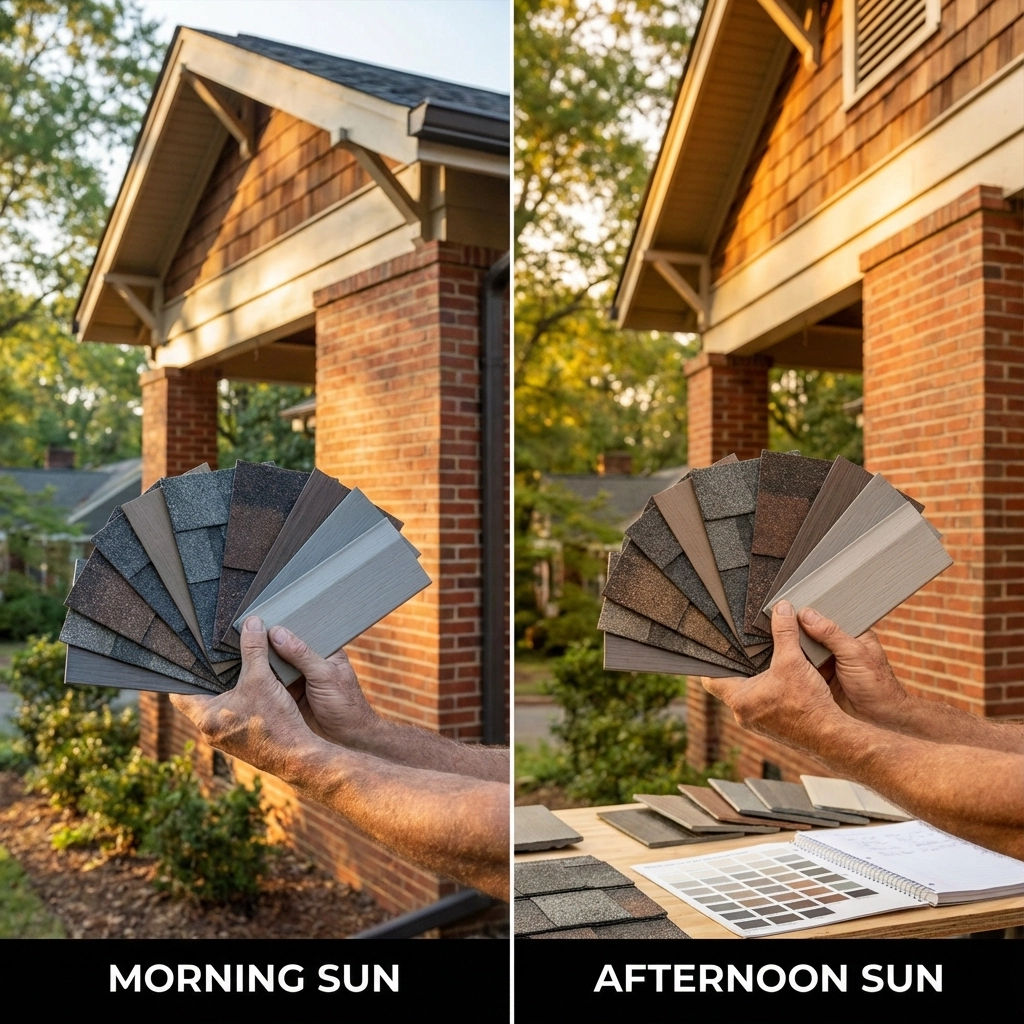
Testing in Different Light
Charlotte's changing light conditions mean colors look different throughout the day. That beautiful blue-gray you love at 10 AM might look purple at 6 PM when the sun hits it from the west.
Always view material samples in morning, midday, and evening light. Consider how your home faces and where shadows fall. East-facing homes get beautiful morning light but can look flat in afternoon shadows.
Neighborhood Harmony
Your home doesn't exist in isolation. The most beautiful individual combination can feel wrong if it clashes with surrounding properties. Drive your neighborhood at different times and notice what works and what feels out of place.
This doesn't mean you have to copy your neighbors, but you should consider the overall neighborhood character. A bright yellow house might work in Plaza Midwood's eclectic environment but feel jarring in a traditional Myers Park setting.
Photographing Your Home
Before choosing materials, photograph your home from multiple angles and distances. Sometimes proportions that look fine in person appear unbalanced in photos. Since most people first see your home in online listings, this photographic perspective matters.
Take photos from across the street, from the curb, and from angles that neighbors and visitors typically see. Edit the photos to test different color combinations digitally before committing to expensive materials.
Considering Architectural Details
Your home's architectural style should guide material choices. Craftsman bungalows look best with natural materials and earth tones. Colonial homes suit classic combinations like brick and slate-toned shingles. Contemporary homes can handle bold contrasts and modern materials.
Look at your home's proportions. Horizontal siding emphasizes width, while vertical siding adds height. Large-scale patterns work on bigger homes, while smaller homes need smaller-scale materials to avoid being overwhelmed.
Evaluating Existing Elements
Consider permanent elements you're not changing: stone foundations, brick chimneys, existing walkways, or established landscaping. Your new combination should complement these fixed features rather than compete with them.
Also think about window trim, front doors, and other accent elements. These smaller details can tie your color scheme together or create jarring contrasts if not considered upfront.
Climate and Maintenance Realities
Be honest about your maintenance commitment. Natural materials require ongoing care, while synthetic materials offer convenience at the cost of authenticity. Consider your lifestyle, budget, and long-term plans.
Also think about Charlotte's specific climate challenges. South-facing walls fade faster in our intense summer sun. North-facing walls stay damp longer and may develop algae or mildew. Choose materials and colors that handle these conditions gracefully.
Historic Neighborhoods (Myers Park, Dilworth, Elizabeth)
These established areas value authenticity and tradition. Stick with classic combinations that respect the neighborhood's character. Think brick with traditional shingle colors, wood siding with cedar shakes, or historically-appropriate painted schemes.
Many historic neighborhoods have architectural review boards that must approve exterior changes. Research requirements before making material selections to avoid costly changes later.
Suburban Developments (Ballantyne, Huntersville, Matthews)
Newer suburban areas offer more flexibility for contemporary combinations. Modern farmhouse styles, bold color contrasts, and mixed materials are common and accepted.
But remember that these neighborhoods often have HOA restrictions on colors and materials. Get approval for your combination before starting work to avoid conflict with architectural committees.
Urban Areas (South End, Noda, Plaza Midwood)
Urban neighborhoods encourage creativity and individual expression. Bold colors, mixed materials, and contemporary combinations often work well and help properties stand out in competitive markets.
Consider the industrial heritage of these areas. Metal accents, exposed materials, and urban loft aesthetics feel appropriate and authentic.
Lake Norman Areas (Cornelius, Davidson, Mooresville)
Waterfront and water-view properties benefit from lighter colors that reflect the lakeside setting. Coastal-inspired combinations work well, even though we're landlocked.
Consider how your home looks from the water as well as from the street. Lake views mean more visibility from additional angles, so side and rear elevations matter more than in typical suburban settings.
Understanding Material Lifespans
Different materials age at different rates, which affects your long-term curb appeal strategy. Vinyl siding might last 30 years with minimal maintenance, while wood siding might need attention every 3-5 years.
Plan your maintenance schedule to keep both elements looking fresh. There's no point having beautiful new siding next to a worn-out roof, or vice versa.
Coordinated Replacement Timing
When possible, time major replacements together. This ensures better color matching, consistent weathering, and often better contractor pricing. Plus, you avoid the disruption of multiple major projects.
If timing doesn't align perfectly, choose materials and colors that age gracefully. Slight weathering differences won't be as obvious with naturally aging materials compared to synthetic products that maintain consistent appearance.
Preventive Care Strategies
Regular cleaning extends the life and appearance of all exterior materials. Soft washing removes algae, mildew, and dirt without damaging surfaces. Schedule this annually or bi-annually depending on your home's exposure and Charlotte's humid conditions.
Address small problems immediately. A few loose shingles or damaged siding boards are easy fixes. Wait too long, and you're looking at major repairs or premature replacement.
Seasonal Inspection Checklist
Walk your home's exterior seasonally, looking for:
Early detection prevents minor issues from becoming major problems that compromise your home's appearance and value.
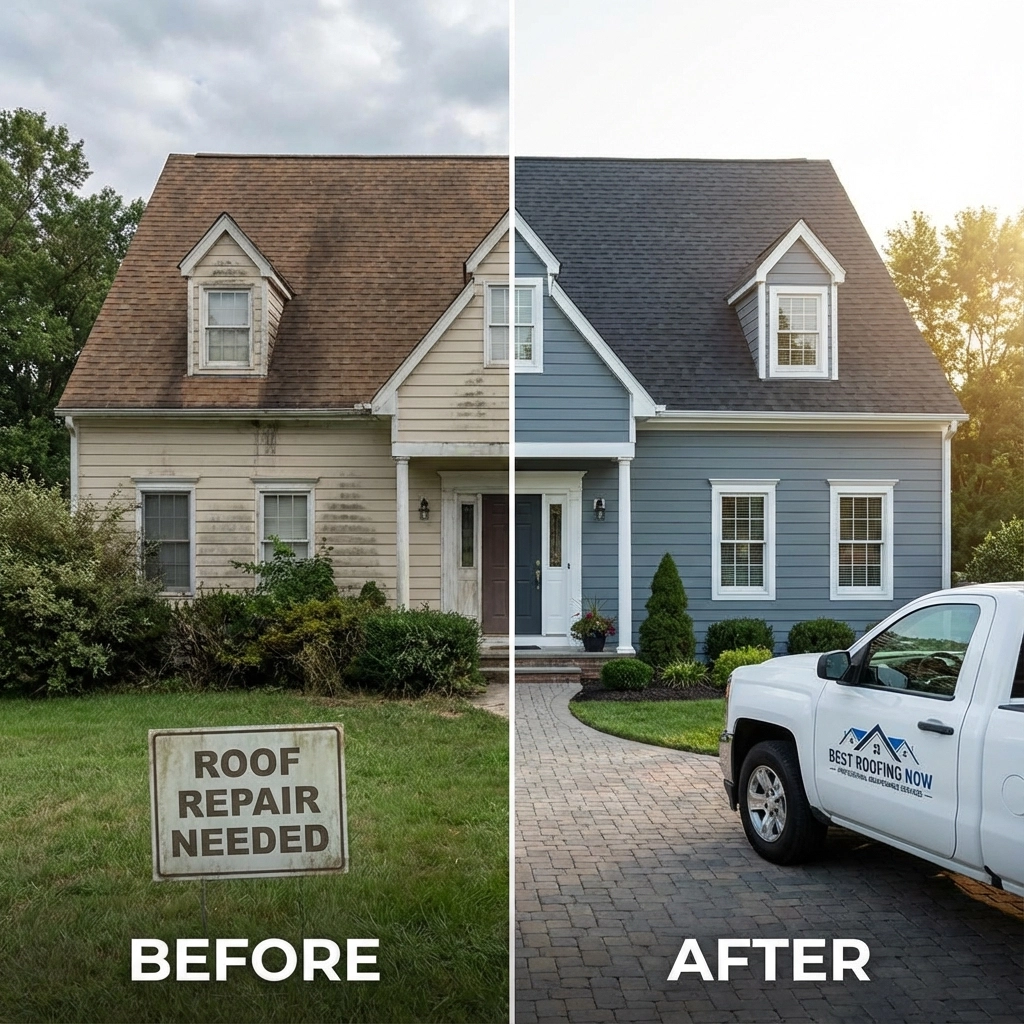
Market Impact in Charlotte
Charlotte's hot real estate market rewards homes with excellent curb appeal. Real estate agents consistently report that homes with updated, coordinated exteriors sell faster and for higher prices than similar homes with dated or mismatched appearances.
A well-executed siding and roofing combination can return 60-80% of your investment in increased home value, according to local real estate data. In competitive neighborhoods, superior curb appeal can be the difference between multiple offers and sitting on the market.
Cost Versus Value Analysis
Premium materials cost more upfront but often provide better long-term value through durability, energy efficiency, and sustained appearance. Calculate total cost of ownership, not just initial investment.
For example, cedar siding might cost twice as much as vinyl initially, but if properly maintained, it can last 50+ years versus 20-30 for vinyl. Factor in energy savings from better insulation and potential insurance discounts for impact-resistant roofing.
Timing Your Investment
The best time to update your exterior is when either material needs replacement anyway. Coordinating replacements saves money on labor, scaffolding, and site setup costs.
If only one element needs immediate attention, choose materials and colors that will work well when the other element is eventually updated. This prevents costly changes down the road.
Choosing the Right Contractors
Exterior work requires coordination between roofers, siders, and sometimes painters. Look for contractors with experience in coordinated projects who can recommend complementary materials and ensure proper installation sequencing.
Ask to see portfolios of completed combinations, not just individual roofing or siding projects. The best contractors understand how materials work together and can suggest improvements to your initial ideas.
Getting Accurate Estimates
Quality workmanship costs more than bargain installation, but it's worth the investment for materials that will be on your home for decades. Get multiple detailed estimates that specify materials, installation methods, and warranty coverage.
Be wary of significant price variations. Very low bids often indicate shortcuts in materials or installation quality that compromise long-term performance and appearance.
Creating the perfect siding and roofing combination for your Charlotte home doesn't happen by accident. It requires careful planning, quality materials, and expert installation. But the results: increased curb appeal, higher home value, and pride of ownership: make the investment worthwhile.
Start by honestly evaluating your current exterior and identifying what's working and what needs improvement. Consider your neighborhood context, your personal style preferences, and your long-term maintenance commitment.
Most importantly, don't try to tackle this alone. The interaction between different materials, colors, and architectural elements is complex enough that professional guidance saves both money and headaches.
Ready to transform your home's exterior with a stunning siding and roofing combination? Let's talk about your vision and create a plan that delivers the curb appeal your Charlotte home deserves. Contact Best Roofing Now today for a free consultation and estimate. Your neighbors will thank you: and your home's value will too.
Best Roofing Now
Charlotte's trusted roofing experts since 2019
Based on this article, you may be interested in these services.
We proudly serve these Charlotte-area communities with professional roofing services.
View All Service Areas →See our recent roofing work across the Charlotte metro area.
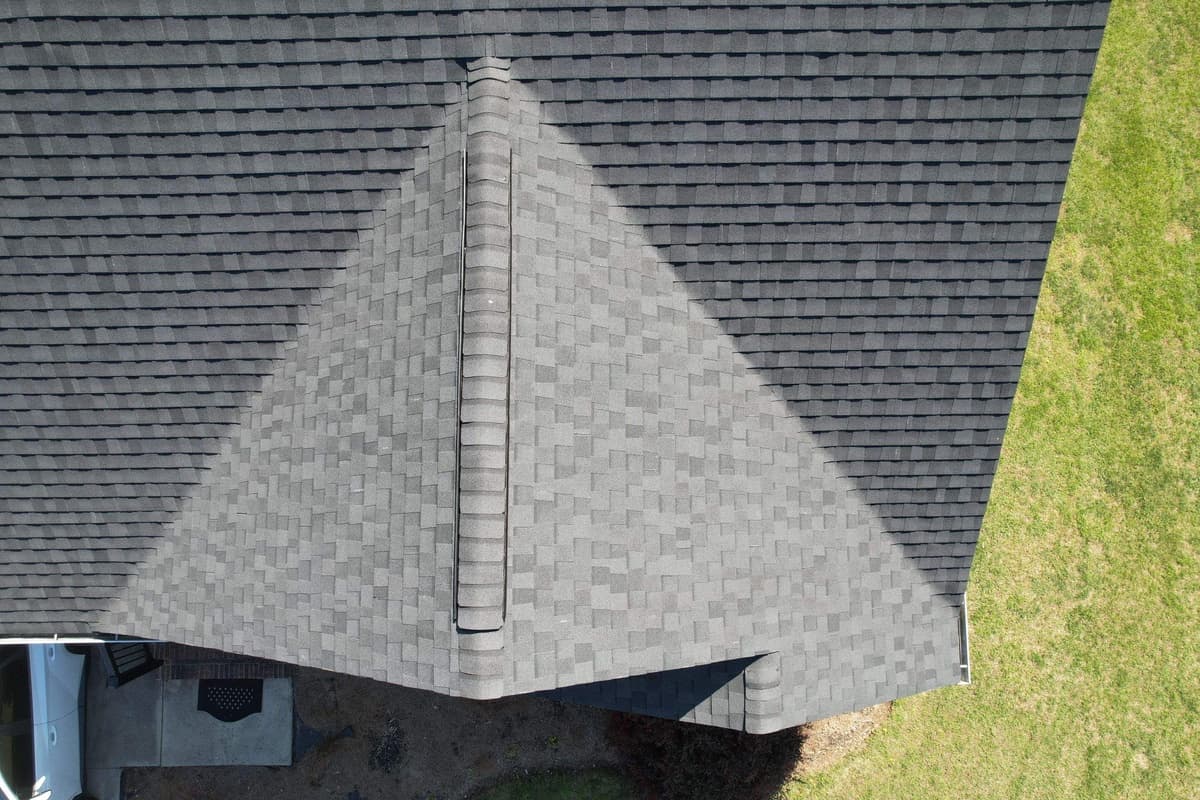
Charlotte, NC
completed exterior
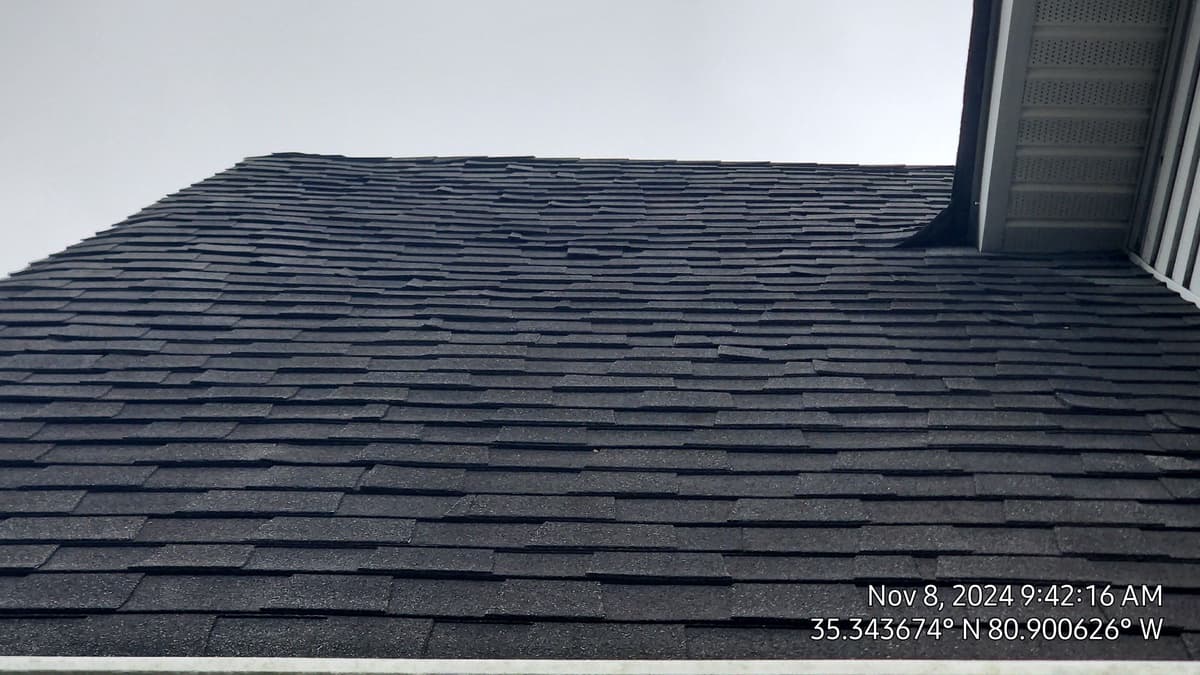
Charlotte, NC
new roof
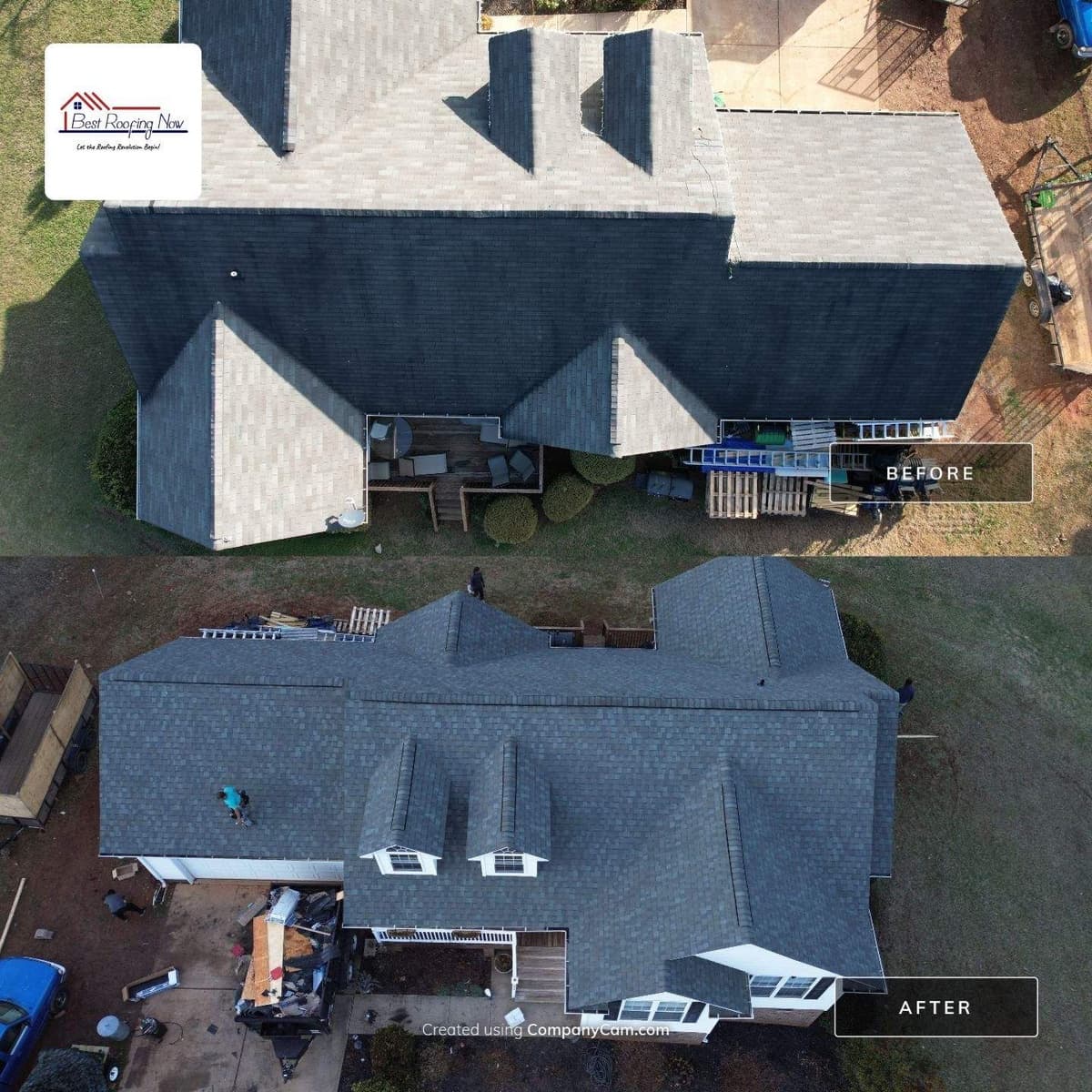
Charlotte, NC
new roof
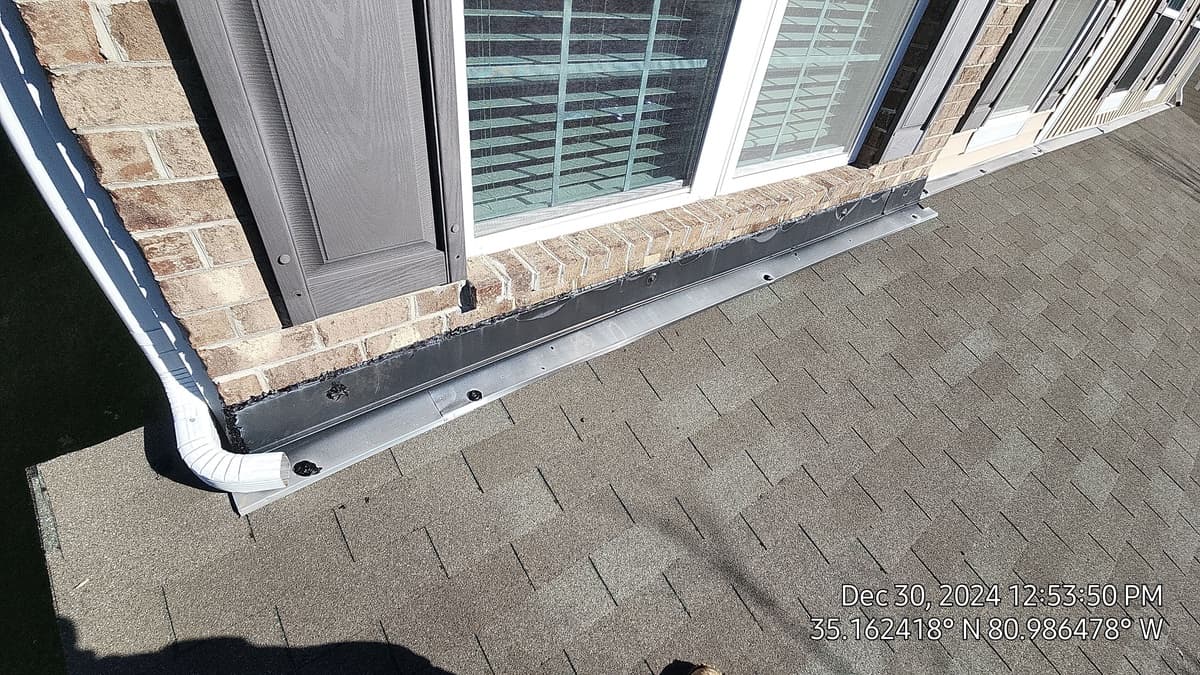
Charlotte, NC
new roof
Get a free roof inspection and honest assessment from Charlotte's most trusted roofing company.


