
Roofing Tips & Guides
Expert Roofing Advice for Charlotte Homeowners
Learn from Charlotte's trusted roofing experts. Tips on maintenance, repair, replacement, and protecting your home from the elements.
Leak or wind damage from Isaias? 24/7 emergency tarping, free storm-damage inspections and insurance-claim help.
Learn from Charlotte's trusted roofing experts. Tips on maintenance, repair, replacement, and protecting your home from the elements.

Planning a commercial flat roof installation doesn't have to feel overwhelming. Whether you're dealing with an aging roof that's seen better days or building a new commercial property, having a clear roadmap makes all the difference. The key is breaking down the process into manageable steps that help you stay on budget and avoid costly surprises down the road.
Let's walk through the five essential steps that will set you up for success and give you confidence in your roofing investment.
Before diving into any roofing project, you need a crystal-clear picture of what you're working with. Start by scheduling a comprehensive professional inspection of your existing roof. This isn't the time to cut corners – a thorough assessment will identify structural issues, water damage, insulation problems, and the overall condition of your roofing system.
Understanding the Real Numbers
Commercial flat roof replacement typically runs between $4 to $13 per square foot, depending on materials, complexity, and your location. For a 1,000 square foot building, you're looking at roughly $3,100 to $10,000, with most projects averaging around $6,500. Scale that up for larger buildings – a 10,000 square foot commercial property could range from $40,000 to $130,000.
But here's what many property owners miss: the base cost is just the starting point. Factor in these additional expenses:
Pro Tip: Always add a 15-20% contingency fund to your budget. Roofing projects have a way of revealing hidden issues once work begins, and being prepared financially keeps your project moving smoothly.
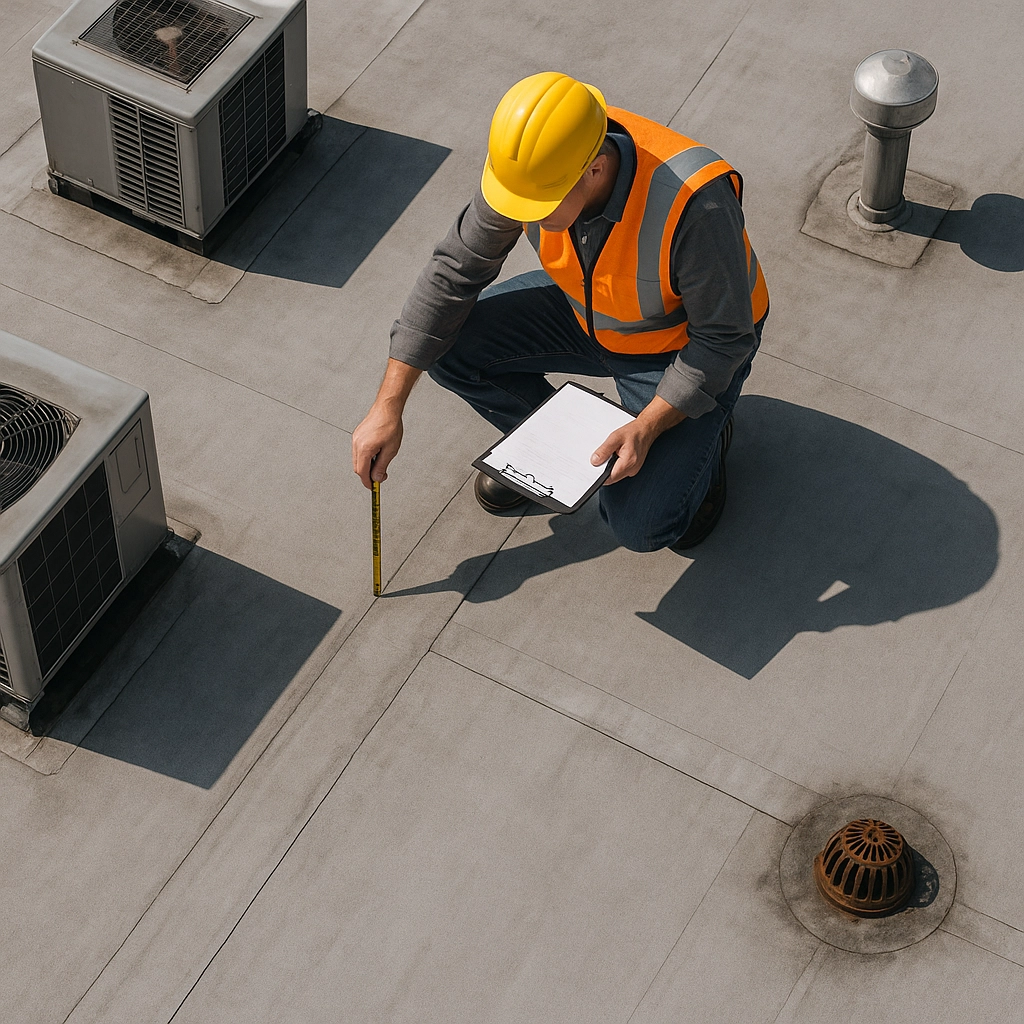
Your material choices will make or break both your budget and your roof's long-term performance. PVC vinyl roofing has become increasingly popular for commercial applications because it offers excellent durability, cost-effectiveness, and energy efficiency – three things every property owner cares about.
Breaking Down Material Needs
Work with your contractor to calculate all materials accurately:
Quality insulation deserves special attention here. Yes, it adds to your upfront costs, but proper insulation dramatically improves energy efficiency and reduces heating and cooling expenses. Think of it as an investment that pays dividends every month through lower utility bills.
Consider Your Building's Unique Requirements
Every commercial building has its quirks. Account for HVAC units, skylights, vents, and other roof penetrations that require special attention and materials. These details might seem minor during planning, but they significantly impact both material costs and installation complexity.
This step often catches property owners off guard, but it's absolutely crucial. Your roofing contractor should handle the permit paperwork, but understanding the process helps you plan better. Permit approval can take anywhere from one week to a full month, depending on your local jurisdiction and project complexity.
What's Involved in the Permit Process
Local building departments typically require:
Some areas have specific commercial roofing codes that might influence your material choices or installation methods. Getting this information early prevents costly changes mid-project.
Timeline Impact
Build permit wait time into your project schedule. Starting the permit process early, ideally during your planning phase, prevents weather-related delays later. Nobody wants to wait for permits while watching storm clouds gather.
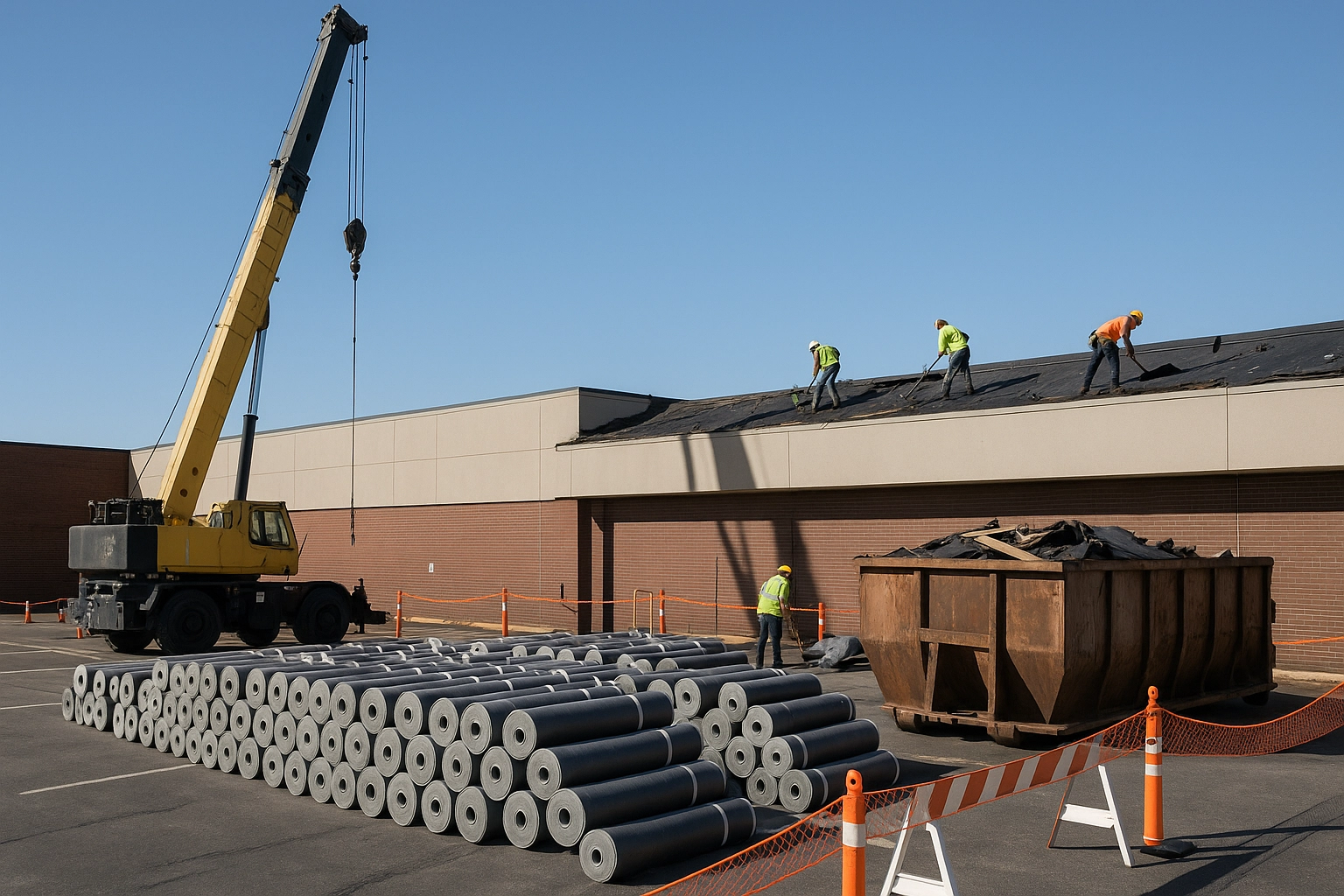
This phase often surprises property owners with its complexity and cost implications. Demolition isn't just about tearing off old roofing – it's about safely removing materials, disposing of waste, and preparing your building for new installation.
Logistics and Costs to Consider
Managing Business Operations
Plan for operational disruptions. Your parking lot might be partially occupied by equipment and dumpsters. Coordinate with tenants, employees, and customers about alternative arrangements. Clear communication prevents frustration and maintains good relationships during the construction period.
Timeline Expectations
Demolition can take anywhere from a single day to over a week, depending on your building size, existing roof complexity, and any structural repairs needed. Weather delays are common, so build flexibility into your schedule.
The installation phase is where all your planning pays off. Understanding the process helps you work effectively with your contractor and catch potential issues early.
Installation Process Overview
Commercial flat roof installation typically follows this sequence:
Quality Control Checkpoints
Stay involved without micromanaging. Schedule regular check-ins with your contractor to review progress, address concerns, and ensure work meets specifications. Good contractors welcome engaged property owners who ask informed questions.
Weather Contingency Planning
Flat roof installation is weather-dependent. Rain, high winds, and extreme temperatures can halt work for safety and quality reasons. Flexible scheduling and realistic timeline expectations reduce stress for everyone involved.
Final Inspection and Warranty
Don't consider the job complete until you've conducted a thorough final walkthrough with your contractor. Document any concerns immediately and ensure all warranty information is properly recorded.
A well-planned commercial flat roof installation becomes a long-lasting investment that benefits both your operations and bottom line. By following these five steps, you're setting yourself up for a smooth project that stays on budget and delivers the protection your property needs.
Remember, the cheapest bid isn't always the best value. Focus on contractors who demonstrate thorough planning, clear communication, and proven expertise with commercial flat roofing systems. Your roof protects everything inside your building – it deserves careful attention and quality workmanship.
Ready to start planning your commercial flat roof project? The key is beginning with a solid foundation of knowledge and realistic expectations. With proper planning, your roofing investment will serve your business well for decades to come.
Best Roofing Now
Charlotte's trusted roofing experts since 2019
Based on this article, you may be interested in these services.
See our recent roofing work across the Charlotte metro area.
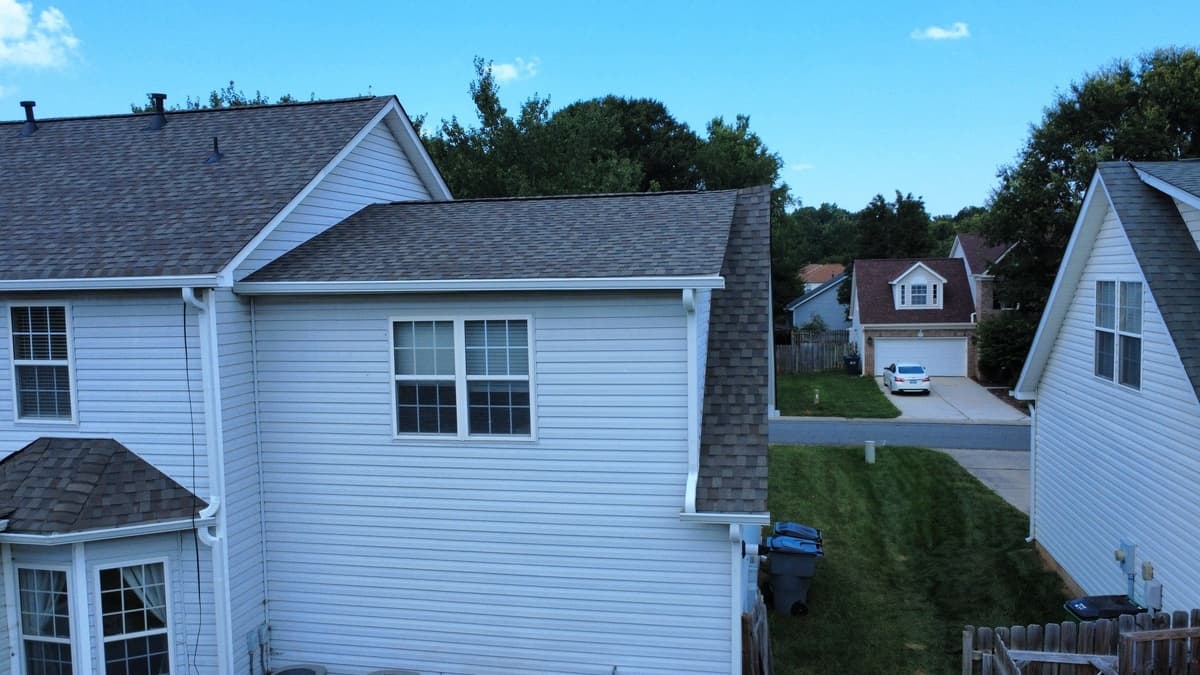
Charlotte, NC
new roof
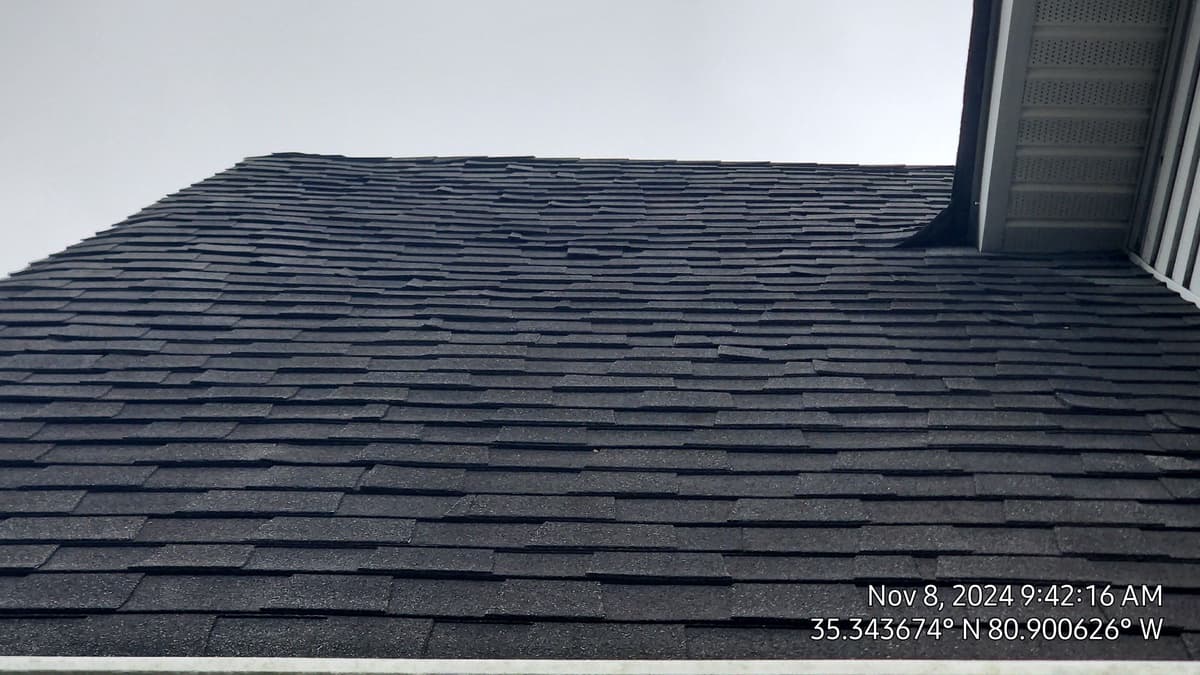
Charlotte, NC
new roof
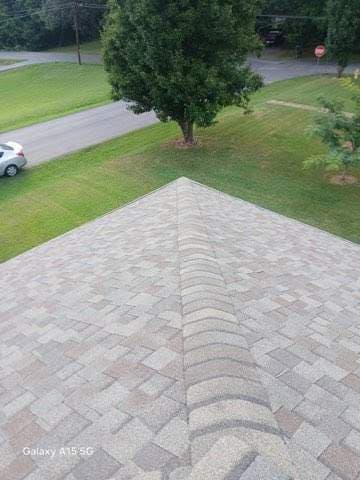
Charlotte, NC
new roof
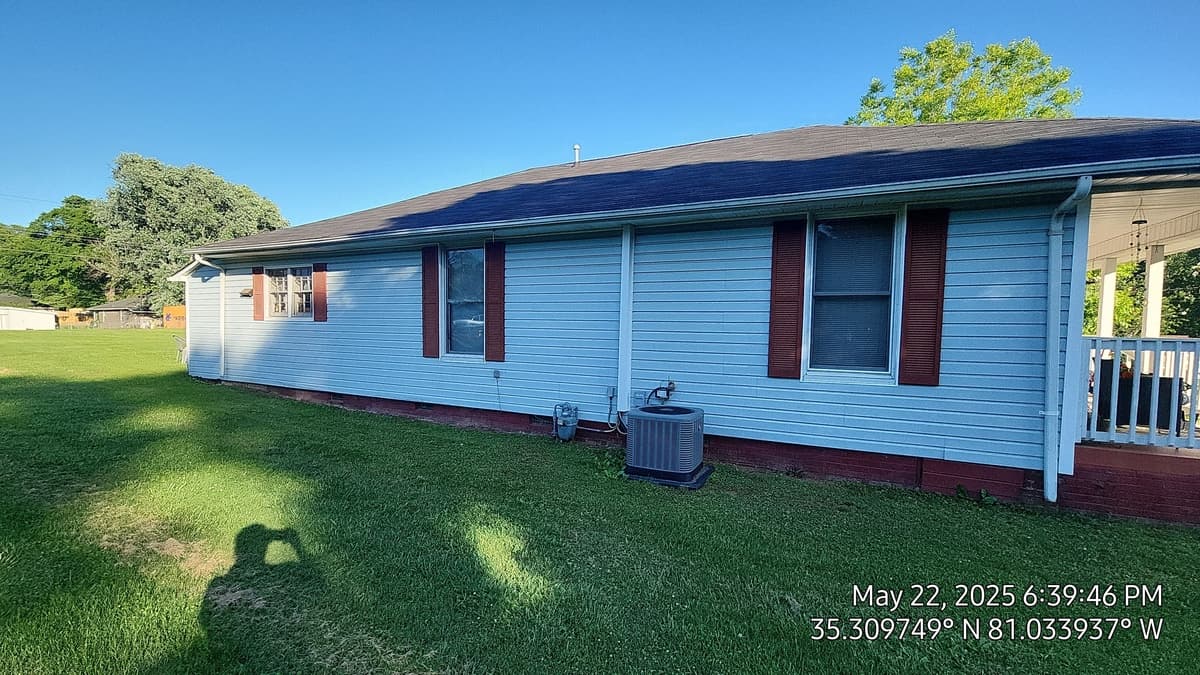
Charlotte, NC
new roof
Get a free roof inspection and honest assessment from Charlotte's most trusted roofing company.