
Roofing Tips & Guides
Expert Roofing Advice for Charlotte Homeowners
Learn from Charlotte's trusted roofing experts. Tips on maintenance, repair, replacement, and protecting your home from the elements.
Leak or wind damage from Isaias? 24/7 emergency tarping, free storm-damage inspections and insurance-claim help.
Learn from Charlotte's trusted roofing experts. Tips on maintenance, repair, replacement, and protecting your home from the elements.

Did your holiday celebrations leave their mark on more than just your memories? 🎆
While those cozy fireplace nights and spectacular New Year's fireworks created perfect moments, they also left behind something less magical: stubborn soot and grime clinging to your home's beautiful stone and brick surfaces.
Don't let that celebratory residue become a permanent stain on your investment. Your Charlotte home deserves better than dingy, discolored masonry that screams "I partied too hard in 2025."
Here's what most homeowners don't realize: holiday soot isn't just unsightly: it's actively damaging your stone and brick surfaces every day it sits there.
Firework fallout contains sulfur compounds and metallic particles that eat into porous surfaces. Fireplace soot penetrates deep into brick mortar, creating permanent discoloration. Winter grime combines with moisture to form acidic compounds that break down protective sealers.
In the Charlotte area, our humid climate makes this problem worse. That holiday soot doesn't just sit on the surface: it bonds with moisture and gets pulled deep into your masonry's pores. By spring, what started as surface grime becomes permanent staining that no amount of scrubbing will remove.
I've seen gorgeous Lake Norman homes lose thousands in curb appeal because homeowners waited too long to address holiday soot buildup. The good news? January is the perfect time to tackle this problem before it becomes permanent.
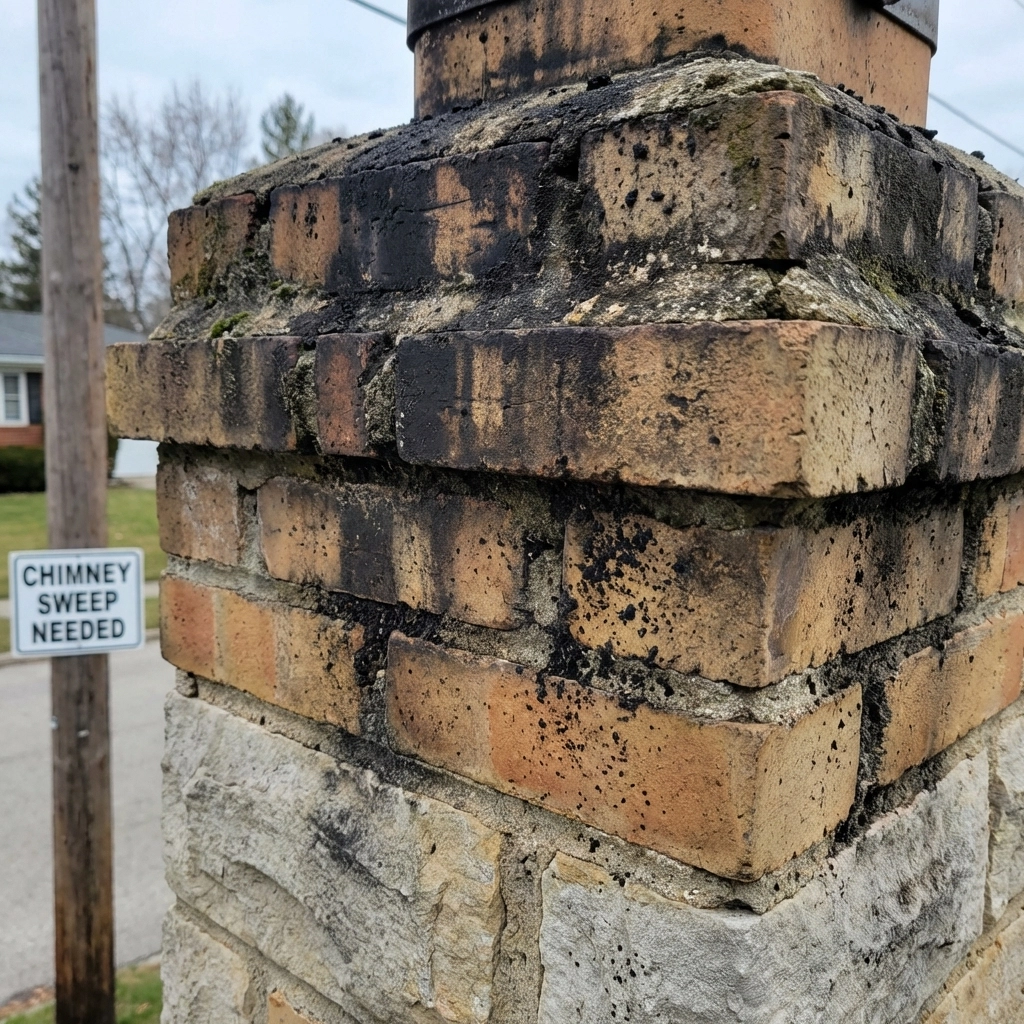
Your home's masonry surfaces are incredibly porous: that's what gives them their natural beauty and weather resistance. But those same tiny pores that help brick and stone breathe also trap soot particles like microscopic sponges.
Natural stone has varying porosity levels. Limestone and sandstone are particularly vulnerable to soot penetration, while granite resists staining better but still shows surface discoloration.
Brick surfaces present unique challenges. The clay material absorbs soot readily, and the mortar joints create textured surfaces where particles accumulate. Older Charlotte homes often have softer, more porous brick that's especially susceptible to permanent staining.
Painted or sealed surfaces might seem protected, but holiday soot can actually break down protective coatings, leaving your masonry more vulnerable to future damage.
The chemistry is simple: soot contains carbon particles and acidic compounds. When moisture hits these particles, they create weak acids that etch into stone and brick surfaces. In North Carolina's freeze-thaw cycles, this process accelerates as water expands in those tiny pores, pushing soot deeper into the material.
Before calling in the professionals, there are several cleaning methods you can try yourself. The key is starting gentle and only escalating to stronger solutions if needed.
Wait for complete cooling if you're cleaning fireplace brick: at least 12 hours after your last fire. Lay down tarps or old towels to protect flooring from soot drips. Wear old clothes and protective gloves; soot stains fabric permanently.
Remove loose debris first. Use a fireplace shovel for large pieces, then vacuum or sweep away ash and loose soot. Line work areas with newspaper to catch falling particles.
Good old soap and water removes fresh soot from most brick surfaces. Mix warm water with a few drops of dish soap. Use a stiff bristle brush (not wire: it scratches) and scrub in circular motions.
This method works best on newer soot that hasn't had time to penetrate deeply. You'll need significant elbow grease, but it's the safest starting point for valuable or historic masonry.
Pro tip: Work from top to bottom. Soot and cleaning solution drip downward, so starting at the top prevents re-staining cleaned areas.
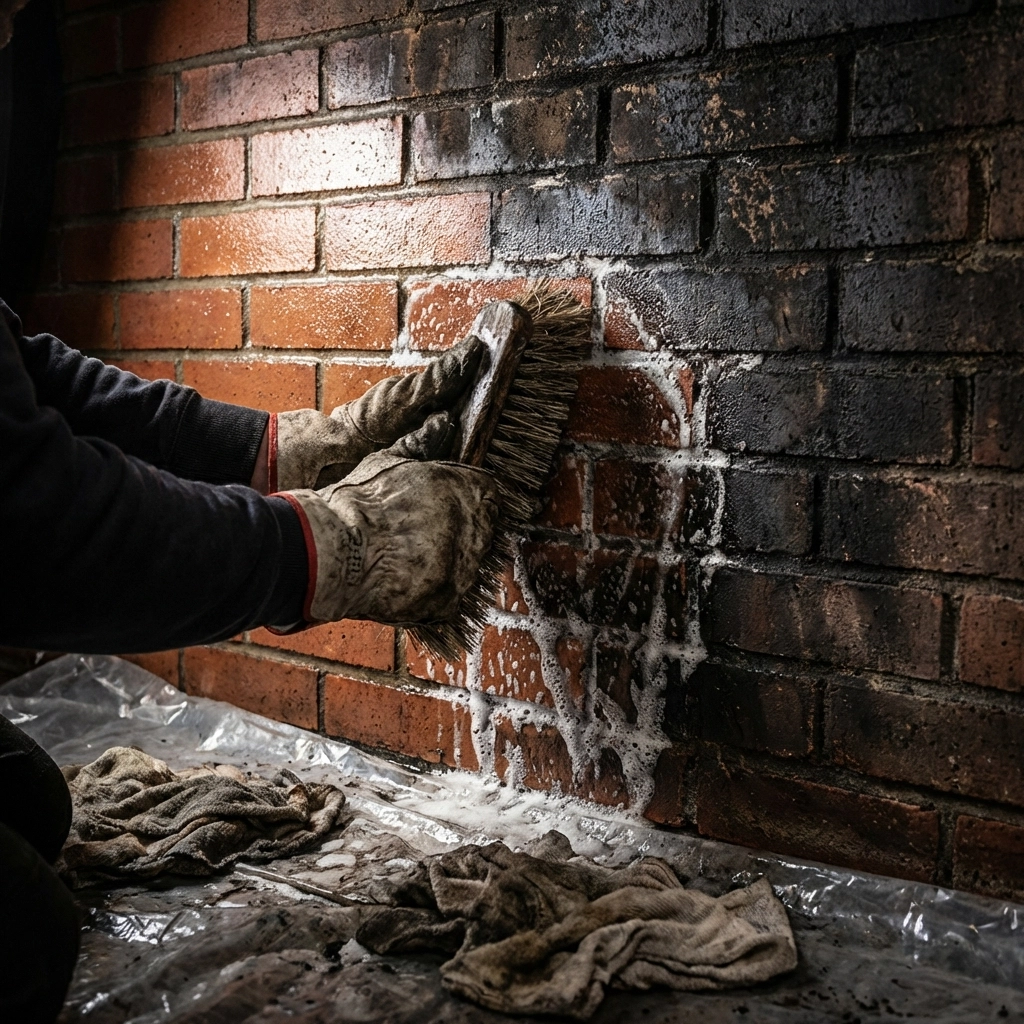
For moderate soot buildup, spray surfaces with quality all-purpose cleaner. Let it sit for 30 minutes: this gives the cleaner time to penetrate pores and break down carbon particles.
After the wait, scrub with a stiff brush. The chemical action does most of the work, reducing the physical scrubbing needed. Rinse thoroughly with clean water to remove residue.
This method works well on exterior brick around chimneys or areas hit by firework fallout. It's stronger than soap but gentler than specialized chemicals.
For stubborn stains on natural stone or brick, create a paste using cream of tartar powder and water. The mild acidity helps dissolve soot without harsh chemicals.
Scrub the paste into stained areas with an old toothbrush. Let it dry completely to a powder, then brush away with a soft brush. For extra cleaning power, spray the area with distilled white vinegar before applying the cream of tartar: the acid helps break up soot particles.
This method is particularly effective on limestone and sandstone common in Charlotte area homes. It's gentle enough for historic masonry but strong enough to handle moderate staining.
Sometimes gentle cleaning isn't enough. Heavy soot buildup, old stains, or valuable masonry surfaces require professional-grade solutions and expertise.
Trisodium Phosphate (TSP) is the gold standard for severe soot removal. Mix 6 tablespoons TSP, 1 cup bleach, and 1 gallon warm water in a plastic bucket. This solution handles even the worst soot buildup.
Critical safety warning: TSP requires serious precautions. Wear gloves, goggles, and ensure excellent ventilation. It's a strong alkaline that can burn skin and damage plants or metal fixtures.
Dip a nylon brush in the solution and scrub affected areas. Work systematically from top to bottom. The chemical does most of the work, but you'll still need moderate scrubbing for embedded soot.
Important consideration: TSP can lighten or discolor certain stone types. Always test in an inconspicuous area first. Some historic brick mortars can be damaged by strong alkalis, making professional evaluation essential.

Removing soot is just the first step. Proper protection prevents future staining and extends the life of your cleaning efforts.
Sealing treated surfaces locks out moisture and soot particles. But not all sealers work on all materials. Natural stone needs breathable sealers that don't trap moisture inside. Brick often benefits from penetrating sealers that don't change appearance.
Proper ventilation around fireplaces and outdoor fire features reduces soot accumulation. Installing spark arrestors and wind guards minimizes particle spread during use.
Regular maintenance catches problems early. A quarterly rinse with garden hose pressure removes surface buildup before it penetrates. Annual professional cleaning maintains appearance and identifies potential problems.
Our Lake Norman region presents unique challenges for masonry maintenance. High humidity accelerates soot penetration. Frequent thunderstorms drive particles deeper into surfaces. Our clay soil creates additional staining from splash-back during heavy rains.
Historic Charlotte neighborhoods like Myers Park and Dilworth feature older brick with softer, more porous materials. These surfaces need gentler cleaning methods and more frequent maintenance.
Newer developments in Huntersville, Cornelius, and Davidson often use engineered stone and modern brick with better stain resistance. But they're not immune: improper cleaning can still cause permanent damage.
Seasonal considerations matter here. Our mild winters mean homeowners use fireplaces intermittently rather than continuously. This start-stop pattern actually increases soot production and makes cleaning more challenging.
While we're known for exceptional roofing services throughout Charlotte and Lake Norman, our expertise extends to complete exterior restoration and protection. We understand how different building materials interact and age together.
Chimney and flashing integration is where roofing and masonry work intersect. Soot staining often indicates ventilation problems that affect both your roof system and interior air quality. Our comprehensive inspections identify these connections that other contractors miss.
Gutter and drainage issues contribute to masonry staining. When gutters overflow or downspouts splash against brick walls, the combination of moisture and soot creates accelerated staining. We address the root causes, not just symptoms.
Professional equipment makes a difference. Our commercial-grade pressure washing systems, specialized cleaning solutions, and protective coatings deliver results that DIY methods can't match. More importantly, we know when NOT to use aggressive methods that could damage valuable masonry.
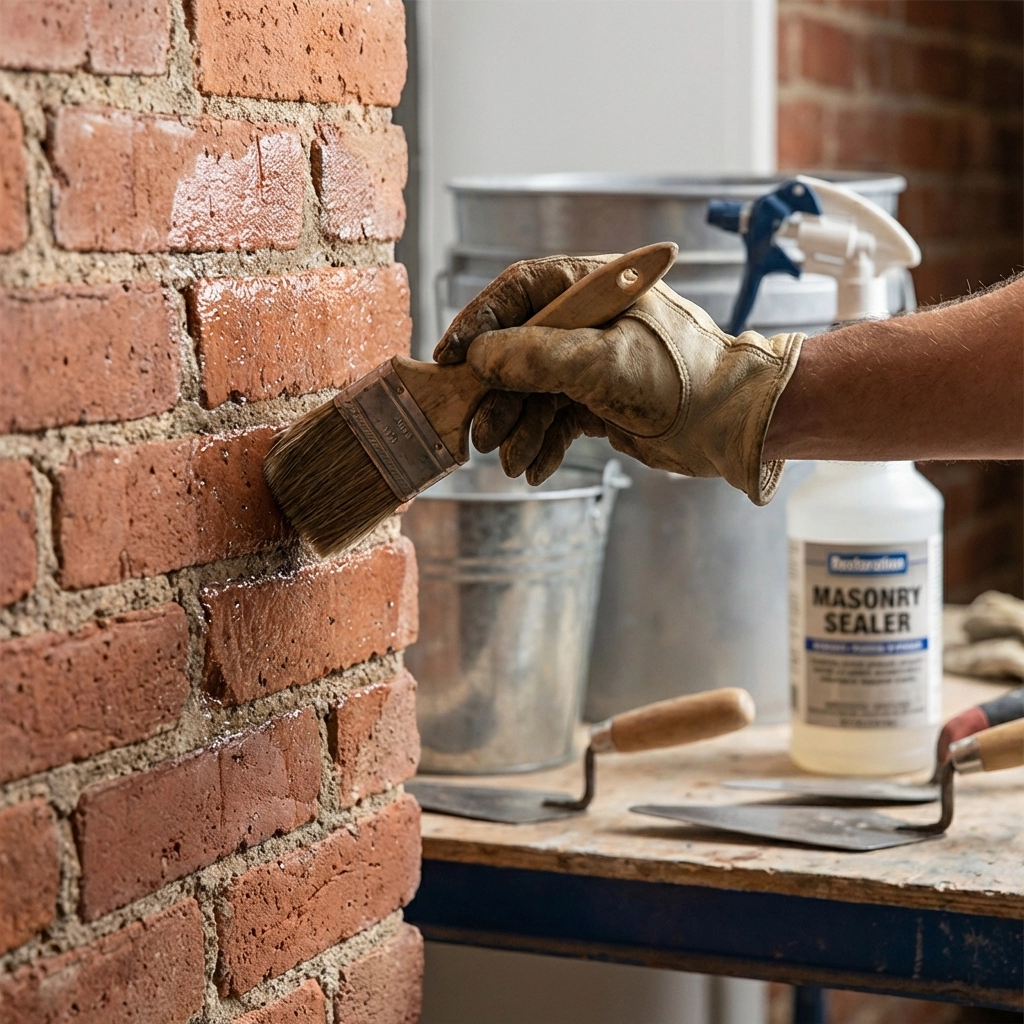
Professional masonry cleaning isn't just about stronger chemicals: it's about understanding material science and proper application techniques.
pH testing determines the right cleaning approach. Different soot types require different solutions. Organic soot from wood fires responds to alkaline cleaners. Inorganic soot from fireworks needs acidic treatment. Using the wrong chemistry wastes time and can cause damage.
Pressure considerations vary by material type and age. Historic brick needs gentle pressure to avoid mortar damage. Modern engineered stone can handle higher pressures but requires specific nozzle angles to prevent surface scratching.
Temperature and timing affect cleaning effectiveness. Warm solutions work faster but evaporate quickly on hot surfaces. Cool weather allows longer dwell times but slows chemical action. Professional cleaners adjust techniques for optimal results.
Neutralization and protection complete the process. Residual cleaning chemicals continue working after application, potentially causing over-cleaning or discoloration. Proper neutralization stops the chemical action at the right point, and protective treatments prevent future problems.
Smart homeowners recognize that soot staining often signals other exterior issues needing attention. This is where Best Roofing Now's comprehensive approach delivers exceptional value.
Roof inspection should accompany any major exterior cleaning. Soot accumulation sometimes indicates chimney or ventilation problems that stress your roof system. Our certified inspectors identify these connections and address multiple issues efficiently.
Gutter evaluation prevents future staining. Overflowing gutters create the moisture conditions that accelerate soot penetration. We examine your entire drainage system and recommend improvements that protect your investment.
Siding assessment identifies areas where soot cleaning might reveal other damage. Missing caulk, worn paint, or damaged materials become obvious after thorough cleaning. Addressing these issues together saves time and money.
Don't let 2026 start with your home wearing last year's grime. Here's your step-by-step plan for masonry restoration:
Week 1: Assess the damage. Walk around your home and identify all soot-stained surfaces. Take photos to track your progress and identify areas that need professional attention.
Week 2: Start with gentle cleaning methods on less visible areas. Test your approach and build confidence before tackling prominent surfaces.
Week 3: Schedule professional evaluation for valuable or heavily stained surfaces. Get quotes and plan for comprehensive exterior restoration.
Week 4: Complete the work or begin professional services. Don't let another month pass: every day that soot sits makes permanent staining more likely.
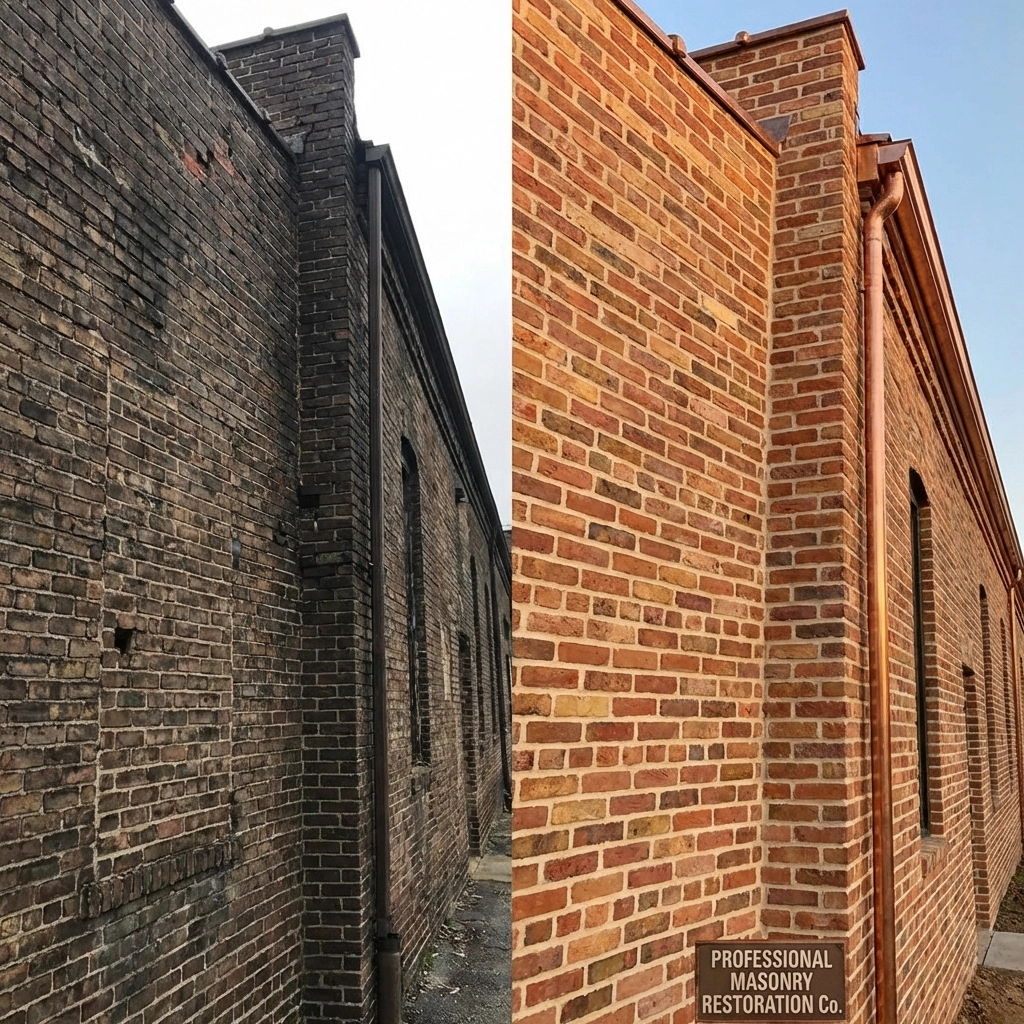
Professional masonry cleaning and protection isn't an expense: it's an investment in your home's value and your family's pride of ownership.
Curb appeal impact is immediate and dramatic. Clean masonry surfaces can increase perceived home value by thousands of dollars. Real estate professionals consistently rank exterior cleanliness among the top factors affecting buyer interest.
Preventive benefits save money long-term. Removing soot before it causes permanent damage costs far less than masonry replacement or intensive restoration. Regular maintenance extends material life and preserves your investment.
Health considerations matter too. Accumulated soot can affect indoor air quality, especially around fireplaces and ventilation systems. Professional cleaning addresses these health impacts while improving appearance.
Your home deserves better than dingy, soot-stained masonry carrying last year's grime into 2026. Whether you're dealing with fireplace soot, firework residue, or general winter accumulation, the solution is clear professional assessment and proper restoration.
Best Roofing Now combines roofing expertise with comprehensive exterior knowledge to deliver results that protect your investment and restore your pride of ownership. We understand how all your home's systems work together, and we address problems completely rather than just treating symptoms.
Schedule your free exterior assessment today. Our certified professionals will evaluate your masonry condition, identify the best cleaning approach, and provide a comprehensive quote for restoration services. We serve Charlotte, Lake Norman, Huntersville, Cornelius, Davidson, Matthews, Mint Hill, Pineville, Concord, and Kannapolis.
Don't let another week pass with soot eating away at your home's beauty and value. Contact Best Roofing Now at bestroofingnow.com or call us directly. Your home's fresh start begins with one phone call.
Make 2026 the year your home looks as good as you feel about your fresh beginning! ✨
Best Roofing Now
Charlotte's trusted roofing experts since 2019
Based on this article, you may be interested in these services.
We proudly serve these Charlotte-area communities with professional roofing services.
View All Service Areas →See our recent roofing work across the Charlotte metro area.
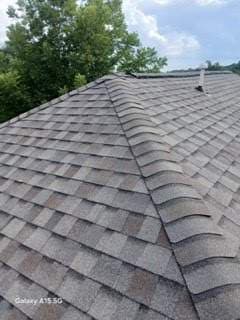
Charlotte, NC
new roof
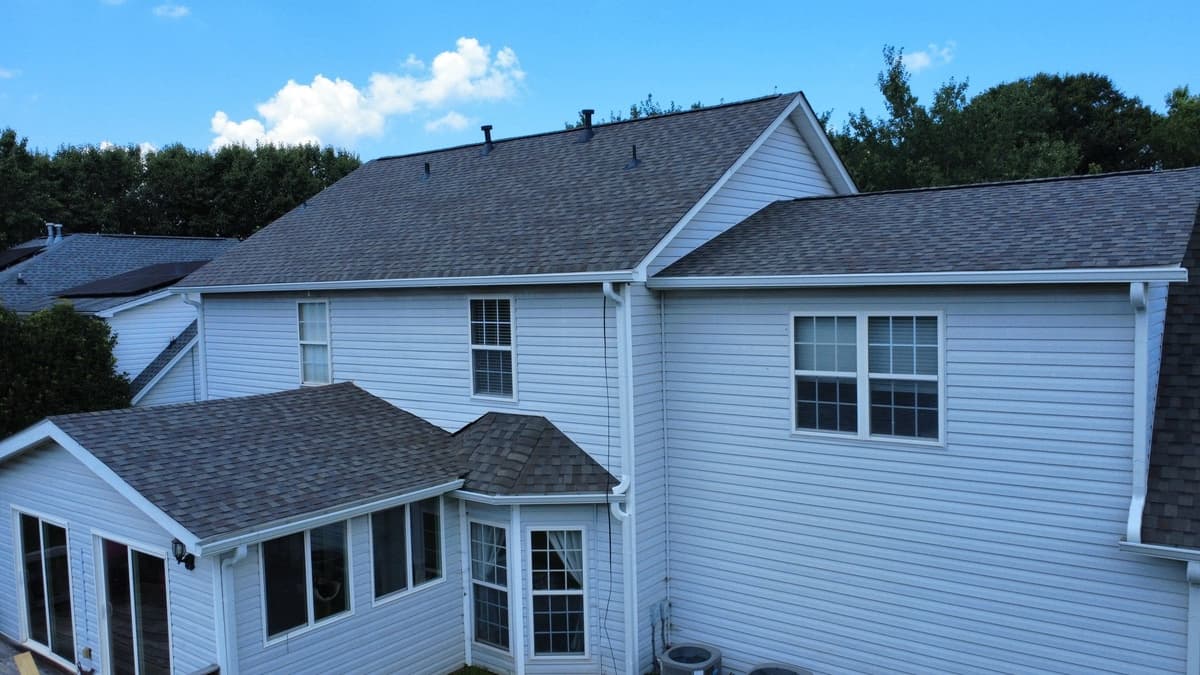
Charlotte, NC
new roof
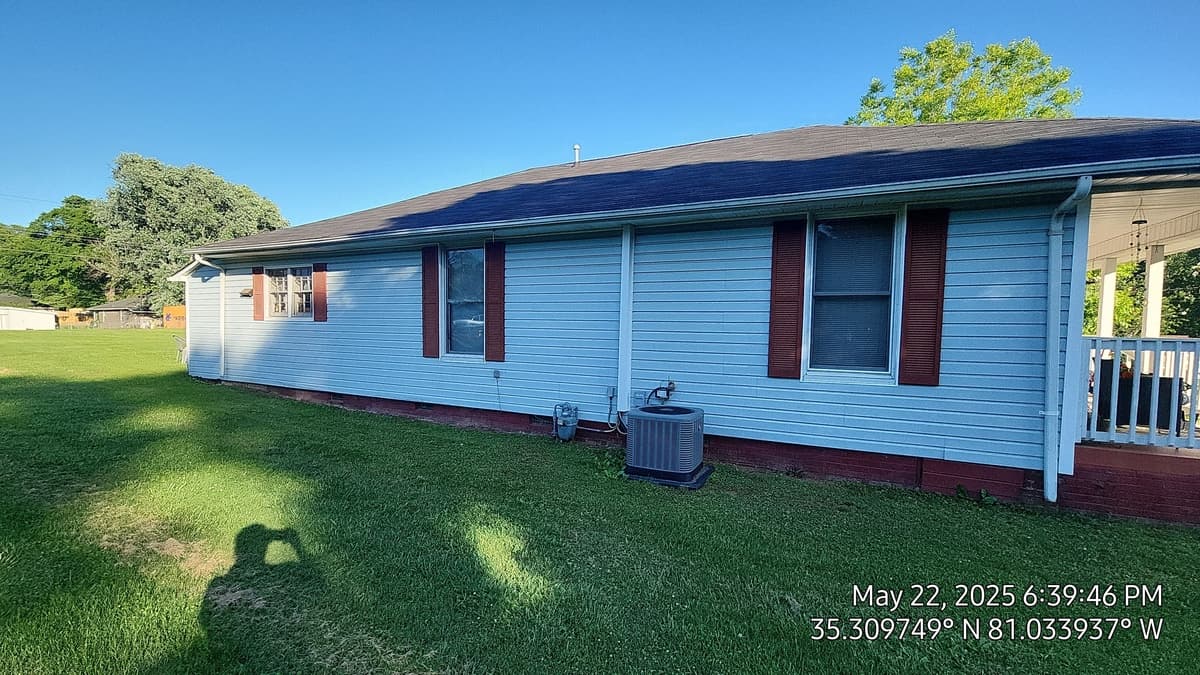
Charlotte, NC
new roof
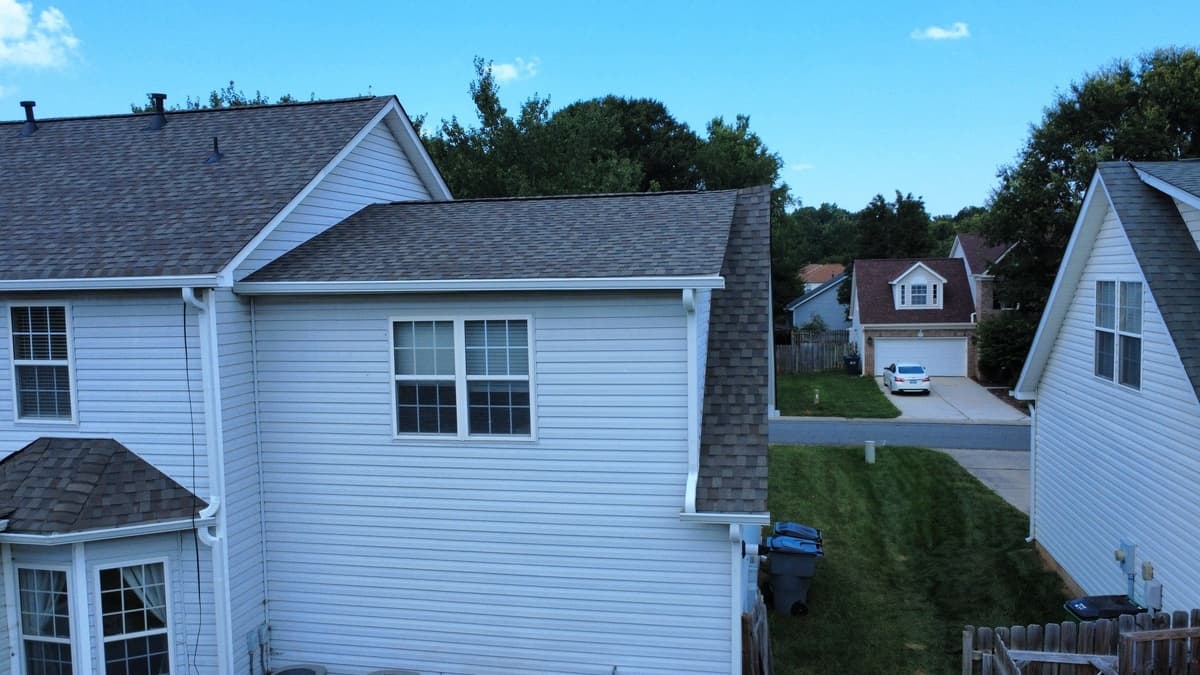
Charlotte, NC
new roof
Get a free roof inspection and honest assessment from Charlotte's most trusted roofing company.


