
Roofing Tips & Guides
Expert Roofing Advice for Charlotte Homeowners
Learn from Charlotte's trusted roofing experts. Tips on maintenance, repair, replacement, and protecting your home from the elements.
Ice & Snow Damage? Get 10% off repairs with a free inspection.
Learn from Charlotte's trusted roofing experts. Tips on maintenance, repair, replacement, and protecting your home from the elements.

Living in Charlotte means dealing with unpredictable weather. From summer thunderstorms to winter ice storms, our roofs take a beating year-round. The good news? You don't need to climb onto your roof or hire a professional to spot many potential problems.
I've been working with Charlotte homeowners for over two decades. The families who do these simple checks before storm season save thousands in damage repairs. More importantly, they sleep better knowing their home is protected.
Let's walk through the essential DIY roof checks every Charlotte homeowner should know. These steps take about an hour and could prevent major headaches down the road.
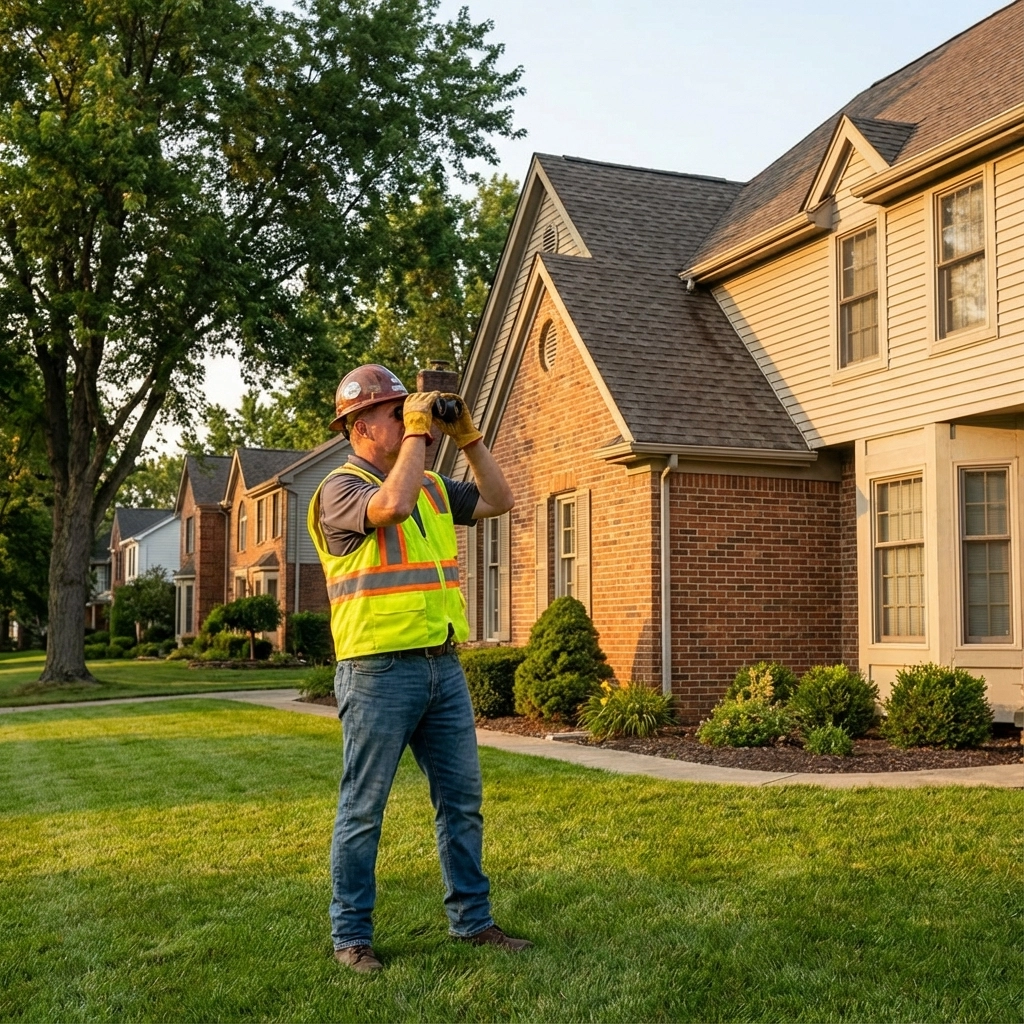
Grab a pair of binoculars and walk around your home. You'll be surprised what you can spot without ever leaving solid ground.
Look at your roofline from multiple angles. Check each side of your house, including areas that might be blocked by trees or other structures. This bird's-eye view often reveals problems that aren't visible from street level.
Pay attention to the overall shape of your roof. Sagging areas, uneven lines, or dips in the roofline signal structural issues that need immediate professional attention.
Shingles are your roof's armor against Charlotte's weather. Damaged shingles create weak spots where wind and water can penetrate.
Start by looking for obvious problems. Missing shingles leave your roof deck exposed to rain and wind. Curled or cracked shingles lose their ability to shed water properly. Both issues become major problems during storms.
Check the edges of your roof carefully. Shingles here take extra punishment from wind and are often the first to fail. Look for loose or lifting edges that could catch wind during a storm.
Granule loss is another red flag. If you see bare spots on your shingles or piles of granules in your gutters, your shingles are aging. While not an emergency, this signals it's time to start planning for replacement.
According to the National Roofing Contractors Association, "Homeowners should inspect their roofs twice yearly and after severe weather events. Early detection of problems can prevent minor issues from becoming major expenses."
Don't forget about the flashing around chimneys, vents, and skylights. This metal work directs water away from vulnerable areas. Look for rust, gaps, or sections that have pulled away from the roof surface.
Clogged gutters cause more roof damage than most homeowners realize. When gutters can't drain properly, water backs up under your shingles and into your home's structure.
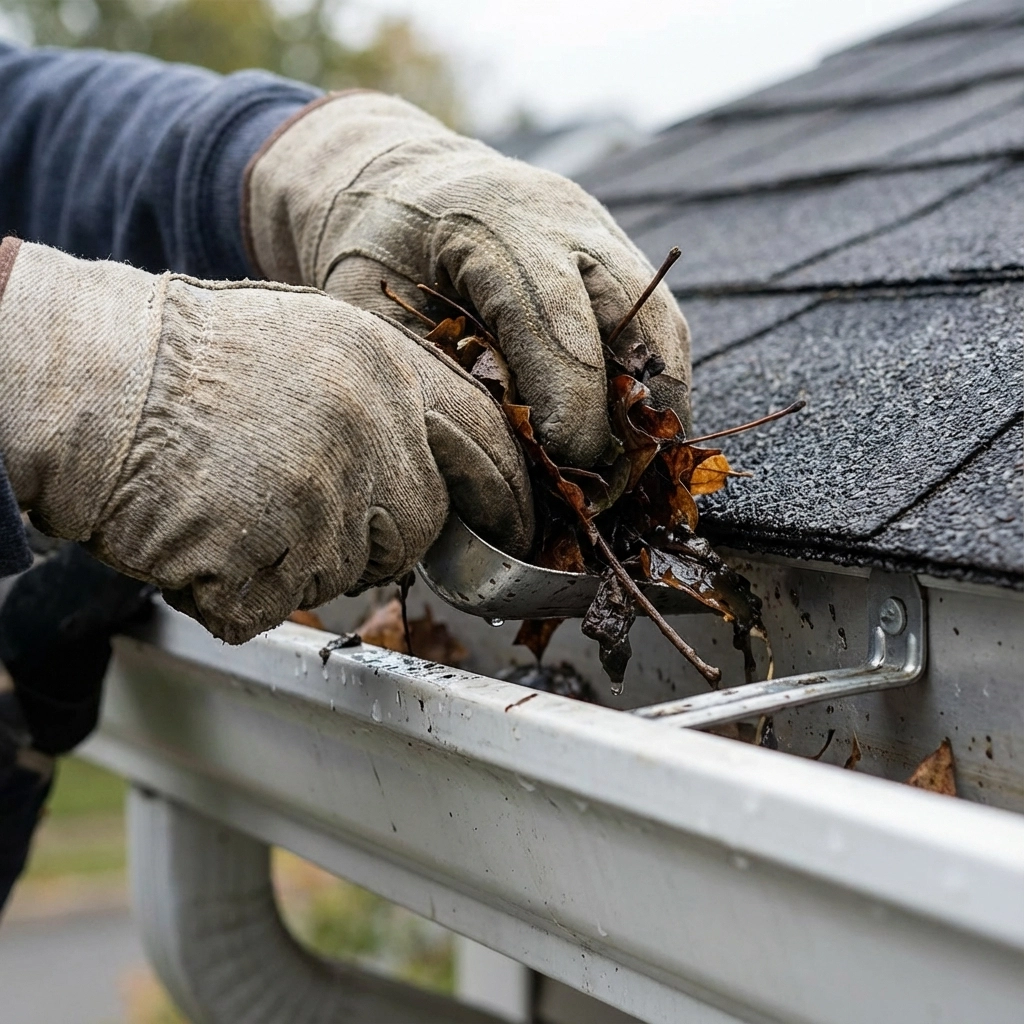
Start by clearing all debris from your gutters. Leaves, twigs, and even tennis balls can block water flow. Use a garden hose to flush remaining debris toward the downspouts.
While cleaning, inspect the gutters themselves. Look for rust, holes, or sections that have pulled away from your house. Loose gutters can tear away during storms, damaging your roof edge and siding.
Check that downspouts direct water at least six feet away from your foundation. Water pooling near your foundation can cause basement flooding and structural problems.
Test your gutter system by running water through it with a hose. Water should flow smoothly toward downspouts without pooling or overflowing. Any backup indicates a blockage or improper slope.
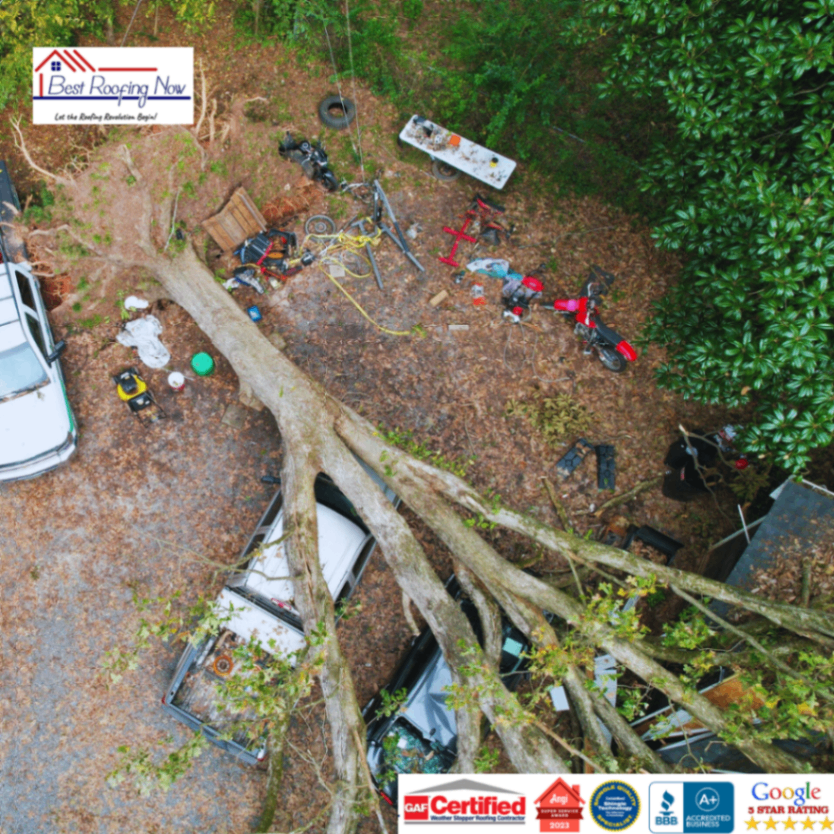
Charlotte's mature tree canopy is beautiful, but overhanging branches pose serious risks during storms. Wind-driven branches cause more roof damage than any other factor we see.
Cut back any branches within ten feet of your roof. This includes limbs that might seem harmless now but could swing into your house during high winds.
Remove dead or weakened branches entirely. These "widow makers" break easily and can punch through shingles or damage gutters. If you're not comfortable with tree work, hire a certified arborist.
Clear your yard of potential projectiles. Patio furniture, grills, and lawn decorations become dangerous missiles in high winds. Store lightweight items in your garage or shed before storms arrive.
Secure larger outdoor structures. Pergolas, playsets, and sheds should be anchored properly to prevent them from sliding into your home during severe weather.
Some roof problems are easier to spot from inside your home than outside. A quick attic inspection reveals issues that might not be visible from ground level.
Look for water stains on your attic ceiling or walls. Brown or dark stains indicate active or past leaks. Even old stains deserve attention because they show where your roof has been compromised.
Check for daylight coming through your roof deck. Any visible light means holes or gaps that will let in water during storms.
Feel for soft or spongy areas in your attic flooring. These spots suggest water damage to the underlying structure and need professional evaluation.
Look at your attic's ventilation system while you're up there. Proper airflow prevents ice dams in winter and reduces heat buildup in summer. Blocked vents can cause premature shingle failure.
Flashing is the unsung hero of your roofing system. These metal strips direct water away from vulnerable areas where your roof meets walls, chimneys, and other structures.
Examine flashing around your chimney carefully. This area sees the most water and often develops problems first. Look for rust, gaps, or sections that have separated from either the roof or chimney.
Check vent pipe boots and flashing. These rubber or metal collars seal around plumbing and exhaust vents. Cracked or loose boots let water into your home's interior.
Skylight flashing deserves special attention. The complex angles where skylights meet your roof create multiple opportunities for leaks. Look for gaps, rust, or damaged sealant around the skylight frame.
Step flashing along walls and dormers should lie flat against both the roof and wall surface. Lifted or damaged step flashing channels water directly into your home's structure.
Different roofing materials have different lifespans and storm vulnerabilities. Knowing what you have helps you prepare appropriately.
Asphalt shingles, the most common material in Charlotte, typically last 20-25 years. Older shingles become brittle and more susceptible to wind damage. If your roof is approaching this age, plan for replacement soon.
Metal roofing lasts much longer but can develop problems with fasteners and seams over time. Check for loose screws or panels that have shifted.
Clay and concrete tiles resist weather well but can crack from impact. A few cracked tiles aren't usually urgent, but widespread damage needs professional attention.
According to Dr. John Straube, a building science expert at the University of Waterloo, "The most common cause of roof failure during storms isn't the roofing material itself, but problems with installation details and maintenance neglect."
Our local climate creates unique challenges for roofs. Understanding these patterns helps you prepare more effectively.
Charlotte's spring and summer thunderstorms often include large hail. This precipitation can damage shingles, dent gutters, and crack skylights. After any hailstorm, schedule a professional inspection even if you don't see obvious damage.
Our humid summers promote algae and moss growth on north-facing roof sections. While not immediately dangerous, these growths retain moisture and can lift shingles over time.
Winter ice storms are less common but more dangerous. Ice buildup can create massive weight loads that stress your roof structure. Clear snow from your roof edges if accumulation exceeds six inches.
Charlotte's clay soil expands and contracts with moisture changes. This movement can stress your home's structure and affect how your roof sits on the building frame.
While these DIY checks catch most problems, some issues require professional expertise. Knowing when to call for help protects both your safety and your investment.
Never walk on your roof unless you're properly trained and equipped. Even experienced roofers use safety equipment every time they climb up. The view from the ground or through binoculars reveals most problems anyway.
Structural issues like sagging ridgelines or uneven roof planes need immediate professional evaluation. These problems suggest serious structural damage that could worsen quickly.
Electrical hazards around your roof require professional attention. Never attempt to move power lines or repair damage near electrical connections.
Multiple problem areas often indicate systematic issues that need comprehensive professional assessment. When you find several problems, it's time to call in an expert.

Regular maintenance prevents most storm damage. Creating a simple schedule keeps you on track without overwhelming your weekend plans.
Spring inspections should happen after the last freeze but before severe weather season. This timing lets you address winter damage before storms test your repairs.
Fall inspections prepare your roof for winter weather. Focus on cleaning gutters and removing debris that could cause ice dams.
Post-storm inspections should happen within 24 hours of severe weather. Document any damage with photos for insurance purposes, but wait for safe conditions before going outside.
Annual professional inspections catch problems you might miss. Schedule these for spring when contractors have more availability and can address issues before storm season.
Good documentation protects you if storm damage occurs. Insurance companies require proof of proper maintenance and pre-existing conditions.
Take photos of your roof from all angles twice yearly. Date these photos and store them safely. Before-and-after photos help insurance adjusters understand what damage is storm-related.
Keep receipts for all roof maintenance and repairs. This documentation proves you've maintained your roof properly and haven't neglected obvious problems.
Record details about your roof installation. Knowing the age, manufacturer, and installer helps with warranty claims and insurance questions.
Video walkthroughs provide more detail than still photos. Narrate what you're seeing and explain any concerns. This creates a comprehensive record of your roof's condition.
Beyond regular maintenance, smart homeowners prepare for storm emergencies. Having supplies and plans ready reduces stress when severe weather threatens.
Keep basic repair supplies on hand. Tarps, roofing cement, and duct tape can provide temporary protection until professionals can make permanent repairs.
Know how to safely turn off your home's main electrical breaker. Water and electricity don't mix, and roof leaks can create dangerous conditions quickly.
Have contact information for reliable roofing contractors saved in your phone. After major storms, good contractors book up quickly. Having relationships established speeds your recovery.
Create an emergency fund for unexpected roof repairs. Even with insurance, you'll need money upfront for temporary repairs and deductibles.
Regular maintenance costs far less than emergency repairs. Understanding these economics motivates consistent care.
A typical DIY roof inspection costs only your time and maybe $20 for binoculars. Professional inspections run $200-400 but catch problems you might miss.
Minor repairs like replacing a few shingles or sealing small leaks cost $300-800. Delaying these fixes can lead to interior damage costing thousands.
Complete roof replacement in Charlotte ranges from $8,000-25,000 depending on size and materials. Proper maintenance extends roof life significantly, delaying this major expense.
Water damage repair costs escalate quickly. What starts as a small leak can damage insulation, drywall, flooring, and personal belongings. Prevention pays.
Knowledge without action doesn't protect your home. Schedule time this week to complete your first comprehensive DIY roof inspection.
Start with a 30-minute walkabout around your home. Take photos of anything that looks questionable, even if you're not sure it's a problem. These images help you track changes over time.
Clean your gutters if you haven't done so recently. This single task prevents more damage than any other DIY maintenance activity.
Create a simple maintenance calendar on your phone. Set reminders for spring and fall inspections so you don't forget this crucial home care.
If you found multiple problems or anything that concerns you, it's time for professional help. Don't let small issues become big expenses.
Ready to ensure your roof can handle Charlotte's next storm? Schedule your free professional inspection today. Our experienced team spots problems you might miss and provides honest assessments of your roof's storm readiness. Your peace of mind is worth the call.
Best Roofing Now
Charlotte's trusted roofing experts since 2019
Based on this article, you may be interested in these services.
We proudly serve these Charlotte-area communities with professional roofing services.
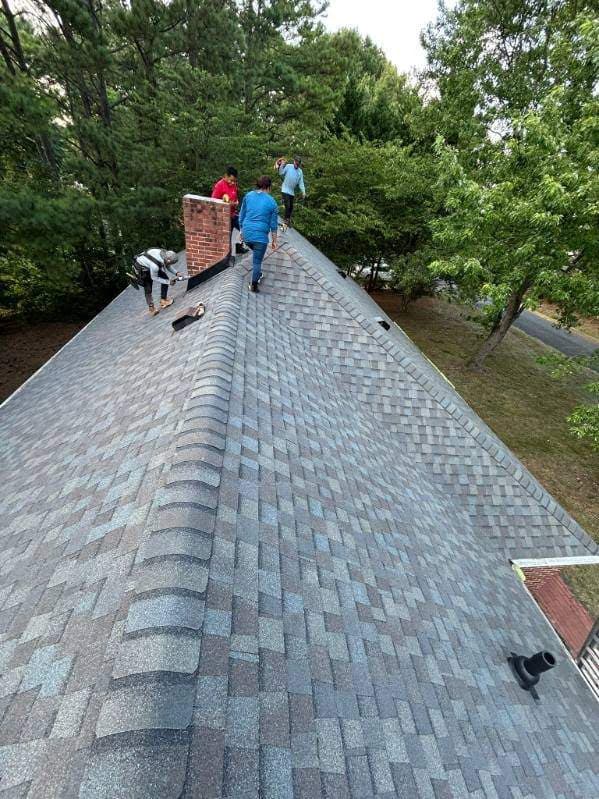
View All Service Areas →See our recent roofing work across the Charlotte metro area.
Charlotte, NC
new roof
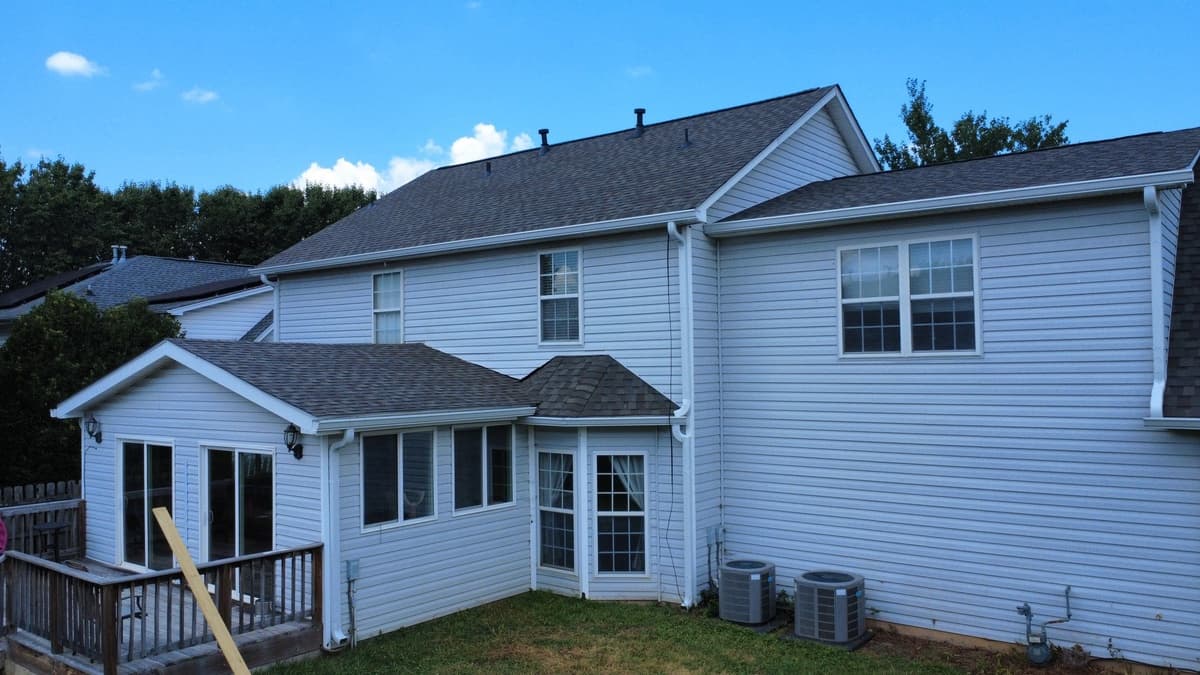
Charlotte, NC
new roof

Charlotte, NC
new roof
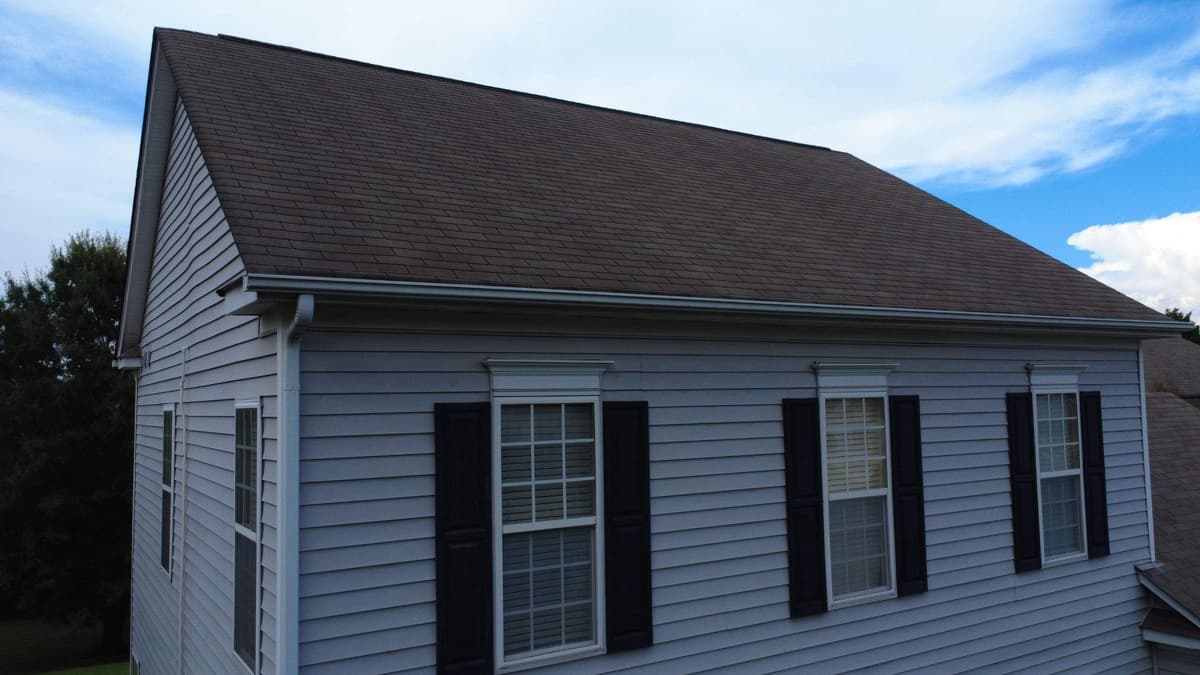
Charlotte, NC
work in progress
Get a free roof inspection and honest assessment from Charlotte's most trusted roofing company.


