
Roofing Tips & Guides
Expert Roofing Advice for Charlotte Homeowners
Learn from Charlotte's trusted roofing experts. Tips on maintenance, repair, replacement, and protecting your home from the elements.
Leak or wind damage from Isaias? 24/7 emergency tarping, free storm-damage inspections and insurance-claim help.
Learn from Charlotte's trusted roofing experts. Tips on maintenance, repair, replacement, and protecting your home from the elements.
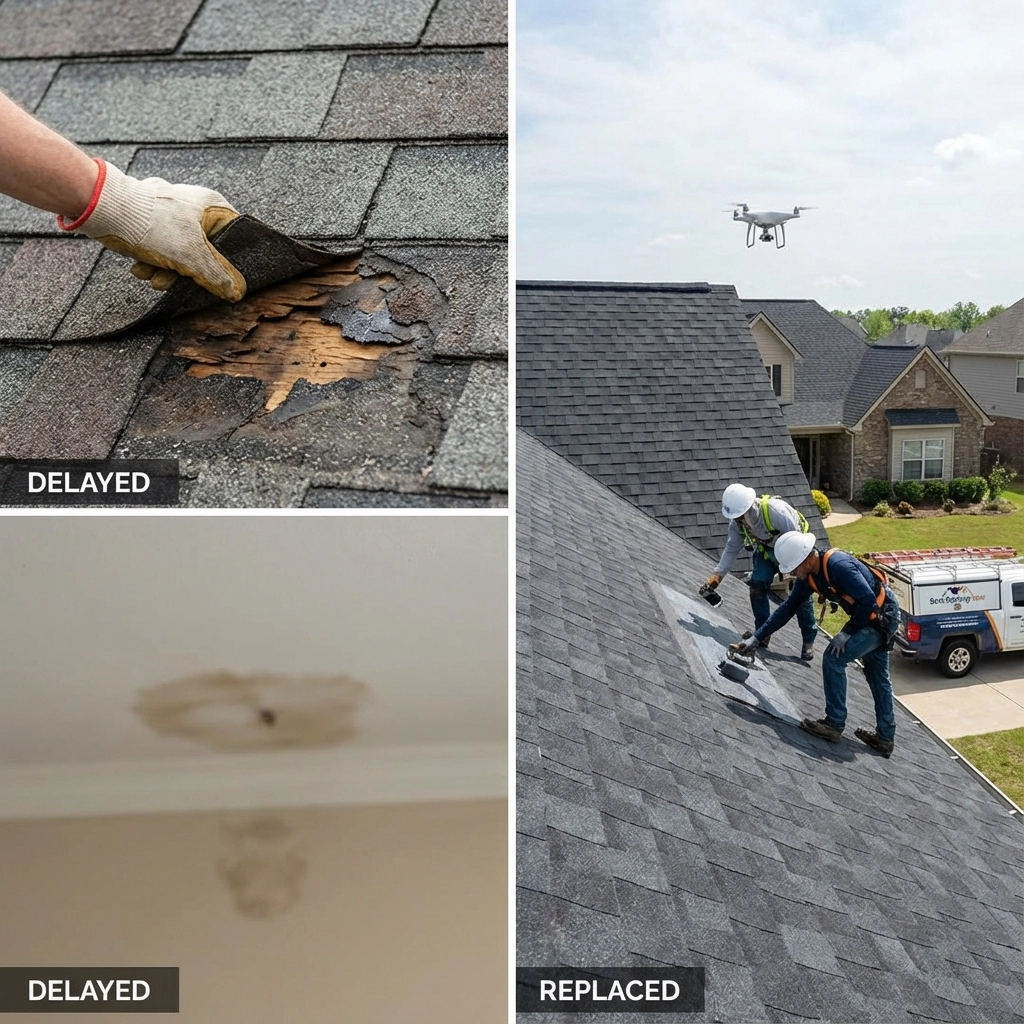
We've all been there. You notice a few loose shingles after that last Charlotte thunderstorm. Maybe you spot a small water stain on your ceiling after a heavy rain. Your gut tells you it's time for a new roof, but then life gets in the way.
"I'll deal with it next month," you think. "The budget's tight right now." Or maybe, "It's not that bad yet."
But here's what I've learned after years of helping homeowners across Charlotte, Lake Norman, and Concord: waiting almost always costs more. Much more.
Every week I visit homes where a simple $300 shingle repair from six months ago has turned into a $15,000 emergency replacement. The homeowner looks at me with that familiar expression of regret and asks, "Why didn't I just do this sooner?"
If you're putting off your roof replacement, here are five costly realities that might change your mind.
Here's the truth about roof problems: they never stay small.
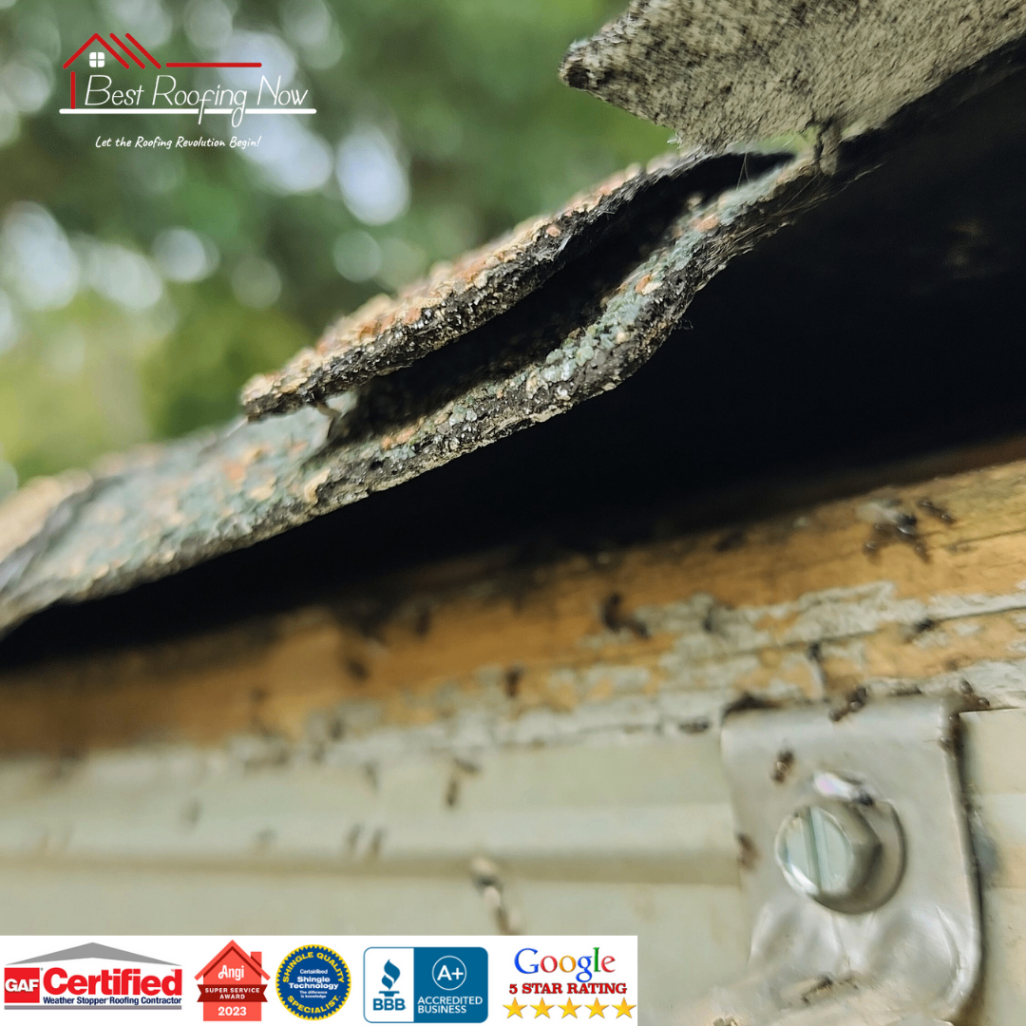
That missing shingle you noticed after the last storm? It's not just a cosmetic issue. It's an open door for water to find your home's most vulnerable spots. In Charlotte's climate, where we see everything from ice storms to summer downpours, that small opening becomes a highway for damage.
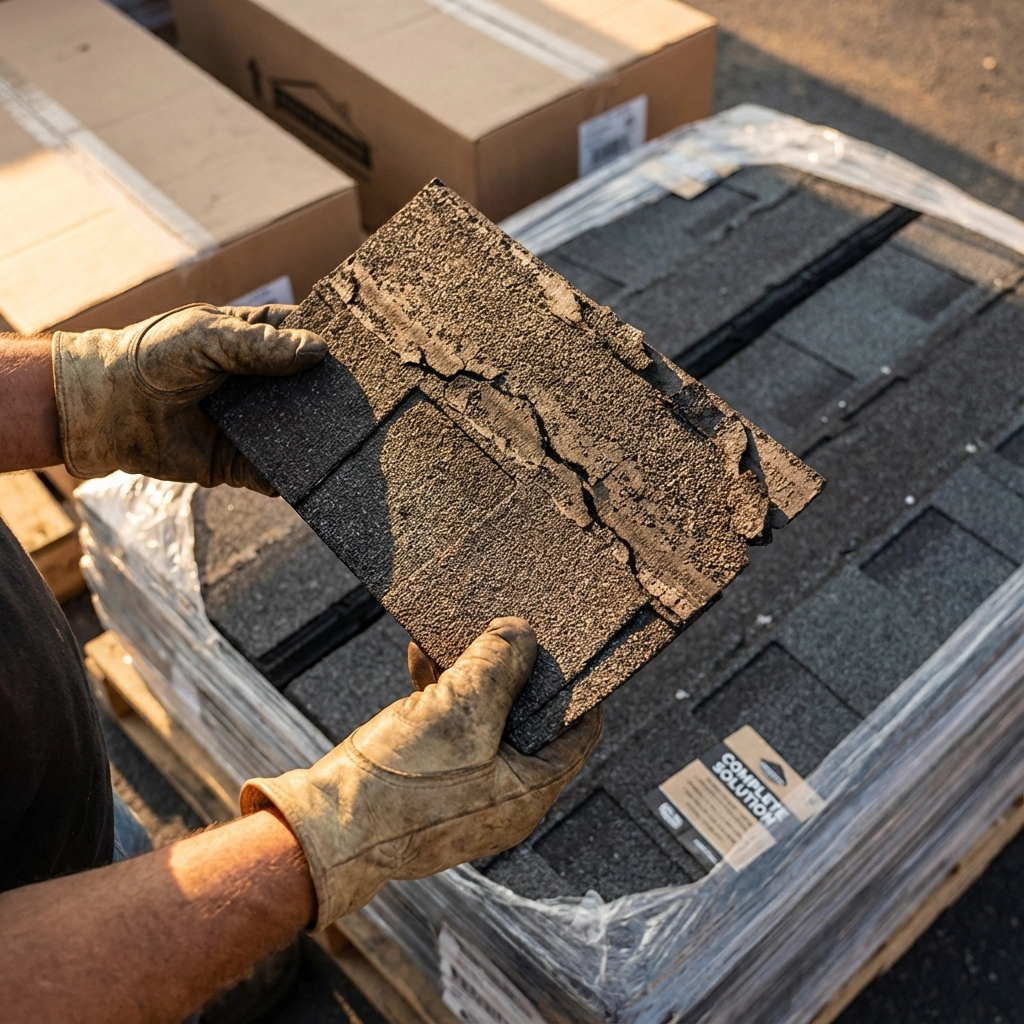
I recently worked with a family in Huntersville who called us about "just a few loose shingles." When we climbed up for the inspection, we found extensive water damage underneath. What started as a $200 shingle repair had become a $8,500 roof replacement project, plus another $3,000 in interior repairs.
The numbers tell the story:
But it gets worse during emergency situations. When that "small problem" finally gives way during a storm, you're not just paying for roof replacement. You're paying emergency rates when demand is high and contractors are booked solid.
After Hurricane Florence, I saw emergency roof repairs cost 40-60% more than planned replacements. Materials were scarce. Labor was premium-priced. And families were living with tarps and buckets while waiting months for repairs.
The lesson? Address problems when they're manageable, not when they're disasters.
Water doesn't just damage shingles. It works its way into your home's bones: the decking, rafters, and support structure that keeps everything standing.
In the Lake Norman area, I've seen too many homes where delayed roof replacement led to structural damage that cost more than the house was worth. Wood rot spreads fast in our humid climate. What starts as a small soft spot in your decking can compromise entire sections of your roof's foundation.
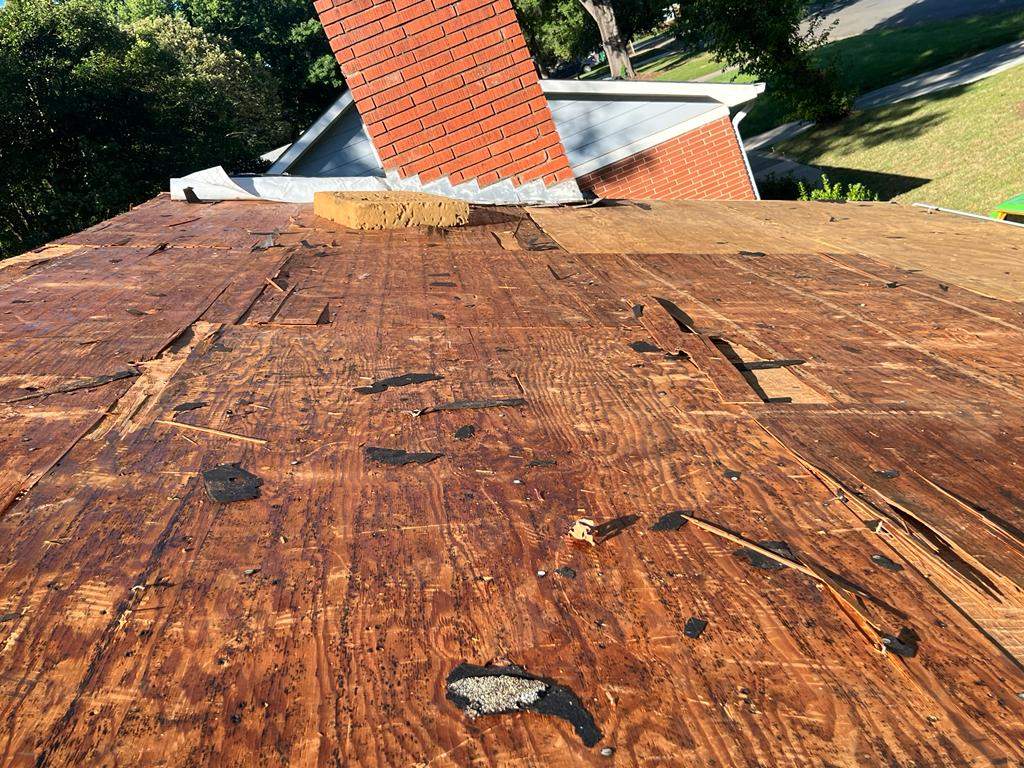
A homeowner in Davidson learned this the hard way. They ignored obvious signs of roof deterioration for two years. When we finally got up there, we found:
The original roof replacement would have cost $12,000. The final bill? Over $28,000 once we factored in structural repairs and mold remediation.
Here's what happens when water reaches your home's structure:
Phase 1: Decking damage – The plywood or OSB under your shingles starts to soften and warp. This usually happens within 6-12 months of water penetration.
Phase 2: Rafter compromise – The wooden beams that support your roof begin to weaken. This can happen gradually over 1-3 years.
Phase 3: Structural instability – In extreme cases, you're looking at major reconstruction work. I've seen homes where delayed maintenance led to partial roof collapse.
The Charlotte building inspector I work with regularly tells homeowners: "Fix your roof now, or rebuild your house later." It sounds dramatic, but I've seen it happen.
A failing roof is like leaving your front door open all winter. Your heating and cooling systems work overtime to compensate for air leaks, missing insulation, and temperature fluctuations.
In Charlotte's climate, where we run air conditioning from May through October, this adds up fast. I've tracked energy bill increases in homes with deteriorating roofs, and the numbers are eye-opening.
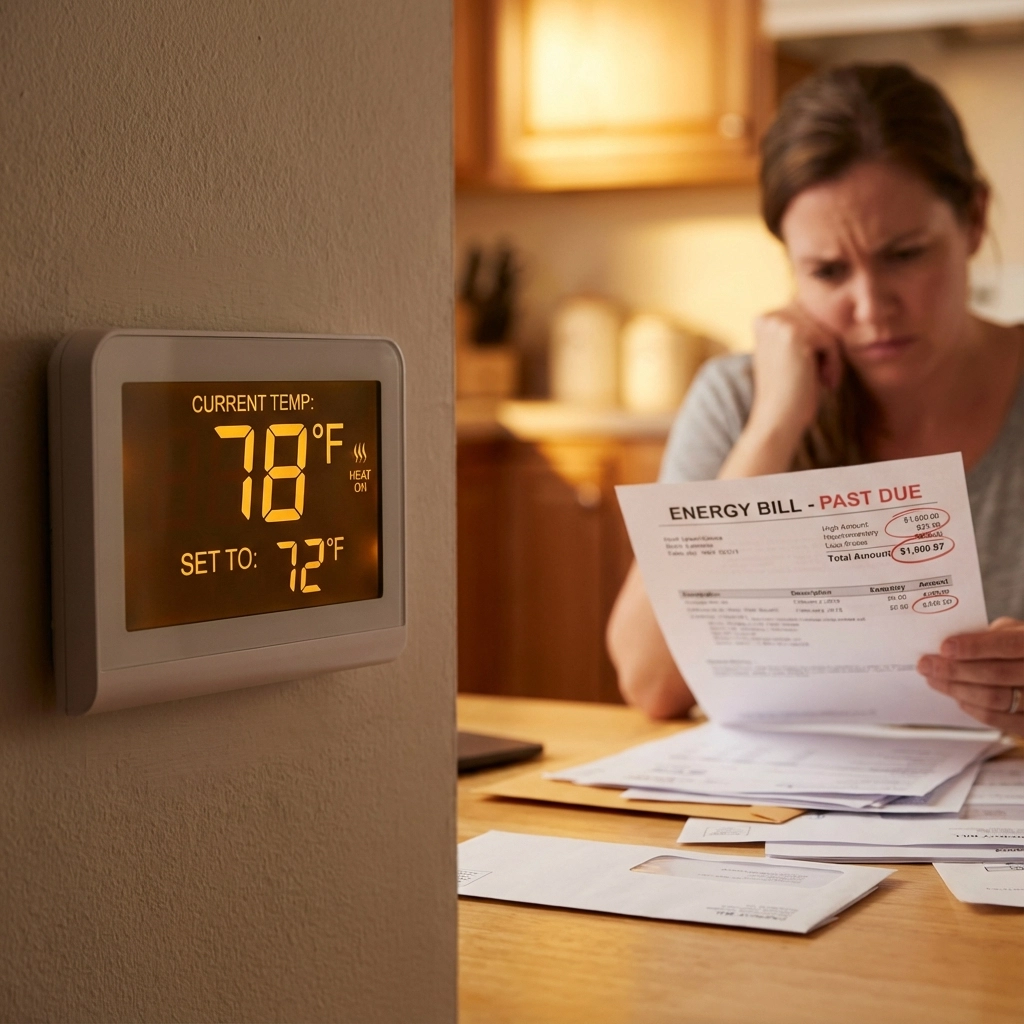
One family in Concord saw their monthly energy bills jump from $180 to $280 after putting off roof replacement for 18 months. That's $1,200 per year in extra costs. Over just three years, they spent more on wasted energy than they would have saved by delaying the roof replacement.
Here's how a damaged roof drives up energy costs:
Air leaks – Gaps in shingles or damaged flashing create pathways for conditioned air to escape. Your HVAC system runs longer to maintain temperature.
Compromised insulation – Water damage ruins attic insulation, reducing its ability to regulate temperature. Wet insulation is virtually useless.
Heat transfer – Missing or damaged shingles allow direct heat transfer. In summer, your attic gets hotter. In winter, you lose more heat.
Ventilation problems – Roof damage often affects ventilation systems, creating hot spots and humidity issues that force your cooling system to work harder.
According to the Department of Energy, homes with compromised roof systems can see energy costs increase by 20-40%. In Charlotte's climate, that translates to $400-$800 per year in unnecessary expenses.
Put another way: every year you delay roof replacement, you're essentially paying extra mortgage payments to your utility company.
Real estate agents in the Charlotte area will tell you straight: nothing kills a home sale faster than an obviously failing roof.
Buyers today are smart. They look up at your roof before they even walk through the front door. If they see curled shingles, moss growth, or obvious damage, they're already calculating repair costs.
A realtor I work with in Matthews shared a recent example. Two identical homes in the same neighborhood went on the market within weeks of each other. Same square footage, same lot size, similar interior condition. One had a new roof, the other had an obviously aging roof with visible wear.
The home with the new roof sold in 12 days at asking price. The home with the old roof sat for 89 days and eventually sold for $18,000 less than the asking price.
Here's what happens when you try to sell with a failing roof:
Inspection issues – Professional inspectors will note every roof problem. Buyers use this list to negotiate price reductions or demand seller-paid repairs.
Financing complications – Some lenders won't approve mortgages for homes with significant roof issues. This eliminates cash-strapped buyers from your pool.
Reduced buyer confidence – Even if buyers are willing to purchase, they wonder: "What other maintenance has been ignored?"
Market positioning – Your home gets categorized as a "fixer-upper," competing with distressed properties instead of move-in-ready homes.
I've worked with homeowners who ended up doing emergency roof replacements during the selling process. Not only did they pay premium prices for rush work, but they also lost negotiating power and dealt with showing delays.
One seller in Cornelius told me, "I wish I'd replaced the roof two years ago when I first thought about it. I would have enjoyed a better-looking home, and I would have sold for more money."
The worst part about delaying roof replacement? You're not just dealing with roofing costs. You're opening the door to problems throughout your home.
Water damage doesn't respect boundaries. It travels along unexpected paths, showing up in places that seem completely unrelated to your roof.
Last month, I helped a family in Kannapolis whose "small roof leak" had caused:
Their roof replacement cost $14,000. The additional damage repairs? Another $22,000.
Here are the hidden damages I see most often:
Mold and mildew – Charlotte's humidity creates perfect conditions for mold growth. Once water enters your home, mold can spread quickly through insulation, drywall, and personal belongings.
Pest infestations – Damaged roofs create entry points for insects and rodents. I've seen squirrel and raccoon damage that required extensive repairs beyond just the roof.
Electrical problems – Water and electricity don't mix. Roof leaks can damage wiring, create safety hazards, and require expensive electrical repairs.
HVAC damage – Water can damage ductwork, air handlers, and other HVAC components, leading to costly system repairs or replacement.
Personal property loss – Items stored in attics, basements, or anywhere water travels can be destroyed. Insurance may not cover everything.
Health impacts – Mold exposure can cause respiratory problems, especially for family members with allergies or asthma.
The National Association of Home Inspectors reports that roof-related water damage is the leading cause of insurance claims, with average payouts exceeding $20,000 when multiple home systems are affected.
Living in the Charlotte area means dealing with unique weather challenges that make roof delays even more costly.
Our climate hits roofs with a triple threat:
I've noticed that roof problems progress faster here than in drier climates. A small issue that might stay manageable for years in Arizona becomes a major problem within months in North Carolina.
The seasonal weather patterns also affect repair costs. Spring and fall are our busiest seasons as homeowners address storm damage. If you wait until everyone else is calling for repairs, you'll pay more and wait longer.
The homeowners who save money on roofing think differently about maintenance. Instead of waiting for problems to force their hand, they take control.
Here's the approach that saves money long-term:
Annual inspections – Schedule professional inspections every fall. This catches problems while they're still small and manageable.
Immediate small repairs – Fix minor issues the moment you notice them. A $100 repair today prevents a $1,000 repair tomorrow.
Budget planning – Start saving for roof replacement 5-7 years before you need it. This gives you flexibility to choose quality materials and contractors.
Insurance awareness – Document your roof's condition and understand your coverage. Many homeowners don't realize their insurance may cover storm damage repairs.
Seasonal maintenance – Clean gutters, trim overhanging branches, and remove debris. Simple maintenance extends roof life significantly.
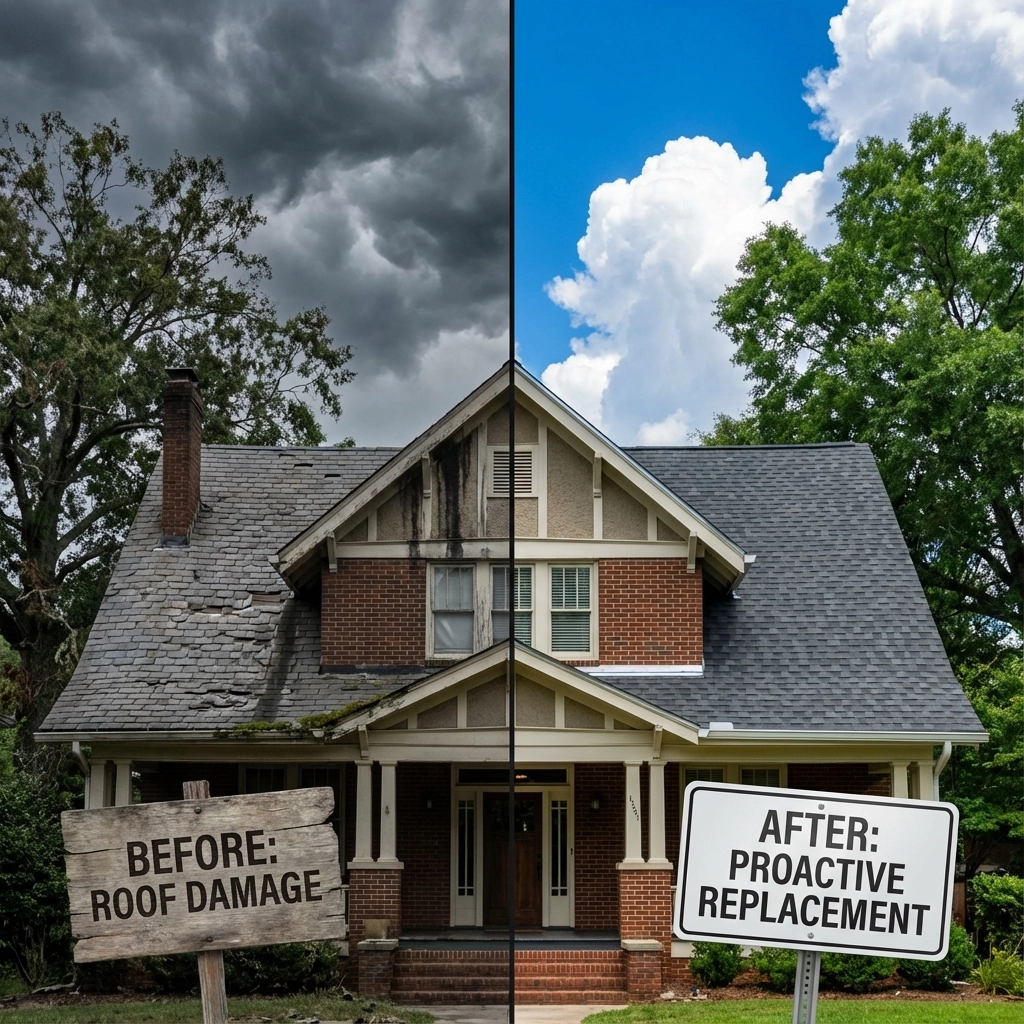
After helping hundreds of Charlotte-area families with their roofing needs, I can say with confidence: I've never met a homeowner who regretted replacing their roof proactively. But I've met plenty who regretted waiting.
The math is simple. A planned roof replacement typically costs $8,000-$15,000. Emergency replacement with associated damage often costs $20,000-$35,000 or more.
Beyond the numbers, there's the peace of mind that comes with knowing your family is protected. No more buckets during storms. No more anxiety every time the weather forecast shows rain. No more wondering if today is the day your roof finally gives out.
If you're reading this and thinking about your own roof situation, don't let another season pass. The problems won't fix themselves, and the costs won't decrease with time.
Here's what I recommend: schedule a free roof inspection this month. Not next month, not when it's convenient, but now while small problems are still small.
At Best Roofing Now, we provide honest assessments for homeowners throughout Charlotte, Lake Norman, Concord, and surrounding areas. We'll tell you exactly what you're dealing with and give you options that fit your timeline and budget.
Don't let procrastination cost you thousands. Your future self will thank you for taking action today.
Ready to stop putting it off? Call us at (704) 774-9068 or visit bestroofingnow.com to schedule your free inspection. We'll help you protect your home before small problems become expensive emergencies.
Best Roofing Now
Charlotte's trusted roofing experts since 2019
Based on this article, you may be interested in these services.
We proudly serve these Charlotte-area communities with professional roofing services.
View All Service Areas →See our recent roofing work across the Charlotte metro area.
Charlotte, NC
new roof
Charlotte, NC
new roof
Charlotte, NC
work in progress
Charlotte, NC
new roof
Get a free roof inspection and honest assessment from Charlotte's most trusted roofing company.

