
Roofing Tips & Guides
Expert Roofing Advice for Charlotte Homeowners
Learn from Charlotte's trusted roofing experts. Tips on maintenance, repair, replacement, and protecting your home from the elements.
Leak or wind damage from Isaias? 24/7 emergency tarping, free storm-damage inspections and insurance-claim help.
Learn from Charlotte's trusted roofing experts. Tips on maintenance, repair, replacement, and protecting your home from the elements.
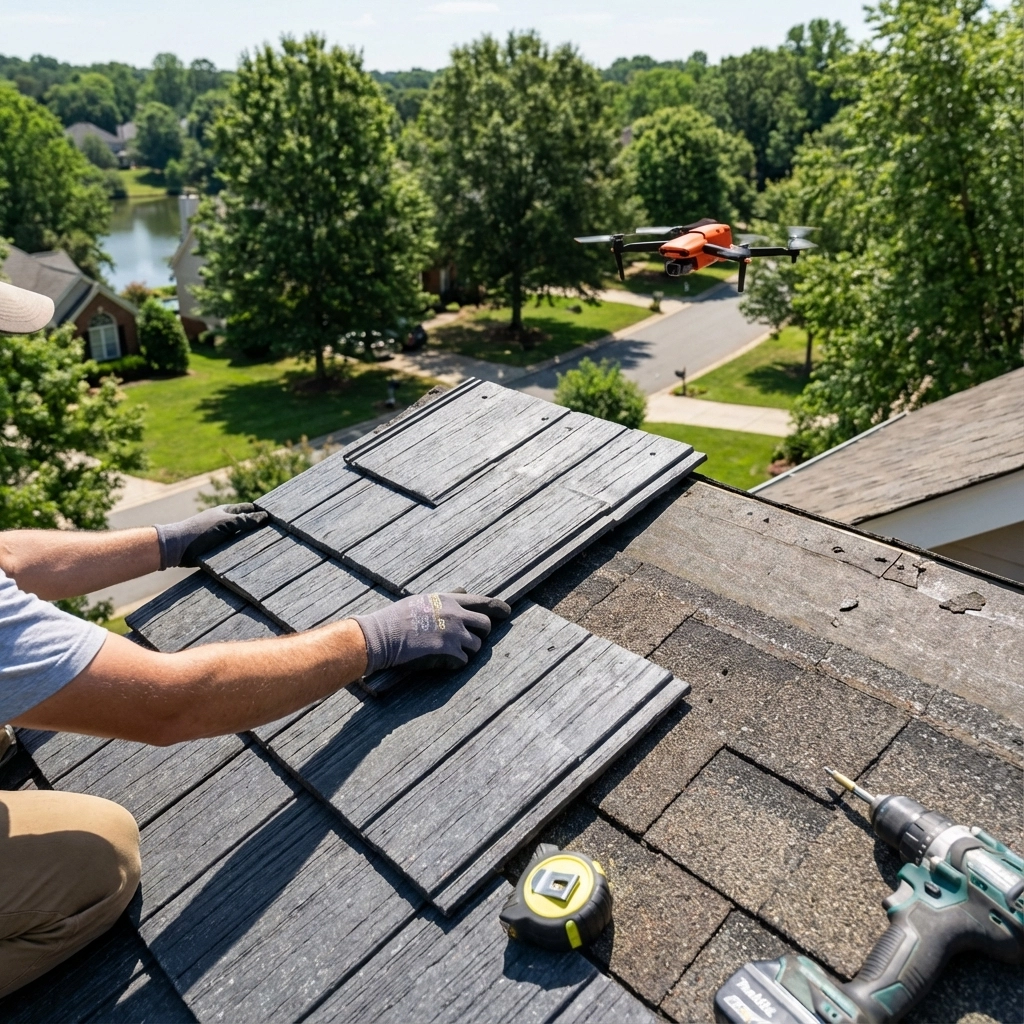
As we kick off 2025, Charlotte homeowners and property managers are asking tough questions about their roofing investments. With energy costs climbing and environmental consciousness growing, sustainable roofing materials have moved from "nice to have" to "need to know about."
But here's the real question: Are eco-friendly roofing materials actually worth the extra upfront cost? After installing hundreds of sustainable roofs across Charlotte, Lake Norman, and Concord, we've got the data to help you make this decision with confidence.
Let's be honest about the numbers. Sustainable roofing materials typically cost 15-30% more upfront than traditional asphalt shingles. A standard asphalt shingle roof for a 2,000-square-foot home in Charlotte runs about $12,000-$18,000. That same home with eco-friendly materials? You're looking at $14,000-$25,000 depending on what you choose.
But that's where most homeowners stop calculating. And that's a mistake.
The real math includes energy savings, durability, maintenance costs, and potential resale value over the next 15-25 years. When we run those numbers for Charlotte-area homes, sustainable materials win more often than not.
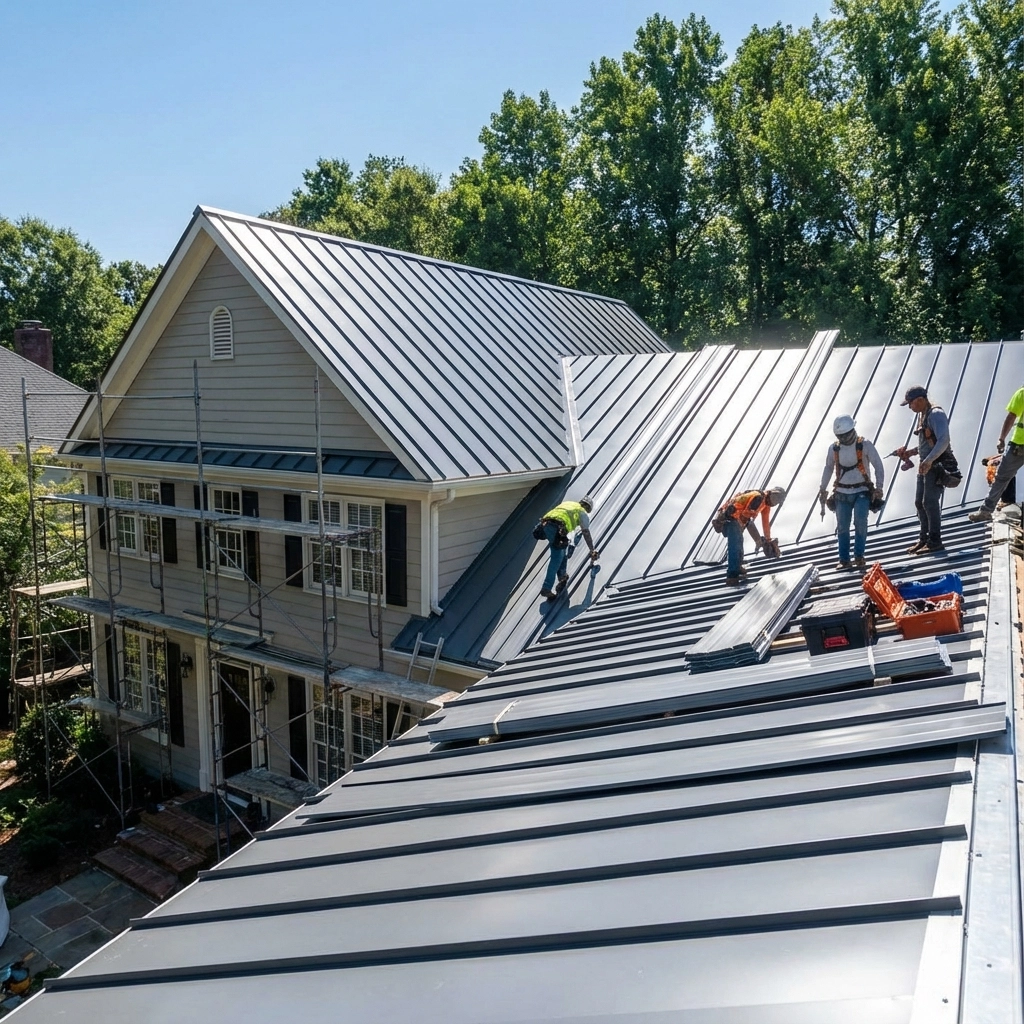
Charlotte's climate is perfect for demonstrating why sustainable roofing works. Our hot summers and mild winters create ideal conditions for eco-friendly materials to shine.
Cool roofs reflect more sunlight and absorb less heat than traditional dark-colored roofs. In Charlotte's summer heat, this can reduce your rooftop temperature by up to 50°F. We've measured this difference ourselves on jobs in Myers Park and Dilworth – the energy savings are immediate and noticeable.
Metal roofing takes this further. The reflective properties combined with proper ventilation can cut cooling costs by 10-25% during Charlotte's sweltering July and August months. For a typical Charlotte home with a $150-200 monthly summer electric bill, that's $15-50 in savings every month.
Green roofs (living roofs with vegetation) perform even better. While rare on residential properties, we've installed them on several Lake Norman homes. These systems can lower indoor temperatures by up to 27°F and reduce cooling loads by 70%. The upfront cost is significant, but the energy savings are game-changing.
Not all eco-friendly materials work equally well in North Carolina's climate. Here's what we recommend based on actual performance data from our installations:
Metal roofs check every sustainable box. They're 100% recyclable, last 50+ years, and perform beautifully in our weather patterns. We've installed standing seam metal on homes in Cornelius and Davidson that still look new after 15 years.

The investment makes sense: while metal costs more upfront, you'll likely never replace it again. Plus, metal roofs handle Charlotte's occasional hail storms and heavy spring rains better than any other material.
These materials use recycled rubber, plastic, or metal to create shingles that look like traditional materials but last longer and divert waste from landfills. We've had great success with these on homes in Concord and Huntersville.
The sweet spot? They cost only 10-15% more than traditional shingles but last 30-40% longer. For homeowners who want sustainability without the sticker shock, this is often the right choice.
Solar roof tiles and panels have improved dramatically. While the upfront investment is substantial ($25,000-$40,000 for most Charlotte homes), federal tax credits and North Carolina's net metering policies make them increasingly attractive.
We installed a solar roof system in Ballantyne last year. The homeowner's energy bill dropped to under $20 per month, and they're selling excess power back to the grid.
Traditional asphalt shingles last 15-20 years in Charlotte's climate. We replace plenty of them in neighborhoods like Plaza Midwood and NoDa where homes hit that 15-year mark.
Sustainable materials change this timeline completely:
When you factor in replacement costs, sustainable materials often cost less over their lifetime. A metal roof that costs $8,000 more upfront but lasts twice as long? That's actually a $7,000 savings when you account for the avoided second replacement.
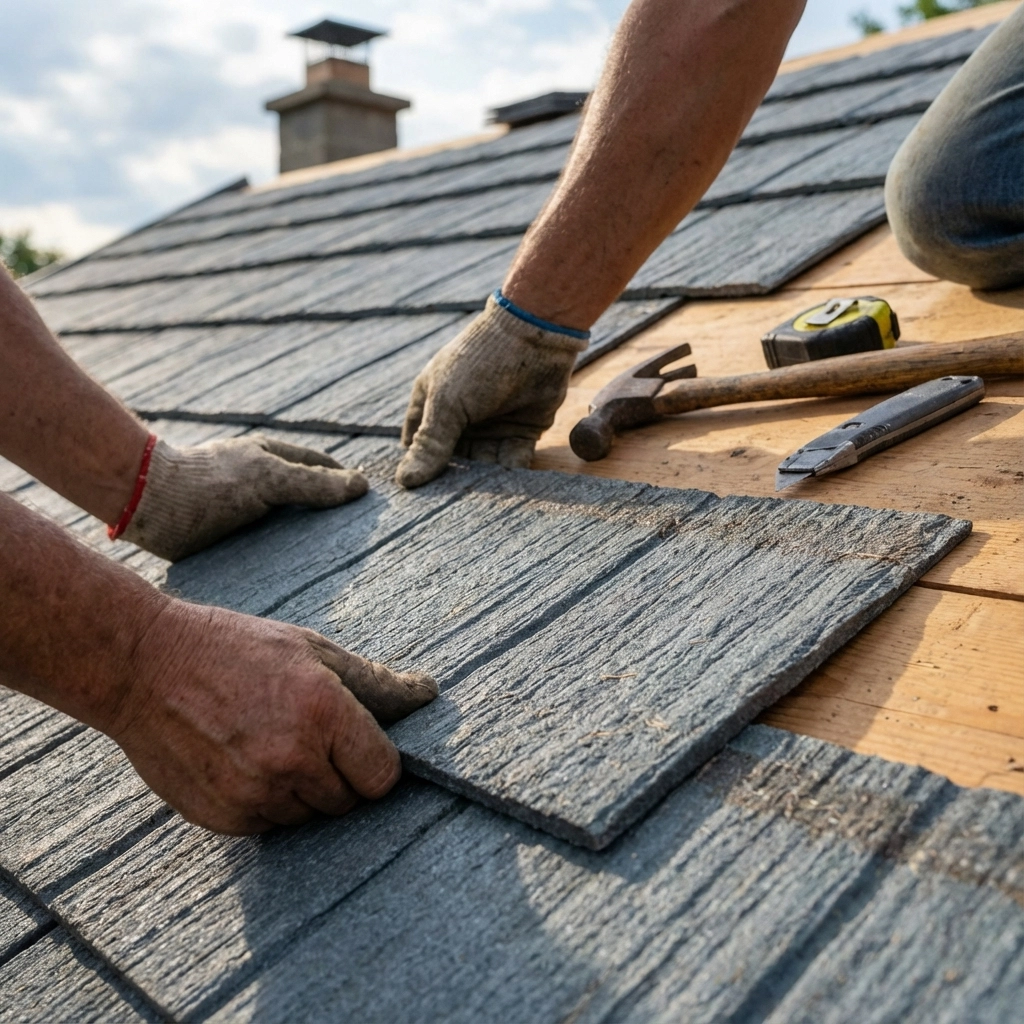
Charlotte is part of the urban heat island effect that makes cities hotter than surrounding areas. Traditional dark roofs absorb heat and make this worse. Sustainable roofing helps counteract this problem.
Cool roofs and green roofs actively reduce ambient temperatures. On a neighborhood scale, this matters. We've worked in established Charlotte neighborhoods where sustainable roofing is becoming more common, and residents report more comfortable outdoor spaces during summer months.
Material sourcing also matters. Metal roofing contains 25-95% recycled content. Composite shingles divert tons of waste from landfills. Even small choices add up when multiplied across thousands of Charlotte homes.
Charlotte's real estate market increasingly values energy efficiency and sustainability. Realtors we work with report that homes with metal roofs, solar installations, or other eco-friendly features stand out in listings.
According to local real estate data, energy-efficient homes in Charlotte sell 6-10% faster and often command premium prices. A $5,000 investment in sustainable roofing materials might add $8,000-$12,000 to your home's value.
But here's what really matters: sustainable roofing gives you immediate benefits while you live in the home. You're not just investing for future buyers – you're improving your own quality of life.
Not every sustainable option makes sense for every property. Here's how we help Charlotte homeowners decide:
Budget-conscious: Recycled composite shingles or cool-colored traditional materials offer sustainability benefits without breaking the bank.
Long-term investment: Metal roofing provides the best combination of durability, energy savings, and resale value for most Charlotte homes.
Maximum environmental impact: Solar-integrated roofing or green roof systems deliver the biggest environmental benefits but require significant upfront investment.
Historic homes: In neighborhoods like Myers Park or Dilworth with architectural restrictions, recycled slate or composite materials that mimic traditional looks often work best.
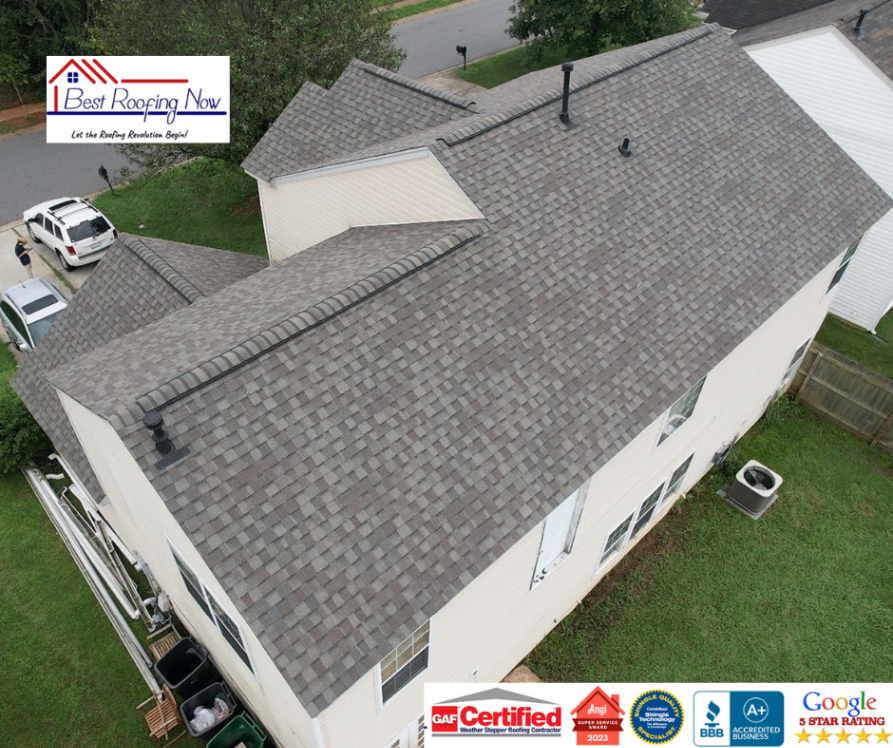
Based on our installations across Charlotte, Lake Norman, and Concord, here's what sustainable roofing typically delivers:
For most Charlotte-area properties, sustainable roofing materials pay for themselves within 8-15 years through energy savings and avoided replacement costs. Everything after that is pure profit.
If you're planning a roof replacement in 2025, sustainable materials deserve serious consideration. The technology has improved, costs have become more reasonable, and the long-term benefits are proven.
But don't just take our word for it. Get a detailed cost-benefit analysis for your specific property. We provide free consultations that include energy savings projections, material comparisons, and ROI calculations based on your home's size, location, and energy usage.
The best sustainable roofing investment is the one that matches your budget, goals, and timeline. Let's figure out what that looks like for your Charlotte-area property.
Ready to explore sustainable roofing options for your home? Contact Best Roofing Now for a free consultation and detailed cost-benefit analysis. We'll help you determine which eco-friendly materials make the most financial and environmental sense for your specific property.
Best Roofing Now
Charlotte's trusted roofing experts since 2019
Based on this article, you may be interested in these services.
We proudly serve these Charlotte-area communities with professional roofing services.
View All Service Areas →See our recent roofing work across the Charlotte metro area.
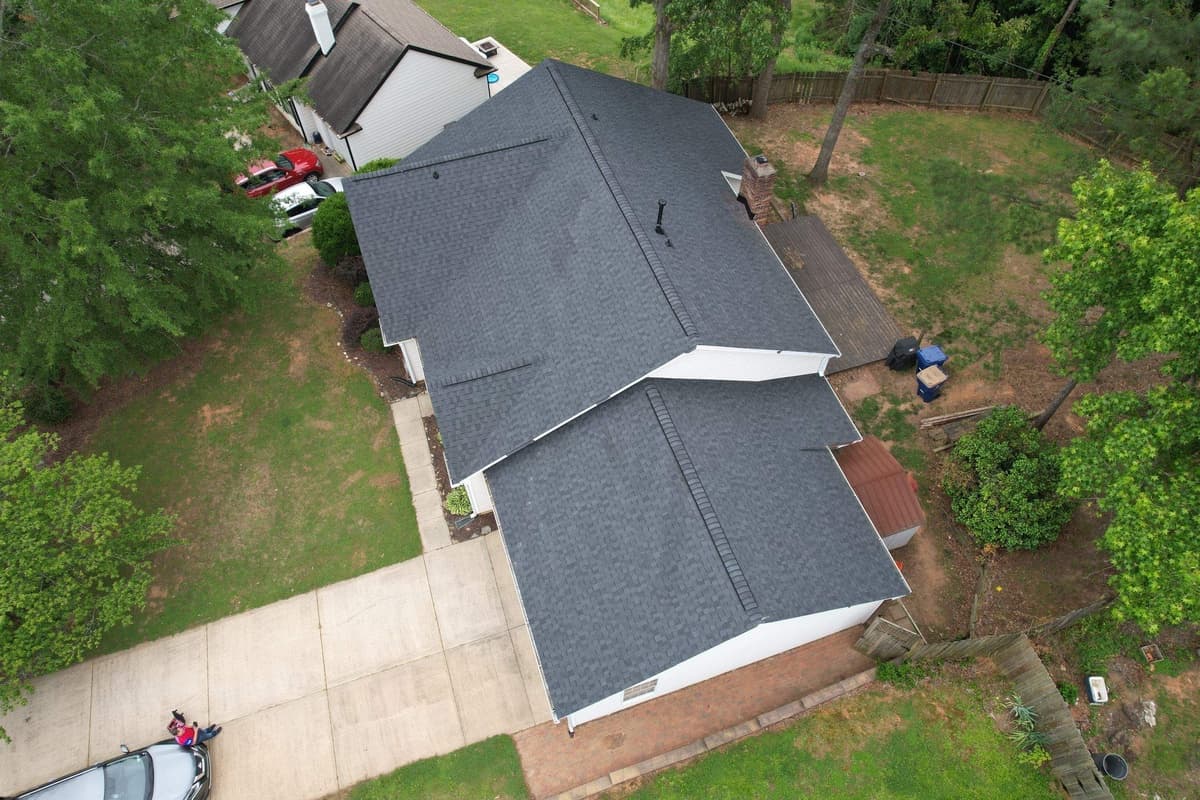
Charlotte, NC
new roof
Charlotte, NC
before after
Charlotte, NC
new roof
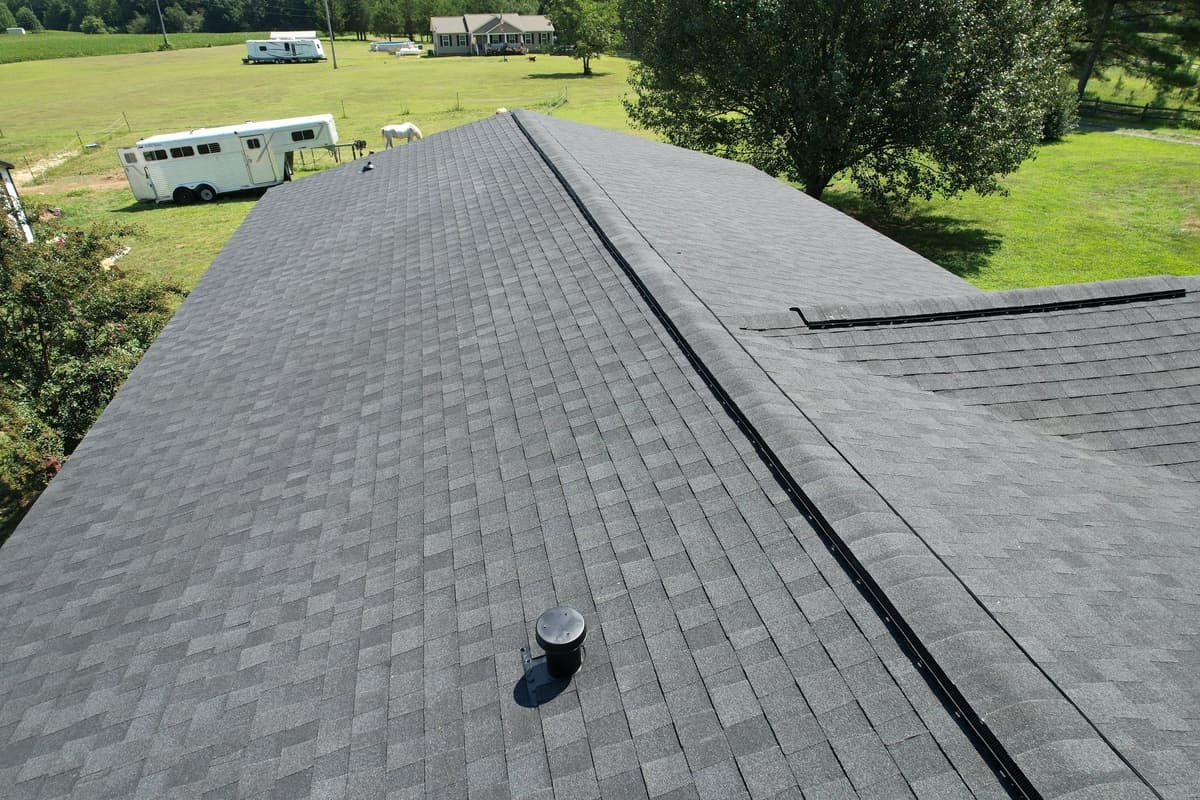
Charlotte, NC
new roof
Get a free roof inspection and honest assessment from Charlotte's most trusted roofing company.

