
Roofing Tips & Guides
Expert Roofing Advice for Charlotte Homeowners
Learn from Charlotte's trusted roofing experts. Tips on maintenance, repair, replacement, and protecting your home from the elements.
Leak or wind damage from Isaias? 24/7 emergency tarping, free storm-damage inspections and insurance-claim help.
Learn from Charlotte's trusted roofing experts. Tips on maintenance, repair, replacement, and protecting your home from the elements.
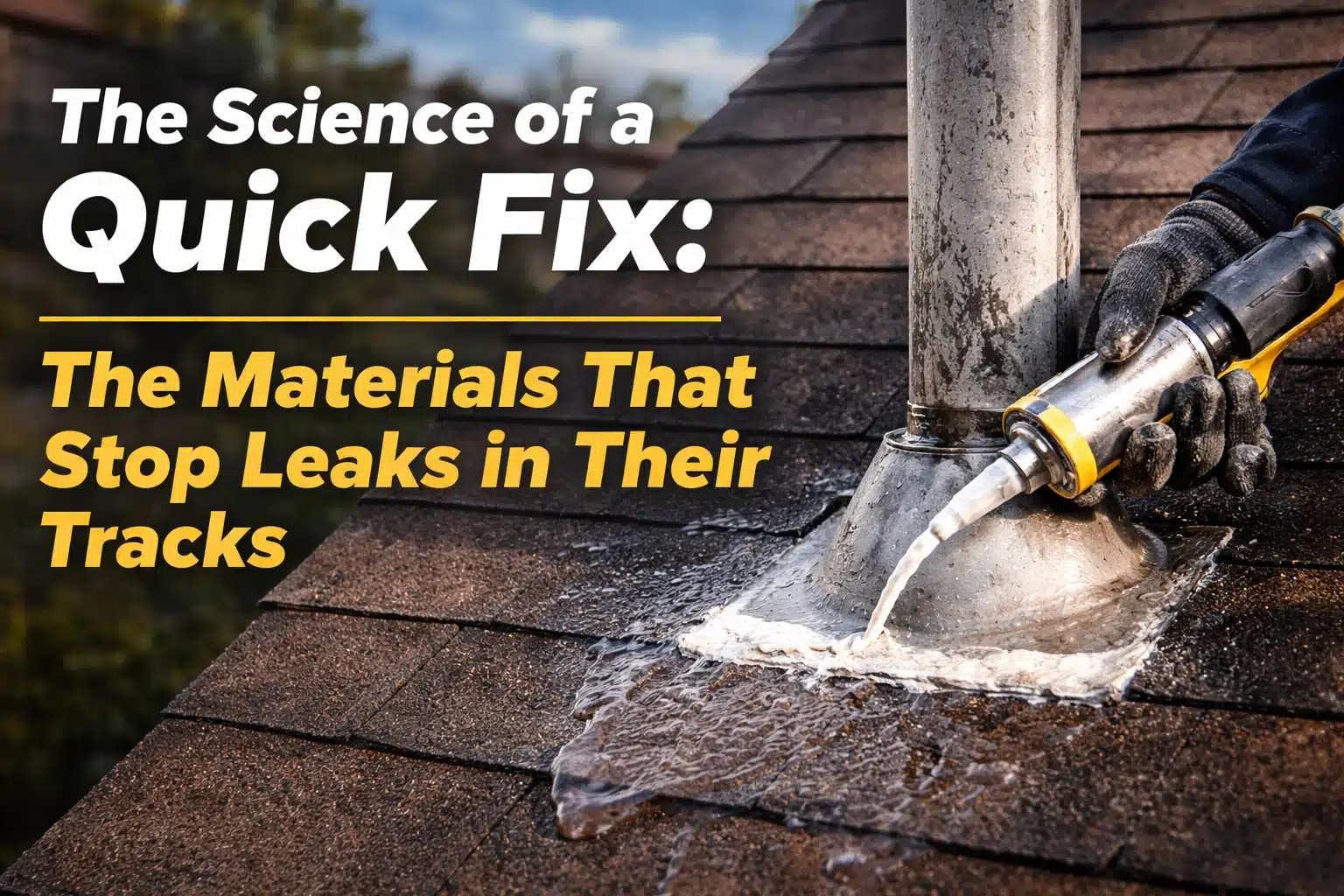
It's 2 AM. Rain is pounding your roof. And there's water dripping onto your living room floor.
In that moment, you don't care about roofing theory. You want someone to stop the leak. Fast.
But here's the thing most people don't realize. That "quick fix" your emergency roofer applies? It's not duct tape and prayers. It's actual science. High-tech materials designed to bond, seal, and protect in the worst conditions imaginable.
I've been doing emergency roof repairs in Charlotte for years. And I've watched these materials evolve from basic patches to sophisticated chemistry. Today, I want to take you behind the scenes. Let's look at exactly what goes on your roof when we show up at midnight to save your home.
Regular roofing materials work great when you've got time. A sunny day. Dry surfaces. Hours to let things cure properly.
Emergency repairs don't have that luxury.
When a storm rips shingles off your roof at 10 PM, we need materials that work in the rain. In the cold. On wet surfaces. And they need to work right now: not in 24 hours.
That's why the best roofing contractors invest in specialized emergency materials. These aren't the same products you'd use for a planned repair. They're engineered for crisis situations.
Let's start with the most visible emergency tool: the tarp.
But don't think of the blue tarps you see at hardware stores. Professional-grade emergency tarps are a different animal entirely.
We use reinforced polyethylene tarps with UV-resistant coatings. They're designed to handle Charlotte's summer sun without breaking down. And they've got grommets every 18 inches so we can secure them properly against wind.
Here's why this matters. A cheap tarp might last a week before the sun destroys it. Our tarps can protect your roof for weeks or even months if needed: though we obviously prefer to get the permanent repair done much sooner.
The key is proper installation. We don't just throw a tarp over the damage. We extend it past the ridge line, secure it to the roof deck (not just the shingles), and create drainage paths so water flows off rather than pooling.
A poorly installed tarp can actually cause more damage than no tarp at all. Water gets trapped underneath, and suddenly you've got moisture sitting on your roof deck 24/7.
Here's where the real science comes in.
Modern polyurethane sealants are incredible. They can bond to wet surfaces. They cure even in rain. And they create a waterproof seal that can last for years: not just days.
The way these work is fascinating. When polyurethane meets moisture, it actually uses that water to trigger the curing process. The moisture causes a chemical reaction that hardens the sealant. So the very thing that's causing your leak becomes part of the solution.
We use dual-component polyurethane systems for serious leaks. These mix two chemicals together right before application. The reaction happens fast: sometimes in minutes. According to industry research, fast-reacting hydrophobic polyurethane grouts can stop high-volume leaks in milliseconds to minutes through rapid polymerization.
That's not marketing talk. That's chemistry working in your favor.
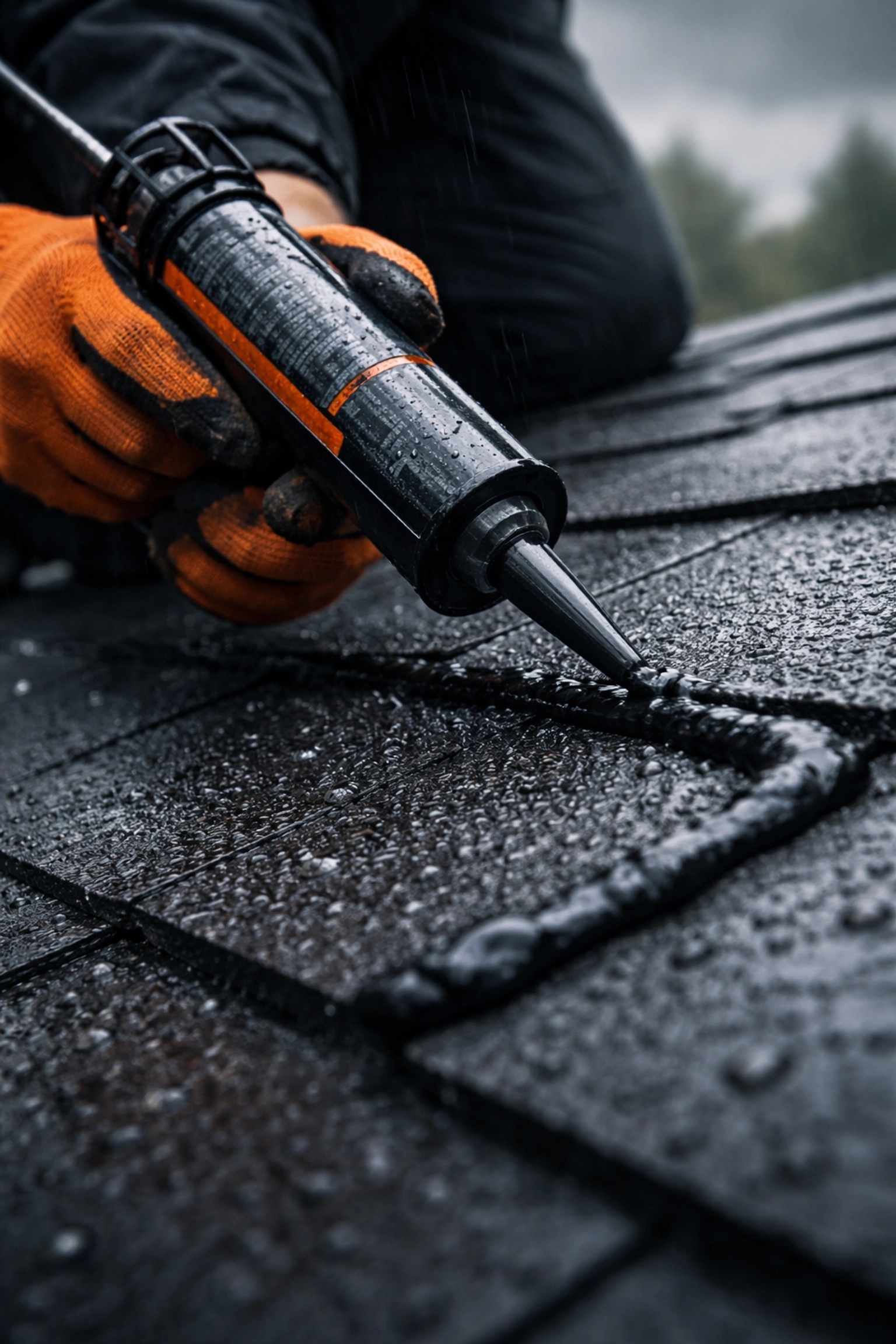
When people hear "roof coating," they often think of those silver coatings they've seen on flat roofs. But modern roof coating technology has come a long way.
Emergency roof coatings now include:
For Charlotte's climate, this flexibility matters enormously. We can see 30-degree temperature swings in a single day during spring and fall. Materials that can't handle expansion and contraction will crack. And cracks mean leaks.
The best roofing companies stock multiple coating types because different situations need different solutions. A leak around a skylight needs different treatment than a crack in a flat roof membrane.
One thing I always tell homeowners: roof coating isn't a permanent replacement for proper repairs. It's a high-quality temporary solution or a maintenance layer. If someone tells you a coating will replace your roof, they're not being straight with you.
Here's something most people have never heard of.
There's a category of emergency repair materials that work like a cast on a broken bone. Fiberglass tape coated with water-activated urethane resins. You wrap it around damaged areas, and it hardens into a rigid, waterproof shell.
These systems can create repairs that hold up to serious pressure. We're talking repairs that handle not just rain, but standing water.
The fiberglass tape gets saturated with a special resin, then wrapped around the damaged area. Within about 30 minutes, it's hardened into something close to plastic. Strong. Waterproof. And surprisingly durable.
We use these primarily for:
It's not the right solution for every situation. But when it's appropriate, it works beautifully.
Here's something that blew my mind when I first learned about it.
Scientists have discovered that leaks can actually stop themselves under certain conditions. A "capping droplet" forms at the leak site when pressure drops below a certain threshold. Surface tension holds that droplet in place, and the leak stops.
This isn't just theory. Researchers have documented this happening repeatedly: about 15 times in succession before a stable seal forms.
Now, we don't rely on this for emergency repairs. You can't call a homeowner and say, "Just wait for the physics to kick in." But understanding this phenomenon has helped manufacturers develop better self-sealing materials.
Some modern roof membranes include self-sealing technology. Small punctures: like from hail or debris: heal themselves as the material flows back together. It's not magic. It's material science.
I mentioned Charlotte's climate earlier, but let me be specific about why it matters for emergency repairs.
Our humidity is brutal on roofing materials. Anything that doesn't handle moisture well will fail faster here than in drier climates.
Our temperature swings stress materials constantly. Summer days can hit 95 degrees. Winter nights can drop below freezing. Materials expand and contract with every cycle.
Our storms are intense. We get everything from hurricane remnants to sudden hailstorms to ice events. Emergency materials need to handle all of it.
And our UV exposure is significant. Eight months of strong sun breaks down materials that aren't UV-stabilized.
That's why we're careful about which products we stock. Not every emergency repair material works well in North Carolina. We've tested products that work great in Arizona but fail in Charlotte because they can't handle our moisture levels.
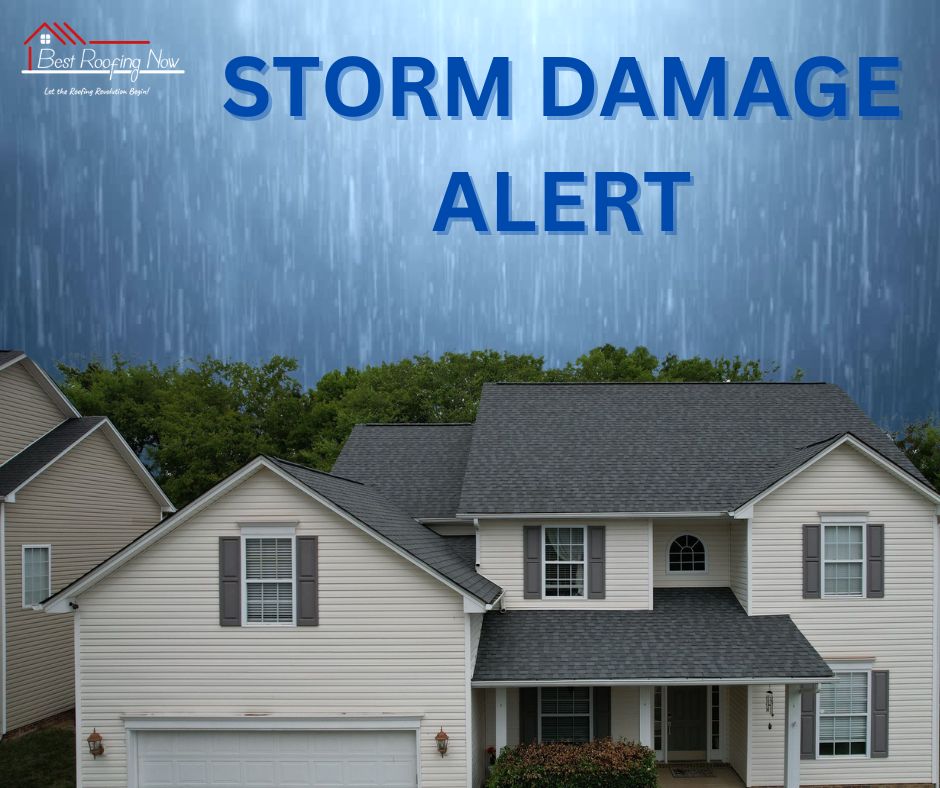
Here's where I need to be straight with you.
Emergency repairs are designed to stop active damage. They're not designed to last forever. Even the best emergency materials are temporary solutions that buy you time to do proper repairs.
A quality emergency repair might last:
But here's the thing. Every emergency repair should be followed by a permanent fix. The emergency materials protect your home while you schedule proper repairs, arrange financing, or wait for insurance approval.
If a roofer tells you their emergency patch is "as good as new," be skeptical. It might hold up fine. But it's not the same as a proper repair done under ideal conditions.
When you call us for an emergency, here's the actual process.
First, we assess the situation by phone. We want to understand what you're seeing so we know what materials to bring.
Then we show up: usually within a couple hours for true emergencies. We get on the roof (safely) and identify exactly where water is getting in.
Next, we select the right materials for your specific situation. Different leaks need different solutions. A failed pipe boot needs a different approach than wind-damaged shingles.
We apply the emergency fix and verify it's working. Sometimes that means running water over the area to confirm the seal holds.
Finally, we give you an honest assessment of what permanent repairs you'll need and when they should happen.
Emergency roof repair isn't about fancy marketing. It's about chemistry, physics, and materials science working together to protect your home when you need it most.
The next time you see a roofer applying what looks like a simple patch, know that there's real science behind those materials. Polymers that cure in moisture. Coatings that flex with temperature changes. Composites that harden into protective shells.
That's what the best roofing professionals bring to emergency situations. Not just experience and hustle: though those matter too: but the right materials for the job.
Got a leak that won't wait? We stock professional-grade emergency materials and respond fast across Charlotte and Lake Norman. Call us now or schedule an inspection before the next storm hits. Your roof: and your peace of mind( will thank you.)
Best Roofing Now
Charlotte's trusted roofing experts since 2019
Based on this article, you may be interested in these services.
We proudly serve these Charlotte-area communities with professional roofing services.
View All Service Areas →See our recent roofing work across the Charlotte metro area.
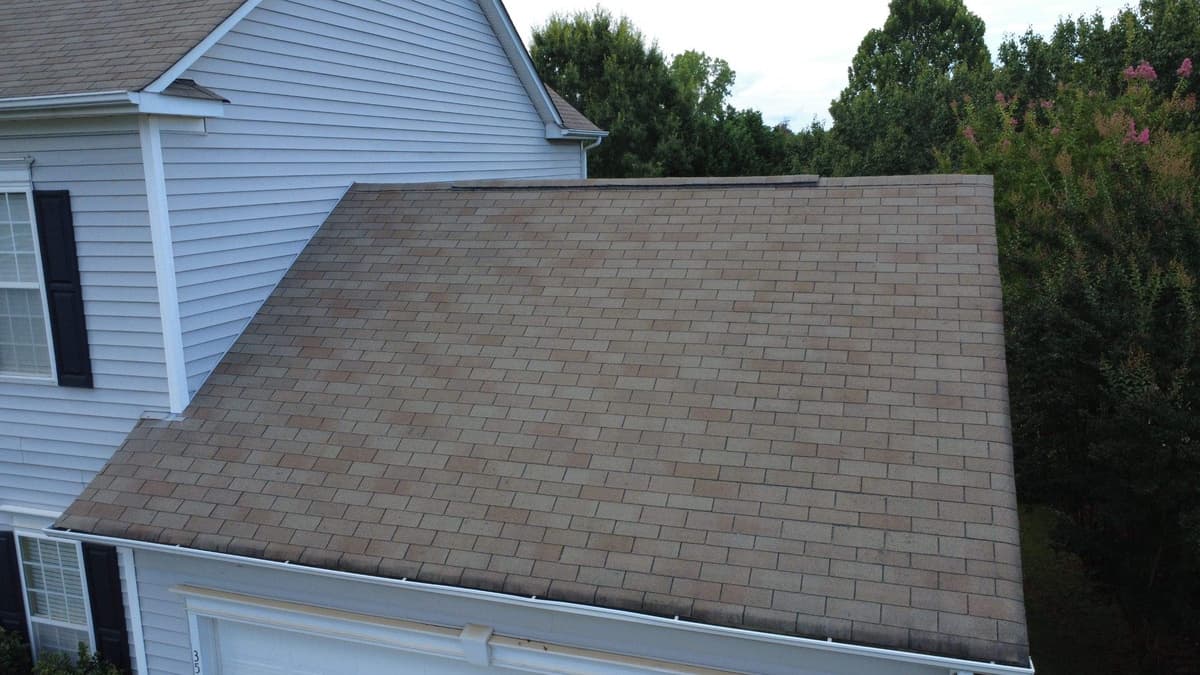
Charlotte, NC
work in progress
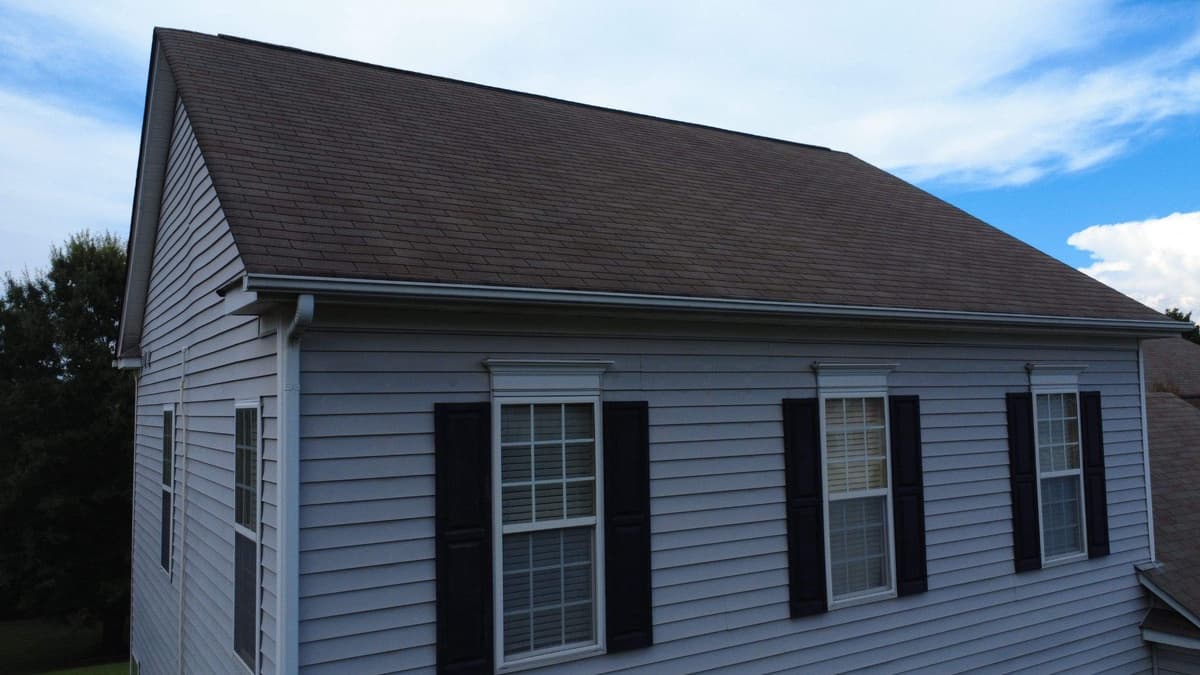
Charlotte, NC
work in progress
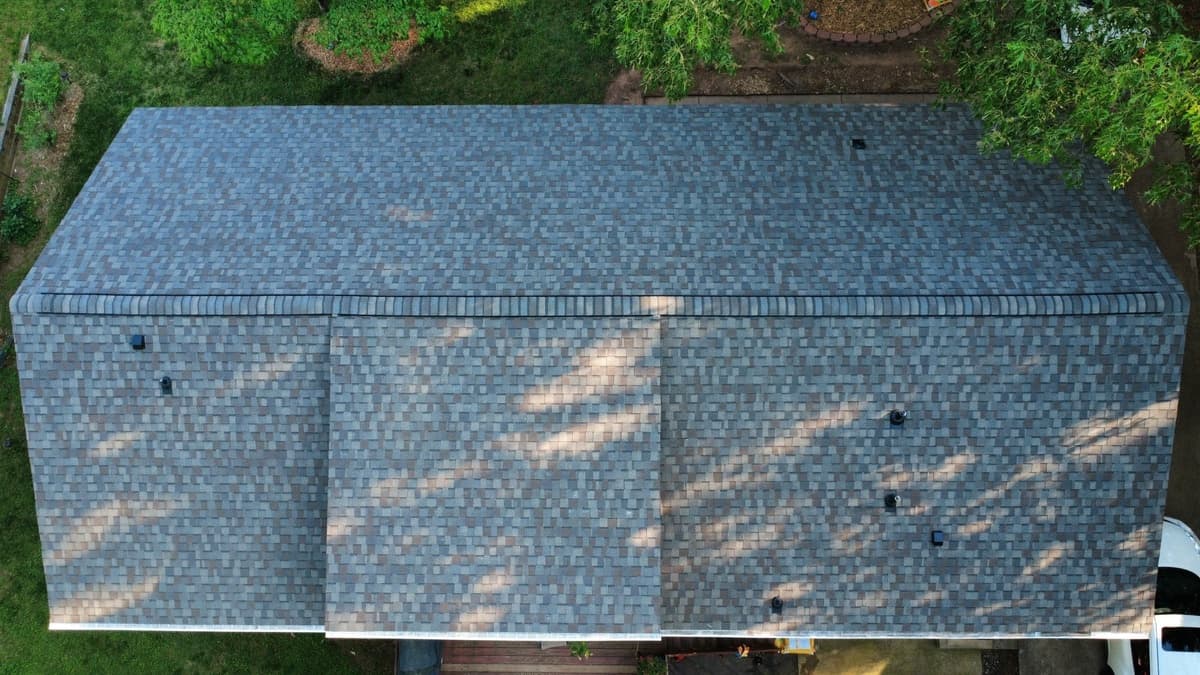
Charlotte, NC
new roof
Charlotte, NC
new roof
Get a free roof inspection and honest assessment from Charlotte's most trusted roofing company.


