
Tree Fell on Your Roof?Here's What to Do Now
Stay calm. Best Roofing Now responds 24/7 across Charlotte and the surrounding communities of Ballantyne, SouthPark, Dilworth, Plaza Midwood, Myers Park, NoDa, Steele Creek, University City, and the Lake Norman towns of Huntersville, Cornelius, Davidson, and Mooresville with 1-4 hour emergency tarp dispatch by zone. Follow the 8 steps below to stay safe, document the damage for insurance, and navigate the claim with State Farm, Allstate, USAA, Liberty Mutual, Travelers, Nationwide, Erie, or Farm Bureau.
If you see downed power lines, stay 35+ feet away and call Duke Energy at 800-769-3766. Assume all downed lines are LIVE.
Immediate Steps to Take
Follow these steps in order. Safety first, then documentation and recovery.
Ensure Everyone is Safe
Account for all family members and pets. If anyone is trapped or injured, call 911 immediately. Do not re-enter the home if you hear cracking or see structural shifting.
Check for Downed Power Lines
Stay at least 35 feet away from any downed lines. Call Duke Energy (800-769-3766) to report. Assume all downed lines are live and deadly. Do not touch anything in contact with power lines.
Check for Gas Leaks
If you smell gas or hear hissing, leave immediately. Don't flip light switches or use phones inside. Call Piedmont Natural Gas (800-752-7504) from outside. Don't return until cleared.
Turn Off Main Water
If there's ceiling damage, shut off water at the main valve to prevent additional damage from burst pipes. This also prevents flooding if plumbing was damaged.
Document Everything
Take photos and videos from multiple angles - outside and inside. Photograph all damage before any cleanup. This documentation is critical for insurance claims.
Call Your Insurance Company
Report the claim immediately. Most insurers have 24/7 claim lines. Ask about coverage for emergency tarping, tree removal, and temporary housing if needed.
Get Emergency Tarping
Call a roofing company for emergency tarp service to prevent water damage. Don't wait for the tree to be removed - tarps can often be installed around it.
Emergency Contacts
Do's and Don'ts After Tree Damage
DO
- Stay away from the damaged area
- Document everything with photos/video
- Call insurance immediately
- Get emergency tarping ASAP
- Save all receipts for expenses
- Get written estimates before work
- Ask contractors for proof of insurance
DON'T
- Touch downed power lines or anything near them
- Go on the damaged roof
- Let anyone remove the tree without proper insurance
- Sign a contract under pressure
- Pay large deposits upfront (10-15% max)
- Delay reporting to insurance
- Clean up before documenting damage
Insurance Claim Tips
Maximize your claim and avoid common mistakes that delay or reduce payouts.
Report Immediately
Call your insurance company's 24/7 claim line right away. Delayed reporting can complicate claims.
Document Before Cleanup
Take extensive photos and videos before anything is moved or cleaned. Adjusters need to see original damage.
Get Emergency Work Pre-Approved
Ask your insurer about coverage for emergency tarping before authorizing work. Get approval in writing if possible.
Save All Receipts
Keep receipts for temporary housing, meals, emergency repairs, and any other storm-related expenses.
Get Your Own Estimate
Don't rely solely on the insurance adjuster's estimate. Get a detailed estimate from a licensed roofer.
Know Your Coverage
Review your policy for tree removal limits, ALE (Additional Living Expense) coverage, and deductible amount.
Beware of Storm Chasers
After storms, unscrupulous contractors go door-to-door offering "free" inspections and pushing immediate contracts. Legitimate companies don't pressure you. Always verify licensing, read reviews, and get multiple estimates.
Charlotte Storm Seasons & Tree Risk
Understanding when tree damage is most likely helps you prepare.
Hurricane Season (June-November)
Risk: High wind events can topple large trees, especially saturated soil conditions.
Preparation: Have dead trees removed, keep insurance current, know your evacuation routes.
Winter Storms (December-February)
Risk: Ice accumulation adds tremendous weight to branches. Frozen ground prevents root flex.
Preparation: Trim branches over roof, remove dead limbs, have tarps on hand.
Spring Storms (March-May)
Risk: Severe thunderstorms with straight-line winds and microbursts.
Preparation: Post-winter tree inspection, clear dead wood, check insurance deductible.
Summer Storms (June-August)
Risk: Isolated severe thunderstorms, saturated soil from heavy rain.
Preparation: Monitor weather, have emergency contacts ready, document tree health.
Typical Recovery Timeline
What to expect after a tree falls on your Charlotte home.
Day 1: Emergency Response
Safety secured, utilities assessed, emergency tarping installed, insurance notified.
Days 2-5: Tree Removal
Professional tree service removes tree carefully to prevent additional damage. Debris cleared.
Days 3-10: Insurance Assessment
Adjuster inspects damage, reviews documentation, and determines coverage. Get contractor estimates.
Weeks 2-6: Permanent Repairs
Once claim approved, permanent roof repairs begin. Interior repairs may follow if water damage occurred.
Completion
Final inspection, warranty documentation provided, and final insurance payment processed.
Frequently Asked Questions
What should I do immediately when a tree falls on my roof?
First, ensure everyone is safe and evacuate if there's structural concern. Call 911 if there are injuries, gas leaks, or downed power lines. Do NOT approach downed power lines. Once safe, call your insurance company to report the damage, then contact a roofing contractor for emergency tarping.
Does homeowners insurance cover tree damage to my roof?
Yes, homeowners insurance typically covers tree damage from storms, wind, and other sudden events. Your policy covers roof repairs, structural damage, and often interior damage from water intrusion. Tree removal from the structure is usually covered; removal from your yard may have limited coverage.
How long can I leave a tree on my roof?
Get the tree removed as soon as safely possible - ideally within 24-48 hours. A tree on your roof causes ongoing damage: water infiltration, structural stress, and potential collapse. Your insurance may deny additional damage claims if you unreasonably delay removal and repairs.
Who removes the tree - roofers or tree service?
Usually a tree service removes the tree, then roofers handle repairs. Some roofing companies coordinate both. The key is careful removal to prevent additional damage. Never let anyone cut a tree without proper equipment and insurance - improper removal can cause more damage than the tree itself.
Can I stay in my house if a tree fell on the roof?
It depends on the damage severity. Small branches may be safe. Large trees causing structural damage, ceiling sagging, or utility line issues mean you should evacuate. When in doubt, stay out. Your insurance typically covers temporary housing (Additional Living Expense coverage) if your home is uninhabitable.
Recent Roofing Projects in Charlotte, NC
Browse completed roofing projects from the Charlotte area by Best Roofing Now.
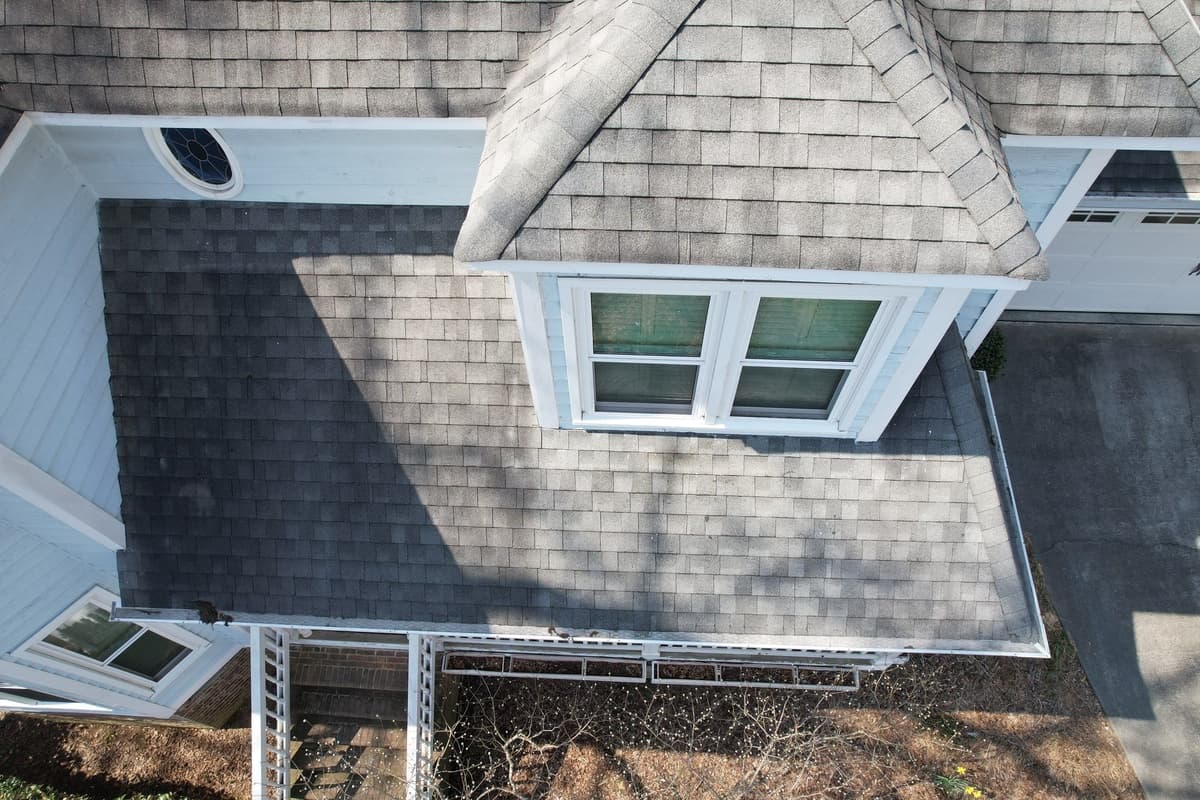
Charlotte, NC
new roof
Charlotte, NC
new roof
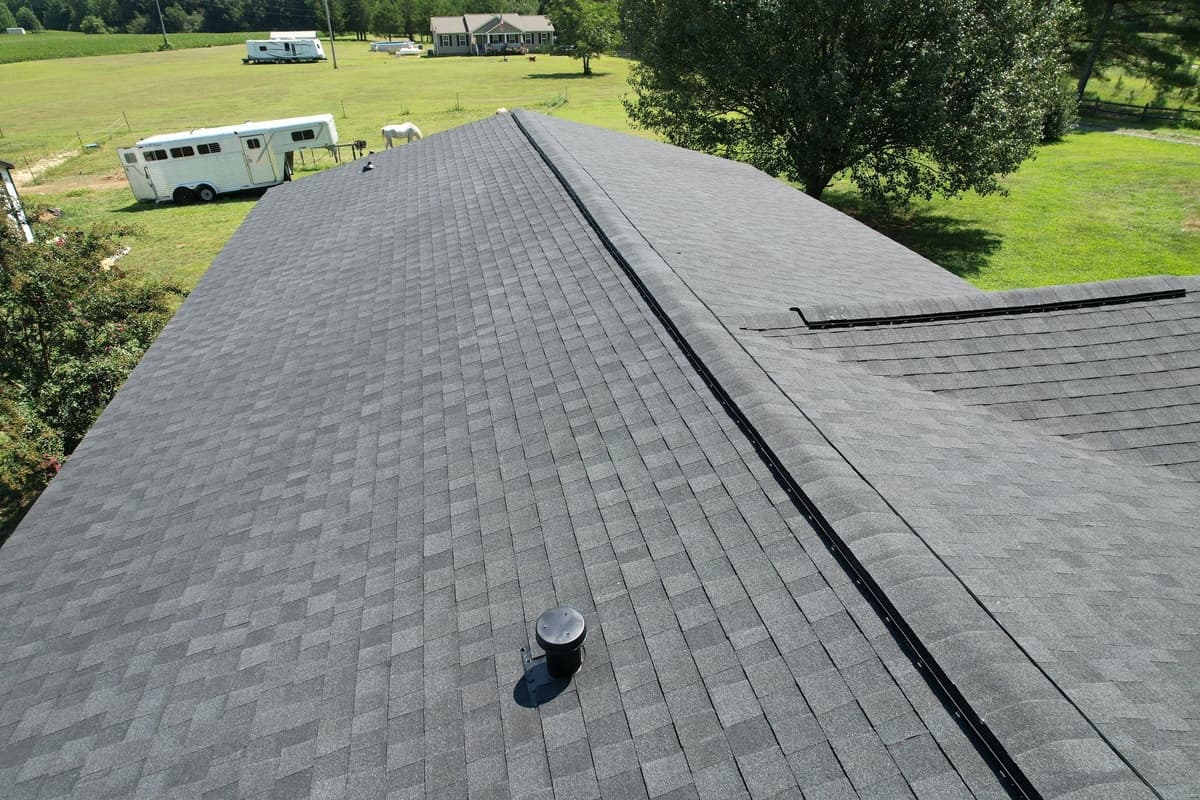
Charlotte, NC
new roof
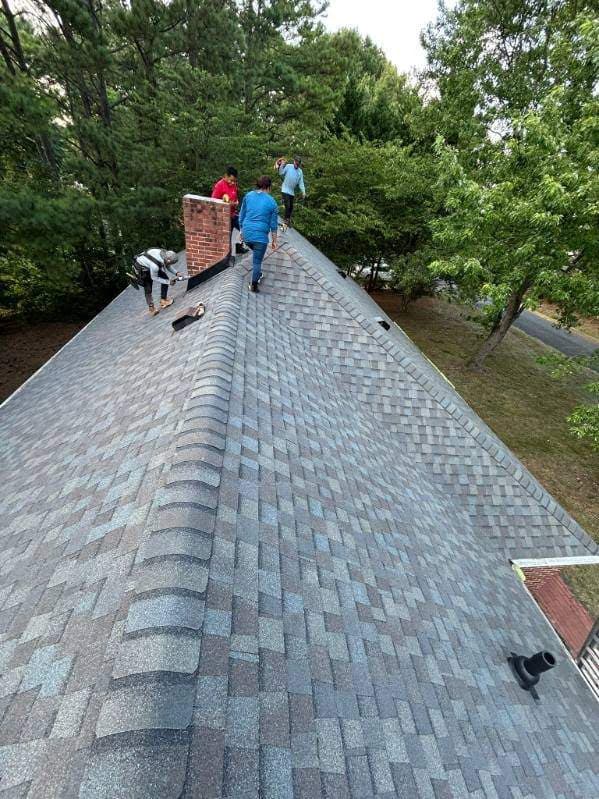
Charlotte, NC
work in progress
What To Do Tree Falls On Roof in Charlotte, NC
Need Emergency Help Now?
24/7 emergency response for tree damage in Charlotte. Call now or request a callback.
No pressure. No obligation. Just honest advice from a family-owned business.