
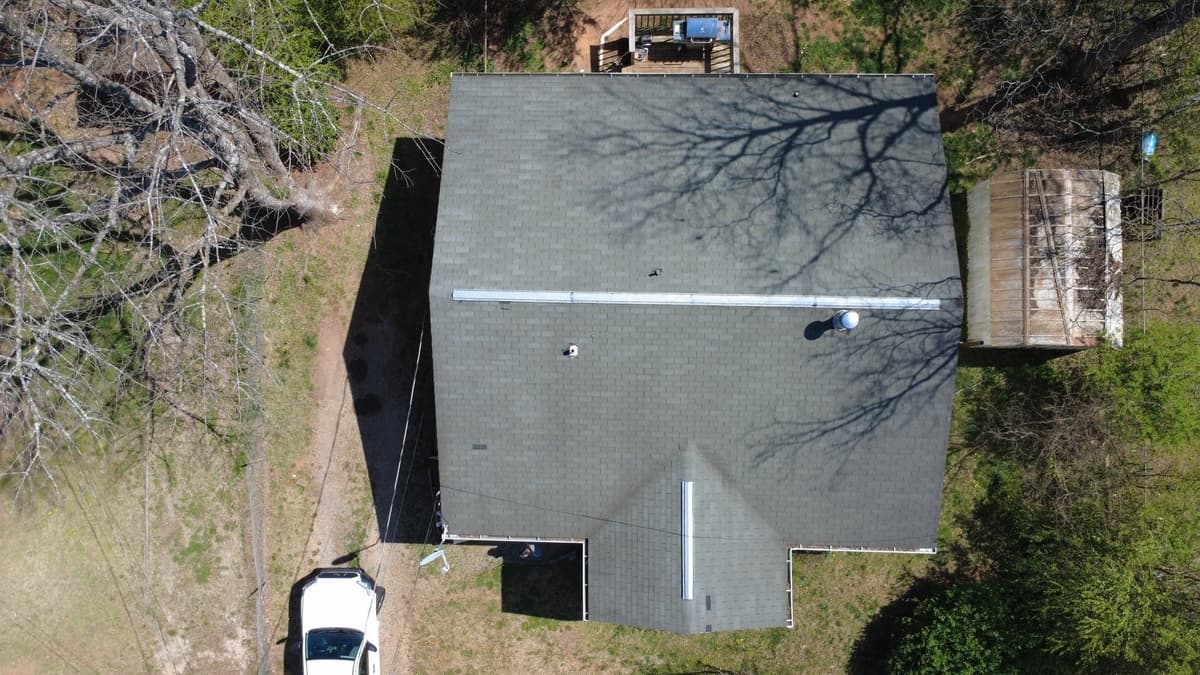
Attic Moisture Control in Charlotte NC
How to Prevent Mold & Ice Dams Before They Start
Charlotte's humid subtropical climate creates unique challenges for your attic. Learn how proper ventilation prevents summer mold growth AND winter ice dams - protecting your roof, your home, and your family's health.
60-75%
Charlotte Avg. Humidity
<50%
Target Attic Humidity
10-15%
Energy Bill Savings
1:150
Ventilation Ratio Needed
Why Charlotte Homes Face Unique Attic Moisture Challenges
Charlotte's humid subtropical climate puts your attic under year-round moisture stress. With average humidity levels between 60-75%, moisture constantly enters your attic through normal activities like cooking, showering, and even breathing. Without proper ventilation, this moisture becomes trapped.
In summer, trapped humidity creates ideal conditions for mold growth on rafters, sheathing, and insulation. Many Charlotte homeowners discover mold problems only after noticing musty odors or respiratory issues.
In winter, the same moisture problem causes different damage. Warm, humid air from your living space rises into the attic and condenses on cold roof sheathing. When Charlotte experiences freezing temperatures, this moisture contributes to ice dam formation at roof edges - a problem that was widespread during the January 2026 ice storm.
The good news: both problems have the same solution - proper attic ventilation. A well-ventilated attic stays dry in summer and cold in winter, preventing both mold and ice dams.
6 Warning Signs Your Charlotte Attic Has Moisture Problems
Catch these problems early before they cause expensive damage to your roof and home.
Visible Condensation
Water droplets or frost on roof sheathing, especially in winter mornings.
Musty Odors
Mold or mildew smell when entering the attic, particularly in humid summer months.
High Cooling Bills
Summer energy costs 10-15% higher than similar Charlotte homes nearby.
Peeling Paint
Exterior paint peeling near soffits or roofline indicates moisture escaping.
Dark Staining
Black or dark spots on rafters, decking, or insulation from mold growth.
Soft Roof Spots
Spongy feeling when walking on roof - indicates rotting decking underneath.
Noticing any of these signs?
Get Free Attic InspectionHow Proper Ventilation Protects Your Charlotte Home
The Science of Attic Ventilation
Effective attic ventilation works on a simple principle: intake at the bottom, exhaust at the top. Cool, dry air enters through soffit vents under the eaves, rises as it warms, and carries moisture out through ridge vents at the peak.
For Charlotte homes, the International Residential Code recommends a minimum of 1 square foot of net free ventilation area for every 150 square feet of attic floor. This should be balanced 50/50 between intake (soffit) and exhaust (ridge) vents.
Summer Benefits
- Removes hot, humid air (up to 150F in Charlotte summers)
- Reduces cooling costs 10-15%
- Prevents mold growth on wood surfaces
- Extends shingle life by reducing heat stress
Winter Benefits
- Keeps attic cold (prevents uneven roof warming)
- Prevents ice dam formation
- Eliminates condensation on sheathing
- Protects insulation effectiveness
Ventilation Solutions for Charlotte Homes
Multiple options to address attic moisture, from simple fixes to comprehensive upgrades.
Ridge Vent Installation
Continuous ventilation along the roof peak allows hot, moist air to escape naturally.
Soffit Vent Repair/Addition
Intake vents under the eaves draw fresh air into the attic, creating airflow.
Powered Attic Ventilators
Solar or electric fans actively remove hot, humid air during peak conditions.
Vapor Barrier Installation
Prevents moisture from living spaces from entering the attic.
Insulation Upgrades
Proper insulation keeps conditioned air in living spaces, reducing attic moisture.
Bathroom Vent Correction
Ensures bathroom exhaust vents terminate outside, not into the attic.
Year-Round Attic Maintenance Calendar for Charlotte
Follow this seasonal schedule to keep your attic dry and protected all year.
Spring
- Inspect for winter moisture damage
- Check for mold growth as temperatures rise
- Clear debris from soffit vents
- Test attic humidity levels
Summer
- Monitor attic temperature (should be <120F)
- Check for mold in humid conditions
- Ensure powered vents are functioning
- Verify bathroom vents terminate outside
Fall
- Clear leaves from soffit vents
- Inspect ridge vents for blockages
- Check insulation depth and condition
- Prepare for winter condensation
Winter
- Watch for frost on roof sheathing
- Check for ice dam formation
- Monitor for condensation drips
- Ensure attic stays cold (prevents ice dams)
Investment & Savings: Attic Ventilation ROI
$500 - $1,500
Basic Ventilation Improvements
Soffit or ridge vent additions
$2,000 - $5,000
Comprehensive Solutions
Full ventilation + insulation upgrade
$15,000+
Prevented Damage Costs
Roof replacement, mold remediation
10-Year Return on Investment
Annual Savings
- Energy savings (10-15%): $200-$400/year
- Extended roof life: $500+/year amortized
- Avoided repairs: Variable
Prevented Problems
- Mold remediation: $3,000-$10,000
- Roof deck replacement: $5,000-$15,000
- Ice dam damage: $2,000-$8,000
Charlotte Neighborhoods We Serve
We provide attic moisture inspections and ventilation solutions throughout Charlotte and Mecklenburg County. Tree-heavy neighborhoods like Myers Park and Dilworth often experience higher moisture issues due to increased shade and humidity.
Frequently Asked Questions About Attic Moisture in Charlotte
Why do Charlotte homes have attic moisture problems?
Charlotte's subtropical climate averages 60-75% humidity year-round. This moisture enters attics through bathroom vents, cooking, and natural air infiltration. Without proper ventilation, moisture gets trapped, leading to condensation on roof decking in winter and mold growth in summer. Charlotte homes built before 2000 often have inadequate ventilation by today's standards.
How does attic moisture cause ice dams in Charlotte?
When warm, moist air from your living space rises into a poorly ventilated attic, it heats the roof deck unevenly. During Charlotte's occasional freezing weather, this melts snow on warmer sections while it refreezes at the colder eaves, creating ice dams. Proper attic ventilation keeps the roof temperature uniform, preventing this cycle.
What humidity level should my Charlotte attic maintain?
Your attic humidity should stay below 50% relative humidity year-round. In Charlotte's humid climate, achieving this requires balanced ventilation with adequate soffit intake and ridge exhaust. A properly ventilated Charlotte attic will have 1 square foot of ventilation for every 150 square feet of attic floor space.
How do I know if my Charlotte home has attic moisture problems?
Signs include: musty odors when entering the attic, visible condensation or frost on roof sheathing in winter, dark staining on rafters or decking, peeling paint on exterior soffits, unusually high summer cooling bills (10-15% higher than neighbors), and mold spots on attic insulation or wood surfaces.
Can attic moisture damage my roof in Charlotte?
Yes, chronic moisture causes serious roof damage. It rots roof decking and rafters, promotes mold growth that affects indoor air quality, causes shingles to fail prematurely from underneath, and leads to expensive repairs. Charlotte's combination of humidity and temperature swings makes this damage progress faster than in drier climates.
How much does attic ventilation improvement cost in Charlotte?
Basic ventilation improvements (adding soffit or ridge vents) typically cost $500-$1,500 in Charlotte. Comprehensive solutions including powered ventilation, vapor barriers, and insulation upgrades range from $2,000-$5,000. However, these investments typically reduce cooling costs 10-15% annually and prevent thousands in moisture damage repairs.
Related Resources for Charlotte Homeowners
Ice Storm Damage Charlotte NC
How the January 2026 ice storm affected Charlotte roofs and what to do about ice dams.
Read MoreRoof Repair Charlotte NC
Professional roof repair services including moisture damage repairs and emergency service.
Read MoreRoof Maintenance Tips Guide
Complete guide to maintaining your Charlotte roof including seasonal inspection tips.
Read MoreProfessional Roof Inspection
Our comprehensive inspection includes attic ventilation assessment and moisture detection.
Read MoreRecent Roofing Projects in Charlotte, NC
Browse completed roofing projects from the Charlotte area by Best Roofing Now.
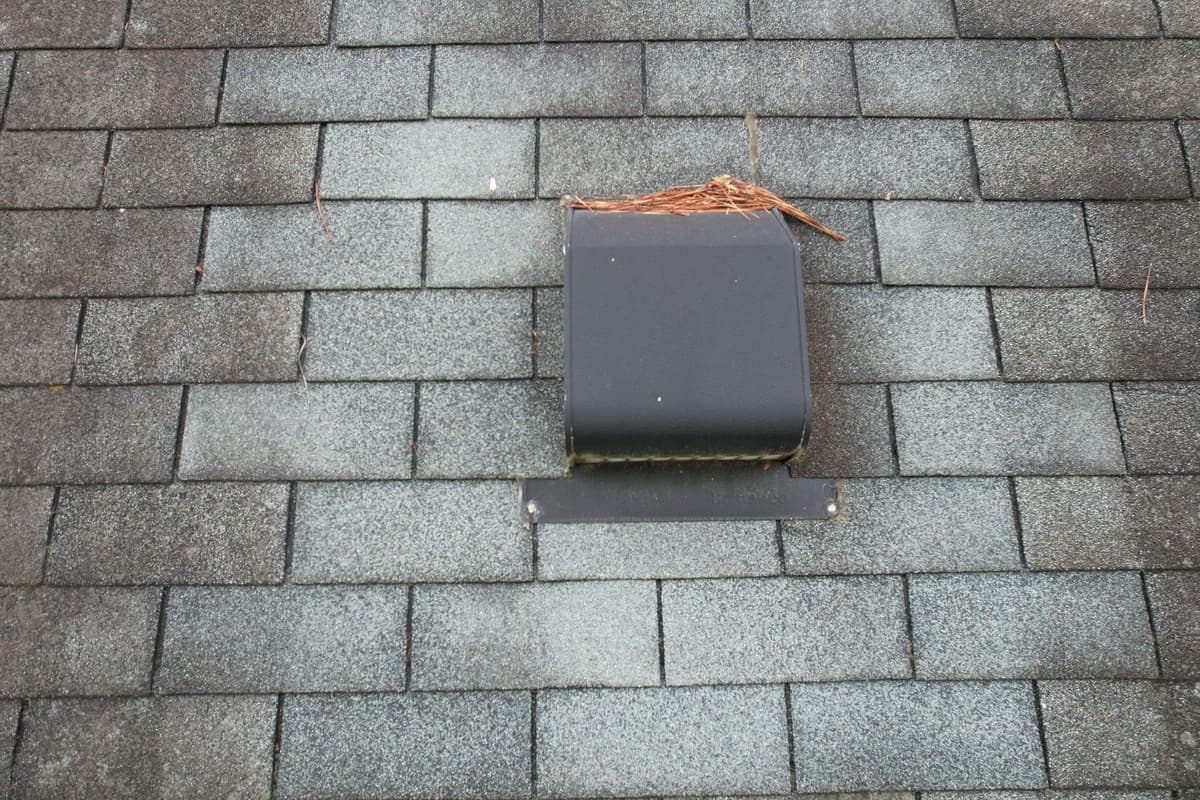
Charlotte, NC
new roof

Charlotte, NC
new roof
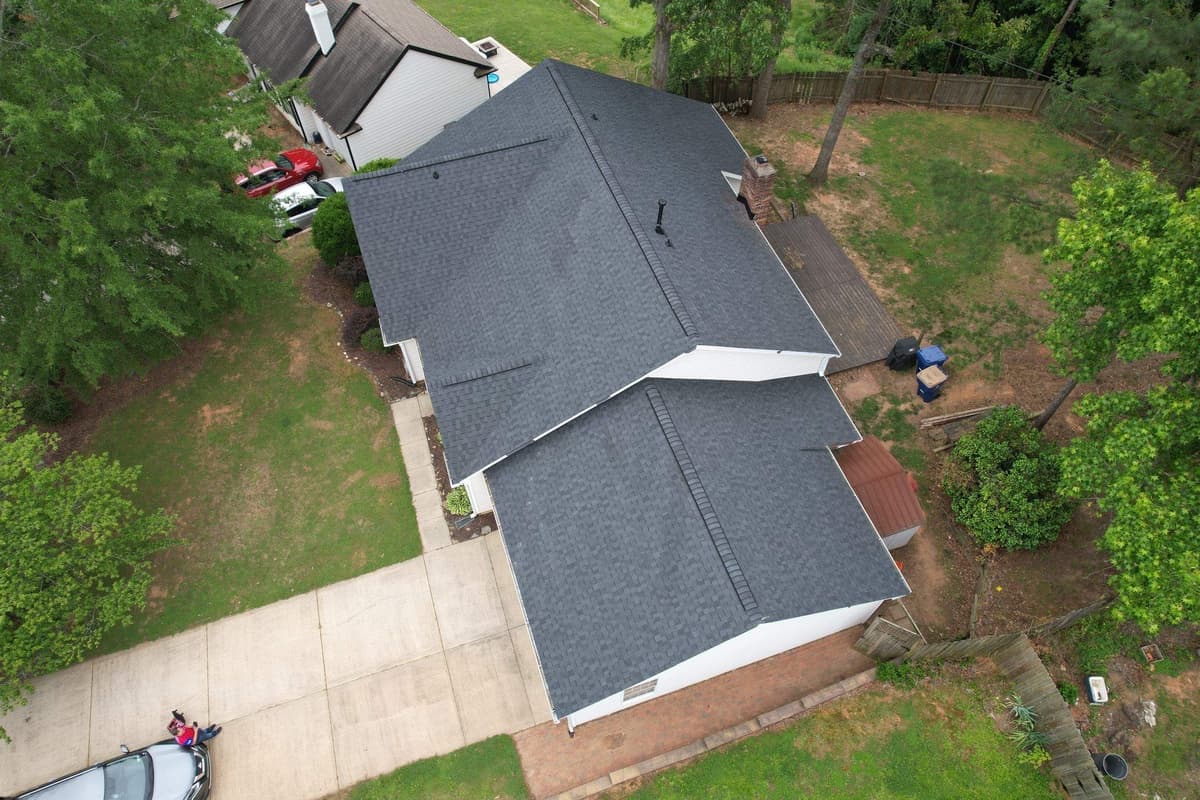
Charlotte, NC
new roof
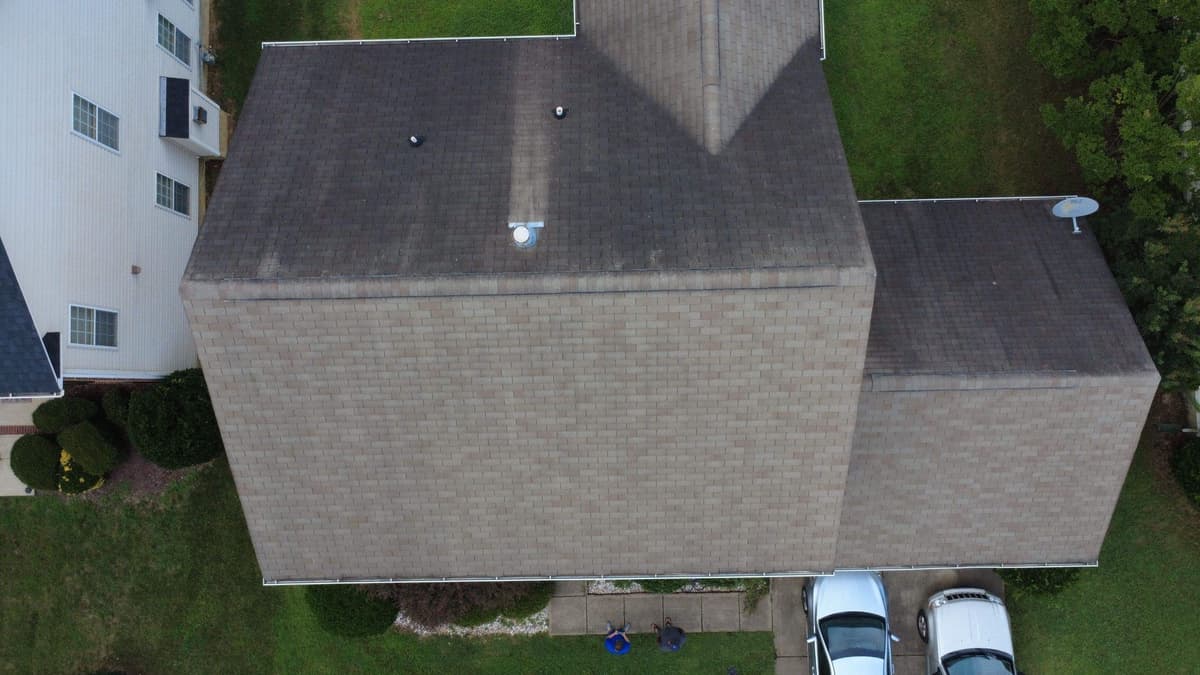
Charlotte, NC
work in progress
Attic Moisture Control in Charlotte, NC
Concerned About Attic Moisture in Your Charlotte Home?
Get a free attic inspection from Best Roofing Now. We'll assess your ventilation, check for moisture damage, and provide honest recommendations - no pressure, no obligation.
No pressure. No obligation. Just honest advice from a family-owned business.