
Roofing Tips & Guides
Expert Roofing Advice for Charlotte Homeowners
Learn from Charlotte's trusted roofing experts. Tips on maintenance, repair, replacement, and protecting your home from the elements.
Leak or wind damage from Isaias? 24/7 emergency tarping, free storm-damage inspections and insurance-claim help.
Learn from Charlotte's trusted roofing experts. Tips on maintenance, repair, replacement, and protecting your home from the elements.

Your flat roof is the hardest working part of your commercial building. It protects your inventory, your equipment, and your entire operation from Charlotte's unpredictable weather. But here's what most property owners don't realize until it's too late: a flat roof replacement done wrong costs three times more to fix than doing it right the first time.
We've seen it happen dozens of times. A property owner gets a "great deal" on flat roof replacement. Six months later, after a heavy rainstorm rolls through Charlotte, water is pooling on the roof. A year later, the membrane is peeling at the edges. Two years later, they're calling us for emergency repairs that cost more than a proper replacement would have.
The truth? Most of these disasters could have been prevented. The mistakes happen during the replacement process, not years down the road.
If you own commercial property in Charlotte or the Lake Norman area, this post will save you thousands of dollars and countless headaches. We're going to walk through the seven biggest mistakes we see property owners make with flat roof replacement. More importantly, we'll show you exactly how to avoid them.
Before we dive into the mistakes, you need to understand something important. Charlotte isn't like other cities when it comes to roofing.
We get about 43 inches of rain every year. That's more than Seattle. We also deal with summer heat that bakes roofs at 160 degrees. Then winter comes and temperatures drop below freezing. Your flat roof expands and contracts constantly.
And let's not forget hurricane season. When storms push up from the coast, flat roofs take the full force of the wind. There's nowhere for that pressure to go except against your roof membrane.
This is why cookie-cutter approaches to flat roof replacement fail in Charlotte. Your roof needs to be designed for our specific weather patterns.

The perimeter of your flat roof is the most vulnerable area. Yet it's the area contractors rush through most often.
Here's what happens during a storm. Wind doesn't blow straight across your flat roof. It creates uplift pressure that tries to peel the membrane away from the edges. Think of it like opening a can with a can opener. The wind gets under that edge and just keeps pulling.
During Hurricane Florence, we inspected dozens of commercial buildings around Charlotte. The ones with failed roofs almost always had the same problem. The membrane literally rolled up from the edges because the contractor didn't secure it properly.
Proper edge securement isn't optional in Charlotte. It's the difference between a roof that survives a hurricane and one that becomes a tarp in someone's yard.
How to Fix It:
Your contractor needs to use mechanical fastening at the perimeter, not just adhesive. The membrane should be attached every few inches along the edge with proper fasteners rated for high wind zones. Metal edge flashing needs to be installed to hold everything in place.
We also install an extra layer of reinforcement membrane at the perimeter. This creates a belt of protection that can withstand hurricane-force winds. It costs a bit more upfront, but it's nothing compared to emergency repairs after a storm.
When you're getting quotes for commercial roofing, ask specifically how the contractor plans to secure the perimeter. If they can't give you detailed specifics, keep looking.
Every flat roof needs drainage. But here's where property owners get burned: contractors install just enough drains to meet building code requirements. Nothing more.
Charlotte's building code was written for average conditions. It wasn't designed for the day we get 4 inches of rain in two hours. And that happens more often than you'd think.
When your drainage system is undersized, water pools on the roof. That standing water weighs 5 pounds per square foot. It stresses the roof structure. It finds tiny cracks in the membrane. It accelerates deterioration of every roofing material.
We've seen flat roofs collapse under the weight of standing water after heavy storms. Not because the roof was poorly built, but because the drainage couldn't keep up.
How to Fix It:
Size your drainage system based on your actual roof square footage and Charlotte's rainfall data, not just minimum code requirements. Every 600-800 square feet of roof should have a primary drain.
But here's the key: you also need overflow drains. These are backup drains installed slightly higher than your primary drains. When the primary drains get clogged with leaves or debris during a storm, the overflow drains kick in automatically.
This redundancy is what separates roofs that flood from roofs that perform perfectly during heavy weather. Ask your contractor to calculate your required drainage capacity and show you where primary and overflow drains will be located.

This mistake scares us more than any other. And it happens all the time.
A property owner decides they need flat roof replacement. They get quotes. They pick a contractor. Work starts immediately. Nobody ever looks at what's underneath the old membrane.
Then the crew starts removing the old roof and discovers soft spots in the decking. Or rusted fasteners. Or structural damage that's been hidden for years. Now you've got an open roof, a crew on site, and structural problems that need to be fixed before the new membrane goes on.
The project timeline doubles. The cost skyrockets. And you're scrambling to keep water out of your building while repairs happen.
How to Fix It:
Before any roof replacement work begins, the contractor needs to conduct a thorough structural assessment. This includes checking the roof deck for damage, testing moisture content, and evaluating the fastening system.
Most structural issues can be spotted from inside the building. We look at the ceiling for water stains, sagging, or discoloration. We check the attic or plenum space for visible damage to the decking. We use moisture meters to find hidden wet spots.
This assessment should happen before you sign any contract. It allows the contractor to give you an accurate quote that includes any structural repairs. No surprises. No change orders. No emergency stops to your project.
If a contractor wants to skip this step and "see what we find when we tear off the old roof," find a different contractor. That's not how professionals work.
Your flat roof is covered with penetrations. Pipes, vents, HVAC units, skylights, and exhaust fans all punch through the membrane. Each one is a potential leak point during heavy weather.
The problem is that properly sealing penetrations takes time and skill. Contractors who are rushing through a job will slap some caulk around a pipe and call it good. That caulk cracks within a year. Water gets in. Damage spreads.
We see this mistake cause more leaks than anything else. And the frustrating part is that the leaks often show up far from the actual penetration point. Water travels along beams and pipes before it drips through your ceiling. By the time you notice the leak, significant damage has already occurred.
How to Fix It:
Every penetration needs multiple layers of protection. First, proper metal flashing gets installed around the base. Then reinforcement membrane wraps up and over the flashing. Finally, high-grade elastomeric sealant creates a watertight barrier that can flex with temperature changes.
For HVAC units, the protection needs to be even stronger. These units vibrate constantly. They expand and contract with temperature swings. They catch wind during storms. We use hurricane-rated straps that can withstand winds over 150 mph. The curb that the unit sits on gets fully sealed with multiple layers of protection.
When reviewing quotes, ask to see the penetration detail drawings. A professional contractor will show you exactly how each penetration will be sealed. If they can't provide that level of detail, they're probably planning to wing it on your roof.

Insulation seems like a boring topic until you understand what it actually does on a flat roof. It's not just about keeping your building warm in winter and cool in summer. It's about protecting the membrane from thermal stress.
Charlotte's temperature swings are brutal for flat roofs. A roof membrane can be 160 degrees in the afternoon sun and drop to 90 degrees after a thunderstorm rolls through. That rapid temperature change causes expansion and contraction. Do that hundreds of times per year, and you get stress cracks at the seams.
Poor insulation makes this problem worse. It allows heat to transfer between the building interior and the roof membrane. This creates condensation on the underside of the membrane. That moisture causes membrane stress and seam failure over time.
How to Fix It:
Your insulation system needs to do three things: provide thermal resistance, control vapor movement, and create a stable base for the membrane.
We typically use two layers of rigid insulation board. The bottom layer is mechanically fastened to the roof deck. The top layer is staggered so seams don't line up. This eliminates thermal bridging where heat can sneak through.
The vapor barrier goes between the deck and the insulation. This stops moisture from moving up from the building interior into the roof assembly. It's especially important for restaurants, indoor pools, and any building with high interior humidity.
Don't let a contractor talk you into skipping the vapor barrier to save money. That decision will cost you thousands in future repairs when moisture destroys your insulation and damages your membrane from the inside out.
The flat sections of your roof are actually the easiest part to install. It's the complex areas where things go wrong.
Anywhere your roof meets a wall, parapet, or equipment curb is a transition point. These areas require careful attention to detail. The membrane needs to turn up the vertical surface, be properly secured, and then protected with counterflashing.
Contractors who are focused on speed will rush through these details. They might not take the membrane up high enough. They might skip the termination bar that holds everything in place. They might leave gaps where water can sneak behind the membrane.
Once water gets behind the membrane at a transition point, it spreads. It travels along the wall. It soaks into the insulation. By the time you discover the leak, you're looking at extensive repairs.
How to Fix It:
Transition details should follow manufacturer specifications exactly. The membrane needs to extend at least 8 inches up any vertical surface. It needs to be mechanically secured with a termination bar, not just glued.
Metal counterflashing then covers the top of the membrane and extends down over it. This creates a layered system where water can't find a way in. The counterflashing itself needs to be properly sealed into the wall, not just stuck on with caulk.
For parapet walls, we also install a cant strip at the base where the horizontal roof meets the vertical wall. This creates a smooth transition that eliminates the 90-degree angle where stress cracks often form.
These details take time to do correctly. If a contractor gives you a quote that seems too cheap, they're probably planning to cut corners in these critical areas. A few hours of careful work during installation prevents years of leak problems.
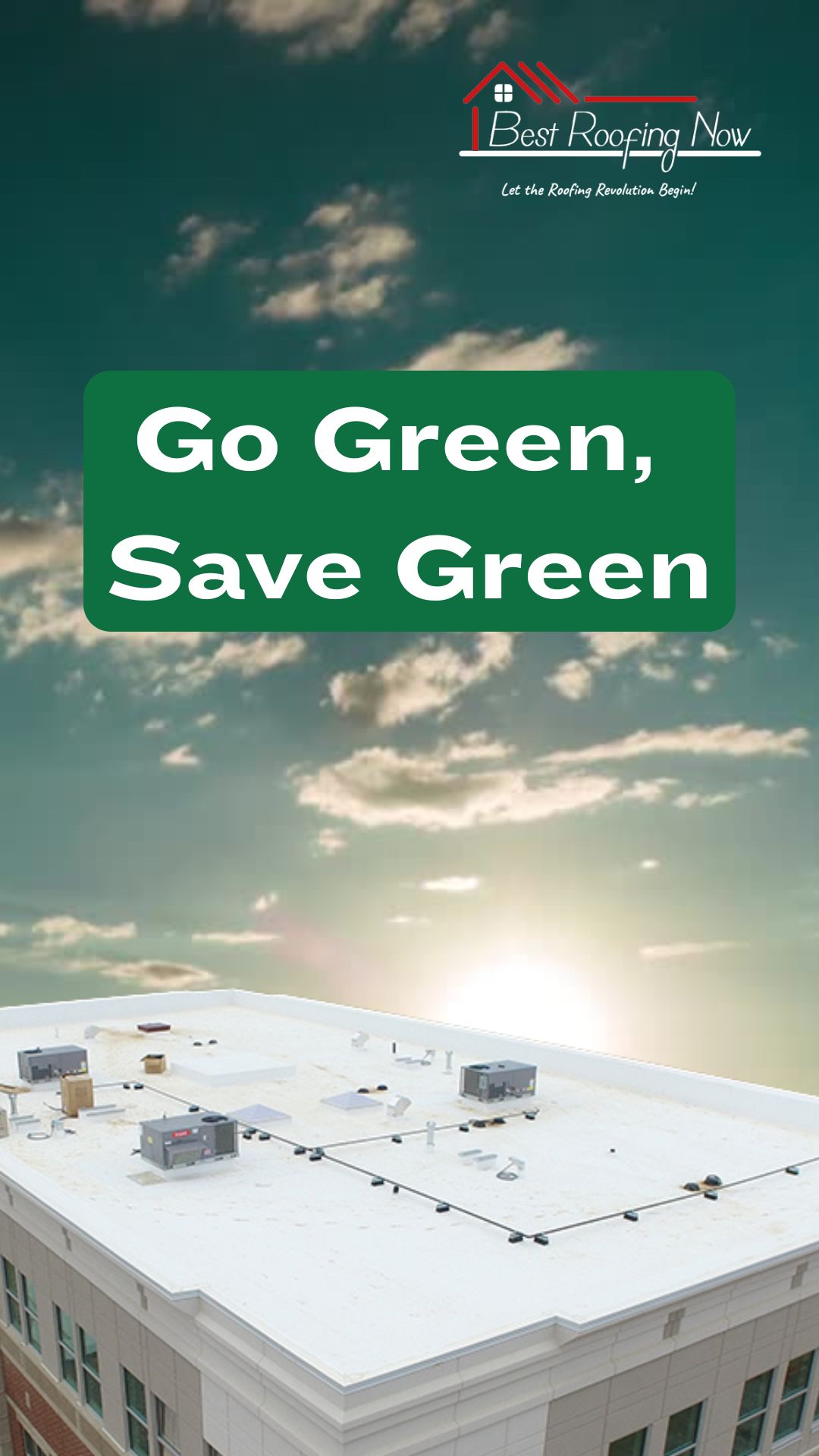
This is the biggest mistake of all. Property owners treat flat roof replacement like buying a new car. They think the work is done once installation is complete.
Flat roofs require ongoing maintenance to perform properly. This is especially true in Charlotte where we deal with leaves, pollen, storms, and temperature extremes all year long.
Without regular maintenance, small problems turn into big ones. A clogged drain causes ponding. Ponding accelerates membrane deterioration. Before you know it, you're looking at another replacement decades earlier than expected.
How to Fix It:
Schedule professional inspections twice per year, in spring and fall. These inspections catch small problems before they become expensive repairs.
Your maintenance program should include:
We offer maintenance programs that handle all of this automatically. You don't have to remember to schedule inspections. We show up on schedule, perform the work, and send you a detailed report with photos.
The cost of regular maintenance is a fraction of the cost of premature roof failure. It's not an expense. It's insurance for your investment.
Let's talk numbers for a minute. A properly installed flat roof replacement in Charlotte costs between $15 and $25 per square foot. That seems like a big investment.
But fixing storm damage from poor installation? That runs $50 to $75 per square foot. And that's assuming the damage is caught early before it spreads to structural components.
We recently worked with a property owner who saved $8,000 by choosing a cheaper contractor for their flat roof replacement. Eighteen months later, after a major storm, their new roof failed. The repairs cost $37,000. They ended up paying five times more than they would have spent doing it right the first time.
That's the hidden cost of these mistakes. They don't show up immediately. They reveal themselves when it's too late to do anything except spend more money fixing problems that shouldn't exist.
If you're planning a flat roof replacement for your Charlotte property, here's what you need to do differently:
✅ Get multiple detailed quotes that specify exactly how each of these seven areas will be addressed. Don't just compare total prices. Compare the actual scope of work.
✅ Ask about warranties not just on the membrane, but on the entire installation. A contractor who stands behind their work will warranty the whole system, not just the materials.
✅ Verify local experience with flat commercial roofs in the Charlotte area. Storm patterns, building codes, and weather challenges are different here than in other regions.
✅ Plan for maintenance before the replacement even happens. Factor ongoing maintenance into your long-term budget for the property.
✅ Don't make decisions based solely on price. The cheapest quote almost always comes from contractors who plan to cut corners in these seven critical areas.
Your flat roof is protecting everything inside your building. Your inventory, equipment, tenant improvements, and business operations all depend on it working perfectly when storms hit.
That's worth doing right.
At Best Roofing Now, we've been protecting commercial properties across Charlotte and Lake Norman for years. We know exactly what it takes to install a flat roof that survives hurricanes, handles our heavy rainfall, and lasts for decades.
We don't rush through jobs. We don't skip the structural assessment. We don't treat edge details like an afterthought. And we certainly don't disappear after installation is complete.
Every flat roof replacement we do comes with detailed planning, proper installation, and ongoing maintenance support. Because we know that's what it takes to protect your investment.
Schedule your free commercial roof inspection today. We'll assess your current roof, show you exactly what needs to be done, and give you a detailed quote that addresses all seven of these critical areas. No pressure, no sales tactics: just honest expertise from a team that's served Charlotte property owners for years.
Visit Best Roofing Now or call us to get started. Your commercial property deserves a flat roof that actually works when you need it most.
Best Roofing Now
Charlotte's trusted roofing experts since 2019
Based on this article, you may be interested in these services.
We proudly serve these Charlotte-area communities with professional roofing services.
View All Service Areas →See our recent roofing work across the Charlotte metro area.
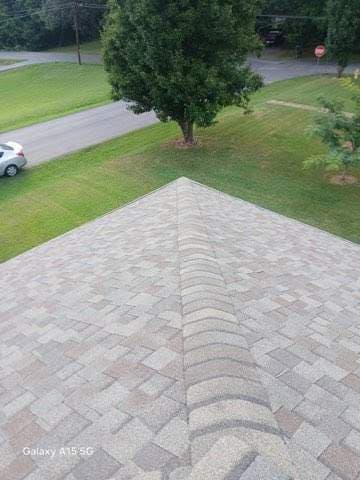
Charlotte, NC
new roof
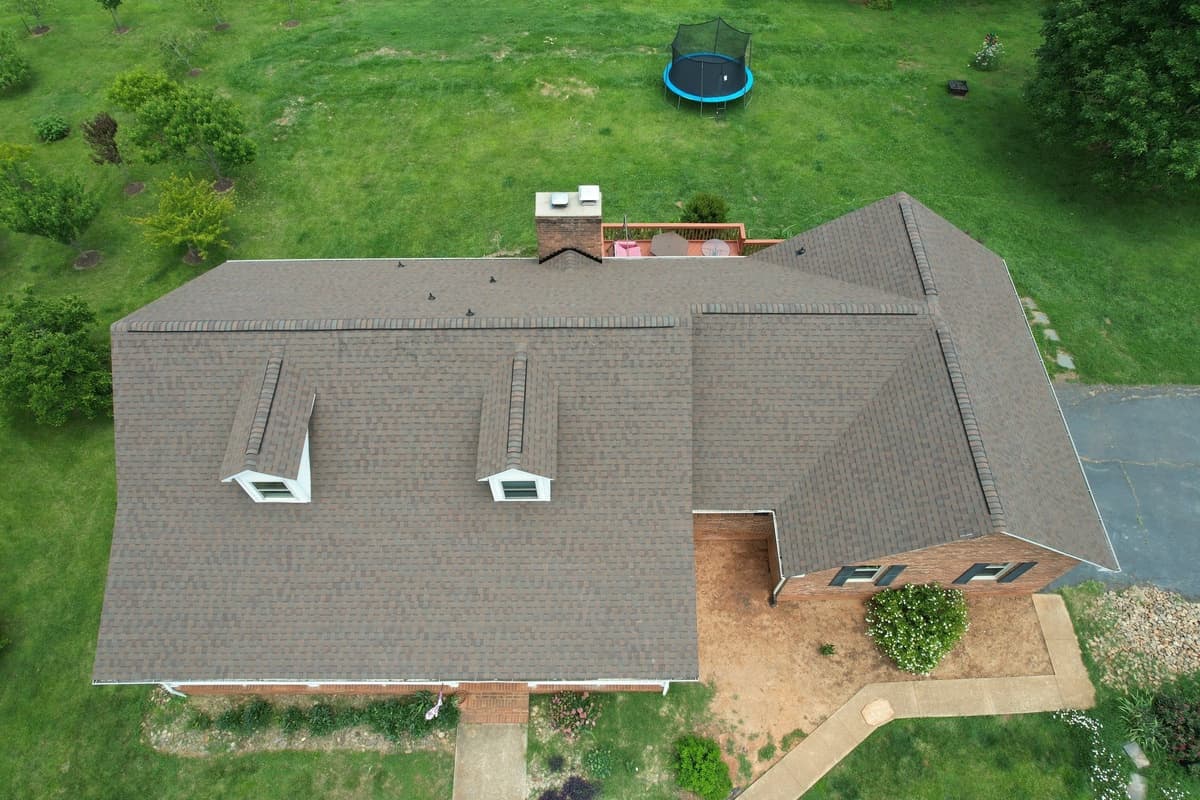
Charlotte, NC
new roof
Charlotte, NC
before after
Charlotte, NC
storm damage
Get a free roof inspection and honest assessment from Charlotte's most trusted roofing company.


