
Roofing Tips & Guides
Expert Roofing Advice for Charlotte Homeowners
Learn from Charlotte's trusted roofing experts. Tips on maintenance, repair, replacement, and protecting your home from the elements.
Fall storm and leaf-season roof check? Free roof inspection and insurance-claim help — honest answers, no pressure.
Learn from Charlotte's trusted roofing experts. Tips on maintenance, repair, replacement, and protecting your home from the elements.
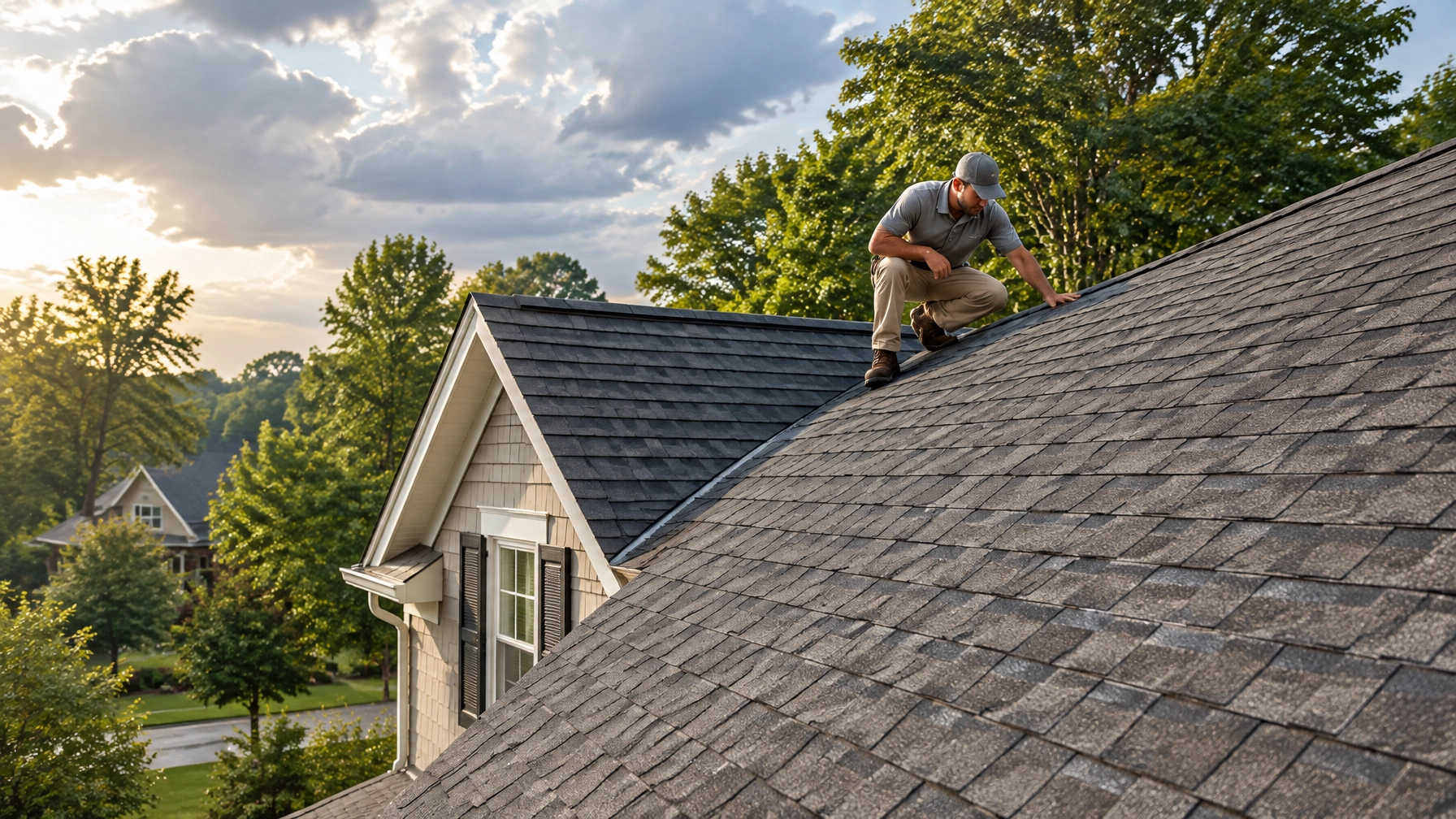
Choosing a roof in the Charlotte area means thinking beyond looks. Summer heat, heavy rain, humidity, wind, and hail can all test your roof over time.
Asphalt shingles are familiar and often cost less at the start. Synthetic composite roofing can offer higher impact ratings and a different look, but the products and prices vary widely.
So which one wins? The honest answer is: it depends on the product, your home, and what matters most to you. Here’s what to compare before you choose roofing in Charlotte, NC.
Most asphalt shingles have a fiberglass base, layers of asphalt, and a surface of small mineral granules. The granules help shield the asphalt from sun and weather. Architectural asphalt shingles have a layered shape and a textured look.
Synthetic composite roofing is a broad name for products made from materials such as polymers, rubber, or recycled plastics and fibers. Some products are made to look like slate or wood shake. They are not all made the same way, and one product’s test results do not apply to every composite roof.
The National Roofing Contractors Association puts it plainly: “Synthetic roofing materials simulate various traditional roof coverings … however, they do not necessarily have the same properties.” NRCA’s roofing material guide is a good reminder to compare exact products, not just broad material names.
That difference matters in Charlotte and around Lake Norman. Two roofs called “synthetic” may have different impact ratings, wind test results, installation rules, and warranty terms.
North Carolina has no clear wet season, but summer rainfall often comes with showers and thunderstorms. A state climate summary notes that 40 to 50 thunderstorms may occur in a typical year. Hail and strong wind can accompany some storms. The North Carolina climate summary also describes warm, humid conditions across the southern Piedmont.
For homes in Charlotte, NC, those conditions make several roof details important:
The roof covering matters, but it is only one part of the system. The underlayment beneath it, metal flashing around openings, attic airflow, and the quality of the installation all affect how well the roof handles weather.

Asphalt shingles are widely used, so many homeowners know what to expect. They come in a range of styles and price points. If one area is damaged, replacing a few shingles is often more straightforward than matching a less common roof product.
They can be a strong value. Asphalt often costs less to install than a premium synthetic roof. The final price still depends on the roof’s shape, the product, and the work it needs. A roof with many valleys or penetrations may take more labor, whatever material you choose.
Repairs are often more familiar. Asphalt shingles are common, and replacement materials are generally easier to find. That can help when a storm damages a small part of the roof.
There are higher-performing options. Not all asphalt shingles have the same test results. For example, GAF’s Timberline HDZ product sheet lists ASTM D7158 Class H wind performance, ASTM D3161 Class F, and UL 2218 Class 3 impact resistance. These are details for that product, not a rating for every asphalt shingle.
A Class 3 rating does not mean “hail-proof.” ⚠️ It describes how a product performed in a set laboratory test. Real storms vary in hail size, wind direction, and impact angle. Also, GAF states that hail damage is not covered by the cited limited warranty. Read the full terms before you count on a warranty to pay for storm repairs.
Asphalt shingles also depend on proper installation. Nails need to go in the right place, and the correct starter shingles and roof edges help protect against wind. A well-rated shingle cannot make up for poor workmanship.
Sun exposure and damp roof areas can also cause wear or staining over time. Many shingles have algae protection, but that does not mean the roof never needs care. For solid roof maintenance, Charlotte NC homeowners should plan on checking for storm damage, keeping gutters clear, and watching for loose or stained areas.

Synthetic composite roofs appeal to homeowners who want the look of slate or wood without using those natural materials. Some products also offer strong impact and wind test results. But “synthetic” alone tells you very little about how a roof will perform.
Some models have high impact ratings. Certain synthetic products have a Class 4 rating under the UL 2218 impact test. For example, an EcoStar product overview lists Class 4 impact resistance for specified products. Its documentation also describes accelerated weathering tests and warranty choices.
The EcoStar overview calls Class 4 the “highest rating” for its UL 2218 hail-impact test. That is a useful point of comparison, but check the exact roof model and its current product documents. A rating for one profile should not be assumed to cover every product from that maker.
Some models may reduce routine covering repairs. Certain manufacturers describe their synthetic products as low maintenance. That can be appealing, especially if you want a material designed to hold its shape and color. Still, every roof needs attention to flashing, gutters, roof openings, and storm damage.
A range of styles is available. Synthetic products may imitate slate or wood shake and offer a more distinctive look than a standard shingle roof. Be sure to view a sample in daylight and ask how the full roof will look from the street.
Synthetic roofing can cost more at the start, though prices vary by product and roof design. Installation may also call for trained crews, specific fasteners, or special roof-edge details. If a manufacturer requires a trained installer for its warranty, confirm who will install your roof and how the work will be documented. For example, Enviroshake’s FAQ says its warranty requires installation by a factory-trained installer and product registration.
Warranty terms can be hard to compare. A “lifetime” or “50-year” warranty does not always mean every repair is covered for that length of time. Check whether the warranty covers materials, labor, wind, impact, color change, and transfer to a new owner. Look for exclusions, required upkeep, and rules for registering the roof.
Every roof is a system. The covering gets all the attention, but the small parts decide how it ages. Here are five things worth comparing side by side.
If hail is a key concern, ask for the exact UL 2218 rating of each product you are considering. Class 4 is the highest class in this test, but it is not a guarantee against damage in every storm. Ask whether the rating applies to the exact shingle or tile being quoted.
Your insurance policy may treat roofing products differently. Check with your insurer before assuming a rating will lower your premium or change your coverage.
Look for the product’s wind test results, then ask how the roof will be installed. Wind ratings can depend on the full roof system, including starter materials, fasteners, edges, and ridge details. For example, GAF’s WindProven warranty has requirements for specified GAF accessories and installation.
A test result is not a promise that a roof will withstand every storm. It is one piece of information to compare alongside installation instructions and warranty terms.
Both asphalt and synthetic roofs need well-built valleys and properly installed flashing. Flashing is the metal or other waterproof material used around roof openings and joints. It helps guide water away from spots where leaks often begin.
During a roof inspection, Charlotte homeowners should ask the contractor to review flashing, roof openings, gutters, and drainage, not only the visible roof covering. Heavy rain can expose weak details in any roof system.
Neither material is maintenance-free. Keep leaves and other debris out of valleys and gutters. After a major storm, look for visible damage from the ground and arrange a closer inspection if you have concerns. Do not climb onto a wet or steep roof.
Asphalt may be simpler to repair when a small area is damaged. Synthetic may offer fewer covering repairs for some products, but a damaged tile may be harder to match or replace. Ask the contractor how repairs work for the exact product and whether replacement pieces are easy to get.
The lowest first price may not be the lowest long-term cost. Compare the full written estimate, including tear-off, underlayment, flashing, ventilation, disposal, and labor. Then consider your likely time in the home, repair access, warranty limits, and the cost of replacing damaged materials.
There is no single lifespan or price that applies to every asphalt or synthetic roof. Product quality, local conditions, installation, and care all matter. Ask each contractor to explain what is included and what is not.
Asphalt shingles may be a better fit if you want a familiar option, a lower starting price, and broad repair availability. A premium architectural shingle can offer strong wind performance, but it is important to check its exact impact rating and warranty.
Synthetic composite may suit you if you value a slate- or shake-inspired look, want to compare higher impact ratings, and are comfortable with the higher or less predictable installed cost. Confirm the product’s test results and find out whether an approved installer is available for your project.
Neither choice wins for every house. Roof shape, attic condition, old roof layers, and drainage may change what makes sense. That’s why experienced Lake Norman roofers and contractors across Charlotte should inspect the roof and explain the options before you choose.
A clear estimate should identify the product by name and model. It should also explain the work, not just list the roofing material. Ask these questions:
A trustworthy roofing professional will explain the choices without pressure. At Best Roofing Now, we believe homeowners should understand the roof system, its limits, and its warranty before deciding. We offer free inspections and consultations, and our work comes with a lifetime warranty. Ask for the written terms that apply to your project.
For many Charlotte homes, a quality asphalt shingle is a practical, repair-friendly choice. A well-documented synthetic composite can make sense when its specific ratings, style, and warranty fit your goals. The material label alone cannot tell you which roof will do better on your home.
Focus on the exact product, the full roof system, the installer, and the written warranty. Careful roof maintenance and a proper installation matter with either choice. ✅
And if you are not sure which way to go, start with a professional look at your current roof. Its condition may already answer part of the question.
Schedule a free roof inspection to review your roof, compare your options, and get clear answers before you decide. Schedule your free inspection
{“@graph”:[{“@type”:”Article”,”about”:[“Asphalt shingles”,”Synthetic composite roofing”,”Roofing in Charlotte, North Carolina”],”image”:”https://cdn.marblism.com/aD8tQfMEZ-k.webp”,”author”:{“name”:”Best Roofing Now”,”@type”:”Organization”},”headline”:”Asphalt Shingles vs. Synthetic Composite Roofing: Which One Wins in Charlotte’s Weather?”,”publisher”:{“url”:”https://bestroofingnow.com”,”name”:”Best Roofing Now”,”@type”:”Organization”},”description”:”A homeowner-friendly comparison of asphalt shingles and synthetic composite roofing, including weather, impact ratings, warranties, maintenance, and cost considerations for Charlotte and Lake Norman.”,”dateModified”:”2026-11-02″,”datePublished”:”2026-11-02″,”mainEntityOfPage”:{“@id”:”https://www.bestroofingnow.com/”,”@type”:”WebPage”}},{“@type”:”FAQPage”,”mainEntity”:[{“name”:”Are synthetic composite roofs better than asphalt shingles in Charlotte?”,”@type”:”Question”,”acceptedAnswer”:{“text”:”It depends on the exact product and the homeowner’s priorities. Some synthetic composite products offer high impact ratings and distinctive styles, while asphalt shingles often cost less at the start and can be easier to repair.”,”@type”:”Answer”}},{“name”:”Does a Class 4 roof rating mean a roof cannot be damaged by hail?”,”@type”:”Question”,”acceptedAnswer”:{“text”:”No. Class 4 is the highest UL 2218 impact test class, but it does not guarantee that a roof will avoid damage in every real-world hailstorm.”,”@type”:”Answer”}},{“name”:”What should homeowners compare when choosing roofing?”,”@type”:”Question”,”acceptedAnswer”:{“text”:”Compare the exact product model, impact and wind test results, installation requirements, full roof system, repair options, and written warranty terms.”,”@type”:”Answer”}}]}],”@context”:”https://schema.org”}
Best Roofing Now
Charlotte's trusted roofing experts since 2019
Based on this article, you may be interested in these services.
We proudly serve these Charlotte-area communities with professional roofing services.
View All Service Areas →See our recent roofing work across the Charlotte metro area.
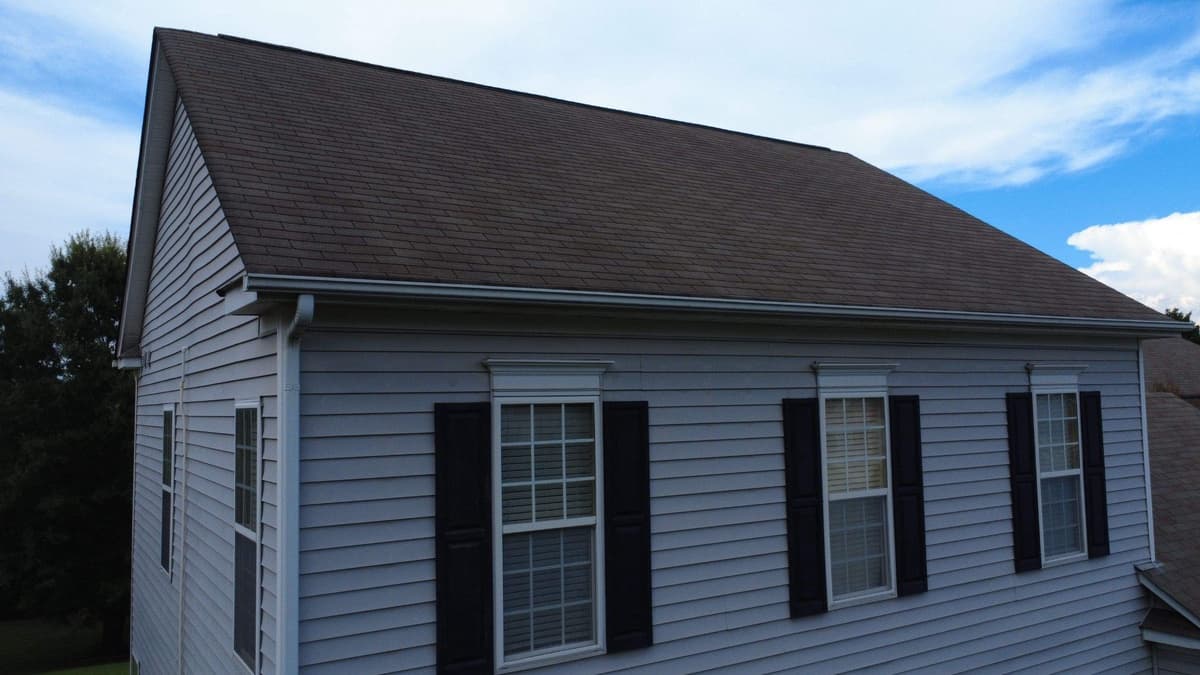
Charlotte, NC
work in progress
Charlotte, NC
new roof
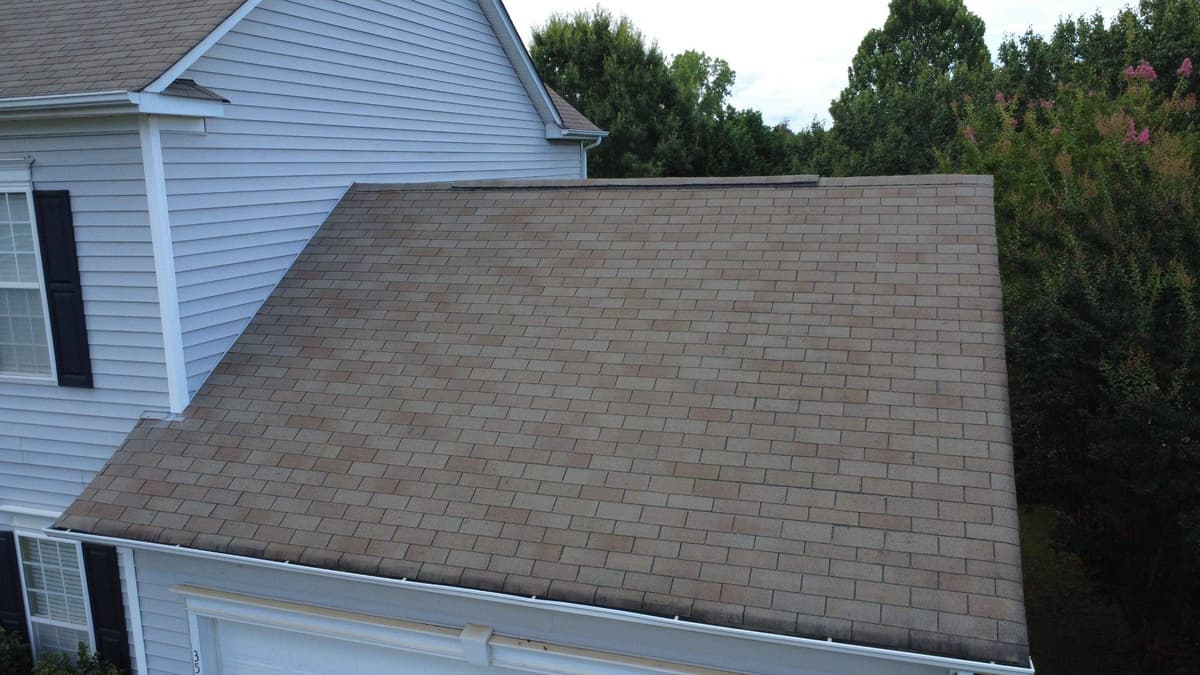
Charlotte, NC
work in progress
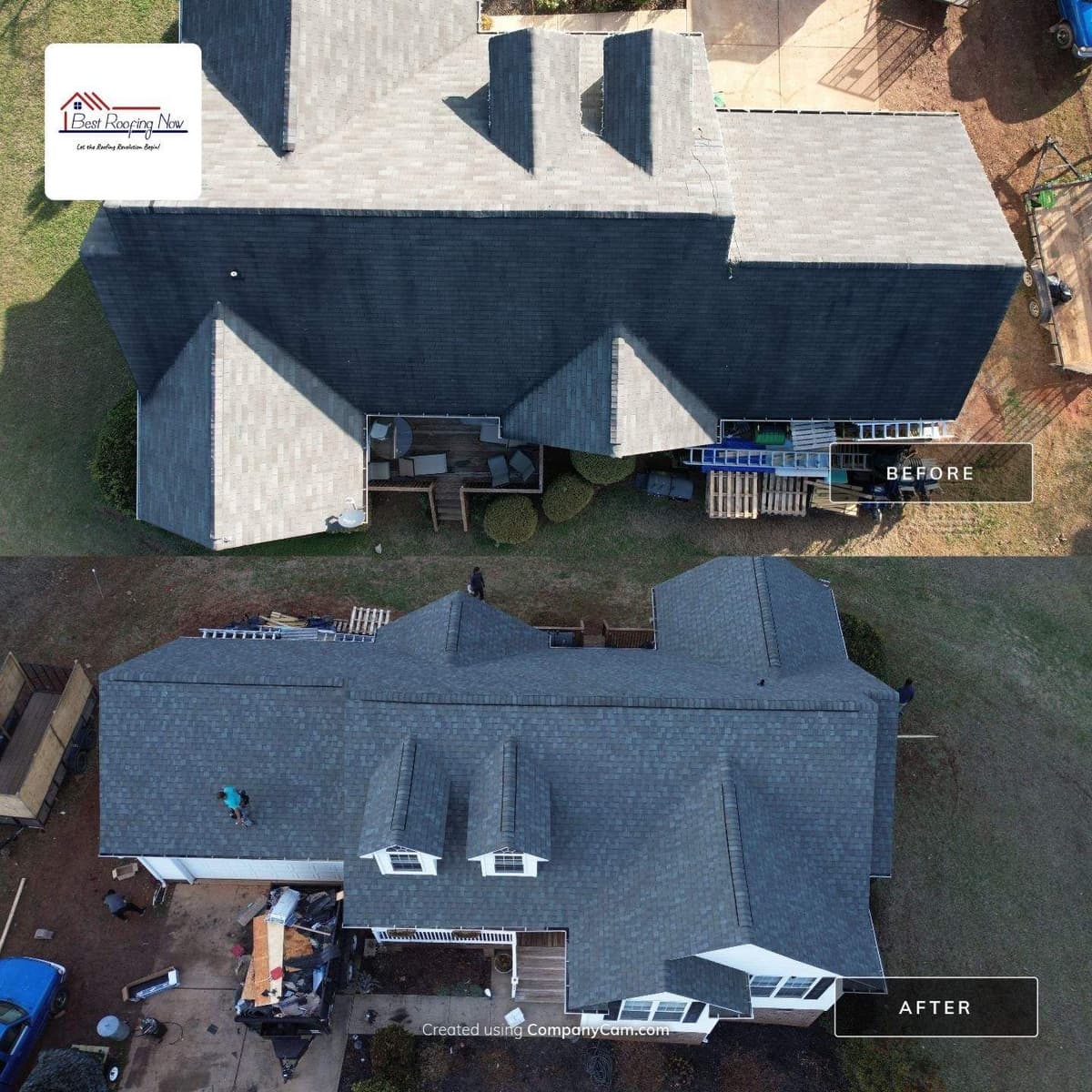
Charlotte, NC
new roof
Get a free roof inspection and honest assessment from Charlotte's most trusted roofing company.


