
Roofing Tips & Guides
Expert Roofing Advice for Charlotte Homeowners
Learn from Charlotte's trusted roofing experts. Tips on maintenance, repair, replacement, and protecting your home from the elements.
Leak or wind damage from Isaias? 24/7 emergency tarping, free storm-damage inspections and insurance-claim help.
Learn from Charlotte's trusted roofing experts. Tips on maintenance, repair, replacement, and protecting your home from the elements.
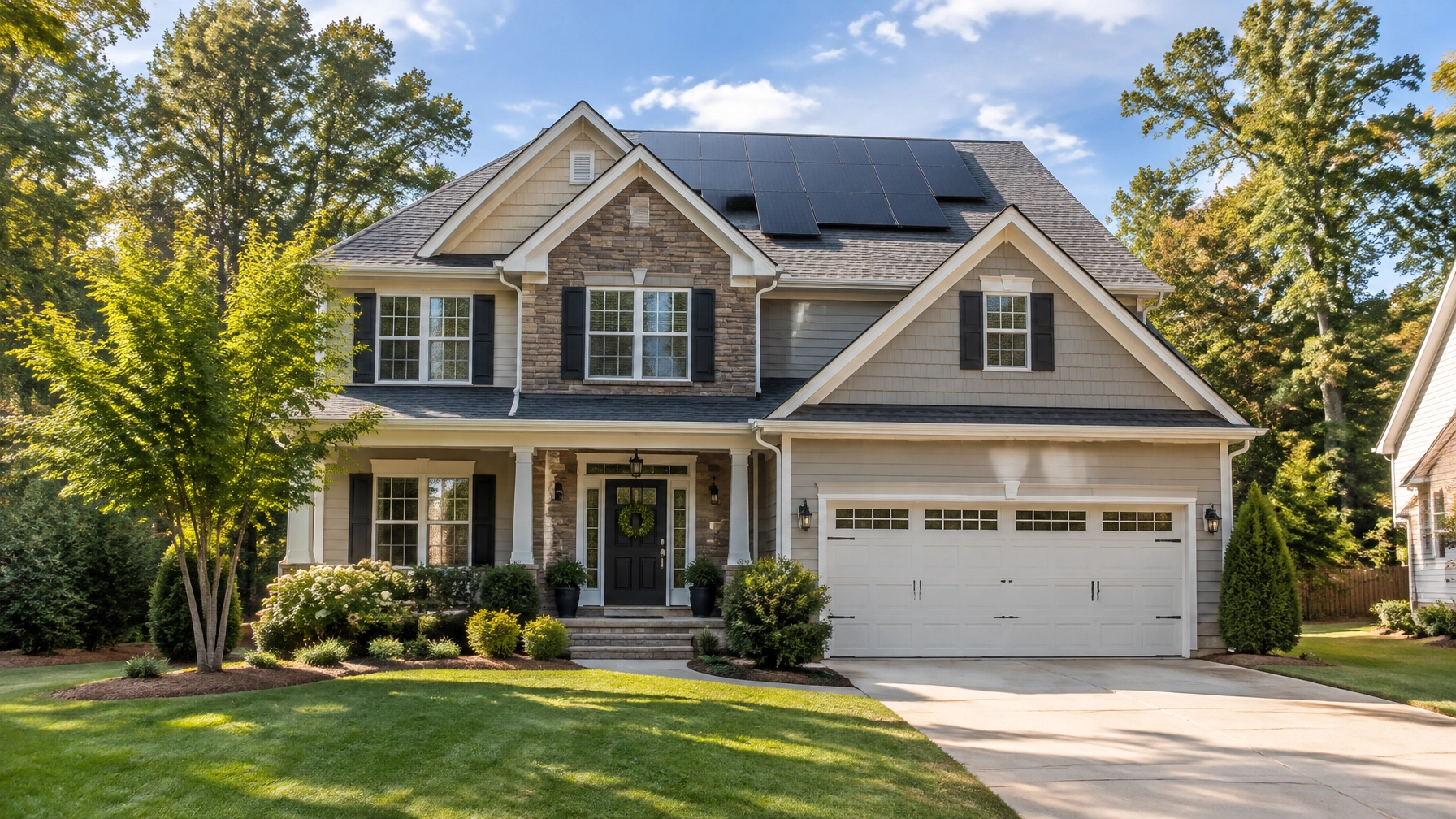
Solar panels can turn Carolina sunshine into power for your home. But before they go on your roof, make sure the roof can support them and protect your home for years to come.
In Charlotte, NC, a good solar plan starts with the roof, not the panels. A roof with leaks, weak spots, or little life left may need work first.
That matters for homeowners across Charlotte and Lake Norman. Carolina sun can be strong, but summer heat, tree shade, heavy rain, and hail all affect a rooftop system.
Solar panels may stay on a home for 25 years or more. Your roof needs to stay sound beneath them for much of that time. If it does not, future roof work can mean removing and reinstalling the panels.
There is no single roof age that makes every home ready or unready for solar. Roof material, condition, past repairs, and the installer’s attachment plan all matter. A careful review can help you decide whether to install panels now, repair the roof first, or wait.
The first step is not to guess from the street. A roofing professional can assess the roof covering, flashing, visible damage, and other details. The solar installer should also confirm that the roof structure and proposed panel layout suit the system.
Solar mounts attach to the roof structure through the roof covering. Each attachment point must keep water out and hold firm in wind. Poorly planned work can raise the chance of leaks or repairs later.
A sound roof also makes it easier to plan the best place for panels. If the roof needs work soon, you may want to complete it before the panels go up. That can prevent extra labor and disruption later.
The U.S. Department of Energy says, “Modules are expected to last for 25 years or more, while still producing more than 80% of their original power.” That is a long time for the roof beneath them to do its job. The Department of Energy’s solar guide also notes that panels need a roof that can support them.

A newer roof is not automatically ready, and an older roof is not always a definite no. The key question is whether the roof can keep protecting your home through the years the solar system is expected to operate.
Look for signs that may call for a closer review. These can include leaks, damaged or loose shingles, weak areas, worn flashing, or repairs that did not hold. A roof with widespread wear may need more than a small fix.
Also think about the material on your home. Asphalt shingles, metal, tile, and other roof types need different attachment plans. The solar installer should explain how the proposed system fits your specific roof.
If replacement or major repairs are likely soon, weigh that work before installing panels. Removing and reinstalling panels later can add cost and time. A roof review helps you understand the choices before you commit.
Panels and mounting rails add weight to the roof. Wind can also push or pull on the array. A roof that looks fine from outside may still need a structural review before installation.
Ask the solar provider how the roof’s framing and attachment points will be checked. The assessment may need to consider the roof deck, rafters or trusses, existing loads, and wind forces. A qualified professional should review structural questions and provide the needed calculations.
Do not treat a general roof condition check as proof of structural capacity. A roofer can assess roof health and workmanship. The solar installer or a qualified engineer should confirm the structure can support the planned system.
This is an important part of roofing in Charlotte, NC. Wind, storms, roof pitch, and the home’s framing all affect the right design. A clear plan should name who checks the structure and who is responsible for the attachment work.
A sunny roof can still have too much shade for a good solar layout. Large trees, chimneys, dormers, and nearby roof peaks can block sunlight at different times of day. Shade can also change as trees grow.
South-facing roof areas often receive strong sun. Southeast and southwest areas can work well, too. But a home does not need a perfect south-facing roof to be worth considering.
The U.S. Department of Energy says, “Typically, solar panels perform best on unshaded, south-facing roofs with a slope between 15 and 40 degrees.” That is general guidance, not a promise about the output of a specific home. The sun exposure and roof layout at your home matter most.
Ask the solar installer for a shade review across the year, not just a quick look on a clear day. A production estimate should account for roof direction, slope, shade, and local conditions. The National Renewable Energy Laboratory’s PVWatts calculator can estimate system output, but it is not a guarantee of future power or savings.

Charlotte summers bring long stretches of heat and humidity. A hot roof can make attic conditions tougher, especially if airflow is poor. Solar panels do not fix a hot attic or replace roof ventilation.
Before panels go up, confirm that the roof’s ventilation paths remain clear. Soffit vents and ridge vents help move air through the attic. A solar layout should not block important roof features or cover vents that need to stay open.
Panel output can also change with heat. Ask the solar provider how the system’s expected performance accounts for local temperatures. The answer should be based on the specific equipment and roof, not a broad promise.
Hail is another local concern. The North Carolina State Climate Office reports that April through June are the state’s most common months for hail. Its hail report shows why it is wise to understand how both the roof and panels are covered after a storm.
Ask about the panels’ hail rating, the solar installer’s workmanship warranty, and your home insurance policy. These details may vary by product and policy. Keep the paperwork so you know whom to contact if a storm causes damage.
Solar work involves more than placing panels on a roof. Mounts, flashing, and wiring paths need to fit the roof and keep water out. The written plan should explain where the attachments go and how the roof will be sealed.
Before work begins, review your roof warranty and the solar installer’s warranty. Find out whether solar attachments affect the roof coverage. Also ask who is responsible if an attachment or flashing detail leads to a leak.
This point matters when two contractors handle the project. The roofer knows the roof system, and the solar installer knows the panel system. Clear communication helps both teams understand the work and their responsibilities.
At Best Roofing Now, we believe homeowners deserve clear answers before making a major home decision. Our consultation-based approach is meant to explain what we find, what needs attention, and where the limits are. That way, you can compare the roof’s needs with the solar plan without pressure.
Panels can make some roof areas harder to reach. That can affect future repairs, roof maintenance, and the way a leak is found. The system plan should show where the panels, wiring, and roof openings will sit.
Ask the installer how a roofer can access the roof around the array. Keep a copy of the panel layout, attachment details, equipment information, and warranty terms. These records can help if a future repair or insurance question comes up.
Do not walk on the panels or try to move them yourself. If you see a leak or damage, contact the right professional. Roof and solar work may need coordination, especially if the repair is under or near the array.
Good roof maintenance in Charlotte, NC, includes knowing what is on the roof and who installed it. A solar system adds another layer to that record. Store the documents with your home files so they are easy to find.

A good solar proposal should answer more than “How many panels fit?” It should explain what the roof needs and how the installer plans to protect it. These questions can help you compare proposals fairly.
For a roof inspection in Charlotte, it helps to share the solar proposal and roof records with the roofing professional. That gives the review a clear purpose. It can also help uncover questions that need answers before installation.
A few roof conditions call for extra care. Active leaks, soft roof areas, widespread shingle wear, or major storm damage may mean the roof needs attention first. Do not cover a known problem with panels and hope it lasts.
It may also be wise to pause if no one can explain who is checking the structure or who owns the warranty for roof attachments. A clear answer now is better than confusion after installation. Ask for the plan in writing.
Sometimes the best choice is to repair or replace part of the roof before solar work. Sometimes the roof is ready, but the panel layout needs changes. Each home is different, so do not rely on a neighbor’s system as proof that yours is ready.
Homeowners comparing lake norman roofers can use the same approach. Look for clear explanations, careful documentation, and a plan that respects both the roof and the solar equipment. The goal is a system that fits the home, not simply the largest array that will fit on it.
Solar panels can be a useful part of a home’s energy plan. But the roof must support them, protect the home, and remain serviceable beneath the array. Sun exposure matters, but it is only one part of readiness.
In Charlotte and around Lake Norman, plan for Carolina sun, hot summers, attic airflow, tree shade, and seasonal hail. Review roof condition, structure, warranties, and future access before installation. Get clear answers from the roofing and solar professionals involved.
Schedule a free roof inspection with Best Roofing Now to confirm your roof’s solar readiness.
Best Roofing Now
Charlotte's trusted roofing experts since 2019
Based on this article, you may be interested in these services.
We proudly serve these Charlotte-area communities with professional roofing services.
View All Service Areas →See our recent roofing work across the Charlotte metro area.
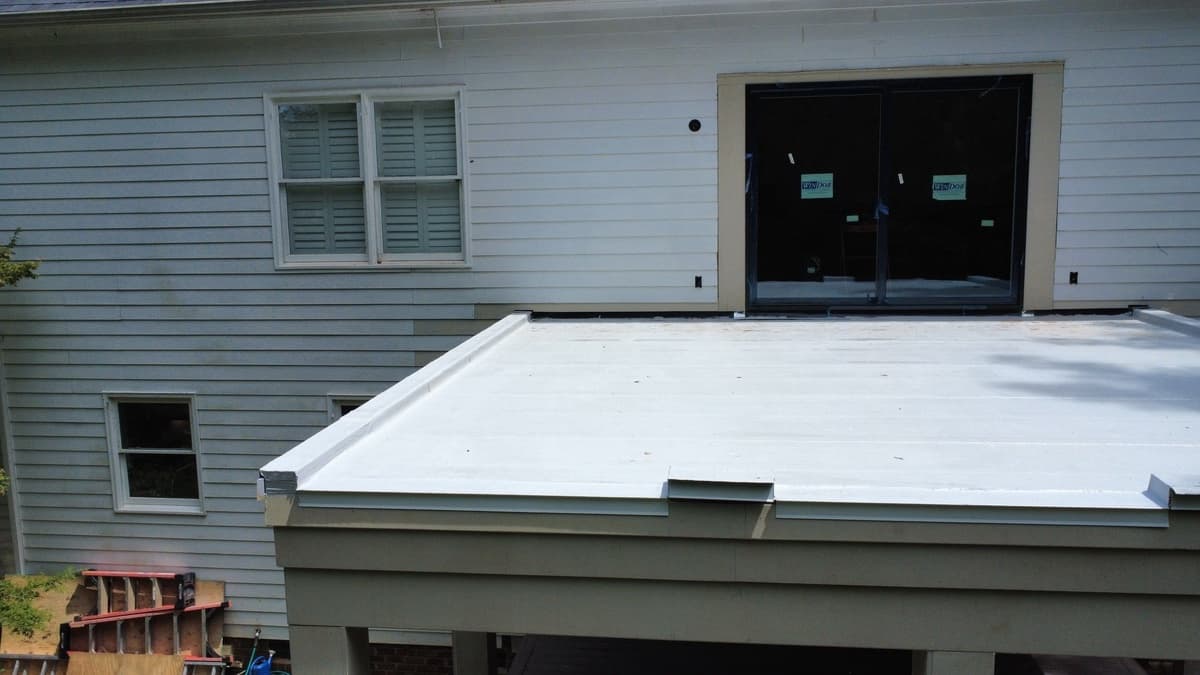
Charlotte, NC
new roof
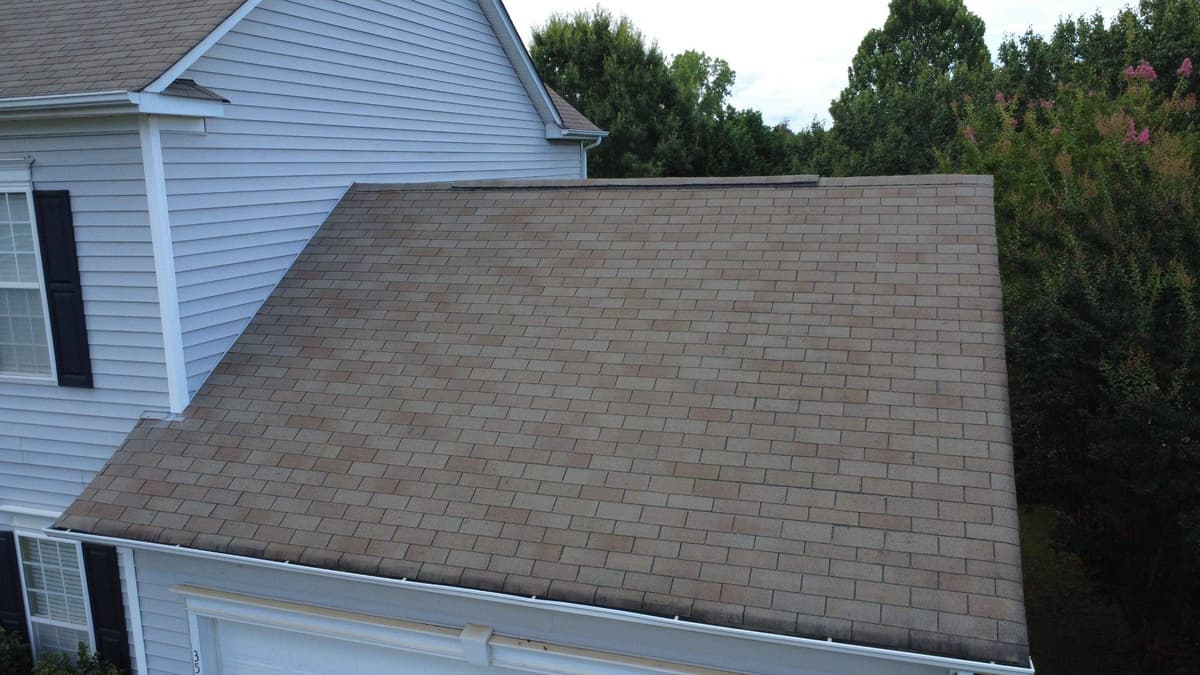
Charlotte, NC
work in progress
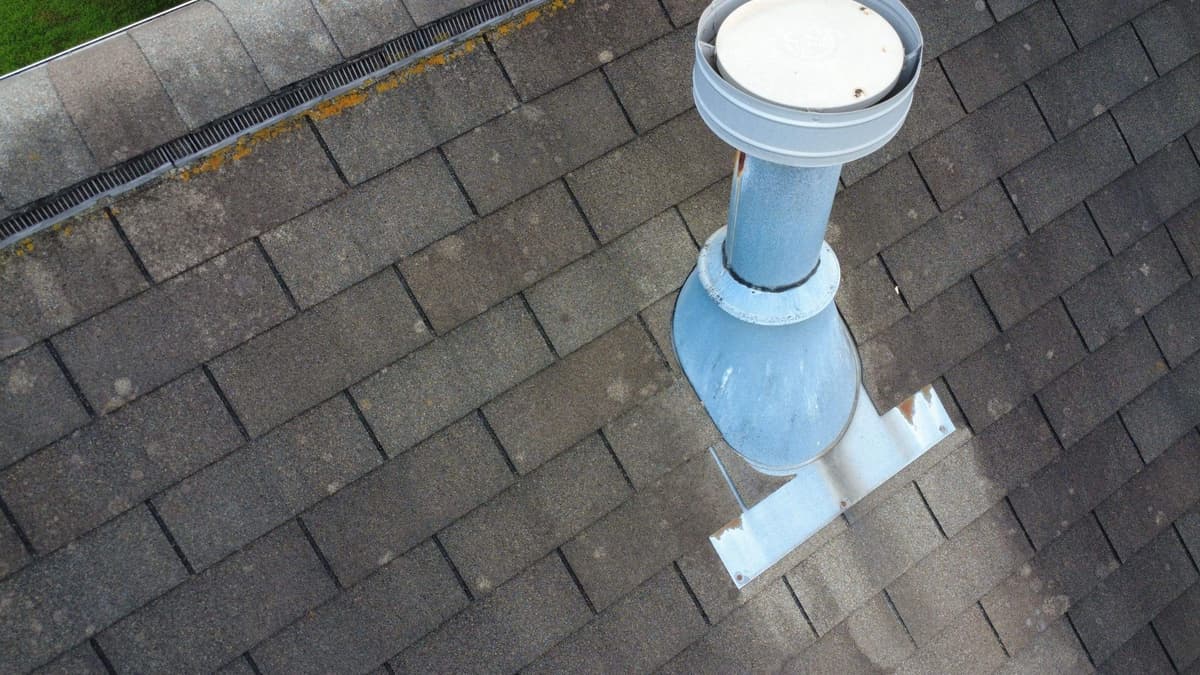
Charlotte, NC
work in progress
Charlotte, NC
new roof
Get a free roof inspection and honest assessment from Charlotte's most trusted roofing company.


