
Roofing Tips & Guides
Expert Roofing Advice for Charlotte Homeowners
Learn from Charlotte's trusted roofing experts. Tips on maintenance, repair, replacement, and protecting your home from the elements.
Leak or wind damage from Isaias? 24/7 emergency tarping, free storm-damage inspections and insurance-claim help.
Learn from Charlotte's trusted roofing experts. Tips on maintenance, repair, replacement, and protecting your home from the elements.
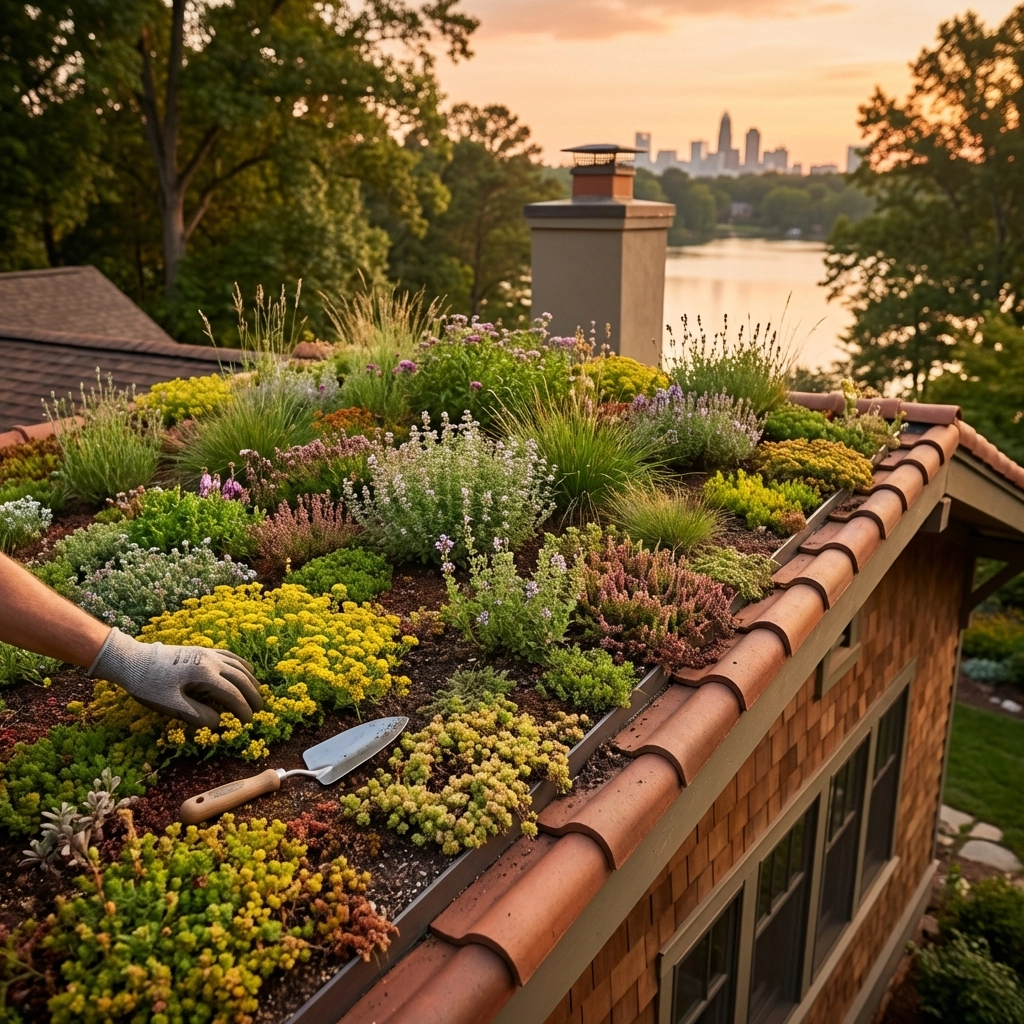
Here's something that might surprise you: Green roofs aren't just a West Coast trend anymore. Right here in Charlotte, we're seeing more homeowners ask about eco-friendly roofing options than ever before. And honestly? It makes perfect sense.
As someone who's been installing roofs across Charlotte and Lake Norman for years, I've watched this shift happen firsthand. What started as a few curious questions about "sustainable roofing" has turned into our most requested consultation topic. Homeowners want to know how they can cut energy bills, help the environment, and still get a roof that looks amazing.
The numbers back this up too. A recent North Carolina study found that green roofs can reduce stormwater runoff by more than 75 percent during heavy rainfall events. When you consider Charlotte's notorious summer storms, that's not just an environmental win: it's a practical one.
Let's clear something up right away. When we talk about "green roofs," we're not just talking about roof color (though reflective green coatings are definitely part of the eco-friendly conversation). We're talking about living roof systems: actual plants, soil, and specialized waterproofing layers that create a mini-ecosystem on your home.
But green roofing goes beyond just living systems. It includes any roofing material or system designed to reduce environmental impact. That means solar-ready materials, recycled content shingles, reflective coatings, and energy-efficient designs that work specifically well in Charlotte's climate.
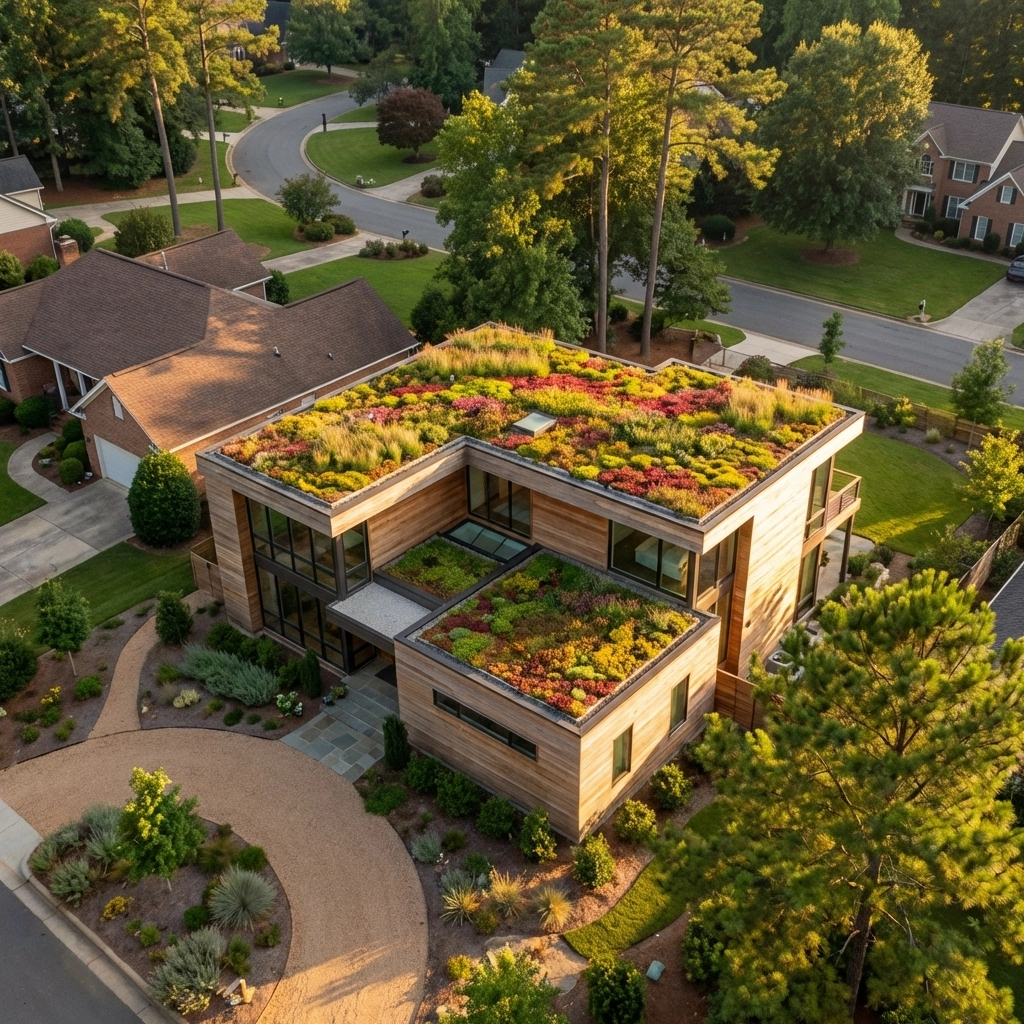
The living roof systems work through multiple layers. You've got a waterproof membrane (absolutely critical), a drainage system, growing medium, and then the plants themselves. It sounds complicated, but the engineering has come a long way. Modern green roof systems are surprisingly reliable when installed correctly.
Charlotte's weather is unique. We get those brutal summer heat waves where your AC runs constantly, but we also have mild winters that don't require heavy heating. Green roofs work particularly well in this climate because they provide year-round benefits.
During our hot summers, a traditional asphalt roof can reach 150°F or higher. That heat radiates down into your home, forcing your cooling system to work overtime. A green roof typically stays around 80-90°F, even on the hottest days. That difference translates directly to lower energy bills.
The thermal mass of soil and plants creates natural insulation that works both ways. In winter, it helps retain heat. In summer, it blocks heat from entering. Studies show this can reduce energy costs by up to 25 percent: and in Charlotte's energy market, that adds up quickly.
But here's what really matters for Charlotte homeowners: stormwater management. Our city has been dealing with increasing flooding issues, especially in areas like SouthPark and along Little Sugar Creek. When heavy rains hit, traditional roofs send all that water straight into storm drains that are already overwhelmed.
Green roofs absorb and filter that water instead. The plants and soil act like a natural sponge, releasing water slowly through evaporation rather than dumping it all at once into the drainage system. This helps prevent the flash flooding we've been seeing more often in recent years.
Beyond the immediate benefits to your home and wallet, green roofs make a measurable difference in air quality. This matters more than you might think in Charlotte's urban areas.
The plants on green roofs absorb carbon dioxide and produce oxygen, just like any other vegetation. But they also filter pollutants from the air, including particulates from traffic and industrial sources. Given Charlotte's ongoing air quality challenges, especially along major corridors like I-77 and I-485, every bit helps.
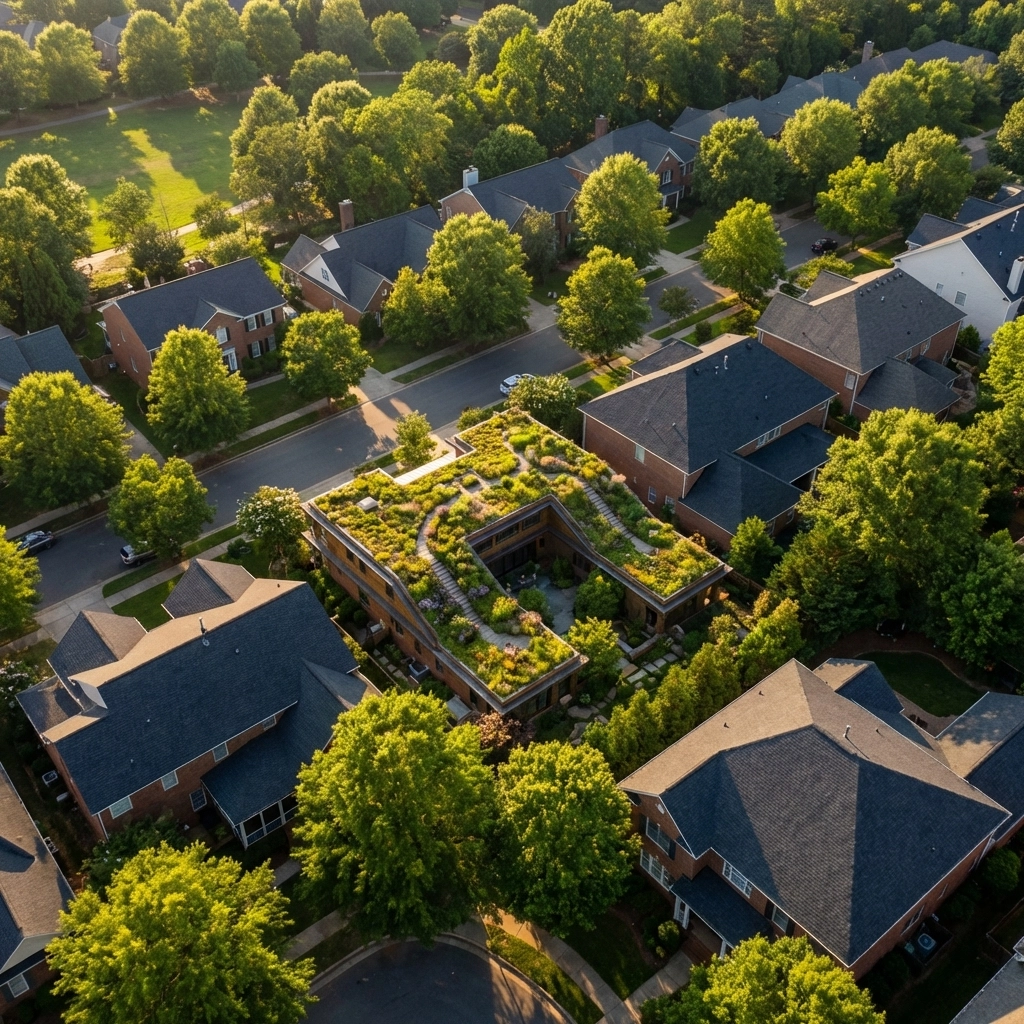
Green roofs also combat the urban heat island effect. Cities are naturally warmer than surrounding rural areas because concrete and asphalt absorb and retain heat. Charlotte's rapid growth has intensified this effect, making summers feel even more oppressive.
When you replace heat-absorbing roof surfaces with plants, you're not just cooling your own home: you're helping cool the entire neighborhood. Multiply this across hundreds or thousands of homes, and you start to see real change in local temperatures.
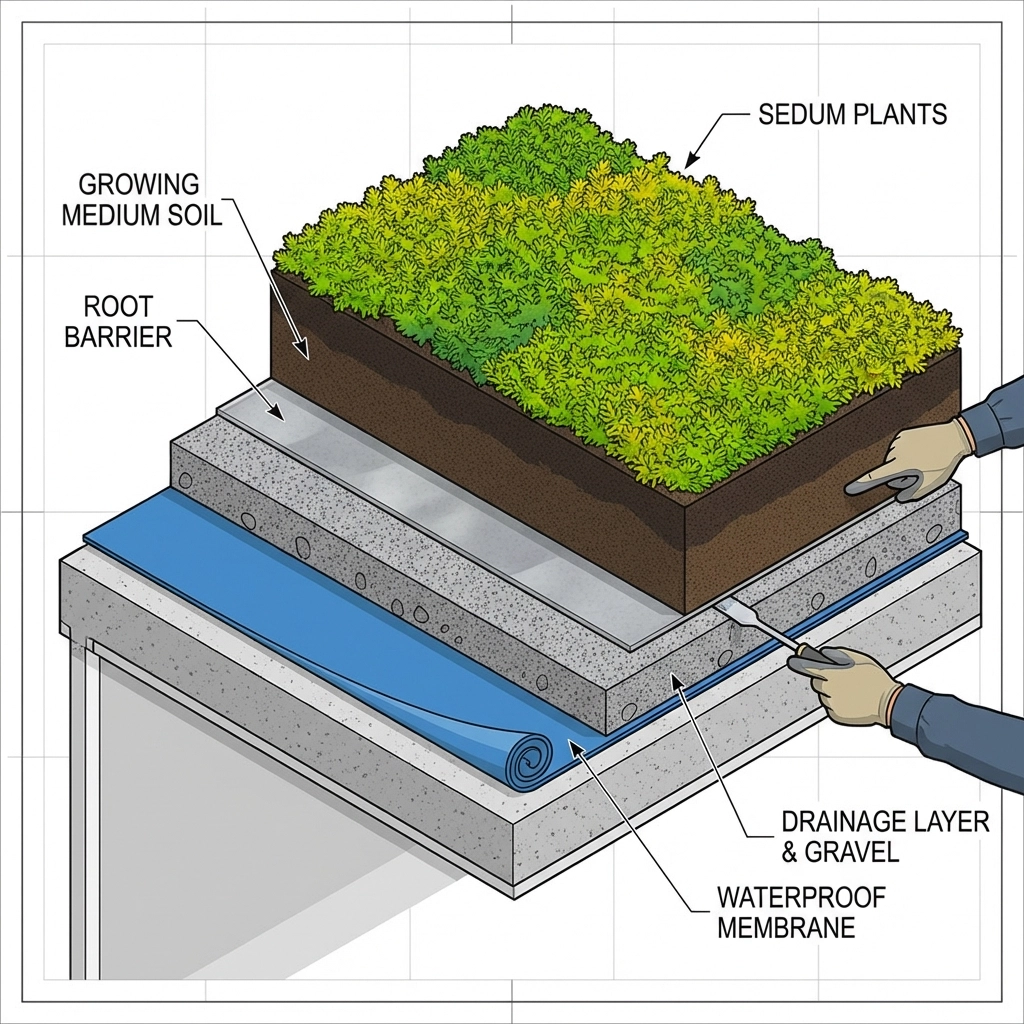
Wildlife benefits matter too. Green roofs create habitat for birds, butterflies, and beneficial insects that are losing ground as Charlotte continues to develop. It's not unusual to see bee colonies thriving on well-designed green roofs in urban areas.
Not every green roof system works for every home. We typically recommend one of three approaches, depending on your roof structure, budget, and maintenance preferences.
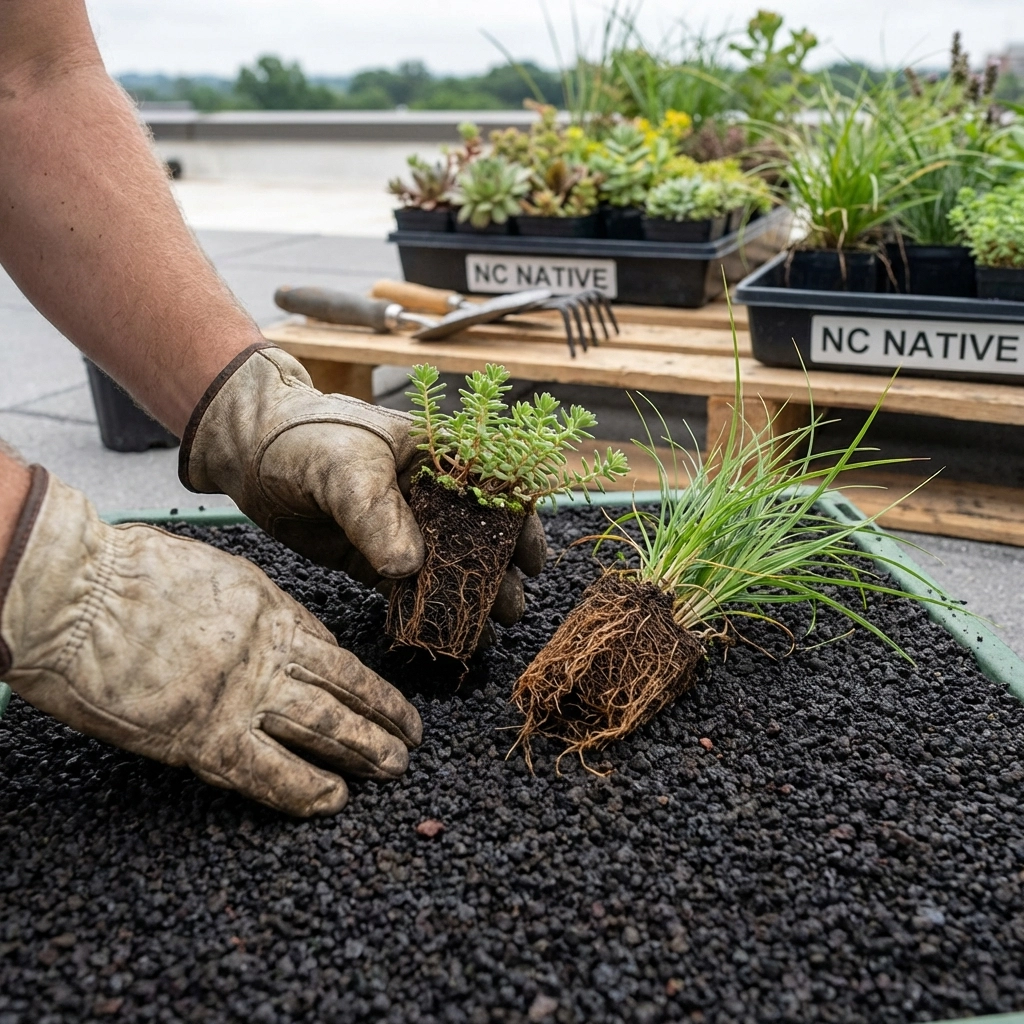
Extensive Green Roofs are the most common choice for residential properties. They use shallow growing medium (2-6 inches) and drought-tolerant plants like sedums, native grasses, and wildflowers. These systems are lighter, require less structural support, and need minimal maintenance once established.
Intensive Green Roofs are more like traditional gardens on your roof. They can support larger plants, even small trees, but require deeper soil (6+ inches) and more robust structural support. Most existing homes aren't designed for this extra weight, so we usually only recommend intensive systems for new construction or major renovations.
Semi-Intensive Green Roofs split the difference. They allow for more plant diversity than extensive systems without the structural requirements of intensive ones.
For homeowners who want green benefits but aren't ready for living systems, we also install eco-friendly traditional materials. Recycled content shingles, metal roofing made from recycled materials, and reflective coatings all qualify as sustainable roofing options.
Let's talk numbers, because this is usually the first question homeowners ask. Green roof systems do cost more upfront than traditional roofing: typically 2-3 times more for materials and installation.
For a typical Charlotte home (2,000 square feet), a traditional asphalt shingle roof might cost $15,000-20,000 installed. An extensive green roof system would run $30,000-50,000, depending on the specific plants and drainage system chosen.
But here's where it gets interesting: the payback period is often shorter than homeowners expect. Energy savings alone can reduce the cost differential significantly over time. When you add in extended roof lifespan (green roofs often last 40+ years vs. 20-25 for asphalt shingles), reduced stormwater fees in some areas, and potential insurance discounts, the economics start to make sense.
Many Charlotte homeowners are also finding that green roofs increase property values. As environmental consciousness grows, especially among younger buyers, eco-friendly features become selling points. Real estate agents in areas like Dilworth and NoDa report that green features, including roofing, often help homes sell faster and for higher prices.
Installing a green roof isn't a weekend project. The process typically takes 2-4 weeks, depending on system complexity and weather conditions.
We start with a structural evaluation. Your existing roof structure needs to support additional weight: typically 15-25 pounds per square foot for extensive systems. Most homes built in the last 20 years can handle this, but older homes sometimes need reinforcement.
Next comes waterproofing. This is absolutely critical. We use multiple waterproof layers, including root barriers that prevent plant roots from penetrating the roof membrane. A leak in a green roof system is much more complicated to repair than a traditional roof leak, so we take extra precautions during installation.
The drainage system goes in next. Proper drainage prevents water from pooling and keeps the growing medium from becoming waterlogged. We install drainage layers, overflow drains, and inspection ports that allow ongoing monitoring.
Growing medium comes next: this isn't regular soil. Green roof growing media is specially formulated to be lightweight, well-draining, and nutrient-appropriate for the selected plants. We typically use a blend that includes expanded clay, compost, and sand.
Plant selection depends on your specific goals and maintenance preferences. For Charlotte's climate, we often recommend native plants that can handle heat, drought, and occasional flooding. Sedums are popular because they're extremely low-maintenance and provide year-round coverage.

One concern we hear often is maintenance. Homeowners worry that green roofs will require constant care, like a traditional garden. The reality is more nuanced.
Extensive green roofs with appropriate plant selection require surprisingly little maintenance once established. The first year requires regular watering and weeding as plants establish root systems. After that, most systems need only 2-3 maintenance visits per year.
Maintenance tasks include removing weeds, checking drainage systems, inspecting membranes, and occasionally fertilizing plants. We recommend annual inspections to catch any issues early.
Intensive systems require more care, similar to maintaining a traditional garden. If you're not interested in ongoing gardening tasks, extensive systems are the better choice.
Green roofs aren't the only sustainable option. We install several eco-friendly roofing systems that deliver environmental benefits without the complexity of living systems.
Cool roofing uses reflective materials to reduce heat absorption. Light-colored metal roofs, reflective shingle granules, and specialized coatings can significantly reduce cooling costs in Charlotte's climate. These systems cost only slightly more than traditional materials but provide immediate energy savings.
Solar-ready roofing prepares your home for future solar panel installation. We use mounting-friendly materials and design roof layouts that maximize solar potential. Many homeowners start with solar-ready roofing and add panels later as budgets allow.
Recycled content materials include shingles made from recycled materials, metal roofing from recycled steel or aluminum, and rubber roofing from recycled tires. These options reduce waste while providing excellent performance.
At Best Roofing Now, we believe sustainable roofing should work for both homeowners and the environment. We don't push green solutions that don't make practical sense for your situation.
Our process starts with understanding your goals. Are you primarily interested in energy savings? Environmental impact? Long-term durability? Your priorities help us recommend the right approach.
We also consider your home's specific characteristics. Roof pitch, structural capacity, sun exposure, and neighborhood aesthetic all influence which sustainable options make the most sense.
For green roof systems, we partner with specialized suppliers and use only proven plant varieties suitable for Charlotte's climate. We've seen too many green roof failures from using inappropriate plants or inadequate drainage systems.
Installation quality matters enormously with sustainable roofing. A poorly installed green roof can cause expensive problems down the road. Our crews receive specific training on green roof installation techniques, and we warranty both materials and workmanship.
Charlotte area homeowners have access to several programs that can offset the costs of sustainable roofing. Duke Energy offers rebates for energy-efficient home improvements, including reflective roofing materials. The federal government provides tax credits for solar installations and some other renewable energy systems.
Some neighborhoods have HOA programs that encourage sustainable improvements. Areas like Myers Park and Eastover have been particularly supportive of eco-friendly home upgrades.
The City of Charlotte has discussed incentives for green infrastructure, including green roofs, as part of stormwater management efforts. While not currently available, these programs may expand as the city continues addressing flooding issues.
The biggest concern we hear is about leaks. Homeowners worry that green roof systems are more prone to water issues than traditional roofs. When properly installed, the opposite is often true. The multiple waterproof layers used in green roof systems actually provide more protection than single-layer traditional systems.
Weight concerns are also common. Most residential structures can support extensive green roof systems, but we always perform structural evaluations before installation. For homes that need reinforcement, the costs are usually reasonable and often include other beneficial updates like improved insulation.
Fire safety comes up occasionally. Properly maintained green roofs with appropriate plant selection don't increase fire risk. In fact, the moisture content in living systems can sometimes provide fire resistance.
Pest concerns are generally overblown. Green roofs don't attract significantly more insects than traditional landscaping, and proper plant selection can actually deter problematic pests.
Charlotte's commitment to sustainability continues growing. The city's 2040 comprehensive plan emphasizes green infrastructure and environmental stewardship. As building codes evolve and incentive programs expand, sustainable roofing will likely become more common and affordable.
Technology improvements are making eco-friendly roofing more accessible. New materials offer better performance at lower costs, and installation techniques continue improving. What seemed cutting-edge five years ago is now standard practice.
We're also seeing increased demand from homebuyers for sustainable features. Real estate professionals report that eco-friendly improvements, including roofing, are becoming standard expectations rather than luxury features.
Sustainable roofing isn't right for every home or every budget, but it's worth considering for many Charlotte homeowners. The combination of energy savings, environmental benefits, and potential property value increases can make eco-friendly roofing a smart long-term investment.
The key is working with experienced professionals who understand both sustainable technologies and local conditions. Not every contractor has experience with green roof systems or eco-friendly materials, and installation quality makes all the difference in long-term performance.
At Best Roofing Now, we're committed to helping Charlotte homeowners make informed decisions about sustainable roofing. Whether you're interested in a full green roof system or just want to explore more efficient traditional materials, we'll provide honest assessments and realistic expectations.
Ready to explore sustainable roofing options for your Charlotte home? We offer free consultations where we'll evaluate your property, discuss your goals, and provide detailed information about eco-friendly roofing systems that make sense for your situation. Contact us at bestroofingnow.com or call to schedule your consultation. Let's work together to create a roof that's good for your home, your wallet, and the environment.
Best Roofing Now
Charlotte's trusted roofing experts since 2019
Based on this article, you may be interested in these services.
We proudly serve these Charlotte-area communities with professional roofing services.
View All Service Areas →See our recent roofing work across the Charlotte metro area.
Charlotte, NC
new roof
Charlotte, NC
work in progress
Charlotte, NC
new roof
Charlotte, NC
before after
Get a free roof inspection and honest assessment from Charlotte's most trusted roofing company.


