
Roofing Tips & Guides
Expert Roofing Advice for Charlotte Homeowners
Learn from Charlotte's trusted roofing experts. Tips on maintenance, repair, replacement, and protecting your home from the elements.
Leak or wind damage from Isaias? 24/7 emergency tarping, free storm-damage inspections and insurance-claim help.
Learn from Charlotte's trusted roofing experts. Tips on maintenance, repair, replacement, and protecting your home from the elements.
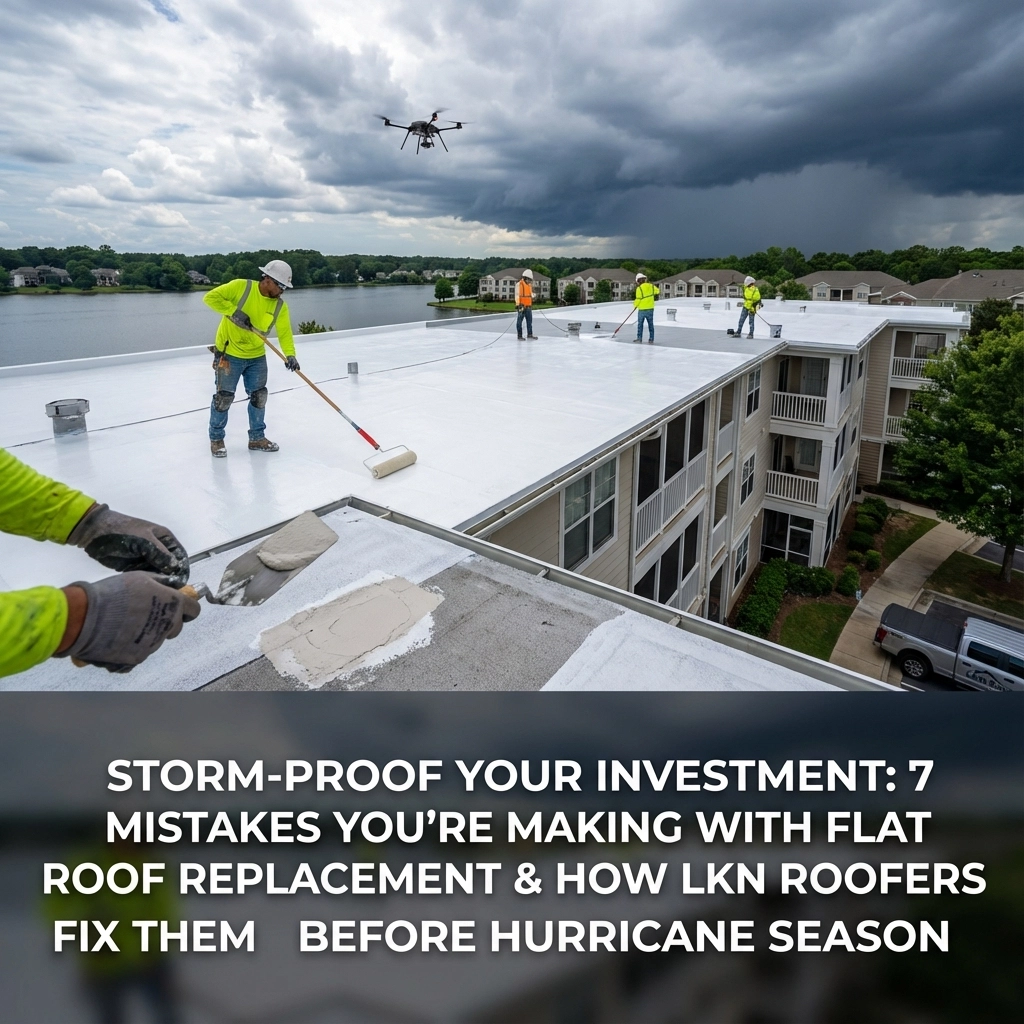
Hurricane season in Charlotte and Lake Norman isn't just about stocking up on water and batteries. If you own a commercial building or have a flat roof on your home, you're sitting on a potential disaster waiting to happen.
I've been working roofs around Lake Norman for over a decade. And every hurricane season, I see the same mistakes costing property owners thousands in storm damage. The worst part? Most of these problems are completely preventable.
Flat roofs get a bad rap during hurricane season. But here's the truth – when installed correctly, they can weather storms just as well as pitched roofs. The problem isn't the roof design. It's the mistakes people make during installation and maintenance.
Let me walk you through the seven biggest mistakes I see with flat roof replacement in our area. More importantly, I'll show you exactly how we fix them before the next big storm hits Charlotte.
This is the big one. Wind doesn't just blow over your flat roof – it tries to peel it off like a can opener.
During Hurricane Florence, I saw dozens of flat roofs where the membrane literally rolled up from the edges. Property owners thought they were ready for the storm. Their roofs had other plans.
The mistake? Most contractors don't properly secure the roof perimeter. They treat flat roof edges like an afterthought.
Here's what happens: Wind hits your building and creates pressure. That pressure lifts at roof corners and edges with incredible force. Without proper edge securement, your entire roof membrane can peel away in sections.
How LKN roofers fix this:
We install reinforced edge details on every flat roof replacement. This means heavy-duty metal edging systems mechanically fastened every few inches. Not just adhesive. Not just a few screws. We're talking about serious mechanical attachment that can handle 150+ mph winds.
We also add extra membrane layers at all perimeter areas. Think of it as armor for the most vulnerable parts of your roof.
Water is flat roof enemy number one. Add hurricane-level rainfall, and poor drainage becomes catastrophic.
I've seen property owners spend $30,000 on a new flat roof, then lose it all because they skimped on drainage. Water finds a way. Always.
The mistake here is treating drainage as optional or minimal. Some contractors install just enough drains to meet code. That's not enough for Lake Norman weather patterns.
During heavy storms, we can get 3-4 inches of rain per hour. Your drainage system needs to handle that volume, plus debris that clogs drains during storms.
How LKN roofers fix this:
We install oversized drainage systems on every flat roof. More drains than code requires. Larger diameter pipes. Secondary overflow systems.
But here's the key – we also design proper slope into every flat roof. "Flat" roofs aren't actually flat. They need at least 1/4 inch of slope per foot to drain properly.
We use tapered insulation systems to create positive drainage to every drain. Water should never pond on your roof, even temporarily.
Not all flat roof membranes are created equal. Especially when you're preparing for hurricane season.
The biggest mistake I see? Property owners choosing membrane material based on price alone. The cheapest option usually becomes the most expensive when storm damage hits.
Standard EPDM rubber membranes work fine in normal conditions. But they're not designed for the thermal expansion and contraction that happens during rapid weather changes. Hurricane conditions can cause membrane stress and seam failure.
How LKN roofers fix this:
We recommend TPO or modified bitumen systems for hurricane-prone areas. These materials handle thermal stress better and offer superior puncture resistance.
For commercial properties, we often suggest spray polyurethane foam (SPF) systems. These have incredible wind uplift resistance – some installations exceed the testing capacity of standard equipment.
The key is matching membrane choice to your specific building and local weather patterns. What works in Arizona won't necessarily work in North Carolina.
Every pipe, vent, HVAC unit, and skylight on your flat roof is a potential leak point during hurricanes.
I've seen brand new flat roofs fail because contractors didn't properly seal and secure penetrations. Water gets in through tiny gaps that expand during storm conditions.
The mistake is treating penetrations like standard plumbing work. Roof penetrations need hurricane-grade sealing and reinforcement.
How LKN roofers fix this:
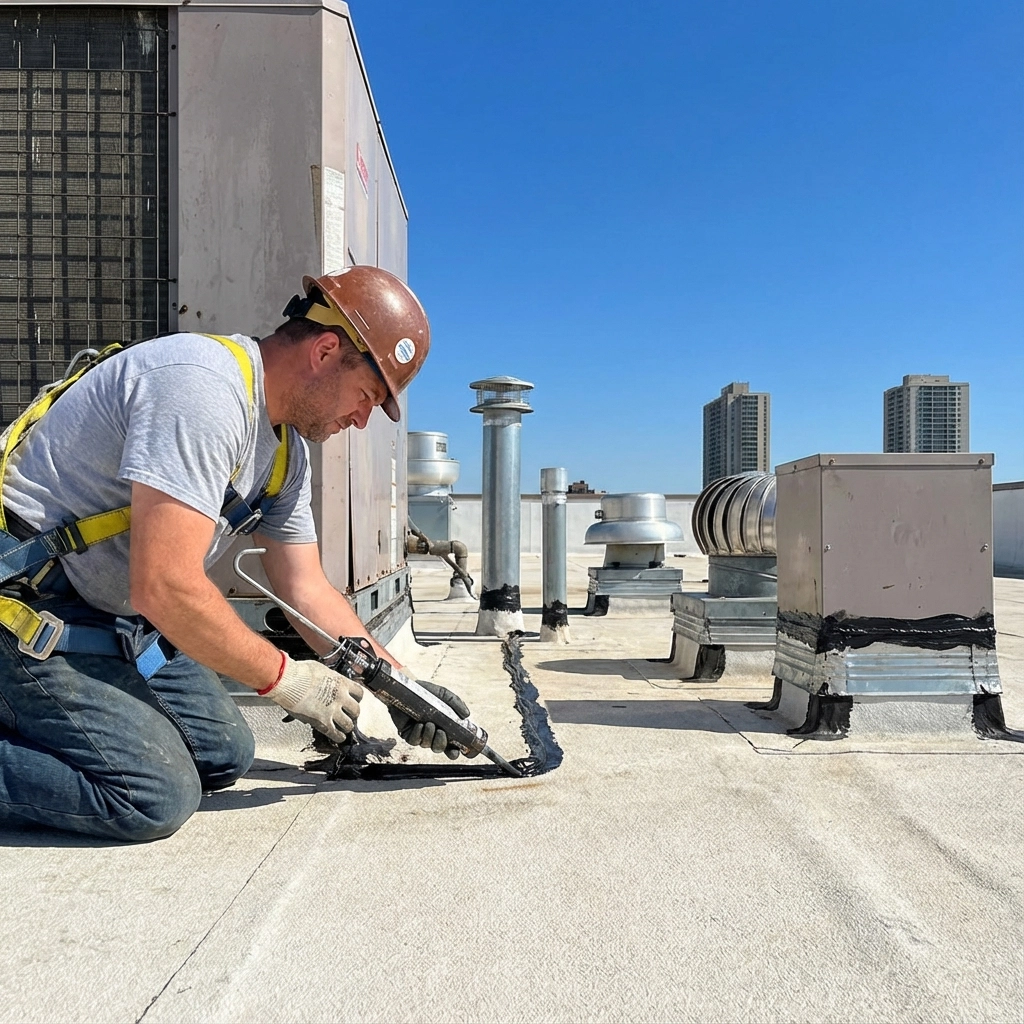
Every roof penetration gets multiple layers of protection. We start with proper flashing, add membrane reinforcement, then seal with high-grade elastomeric compounds.
For HVAC units, we install hurricane straps rated for 150+ mph winds. These units become dangerous projectiles if they're not properly secured.
We also create redundant sealing systems. If the primary seal fails, backup systems prevent water intrusion.
Here's a mistake that costs property owners big time: starting flat roof replacement without properly assessing the building structure.
Your new roof membrane is only as good as what's underneath. If the roof deck has soft spots, inadequate fastening, or structural issues, your new roof won't survive hurricane conditions.
I've seen contractors install beautiful new flat roofs over compromised decking. First big storm rolls through, and the entire system fails.
How LKN roofers fix this:
Every flat roof replacement project starts with comprehensive structural assessment. We check:
If we find structural issues, we fix them before installing new roofing. It might add to upfront costs, but it prevents catastrophic failure later.
This mistake might seem minor, but it leads to major problems during hurricane season.
Poor insulation and vapor control creates thermal bridging and condensation issues. During rapid temperature changes – common during storms – this can cause membrane stress and seam failure.
Many contractors install minimal insulation to meet basic code requirements. They ignore vapor control entirely.
How LKN roofers fix this:
We design complete thermal and vapor control systems for every flat roof. This includes:
These systems keep your roof membrane stable during temperature swings and prevent moisture-related damage.
The biggest mistake of all? Thinking flat roof replacement is a one-and-done project.
Flat roofs need regular maintenance to perform properly. This is especially critical in hurricane-prone areas like Charlotte and Lake Norman.
Property owners skip annual inspections, ignore minor issues, and then wonder why their roof fails during the first big storm.
How LKN roofers fix this:
Every flat roof replacement includes a comprehensive maintenance plan. We provide:
We also offer maintenance contracts for commercial properties. Regular professional maintenance extends roof life and prevents storm damage.
Working around Lake Norman has taught me that every building faces unique challenges. Wind patterns off the lake create different pressure zones. Local soil conditions affect building movement. Even neighborhood tree coverage impacts storm debris patterns.
Cookie-cutter approaches don't work here. That's why we design every flat roof replacement system specifically for its location and conditions.
We also understand Charlotte weather patterns. Our hurricane season preparations account for:
This local knowledge makes the difference between a roof that survives storms and one that fails.
Let me put this in perspective. A proper flat roof replacement might cost $15-25 per square foot. Fixing storm damage from installation mistakes can cost $50-75 per square foot.
I've seen property owners face complete roof replacement just two years after "saving money" on initial installation. Storm damage insurance claims, business interruption, interior damage – costs add up fast.
The math is simple: invest in proper installation now, or pay much more for repairs later.
If you're planning flat roof replacement, timing matters. Here's our recommended timeline:
Spring (March-May): Schedule assessment and planning. This gives time for proper design and material ordering.
Early Summer (June-July): Complete installation. This allows time for initial weather testing before peak hurricane season.
Late Summer (August-September): Final inspections and touch-ups. Storm preparation activities.
Fall/Winter: Post-storm assessments and maintenance planning.
Don't wait until hurricane warnings to think about your roof. By then, it's too late for anything except emergency repairs.
Not all roofing contractors understand flat roof systems or hurricane preparation. Here's what to verify:
Ask specific questions about wind uplift testing, drainage calculations, and hurricane preparation protocols. Good contractors welcome detailed discussions about their methods.
Hurricane season waits for no one. If your flat roof has any of these seven problems, you're risking major storm damage.
The good news? Every one of these mistakes is fixable. With proper planning and execution, your flat roof can weather any storm Charlotte throws at it.
Don't wait for the next hurricane warning to discover problems with your roof. Schedule a comprehensive assessment now, while there's time to fix issues properly.
At Best Roofing Now, we've helped hundreds of Lake Norman property owners prepare their flat roofs for hurricane season. We know what works in our local conditions, and we stand behind every installation with comprehensive warranties.
Ready to storm-proof your investment? Contact Best Roofing Now today for a free flat roof assessment. We'll identify potential problems and provide detailed solutions designed specifically for hurricane preparedness in the Charlotte and Lake Norman area.
Don't let preventable mistakes cost you thousands in storm damage. Call us at [contact information] or visit https://bestroofingnow.com to schedule your assessment today.
Your property is too valuable to risk on a roof that's not ready for hurricane season.
Best Roofing Now
Charlotte's trusted roofing experts since 2019
Based on this article, you may be interested in these services.
We proudly serve these Charlotte-area communities with professional roofing services.
View All Service Areas →See our recent roofing work across the Charlotte metro area.
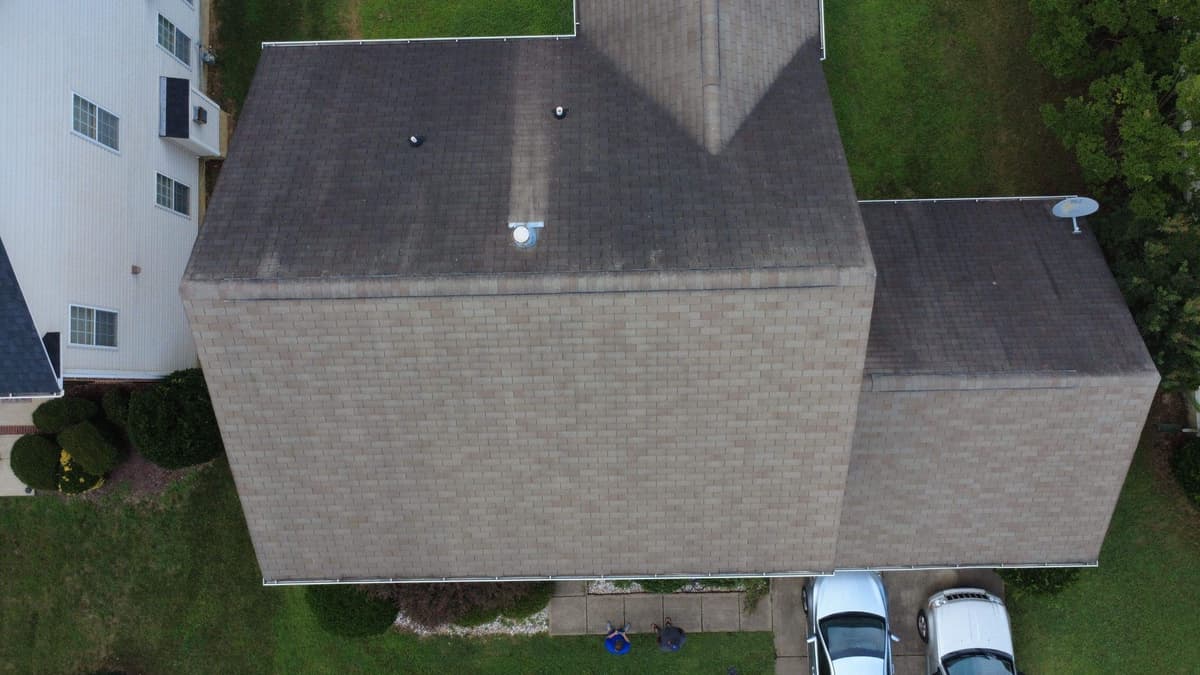
Charlotte, NC
work in progress
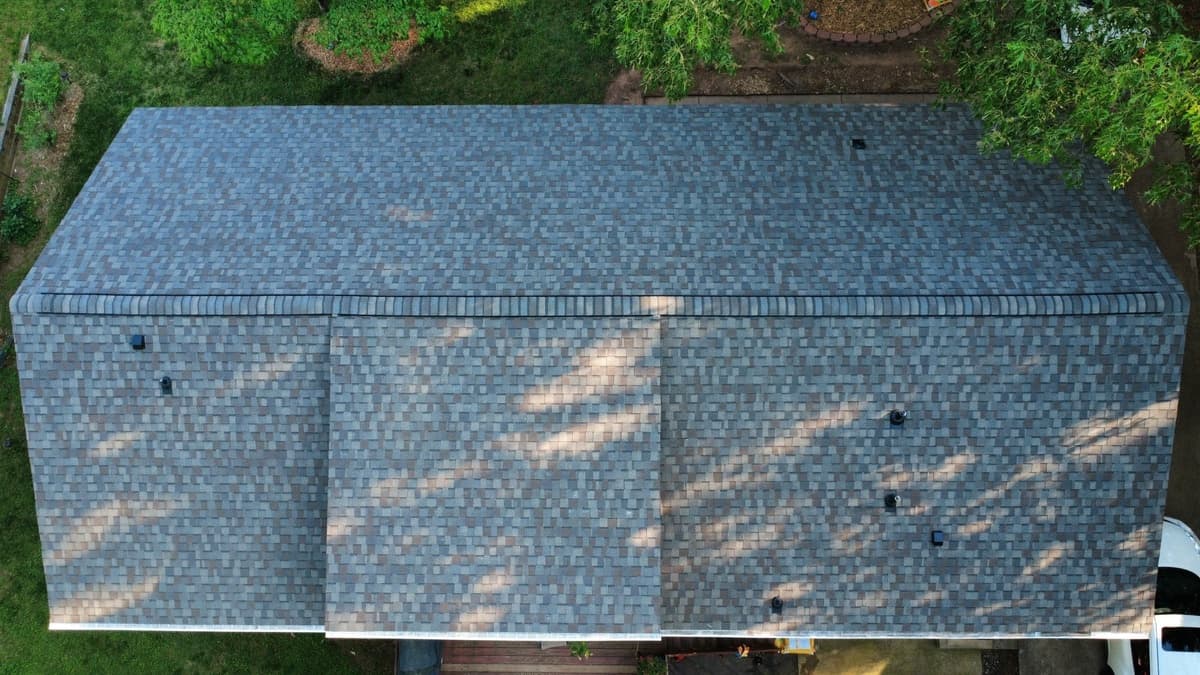
Charlotte, NC
new roof
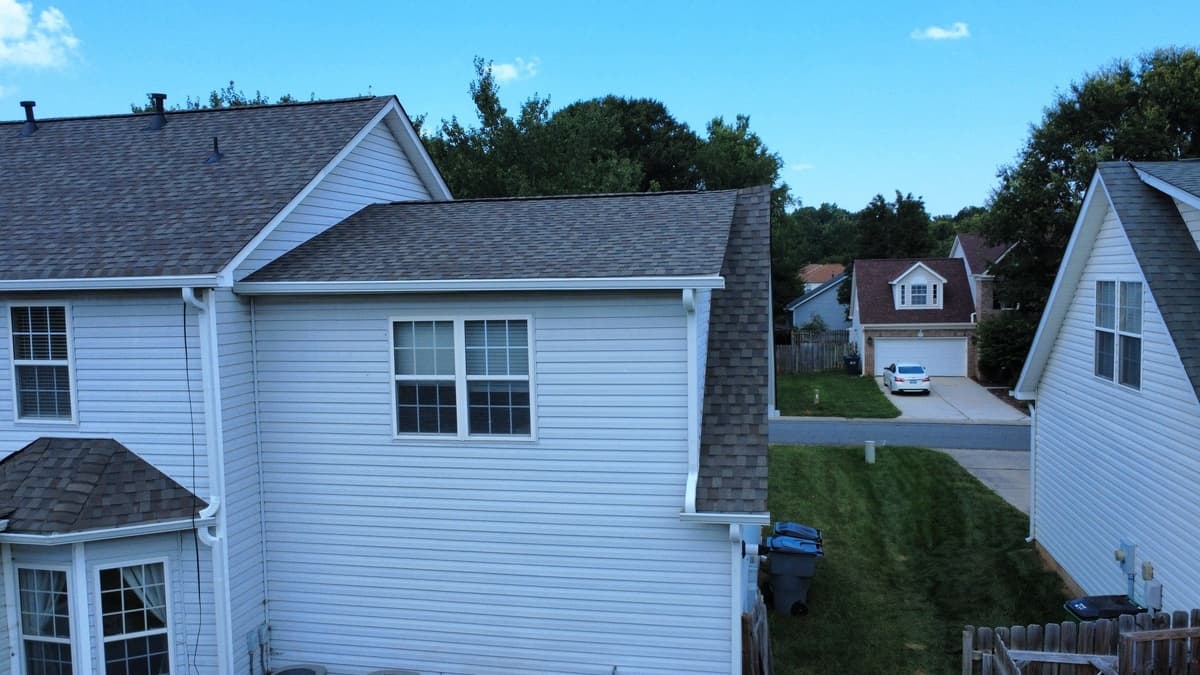
Charlotte, NC
new roof
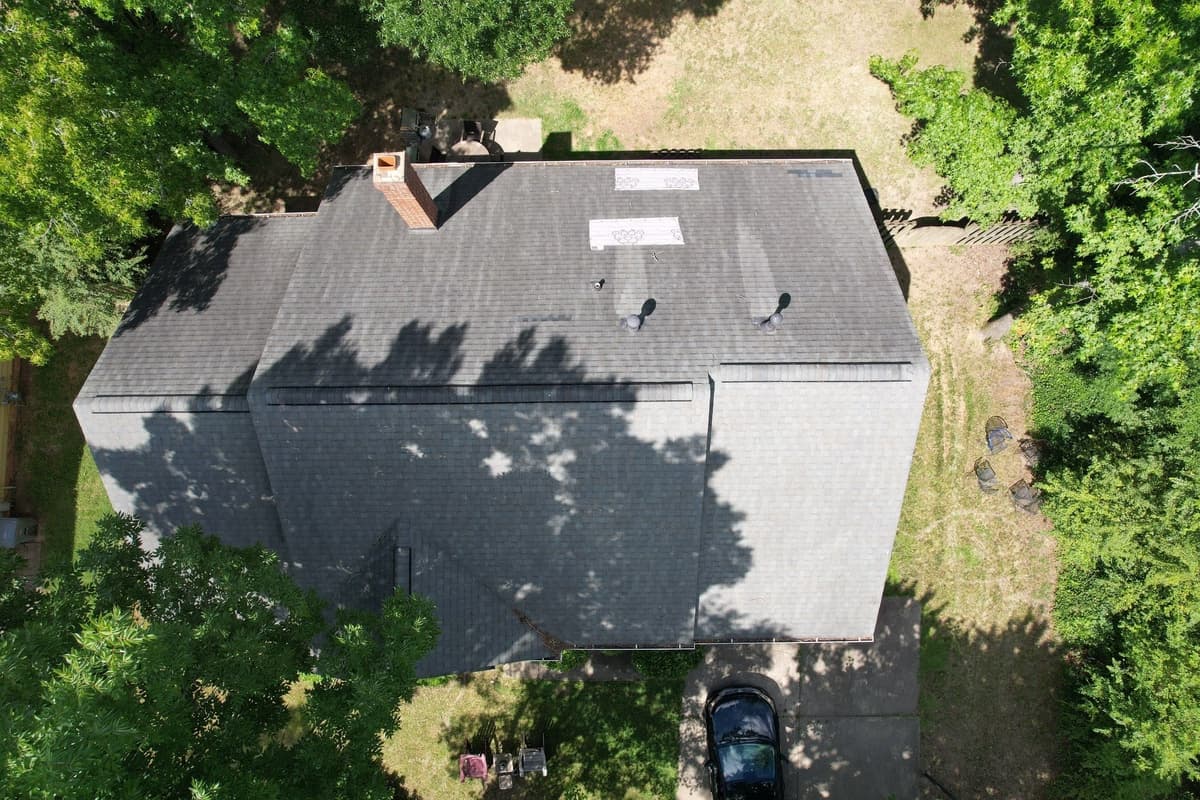
Charlotte, NC
new roof
Get a free roof inspection and honest assessment from Charlotte's most trusted roofing company.


