
Roofing Tips & Guides
Expert Roofing Advice for Charlotte Homeowners
Learn from Charlotte's trusted roofing experts. Tips on maintenance, repair, replacement, and protecting your home from the elements.
Leak or wind damage from Isaias? 24/7 emergency tarping, free storm-damage inspections and insurance-claim help.
Learn from Charlotte's trusted roofing experts. Tips on maintenance, repair, replacement, and protecting your home from the elements.
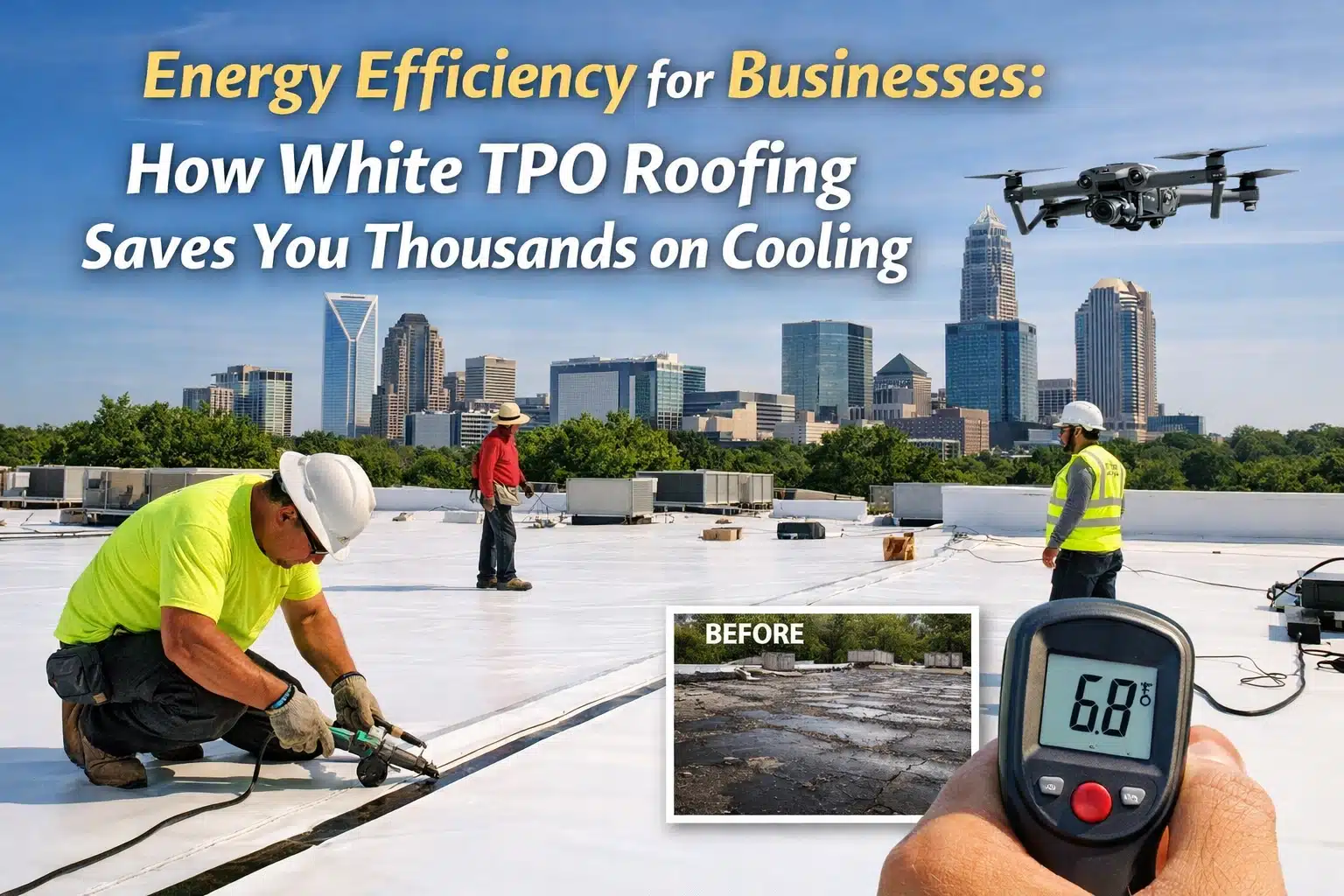
Your cooling bills are eating into your profits. Every summer, your HVAC system runs overtime. And every month, you write another check that makes you wonder if there's a better way.
There is. And it starts above your head.
White TPO roofing isn't just another commercial roofing option. It's a business investment that pays dividends every single month through lower energy costs, extended equipment life, and a cooler building that your team actually wants to work in.
We've installed TPO roofs across Charlotte and Lake Norman for warehouses, retail centers, office buildings, and industrial facilities. The results speak for themselves. Business owners typically see their cooling costs drop by 10-30% within the first year. Some see even better numbers.
Let me show you why TPO roofing is transforming the way smart Charlotte business owners think about their facilities.
TPO stands for Thermoplastic Polyolefin. But forget the chemistry lesson for a second.
Here's what matters: TPO is a single-ply roofing membrane designed specifically for flat and low-slope commercial roofs. The material comes in large rolls that we heat-weld together to create a seamless, watertight barrier across your entire roof.
The magic happens with the color. TPO roofs are bright white. Not off-white or cream. We're talking brilliant, reflective white that bounces sunlight away from your building like a mirror.
Traditional black or dark gray roofs absorb heat. They soak it up all day long. Your building becomes an oven. Your HVAC system fights a losing battle trying to keep things comfortable.
White TPO roofs do the opposite. They reflect 60-90% of the sun's rays back into the atmosphere before that heat ever enters your building.
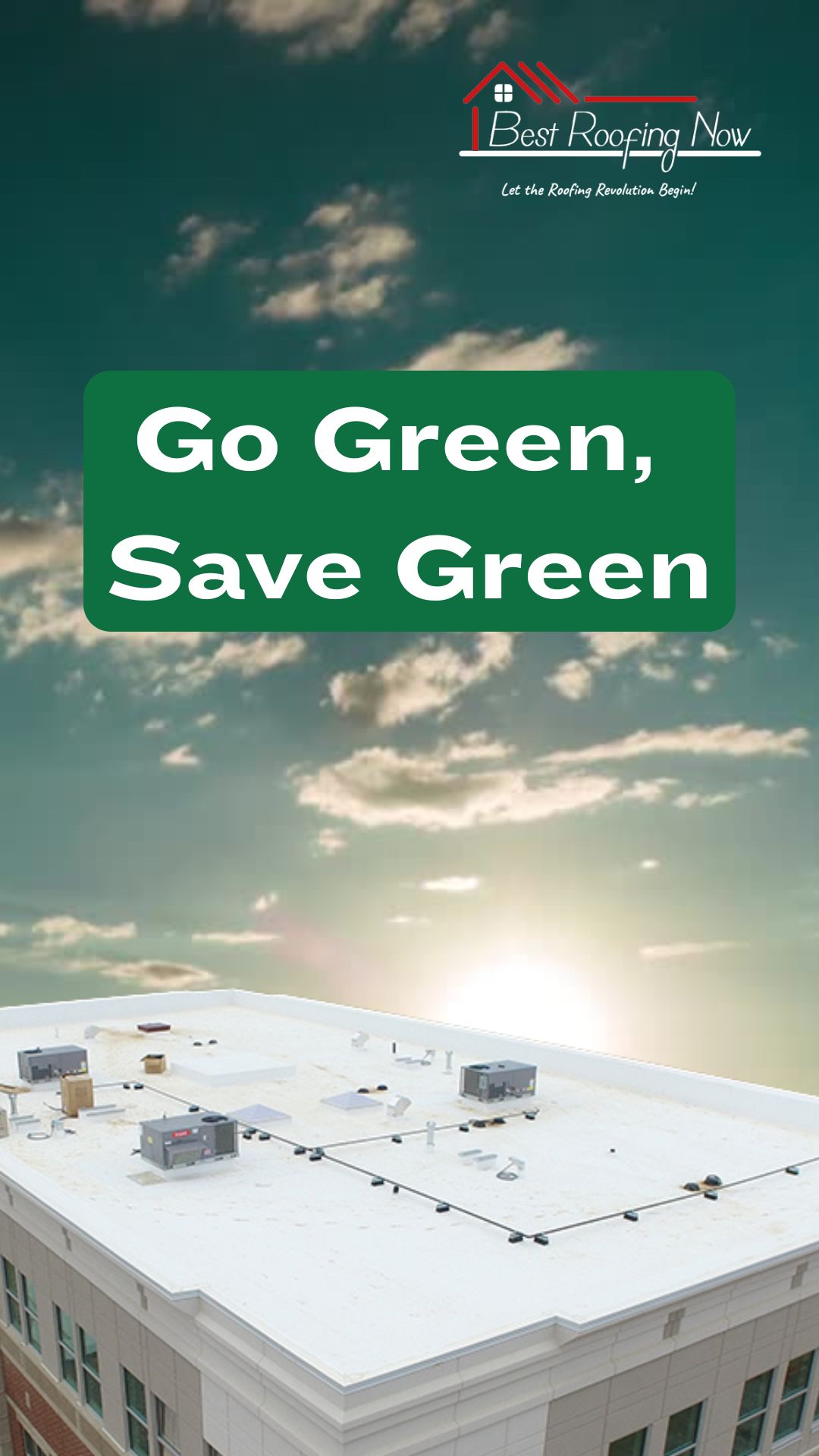
Think about wearing a black shirt versus a white shirt on a hot Charlotte summer day. The difference is real. The same principle applies to your roof, but at a scale that affects your entire operation.
The science here is straightforward. And the numbers are impressive.
During Charlotte's summer months, a traditional dark roof can reach temperatures of 150-180°F. That heat radiates down through your roof deck into your building. Your air conditioning units work harder. They run longer. They consume more electricity.
A white TPO roof typically stays 50-80 degrees cooler under the same conditions. Some installations we've done showed temperature differences of 80 degrees between the old roof and the new TPO system.
According to research from the Cool Roof Rating Council, white roofing materials can reduce cooling energy consumption by up to 20% in warm climates. Here in North Carolina, where we deal with humid summers and intense sun exposure, those savings add up fast.
The Lawrence Berkeley National Laboratory found that buildings with cool roofs experienced significant reductions in both peak cooling demand and total cooling energy use. For a 50,000 square foot warehouse in Charlotte, that translates to real money every single month.
But it's not just about reflection. TPO membranes also have excellent thermal emittance. That means they release any heat they do absorb quickly, rather than holding onto it and slowly radiating it into your building hours later.
Let's talk actual dollars. Because that's what matters when you're running a business.
We worked with a 30,000 square foot warehouse facility in Huntersville last year. They had an aging EPDM roof that was absorbing heat like crazy. Their summer cooling bills averaged $3,200 per month.
After installing white TPO roofing, their cooling costs dropped to $2,400 per month. That's $800 in savings every single month during the cooling season. Over a full year, accounting for Charlotte's extended warm weather, they saved roughly $4,800.
A retail center in Cornelius saw even better results. Their 75,000 square foot roof was costing them nearly $8,000 monthly in peak summer cooling. With TPO, they cut that down to $5,600. The difference? Over $14,000 annually back in their pocket.
The savings vary based on your building size, insulation quality, HVAC efficiency, and how your space is used. But the pattern holds consistent. Businesses see 10-30% reductions in cooling costs after switching to white TPO.

One industrial facility manager told us, "I wish we'd done this five years ago. The roof paid for itself in energy savings, and now everything we save is pure profit."
And those savings keep coming. Year after year. For the entire 15-25 year lifespan of your TPO roof.
The cooling cost savings are obvious. But there's another financial benefit that business owners often overlook.
When your roof reflects heat instead of absorbing it, your HVAC system doesn't work as hard. Units run for shorter cycles. They reach target temperatures faster. They kick on less frequently.
That reduced strain means less wear and tear on your equipment. Compressors last longer. Fan motors don't burn out as quickly. You schedule fewer emergency repair calls during the hottest weeks of summer.
We've had multiple property managers tell us their maintenance costs dropped noticeably after TPO installation. One facilities director in Charlotte said his HVAC repair budget decreased by roughly 20% over two years following a roof replacement.
The average commercial HVAC system costs $15,000-$50,000 to replace, depending on the size and complexity of your building. If a TPO roof adds even two or three extra years to that lifespan, you've just saved tens of thousands of dollars in capital expenses.
That's the kind of ROI that CFOs notice. It's not flashy. But it shows up reliably on your balance sheet.
Charlotte weather tests roofs. We get everything: intense summer sun, heavy thunderstorms, occasional ice, humidity that never quits, and temperature swings that expand and contract roofing materials year-round.
TPO roofing handles all of it remarkably well.
The material is inherently flexible, which means it expands and contracts with temperature changes without cracking. Unlike some older membrane systems, TPO doesn't become brittle over time.
Heat-welded seams create bonds that are actually stronger than the membrane itself. Water can't penetrate at the seams. Wind can't peel back sections. The roof becomes one continuous waterproof barrier.
TPO also resists:
For restaurants, automotive facilities, and industrial operations where roof exposure to chemicals is common, TPO's resistance is a huge advantage. We've seen TPO roofs on Charlotte commercial kitchens still looking great after 15 years of grease-laden exhaust fan exposure that would have destroyed other materials.
Durability matters because roof replacements are expensive and disruptive. A TPO roof that lasts 20-25 years means you're not dealing with this project again for decades.
Let's break down the investment and return in clear terms.
A typical TPO roof installation for a commercial building in Charlotte costs $4-$7 per square foot, depending on roof complexity, existing conditions, and project scope. For a 20,000 square foot building, you're looking at roughly $80,000-$140,000.
That's not pocket change. But compare it to the alternative: continuing with a failing roof, dealing with leaks, paying high cooling costs, and eventually replacing it anyway when emergency repairs are no longer enough.
Now factor in the savings:
For many Charlotte businesses, the payback period on a TPO roof is 7-12 years through energy savings alone. When you add extended HVAC life and reduced maintenance, that timeline shrinks further.
After the roof pays for itself, you're generating pure profit through reduced operating expenses for another 10-15 years.
One commercial property owner in Davidson put it this way: "I stopped thinking of it as a roofing expense. It's an energy efficiency upgrade that happens to include a new roof."
Charlotte sits in a climate zone that makes reflective roofing especially valuable.
We average 218 sunny days per year. Summer temperatures regularly hit the 90s, with heat index values pushing past 100°F during July and August. And unlike northern cities where winter is brutal, our cooling season extends from April through October.
That's seven months of the year where your roof is either fighting heat or contributing to it.
Lake Norman area facilities face additional challenges. The humidity near the water increases cooling loads. Buildings work harder to remove moisture from the air while simultaneously battling heat.
The North Carolina Building Code has increasingly emphasized energy efficiency in commercial construction. TPO roofing helps businesses meet and exceed those standards without expensive additional upgrades.
"In our climate, a white reflective roof isn't a luxury," according to the National Roofing Contractors Association. "It's a smart business decision that improves comfort and profitability."
We've installed TPO roofs from Uptown Charlotte to Cornelius, Huntersville, and Davidson. The performance is consistent across all our service areas. The buildings stay cooler. The owners save money.
Energy efficiency is the headline benefit. But TPO brings other advantages that business owners appreciate.
Faster Installation
TPO goes down quickly compared to built-up roofing systems. For businesses that can't afford extended closures or disruptions, the installation speed matters. We typically complete a commercial TPO roof in days, not weeks.
Environmentally Friendly
TPO membranes are recyclable at the end of their life. They don't contain chlorine or plasticizers that can harm the environment. For businesses working toward sustainability goals, TPO aligns with green building initiatives.
Energy Star Certification
Most white TPO roofs exceed EPA Energy Star requirements. That certification can qualify your building for tax credits, utility rebates, and LEED points if you're pursuing green building certification.

Improved Indoor Comfort
Lower roof temperatures mean more consistent indoor conditions. Hot spots near skylights or under poorly insulated areas become less extreme. Your team works in a more comfortable environment, which can improve productivity.
Fire Resistance
TPO roofs carry Class A fire ratings. For warehouses storing flammable materials or facilities in wildfire-prone areas, that fire resistance provides peace of mind and may reduce insurance costs.
No roof is maintenance-free. But TPO comes pretty close.
The smooth white surface doesn't accumulate debris the way granulated shingles do. Rain naturally washes away most dirt and pollen. Leaves and branches don't get trapped in seams because there aren't any gaps or overlaps.
We recommend annual inspections to check for any punctures from maintenance activity and to ensure drains are clear. That's about it.
Some business owners schedule a professional roof cleaning every 3-5 years to restore the bright white appearance. But that's optional. It's about aesthetics more than performance.
Compare that to built-up roofing systems that require regular patching and coating, or metal roofs that need fastener checks and rust treatment. TPO is refreshingly low-maintenance.
The heat-welded seams mean you don't have to worry about adhesive failure or mechanical fasteners backing out. The roof stays intact with minimal intervention.
TPO works best for flat and low-slope commercial roofs. If your building has a pitch of less than 2:12, TPO is likely a great fit.
It's ideal for:
TPO isn't typically used for steep-slope residential applications. For those projects, we recommend other materials better suited to higher pitches.
The best way to know if TPO makes sense for your specific building is to have someone look at your roof. We provide free consultations for commercial property owners in Charlotte and Lake Norman.
We'll assess your current roof condition, measure your building, discuss your energy costs, and show you exactly what TPO could do for your bottom line. No pressure. Just honest information so you can make the right decision for your business.
Understanding what happens during a TPO installation helps you plan appropriately.
First, we thoroughly inspect and prepare the roof deck. Any damaged sections get repaired or replaced. The surface must be clean, dry, and structurally sound.
Next, we install insulation layers if needed. Proper insulation under your TPO membrane maximizes energy efficiency. We help you determine the right R-value for Charlotte's climate.
Then comes the TPO membrane itself. We roll out the white membrane across your roof and use hot air welding to fuse the seams. Those heat-welded seams create waterproof bonds that last the life of the roof.
Finally, we install flashing around penetrations, seal all edges, and ensure proper drainage. Every detail matters because commercial roofs need to perform flawlessly.
Most commercial TPO installations take 3-7 days, depending on building size and complexity. We work efficiently to minimize disruption to your operations.
The worst time to think about your roof is when it's leaking. Emergency replacements cost more. You have fewer options. You make rushed decisions under pressure.
The best time is now. While your current roof is still functional but approaching the end of its useful life.
If your roof is 15+ years old, showing signs of wear, or costing you money in cooling bills, it's worth exploring TPO. Even if you're not ready to replace immediately, knowing your options and timeline helps you budget and plan.
We've worked with Charlotte business owners to time roof replacements around slow seasons, budget cycles, and expansion plans. A little advance planning makes the whole process smoother and more cost-effective.
Every month you wait is another month of high cooling bills and HVAC strain. Summer is coming, and Charlotte's heat doesn't mess around.
TPO roofing pays for itself through energy savings. It protects your building for decades. It improves your operations and your bottom line.
We've installed TPO roofs for businesses across Charlotte, Huntersville, Cornelius, and Davidson. We know commercial roofing. We understand the local climate. And we deliver installations that perform year after year.
Ready to see what TPO could do for your building? Let's talk. We offer free consultations and energy analysis for commercial property owners throughout the Charlotte and Lake Norman areas.
Call us for a free commercial roofing consultation. We'll assess your building, show you real numbers on energy savings, and help you make the smart decision for your business. Visit bestroofingnow.com or reach out today.
Your roof should work for you, not against you. Let's make that happen. ✅
Best Roofing Now
Charlotte's trusted roofing experts since 2019
Based on this article, you may be interested in these services.
We proudly serve these Charlotte-area communities with professional roofing services.
View All Service Areas →See our recent roofing work across the Charlotte metro area.
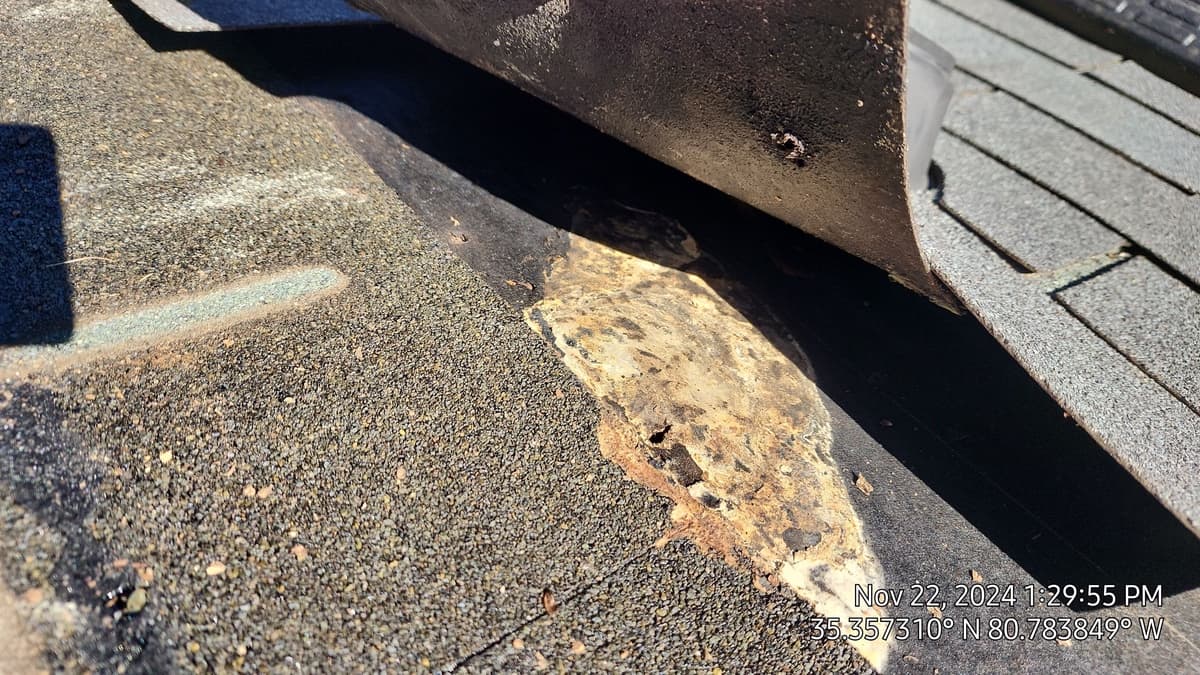
Charlotte, NC
new roof
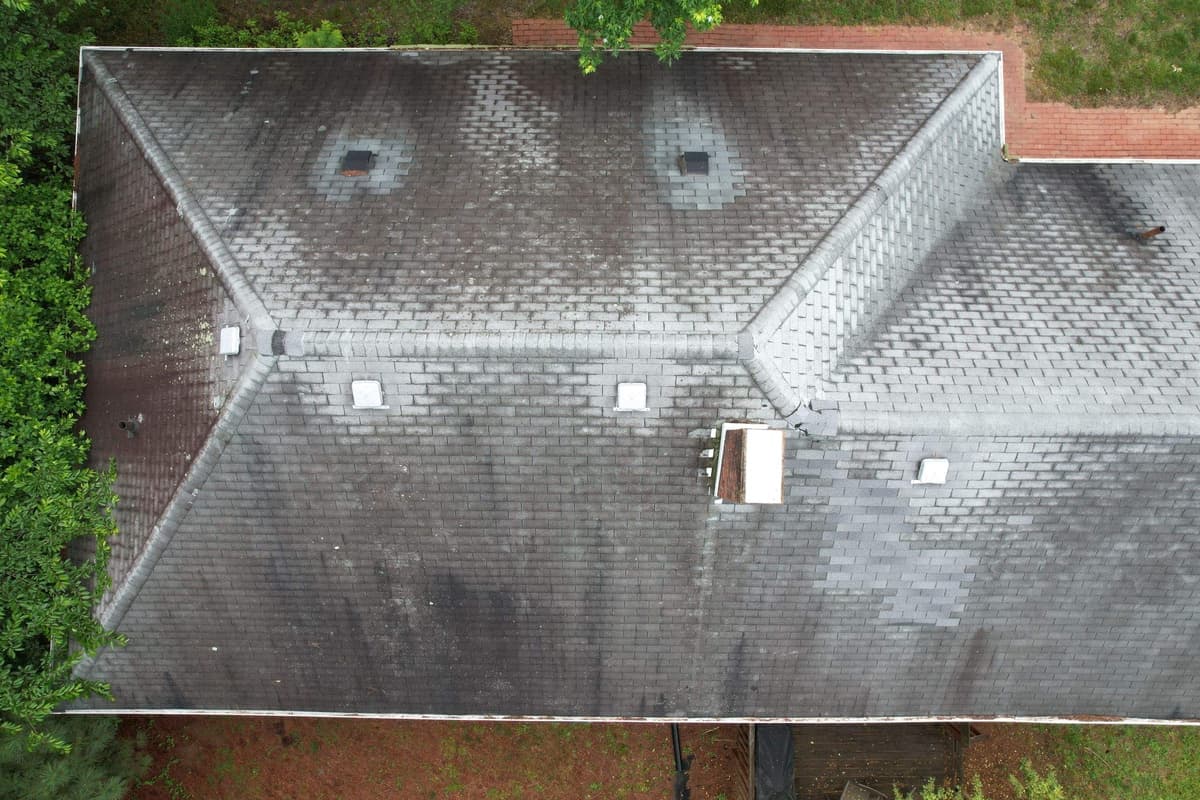
Charlotte, NC
new roof
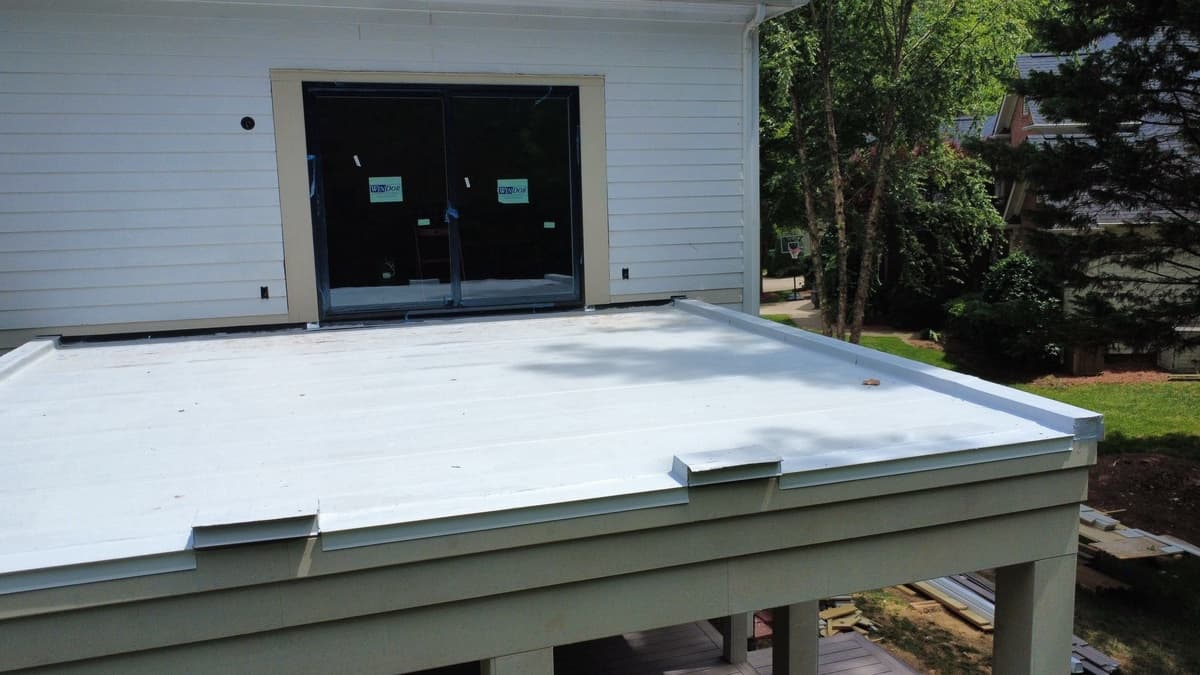
Charlotte, NC
completed exterior
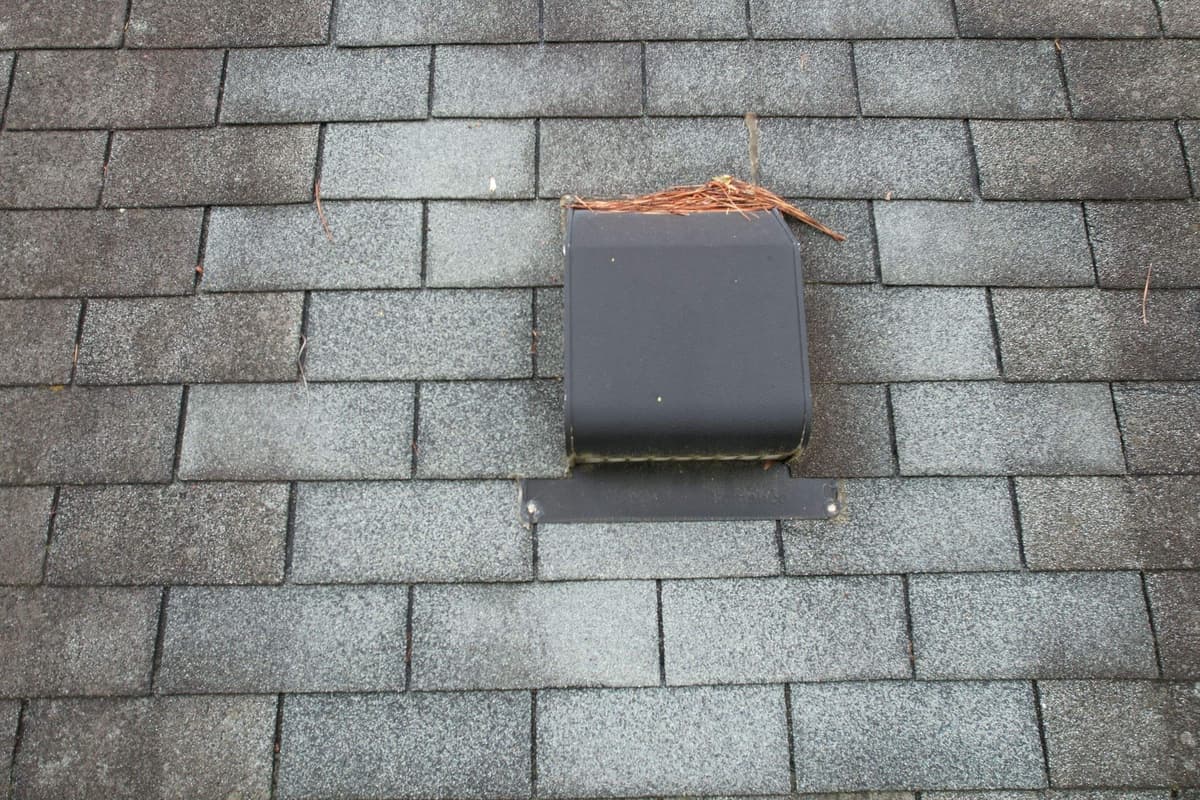
Charlotte, NC
new roof
Get a free roof inspection and honest assessment from Charlotte's most trusted roofing company.


