
Roofing Tips & Guides
Expert Roofing Advice for Charlotte Homeowners
Learn from Charlotte's trusted roofing experts. Tips on maintenance, repair, replacement, and protecting your home from the elements.
Leak or wind damage from Isaias? 24/7 emergency tarping, free storm-damage inspections and insurance-claim help.
Learn from Charlotte's trusted roofing experts. Tips on maintenance, repair, replacement, and protecting your home from the elements.
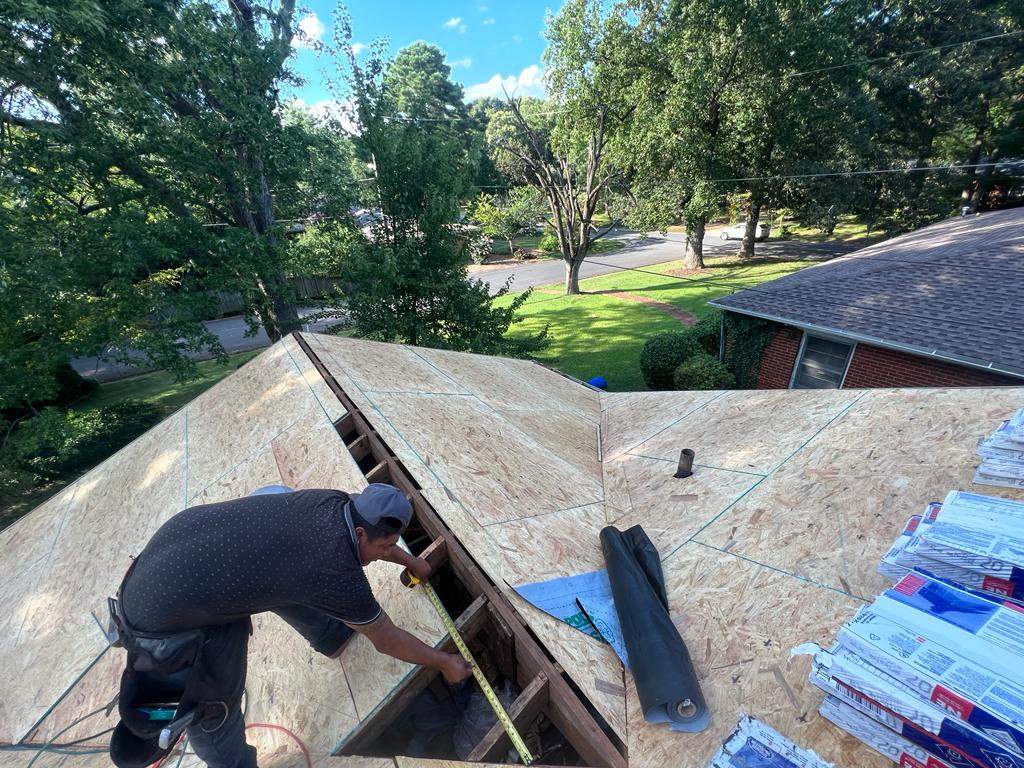
A roof estimate is more than a price. It is a plan for how the contractor will protect your home, manage hidden damage, and stand behind the finished work.
That matters in Charlotte, where a roof may face summer heat, heavy rain, thunderstorms, and strong winds. Whether you own a home in Myers Park or manage a property near Lake Norman, a clear estimate helps you compare the work, not just the total.
Below, we explain common estimate lines, realistic 2026 planning ranges, and questions to ask before signing. These are local budgeting ranges, not a quote for your home. Your actual price depends on measured roof area, slope, access, materials, and the condition of the roof deck.
A 2,000–2,500-square-foot home does not always have a 2,000–2,500-square-foot roof. The home size usually describes its living area. Roof area changes with slope, overhangs, dormers, hips, and valleys.
Roofers measure in squares. One roofing square covers 100 square feet. A home in this size range may have about 22–32 roof squares, but only a roof measurement can establish the actual amount.
Ask each contractor for the measured roof area and the waste amount added for cuts. A sound estimate should show how the contractor got those numbers. A “ballpark” quote that skips measurement can look appealing, but it may change once the crew measures, or opens, the roof.
“Clearly written, detailed proposals are a good sign the contractor is being thorough and has prepared an accurate estimate.”- National Roofing Contractors Association (NRCA)
For a typical 2,000–2,500-square-foot home with an asphalt-shingle roof, one layer to remove, and no major deck damage, a reasonable planning range is about $10,000–$22,000.
Steep slopes, complex roof shapes, several layers, extensive flashing, or widespread deck damage can raise the total to $14,000–$28,000 or more. These broad ranges reflect different roof sizes and scopes. They are not a promise that every item below will be charged separately.
| Estimate item | Planning range for a typical project | What to check |
|---|---|---|
| Tear-off and disposal | $2,600–$7,400 | Number of layers, hauling, cleanup, and nail sweep |
| Decking repair | $64–$160 per 4-by-8-foot sheet | Included allowance and added-sheet price |
| Underlayment | $770–$2,080 | Product type and full roof coverage |
| Ice and water shield | $250–$1,100 | Locations and measured amount |
| Drip edge | $400–$1,200 | Whether eaves and rakes are included |
| Flashing | $500–$2,500 | Which metal pieces will be replaced |
| Ventilation improvements | $250–$1,200 | Whether intake air is addressed |
| Ridge vent | $300–$960 | Length, product, and intake balance |
| Pipe boots | $75–$480 | Number of plumbing pipes and new boots |
| Labor and crew | Often included in total | Whether the price is a complete installed price |
| Permit or local review | $0–$250 as a placeholder | Confirm with the local authority |
| Warranty upgrades | $0–$2,000 as a planning allowance | Exact coverage, term, and price |
The line-item figures are useful for comparing scope. Do not simply add every high and low number together. Contractors often bundle labor, tear-off, disposal, and installation into a single price. Ask whether each line is included in the total or added on top.
This line covers removing old shingles and underlayment, hauling the debris away, and cleaning the work area. Ask how many existing roof layers the bid assumes. Removing two layers usually costs more than removing one.
The written scope should say whether the crew will remove roofing down to the deck, protect the home and landscaping, haul debris, and use a magnetic tool to collect stray nails. “Removal included” is not very clear unless it explains what removal means.
The roof deck is the wood surface beneath the roofing. Once the old shingles come off, the crew can see if any sections are soft, split, or rotten.
A bid might include a small allowance, such as four sheets, then charge a set amount for each extra 4-by-8-foot sheet. Ask for that unit price before work starts. Also ask the contractor to take photos and get your approval before replacing more than the agreed allowance.
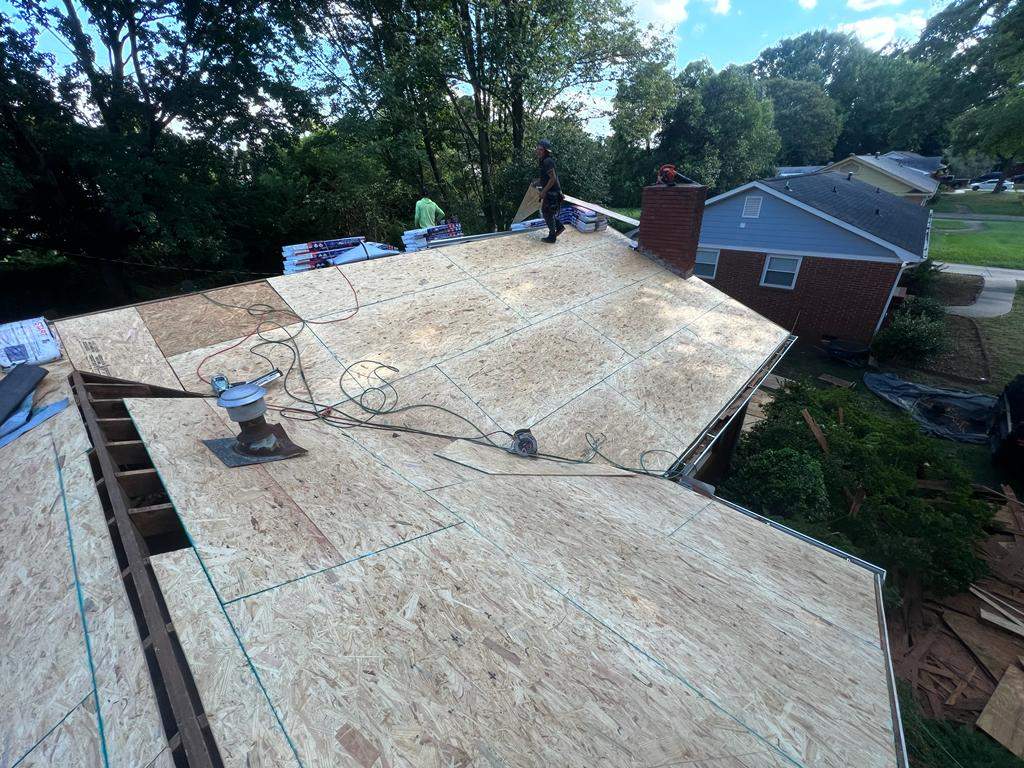
Underlayment is a protective layer placed over the deck and beneath the shingles. The estimate should name the product and say where it will go.
Ice and water shield is a sticky, waterproof layer that seals around nails. It is often used in areas that need extra leak protection, such as eaves, valleys, and places where the roof meets a wall. Ask which areas are included and how much material the estimate covers.
GAF explains its WeatherWatch leak barrier as a self-sealing underlayment for roof areas such as eaves, valleys, chimneys, and skylights. The right layout depends on the roof, product instructions, and applicable code.
Drip edge is metal installed along the roof’s edges. It helps guide water away from the roof deck and into the gutter. Check that the bid covers both eaves (the lower edges) and rakes (the sloped edges), not just one side.
Flashing is metal that helps keep water out where the roof meets a wall, chimney, valley, or pipe. “Flashing included” can mean different things from one bid to another.
Ask whether the price includes new step flashing at walls, chimney flashing, valley metal, and any needed kick-out flashing. If the contractor plans to reuse any old flashing, ask which pieces and why. The estimate should say so in writing.
Roof ventilation helps move air through the attic. The estimate should state what the contractor found and what changes, if any, they recommend.
A ridge vent runs along the peak of a roof and lets warm air escape near the top. But a ridge vent cannot do its job well without enough air coming in lower down, often through soffits. Ask how the plan balances intake and exhaust air. The NRCA ventilation guidance recommends considering the ventilation system as a whole, not just adding an exhaust vent.
Pipe boots are seals around plumbing pipes that pass through the roof. A bid should list how many there are and whether the crew will install new boots. These parts age in the sun and may crack, so “replace damaged boots” is less specific than naming the quantity and plan.
Some estimates show labor as its own line. Others include it in an installed roof price. Either format can work, as long as you know what the total covers.
Check that the price includes the crew’s installation work, site protection, debris removal, final cleanup, and nail sweep. Ask who will supervise the job and how the contractor will share progress updates. No mystery math.
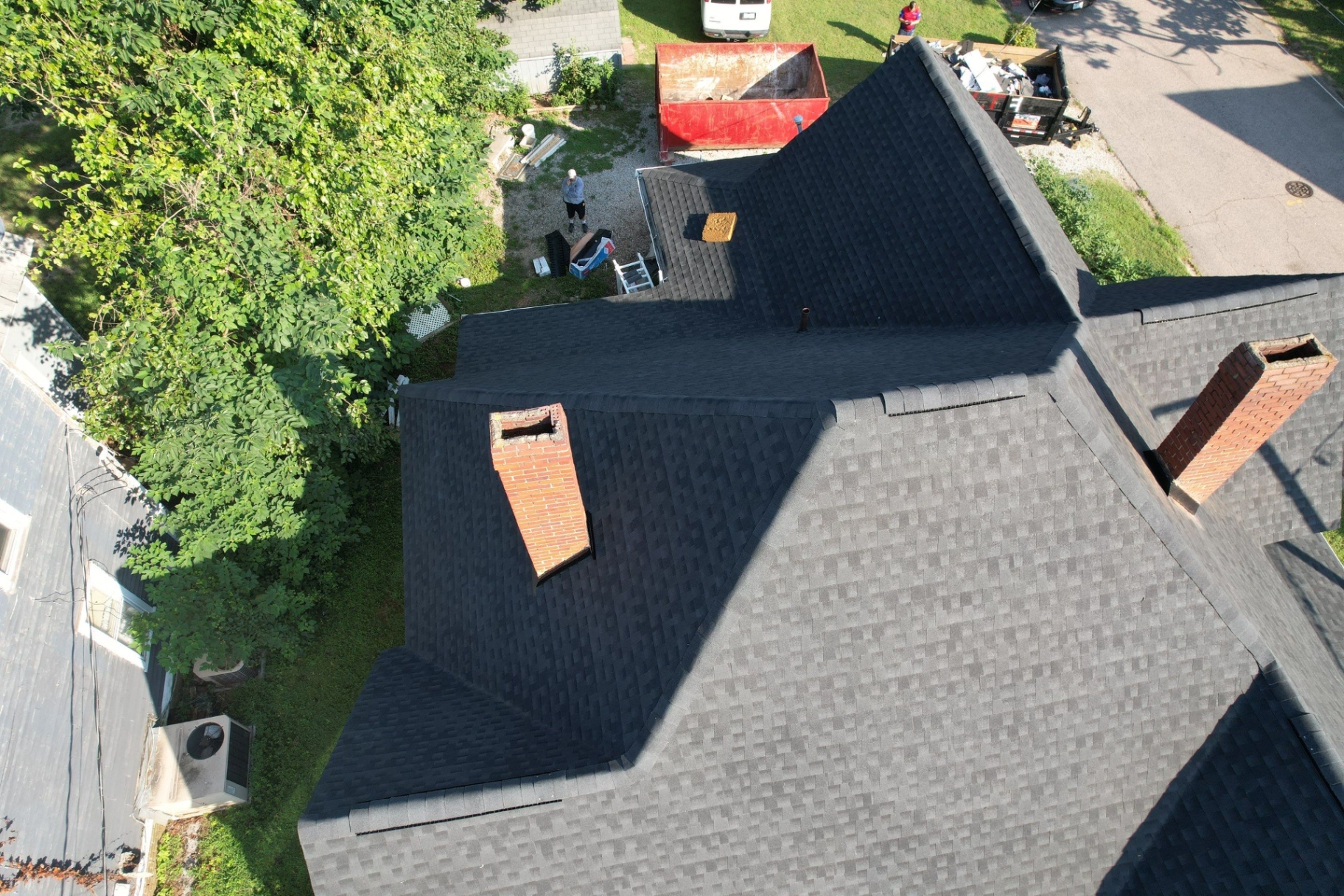
Permit rules can depend on the work and the local jurisdiction. North Carolina law includes an exemption for some qualifying replacement work, but work involving load-bearing structures and other exceptions may require a permit. Review North Carolina General Statute 160D-1110 and confirm the requirements with the office that serves your property.
Charlotte, Mecklenburg County, and Lake Norman communities may have different processes. Ask the contractor who will check the local rules and handle any required permit or inspection. Do not assume a permit is needed, or that it is not, based on a neighbor’s project.
A roof may come with a manufacturer’s warranty for materials and a separate contractor warranty for installation work. They are not the same. Ask for both documents, including coverage limits, exclusions, and what could void the warranty.
Some manufacturers offer enhanced coverage when the roof uses certain products and is installed by a qualified contractor. Ask what products and installation steps the upgrade requires, and what it costs. Best Roofing Now offers lifetime warranties on qualifying work; the exact terms depend on the written scope and warranty.
“The warranty should contain what items are covered and what will void them.”- NRCA consumer resources
A common surprise comes after tear-off, when the crew finds damaged decking that could not be seen before the old roof came off. That can be a real issue, not automatically a trick, but the estimate should explain what happens next.
Look for a written change-order process. It should set the price per added sheet or other extra work, require photos, and explain how the contractor gets your approval before proceeding. Emergency steps to keep water out may need quick action. Even then, ask the contractor to document what they did and why.
A low bid can also turn into a change order when it left out work other bids included. If one price does not mention flashing, disposal, or ridge ventilation, ask whether those items are included before you compare totals.
A measured estimate gives both sides a shared starting point: roof area, roof slope, material amount, waste, and the work included. Satellite measurements can help, but the contractor should verify the details on site. Roof shape and access can affect both material needs and labor.
A ballpark estimate may use home size or a quick visual guess instead. That is not enough to prove the bid is wrong, but it does make comparisons harder. Ask for the roof’s square count and the assumptions behind the price.
Charlotte roofs with steep slopes or many dormers and valleys take more care to work on. A steep roof may require added safety steps and more labor. Lakefront homes around Lake Norman can also have roof shapes, access limits, and storm exposure that affect the scope. The lakefront address alone does not set the price; the roof and job site do.
If a storm damaged your roof, compare the contractor’s scope with the insurance estimate. Ask whether the documents address:
A roofer can help explain the work and provide documentation. The insurance company decides what the policy covers.
Use these questions when comparing bids:
Clear answers help homeowners, property managers, and realtors judge what each price actually buys. When you compare roofing in Charlotte NC, use the same scope, measurements, and materials for each bid.
For a roof inspection Charlotte homeowners can use to plan repairs or replacement, ask for photos and plain-language findings. Regular roof maintenance Charlotte NC property owners schedule can catch small issues early. And before storm season, a storm prep roof check can flag loose flashing, clogged drainage, or visible damage. That is useful whether you are in the city or working with Lake Norman roofers.
Learn more about our local services in Charlotte, or view Charlotte on Google Maps. The NRCA guide to choosing a contractor is another useful resource for comparing written proposals.
A strong estimate does not promise that nothing unexpected will happen. It shows what the contractor knows now, what could change, and how both sides will handle it. That clarity helps you invest in a roof built to protect what comes next.
Schedule a free roof inspection with Best Roofing Now to get a clear assessment and next steps for your roof.
{“@graph”:[{“@type”:”Article”,”author”:{“url”:”https://bestroofingnow.com”,”name”:”Best Roofing Now”,”@type”:”Organization”},”headline”:”How to Read a Roof Replacement Estimate in Charlotte: A Line-by-Line Cost Breakdown for 2026″,”publisher”:{“url”:”https://bestroofingnow.com”,”name”:”Best Roofing Now”,”@type”:”Organization”},”inLanguage”:”en”,”description”:”A practical guide to reading and comparing roof replacement estimates in Charlotte and Lake Norman, including 2026 price ranges, hidden costs, warranties, and insurance claim items.”,”datePublished”:”2026-10-12″},{“@type”:”FAQPage”,”mainEntity”:[{“name”:”How much does a roof replacement cost in Charlotte in 2026?”,”@type”:”Question”,”acceptedAnswer”:{“text”:”A typical 2,000–2,500-square-foot home with an asphalt-shingle roof, one layer to remove, and no major deck damage may budget about $10,000–$22,000. Steep slopes, complex roof shapes, several layers, or extensive repairs can raise the price to $14,000–$28,000 or more.”,”@type”:”Answer”}},{“name”:”What should a roof replacement estimate include?”,”@type”:”Question”,”acceptedAnswer”:{“text”:”A clear estimate should identify roof measurements, tear-off and disposal, decking allowances and unit prices, underlayment, ice and water shield locations, drip edge, flashing, ventilation, pipe boots, labor, cleanup, applicable permit responsibilities, and warranty terms.”,”@type”:”Answer”}},{“name”:”Why can a roof replacement quote change after work begins?”,”@type”:”Question”,”acceptedAnswer”:{“text”:”Tear-off can expose damaged decking that was hidden by the old roof. The contract should state the price for extra work, require photos, and explain how the contractor will get approval before proceeding.”,”@type”:”Answer”}}]}],”@context”:”https://schema.org”}
Best Roofing Now
Charlotte's trusted roofing experts since 2019
Based on this article, you may be interested in these services.
We proudly serve these Charlotte-area communities with professional roofing services.
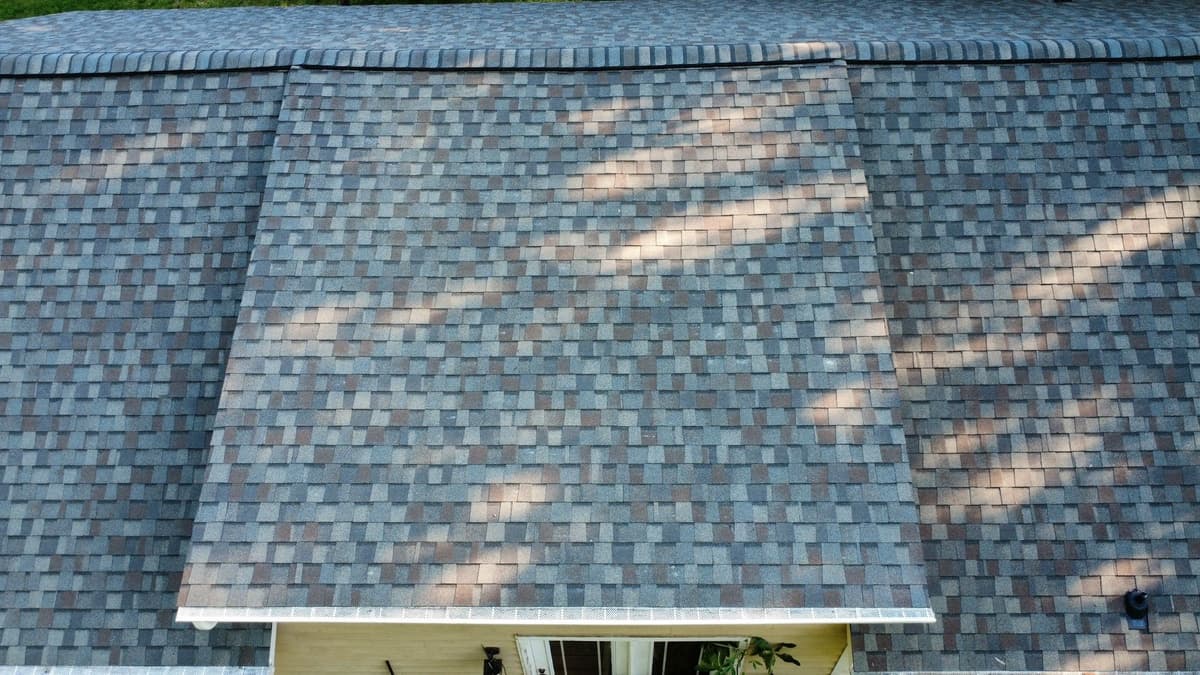
View All Service Areas →See our recent roofing work across the Charlotte metro area.
Charlotte, NC
repair
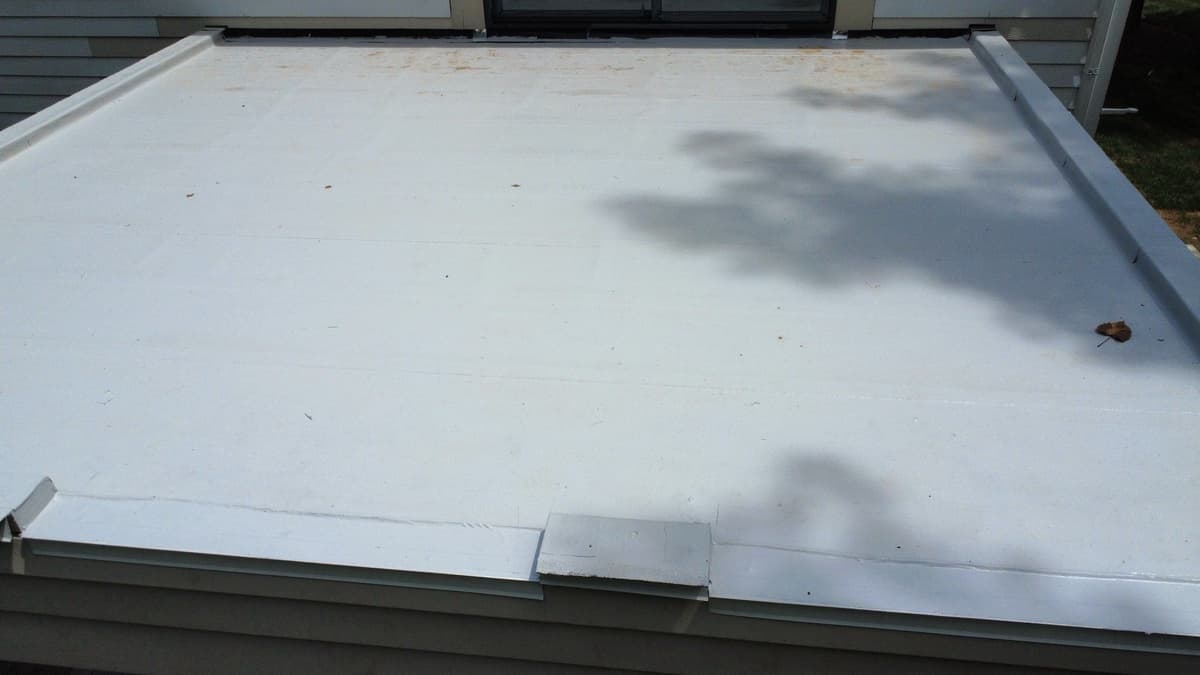
Charlotte, NC
work in progress
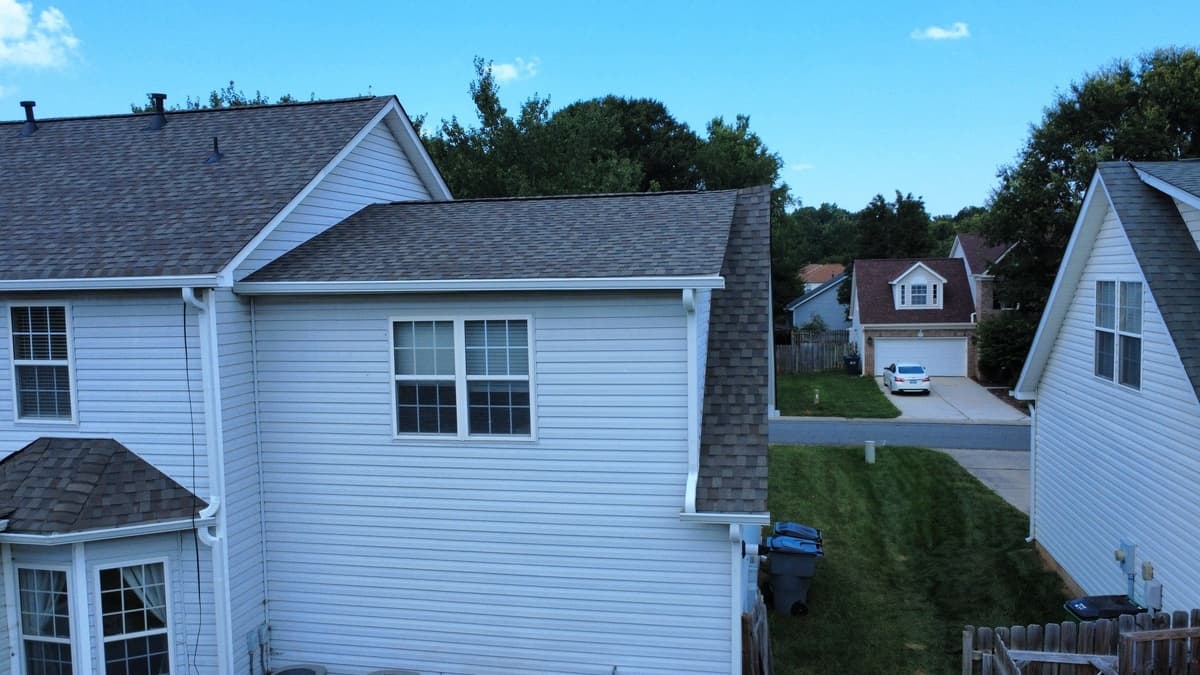
Charlotte, NC
new roof
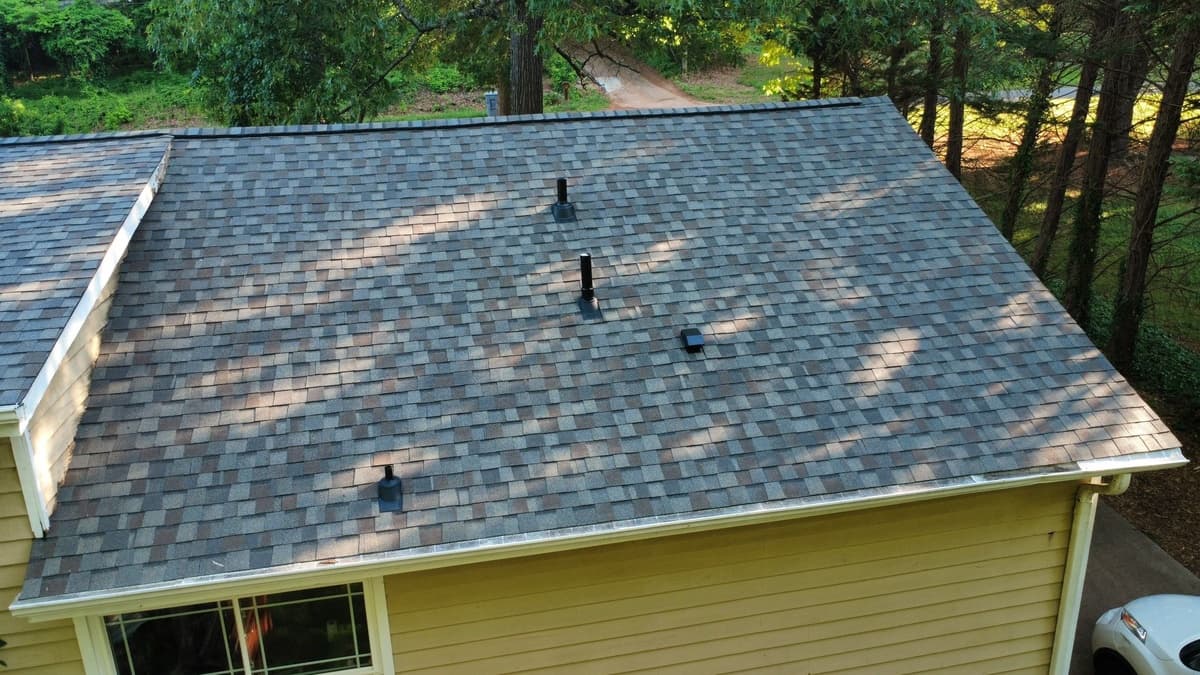
Charlotte, NC
storm damage
Get a free roof inspection and honest assessment from Charlotte's most trusted roofing company.


