
Roofing Tips & Guides
Expert Roofing Advice for Charlotte Homeowners
Learn from Charlotte's trusted roofing experts. Tips on maintenance, repair, replacement, and protecting your home from the elements.
Leak or wind damage from Isaias? 24/7 emergency tarping, free storm-damage inspections and insurance-claim help.
Learn from Charlotte's trusted roofing experts. Tips on maintenance, repair, replacement, and protecting your home from the elements.
Fall is the best time to prepare your roof for winter in Charlotte and Lake Norman.
Our area has a humid subtropical climate. Heat, moisture, storms, and falling leaves all test your roof. Atlantic hurricane remnants often reach the Carolinas from August through October. These systems can bring 40–60 mph winds and heavy rain.
Then winter brings a different risk. From December through February, freeze-thaw cycles can open small cracks in sealants and loosen flashing. Charlotte also saw historic snowfall in January 2026. That storm delivered about 11 inches at Charlotte Douglas International Airport, according to National Weather Service records.
That is why fall roof maintenance matters more than ever.
Fall is usually the cheapest time to deal with roof problems. A small repair in October often costs far less than an emergency leak visit in January. Emergency calls take more time, more labor, and sometimes temporary tarping too.
It is also one of the best seasons for asphalt shingle repairs. In many cases, shingles seal better when daytime temperatures stay between about 40°F and 85°F. That helps new shingles lay flat and bond the way they should.
And there is a timing advantage. If you book before the first hard cold snap or first winter storm watch, you can often get shorter wait times. Once leaks start popping up across Charlotte and Lake Norman, contractor schedules fill fast.
A small repair now can also prevent a much bigger insurance claim later. A loose shingle or open flashing joint may not seem urgent today. But one freeze, one windy storm, or one long cold rain can turn it into soaked decking, stained ceilings, and insulation damage.
Use this 10-step checklist now. It separates safe homeowner tasks from work that needs a trained roofing professional.
Use September to find problems. Book needed repairs by October, when daytime temperatures often remain between 40°F and 85°F. This range helps asphalt shingles bond during installation.
Schedule your pre-winter roof inspection by December 1. Do not wait for the first freezing rain event.
As GAF explains, “In cold weather, for easiest handling, temperatures should be above 40° F.” Below that point, installers may need to hand-seal shingles. Always follow the instructions for your specific shingle product.
Charlotte sits in a busy weather region. Heavy rain, straight-line winds, hail, and tropical remnants can all damage roofing materials.
NOAA’s Storm Events Database records reported hail events by county. Compiled NOAA data show about 246 reported hail events in Mecklenburg County from 1955 through 2025. The largest recorded hail reached three inches.
These records do not capture every small or unreported hail event. Still, they show why hail deserves attention during a roof inspection. Hail can remove shingle granules and bruise the hidden fiberglass mat.
The National Weather Service advises, “When severe thunderstorms threaten, go to a small interior room on the lowest floor of your home.” Stay inside during the storm. Inspect the roof only after conditions are safe.

Needs a pro.
A complete roof inspection should cover more than visible shingles. Ask the inspector to check:
A roof inspection in Charlotte should also consider damage from summer storms and tropical remnants. Loose flashing may not leak today. Heavy rain or freeze-thaw weather can expose it later.
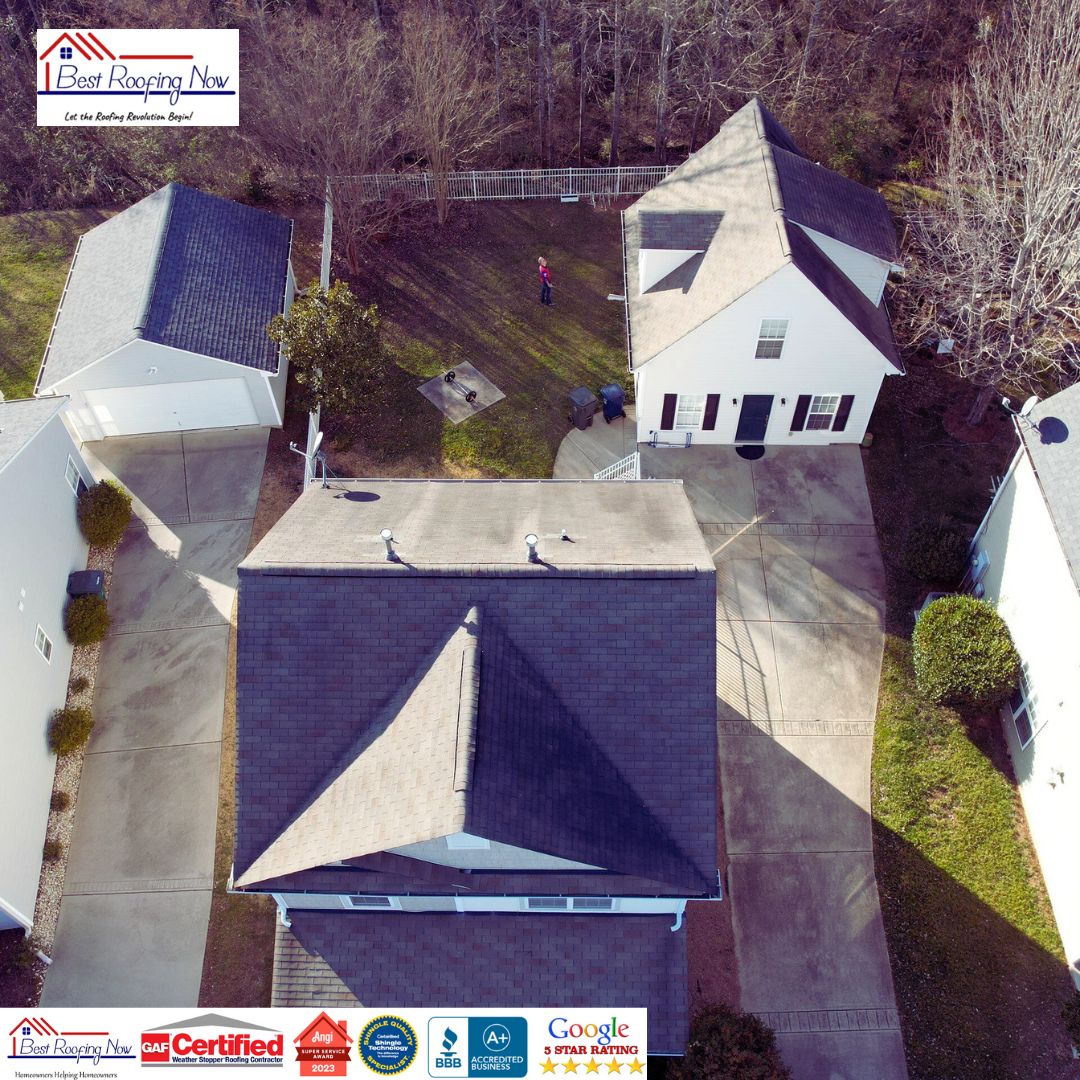
A professional can also use drone photos when walking the roof would create a safety risk.
After the inspection, ask for a written summary and clear photos of any problem areas. Also ask what needs attention now, what can likely wait until spring, and what to watch if you decide to delay a repair.
Safe for many homeowners, with care.
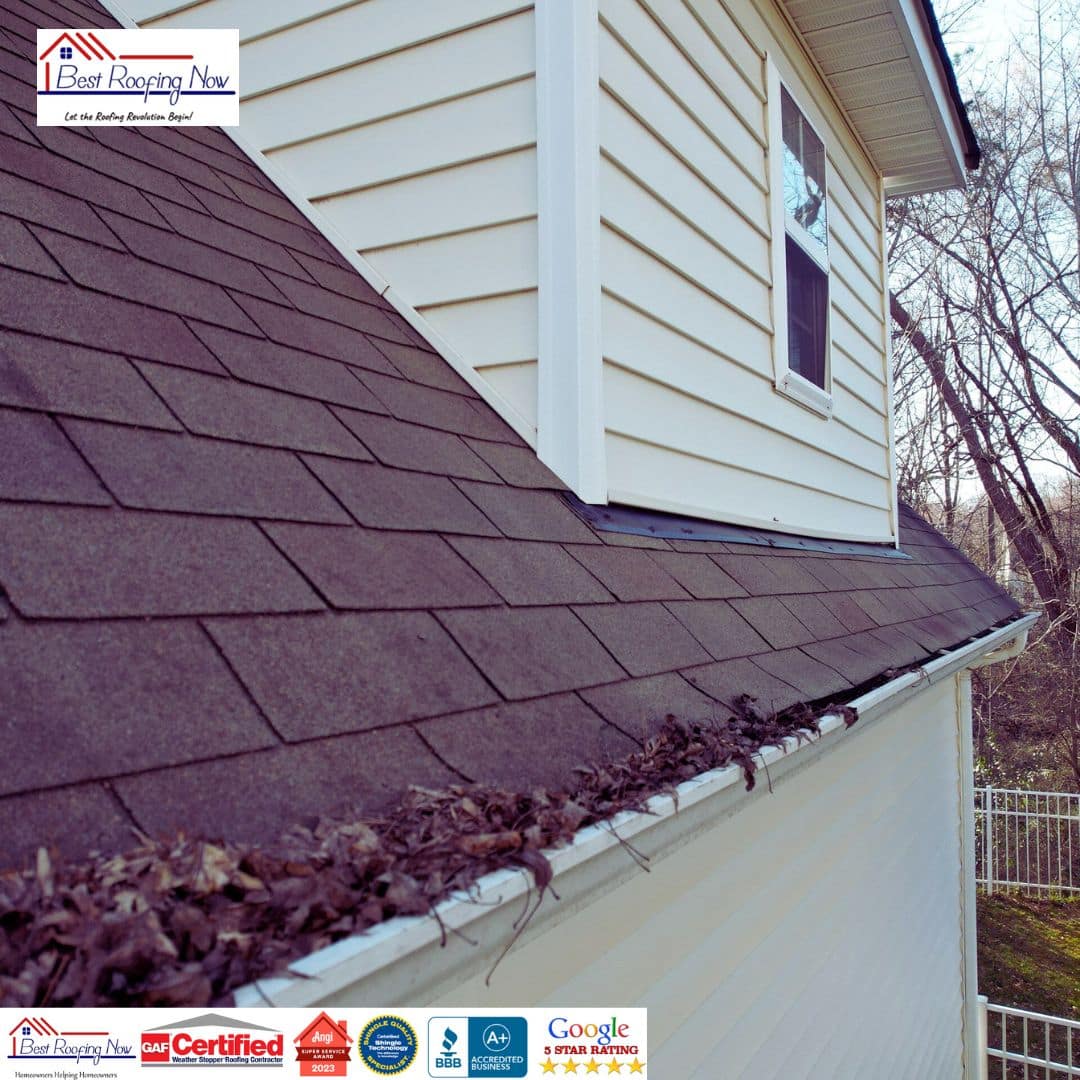
Leaves and pine needles collect quickly during a Charlotte fall. Clogged gutters can force water under shingles or behind fascia boards. They can also add weight to the gutter system.
Use a stable ladder on level ground. Wear gloves and remove leaves by hand. Then flush each downspout with a hose.
Check that downspouts move water at least four feet away from the foundation. Never lean too far from a ladder. If the roof is steep, the ladder is unstable, or you have health concerns, hire a professional.
Ground-level check is safe. Repairs need a pro.
After cleaning, look for:
Do not climb onto the roof to adjust gutter hangers. A gutter that looks small may connect to damaged fascia. A professional can check the support behind it.
Small branch trimming may be DIY. Large trees need an arborist.
Branches can scrape shingles and drop leaves into valleys. During 40–60 mph winds, dead limbs can become roof-damaging projectiles.
Trim small branches that touch or overhang the roof, but stay on the ground. Keep tools away from power lines. Hire an arborist for large limbs, tall trees, or branches near electrical service.
Do not remove a large branch from the roof yourself after a storm. It may be holding unstable material in place.
Safe for homeowners with binoculars.
Never walk on your roof for a routine check. Asphalt shingles become slippery when wet. Foot traffic can also remove granules or crack older shingles.
From the ground, look for:
Take dated photos from several sides of the home. Compare them with older photos if you have them.
Safe for homeowners.
Granules are the small, sand-like pieces on asphalt shingles. They protect the shingle surface from sunlight and weather.
A small amount of granule loss can occur on newer roofs. A heavy buildup may point to aging shingles or recent hail damage.
Check the bottom of downspouts after cleaning. Look for dark piles of granules. Also inspect gutters after any hailstorm. Granule loss alone does not prove an insurance claim, but it is a good reason to schedule a roof inspection.
Safe for homeowners when conditions are safe.
Visit your attic during daylight hours. Use a flashlight and watch where you step. Step only on the floor joists or installed walkways, not on the ceiling drywall.
Look for:
Small openings may not leak during every storm. Water can travel along rafters before appearing inside your home.
If you see daylight, active moisture, or mold, do not patch the area from inside. Call a roofing professional.
Needs a pro.
Flashing directs water around roof transitions. It appears around chimneys, walls, skylights, vents, and other openings.
Ask a roofer to look for:
Flashing repairs often look simple from the ground. The correct repair may require removing shingles, checking the underlayment, and rebuilding the water path.
Adding caulk over old, failed sealant may only delay the leak. Sometimes. Not always.
Needs a pro.
A missing shingle leaves the roof deck exposed to rain and sunlight. A cracked shingle can also allow water below the surface.
A professional should check whether nearby shingles lost their wind seal. This matters after tropical remnants, hail, or strong thunderstorms.
Fall is a good repair season because temperatures often support shingle adhesion. But the exact installation rules depend on the manufacturer and product. A roofer should follow the shingle instructions and use approved sealants.
Do not nail replacement shingles over wet decking. The roof must be dry and the surrounding materials must remain sound.
Needs a pro.
Good insulation slows heat movement from your living space into the attic. Proper ventilation helps release heat and moisture.
Together, they can reduce condensation and help limit freeze-thaw problems. They also support more even roof temperatures.
Ask a professional to check:
Do not block soffit vents with insulation. Do not add powered attic fans without reviewing the whole ventilation system. Poorly balanced ventilation can create new problems.
We do not recommend it. Roofs can be slick even when they look dry, and foot traffic can damage older shingles. A ground check with binoculars is safer for most homeowners.
Many reputable Charlotte roofers, including Best Roofing Now, offer free roof inspections. That gives you a chance to catch small issues before winter without paying for an initial check.
Not always. A small amount of granules can be normal, especially on newer asphalt shingles. But if you see heavy buildup, dark piles after a storm, or bare-looking shingle spots, book an inspection soon.
Check your home from the ground after any storm with hail, heavy rain, fallen limbs, or winds above about 50–60 mph. Tropical remnants deserve special attention because they can bring long periods of wind and rain.
Look for shingles in the yard, damaged gutters, dents in metal vents, and ceiling stains. Take photos before moving debris or making permanent repairs.
If water is entering your home, place buckets under the leak and move valuables away. Do not climb onto the roof. Contact a qualified roofer for emergency protection and a complete inspection.
When comparing lake norman roofers, ask whether the company provides written findings and photos. Verify insurance, credentials, and local references. Avoid anyone who pressures you to sign immediately after a storm.
For more background, review Best Roofing Now’s roof maintenance FAQ.
Homes near mature trees, lakes, and wooded neighborhoods can face extra leaf and branch debris. Heavy rain can also expose drainage problems around valleys and low roof sections.
For local reference, see roofing resources for Charlotte, view Charlotte on a map, and view Lake Norman on a map.
Fall maintenance is not about making your roof look perfect. It is about finding small weaknesses while repairs remain simple.
Schedule your pre-winter roof inspection by December 1, before freeze-thaw weather arrives.
{“@graph”:[{“@type”:”Article”,”image”:[“https://cdn.marblism.com/-SkYi2KpzwC.jpg”,”https://cdn.marblism.com/FGBEKaCDw8K.png”,”https://cdn.marblism.com/ZATXzuMLY3n.jpg”],”author”:{“url”:”https://www.bestroofingnow.com”,”name”:”Best Roofing Now”,”@type”:”Organization”},”headline”:”Fall Roof Maintenance for Charlotte & Lake Norman: The 10-Step Pre-Winter Checklist”,”publisher”:{“url”:”https://www.bestroofingnow.com”,”logo”:{“url”:”https://cdn.marblism.com/PA-ajBqALR6.png”,”@type”:”ImageObject”},”name”:”Best Roofing Now”,”@type”:”Organization”},”description”:”A practical 10-step fall roof maintenance checklist for homeowners in Charlotte and Lake Norman, including safe DIY tasks, professional repairs, storm preparation, hail risks, gutters, flashing, and attic ventilation.”,”dateModified”:”2026-09-07″,”datePublished”:”2026-09-07″,”mainEntityOfPage”:{“url”:”https://www.bestroofingnow.com”,”@type”:”WebPage”}},{“name”:”10-Step Fall Roof Maintenance Checklist for Charlotte and Lake Norman”,”step”:[{“name”:”Schedule a professional roof inspection”,”text”:”Book a complete roof inspection by December 1, including shingles, flashing, gutters, attic moisture, insulation, and ventilation.”,”@type”:”HowToStep”,”position”:1},{“name”:”Clean gutters and downspouts”,”text”:”Remove leaves and debris from gutters and flush downspouts, using safe ladder practices.”,”@type”:”HowToStep”,”position”:2},{“name”:”Check gutters for damage”,”text”:”Look for sagging, rust, loose fasteners, split seams, and water stains on fascia boards.”,”@type”:”HowToStep”,”position”:3},{“name”:”Trim branches near the roof”,”text”:”Trim small branches from the ground and hire an arborist for large limbs or trees near power lines.”,”@type”:”HowToStep”,”position”:4},{“name”:”Inspect shingles from the ground”,”text”:”Use binoculars to look for missing, cracked, curled, buckled, or loose shingles.”,”@type”:”HowToStep”,”position”:5},{“name”:”Look for granules in gutters”,”text”:”Check gutters and downspouts for heavy granule buildup that may indicate shingle wear or hail damage.”,”@type”:”HowToStep”,”position”:6},{“name”:”Check the attic”,”text”:”Look for daylight, stains, damp insulation, mold, condensation, rusted nails, and musty odors.”,”@type”:”HowToStep”,”position”:7},{“name”:”Have flashing checked”,”text”:”Ask a roofing professional to inspect flashing and sealants around chimneys, walls, vents, skylights, and pipe boots.”,”@type”:”HowToStep”,”position”:8},{“name”:”Replace damaged shingles”,”text”:”Have missing, cracked, or wind-damaged shingles replaced by a professional using the manufacturer’s installation instructions.”,”@type”:”HowToStep”,”position”:9},{“name”:”Assess attic insulation and ventilation”,”text”:”Have a professional evaluate insulation, soffit vents, ridge vents, air leaks, and moisture control before winter.”,”@type”:”HowToStep”,”position”:10}],”@type”:”HowTo”,”totalTime”:”P30D”,”description”:”How to prepare a residential roof for winter weather, freeze-thaw cycles, heavy rain, hail, and wind.”}],”@context”:”https://schema.org”}
Best Roofing Now
Charlotte's trusted roofing experts since 2019
Based on this article, you may be interested in these services.
We proudly serve these Charlotte-area communities with professional roofing services.
View All Service Areas →See our recent roofing work across the Charlotte metro area.
Charlotte, NC
new roof
Charlotte, NC
new roof
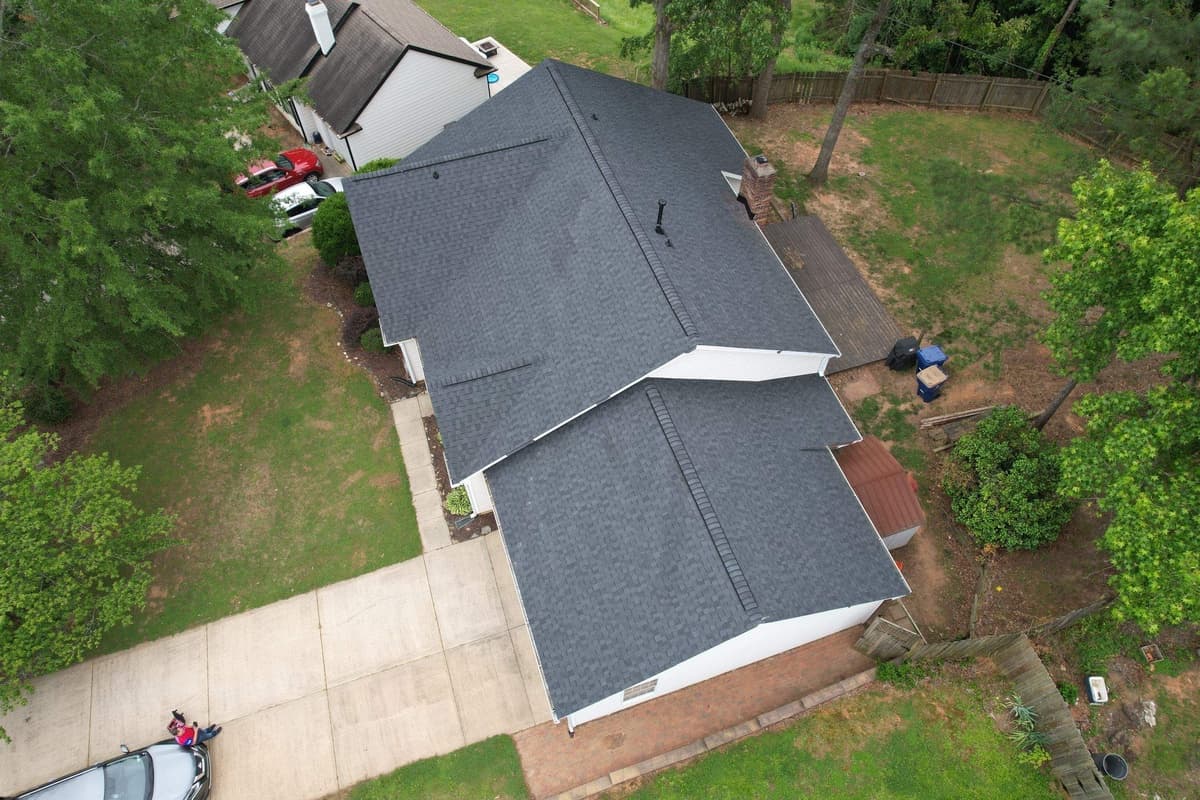
Charlotte, NC
new roof
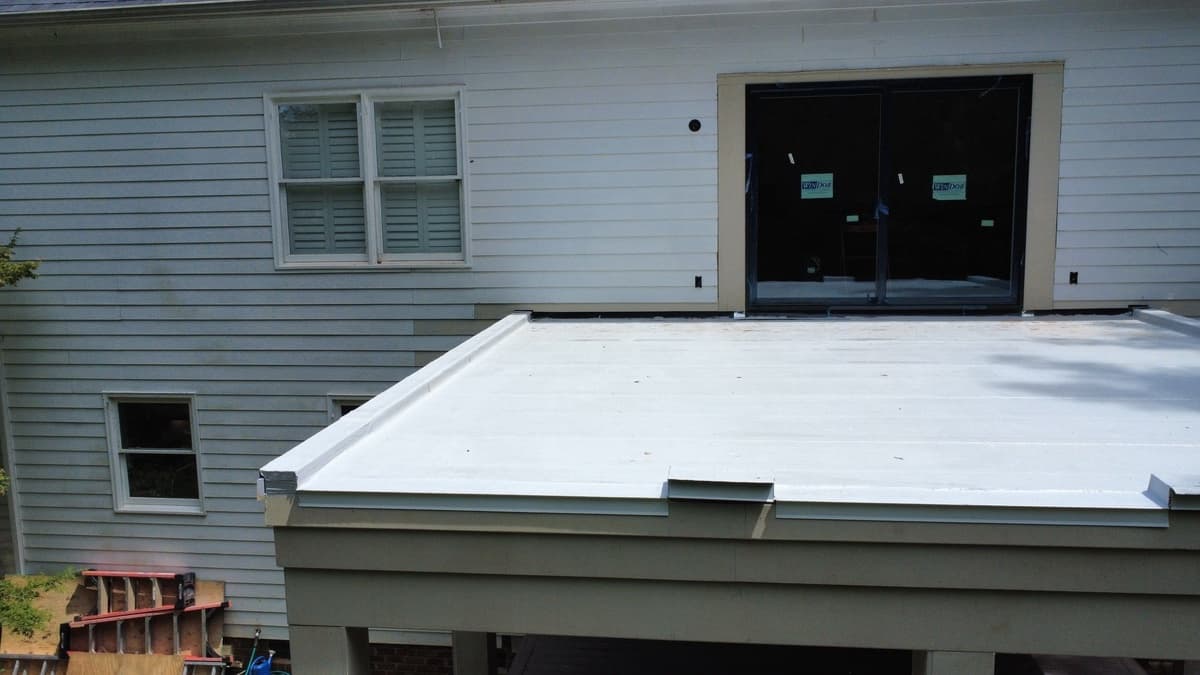
Charlotte, NC
new roof
Get a free roof inspection and honest assessment from Charlotte's most trusted roofing company.


