
Roofing Tips & Guides
Expert Roofing Advice for Charlotte Homeowners
Learn from Charlotte's trusted roofing experts. Tips on maintenance, repair, replacement, and protecting your home from the elements.
Leak or wind damage from Isaias? 24/7 emergency tarping, free storm-damage inspections and insurance-claim help.
Learn from Charlotte's trusted roofing experts. Tips on maintenance, repair, replacement, and protecting your home from the elements.
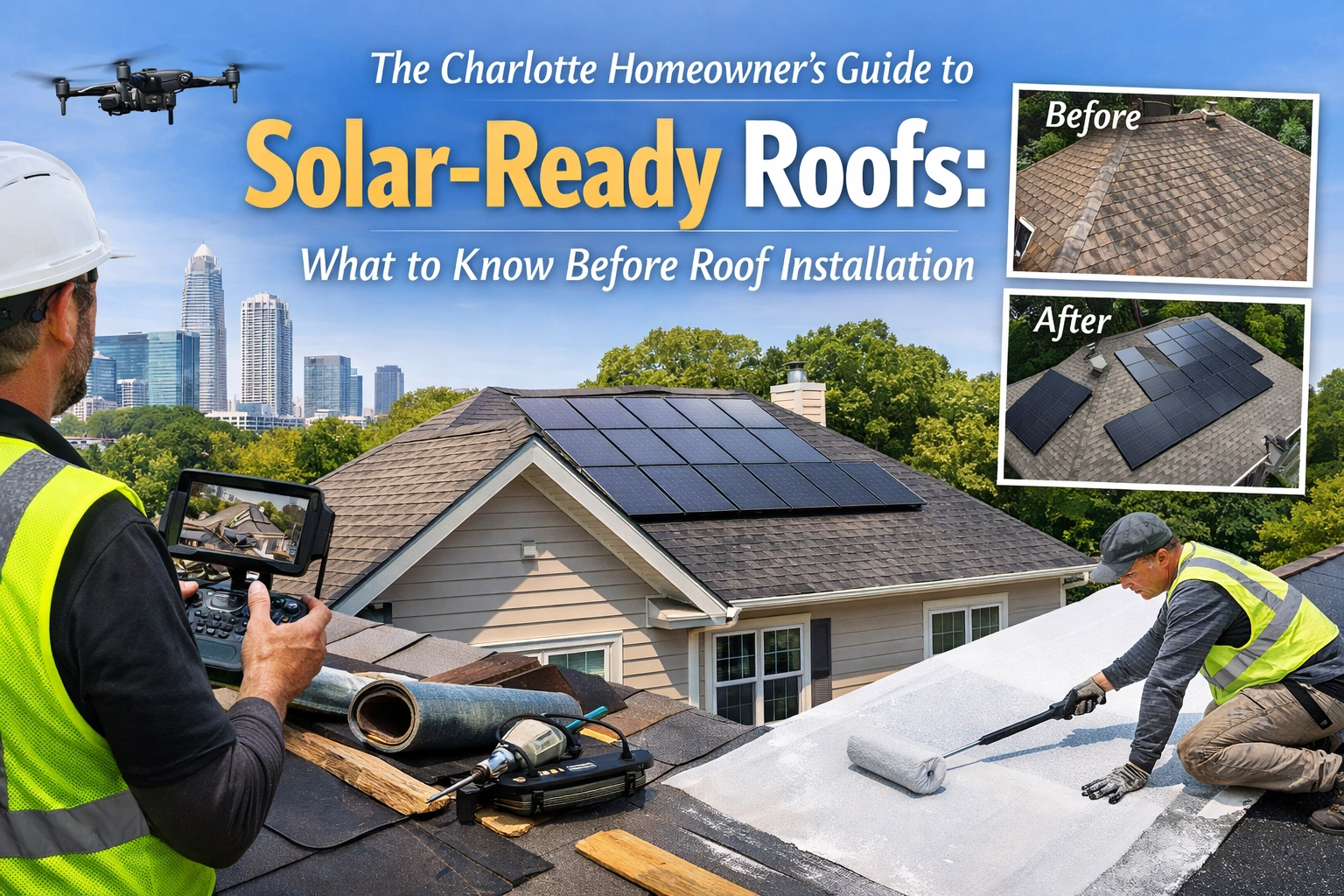
Solar panels are showing up on more Charlotte roofs every year. And for good reason.
Between Duke Energy's net metering program and North Carolina's solar-friendly policies, homeowners in our area are saving serious money on energy bills. But here's what most people don't realize until it's too late: your roof needs to be ready before those panels go up.
I've seen too many homeowners invest in solar panels, only to discover two years later that their roof needs replacement. Then they're stuck paying thousands to remove panels, replace the roof, and reinstall everything.
That's expensive. And completely avoidable.
If you're considering solar panels for your Charlotte home, this guide will walk you through everything you need to know about roof installation and preparation. We'll cover the structural requirements, timing considerations, local regulations, and energy efficiency benefits specific to our region.
Let's make sure your investment pays off for decades, not just a few years.
A solar-ready roof isn't just any roof. It's a roof that can safely support solar panels for their entire 25-30 year lifespan without needing replacement or major repairs.
Three factors determine if your roof is solar-ready:
Structural integrity. Your roof deck, trusses, and framing must handle the additional weight. Solar panels typically add 3-5 pounds per square foot. That might not sound like much, but spread across your entire roof, we're talking about significant load.
Remaining lifespan. Your roof should have at least 20 years of life left. If your asphalt shingles are already 10-15 years old, you're looking at replacement within a decade. Removing and reinstalling solar panels costs $2,000-$4,000. You don't want to do that twice.
Proper orientation and pitch. In Charlotte, south-facing roofs with a 30-40 degree pitch generate the most solar energy. East and west-facing sections work too, just with slightly lower output. North-facing? Skip it.
The good news is that if your roof doesn't check all these boxes right now, a new roof installation can get you there.

Charlotte gets about 213 sunny days per year. That's above the national average of 205.
Our climate is ideal for solar energy production. We get enough sun to generate serious power, but we're not dealing with the extreme heat that reduces solar panel efficiency in places like Arizona.
Duke Energy's net metering program is another game-changer. When your panels produce more energy than you use, that excess goes back to the grid. You get credited at the full retail rate. In the summer months, many Charlotte homeowners produce more than they consume.
North Carolina also offers a property tax exemption for solar installations. Your home's value increases with solar panels, but you don't pay higher property taxes. That's rare.
And with energy costs rising steadily, locking in lower rates through solar production protects you from future increases. The average Charlotte household spends $1,200-$1,500 annually on electricity. Solar can cut that by 50-90%.
But none of these benefits matter if your roof can't support the system properly.
Before you contact any solar installers, get your roof inspected by a roofing professional. Not a solar company's "roof expert." An actual licensed roofer.
Here's why: solar companies make money installing solar panels. They have an incentive to tell you your roof is fine, even when it's not. We've seen this play out dozens of times in Lake Norman and greater Charlotte.
A proper roof inspection examines:
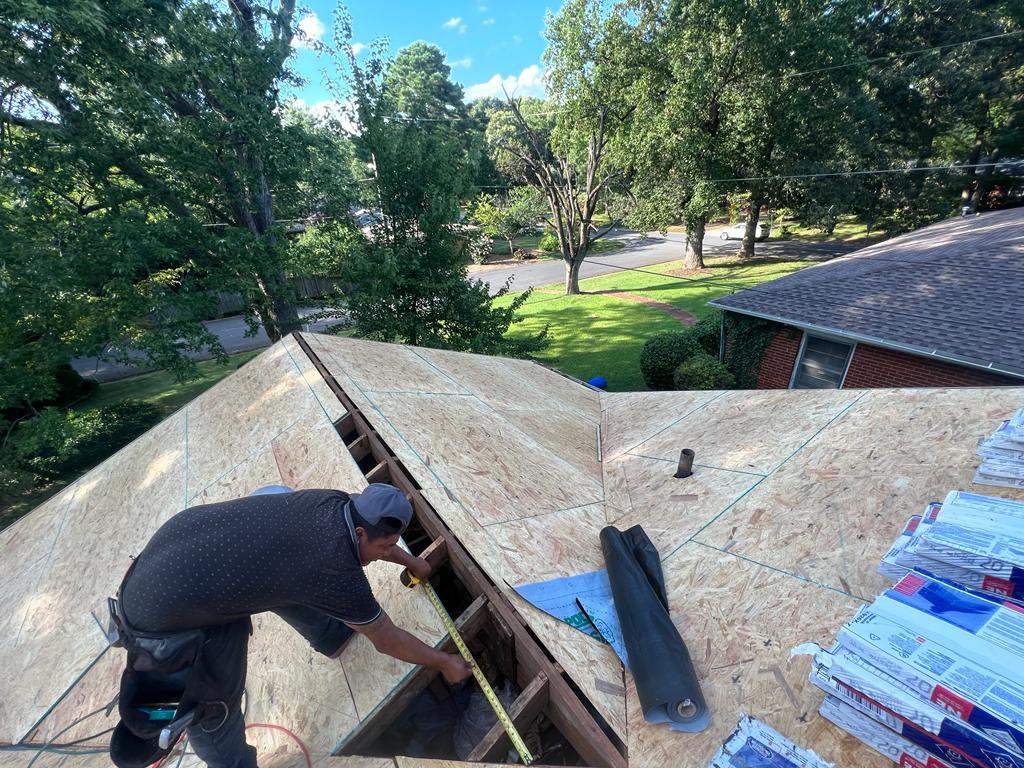
Roof deck condition. We check for soft spots, water damage, and rot in the plywood or OSB sheathing. Solar panels attach directly to your roof deck through the shingles. If that deck is compromised, you've got problems.
Structural framing. We evaluate your trusses, rafters, and support beams to ensure they can handle additional weight. Older homes in neighborhoods like Dilworth or Myers Park sometimes need reinforcement.
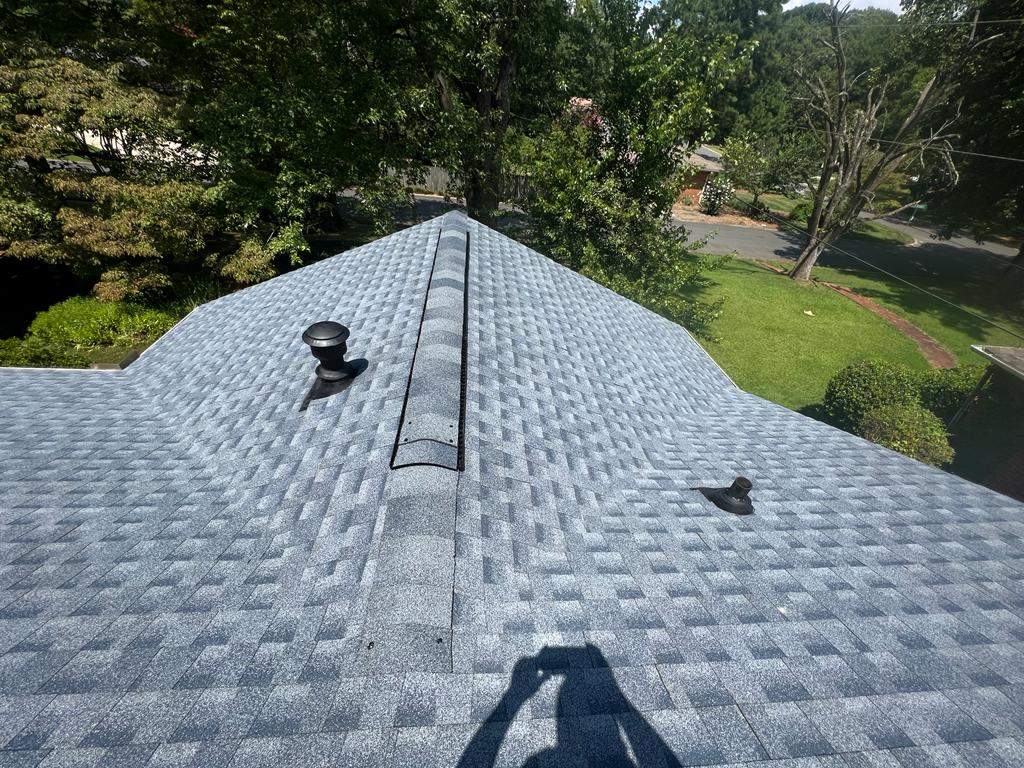
Current material condition. We look at your shingles, flashing, and ventilation system. If repairs are needed, we handle them before solar installation.
Attic ventilation. Proper airflow keeps your roof deck healthy. Solar panels can actually trap heat if ventilation isn't adequate. We verify your ridge vents, soffit vents, and attic fans are working correctly.
This inspection typically takes 30-45 minutes and provides a clear roadmap. You'll know exactly what needs to happen before solar panels go up.
Let's talk numbers for a minute.
A typical residential solar panel weighs 40-50 pounds. You'll need 20-30 panels for most Charlotte homes, depending on your energy usage and roof size. That's 800-1,500 pounds of equipment on your roof.
Add mounting hardware, and you're looking at roughly 3-5 pounds per square foot of additional load. Your roof structure needs to support this weight alongside snow loads (yes, we occasionally get snow in Charlotte), wind loads, and the roof's own dead load.
Most residential roofs in our area are designed to handle 20-30 pounds per square foot of live load. That includes the roof materials, occasional maintenance workers, and weather events. Adding solar panels usually stays well within those limits.
But: and this is important: older homes may not meet current building codes. If your home was built before 1990, we often recommend a structural engineer's evaluation before solar installation. This costs $300-$500 but prevents catastrophic failure down the road.
The mounting system also matters. Solar panels attach to your roof's structural members (rafters or trusses), not just the roof deck. Professional installers use lag bolts that penetrate through the shingles, underlayment, and deck to anchor securely into the framing.
Every penetration point is a potential leak source. That's why proper flashing and waterproofing around each mounting bracket is critical. We use a combination of aluminum flashing and high-quality sealant to ensure a watertight seal.
Not all roofing materials work equally well with solar panels.
Asphalt shingles are the gold standard for solar installation. They're affordable, durable, and easy to work with. Solar mounting systems designed for asphalt shingles are proven and reliable. If you're getting a new roof installation before solar, architectural shingles are your best bet. They last 30+ years and handle the weight beautifully.
Metal roofing is excellent for solar. In fact, metal might be even better than asphalt for solar installations. Standing seam metal roofs allow for clamp-based mounting systems that don't penetrate the roof surface. Zero penetrations mean zero leak risks. Metal roofs also last 40-70 years, making them a perfect match for solar panels' 25-30 year lifespan.
Tile and slate can work but require specialized mounting systems. These materials are more fragile, making installation trickier. If you have tile or slate in one of Charlotte's historic neighborhoods, expect higher solar installation costs. But it's definitely doable.
Flat or low-slope roofs need ballasted or mechanically attached mounting systems. These typically work fine but may reduce the optimal tilt angle for solar production. We see this more with commercial properties than residential homes in Charlotte.
If you're planning a new roof installation specifically to prepare for solar, I recommend architectural asphalt shingles or standing seam metal. Both offer excellent longevity and compatibility with solar systems.

This is the question we hear most often.
The answer depends on your roof's current age and condition.
If your roof is less than 10 years old and in good condition, you can probably install solar now. Have a professional inspection first to confirm, but you're likely looking at 15-20+ years of remaining roof life. That's plenty of time to recoup your solar investment.
If your roof is 10-15 years old, you're in the gray zone. It depends on the material quality, installation quality, and local weather exposure. Some 15-year-old roofs still have a decade of life left. Others are ready for replacement. Get that professional inspection.
If your roof is over 15 years old, replace it before installing solar. I know that's a bigger upfront investment. But replacing your roof in 3-5 years means removing and reinstalling solar panels. That costs $2,000-$4,000 in labor alone. You're better off doing the roof first.
Here's the smart approach: coordinate with both your roofing contractor and solar installer from the beginning.
We've worked with several Charlotte-area solar companies to time installations perfectly. We complete the roof installation with solar-ready structural reinforcements and mounting points pre-planned. The solar company comes in immediately after to install panels.
This coordination saves time and money. It also ensures everyone is on the same page about structural requirements, penetration points, and warranty coverage.
Solar installations in Charlotte require permits from the city's Code Enforcement department.
You'll need both an electrical permit and a building permit. The building permit ensures your roof structure meets code requirements for the additional load. The electrical permit covers the solar system's connection to your home's electrical panel and the grid.
Your solar installer typically handles permit applications. But as the homeowner, you should understand what's required:
Engineered drawings showing the solar panel layout, mounting system specifications, and load calculations. A licensed engineer must sign and seal these documents.
Electrical diagram detailing the solar panel wiring, inverter location, disconnect switches, and connection to your electrical service panel.
Roof structure affidavit from a licensed contractor (that's us) confirming your roof can handle the additional load.
Manufacturer specifications for all solar equipment, including panels, inverters, and mounting hardware.
The permit review typically takes 2-4 weeks in Charlotte. After installation, you'll need final inspections from both the city and Duke Energy before your system can be activated.
One Charlotte-specific requirement: if your home is in a historic district like Fourth Ward or Dilworth, you may need additional approval from the Historic District Commission. These reviews focus on aesthetic impact and visibility from the street. South-facing back roofs usually get approved easily. Highly visible front roofs sometimes face restrictions.

Your contractor choice makes or breaks this project.
For roofing in Charlotte NC, look for:
For solar installation, verify:
The ideal scenario? Find a roofing contractor and solar installer who have worked together before. That established relationship prevents finger-pointing if issues arise later.
We've partnered with several reputable solar installers in the Charlotte area. When homeowners work with our preferred partners, we coordinate every detail: from structural reinforcements to warranty coverage. Everyone communicates clearly about expectations and timelines.
This teamwork approach protects you as the homeowner. You're not caught in the middle if something goes wrong.
Solar panels are the headline act, but they're most effective when your home is already energy-efficient.
In Charlotte's climate, we experience hot, humid summers and mild winters. Your biggest energy costs come from air conditioning between May and September.
Before adding solar, consider these efficiency upgrades:
Proper attic insulation. Most Charlotte homes need R-38 to R-49 insulation in the attic. This prevents heat transfer between your roof and living space. Less heat penetration means less AC runtime. That reduces the solar panel array size you need.
Reflective roofing materials. If you're installing a new roof, consider solar-reflective shingles. These specialized shingles reflect more sunlight and absorb less heat. Your attic stays cooler, reducing cooling costs by 10-15%. Companies like GAF and Owens Corning offer "cool roof" shingle lines specifically designed for southern climates.
Ridge and soffit ventilation. Proper roof ventilation extends your roof's life and reduces attic temperatures. We typically install continuous ridge vents and adequate soffit ventilation on every roof installation. This airflow keeps your roof deck healthy and your cooling costs down.
Air sealing. Small gaps around pipes, vents, and attic hatches leak conditioned air. Sealing these gaps before solar installation maximizes your energy savings.
The math works like this: every dollar you invest in energy efficiency reduces the size of solar array you need. A smaller array costs less upfront and takes less roof space.
We typically recommend this order:
This sequence maximizes your return on investment.
Let's talk money honestly.
A new roof installation in Charlotte costs $8,000-$15,000 for an average 2,000 square foot home. That depends on material choice, roof complexity, and current condition.
Solar panel systems run $15,000-$30,000 before incentives. For a typical Charlotte home using 1,000 kWh per month, you're looking at a 6-8 kW system costing around $20,000.
Now subtract the 30% federal solar tax credit. That's $6,000 back at tax time, bringing your solar cost to $14,000.
North Carolina also offers a property tax exemption. Solar panels don't increase your property tax bill, even though they increase your home's value by $15,000-$25,000.
Your payback timeline depends on electricity usage and rates. The average Charlotte household with a properly sized solar system sees:
After breaking even, most Charlotte homeowners save $1,000-$1,500 annually on electricity. Over 25 years, that's $25,000-$37,500 in savings.
Add in the home value increase, and the ROI becomes compelling.
But here's the critical part: these numbers only work if your roof doesn't need replacement mid-way through. That's why the roof installation timing matters so much.
We've seen these mistakes repeatedly. Learn from others' experiences:
Mistake #1: Installing solar on an aging roof. You're setting yourself up for expensive panel removal and reinstallation. If your roof is over 12-15 years old, replace it first.
Mistake #2: Skipping the structural evaluation. Not all roofs are built equally. Older homes especially need engineering review before solar installation. That $400 structural evaluation could prevent a $20,000 disaster.
Mistake #3: Choosing the cheapest contractor. Roof installation and solar installation are not areas to cut corners. Poor roofing work leads to leaks. Poor solar installation creates electrical hazards. Go with experienced, licensed professionals.
Mistake #4: Forgetting about warranties. Your roof warranty shouldn't be voided by solar installation. Make sure your roofing contractor and solar installer coordinate on warranty coverage. Get everything in writing.
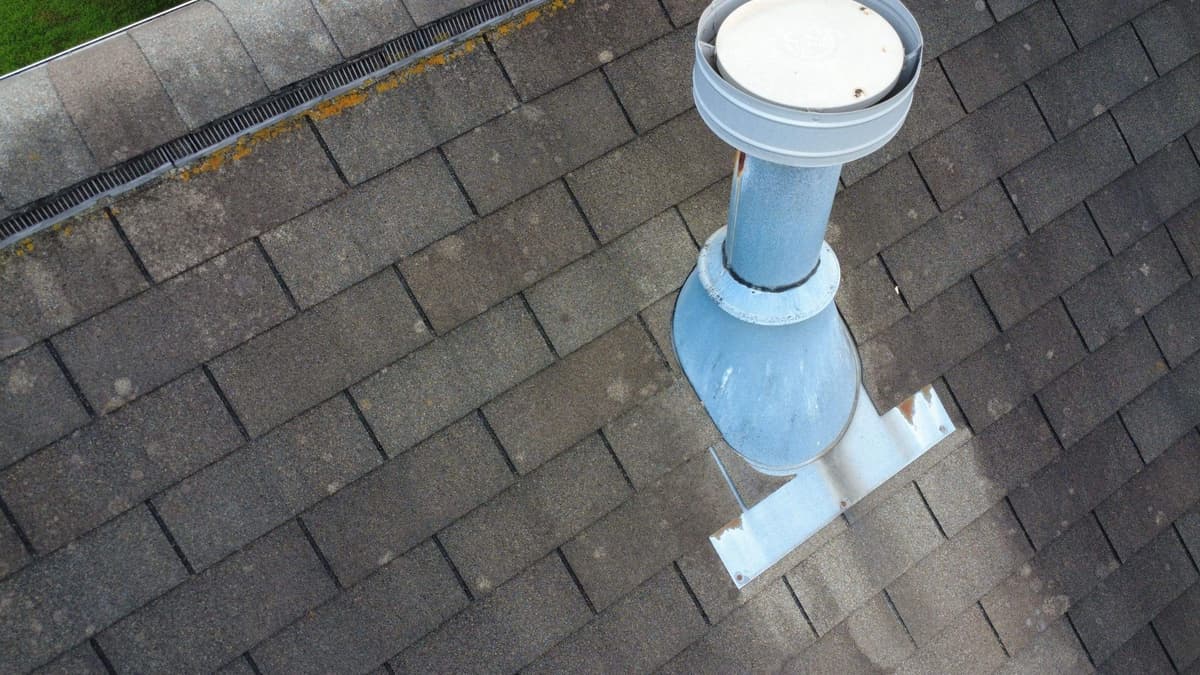
Mistake #5: Not considering future roof access. Solar panels make future roof repairs more complicated. Before installation, address any pending issues: deteriorating flashing, inadequate ventilation, or questionable pipe boots.
Mistake #6: Ignoring HOA requirements. Some Charlotte-area HOAs have specific guidelines for solar installations. Check your HOA rules before investing thousands in design and planning.
Mistake #7: Oversizing the system. Bigger isn't always better. Your solar array should match your actual energy consumption, not some imaginary future use. Otherwise, you're investing in capacity you'll never use.
When we complete a roof installation specifically for solar preparation, here's our process:
Day 1: Tear-off and inspection. We remove old shingles and thoroughly inspect the roof deck. Any damaged sheathing gets replaced. We verify structural framing can handle the solar load.
Day 2: Underlayment and reinforcement. We install high-quality synthetic underlayment: often an upgraded version that handles heat better. If structural reinforcements are needed, we complete those now.
Day 3: Shingle installation. We install architectural shingles with proper nailing patterns. Solar mounting points are noted for the solar installer.
Day 4: Flashing and ventilation. All flashing around chimneys, vents, and valleys gets installed properly. We ensure ridge vents and soffit ventilation are adequate for both roof health and energy efficiency.
Day 5: Final inspection and cleanup. We conduct our own quality inspection before the city inspector arrives. The job site gets cleaned thoroughly: solar installers need a clean work surface.
Throughout this process, we're thinking about solar panel placement. We don't accidentally place vents or other obstructions where panels will go. We ensure the roof deck is smooth and properly secured.
This proactive approach prevents problems during solar installation.

Going solar in Charlotte makes financial and environmental sense. But only if your roof is ready to support panels for their full 25-30 year lifespan.
Here's your action plan:
✅ Schedule a professional roof inspection to assess current condition and remaining lifespan. If your roof is older than 10-12 years, seriously consider replacement before solar.
✅ Get energy efficiency upgrades done first. Proper insulation and air sealing reduce the solar array size you need.
✅ Find experienced contractors for both roofing and solar who are willing to coordinate. Ask for Charlotte-area references you can verify.
✅ Understand your budget and financing options. Factor in roof replacement costs if needed, plus solar installation costs minus incentives.
✅ Learn about local permits and HOA requirements before making final decisions.
Solar-ready roofs aren't complicated. They just require proper planning, quality materials, and experienced installation.
We've helped hundreds of Charlotte and Lake Norman homeowners prepare their roofs for solar over the past decade. Whether you need a complete roof installation or just a structural assessment, we can guide you through the process honestly.
Ready to find out if your roof is solar-ready? Schedule your free roof inspection today. We'll evaluate your roof's condition, discuss solar preparation requirements, and give you a clear timeline and budget. No pressure, no sales pitch: just honest expertise from people who actually understand both roofing and solar.
Call us or visit Best Roofing Now to get started. Your solar-powered future begins with a solid roof over your head.
Best Roofing Now
Charlotte's trusted roofing experts since 2019
Based on this article, you may be interested in these services.
We proudly serve these Charlotte-area communities with professional roofing services.
View All Service Areas →See our recent roofing work across the Charlotte metro area.
Charlotte, NC
work in progress
Charlotte, NC
new roof
Charlotte, NC
work in progress
Charlotte, NC
before after
Get a free roof inspection and honest assessment from Charlotte's most trusted roofing company.


