
Roofing Tips & Guides
Expert Roofing Advice for Charlotte Homeowners
Learn from Charlotte's trusted roofing experts. Tips on maintenance, repair, replacement, and protecting your home from the elements.
Leak or wind damage from Isaias? 24/7 emergency tarping, free storm-damage inspections and insurance-claim help.
Learn from Charlotte's trusted roofing experts. Tips on maintenance, repair, replacement, and protecting your home from the elements.
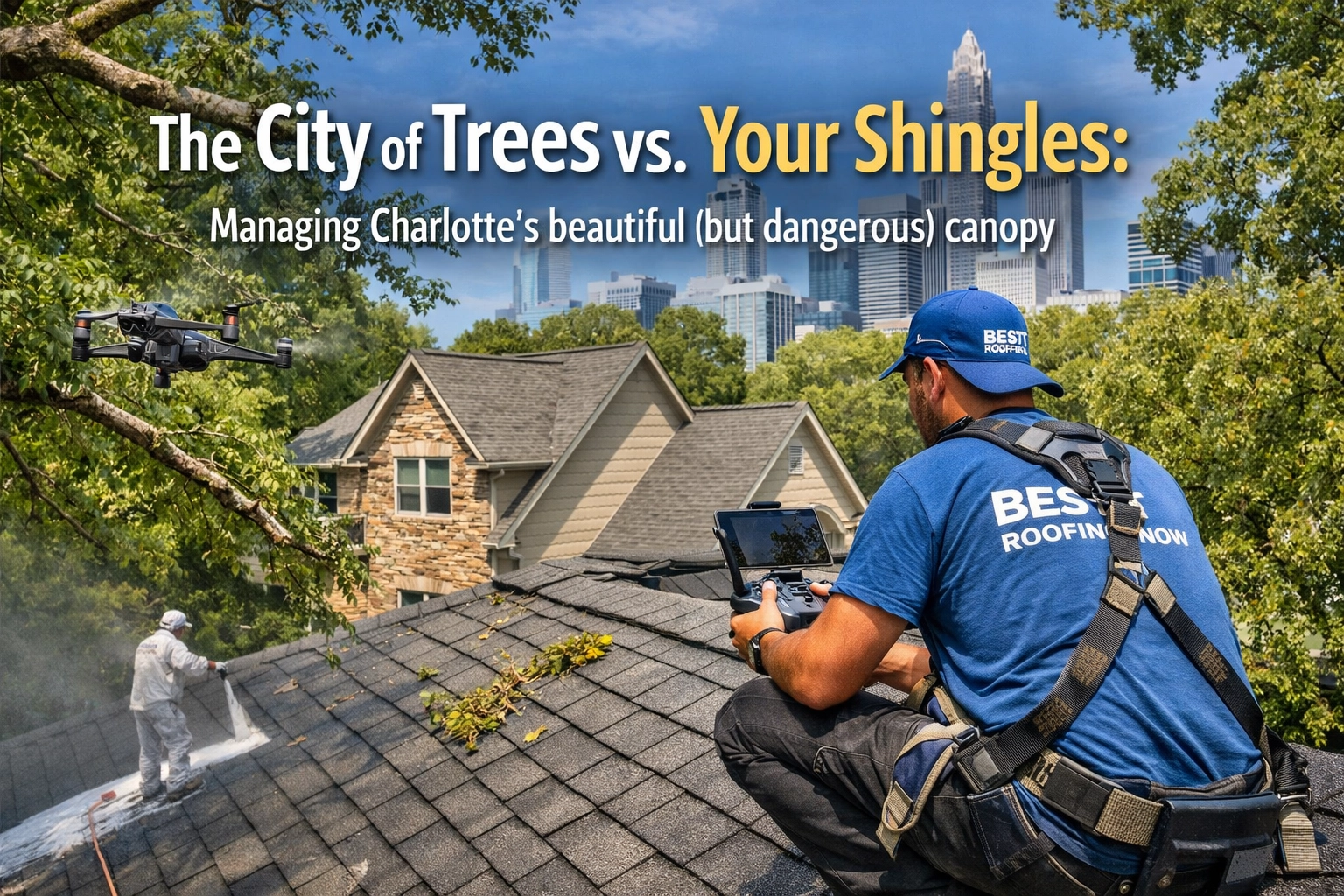
If you've lived in Charlotte for more than a week, you know we're absolutely obsessed with our trees. And for good reason. We call ourselves the "City of Trees" with pride. Our oak-lined streets in Dilworth, the towering pines around Lake Norman, and those gorgeous maples in Myers Park? They're part of what makes Charlotte home.
But here's the truth nobody talks about at neighborhood cookouts: those same beautiful trees are quietly waging war on your roof.
I'm not saying you need to cut down every tree on your property. That would be un-Charlotte of me. But after two decades in the roofing business, I've seen what happens when homeowners ignore the reality that trees and shingles don't always play nice together.
Let's talk about how to love your trees AND protect your investment.
Charlotte isn't just playing around with the whole "City of Trees" thing. The city set a goal to reach 50% tree canopy coverage by 2050. That's ambitious. That's visionary.
Since 2014, the Tree Canopy Preservation Program has protected 272 acres of land. The city partners with TreesCharlotte, a nonprofit that replants and educates residents. There's even a Tree Canopy Action Plan that addresses stormwater management and urban heat islands.
Translation? Charlotte is planting MORE trees, not fewer.
That's great for the environment. It's wonderful for property values. Shade trees can cut your cooling costs by 20-30% in summer.
But it also means your roof is probably living under a canopy right now. And that canopy has opinions about your shingles.
Trees do amazing things for your home. They provide shade. They boost curb appeal. They give your kids something to climb and your dog somewhere to do his business.
But they also drop leaves. Tons of them. Those leaves clog your gutters, which causes water to back up under your shingles. Water finds a way in, every single time.

Branches scrape your roof during windstorms. Each scrape removes granules from your shingles. Those granules are what protect your roof from UV damage. Without them, your shingles age faster. A roof that should last 25 years might only give you 15.
Then there's the moss and algae problem. Charlotte's humidity is already brutal. Add constant shade, and you've created a perfect growing environment for organisms that literally eat your shingles.
I've replaced roofs in Myers Park and Eastover where the north-facing slopes looked 10 years older than the south-facing ones. Same roof, same install date. The difference? One side spent all day in the shade of a massive oak.
February in Charlotte is weird. We get ice storms that turn tree limbs into missiles. We get heavy, wet snow like we saw this year that weighs down branches until they snap.
Dormant branches are brittle. They don't bend like they do in summer. When ice builds up and wind picks up, those branches don't sway gracefully. They crack.
A falling branch doesn't have to be huge to cause serious damage. I've seen a limb the size of a baseball bat punch straight through a ridge vent. I've seen smaller branches shatter skylights and tear up flashing around chimneys.
The really sneaky damage happens when a branch doesn't fall all the way. It just cracks and hangs there, scraping your roof with every gust of wind for weeks until someone finally notices.
Here's something most homeowners don't know: ice weighs about 57 pounds per cubic foot. A branch that's 3 inches in diameter and 10 feet long can hold about 30-40 pounds of ice after a storm.
That's like hanging a toddler from your tree branch.
Most healthy branches can handle that load. But if the branch is already dead or compromised? If it's got rot in the core or a weak attachment point? That's when things get dangerous.
The National Weather Service says ice accumulation of just half an inch can add 500 pounds to a power line. Trees don't fare much better.
After the ice storm we had in January, I got 47 calls in three days from homeowners with tree damage. Not all of them had obvious fallen branches. Some just had cracked shingles from impacts they never heard. Others had displaced flashing from branches that grazed the roof during the worst of the wind.
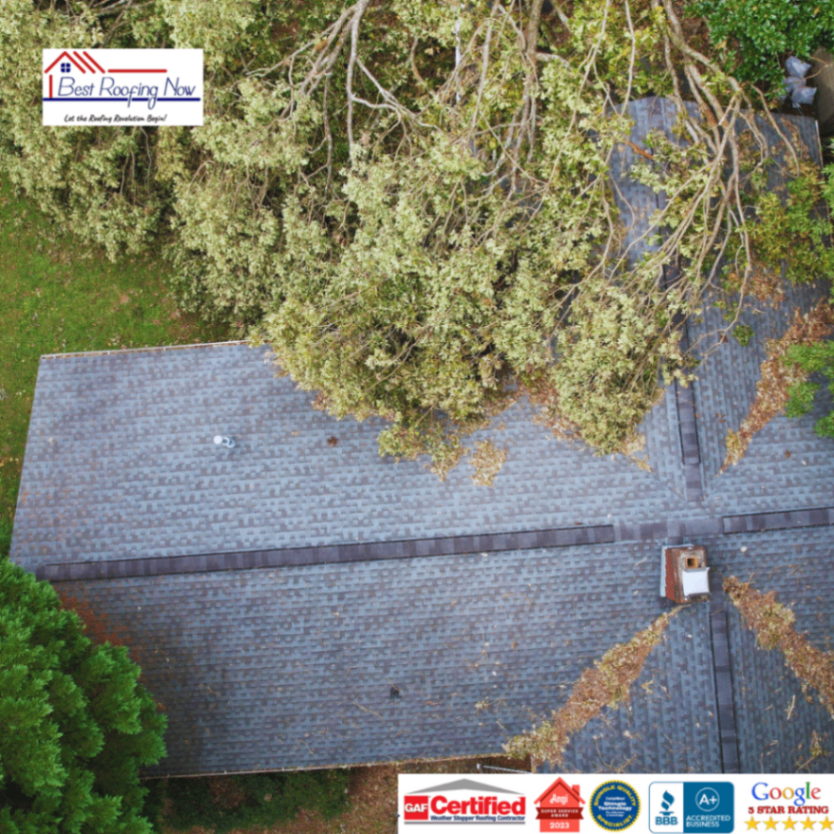
You don't need to be an arborist to spot problem trees. You just need to know what to look for.
Walk your property every fall and again after any major storm. Look up. Really look.
Dead branches. They're gray instead of brown. No buds. Brittle and dry. They're called "widow makers" for a reason.
Branches overhanging your roof. Anything within 10 feet of your shingles is a potential problem. Anything touching your roof is a current problem.
Cracks or splits in major limbs. You'll see exposed wood where the bark has separated. That's a branch getting ready to fail.
Leaning trees. If a tree is tilting toward your house, especially after a storm, that's your cue to call a professional immediately.
Root damage. Exposed roots or soft, spongy soil around the base of a tree means the root system is compromised. The whole tree could come down in the next big wind event.
Multiple trunks. Trees with co-dominant trunks (two main stems competing for dominance) are weak at that junction point. Ice and wind exploit that weakness.
Even if your trees never drop a branch, they're still causing problems through your gutters.
Charlotte's oak trees are beautiful. They're also leaf-producing machines. When those leaves pile up in your gutters, water can't flow to your downspouts. It backs up under your shingles instead.
We call it "gutter overflow." You call it "mysterious leaks in my ceiling."
I've pulled entire saplings out of gutters in Ballantyne and Huntersville. Not joking. A single acorn plus some debris equals a baby tree growing in your gutter system.
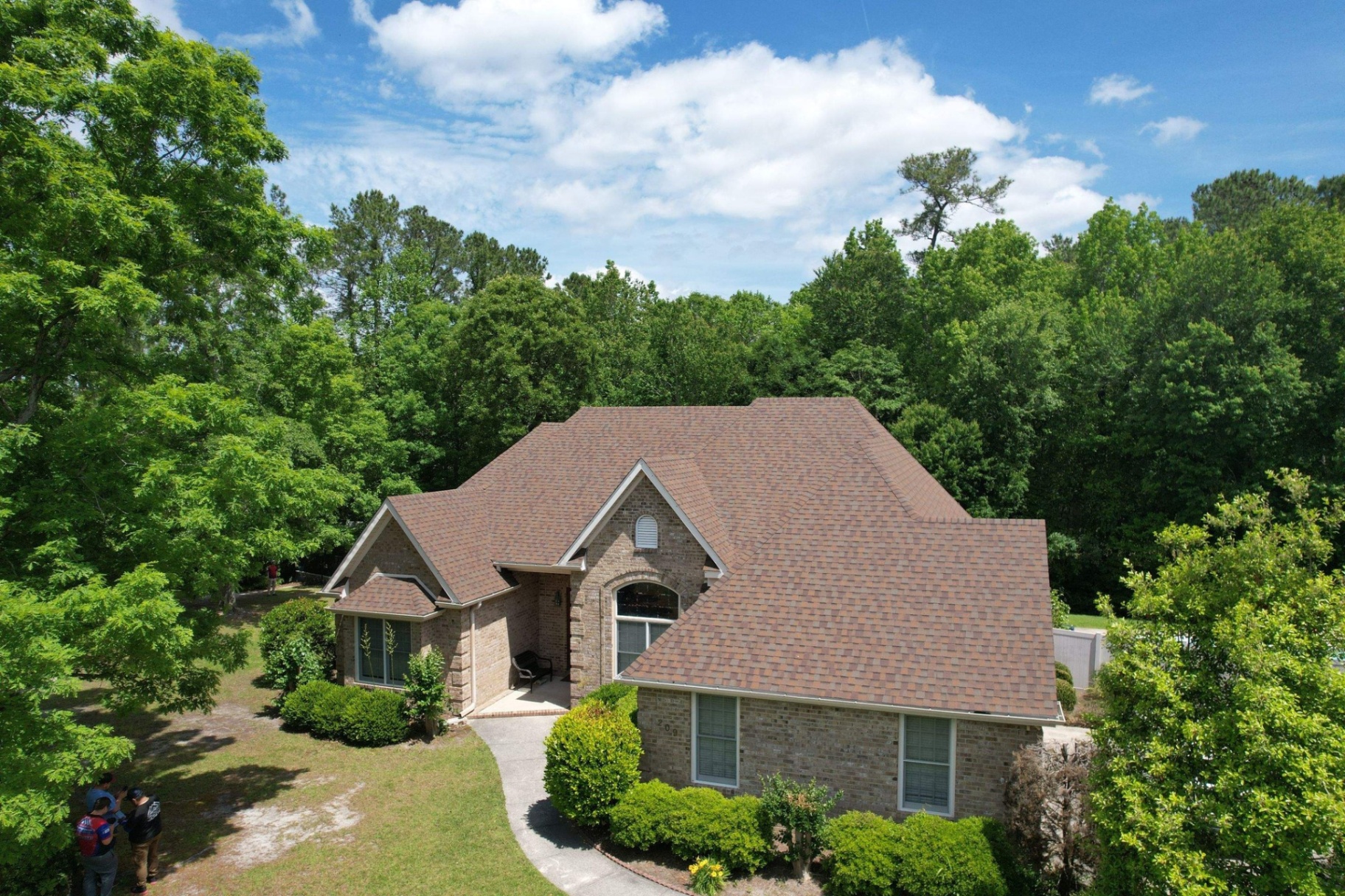
The fix is simple: clean your gutters twice a year minimum. If you have a lot of trees, make it four times. Spring, summer, fall, and after the first freeze.
Or install gutter guards. They're not perfect, but they cut down on maintenance significantly.
Not every tree near your house needs to go. But some do.
Here's my general rule: if a tree is diseased, structurally unsound, or leaning toward your house, remove it. The cost of removal is always cheaper than the cost of replacing your roof plus repairing interior damage.
For healthy trees, strategic trimming is your friend. Hire a certified arborist (not just "a guy with a chainsaw") to:
The International Society of Arboriculture recommends maintaining at least 10 feet of clearance between branches and your roof. I'd prefer 15 feet in Charlotte because our storms can be unpredictable.
Never top a tree. It looks terrible, weakens the tree's structure, and creates a dozen new problems. A proper crown reduction removes specific branches while maintaining the tree's natural shape.
You can absolutely clean your own gutters. You can rake leaves off your roof (carefully, from a ladder, not by walking on wet shingles).
But tree work? That's where I draw the line for most homeowners.
Chainsaws are dangerous. Heights are dangerous. Combine the two and you're asking for a trip to the ER. I've seen it happen.
Plus, a falling branch is unpredictable. It can kick back, twist, or bind up in other branches. Professional arborists have training, insurance, and equipment specifically designed for tree work.
If the branch is small enough to handle with hand pruners from the ground, go for it. Anything requiring a ladder or a chainsaw? Call a pro.
Right now, in February, is actually the perfect time to evaluate your trees. Here's why:
Trees are dormant. You can see their structure clearly without leaves blocking your view. Weak attachment points are obvious. Dead branches stand out.
The ground is still frozen in spots, which means less damage to your lawn from heavy equipment if you do need to remove something.
And you're getting ahead of spring storm season. March and April bring high winds and heavy rain to Charlotte. You want your trees trimmed BEFORE those storms hit, not after.
Most arborists are also less busy right now. You'll get scheduled faster and might even negotiate a better rate.
If you had tree damage from the January ice storm, you're probably dealing with insurance right now. Here's what I tell every homeowner in that situation:
Document everything. Take photos from multiple angles. Save broken branches as evidence if possible.
Get a professional roof inspection before filing a claim. Sometimes damage isn't obvious from the ground. A branch might have cracked your flashing or damaged your underlayment without breaking through the shingles.
We offer free inspections specifically for storm damage assessment. No pressure, no sales pitch. Just an honest evaluation of what's damaged and what's not.
Be aware that insurance companies will try to separate "tree removal" from "roof repair." They're two different claims. The tree service bills separately from the roofing company. Make sure both are covered.
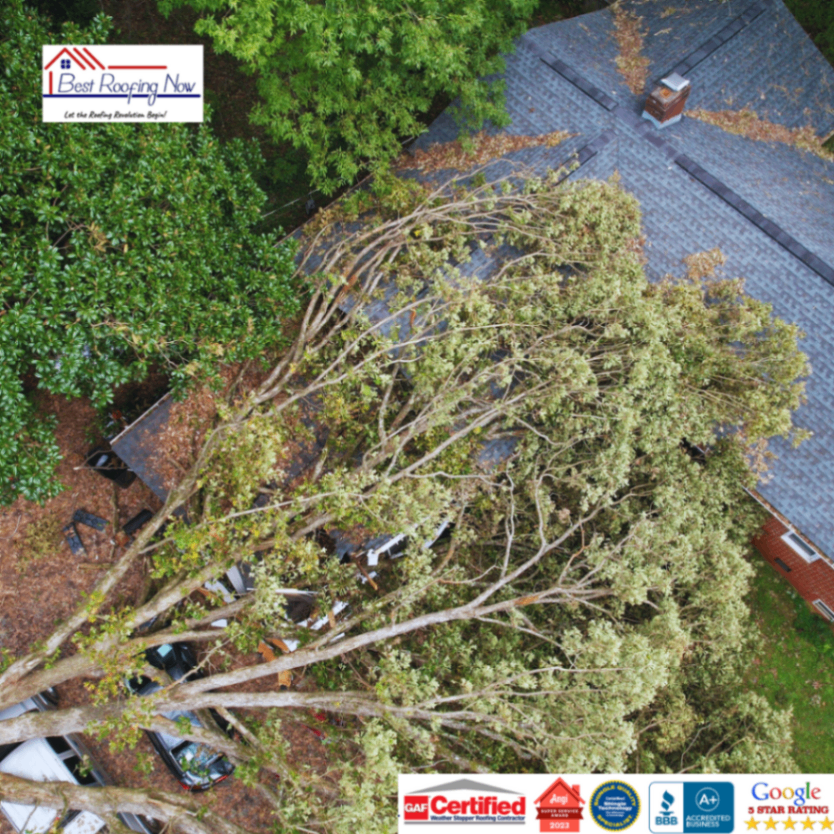
And this is important: don't let just anyone on your roof. Storm chasers flood Charlotte after every major weather event. They'll offer to "work with your insurance" and then disappear three months later when there's a problem.
We're local. We're veteran-owned. We'll be here in five years when you need us again. That matters.
Charlotte's commitment to its tree canopy is admirable. I support it completely. But as a homeowner, you need to think long-term about how your landscape interacts with your roof.
When planting new trees, consider their mature size. That cute little sapling from Lowe's? In 20 years it might be a 60-foot oak with roots undermining your foundation and branches threatening your shingles.
Plant trees at least 20-30 feet from your house. Choose species appropriate for our region that are less prone to storm damage.
The North Carolina Cooperative Extension recommends willow oaks, red maples, and river birch for Charlotte landscapes. They're beautiful, they grow well here, and they're relatively storm-resistant.
Avoid Bradford pears. Yes, they're everywhere in Charlotte. Yes, they're pretty when they bloom. But they're structurally weak and split apart in ice storms with depressing regularity. We call them "widow makers" for a reason.
Here's something that surprises homeowners: the biggest threat from trees isn't falling branches. It's the slow, invisible damage from constant shade and organic debris.
Charlotte's humidity plus constant shade equals moss and algae growth. Those black streaks on your roof? That's algae. That green fuzzy stuff? Moss.
Both of them hold moisture against your shingles. Both of them accelerate deterioration. A roof that should last 25 years might only give you 18-20 in heavy shade.
The solution isn't necessarily removing the tree. Sometimes strategic trimming to allow more sunlight is enough. Sometimes installing zinc or copper strips along your ridge will prevent algae growth (the metal ions wash down with rain and kill the algae).
But if your roof is perpetually damp and you're fighting constant organic growth, you might need to have an honest conversation about whether that tree is worth the ongoing roof maintenance.
Let's address the elephant in the room: will insurance cover tree damage to your roof?
Usually, yes. If a healthy tree falls during a storm and damages your roof, that's typically covered under your homeowner's policy.
But here's the catch: if the tree was dead or obviously diseased, and you didn't remove it, insurance might deny your claim. They'll argue you neglected maintenance.
That's why annual tree assessments matter. If an arborist tells you a tree is dying, document that recommendation. If you can't afford to remove it immediately, at least you have evidence that you were aware of the problem.
Most policies also have a separate coverage limit for tree removal. It might be $500-1000 per tree, up to a total of $5000. That's rarely enough to cover removal of a large tree.
Check your policy. Know your limits. Budget accordingly.
When someone calls Best Roofing Now about tree damage, here's what we do:
First, we make sure the situation is safe. If there's a tree on your roof, sometimes the tree company needs to remove it before we can assess damage. We coordinate with them.
Then we do a complete inspection. Not just where the tree hit, but the entire roof. Often we find secondary damage that wasn't obvious initially.
We document everything for insurance. Photos, measurements, detailed notes. We've worked with every major insurance company in Charlotte. We know what they need to process claims quickly.
If emergency tarping is needed to prevent further damage, we handle that immediately. We don't wait for insurance approval. Your home comes first.
Then we provide a detailed estimate. We explain what's damaged, why it needs repair, and what your options are. No pressure. No upselling. Just honest information.
If you need help navigating the insurance process, we walk you through it. We've been doing this since 2005. We know the system.
Here's what you should be doing right now to prevent tree-related roof damage:
✅ Trim branches back at least 10-15 feet from your roof
✅ Clean gutters at least twice a year (four times if you have lots of trees)
✅ Remove dead or diseased trees before they become hazards
✅ Inspect your roof after every major storm
✅ Check for moss and algae growth in shaded areas
✅ Document tree health with photos and professional assessments
✅ Budget for regular tree maintenance as part of your home upkeep
None of this is complicated. It's just attention and prevention. The same way you change your oil to prevent engine damage, you maintain your trees to prevent roof damage.
Look, I love Charlotte's trees as much as anyone. I've lived here my whole life. I've watched my kids climb the oak in our backyard. I take clients on drives through Myers Park just to show them what a mature, healthy tree canopy looks like.
But I also replace 200+ roofs a year, and I can tell you that unmanaged trees are one of the top three causes of premature roof failure in this region.
You can have both. Beautiful trees AND a healthy roof. It just takes awareness and maintenance.
The city wants 50% tree canopy by 2050. I'm all for it. But as homeowners, we need to be smart about how we manage that canopy. We need to trim proactively, not reactively. We need to remove trees that pose genuine hazards. We need to clean our gutters and inspect our roofs regularly.
That's not anti-tree. That's pro-homeowner.
If you're reading this and realizing you haven't looked at your trees in a while, now's the time.
Walk your property this weekend. Look up. Really look. Check for dead branches, overhanging limbs, and signs of disease.
If something doesn't look right, call a certified arborist. Get an assessment. Know what you're dealing with.
And while you're at it, schedule a free roof inspection with us. We'll check for damage you might have missed. We'll look at your flashing, your shingles, your valleys. We'll let you know if that tree overhanging your garage is causing problems you can't see from the ground.
No pressure. No sales pitch. Just an honest conversation about your roof and your trees.
Because here in the City of Trees, we need to be smart about both.
Call Best Roofing Now at (704) 288-2044 or visit us at bestroofingnow.com to schedule your free inspection. We're local, veteran-owned, and we'll be straight with you about what your roof needs; and what it doesn't.
Best Roofing Now
Charlotte's trusted roofing experts since 2019
Based on this article, you may be interested in these services.
We proudly serve these Charlotte-area communities with professional roofing services.
View All Service Areas →See our recent roofing work across the Charlotte metro area.
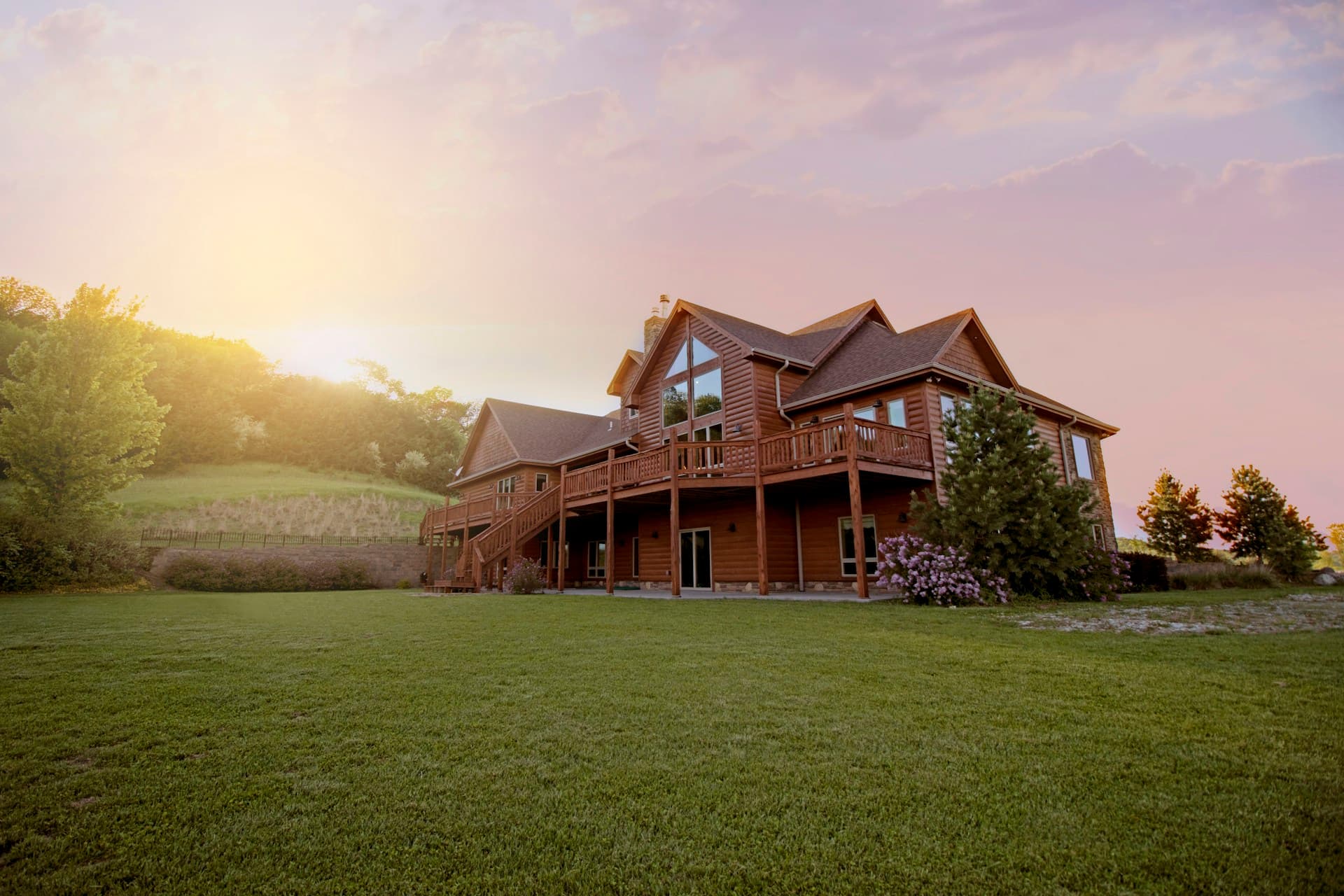
Charlotte, NC
before after
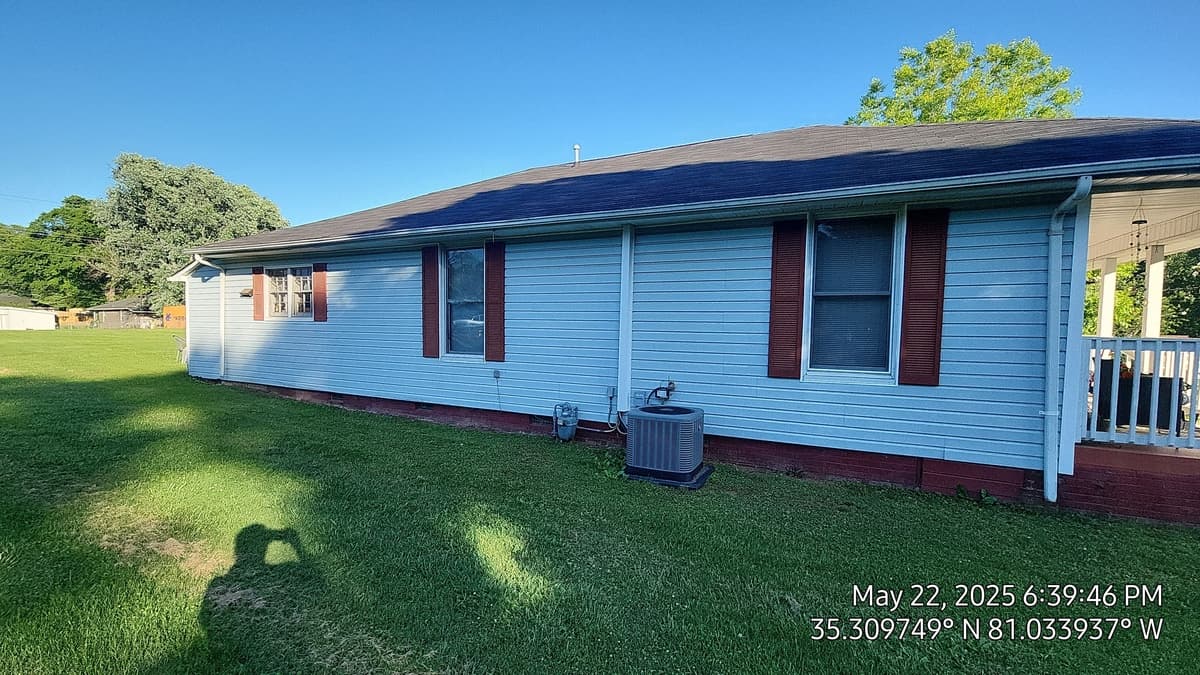
Charlotte, NC
new roof
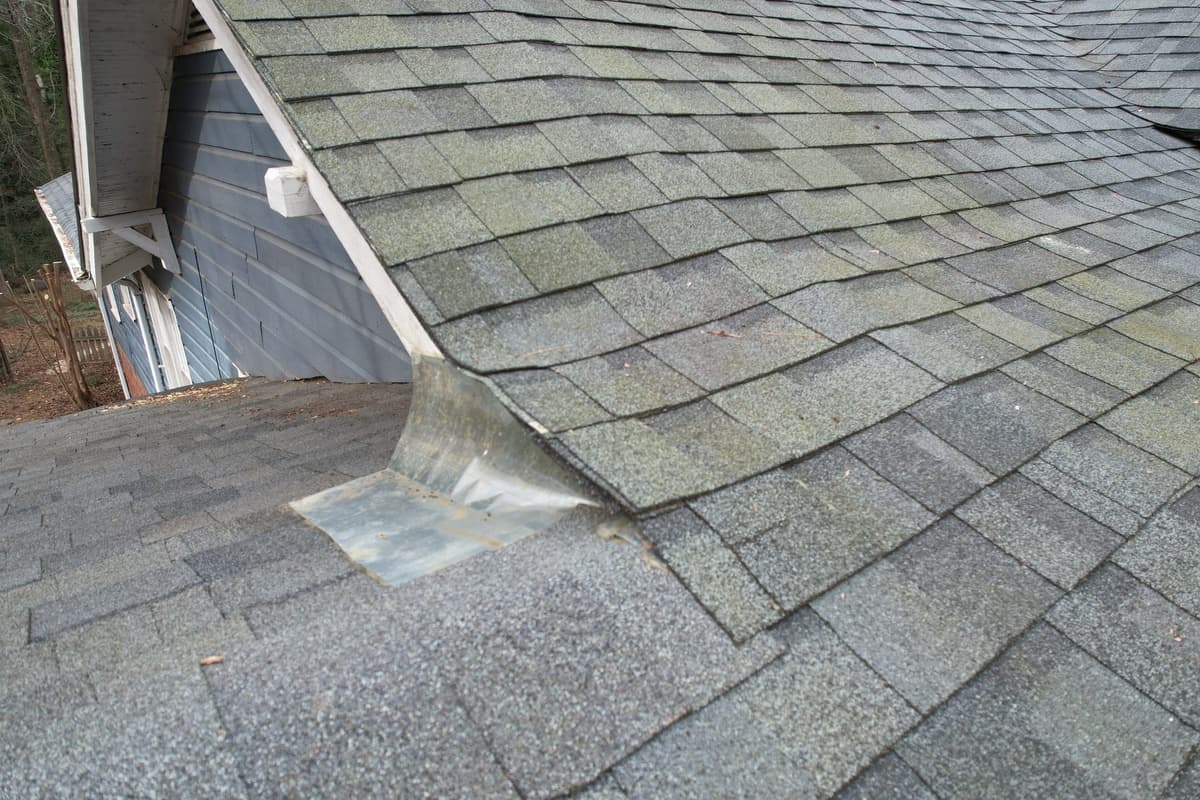
Charlotte, NC
new roof
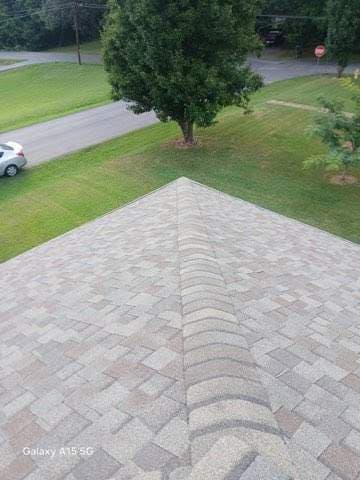
Charlotte, NC
new roof
Get a free roof inspection and honest assessment from Charlotte's most trusted roofing company.


