
Roofing Tips & Guides
Expert Roofing Advice for Charlotte Homeowners
Learn from Charlotte's trusted roofing experts. Tips on maintenance, repair, replacement, and protecting your home from the elements.
Leak or wind damage from Isaias? 24/7 emergency tarping, free storm-damage inspections and insurance-claim help.
Learn from Charlotte's trusted roofing experts. Tips on maintenance, repair, replacement, and protecting your home from the elements.

You've cranked the thermostat. Again.
Your heating bill is climbing. Your family is still wearing hoodies inside. And you're starting to wonder if your furnace is broken.
Here's the truth: your heater might be working perfectly fine.
The real problem? It could be happening right above your head, in your attic.
After thirty years in this business, I've seen it hundreds of times. Homeowners spend thousands upgrading their HVAC system when the real issue is their roof ventilation. It's one of those things nobody thinks about until it becomes a big, expensive problem.
Let me walk you through why your attic matters more than you think. Especially during winters like this 2026 historic snow event we're living through in Charlotte.
Most people think staying warm is simple. You turn on the heat. Warm air fills your house. Done.
But that's only half the story.
Your attic is like the lungs of your home. When it can't breathe properly, everything else suffers. Heat escapes. Moisture builds up. Your HVAC system runs nonstop trying to compensate.
According to the U.S. Department of Energy, homes lose up to 30% of their heat through poorly insulated and ventilated roofs. That's nearly a third of every dollar you spend on heating just… disappearing into thin air.
Think about it. You're paying to heat the outside.
The Charlotte area just got hit with the worst snow in decades. Temperatures dropped into the teens. Every home in Lake Norman and surrounding areas had their heating systems working overtime.
But some homes stayed warmer with less effort. Others couldn't get comfortable no matter what they tried.
The difference? Proper attic ventilation.

This sounds backwards at first. You want to keep warm air in, right? Why would you want ventilation?
Here's how it works.
When your attic gets too hot (yes, even in winter), it creates a cycle that works against you. Warm air from your living space rises into the attic. Without proper ventilation, that warm air gets trapped. It heats up the roof deck from the inside.
On cold days, this temperature difference causes condensation. Moisture forms on cold surfaces. That moisture soaks into your insulation.
Wet insulation loses up to 50% of its insulating value.
So now your insulation, the thing that's supposed to keep you warm, stops working. Your heater runs constantly trying to make up the difference. You're cold. Your bills are high. And you have no idea why.
Proper ventilation solves this by allowing air to move through your attic. Cool outside air enters through soffit vents at the bottom. Warm, moist air exits through ridge vents at the top. This constant airflow keeps your attic temperature closer to the outside temperature.
That might sound counterintuitive. But it's exactly what you want.
When your attic stays cold and dry, your insulation stays dry. Dry insulation works the way it's supposed to. It creates that barrier between your heated living space and the cold outside air.
The result? Your home stays warmer longer. Your heater doesn't have to work as hard. You save money every single month.
Here's what worries me most when I'm up in someone's attic during winter.
Moisture damage.
You can't see it from inside your house. You might not notice it for years. But it's happening, slowly destroying your roof from the inside out.
Every time you cook, shower, or even breathe, you add moisture to your home's air. That warm, moist air rises. It finds its way into your attic through gaps around light fixtures, plumbing stacks, and ductwork.
In a poorly ventilated attic, that moisture has nowhere to go.
It condenses on cold surfaces. Frost forms on roof nails. Water drips onto your insulation. Mold starts growing on wood framing.
I've seen attics where every single nail had a little ball of frost on it. That's thousands of potential leak points just waiting for temperatures to rise. When that frost melts, you've got water damage throughout your attic.
The EPA estimates that indoor air quality problems, many caused by excess moisture, affect one in three homes. Proper ventilation is your first line of defense.
And it's not just about comfort. Moisture in your attic leads to:
But here's the good news. Most of these problems are preventable with proper ventilation and air sealing.

Let's talk money. Because that's what really matters to most homeowners.
Your heating and cooling systems account for about 50% of your home's total energy use. That's the single biggest expense on your utility bill.
When your attic ventilation isn't working right, your HVAC system works harder. It runs longer. It cycles more frequently. All of that adds up fast.
The North American Roofing Contractors Association (NRCA) states clearly: "Proper attic ventilation can reduce energy costs by minimizing the temperature extremes in attic spaces."
What does that mean in real numbers?
Homeowners with proper attic ventilation and air sealing typically save 10-20% on heating costs. When you combine that with quality insulation, those savings can reach 30% or more.
For an average Charlotte-area home spending $200/month on heating during winter, that's $40-60 back in your pocket. Every single month.
Over a twenty-year period (the typical lifespan of a roof), that's $10,000-15,000 in savings.
And that's just the direct energy cost savings. You're also extending the life of your HVAC equipment because it's not working as hard. You're preventing moisture damage that could cost thousands to repair. You're keeping your roof in better condition for longer.
For commercial buildings in the Lake Norman area, the impact is even bigger. Larger roof surfaces mean more potential for heat loss. Higher utility bills mean bigger savings opportunities.
I worked with a small business owner in Cornelius last year. He was spending $800/month heating his 5,000 square foot building. After we fixed his attic ventilation and sealed air leaks, his bills dropped to $600/month.
That's $200/month. $2,400 per year. Just from getting air to move properly through his attic space.
Most homeowners never go into their attic. I get it. It's cramped, dusty, and usually filled with spiders.
But there are signs you can spot from inside your home that tell you something's wrong up there.
Uneven temperatures between rooms. One bedroom feels like a sauna while another stays cold? That's often a ventilation issue affecting how heat distributes through your home.
Ice dams forming on your roof edges. This is huge right now with all the snow we just got. Ice dams happen when your attic gets too warm, melts snow on your roof, and that water refreezes at the cold eaves. Poor ventilation is usually the culprit.
Frost or condensation on windows. Excessive indoor humidity that can't escape suggests your home (including your attic) isn't breathing properly.
Your heater runs constantly but you're still cold. If your system cycles nonstop without ever catching up, heat is escaping somewhere. Often, it's through a poorly ventilated attic with wet insulation.
Higher-than-normal energy bills. When bills spike but nothing else has changed, your home is working harder than it should to maintain temperature.
Musty odors. Smell something funky? That could be mold growth in your attic from trapped moisture.
Dark spots or stains on ceilings. Water stains mean moisture is finding its way through. The source might be poor ventilation causing condensation.
During this recent snowstorm, I got calls from at least a dozen homeowners in the Huntersville and Davidson areas. They all had the same complaint: "My house won't stay warm no matter what I do."
In nine out of ten cases, the problem was in the attic. Not enough ventilation. Wet insulation. Air leaks. Fixable problems that most people don't even know exist.

So what's the right setup?
There are two main types of ventilation: intake and exhaust. You need both working together.
Intake vents are usually installed in your soffits (the underside of your roof's overhang). These allow cool, fresh air to enter your attic at the lowest points. This is where the air circulation starts.
Exhaust vents are installed near or at the roof peak. Ridge vents are the most common and effective. They run along the entire length of your roof peak, allowing hot air to escape naturally. Box vents, turbine vents, or powered fans can also work depending on your roof design.
The key is balance. You need roughly equal amounts of intake and exhaust ventilation. Too much intake without enough exhaust, and air gets trapped. Too much exhaust without enough intake, and you create negative pressure that can actually pull conditioned air from your living space.
The general rule is one square foot of ventilation for every 150 square feet of attic space. Half of that should be intake, half exhaust.
But rules don't always match reality. Every home is different. Your roof pitch, attic size, local climate, and existing insulation all affect what works best.
That's why we do free inspections. We can measure your attic space, check your current ventilation, look for air leaks and moisture issues, and give you a specific recommendation.
Charlotte's building codes have gotten stricter about ventilation requirements over the years. That's good. But many older homes in Lake Norman, Cornelius, and Davidson were built before these standards existed.
If your home was built before 2000, there's a decent chance your attic ventilation doesn't meet current best practices.
Our area has unique challenges that make proper attic ventilation even more important.
We get hot, humid summers. Cold winters with occasional ice and snow (like this crazy 2026 event we just lived through). And dramatic temperature swings that can go from 30 degrees to 60 degrees in the same week.
That temperature variability is tough on roofs. Your attic expands and contracts. Moisture levels fluctuate. Materials age faster.
The heavy tree canopy in Charlotte neighborhoods creates another challenge. All those beautiful oaks and pines keep homes shaded: which is great for cooling costs. But falling leaves and debris can clog soffit vents, blocking the intake air your attic needs.
Lake Norman adds another factor: proximity to water. Homes near the lake deal with higher humidity levels year-round. That extra moisture needs somewhere to go. Without proper ventilation, it stays trapped in your attic.
And let's talk about the snow we just got. February 2026 will go down in Charlotte weather history. When you have that much snow sitting on your roof for days, any heat escaping from your attic melts that bottom layer. If your attic ventilation isn't right, that heat loss creates ice dams at your eaves.
I've already done emergency inspections for three homeowners in Huntersville who had water coming in around their gutters. In every case, poor attic ventilation was letting too much heat escape. That heat melted roof snow. The water ran down and refroze at the cold eaves. Ice built up and forced water under their shingles.
These are preventable problems. But only if your ventilation system is working correctly.

Business owners, this applies to you just as much as homeowners.
Commercial buildings actually have bigger ventilation challenges than residential homes. Larger roof surfaces mean more surface area for heat loss. Flat or low-slope roofs (common in commercial construction) don't have the same natural airflow that peaked residential roofs get.
Many commercial buildings in Charlotte use HVAC systems that run year-round. Poor attic or roof ventilation forces those systems to work harder. That increases your operating costs every single month.
I worked on a small office building near Lake Norman last fall. The owner was frustrated with uneven heating and cooling. Some offices were comfortable. Others were too hot or too cold. Employees complained constantly.
When we inspected the roof space, the problem was obvious. Almost no ventilation. The building had soffit vents, but they'd been blocked by insulation during a previous energy efficiency project. The intake air couldn't get in. Hot, moist air was trapped in the space between the roof deck and the ceiling.
We fixed the intake vents and added ridge ventilation along the roof peaks. Within two weeks, the owner called to say the temperature problems were gone. His heating costs that winter dropped by 18%.
For businesses, that ROI matters. Proper roof ventilation isn't just about comfort. It's about operating efficiently and keeping your building in good condition.
Here's something most people miss. Ventilation only works if you've also sealed air leaks between your living space and your attic.
Think of it this way. Your house is like a bucket. Your heating system is the faucet filling it with warm air. Air leaks are holes in the bucket. Ventilation is the overflow valve at the top.
If you've got holes in your bucket (air leaks), no amount of ventilation will help. You're just paying to heat the outdoors.
Common air leak spots include:
Sealing these leaks before you worry about ventilation makes a huge difference. The EPA estimates that air sealing alone can reduce heating costs by 10-20%. Combined with proper ventilation and insulation, you're looking at 30% or more in total savings.
We always check for air leaks during our attic inspections. It's part of the complete picture. You can have perfect ventilation, but if conditioned air is escaping into your attic through dozens of small gaps, you're still wasting energy.

Ventilation and insulation work as a team. You can't have one without the other.
Your insulation creates the thermal barrier. It slows down heat movement between your living space and the attic. Good insulation keeps warm air in during winter and hot air out during summer.
But insulation only works when it stays dry. That's where ventilation comes in. By keeping your attic cool and dry, ventilation protects your insulation's effectiveness.
The recommended insulation level for Charlotte attics is R-38 to R-49. That's about 12-16 inches of blown fiberglass or cellulose. Many older homes don't have nearly enough.
But here's the thing. Adding more insulation without fixing ventilation can actually make problems worse. You trap even more moisture. You block soffit vents with insulation. You create a perfect environment for mold and rot.
That's why we always look at the complete system. Insulation. Ventilation. Air sealing. All three need to work together.
During our free roof inspections, we check your attic insulation levels and condition. If your insulation is compressed, wet, or insufficient, we'll let you know. And we'll explain how it connects to your ventilation situation.
I'm all for DIY. But attics can be dangerous. Insulation is itchy and potentially harmful to breathe. Roof trusses aren't designed to walk on. And in older homes, there might be asbestos or other hazards.
That said, there are a few things you can safely check from outside or from your attic opening:
From outside: Look at your roof vents. Can you see them? Are they clear of debris? Check your soffit vents. Make sure they're not blocked by insulation, nests, or debris.
From the attic opening: Shine a flashlight into your attic (without climbing in). Look for daylight coming through your roof vents. Check for dark stains on wood framing (moisture damage). Look at your insulation: is it wet, compressed, or disturbed?
Inside your home: Feel for drafts around light fixtures, outlets, and baseboards. Check for ice dams on your roof edges after snow. Monitor your energy bills for unusual increases.
If you see problems: or if you're not sure what you're looking at: call a professional. We've been climbing into attics for decades. We know what to look for and how to stay safe doing it.
Don't risk falling through a ceiling or getting hurt trying to diagnose these issues yourself. We offer free inspections for exactly this reason.
When we inspect your attic, we're looking at the complete picture.
Not just ventilation. Not just insulation. Everything that affects your home's ability to stay comfortable and energy efficient.
We'll check your ventilation balance (intake vs. exhaust). We'll measure your insulation levels and look for compression or moisture damage. We'll identify air leaks and areas where conditioned air is escaping. We'll look for signs of past moisture problems like mold, rust, or rot.
Then we'll explain what we found in plain English. No confusing jargon. No pressure to do work you don't need.
If your ventilation is fine, we'll tell you. If you need improvements, we'll explain exactly why and what the benefits will be. We'll give you options at different price points so you can make the decision that works for your situation.
That's our no-pressure promise. We consult instead of sell. Because informed homeowners make better decisions. And better decisions lead to longer-lasting relationships.
We've been serving Charlotte and Lake Norman since 1995. Our reputation is built on honesty and quality work. We're not going anywhere. Your satisfaction matters more than any single sale.
Improving your attic ventilation isn't free. But it's one of the best investments you can make in your home.
A typical residential ventilation upgrade costs $800-2,500 depending on your home size and what's needed. That includes adding ridge vents, ensuring proper soffit intake, and balancing the system.
If you're saving 15% on a $200/month winter heating bill, that's $30/month. Over just the heating season (November through March), that's $150 saved. Add in summer cooling savings, and you could recoup your investment in just a few years.
Plus you get:
For commercial buildings, the ROI is even faster because of higher energy costs and larger roof areas.
And remember: these are ongoing savings. Every month. Every year. For as long as you own the building.

If you're struggling to keep your home warm this winter: especially after this historic snowstorm: your attic ventilation might be the problem.
You don't have to live with high energy bills and uncomfortable rooms. You don't have to wonder if you're slowly damaging your roof with trapped moisture.
We'll come out, inspect your attic space, and give you straight answers. No cost. No obligation. Just honest information from people who've been doing this for three decades.
Schedule your free attic and ventilation inspection today. We serve Charlotte, Lake Norman, Huntersville, Cornelius, Davidson, and surrounding areas.
Call us or visit bestroofingnow.com to set up your inspection. Let's make sure your home stays warm: without breaking the bank or damaging your roof.
Because staying comfortable shouldn't be this hard. ✅
Best Roofing Now
Charlotte's trusted roofing experts since 2019
Based on this article, you may be interested in these services.
We proudly serve these Charlotte-area communities with professional roofing services.
View All Service Areas →See our recent roofing work across the Charlotte metro area.
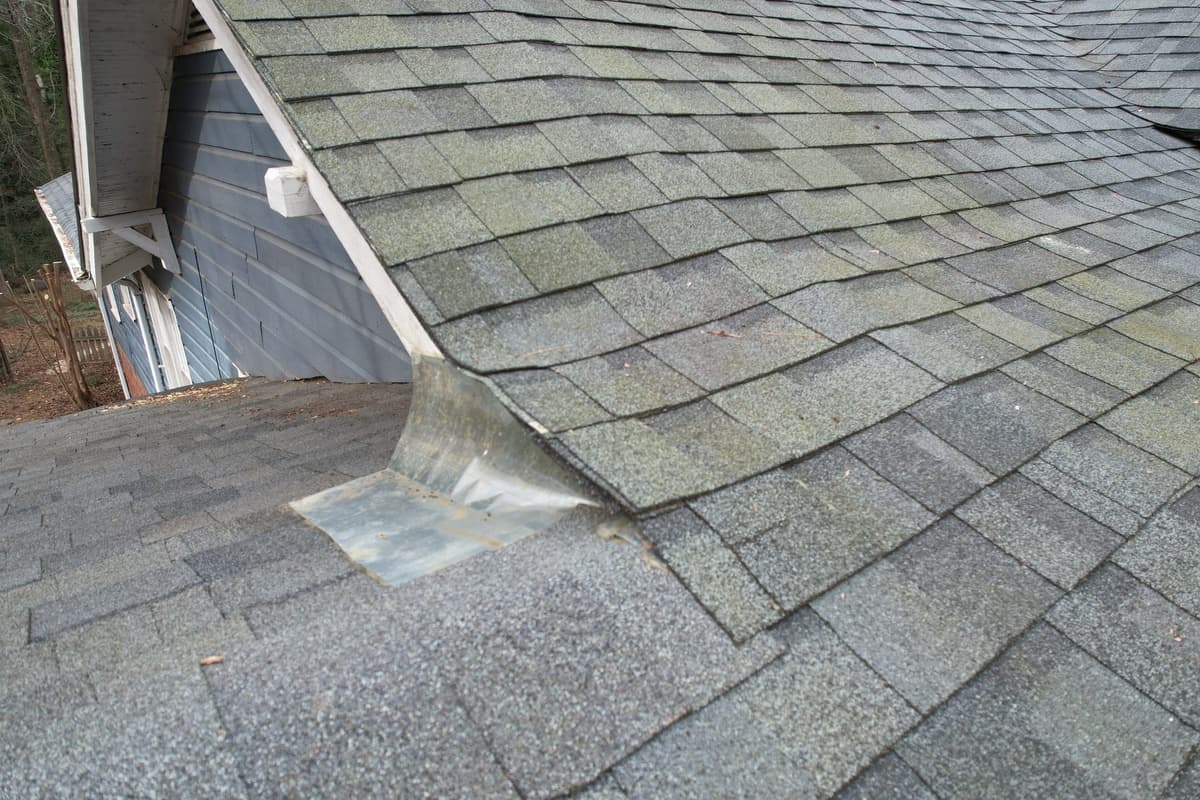
Charlotte, NC
new roof
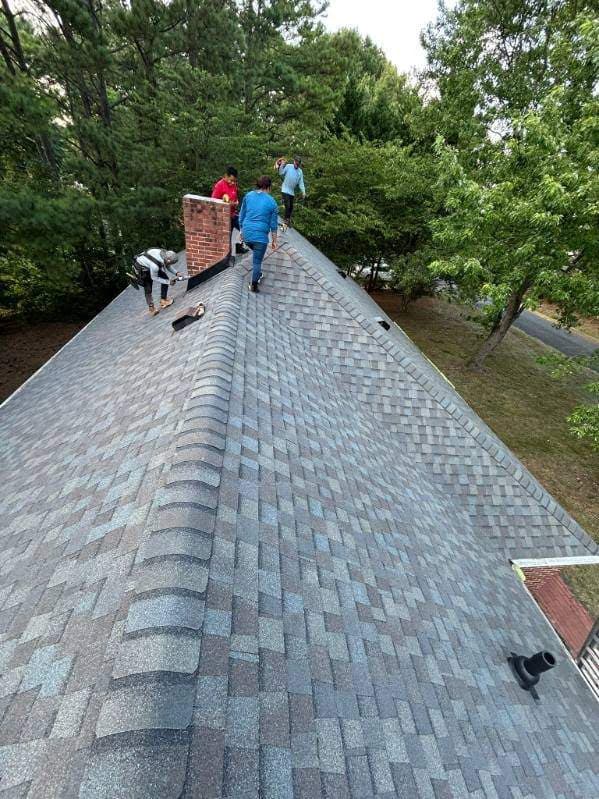
Charlotte, NC
new roof
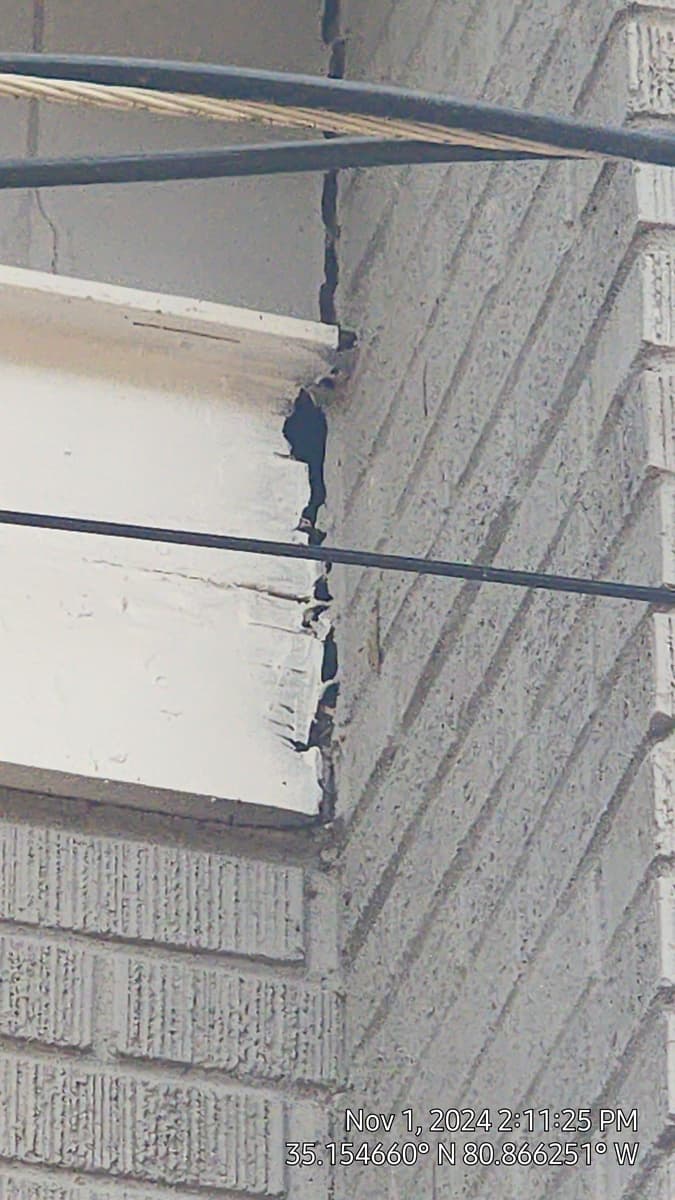
Charlotte, NC
new roof
Charlotte, NC
new roof
Get a free roof inspection and honest assessment from Charlotte's most trusted roofing company.


