
Roofing Tips & Guides
Expert Roofing Advice for Charlotte Homeowners
Learn from Charlotte's trusted roofing experts. Tips on maintenance, repair, replacement, and protecting your home from the elements.
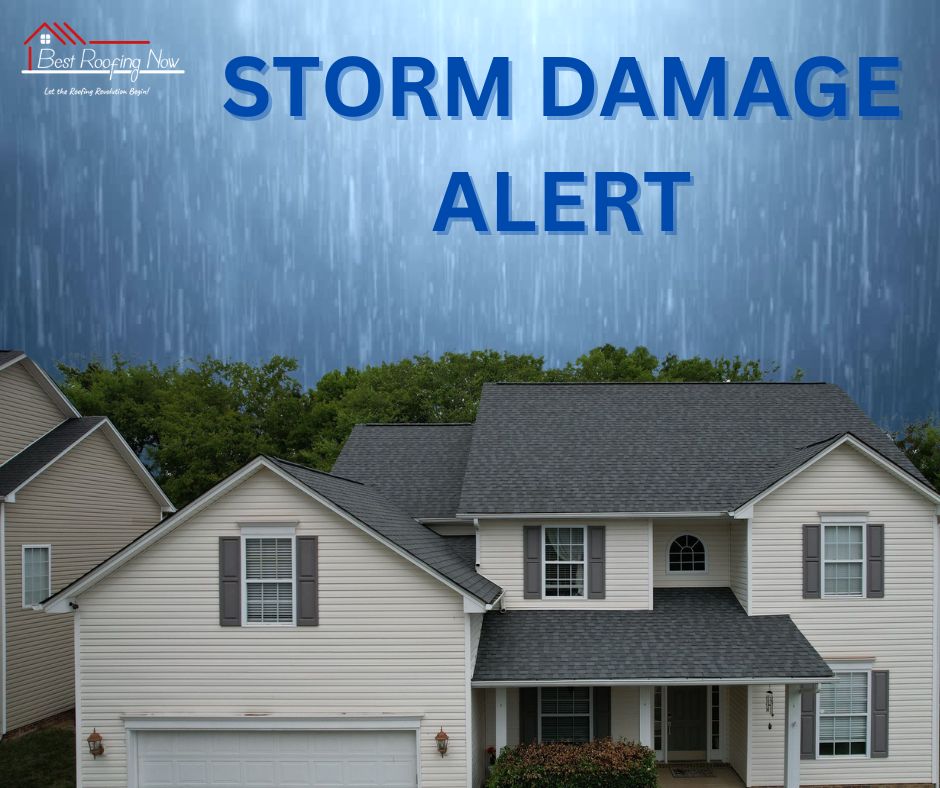
Leak or wind damage from Isaias? 24/7 emergency tarping, free storm-damage inspections and insurance-claim help.
Learn from Charlotte's trusted roofing experts. Tips on maintenance, repair, replacement, and protecting your home from the elements.
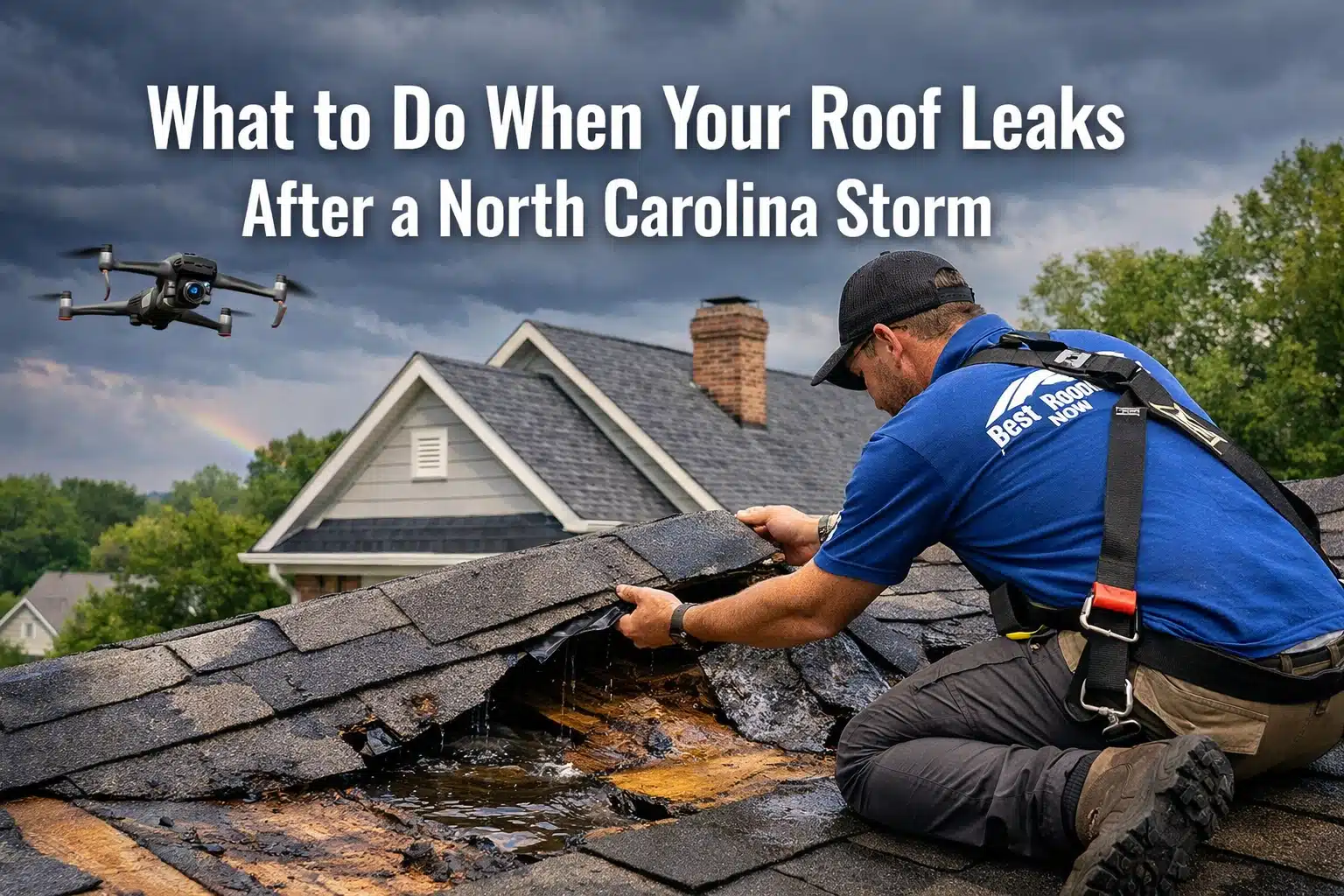
You hear that dreaded sound during a storm: drip, drip, drip.
Water's coming through your ceiling. Maybe it started as a small wet spot. Now it's a steady drip into the bucket you just grabbed from the garage. If you're a homeowner in Charlotte, Lake Norman, or Concord, you know how fast our spring and summer storms can hit. And when they do, they don't mess around.
Here's what I've learned after years of emergency roof leak repair in Charlotte: the first hour after you discover a leak is the most important. What you do right now can save you thousands of dollars in water damage, mold remediation, and structural repairs.
Let me walk you through exactly what to do when your roof leaks after a North Carolina storm: from the moment you spot that first drip to getting permanent repairs scheduled.
Your first job isn't to fix the roof. It's to protect everything inside your home.
Grab every bucket, tupperware container, and towel you can find. Place containers directly under active leaks. If water's running down a wall, put towels at the base to catch it before it soaks into your flooring.
Here's something most people don't think about: poke a small hole in a bulging ceiling. I know it sounds crazy. But if water's pooling above your drywall, that ceiling's going to collapse anyway. A controlled release into a bucket is way better than a sudden cave-in that dumps gallons of water and drywall chunks all over your furniture.
Move everything valuable away from the leak zone. Furniture, electronics, family photos: get them to a dry room. Water spreads faster than you think, especially if it's running along ceiling joists or down inside your walls.
If you can safely access your attic, do it. This is where you'll see the real story of what's happening.
Bring a flashlight and wear shoes with good grip. Attic floors can be slippery when wet, and you're only stepping on joists: one wrong step and your foot goes through the ceiling below.
Look for:
Take photos of everything. You'll need these for insurance claims and for the roofing contractor who comes out. The National Roofing Contractors Association recommends documenting all storm damage within 24 hours of discovery for the best insurance outcomes.
But here's the deal: if your attic has standing water or you see any electrical wires, get out. Water and electricity don't play nice. That's when you call professionals immediately.
Sometimes you can buy yourself a few hours or days with a temporary patch. But only attempt this if it's safe and the storm has passed.
From inside, you can use a tarp, plastic sheeting, or even a heavy-duty trash bag to create a barrier under the leak. Tape it securely so water runs down the plastic and into your collection bucket instead of spreading across your attic floor.
From outside, a tarp secured with 2×4 boards can stop water from entering until permanent repairs happen. But I'm going to be real with you: climbing on a wet roof after a storm is dangerous. We've seen too many homeowners get hurt trying to DIY a quick fix.
If you're not comfortable up there: and most people shouldn't be: call for emergency roof leak repair in Charlotte instead. We're used to working in less-than-ideal conditions. You're not.
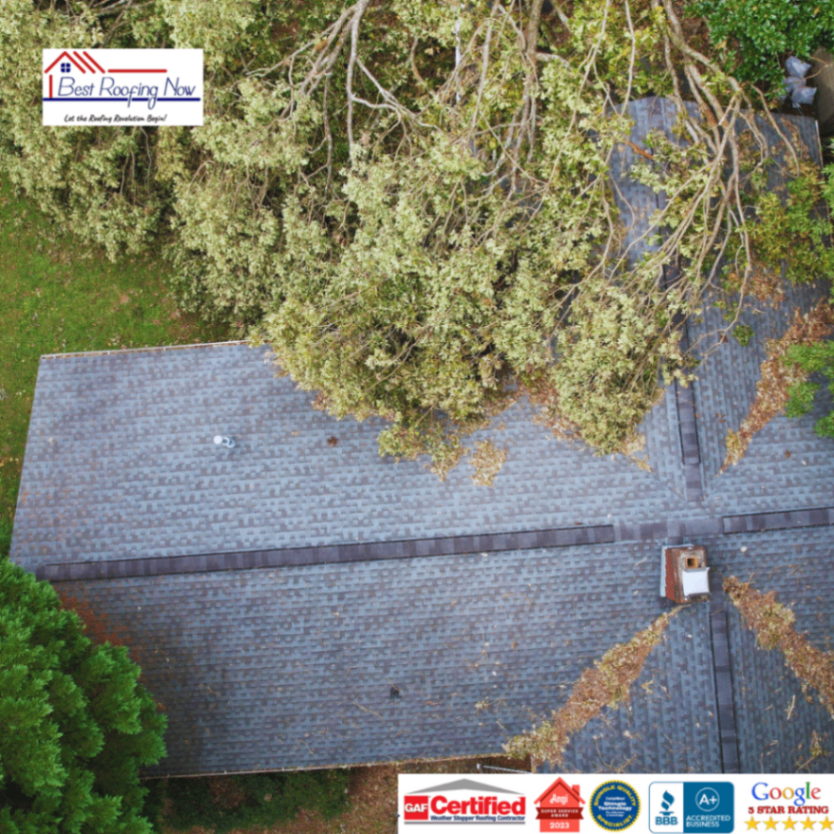
This isn't a "wait and see" situation. Every hour that passes means more water damage, higher repair costs, and increased risk of mold growth.
When you're looking for roof leak repair in Charlotte NC, response time matters. A lot.
After major storms in the Charlotte and Lake Norman area, roofing companies get slammed with calls. The contractors who live and work locally can usually respond faster than big national chains that have to dispatch crews from other cities.
That's one reason we built Best Roofing Now as a veteran-owned, local company. When storms hit Cornelius, Davidson, Huntersville, or Concord, we're already here. We're not waiting on corporate approval or routing calls through a distant call center.
Here's what to ask when you call:
We offer free inspections because we believe you deserve to know what's wrong before spending a dime. No pressure, no surprises, just honest assessment of your roof's condition.
A proper emergency roof inspection takes 30-45 minutes. Here's what we're looking at:
Exterior inspection: We examine your entire roof surface, not just where you see the leak inside. Why? Because water travels. The entry point on your roof might be 10 feet away from where it's dripping in your living room. We're checking for missing shingles, damaged flashing, cracked seals around vents and chimneys, and any punctures from fallen branches.
Interior inspection: We'll go in your attic to trace water stains and identify the exact entry point. We're also checking for secondary damage: wet insulation, soaked drywall, and early signs of mold that you might not see from below.
Documentation: We take detailed photos and measurements. If you're filing an insurance claim (and you probably should), having professional documentation from a certified roofer strengthens your case significantly.
Immediate temporary repairs: If needed, we'll perform emergency weatherproofing on the spot. We use synthetic underlayment instead of basic tarps when possible: it's stronger, more water-resistant, and lasts longer while you wait for insurance approval and full repairs.
The goal is simple: stop further damage and create a plan to fix it permanently.

Not every leak means you need a full roof replacement. Let's break down what different damage levels actually require:
Minor repairs (usually under $1,000): Small areas of damaged shingles, resealing flashing around chimneys or vents, replacing a few missing shingles. These are quick fixes that solve isolated problems.
Moderate repairs ($1,000-$5,000): Larger sections of damaged shingles, replacing damaged underlayment in a specific area, fixing multiple leak points, repairing damaged decking in spots. This is common after severe storms with high winds or hail.
Full replacement ($8,000-$20,000+ depending on size): When more than 30% of your roof is damaged, when your roof is already near the end of its lifespan (15-20 years for asphalt shingles), or when there's extensive decking damage. Sometimes a storm is just the final straw for an aging roof.
A good contractor will always recommend the most cost-effective solution: not automatically push you toward the most expensive one. We've done plenty of $500 repairs when that's all a roof needed, even though we could have sold a $15,000 replacement.
This part stresses people out, but it doesn't have to. Here's the streamlined process:
Step 1: Call your insurance company immediately. Report the damage as soon as possible. Most policies require "prompt notification" of storm damage.
Step 2: Document everything. Photos, videos, written descriptions. Date and time-stamp everything. Keep receipts for any emergency materials you bought (tarps, buckets, fans for drying).
Step 3: Get a professional assessment. Your insurance adjuster will inspect the damage, but having a roofing contractor's detailed estimate helps ensure nothing gets missed. We've found damage that adjusters initially overlooked countless times.
Step 4: Don't start permanent repairs until your claim is approved. Emergency weatherproofing is fine: that's preventing further damage, which your policy requires. But wait for approval before replacing shingles or decking.
Step 5: Work with your contractor during repairs. Good roofing companies will photograph the work in progress and document any additional damage found once we start removing old materials.
According to the Insurance Information Institute, storm damage claims are among the most common homeowner insurance claims in the Southeast. Most policies cover sudden storm damage, but they won't cover damage from lack of maintenance or gradual wear. That's why keeping up with regular roof inspections matters.
Living in the Charlotte and Lake Norman region means dealing with some seriously aggressive weather patterns. We're not coastal, but we're not protected either.
Spring and summer thunderstorms roll through with little warning. These bring high winds (40-60 mph gusts are common), heavy rainfall (2-3 inches in an hour), and occasionally hail. The Concord area especially seems to get hammered during severe weather events.
Hurricane remnants hit us regularly. Even though we're hours from the coast, storms like Florence and Michael taught us that weakened hurricanes still pack enough punch to rip shingles off and send trees through roofs.
Ice storms in winter create a different problem. Ice dams form when heat escapes through your roof, melts snow, and then refreezes at the eaves. That ice forces water under shingles and into your home. Proper attic insulation and ventilation prevent this, but many older homes in historic Charlotte neighborhoods weren't built with this in mind.
Tree damage is huge around Lake Norman. The area's beautiful canopy of mature trees turns dangerous during storms. A single large branch falling on your roof can cause thousands in damage. We've responded to dozens of fallen tree emergencies in Davidson, Cornelius, and Mooresville.

Look, I can't control the weather. But I can help you prepare your roof to handle whatever North Carolina throws at it.
Annual inspections are your best defense. Most homeowners only think about their roof when something goes wrong. That's too late. A yearly inspection (we recommend spring, before storm season) catches small problems before they become expensive emergencies. Loose shingles, worn flashing, clogged gutters: these are easy fixes that prevent leaks.
Trim overhanging branches. Any branch within 10 feet of your roof is a threat. High winds can turn them into battering rams. Fallen leaves from overhanging trees also clog gutters and trap moisture against your roof.
Upgrade vulnerable areas. Older homes often have outdated flashing around chimneys and vents. These are leak magnets during heavy rain. Upgrading to modern, properly sealed flashing costs a few hundred dollars and prevents thousands in water damage.
Improve attic ventilation. Good airflow in your attic extends your roof's lifespan and prevents ice dams. Many homes in the Charlotte area have inadequate ventilation because they were built before modern building codes.
Consider impact-resistant shingles. If you're replacing your roof anyway, upgrade to Class 4 impact-resistant shingles. They cost about 10-15% more than standard shingles but can handle hail and debris better. Some insurance companies even offer discounts for impact-resistant roofing.
When your roof is leaking and water's damaging your home, you need someone who shows up fast and knows what they're doing.
As a veteran-owned business, we approach emergency situations with the same urgency and precision we learned in service. No panic, no excuses, just immediate action and clear communication.
We keep emergency crews available specifically for situations like this. While other companies might tell you "we'll try to fit you in next week," we prioritize active leaks. Because we know every hour counts when water's entering your home.
Our emergency roofing services are available throughout Charlotte, Concord, Huntersville, Cornelius, Davidson, and the entire Lake Norman area. We know these communities because we live and work here. We've repaired roofs in virtually every neighborhood, and we understand the unique challenges of homes in this region.
The veteran-owned difference shows up in how we communicate too. We give you straight answers, not sales pitches. If your roof needs $500 in repairs, we're not going to try to sell you a $15,000 replacement. If you DO need a full replacement, we'll explain exactly why and show you the damage.
If you're dealing with an active leak right now:
Call us immediately: (704) XXX-XXXX. We answer emergency calls 24/7 because roof leaks don't wait for business hours.
Schedule a free inspection: Even if the leak stopped when the rain stopped, you need a professional assessment. What you can't see might be worse than what you can.
Don't wait for the next storm: If your roof is approaching 15-20 years old, get a roof inspection before severe weather hits. It's way easier to do preventive repairs on a sunny day than emergency repairs during a storm.
Check out our storm damage services page to see exactly how we handle emergency situations, what the process looks like, and what you can expect when you work with us.
Every storm season, we help hundreds of Charlotte-area homeowners get through roof emergencies. The homeowners who fare best are the ones who act fast, document everything, and work with experienced local contractors who know this region's weather patterns and building requirements.
Your roof is your home's first line of defense. When that defense fails during a storm, you need backup fast. That's what we're here for.
Stay dry out there, Charlotte. And if you hear that dreaded drip, you know who to call.
Best Roofing Now
Charlotte's trusted roofing experts since 2019
Based on this article, you may be interested in these services.
We proudly serve these Charlotte-area communities with professional roofing services.
View All Service Areas →See our recent roofing work across the Charlotte metro area.
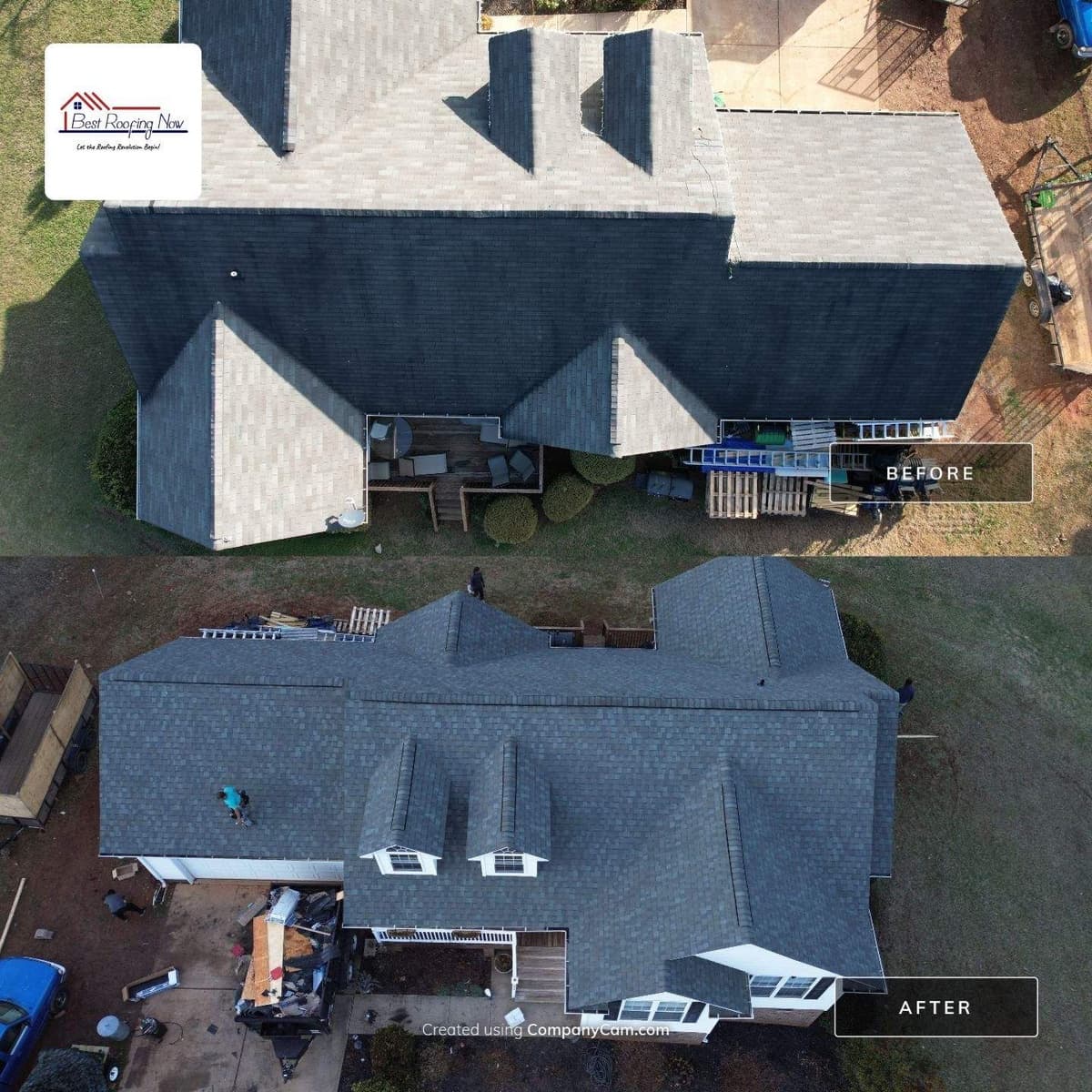
Charlotte, NC
new roof
Charlotte, NC
work in progress
Charlotte, NC
new roof
Charlotte, NC
new roof
Get a free roof inspection and honest assessment from Charlotte's most trusted roofing company.


