
Last updated:
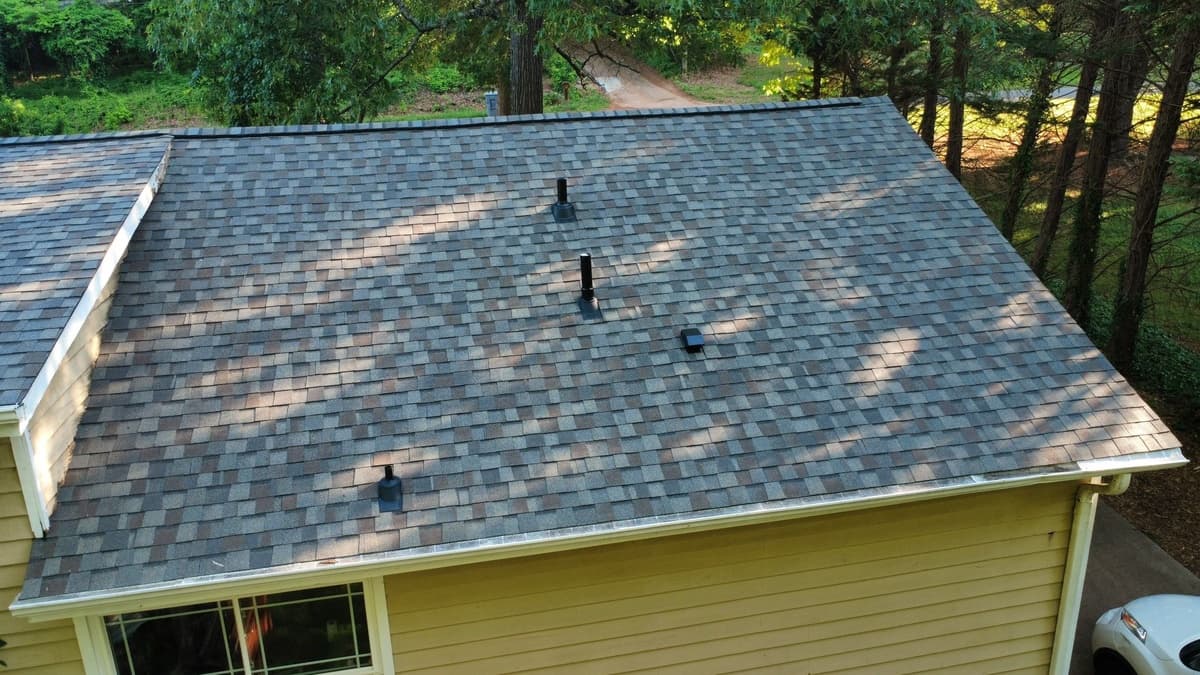
Charlotte NC Storm Season Roof Protection Guide: Before, During & After
Charlotte sees 45-50 thunderstorm days, 3-5 major hail events, and hurricane remnants every year. This comprehensive guide walks you through protecting your roof before storms arrive, keeping your family safe during severe weather, and recovering quickly after damage occurs. Whether you are facing hail, wind, fallen trees, or ice, we cover it all.
Charlotte's Storm Profile — What Your Roof Faces Each Year
Charlotte sits in one of the most active severe weather corridors in the Southeast, and your roof bears the brunt of every storm that rolls through Mecklenburg County. The Charlotte metro area averages 45-50 thunderstorm days per year, with 3-5 of those producing significant hail large enough to damage shingles, gutters, and metal roof components. Annual rainfall totals around 43 inches, and much of it arrives during intense downpours that test every seam, flashing detail, and shingle overlap on your roof. Peak storm season stretches from April through September, when the combination of heat, humidity, and unstable air masses produces severe thunderstorms capable of generating damaging straight-line winds, large hail, and occasional tornadoes.
Hurricane and tropical storm remnants affect the Charlotte area from June through November, with the most dangerous period in August and September. While Charlotte is approximately 200 miles inland from the coast, weakened hurricanes and tropical systems still deliver sustained winds of 40-70 mph, flooding rains, and widespread tree falls that cause catastrophic roof damage. Hurricane Hugo in 1989 and Hurricane Florence in 2018 both demonstrated that Charlotte is far from immune to tropical destruction. Winter brings its own challenges with periodic ice storms that load tree limbs and roof structures with heavy ice, create ice dams at eaves, and cause gutters to pull away from fascia boards. Understanding this annual storm cycle is the foundation of protecting your home and your investment.
Thunderstorm Days Per Year
Major Hail Events Per Year
Annual Rainfall
Hurricane Season
Peak Storm Season
Ice Storm Risk
Before the Storm — Your Preparation Checklist
The single most important thing you can do to protect your roof during Charlotte's storm season is to prepare before the first thunderstorm cell forms. A pre-season roof inspection by a licensed contractor identifies the weak points that turn into failures during severe weather: loose shingles, cracked flashing around chimneys and plumbing vents, deteriorated sealant at roof penetrations, worn ridge caps, and damaged valley metal. These issues are inexpensive to repair in calm weather but become urgent and costly emergencies during a storm. Your inspector should also check for signs of previous unrepaired damage, as cumulative wear from past storms weakens your roof's ability to withstand the next event.
Beyond the roof itself, your preparation checklist should include cleaning all gutters and downspouts to ensure water drains freely during heavy downpours, as clogged gutters cause water to back up under shingles and into your fascia and soffit. Consider installing gutter guards to reduce future maintenance. Trim all tree branches that hang within 10 feet of your roof, and have dead trees evaluated by an arborist before they become projectiles. Build an emergency contact list that includes your insurance agent's number, a trusted local roofing contractor, and your policy number. Keep this list accessible along with dated photographs of your roof's current condition, which will be invaluable if you need to file an insurance claim.
Schedule a Professional Roof Inspection
EssentialHave a licensed roofer inspect for loose shingles, damaged flashing, worn sealant, and signs of previous unrepaired damage.
Schedule InspectionClean Gutters and Downspouts
EssentialClear all debris to ensure proper drainage during heavy rainfall. Backed-up gutters cause water intrusion under shingles.
Gutter ServicesInstall Gutter Guards
RecommendedReduce ongoing maintenance and prevent storm debris from clogging your drainage system during severe weather.
Gutter GuardsTrim Trees and Remove Dead Branches
EssentialCut branches within 10 feet of your roof. Dead trees should be evaluated by a certified arborist and removed before storm season.
Repair Vulnerable Areas
EssentialFix loose flashing, replace missing shingles, reseal cracked caulk around vents and pipes, and secure ridge caps.
Roof MaintenanceReview Insurance Policy and Document Your Roof
EssentialUnderstand your deductible and coverage limits. Take dated photos of your roof condition for insurance records.
Prepare for Winter Ice Events
RecommendedEnsure proper attic insulation and ventilation to prevent ice dams. Check that heat cables are functional if installed.
Ice Dam PreventionBuild Your Emergency Contact List
EssentialSave your insurance agent, policy number, and a trusted local roofing contractor in your phone before you need them.
During the Storm — Protecting Your Home and Family
When severe weather strikes Charlotte, your primary concern must be the safety of everyone inside your home, not your roof. Move to an interior room on the lowest floor, away from windows and exterior walls. If you live in a manufactured home or feel your structure is at risk, evacuate to a designated shelter before the storm arrives. Keep battery-powered radios or a charged phone tuned to local emergency alerts from the National Weather Service. Charlotte-area tornado warnings require immediate action: move to a basement or the most interior ground-floor room and cover yourself with blankets or mattresses.
Under no circumstances should you go on your roof during a storm, even during a lull or what appears to be the passing of the worst weather. Wind gusts can return suddenly, wet roof surfaces are dangerously slippery, and lightning remains a lethal threat until 30 minutes after the last thunder. If you hear the sound of your roof failing — cracking, ripping, or see water entering from above — move everyone away from that area immediately and place buckets or containers to catch water. Do not attempt temporary repairs until the storm has completely passed and conditions are safe. If a tree falls through your roof creating an open hole, move to the opposite side of the home and call 911 if anyone is in danger, then call a roofing emergency line for emergency tarp service once conditions allow.
Do During a Storm
- Move to an interior room away from windows
- Keep phones charged and listen to weather alerts
- Place buckets under any active leaks
- Move valuables away from affected areas
- Stay on the lowest floor of your home
- Keep emergency supplies accessible
Never Do During a Storm
- Go on the roof for any reason
- Go outside during a lull in the storm
- Touch downed power lines or flooded areas
- Attempt permanent repairs in active weather
- Open windows (this does not help equalize pressure)
- Ignore tornado warnings — take immediate shelter
After the Storm — Your Step-by-Step Action Plan
The hours and days after a storm are critical for protecting both your home and your insurance claim. Your first priority is confirming that all family members and neighbors are safe. Do not go outside until local authorities give the all-clear, and watch for downed power lines, broken glass, and unstable tree limbs when you do venture out. Assess your roof damage from ground level only, using binoculars if available. Look for obvious signs: missing shingles on the ground, visible holes or exposed decking, damaged gutters hanging loose, and debris scattered on the roof surface. Photograph everything you see before touching, moving, or cleaning anything, as this documentation is critical for your insurance claim.
Do not make permanent repairs yet. Your insurance company needs to see the damage as the storm left it. You are, however, required by your policy to prevent further damage, which means emergency tarping of any exposed areas and removing water from inside your home. File your insurance claim within 48 hours for the strongest position, and keep all receipts for emergency mitigation expenses, as these are typically reimbursable. Avoid signing any contract with door-to-door storm chasers who appear in your neighborhood after a storm. Instead, contact a reputable, locally established roofing contractor with verifiable credentials and a permanent Charlotte address. The right contractor will provide a free inspection, attend your insurance adjuster meeting, and advocate for a fair settlement on your behalf.
Ensure Safety First
Wait for the all-clear from authorities. Watch for downed power lines and unstable trees. Check on family members and neighbors before assessing property.
Assess Damage from Ground Level
Use binoculars to inspect your roof from the ground. Look for missing shingles, exposed decking, damaged gutters, and debris. Never climb on a wet or damaged roof.
Photograph All Damage
Take wide-angle and close-up photos of every area of damage before any cleanup. Document interior water damage, fallen debris, and damage to gutters and siding.
Prevent Further Damage
If safe, tarp exposed areas to prevent water intrusion. Place buckets under leaks. Your insurance policy requires you to mitigate further damage. Keep all receipts.
File Your Insurance Claim Within 48 Hours
Contact your insurer promptly. Provide your documentation and get a claim number. Ask about separate wind or hurricane deductibles that may apply.
Call a Trusted Local Roofing Contractor
Schedule a free professional inspection with a licensed, locally established contractor. Avoid storm chasers. Your contractor should attend the adjuster meeting.
Storm Damage by Type
Different storm events cause different types of roof damage, each with unique repair requirements and insurance considerations. Understanding what to look for helps you respond effectively and get the repair coverage you deserve.
Hail Damage
Hail is the most common cause of storm-related insurance claims in the Charlotte metro area, with 3-5 significant events per year producing hailstones large enough to damage roofing materials. Hail damage to asphalt shingles manifests as circular dents or bruises, cracked shingle surfaces, knocked-off granules that expose the underlying asphalt, and broken seal strips that allow wind to lift shingles. Metal components like roof vents, flashing, and gutters show visible dents and deformation. The challenge with hail damage is that much of it is not visible from the ground. Shingle bruising, for example, can only be detected by pressing on the shingle surface and feeling for soft spots where the fiberglass mat has been fractured. This is why a professional inspection after any hail event is essential. Insurance companies generally cover full roof replacement when hail damage is widespread, as partial repairs on a hail-damaged roof often fail prematurely.
Hail Damage Roof Repair in CharlotteWind Damage
Charlotte's severe thunderstorms regularly produce straight-line winds exceeding 60 mph, and these events cause some of the most visible roof damage in the region. High winds attack your roof's most vulnerable points first: ridge caps, hip shingles, rake edges, and any area where shingles were improperly nailed or have deteriorated seal strips. When wind gets under a shingle tab, it can peel entire sections off in seconds, exposing the underlayment or bare decking to rain. Wind damage often creates a cascading effect, where missing shingles allow water infiltration that damages the decking, which then weakens the attachment of surrounding shingles. Even if shingles are not completely torn off, high winds break the adhesive seal strips that hold shingle tabs flat, and once broken, those shingles become permanently vulnerable to future wind events. Post-wind inspection should check every ridge cap, hip line, and roof edge, along with flashing around chimneys and walls.
Wind Damage Roof Repair in CharlotteHurricane & Tropical Storm Damage
When hurricane or tropical storm remnants reach Charlotte, they combine sustained high winds with prolonged heavy rainfall, creating a double threat that overwhelms roofing systems in ways that ordinary thunderstorms do not. Sustained winds of 40-70 mph over several hours fatigue shingle adhesion far more than brief gusts, while continuous rainfall at rates exceeding 2-3 inches per hour finds every vulnerability in your roof's defense. Saturated soil also destabilizes Charlotte's mature hardwoods, causing widespread tree falls that are the leading cause of catastrophic roof damage during tropical events. Hurricane Hugo (1989) produced 80+ mph gusts in Charlotte and caused billions in damage. Florence (2018) brought flooding rains that tested every roof in Mecklenburg County. Your best preparation involves a professional inspection before hurricane season, securing loose components, and having emergency tarp materials on hand. After a tropical event, document all damage immediately as insurers experience high claim volumes and early documentation strengthens your position.
Hurricane Damage Roof Repair in CharlotteFallen Tree & Debris Damage
Charlotte's reputation as the "City of Trees" comes with a significant liability during storm season. Mature oaks, pines, and poplars throughout Mecklenburg County become hazardous when high winds combine with saturated soil, and a single large limb can cause tens of thousands of dollars in structural roof damage. Tree strikes often compromise not just the roofing material but the underlying decking and even the roof trusses or rafters, requiring structural engineering assessment before repairs can begin. Emergency response is critical because an open hole in your roof allows water to pour directly into your living space, damaging ceilings, insulation, electrical systems, and personal property. If a tree falls on your roof, evacuate the affected area immediately, call 911 if the structure feels unstable, and contact a roofer for emergency tarping as soon as conditions are safe. Insurance typically covers tree damage plus the cost of tree removal from the structure.
Tree Damage Roof Repair in CharlotteIce Storm Damage
While Charlotte's winters are generally mild, the region experiences periodic ice storms that create unique and often underestimated roof damage. Ice accumulation of even a quarter inch adds substantial weight to your roof structure, and heavier accumulations can stress trusses and cause sagging. Ice dams form when heat escaping from poorly insulated attics melts snow on the upper roof, which then refreezes at the colder eaves, creating a barrier that forces water back up under shingles. This water intrusion damages sheathing, insulation, and ceiling materials without any visible exterior damage. Ice also loads tree limbs to the breaking point, causing falls that damage roofs, gutters, and satellite dishes. The January 2026 ice storm demonstrated Charlotte's vulnerability, with widespread gutter damage, ice dam formations, and tree-related roof damage across the metro area. Proper attic insulation, adequate ventilation, and pre-winter gutter cleaning are your primary defenses against ice storm damage.
Navigating Your Insurance Claim After Storm Damage
Filing a storm damage insurance claim can feel overwhelming, especially when you are also dealing with a damaged home and disrupted daily life. The process, however, is straightforward when you understand the steps and have the right contractor supporting you. Start by contacting your insurance company as soon as possible after documenting your damage, ideally within 48 hours of the storm event. Provide your claim number to your roofing contractor so they can coordinate directly with your adjuster. The most important step in the entire process is the on-site adjuster meeting, and having your roofing contractor present during this inspection is critical. A trained roofer can identify damage patterns that adjusters sometimes miss, particularly hail bruising, compromised seal strips, and damage to less visible components like valley metal and pipe boot flashings.
Understanding what your policy covers prevents surprises. Standard homeowners insurance covers storm damage including hail, wind, fallen trees, and hurricane damage as "Act of God" events. Your standard deductible applies, though some North Carolina policies carry separate wind or hurricane deductibles of 1-5% of your dwelling coverage amount. Cosmetic damage exclusions are becoming more common in NC policies, so review your policy language carefully. If your claim is denied or underpaid, your contractor can supplement with additional documentation, and you have the right to request re-inspection or hire a public adjuster. Best Roofing Now has helped hundreds of Charlotte homeowners navigate the insurance process, and many clients who were initially offered partial repairs ultimately received full roof replacements when proper documentation was provided.
What Insurance Typically Covers
- Hail damage to shingles, vents, and gutters
- Wind damage including missing shingles
- Fallen tree damage and tree removal from structure
- Hurricane and tropical storm damage
- Emergency tarping and mitigation costs
- Interior water damage from roof failures
What May Not Be Covered
- Wear and tear or maintenance neglect
- Damage from lack of upkeep (clogged gutters)
- Cosmetic-only damage (policy dependent)
- Pre-existing damage from prior storms
- Flood damage (requires separate flood policy)
- Damage reported after filing deadline
Storm Damage Repair Across the Charlotte Metro
Best Roofing Now provides storm damage roof repair and insurance claim assistance throughout the Charlotte metro area. Whether you live in the heart of Charlotte, the Lake Norman corridor, or the surrounding suburbs, our crews respond quickly with the same high-quality workmanship and insurance expertise. Storms do not respect city boundaries, and neither does our service area. Every location benefits from our free storm damage inspections, on-site adjuster meetings, and comprehensive repair services backed by manufacturer warranties.
Why Charlotte Homeowners Trust Best Roofing Now for Storm Damage
24/7 Emergency Response
We respond within hours, day or night, to tarp your roof and prevent additional water damage to your home.
Insurance Claim Experts
We handle your entire claim process, meet with adjusters, and fight for fair settlements on your behalf.
5.0 Google Rating
69+ five-star reviews. BBB A+ rated. Veteran-owned and family-operated since 2020.
Certified Installers
CertainTeed certified. Premium materials with manufacturer-backed warranties.
Charlotte Storm Season Roof Protection FAQ
Common questions about storm preparation, damage assessment, insurance claims, and roof repair in Charlotte NC.
Still have questions?
Contact us for a free consultation →Storm Damage Experts | Insured & Certified | BBB A+ Rated
Recent Roofing Projects in Charlotte, NC
Browse completed roofing projects from the Charlotte area by Best Roofing Now.
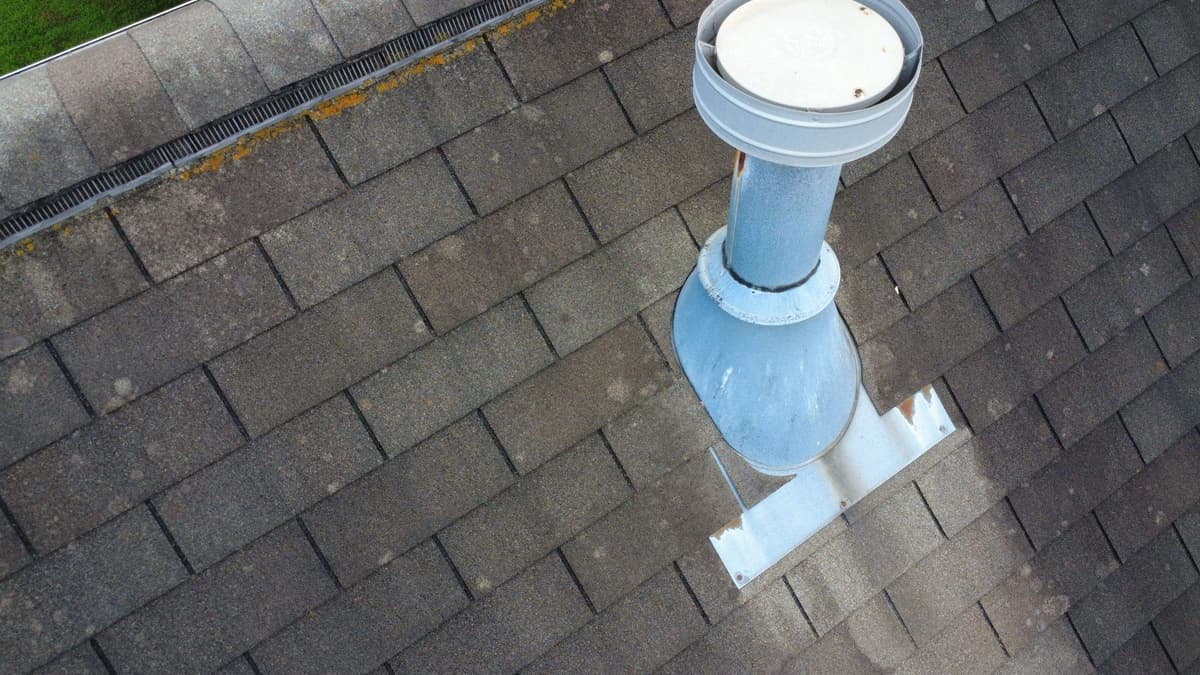
Charlotte, NC
work in progress
Charlotte, NC
new roof
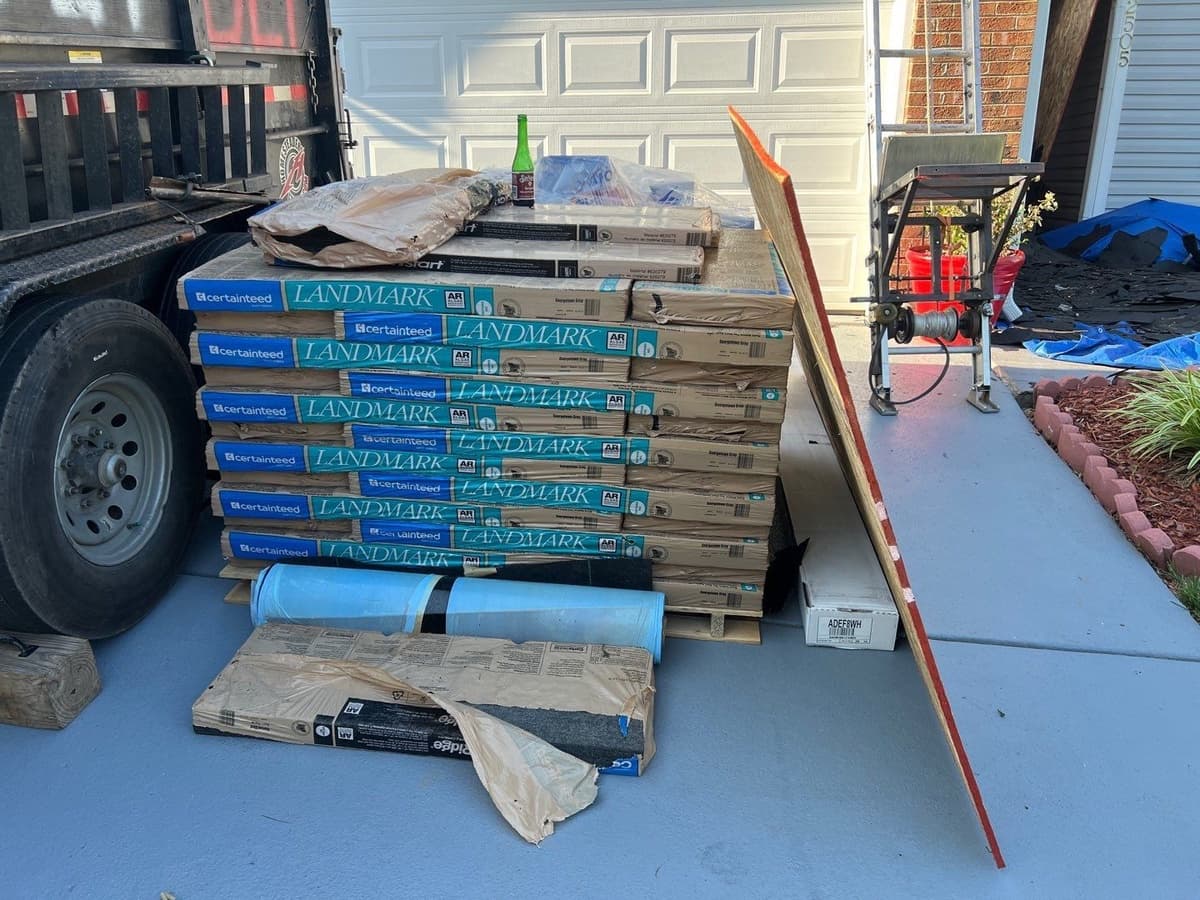
Charlotte, NC
completed exterior
Charlotte, NC
new roof
Storm Season is Here — Is Your Roof Ready?
Schedule a free pre-season inspection or get emergency storm damage help. Fast response, expert assessment, and complete insurance claim support.
No pressure. No obligation. Just honest advice from a family-owned business.