
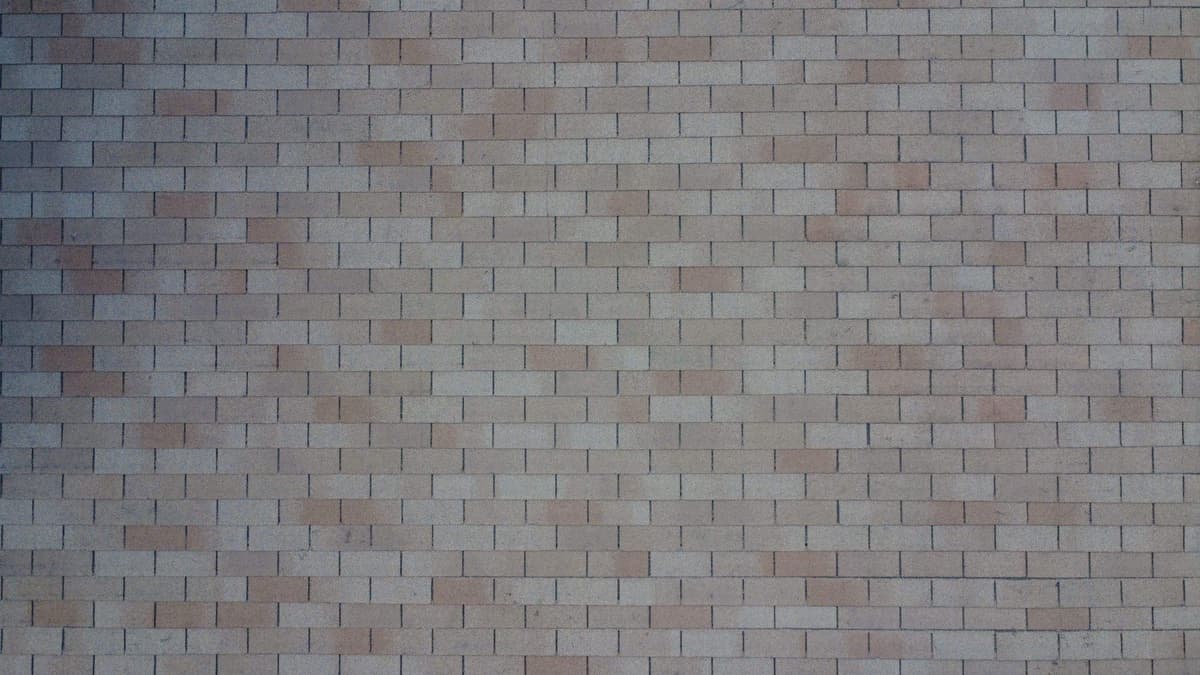
Roof Coating Charlotte NC
Commercial Roof Restoration
Extend membrane life at a fraction of replacement cost
Commercial roof coating across Charlotte NC and Lake Norman — silicone (our default spec, handles ponding), acrylic elastomeric, SPF (adds insulation R-value), polyurethane aliphatic, and asphalt emulsion. authorized installer for the Henry Dura-Brite silicone program with 10/15/20-year manufacturer warranties and NDL tier for authorized installers. Moisture survey required before every quote — coating is NOT appropriate for roofs with widespread ponding or 10%+ wet insulation. Duke Energy rebate documentation and capex-deferred-maintenance tax support included.
Benefits of Roof Coating
Why Charlotte commercial building owners choose coating over full replacement.
Extends Roof Life 10–15 Years
Add meaningful remaining life to aged membranes without tear-off disruption — critical for capex-constrained properties.
Cuts Cooling Costs 20–40%
White silicone reaches SRI 104+. Energy Star eligible coatings reduce Charlotte summer HVAC load materially.
50–70% Below Tear-Off Cost
Coating at $2.50–$6/sq ft vs tear-off and replace at $6–$13/sq ft. Often treated as capex-deferred maintenance on commercial books.
Monolithic Seamless Seal
Self-flashing around penetrations, curbs, drains, and parapet terminations — no seams or laps to fail.
UV Protection
Protects the underlying membrane from UV oxidation that accelerates failure on exposed TPO/EPDM/mod-bit.
Minimal Business Disruption
No tear-off debris, quieter install, tenant spaces stay occupied. Typical 2–5 day application window.
Coating Types We Apply
We match the coating system to your substrate, slope, and budget.
Silicone Coating
Our default Charlotte spec. Handles ponding water without degradation, UV stable, high SRI reflectivity. Typical 22 mil DFT applied in 2 coats.
Lifespan: 15–20 years
Best For: Flat roofs with ponding, high UV exposure, Energy Star spec
Acrylic (Elastomeric) Coating
Water-based, flexible, good adhesion to most substrates. Lower cost than silicone but requires good drainage — not for ponding roofs.
Lifespan: 10–15 years
Best For: Sloped metal, BUR, mod-bit with proper slope
SPF (Spray Polyurethane Foam)
Foam base adds R-value insulation plus waterproof membrane in one application. Requires annual SPF-compatible top-coat refresh.
Lifespan: 20–30 years with recoat cycle
Best For: Adding insulation value, transforming uninsulated steel deck roofs
Polyurethane (Aliphatic) Coating
Extremely durable, great UV and abrasion resistance. Standard for high-traffic roofs with foot traffic and HVAC service paths.
Lifespan: 15–20 years
Best For: High-traffic, industrial, military-spec projects
Asphalt Emulsion Coating
Budget restoration for aged BUR and modified bitumen. Good short-term protection; lower UV and weathering resistance than polymer coatings.
Lifespan: 5–10 years
Best For: Budget-driven restoration of aged asphalt systems
Good Coating Candidates
Roof coating works best for these situations:
- TPO, EPDM, or PVC with 5+ years remaining life and under 10% moisture
- Metal roofs with surface rust or fading
- Modified bitumen or built-up roofs with intact structure
- Spray foam (SPF) roofs needing scheduled top-coat refresh
- Roofs with minor weathering and isolated leak history
- Properties where full replacement is not in the current capex budget
NOT Coating Candidates
Coating is the WRONG choice in these situations — tear-off and replace instead:
- Widespread ponding water documented 48+ hours after rainfall
- Moisture survey shows 10%+ wet insulation — coating traps moisture, accelerates failure
- Membrane is past 80% of rated life with brittle, cracking surface
- Extensive mechanical damage or structural deck issues
- Roofs with chronic mold, algae, or biological growth not remediated
- Recently repaired or patched areas not fully cured
10-Step Professional Application Process
What we do on every Charlotte coating project — moisture survey through warranty registration.
Moisture survey — capacitance meter or infrared scan to confirm under 10% wet insulation
Pressure wash with manufacturer-approved cleaner to remove contaminants
Repair all seams, penetrations, and mechanical damage before coating
Verify substrate is dry, temperature above 50°F, humidity under 85%
Reinforce transitions and penetrations with polyester fabric embed
Apply base coat at manufacturer-specified mil thickness with wet-mil gauge
Allow proper cure time between coats per manufacturer spec
Apply top coat to full dry film thickness (typical 22 mil for silicone)
Document SRI values and square footage for Duke Energy rebate submission
Register manufacturer warranty — 10, 15, or 20 year options depending on mil thickness
Related services: Commercial Roofing · Flat Roof Repair · Commercial PM Programs · Roof Maintenance · Roof Inspection
Extend Your Roof's Life
Get a free moisture survey to see if coating is the right path for your Charlotte property.
Roof Coating Projects
Browse completed roof coatings.
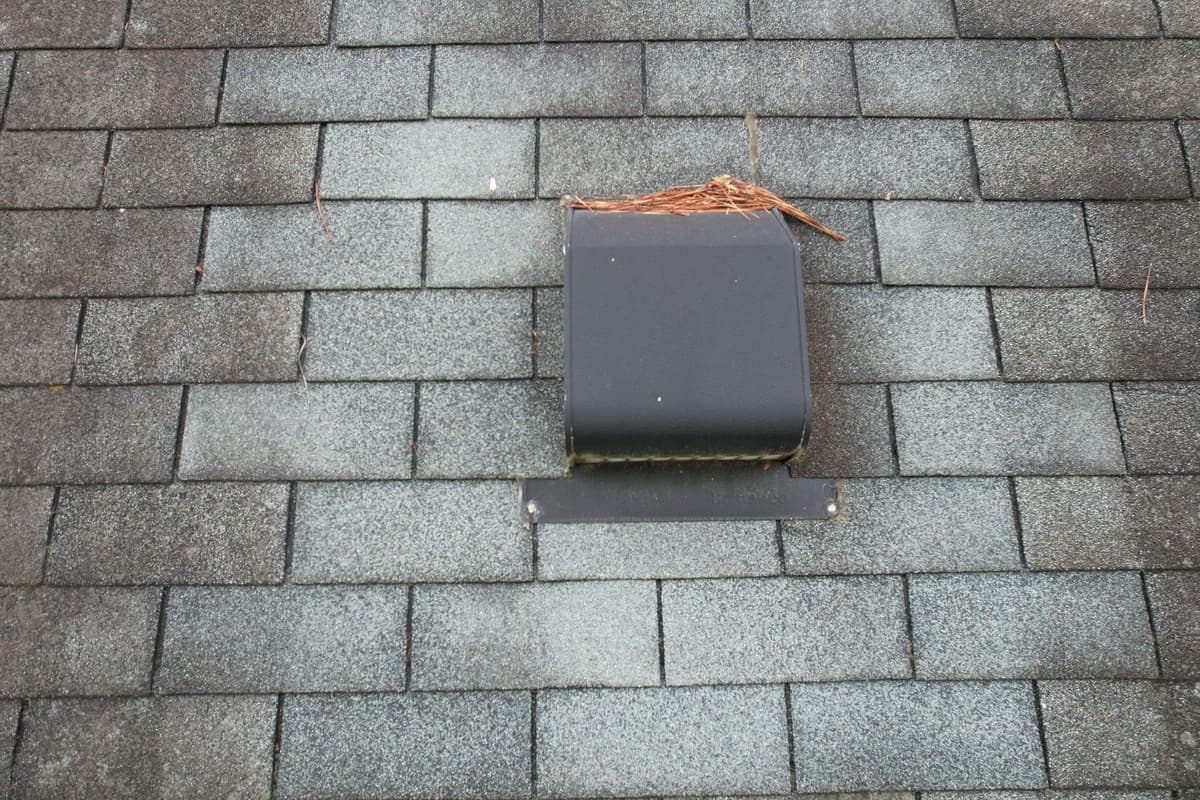
Charlotte, NC
new roof
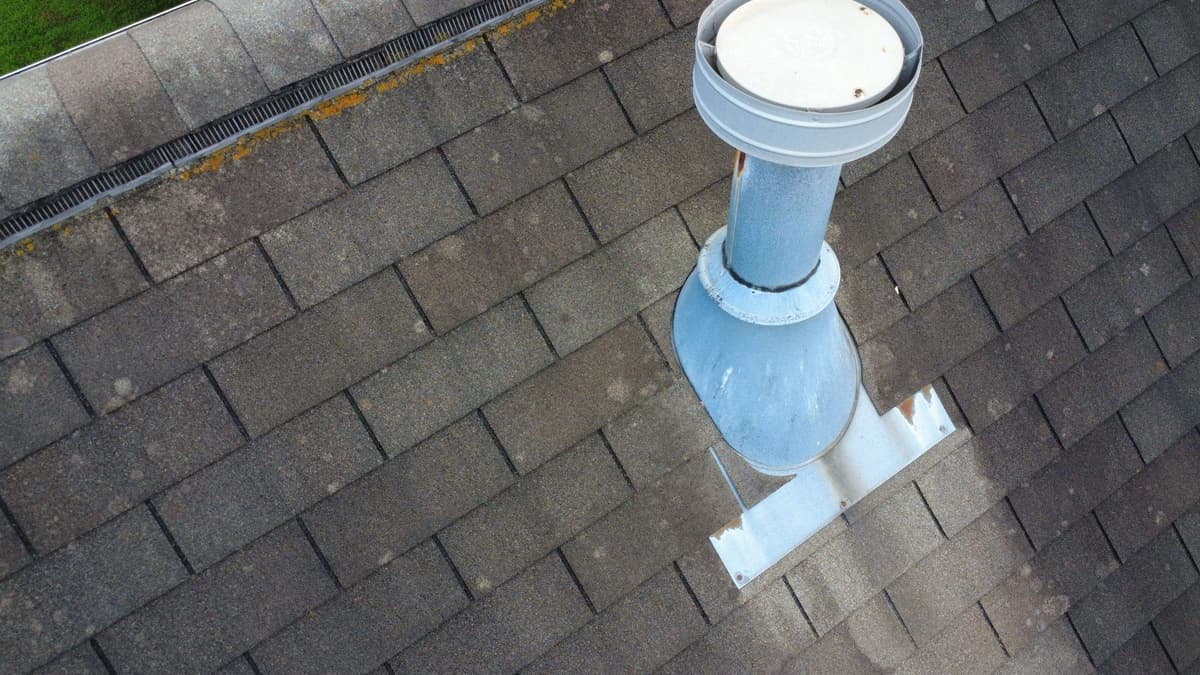
Charlotte, NC
work in progress
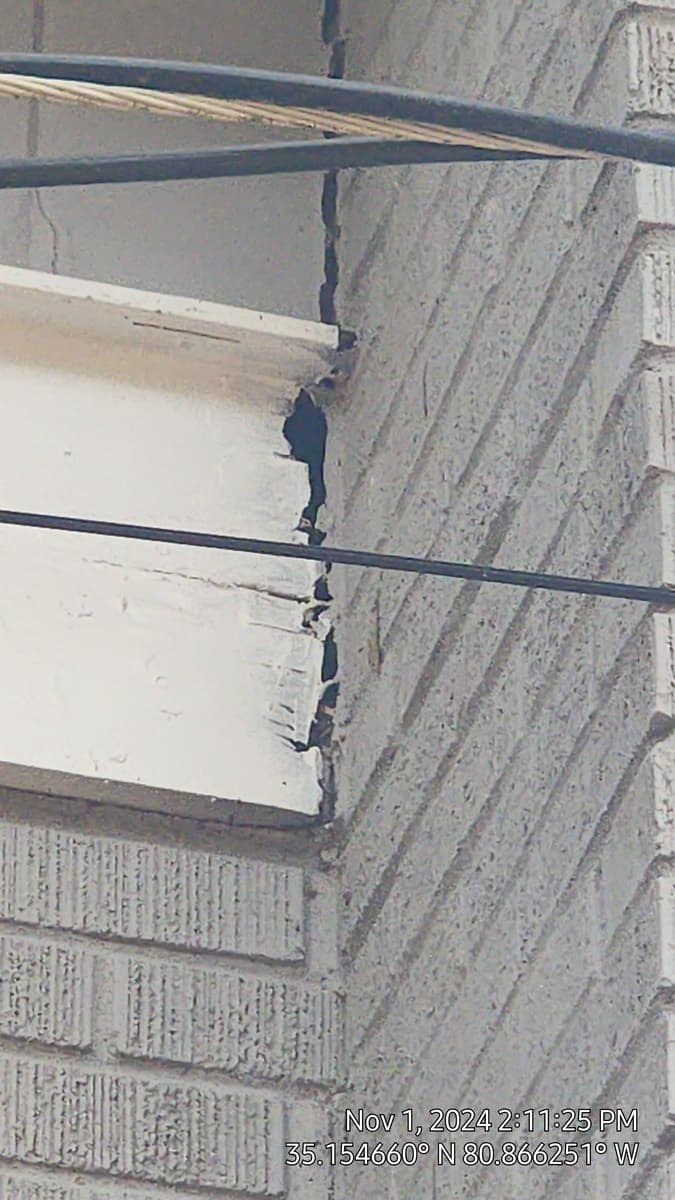
Charlotte, NC
new roof
Charlotte, NC
new roof
Roof Coating FAQs
How much does roof coating cost in Charlotte NC?
2026 Charlotte market ranges: silicone coating $3–$6/sq ft (default spec), acrylic elastomeric $2.50–$4.50/sq ft, SPF with protective top-coat $4.50–$8/sq ft, polyurethane aliphatic $4–$7/sq ft, asphalt emulsion $1.75–$3/sq ft. A 20,000 sq ft commercial building typically runs $50,000–$120,000 for silicone — 50–70% below the $140,000–$240,000 cost of full tear-off and replacement. Price variance driven by existing substrate condition, required prep work, and mil thickness (warranty tier).
When does coating save money vs full roof tear-off and replacement?
Coating wins when: (1) membrane has 5+ years remaining life but is oxidizing; (2) moisture survey shows under 10% wet insulation; (3) ponding is absent or limited; (4) your capex budget is constrained this fiscal year; (5) you want to extend the roof to a planned future tear-off window (often 10–15 years out). Coating LOSES to replacement when moisture is widespread, membrane is past 80% life, or ponding is severe. We perform moisture survey before recommending path.
What is the difference between silicone, acrylic, and SPF coatings?
Silicone: UV-stable, ponding-tolerant, high SRI reflectivity — our Charlotte default for flat roofs with any ponding history. Acrylic (water-based elastomeric): lower cost, good adhesion, but NOT ponding-tolerant — strong only when drainage is confirmed. SPF (spray polyurethane foam): unique because it adds R-value insulation plus waterproof membrane in one application — used to transform uninsulated steel-deck buildings. Each has different substrate compatibility and surface prep requirements.
Can you coat any roof in Charlotte?
Most flat and low-slope roofs yes, with clear exclusions. Good candidates: TPO/EPDM/PVC/mod-bit/BUR with under 10% moisture and 5+ years remaining life, metal roofs with surface rust, aged SPF needing top-coat refresh. NOT candidates: widespread ponding, 10%+ wet insulation (coating traps moisture and accelerates deck failure), brittle membrane past 80% life, chronic mold not remediated. We perform capacitance or infrared moisture survey before every Charlotte coating quote.
Will coating fix my existing commercial roof leaks?
Depends on leak type. Coating CAN seal: micro-cracks, weathered surface, UV-oxidized membrane, minor seam wear, small punctures patched before coating. Coating CANNOT fix: active structural leaks, damaged flashings, membrane punctures under ponding, deteriorated roof drains, wet insulation causing interior water intrusion. Our Charlotte process repairs all identified leak sources BEFORE coating — otherwise the coating traps water and makes the problem worse.
How long does coating installation take?
Typical Charlotte timelines: 5,000 sq ft 2–3 days, 10,000 sq ft 3–5 days, 25,000 sq ft 5–8 days, 50,000+ sq ft 8–15 days. Weather-dependent — we pause during active rain and require 24 hours between coats for cure. Ideal application windows in Charlotte: April–May and September–October when temperatures stay 55–85°F and humidity is manageable. The roof is walkable within 24 hours of final coat for emergency access; full cure takes 7–14 days.
What manufacturer warranties come with roof coatings?
Typical options: 10-year material warranty (base spec, single-coat systems), 15-year material warranty (full-system 2-coat with manufacturer-approved prep), 20-year material warranty (premium silicone systems with higher mil thickness), 20-year NDL (No Dollar Limit) system warranty for authorized installers (covers material + labor). We are authorized Charlotte installers for the Henry Dura-Brite silicone program, unlocking the strongest warranty tier. Warranty registration requires submission within 90 days of install.
Do Charlotte coating projects qualify for energy rebates or tax deductions?
Two programs matter. (1) Duke Energy Commercial Business Energy Program — periodically offers rebates on reflective roof upgrades; we document SRI value and square footage for submission. Available credits vary year to year. (2) Commercial tax treatment — coating is often eligible for expense treatment as capex-deferred maintenance (vs capitalized replacement), depending on your accountant's interpretation of IRS repair regs. We provide itemized documentation to support the classification your CPA recommends.
Can I recoat an existing coated roof?
Yes — and scheduled recoat cycles are how properly maintained coatings last 20–30+ years. Silicone recoat every 15–20 years, acrylic every 10–15 years, SPF needs top-coat refresh every 10–15 years even when the foam remains intact. Recoat prep is simpler than initial coating — typically clean, spot-repair, and apply full-thickness top coat. Recoat cost runs 60–75% of initial coating application. We track recoat timing on maintenance-program customers and proactively notify before warranty expiration.
Does coating change how I inspect and maintain my roof?
Largely no — but maintenance matters more. Coated roofs need the same 2x/year inspections (spring and fall): drain and scupper cleanout, visual scan for mechanical damage, sealant checks at penetrations, walkpad verification. Key difference: coating does not tolerate chemical contamination (HVAC condensate, kitchen grease, some cleaning products). We include coating-specific maintenance in PM contracts and can add annual coating-condition reports for customers with 15-year warranty coverage.
Save Money with Roof Coating
Get a free moisture survey from Charlotte's commercial roofing experts.
No pressure. No obligation. Just honest advice from a family-owned business.