
Attic Ventilation & Energy Efficiency
Proper attic ventilation is critical for roof longevity and home comfort across Charlotte and the surrounding communities of Ballantyne, SouthPark, Dilworth, Plaza Midwood, Steele Creek, University City, and the Lake Norman towns of Huntersville, Cornelius, Davidson, and Mooresville. NC IRC §R806 requires 1:150/1:300 NFVA balanced ventilation — and missing it voids GAF/CertainTeed/OC warranties, increases energy costs, and causes premature roof failure.
Get Ventilation AssessmentWhy Proper Ventilation Matters
Summer Heat
Without proper ventilation, attic temperatures can exceed 150°F, causing shingles to deteriorate prematurely and increasing cooling costs by 10-25%.
Winter Moisture
Warm, moist air from living spaces rises into the attic. Without ventilation, this moisture condenses, causing mold, rot, and ice dam formation.
Energy Savings
Proper ventilation reduces the load on your HVAC system, lowering energy bills year-round and extending equipment lifespan.
Ventilation Solutions
Ridge Vents
Continuous vents installed along the roof peak for maximum exhaust airflow.
- Uniform ventilation
- Low profile appearance
- No moving parts
Soffit Vents
Intake vents installed under the roof eaves to draw in fresh air.
- Essential for intake
- Hidden from view
- Weather protected
Box Vents
Static vents installed near the ridge for exhaust ventilation.
- Simple installation
- No electricity needed
- Affordable option
Power Ventilators
Electric or solar-powered fans for active ventilation.
- Maximum airflow
- Thermostat controlled
- Solar options available
Signs of Poor Attic Ventilation
Watch for these warning signs:
- • Ice dams forming along roof edges in winter
- • Excessive heat in upper floors during summer
- • Mold or mildew in the attic
- • Peeling exterior paint near roofline
- • Warped or damaged roof decking
- • High energy bills despite adequate insulation
- • Shingles curling or deteriorating prematurely
If you notice any of these signs, contact us for a free ventilation assessment. We'll evaluate your current system and recommend improvements.
The Key: Balanced Ventilation
Intake + Exhaust = Airflow
Proper ventilation requires both intake and exhaust vents working together
Intake (Soffit Vents)
Fresh air enters through soffit vents under the eaves, drawing cooler outside air into the attic space.
Exhaust (Ridge/Roof Vents)
Hot, moist air escapes through ridge vents or roof vents at the peak, creating continuous airflow.
Industry Standard: The 1:150 rule recommends 1 square foot of ventilation for every 150 square feet of attic floor space, split evenly between intake and exhaust.
Additional Energy Efficiency Solutions
Cool Roof Shingles
Reflective shingles that reduce heat absorption by up to 40%, significantly lowering cooling costs in Charlotte's hot summers.
Radiant Barriers
Reflective material installed in the attic that blocks up to 97% of radiant heat transfer from the roof.
Attic Insulation
Proper insulation works with ventilation to maintain comfortable temperatures year-round and reduce energy costs.
Recent Roofing Projects in Charlotte, NC
Browse completed roofing projects from the Charlotte area by Best Roofing Now.
Charlotte, NC
before after
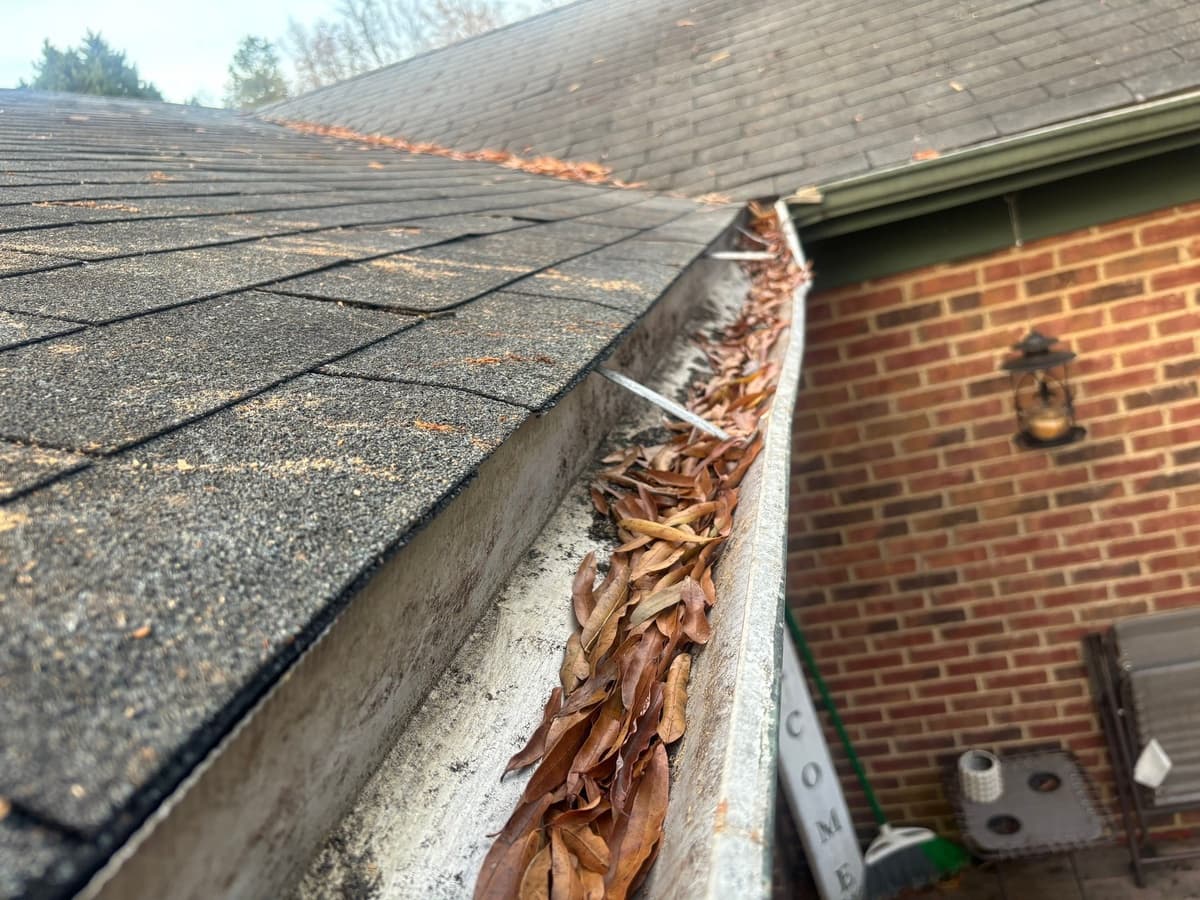
Charlotte, NC
new roof
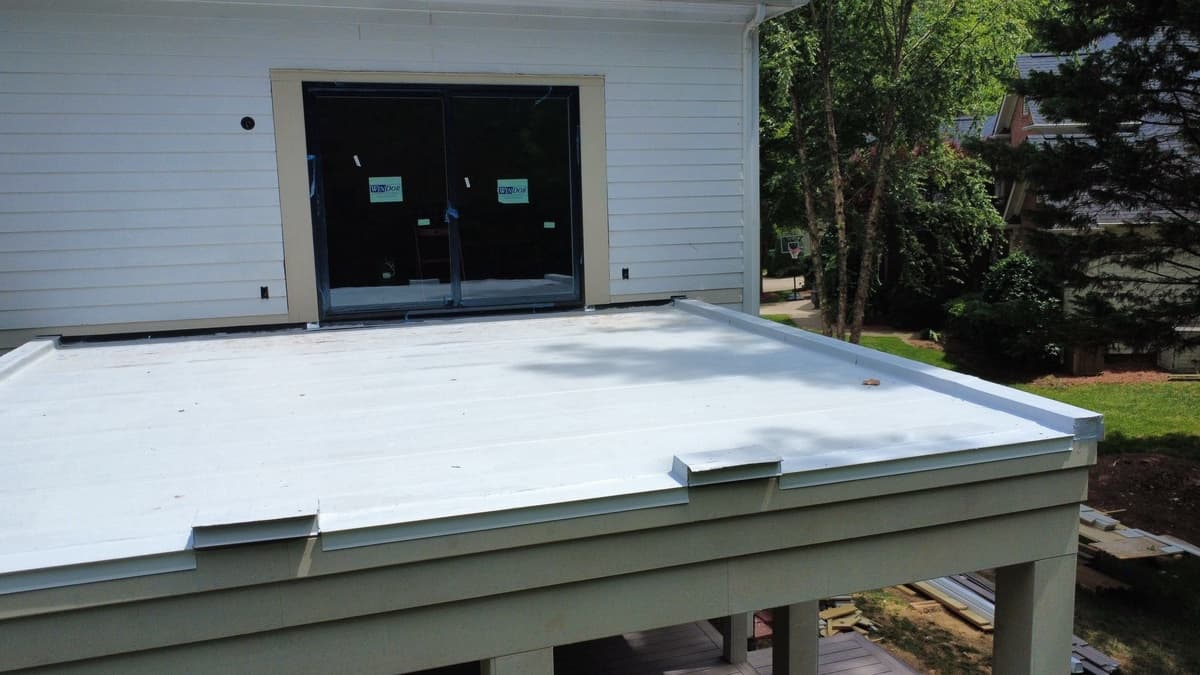
Charlotte, NC
completed exterior
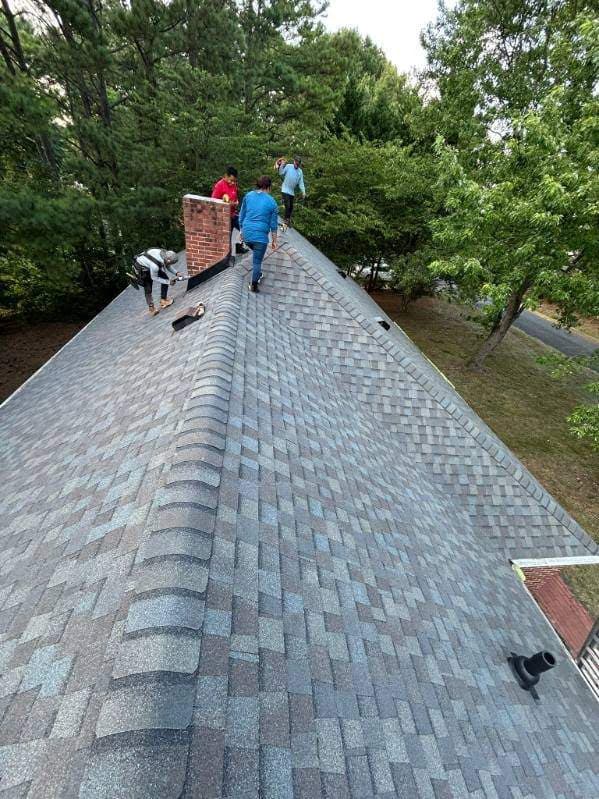
Charlotte, NC
new roof
Roof Ventilation in Charlotte, NC
Is Your Attic Properly Ventilated?
Get a free ventilation assessment with any roof inspection. We'll evaluate your current system and recommend improvements to protect your roof and reduce energy costs.