
Roofing Tips & Guides
Expert Roofing Advice for Charlotte Homeowners
Learn from Charlotte's trusted roofing experts. Tips on maintenance, repair, replacement, and protecting your home from the elements.
Leak or wind damage from Isaias? 24/7 emergency tarping, free storm-damage inspections and insurance-claim help.
Learn from Charlotte's trusted roofing experts. Tips on maintenance, repair, replacement, and protecting your home from the elements.

New Year, new roof care routine! If you're like most Concord homeowners, your roof probably doesn't get much attention until something goes wrong. But here's the thing – a little proactive care can save you thousands in emergency repairs and keep your home dry through whatever North Carolina weather throws at you.
After working with hundreds of families in the Charlotte and Lake Norman area, we've seen the same preventable problems over and over. The good news? Most roof disasters are completely avoidable with the right maintenance schedule.
Let's make 2025 the year your roof gets the attention it deserves. These six essential tips will keep your home leak-free, energy-efficient, and protected all year long.
Most homeowners wait until they see a leak to check their roof. That's like waiting until your car breaks down to check the oil – by then, the damage is already done.
The timing matters here in Concord. Spring inspections catch winter damage from ice, wind, and those surprise Carolina snow storms. Fall inspections prepare your roof for whatever winter brings and catch any summer heat damage.
During your inspection, look for missing or damaged shingles, cracks around chimneys and vents, exposed fasteners, and loose flashing. Take photos of problem areas – they'll help you track changes over time and communicate issues to your roofer.
But here's the reality: most homeowners aren't comfortable climbing on roofs, and honestly, we don't recommend it. A professional inspection costs a fraction of what you'll pay for emergency repairs. At Best Roofing Now, we offer comprehensive inspections that catch problems before they become disasters.

Pro tip: Document everything. Keep a simple roof journal with inspection dates, photos, and notes. Insurance companies love this level of documentation if you ever need to file a claim.
Your gutters are your roof's best friend – when they work properly. Clogged gutters turn into mini dams that force water under your shingles and into your fascia boards. In our Charlotte climate with heavy spring rains and fall leaf drops, this becomes a real problem fast.
Clean your gutters at least twice yearly, or every three months if you have trees nearby. Remove leaves, sticks, pine needles, and that weird sludge that accumulates over time. Make sure water flows freely through downspouts.
The real issue isn't just the cleaning – it's what happens when you don't do it. We've seen gutters so clogged they pulled away from the house under the weight. Water damage from overflowing gutters can cost 10 times more than routine maintenance.
Consider gutter guards if you're tired of constant cleaning, but remember they're not maintenance-free. You'll still need periodic cleaning, just less frequently.

Watch for these warning signs: Water marks on your siding, foundation settling, or plant growth in your gutters. These indicate drainage problems that need immediate attention.
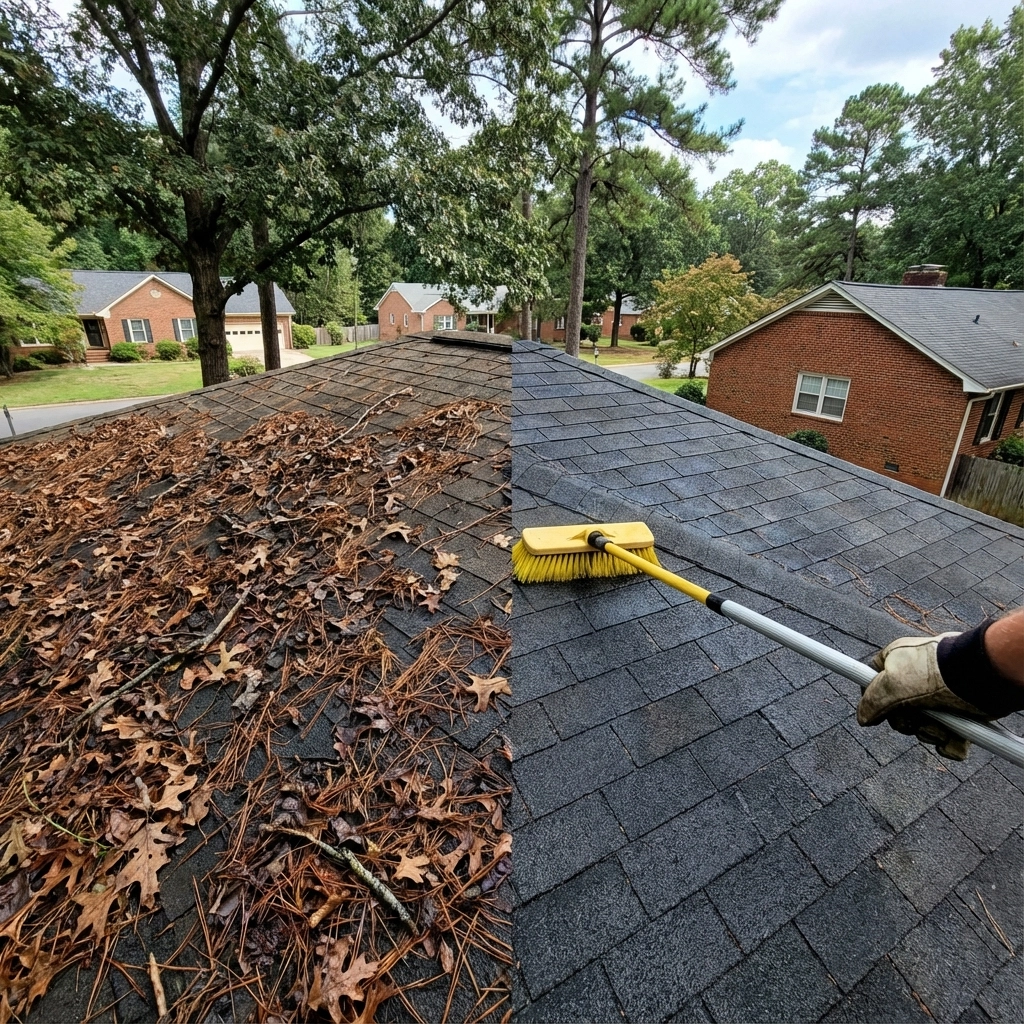
Here's something most homeowners don't realize: that beautiful canopy of oak and pine trees around your Concord home is constantly dropping debris on your roof. Leaves, branches, and organic matter trap moisture against your shingles, creating perfect conditions for rot, mold, and premature deterioration.
Remove debris regularly using a soft-bristled broom or leaf blower. Never use pressure washers or hard tools that can damage shingles. Work from a ladder when possible, or hire professionals for steep roofs.
But debris is just part of the problem. North Carolina's humid climate creates ideal conditions for algae and moss growth. Those dark streaks you see on roofs? That's algae feeding on the limestone in your shingles. Moss is even worse – it actually lifts shingles and creates leak points.
Treat algae and moss growth immediately. Gentle cleaning solutions work better than aggressive scrubbing. The key is catching it early before it damages your shingles.
Local context matters: Our area's mix of deciduous and evergreen trees means year-round debris. Pine needles are especially problematic because they create thick mats that hold moisture.
This tip serves multiple purposes, and it's especially important for homes in established neighborhoods like those around Lake Norman where mature trees are everywhere.
Trim tree branches that hang within six feet of your roof. This reduces debris accumulation, eliminates shading that promotes moss growth, and prevents storm damage from falling limbs.
Overhanging branches create several problems. They drop debris constantly, provide highways for squirrels and other pests to access your roof, and create shade that keeps moisture from evaporating. In our area's severe weather, they become projectiles that can punch holes through shingles.
Don't forget about the less obvious issues. Branches rubbing against shingles during windy days gradually wear away the protective granules. And during ice storms – which we get occasionally here – heavy, ice-laden branches can cause serious damage.
Hire a certified arborist for large trees near power lines. It's worth the cost to avoid disaster. For smaller branches, you can handle this yourself with proper tools and safety equipment.
Flashing is the unsung hero of your roofing system. These thin pieces of metal direct water away from vulnerable areas like chimneys, vents, and where different roof planes meet. When flashing fails, water finds its way into your home fast.
Inspect flashing areas during your seasonal checks. Look for cracks in caulk, loose metal pieces, or signs of water infiltration. Pay special attention to areas around chimneys, vent penetrations, and skylights.
The caulking around flashing deteriorates over time, especially with our temperature swings from hot summers to cold winters. Replace any cracked or missing caulk immediately. Use high-quality, paintable caulk rated for exterior use.
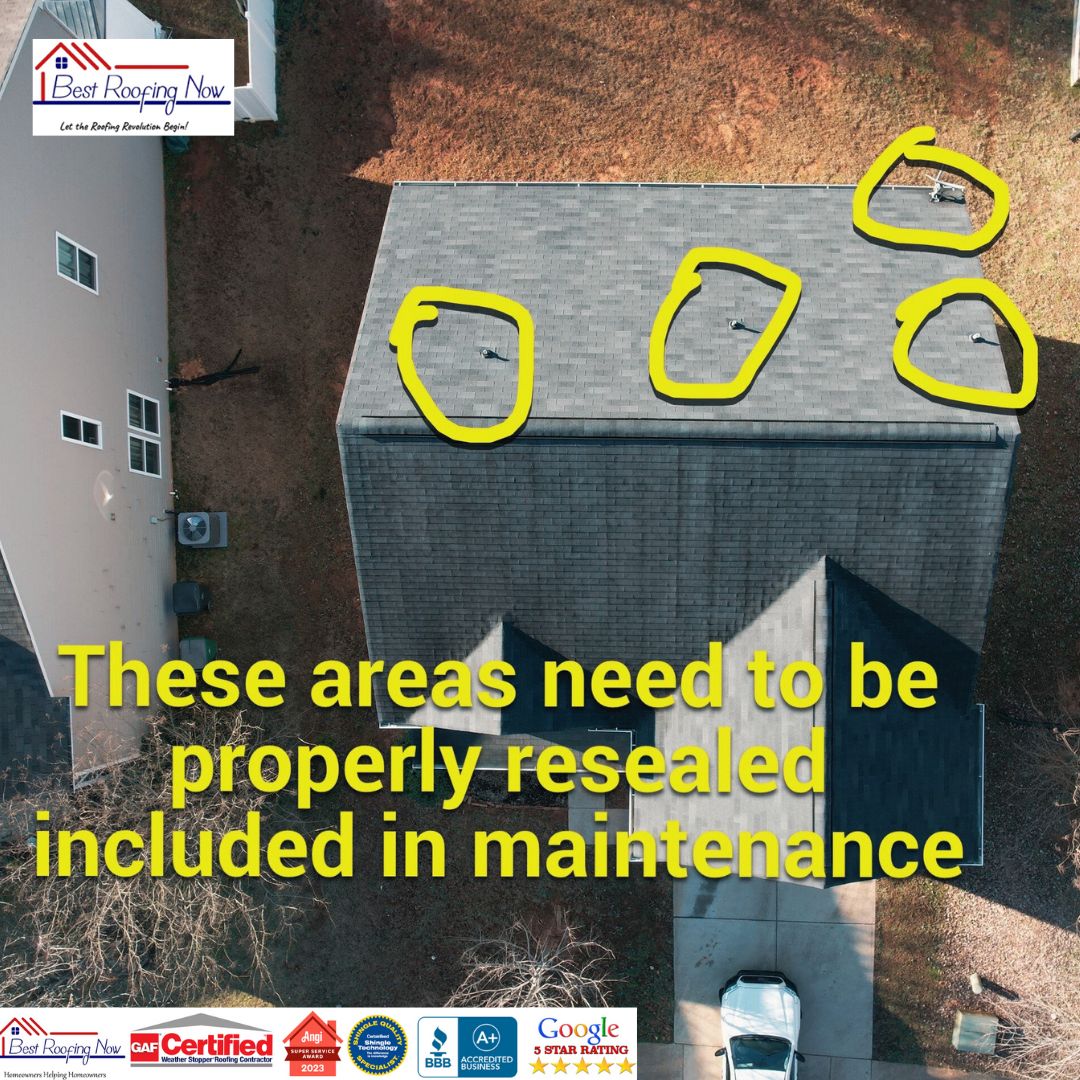
Here's what most people miss: Flashing problems start small but grow exponentially. A tiny crack lets in a little water, which freezes and expands, creating a bigger crack. By the time you notice water damage inside, you're looking at major repairs.
And professional installation matters. Improperly installed flashing is one of the leading causes of roof leaks. If you're not confident in your skills, this is definitely a job for professionals.
This final tip combines two critical elements: prompt repairs and proper airflow. Both protect your investment and extend your roof's lifespan.
Replace damaged shingles immediately. Don't wait for a convenient time or hope that one missing shingle won't matter. Water finds the smallest openings, and roof damage spreads quickly. A single missing shingle can lead to deck rot, insulation damage, and interior water damage within one heavy rain.
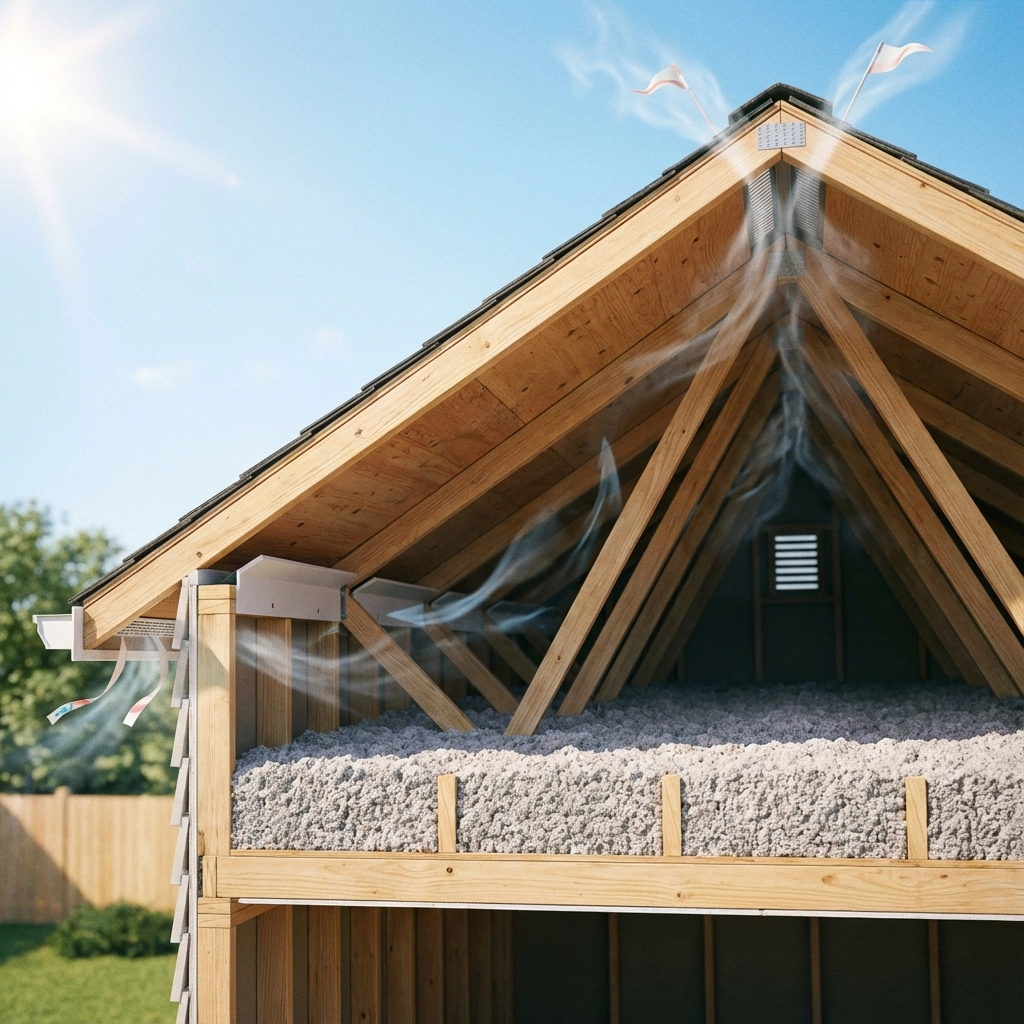
But here's the part most homeowners overlook: proper attic ventilation is just as important as the shingles themselves. Your attic needs balanced airflow – intake vents at the eaves and exhaust vents at the ridge or gable ends.
Poor ventilation causes multiple problems. In summer, inadequate airflow creates extreme attic temperatures that cook your shingles from below, dramatically shortening their lifespan. In winter, poor ventilation leads to ice dams when warm air melts snow that refreezes at the eaves.
Local considerations: Our Charlotte area humidity makes proper ventilation even more critical. Without adequate airflow, moisture builds up in your attic, leading to mold, rot, and insulation damage.
Check your insulation levels too. Proper insulation works with ventilation to maintain consistent temperatures and prevent ice dams during our occasional winter weather.
Here's how to organize these tasks throughout the year for maximum effectiveness:
Spring (March-May): Inspect for winter damage, clean gutters, check and repair caulking, assess storm damage from severe weather.
Summer (June-August): Remove debris, treat algae/moss, trim branches, check ventilation, address heat-related damage.
Fall (September-November): Major gutter cleaning, final debris removal, prepare for winter, inspect flashing.
Winter (December-February): Monitor for ice dams, check for emergency issues, plan major repairs for spring.
Every storm: Quick visual inspection for obvious damage like missing shingles or debris.
Some roof maintenance you can handle yourself, but recognize your limits. Call professionals for:
Professional maintenance pays for itself. A comprehensive inspection costs a few hundred dollars but can identify thousands in potential problems. And proper repairs last longer than DIY fixes that need constant attention.
Think of roof maintenance like car maintenance – regular attention prevents major breakdowns. The average roof replacement in our area costs $15,000-$30,000, but proper maintenance can extend your roof's life by 5-10 years.
More importantly, a well-maintained roof protects everything inside your home. Water damage repairs, mold remediation, and destroyed belongings cost far more than preventive maintenance.
For 2025, commit to treating your roof like the major home system it is. Create reminders in your phone for seasonal inspections. Build relationships with trusted professionals. Keep good records.
Your Concord home deserves a roof that works as hard as you do. These six essential tips will keep your family dry, comfortable, and protected all year long.
Ready to start 2025 with a comprehensive roof evaluation? Contact Best Roofing Now for a thorough inspection that identifies potential problems before they become expensive emergencies. Our local expertise and commitment to quality ensure your roof gets the professional attention it deserves. Call us today to schedule your inspection and start the new year with complete peace of mind.
Best Roofing Now
Charlotte's trusted roofing experts since 2019
Based on this article, you may be interested in these services.
We proudly serve these Charlotte-area communities with professional roofing services.
View All Service Areas →See our recent roofing work across the Charlotte metro area.
Charlotte, NC
new roof
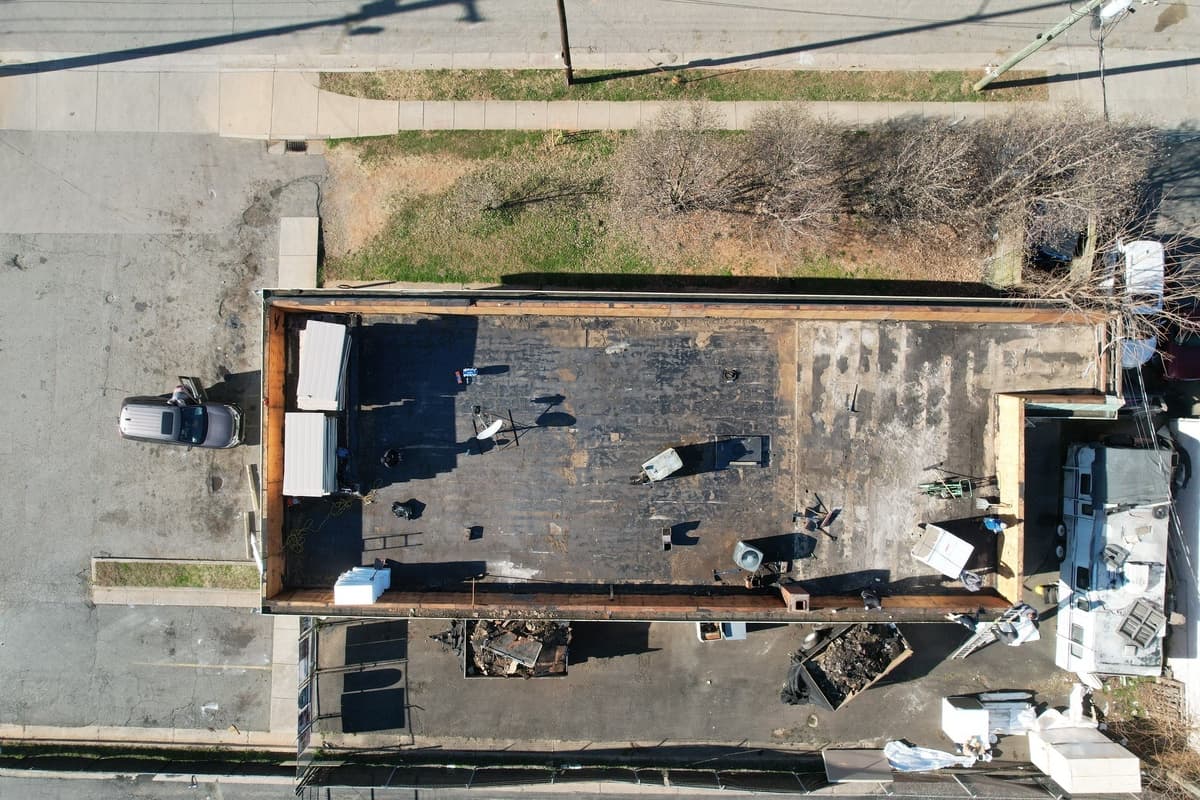
Charlotte, NC
new roof
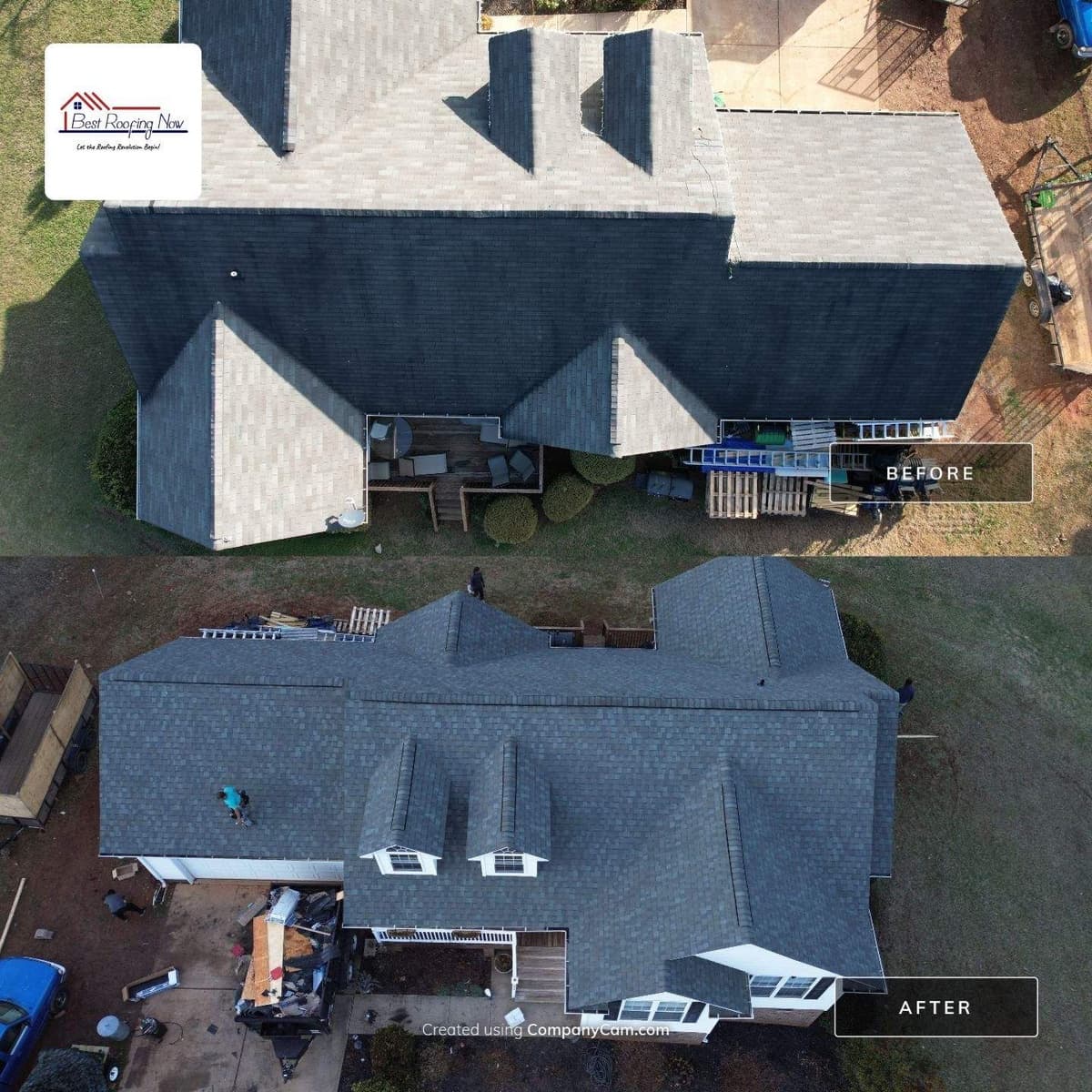
Charlotte, NC
new roof
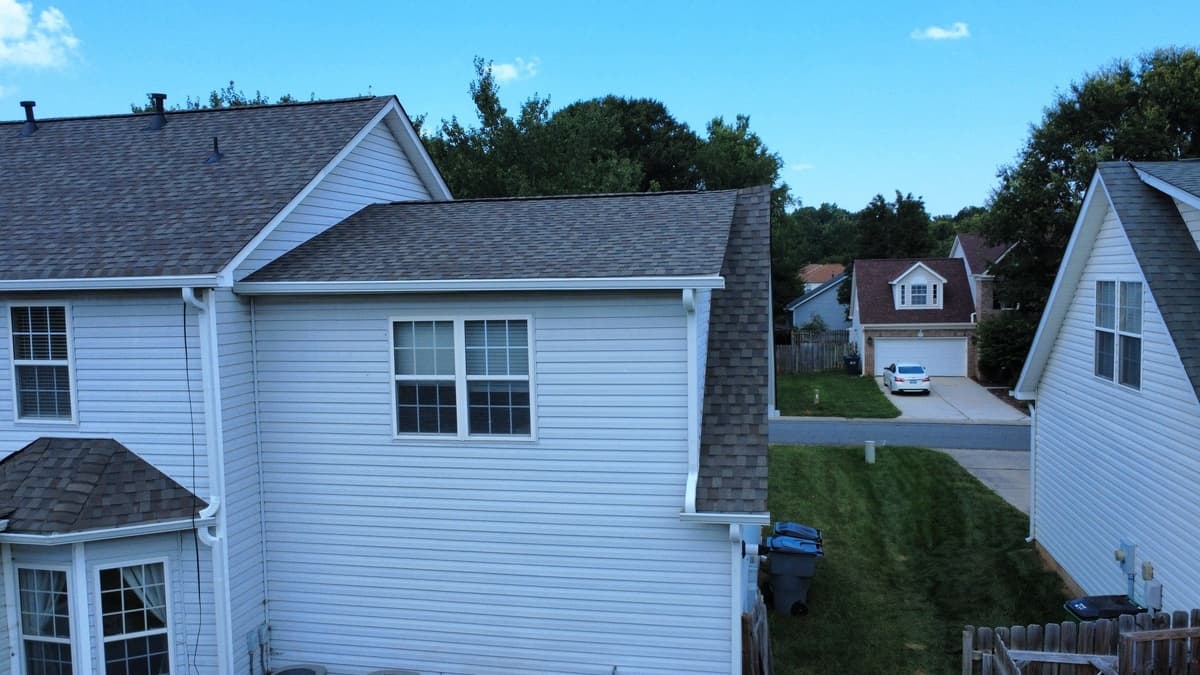
Charlotte, NC
new roof
Get a free roof inspection and honest assessment from Charlotte's most trusted roofing company.


