
Roofing Tips & Guides
Expert Roofing Advice for Charlotte Homeowners
Learn from Charlotte's trusted roofing experts. Tips on maintenance, repair, replacement, and protecting your home from the elements.
Ice & Snow Damage? Get 10% off repairs with a free inspection.
Learn from Charlotte's trusted roofing experts. Tips on maintenance, repair, replacement, and protecting your home from the elements.
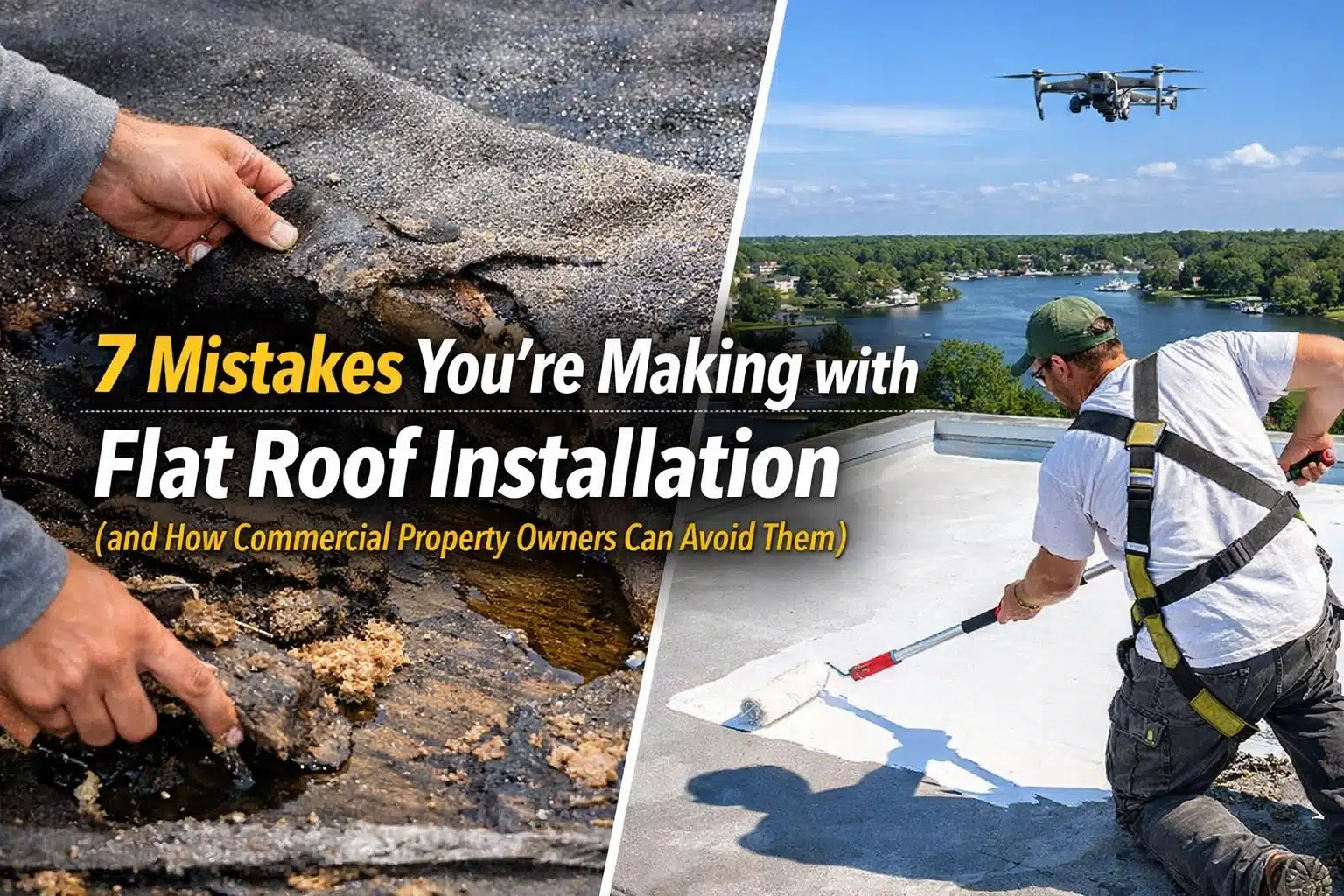
Listen, I've seen a lot of flat roofs in my time serving Charlotte and Lake Norman commercial properties. And here's the truth: most problems we fix weren't caused by bad luck or Mother Nature.
They were caused by mistakes during installation.
The good news? Every single one of these mistakes is totally avoidable. You just need to know what to watch for.
If you own a warehouse in Huntersville, manage an office building in Cornelius, or run a retail space in Matthews, this guide will save you thousands of dollars in future repairs.
Let's dive into the seven biggest flat roof installation mistakes I see, and how you can avoid them.
Here's something that surprises most property owners: flat roofs aren't actually flat.
They need a slight slope. Usually about 1/4 inch per foot. That might not sound like much, but it makes all the difference.
Without proper slope, water sits on your roof. We call these "ponding areas." And sitting water is a flat roof's worst enemy.
Why This Happens:
Contractors rush the design phase. They don't properly plan where water will flow. Or they assume the existing structure already has enough slope (spoiler: it usually doesn't).
I've also seen installers skip important drainage elements. Things like scuppers, internal drains, and overflow systems. These aren't optional extras, they're essential safety features.
How to Avoid It:
Before any materials hit your roof, review the drainage plan. Ask your contractor these questions:
In Charlotte, we get some serious storms. Your roof needs to handle those summer downpours without pooling water for days.
A good contractor will show you the drainage plan before work starts. If they can't explain it clearly, that's a red flag.
The Money Side:
Fixing drainage problems after installation is expensive. You're looking at removing sections of the roof, adding tapered insulation, and reinstalling the membrane. That can easily run $10,000 to $30,000 depending on your building size.
Getting it right the first time costs way less.
Not all roofing membranes are created equal. And what works great in Minnesota might not be the best choice for North Carolina.
I see commercial property owners choose membranes based only on price. That's like buying the cheapest tires for a delivery truck. You'll pay for it later.
The Three Main Players:
Let me break down the most common options:
EPDM (Rubber Membrane): This is the black rubber you often see. It's durable and handles temperature changes well. Good for our Charlotte climate with hot summers and mild winters.
TPO (Thermoplastic Polyolefin): The white membrane that reflects heat. Great for energy efficiency. Can help reduce cooling costs in summer.
PVC (Polyvinyl Chloride): Another white option. Very durable. Costs more upfront but lasts longer. Best for roofs with chemical exposure or lots of foot traffic.
How to Avoid This Mistake:
Think about how you use your building. Do you have rooftop HVAC units that need regular service? Will people walk on this roof often? Is energy efficiency a priority?
Your contractor should ask these questions. If they're pushing one product without understanding your needs, walk away.
We work with trusted manufacturers because quality matters. A cheap membrane might save you $2,000 today. But replacing it five years early will cost you $20,000.

Energy Efficiency Matters:
Here's something cool (literally): choosing the right membrane can slash your energy bills.
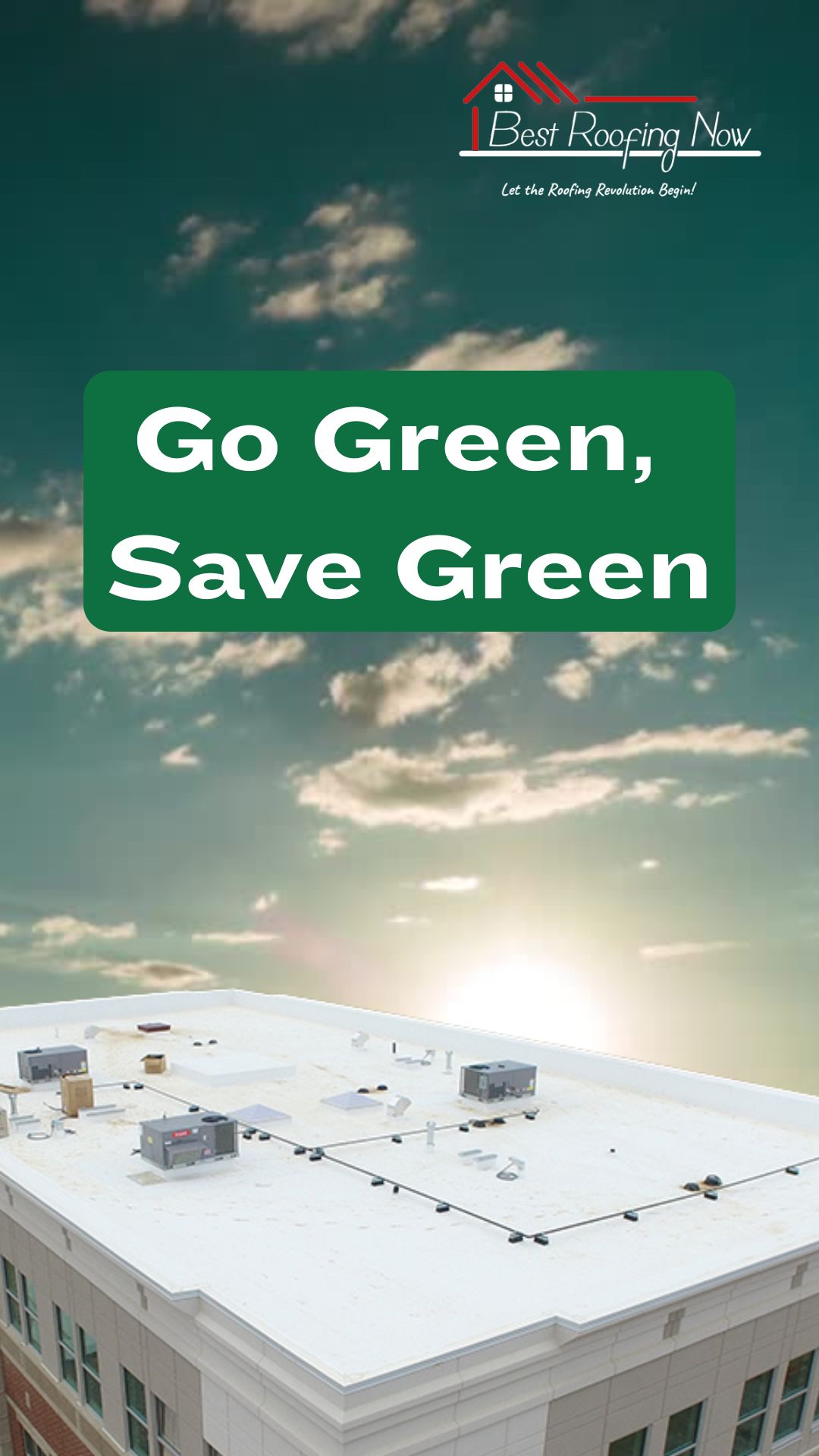
White TPO or PVC membranes reflect heat instead of absorbing it. This is called "cool roofing." In Charlotte's hot summers, this can reduce your cooling costs by 10-20%.
That's real money back in your pocket every month. Over the life of your roof, we're talking thousands in savings.
This mistake scares me more than any other. Because it's not just about leaks, it's about safety.
Flat roofs carry weight. The roofing materials, yes. But also snow and ice in winter. Rainwater during storms. Rooftop equipment. And if you're thinking about solar panels or a rooftop deck, that's even more weight.
The Problem:
Contractors assume the existing structure can handle everything. They don't do a structural analysis. Then months or years later, you see sagging. Or worse, structural damage that threatens the whole building.
I've walked roofs in Davidson where you could see the deck sagging between support beams. That's a failure waiting to happen.
How to Avoid It:
Before you sign any contract, insist on a structural review. This is especially important for older buildings.
A structural engineer should verify:
This might add $1,000-$3,000 to your project. But it's the best insurance you can buy.
Real-World Example:
We worked with a client who wanted solar panels on their warehouse roof. The existing structure couldn't safely support the extra weight. We brought in an engineer, added support beams, then installed both the new roof and the solar system.
Yes, it cost more upfront. But now they have a safe roof, lower energy bills, and peace of mind.
Here's something I tell every property owner: leaks almost never happen in the middle of your roof.
They happen at the edges. Around vents. At skylights. Where walls meet the roof. Anywhere there's a transition or penetration.
These spots need special attention. We call this "flashing." And it's where rushed contractors cut corners.
Why Flashing Fails:
Poor flashing happens when contractors are behind schedule or trying to finish before weather moves in. They rush through detail work. They don't properly integrate flashings with the membrane.
The result? Water finds a way in. And once water gets behind your membrane, the damage spreads fast.
How to Protect Yourself:
Watch your contractor at transition points. Good flashing takes time. It requires careful cutting, fitting, and sealing.
Ask to see these areas before they're covered up. Take photos. A professional won't mind: they're proud of their detail work.
Key flashing areas to inspect:
The Trust Factor:
This is why we never rush jobs at Best Roofing Now. Quality flashing is like good surgery: it requires steady hands and attention to detail.
If your contractor says they'll "wrap it up quick" at the end of the day, that's when mistakes happen. Better to stop work and come back tomorrow with fresh eyes.
Here's something most people don't think about: your roof grows and shrinks every single day.
When the sun heats your roof in summer, materials expand. At night when it cools, they contract. This constant movement puts stress on seams and connections.
What Goes Wrong:
If your roof is installed without accounting for thermal movement, bad things happen:
This is especially bad in Charlotte where we get big temperature swings. A roof might hit 160°F on a July afternoon, then cool to 70°F overnight.
The Solution:
Use flexible materials and proper installation methods. This includes:
Your contractor should understand thermal movement. Ask them how they handle it. If they look confused, find someone else.

Manufacturer Guidelines Matter:
Every roofing system comes with installation instructions. These aren't suggestions: they're requirements.
Following these guidelines ensures your warranty stays valid. Breaking them? You're on your own if problems develop.
We follow manufacturer specs to the letter. It's not about being rule-followers. It's about doing it right so your roof lasts 20-30 years instead of 10.
This one's technical, but stay with me. It's important.
Flat roof membranes come in large sheets. These sheets overlap and get sealed together. The quality of these seams determines whether water stays out or finds a way in.
Common Seam Failures:
Installing seams in the wrong conditions ruins them. Too cold? Adhesives don't bond properly. Too hot? Materials get stretched and stressed. Dirty surfaces? Nothing sticks right.
Bad fastener work is just as problematic. Using too few fasteners means wind can get under your membrane. Using the wrong type means rust and failure points.
Quality Control Steps:
Professional installers test their seams. They use tools to verify bond strength. They follow spacing requirements for fasteners.
Ask your contractor about their quality control process. Do they test seams? How do they verify proper installation?
Weather Matters:
In Charlotte, weather changes fast. A contractor needs to watch conditions carefully. Don't let them install membranes in rain, extreme heat, or freezing temps.
If they're rushing to beat the weather, schedule another day. The stakes are too high.
The Warranty Connection:
Most manufacturers require certified installers. These folks have been trained on proper techniques. They know how to handle different conditions.
Using a certified installer often gets you a better warranty. That's not marketing: it's risk management from the manufacturer's perspective.
Here's the hard truth: a cheap, fast flat roof installation will cost you more in the long run.
I've seen it hundreds of times. Property owners choose the lowest bid. Contractors rush to maintain profit margins on that low bid. Quality suffers.
Where Corners Get Cut:
Each shortcut saves maybe 30 minutes or $200. But any one of them can cause failures that cost thousands to repair.
The Real Cost of Cheap Work:
Let's say you save $5,000 by choosing the low bidder. Sounds great, right?
But what if that roof fails after 10 years instead of lasting 20? You'll need to replace it entirely. That's $40,000-$80,000 depending on your building size.
And that's not counting:
Quality roofing is an investment, not an expense.
How to Avoid This Trap:
Don't automatically choose the lowest bid. Instead, compare:
A good contractor will explain why their price is what it is. They'll show you where your money goes.
Here's something I wish more property owners considered: how will you maintain this roof?
Your HVAC units need service. Drains need cleaning. Problems need inspection. If your roof design makes these tasks difficult or dangerous, you'll pay extra every time.
Design for Maintenance:
Good commercial roof design includes:
This isn't just about convenience. It's about safety and long-term costs.
We always ask clients about their maintenance needs before finalizing designs. It's part of thinking ahead.
Working with commercial properties across Charlotte and Lake Norman has taught me something important: every building is different.
The warehouse in Pineville with heavy equipment on the roof needs different solutions than the office building in Mint Hill with just HVAC units.
Your contractor should understand your specific needs. Not just roofing needs: your business needs.
What Sets Good Contractors Apart:
At Best Roofing Now, we treat commercial roofing differently than residential. Because it is different. The stakes are higher. The systems are more complex. And the long-term performance matters more.
If you're planning a flat roof installation, don't let these mistakes derail your project.
Start by educating yourself. You now know the seven biggest pitfalls. That puts you ahead of most property owners.
Next, choose your contractor carefully. Interview at least three. Ask tough questions about each of these seven mistakes. See who gives you confident, detailed answers.
Finally, remember that quality takes time and costs money upfront. But it saves you exponentially more over the life of your roof.
Ready to talk about your commercial roofing project? We'd love to walk your roof, assess your specific needs, and show you how to avoid these costly mistakes. We serve the entire Charlotte and Lake Norman area with honest, expert commercial roofing services.
Call us today for a free commercial roof consultation. Let's build you a roof that protects your property and your investment for decades to come.
Because at Best Roofing Now, we don't just install roofs. We build relationships and protect what matters most to your business.
Best Roofing Now
Charlotte's trusted roofing experts since 2019
Based on this article, you may be interested in these services.
We proudly serve these Charlotte-area communities with professional roofing services.
View All Service Areas →See our recent roofing work across the Charlotte metro area.
Charlotte, NC
new roof
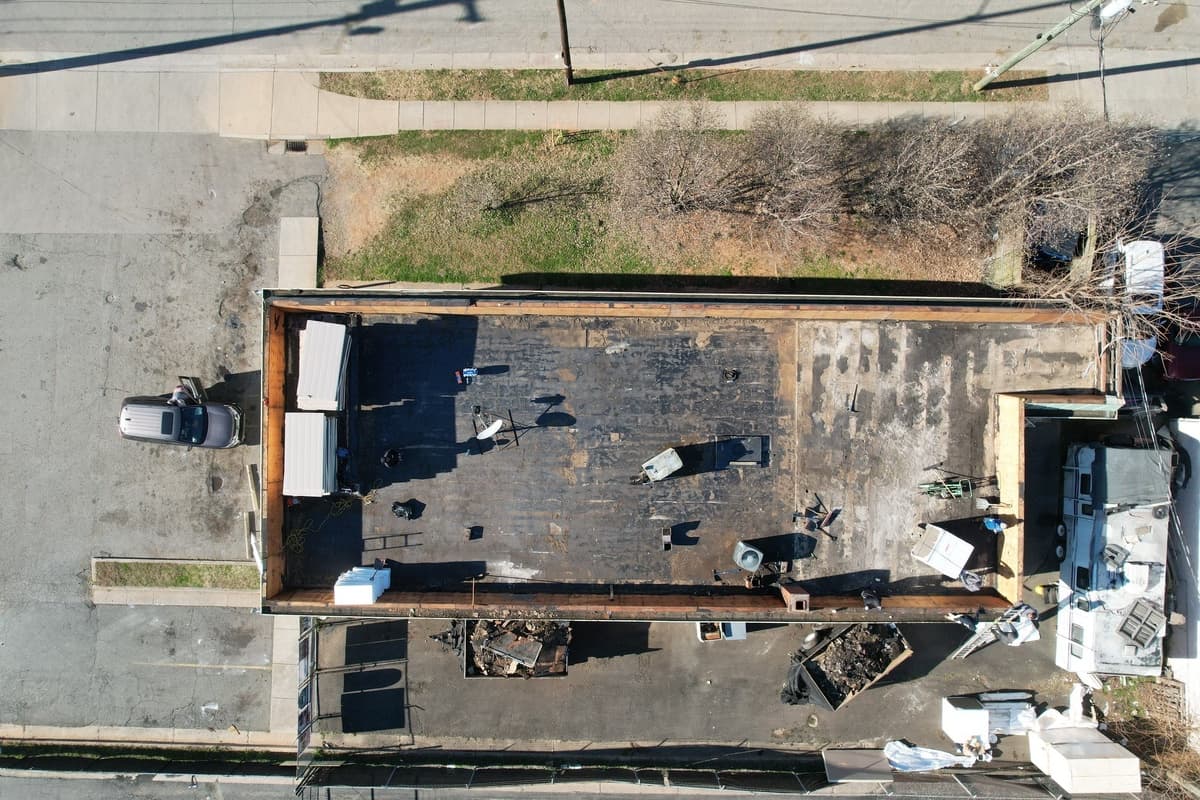
Charlotte, NC
new roof
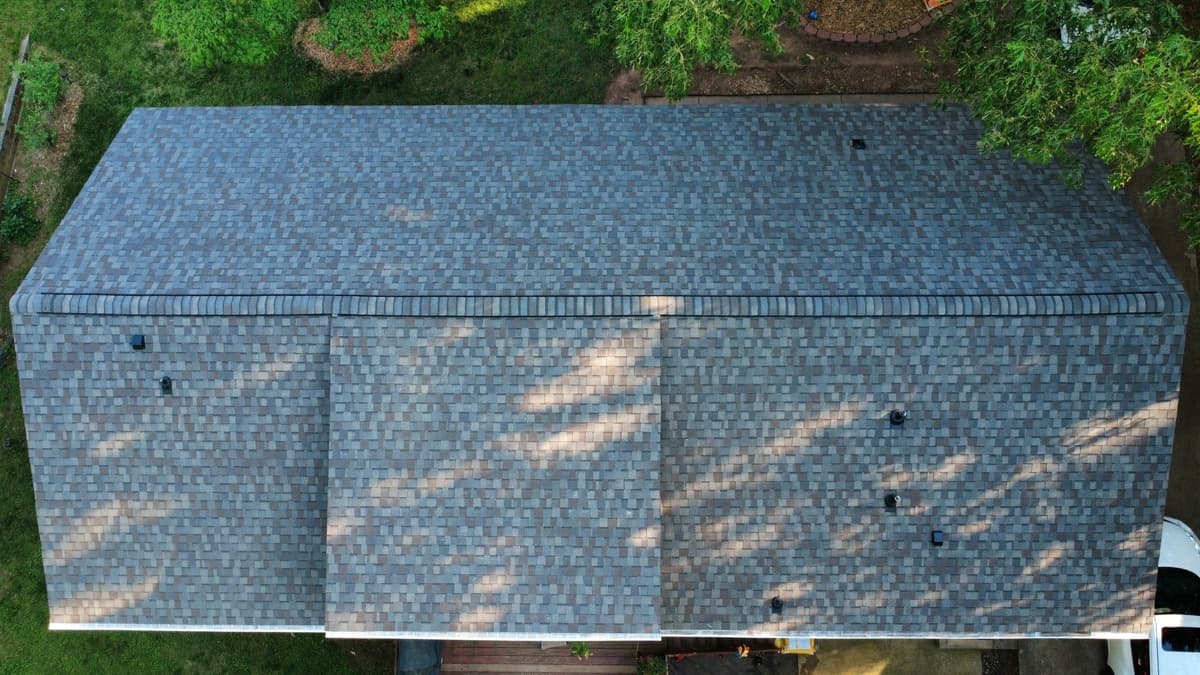
Charlotte, NC
new roof
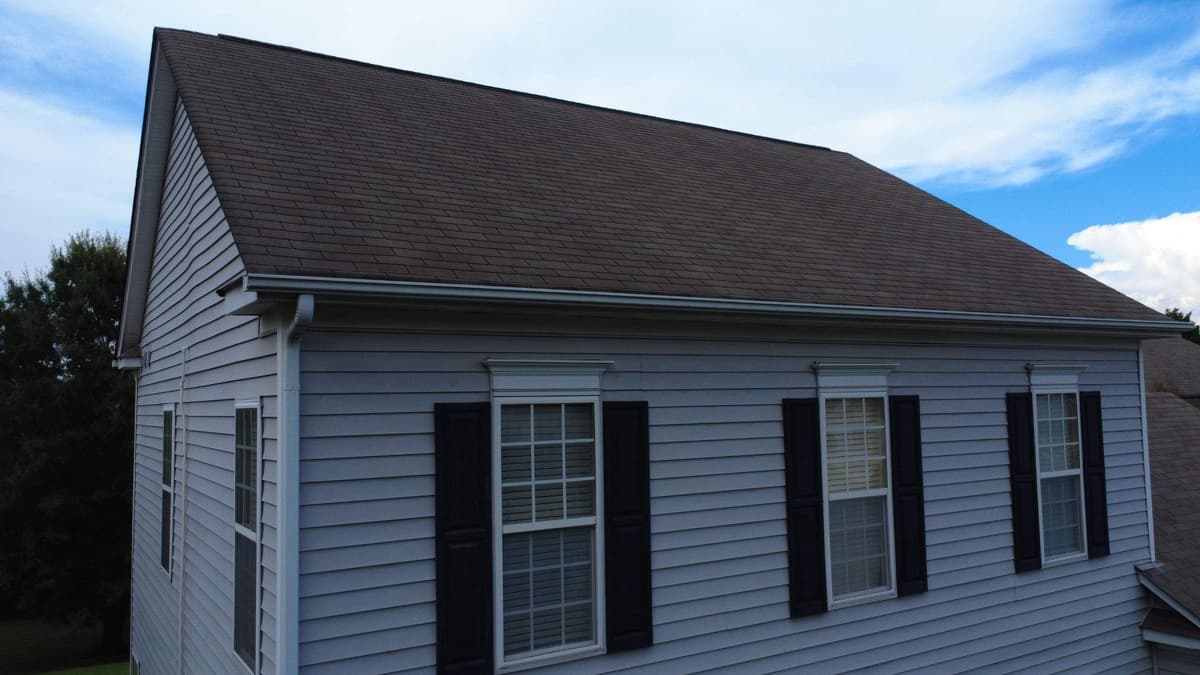
Charlotte, NC
work in progress
Get a free roof inspection and honest assessment from Charlotte's most trusted roofing company.


