
Roofing Tips & Guides
Expert Roofing Advice for Charlotte Homeowners
Learn from Charlotte's trusted roofing experts. Tips on maintenance, repair, replacement, and protecting your home from the elements.
Leak or wind damage from Isaias? 24/7 emergency tarping, free storm-damage inspections and insurance-claim help.
Learn from Charlotte's trusted roofing experts. Tips on maintenance, repair, replacement, and protecting your home from the elements.
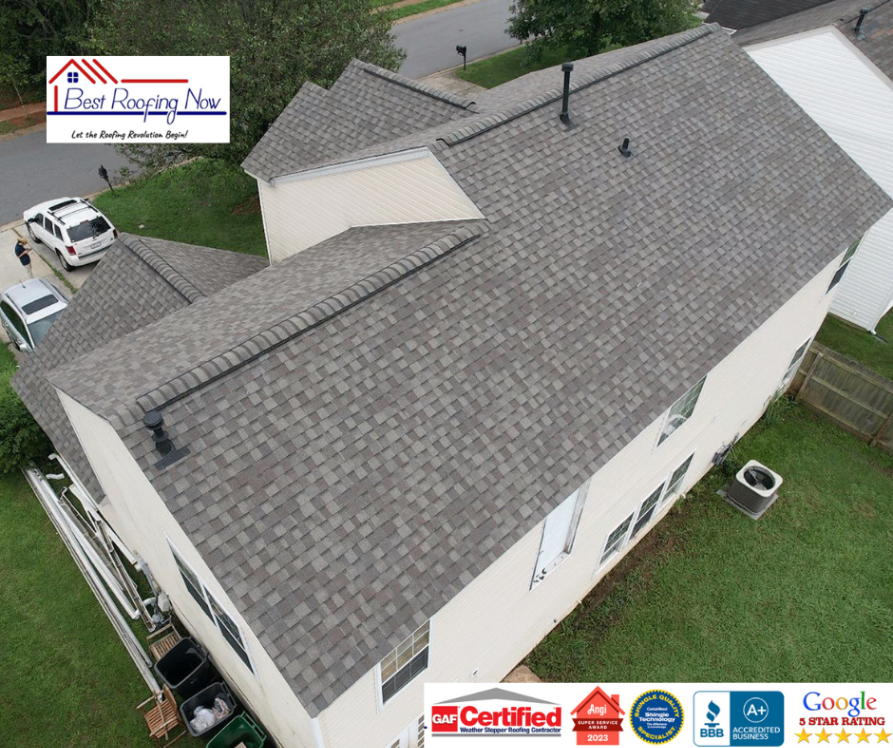
Late August is not the time to wonder if your roof can handle the next storm.
The Atlantic hurricane season runs from June 1 through November 30. Storm activity usually peaks from mid-August through mid-October, with a long-term peak near September 10, according to NOAA hurricane climatology.
Charlotte and Lake Norman sit inland. That does not mean homes avoid hurricane-related damage. Tropical storms and hurricane remnants can bring strong wind, heavy rain, hail, tornadoes, and falling trees to the region.
So, which roof offers better storm protection?
For most homeowners, Class 4 impact-resistant asphalt shingles offer the best balance of protection and cost. For homeowners who want the highest wind and water performance, standing seam metal roofing can be the stronger long-term choice.
Neither roof is completely storm-proof. Installation quality, roof shape, flashing, ventilation, and maintenance all matter. A great material installed poorly can still fail.

Here is the simple version:
Your home may need a different answer. A roof over a wooded lot in Matthews faces different risks than a roof on an open property near Lake Norman.
That is why we recommend a roof inspection before choosing a material. You should understand the roof structure, slope, ventilation, flashing, and storm history first.
Class 4 is the highest impact rating available under the UL 2218 standard for prepared roof coverings.
The test uses a two-inch steel ball. The ball drops from about 20 feet onto the roofing material. The test often strikes the same location twice. The goal is to see if the material cracks, splits, tears, or opens through the back.
A passing result does not mean the shingle will look perfect after every hailstorm. It means the product showed strong resistance under a controlled test.
The Insurance Institute for Business & Home Safety explains the limits of the test:
“Although these standardized tests do not exactly replicate natural hailstone impacts, they provide a way to compare relative product performances in controlled and repeatable laboratory tests.”
That is an important distinction. Class 4 shingles can still show dents, surface marks, and some granule loss. But they are less likely to suffer the cracks and tears that let water through.
Class 4 shingles use several methods to improve impact resistance. Some use a stronger backing layer. Others use rubber-like modifiers in the asphalt. These materials help the shingle flex instead of breaking when hail strikes.
This matters during Charlotte’s summer storms. A roof may face hail, wind-blown branches, and sudden temperature changes in one season.
Impact resistance and wind resistance are not the same thing.
A shingle can have a Class 4 impact rating but still need proper installation for high winds. The wind rating depends on the product, nail pattern, seal strips, roof design, and installation method.
Many impact-resistant asphalt shingles carry wind ratings between 110 and 130 mph when installed according to manufacturer instructions. Always ask for the exact product documentation. Do not rely on a general sales claim.
A strong shingle roof should include:
The roof edge matters more than many homeowners realize. Wind often attacks the edges and corners first. A shingle roof can perform well in the field but fail at a weak edge detail.
This is why professional installation matters as much as the product label.
Standing seam metal roofing uses long panels with raised seams. The seams connect the panels while hiding the fasteners beneath or inside the seam.
This creates a cleaner surface with fewer exposed attachment points. It also helps the roof shed water quickly during heavy rain.
Standing seam systems may use steel, aluminum, or other metals. The exact panel design, gauge, clip spacing, fasteners, and underlayment all affect performance.
Metal roofing does not automatically mean high wind resistance. A quality system must have testing and engineering documentation for the home.
Look for information tied to standards such as:
A contractor should explain the actual roof system. “Metal roof” is too broad by itself.
Standing seam metal has several storm advantages:
Strong wind performance
Properly designed systems can resist high wind uplift. Some products are marketed for wind speeds near 140 mph. But the number alone does not tell the full story.
Wind design depends on roof height, building shape, exposure, edge zones, and fastener layout. Lakefront and open properties may experience stronger gusts than protected homes surrounded by trees.
Fast water shedding
Metal panels shed heavy rain quickly. This helps during tropical remnants and summer downpours.
No shingle granule loss
Metal does not lose asphalt granules because it has no granular surface. This can help reduce one common form of aging.
Long service life
A properly installed metal roof can last 40 to 70 years or longer. The exact life depends on the metal, coating, ventilation, fasteners, and maintenance.
Fire resistance
Many metal systems carry a Class A fire rating when installed as tested. Always confirm the rating for the complete assembly.
Lower replacement frequency
Metal costs more at the start. But the longer lifespan can reduce the number of full replacements over the life of the home.

Metal panels usually do not crack like asphalt shingles. Hail can still dent the surface.
Small dents may be cosmetic. A large impact can damage a panel, seam, flashing detail, or coating. Hail damage also depends on the metal type, panel shape, slope, and storm direction.
A metal roof may remain watertight after a hailstorm but still show visible damage. This creates a repair question:
If appearance matters, dents may be a concern. If the main goal is to prevent leaks, metal can offer strong protection when the system is properly tested and installed.
Ask for the exact impact testing for the proposed panel. Some metal products may have a Class 4 rating. Others may use different testing or have no comparable rating.
| Feature | Class 4 asphalt shingles | Standing seam metal roofing |
|---|---|---|
| Hail resistance | Highest UL 2218 class for asphalt shingles | Strong resistance, but rating varies by product |
| Wind resistance | Often 110–130 mph when properly installed | Some systems can reach higher ratings with engineering |
| Heavy rain | Performs well with proper underlayment and flashing | Sheds water quickly with fewer exposed fasteners |
| Expected life | Often about 20–30 years, depending on product and conditions | Often 40–70 years or more |
| Upfront cost | Usually lower | Usually higher |
| Repairs | Individual shingles are easier to replace | Panel and seam repairs can require specialized work |
| Noise | Usually quiet during rain | Can be louder without proper decking and insulation |
| Maintenance | Needs regular inspections and minor repairs | Low maintenance, but seams, fasteners, and coatings need checks |
| Neighborhood fit | Familiar look for most Charlotte homes | Distinctive look that may not fit every HOA or home style |
| Energy performance | Depends on ventilation and roof design | Can reflect more solar heat with the right system |
| Best use | Strong protection at a practical price | Long-term investment and maximum storm resilience |
Price should never be the only factor. But it is part of a responsible comparison.
Best Roofing Now reports broad residential roofing ranges of about $8,000 to $25,000 for many new asphalt roof projects. Its metal roofing service page lists a broad range of about $15,000 to $40,000 or more for residential metal roofing.
These are not guaranteed prices. Roof size, pitch, decking, chimneys, skylights, access, tear-off, ventilation, and material choice can change the total.
Class 4 shingles usually cost more than standard architectural shingles. That upgrade may help reduce hail-related repairs. Some insurance companies also offer discounts for impact-resistant roofing, but discounts vary by carrier and policy.
Call your insurance agent before making a decision. Ask whether the exact product qualifies for a discount. You may need documentation showing the UL rating.
Metal roofing costs more upfront. Its value comes from long service life, fewer replacement cycles, low maintenance, and possible energy benefits.
But energy savings are not guaranteed. Attic insulation, air leaks, ventilation, roof orientation, windows, and HVAC condition all affect cooling costs. A metal roof can help, but it cannot fix an inefficient home by itself.
Lake Norman properties can face special conditions.
Open lots and waterfront homes may receive stronger gusts than homes protected by nearby buildings and mature trees. Wind can also push rain under weak flashing or poorly sealed roof penetrations.
For these homes, standing seam metal may be worth considering. Its continuous panels and concealed fasteners can provide strong wind and water performance.
Still, Class 4 shingles can work very well near the lake. Many homeowners choose them because they offer strong hail protection without the higher cost of metal.
The real questions include:
Experienced lake norman roofers should inspect the roof and explain the system choices. A material recommendation without a site review is incomplete.
The outer material is only one part of the roof.
A storm-ready roof also needs a strong roof deck, secure framing, correct underlayment, sealed penetrations, and working drainage.
Underlayment is the backup water barrier beneath the shingles or panels. Some areas, such as valleys and roof edges, may need extra waterproof protection.
Flashing protects the joints around chimneys, walls, vents, and skylights. These areas often cause leaks before the main roof surface fails.
Ventilation also matters. Hot, humid attic conditions can shorten roof life and damage wood. Balanced intake and exhaust ventilation helps control heat and moisture.
Gutters matter too. Clogged or damaged gutters can send stormwater behind the fascia and into the roof edge.
A storm-resistant roof is a complete system, not just a stronger top layer.

You do not need to wait for a named storm. Use this storm prep roof checklist before the next severe weather alert.
A professional inspection can find loose shingles, damaged flashing, exposed nails, cracked pipe boots, and weak roof edges.
Best Roofing Now provides free inspections with photos and written findings. The company also uses drone photography when appropriate for safer roof documentation.
A roof inspection in Charlotte can help you decide whether to repair, maintain, or replace the roof.
Trim branches that touch or scrape the roof. Remove dead limbs before strong wind turns them into falling debris.
Do not climb onto the roof to trim trees. Use a qualified tree professional when needed.
Remove leaves, pine needles, and other debris. Make sure downspouts direct water away from the foundation.
Gutters cannot protect the roof edge if they are blocked or pulling away from the fascia.
Check for damp insulation, dark wood stains, mold-like growth, or daylight through the roof deck.
Do not assume a dry attic means the roof is perfect. Some leaks appear only during wind-driven rain.
Patio furniture, planters, tools, and loose decorations can become roof-damaging debris. Move or secure them before a storm.
Keep current photos of the roof, gutters, siding, skylights, and nearby trees. Date the photos and store them safely.
Documentation can help compare conditions after a storm. It may also support an insurance claim.
Late summer is a useful time for summer roof maintenance because storms can arrive quickly. Small repairs are easier to complete before heavy rain and high winds.
Regular roof maintenance Charlotte NC homeowners can schedule includes cleaning, flashing checks, gutter service, ventilation review, and minor repairs.
Do not walk on the roof after a storm. You can cause more damage or fall.
From the ground, look for:
Metal roofs may show dents without leaking. Shingle damage may be hard to see from the ground. That is why a professional inspection matters.
Avoid signing a contract with a storm chaser before you understand the damage. Ask for photos, a written scope, proof of insurance, and a clear price.
A reputable contractor should also explain when a repair makes sense. Not every storm requires a full replacement.
For most homes in the Charlotte region, we recommend starting with a comparison of two complete systems:
Class 4 shingles are not a shortcut. They still need quality underlayment, proper nails, strong flashing, and careful installation.
The roof should match the home, the site, the budget, and the owner’s long-term plans.
The best answer is not always the most expensive one. And it is not always the cheapest one.
If you ask, “What is the best storm-proof roof for a Charlotte or Lake Norman home?” our honest answer is:
Class 4 impact-resistant shingles are the best overall value for many homeowners. Standing seam metal is the stronger premium choice when maximum wind resistance and long service life come first.
Neither option can prevent every storm loss. Hail can exceed test conditions. Trees can fall. Wind can exploit weak construction. Water can enter through flashing that was never installed correctly.
The goal is not to promise an invincible roof. The goal is to build a roof system that gives your family more protection, more warning, and more time.
If you are comparing roofing in Charlotte NC, start with an inspection instead of a sales pitch. Best Roofing Now offers free inspections, clear recommendations, and no-pressure consultations. Our veteran-owned team can review Class 4 shingles, standing seam metal, repairs, and full replacement options.
You can also explore the neighborhoods and communities we serve through our Charlotte roofing page or view Charlotte on a map.
Schedule your free roof inspection before the next late-summer storm.
{“@graph”:[{“@type”:”Article”,”about”:[“Class 4 impact-resistant shingles”,”Standing seam metal roofing”,”Storm preparation”,”Roofing in Charlotte, NC”,”Lake Norman roofing”],”image”:”https://cdn.marblism.com/CVX02VTkwqn.png”,”author”:{“name”:”James Turner”,”@type”:”Person”},”headline”:”Class 4 Shingles vs. Metal Roofing: The Best Storm-Proof Roof for Charlotte & Lake Norman Homes”,”publisher”:{“url”:”https://www.bestroofingnow.com”,”name”:”Best Roofing Now”,”@type”:”Organization”},”inLanguage”:”en-US”,”description”:”A practical comparison of Class 4 impact-resistant asphalt shingles and standing seam metal roofing for storm protection in Charlotte and Lake Norman, North Carolina.”,”dateModified”:”2026-08-24″,”datePublished”:”2026-08-24″},{“@type”:”FAQPage”,”mainEntity”:[{“name”:”Are Class 4 shingles better than metal roofing for hail?”,”@type”:”Question”,”acceptedAnswer”:{“text”:”Class 4 shingles have the highest UL 2218 impact rating for asphalt shingles. Standing seam metal also resists hail well, but its impact rating depends on the exact panel system. Metal may dent while remaining watertight, while Class 4 shingles are designed to reduce cracking and tearing.”,”@type”:”Answer”}},{“name”:”Which roof is better for high winds in Charlotte and Lake Norman?”,”@type”:”Question”,”acceptedAnswer”:{“text”:”A properly engineered and installed standing seam metal roof may offer more wind resistance than many asphalt shingle systems. However, Class 4 shingles can also perform well when installed with the correct nail pattern, edge details, flashing, and manufacturer-approved methods.”,”@type”:”Answer”}},{“name”:”Does Class 4 mean a roof is storm-proof?”,”@type”:”Question”,”acceptedAnswer”:{“text”:”No. Class 4 means the asphalt shingle passed a controlled UL 2218 impact test. It does not guarantee zero damage during every hailstorm, wind event, or tropical storm.”,”@type”:”Answer”}},{“name”:”Should Charlotte homeowners inspect their roof before hurricane season?”,”@type”:”Question”,”acceptedAnswer”:{“text”:”Yes. An inspection before late-summer storm activity can identify loose shingles, damaged flashing, weak roof edges, clogged gutters, and other issues before heavy rain and wind arrive.”,”@type”:”Answer”}}]}],”@context”:”https://schema.org”}
Best Roofing Now
Charlotte's trusted roofing experts since 2019
Based on this article, you may be interested in these services.
We proudly serve these Charlotte-area communities with professional roofing services.
View All Service Areas →See our recent roofing work across the Charlotte metro area.
Charlotte, NC
new roof
Charlotte, NC
new roof
Charlotte, NC
new roof
Charlotte, NC
completed exterior
Get a free roof inspection and honest assessment from Charlotte's most trusted roofing company.


