
Roofing Tips & Guides
Expert Roofing Advice for Charlotte Homeowners
Learn from Charlotte's trusted roofing experts. Tips on maintenance, repair, replacement, and protecting your home from the elements.
Leak or wind damage from Isaias? 24/7 emergency tarping, free storm-damage inspections and insurance-claim help.
Learn from Charlotte's trusted roofing experts. Tips on maintenance, repair, replacement, and protecting your home from the elements.
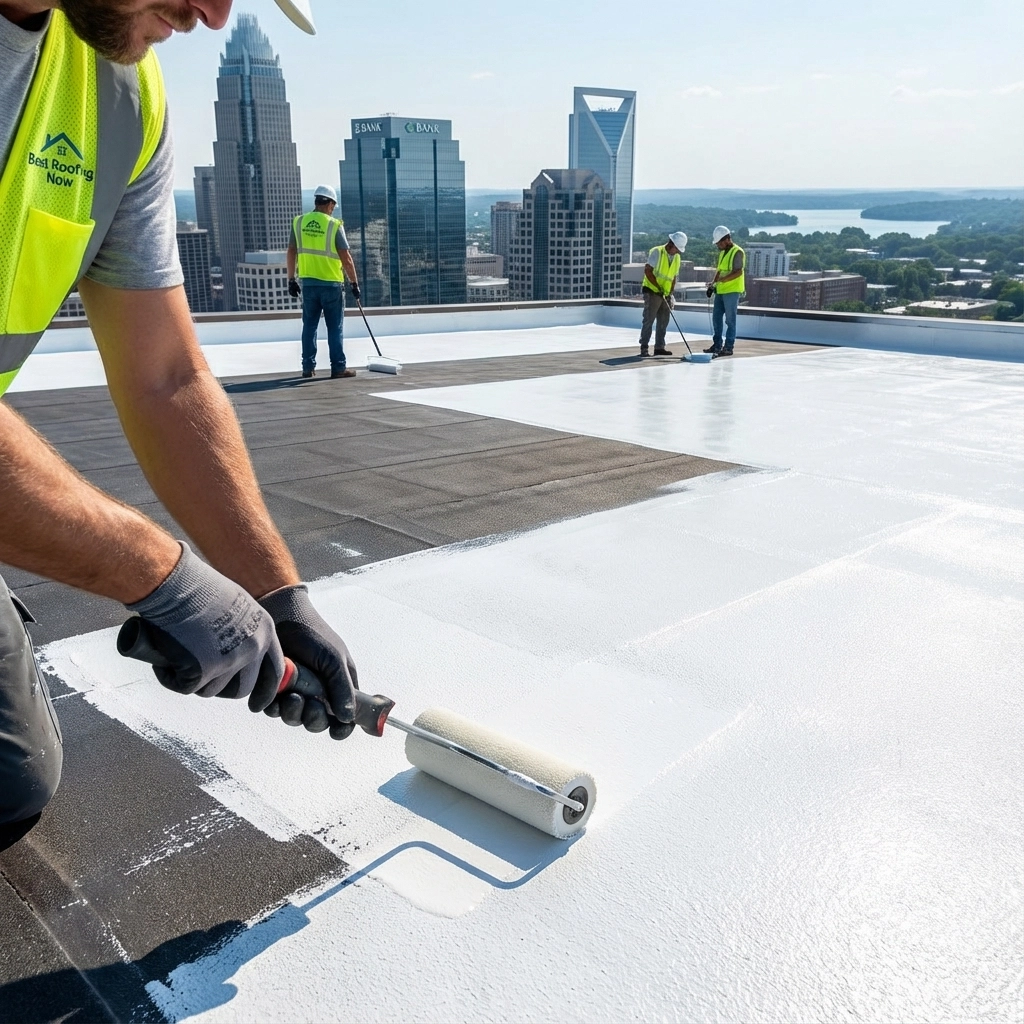
Your commercial roof protects everything inside your building. But what protects your investment in that roof? That's where roofing warranties come in.
If you own a business in Charlotte, you've probably heard horror stories. A restaurant owner gets stuck with a $50,000 repair bill two years after installation. A warehouse manager discovers their "lifetime" warranty doesn't cover what they thought it would.
Here's the truth: Not all roofing warranties are created equal. And understanding the difference could save your business tens of thousands of dollars.
Charlotte's weather puts commercial roofs through a lot. We get intense summer heat that can reach 95°F. Sudden thunderstorms dump inches of rain in minutes. And those surprise ice storms? They can wreck a roof overnight.
Your commercial roofing system needs protection from all of this. But even the best installation can have issues. That's why a solid warranty isn't just nice to have – it's essential protection for your business investment.
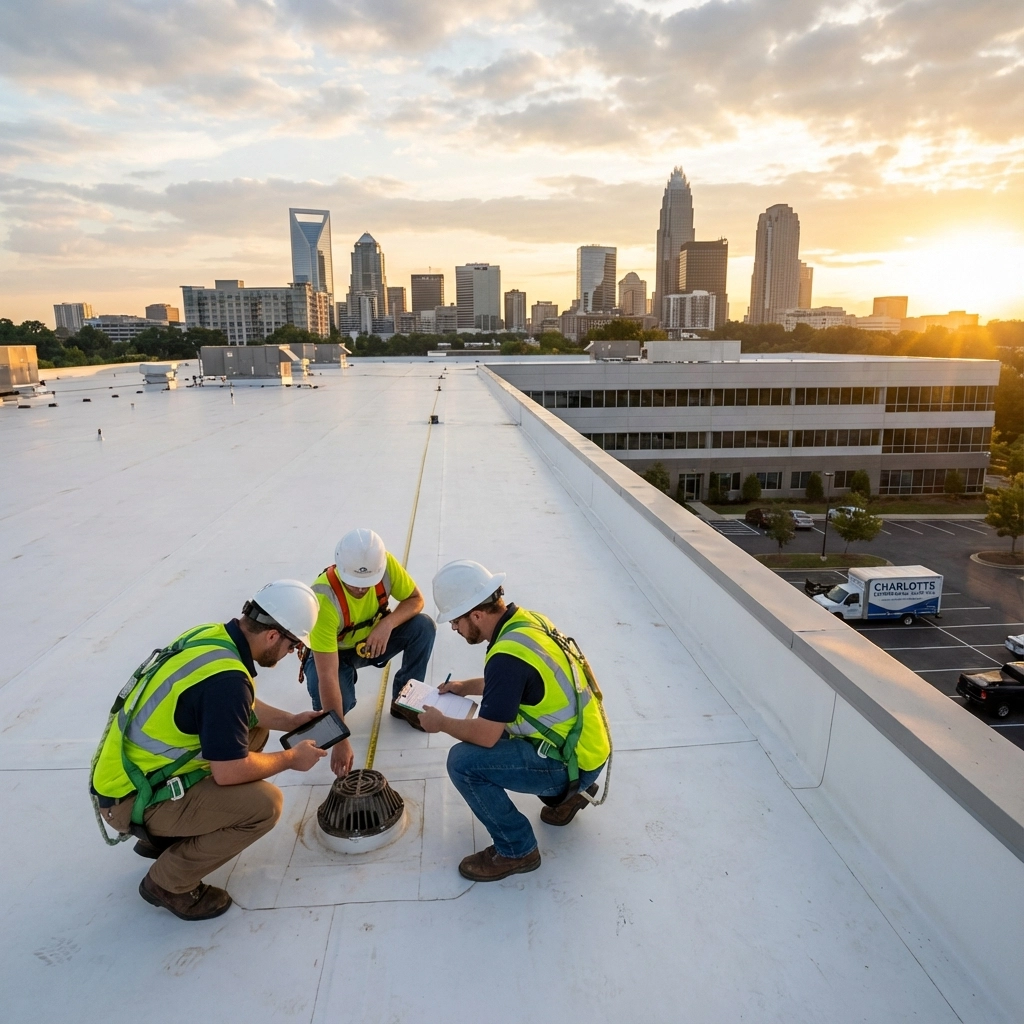
Let's break down the warranty options you'll encounter when working with Charlotte roof contractors.
This is the most basic warranty you can get. It only covers defects in the actual roofing materials – like membranes, insulation, or fasteners.
Here's the catch: If there's a problem, you still pay for removal and reinstallation. So if a membrane fails, the manufacturer might give you a new membrane. But you're on the hook for the labor to tear off the old roof and install the new one.
For a large commercial roof, that labor could cost more than the materials. That's why most smart business owners skip this option.
This warranty covers both defective materials and the work to fix them. But there's usually a dollar limit – maybe $100,000 or $200,000.
Most labor and material warranties are also "prorated." This means coverage decreases over time. A 20-year warranty might cover 100% of costs in year one, but only 50% in year ten.
These warranties typically last 10-20 years. Some extend to 35 years. But remember – the contractor who installs your roof must be approved by the manufacturer. If you use an unapproved contractor, you void the warranty.
A full-system warranty covers all components of your roofing system. This includes the membrane, insulation, fasteners, and sometimes even the decking.
Unlike material-only warranties, system warranties usually include labor costs for repairs. They typically last 10-20 years and offer better protection than basic options.
This is the gold standard of commercial roofing warranties. An NDL warranty means the manufacturer will cover repair or replacement costs no matter how expensive they get.
NDL warranties can last up to 35 years. But they come with strict requirements. Your contractor must follow exact installation procedures. The manufacturer usually inspects the work. And you must maintain the roof according to their specifications.
The installation costs are higher too – often 25-30% more than a basic job. But for many Charlotte businesses, the long-term protection is worth it.
Most commercial roofing warranties protect against:
Material defects – Manufacturing problems that cause premature failure
Installation errors – Mistakes by the roofing contractor during installation
Water infiltration – Leaks that result from covered defects
Wind resistance failures – Damage from wind speeds within the warranty limits
Membrane deterioration – Premature aging or breakdown of roofing materials
Even the best warranties have exclusions. Here's what you'll typically pay for out of pocket:
Acts of nature – Hurricanes, tornadoes, and severe hail damage
Poor maintenance – Problems that result from skipping required upkeep
Unauthorized modifications – Changes made by contractors not approved by the manufacturer
Chemical exposure – Damage from substances not specified in the warranty
Normal wear and tear – Expected aging after the warranty period
The key word here is "maintenance." Almost every warranty requires you to inspect and maintain your roof regularly. Skip this, and your warranty becomes worthless.
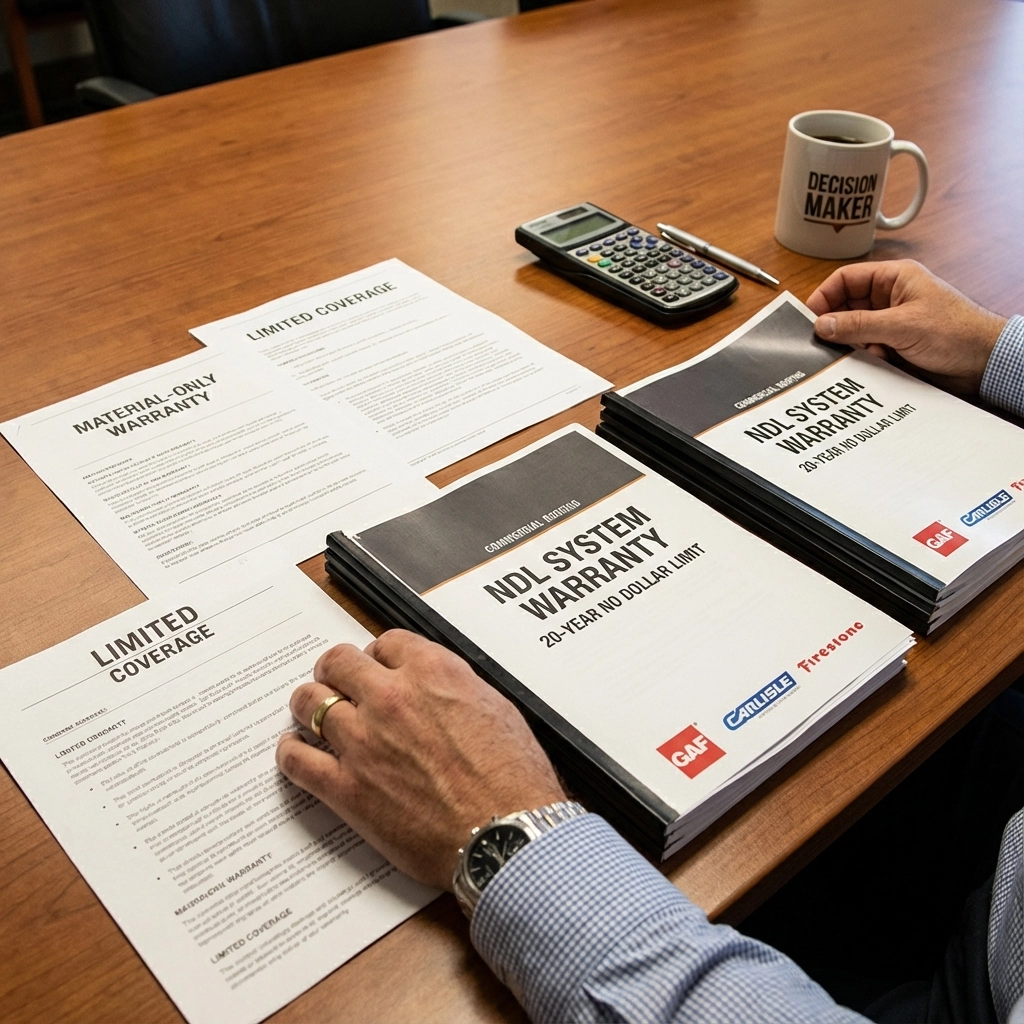
These come from the company that made your roofing materials – like GAF, Firestone, or Carlisle. Manufacturer warranties typically last 10-30 years.
The good news? These companies have deep pockets and established reputations. They're likely to be around when you need to make a claim.
The bad news? Manufacturer warranties often have strict installation requirements. Your contractor must be certified and follow exact procedures. Any deviation can void the warranty.
Your Charlotte roof contractor provides these warranties. They typically cover workmanship for 1-5 years.
Contractor warranties fill gaps that manufacturer warranties don't cover. For example, if your contractor makes an installation mistake that causes a leak, the manufacturer won't fix it. But your contractor's workmanship warranty should.
The challenge? Contractors can go out of business. Always check that your contractor is established, licensed, and financially stable.
Basic workmanship warranties fall into this category. They're better than nothing, but they don't provide long-term security.
For most Charlotte businesses, short-term warranties aren't enough. Commercial roofs are expensive, and problems can show up years after installation.
This is the sweet spot for many businesses. You get meaningful protection without paying premium prices.
A 15-year warranty often provides the best value. It covers the period when installation-related problems typically show up. And it gives you time to plan for eventual roof replacement.
Long-term warranties make sense for businesses that plan to stay in their building for decades. They're also valuable for property owners who want to attract quality tenants.
The trade-off? Higher upfront costs and stricter maintenance requirements.
Charlotte's climate creates unique warranty considerations. Our hot summers can accelerate roof aging. Sudden temperature swings cause expansion and contraction that stresses roofing systems.
Make sure your warranty covers thermal movement and UV degradation. These are common issues in our climate.
Charlotte has specific roofing requirements, especially for wind resistance and drainage. Your warranty should confirm that all materials and installation methods meet local codes.
If your roof doesn't meet code requirements, you might have trouble with both warranties and insurance claims.
While Charlotte isn't on the coast, we do get hurricane remnants. These storms can bring high winds and heavy rain.
Some warranties exclude hurricane damage entirely. Others have wind speed limits – maybe they cover damage from 70 mph winds but not 90 mph winds.
Ask specifically about storm coverage. And don't assume your warranty covers everything just because it mentions "weather resistance."
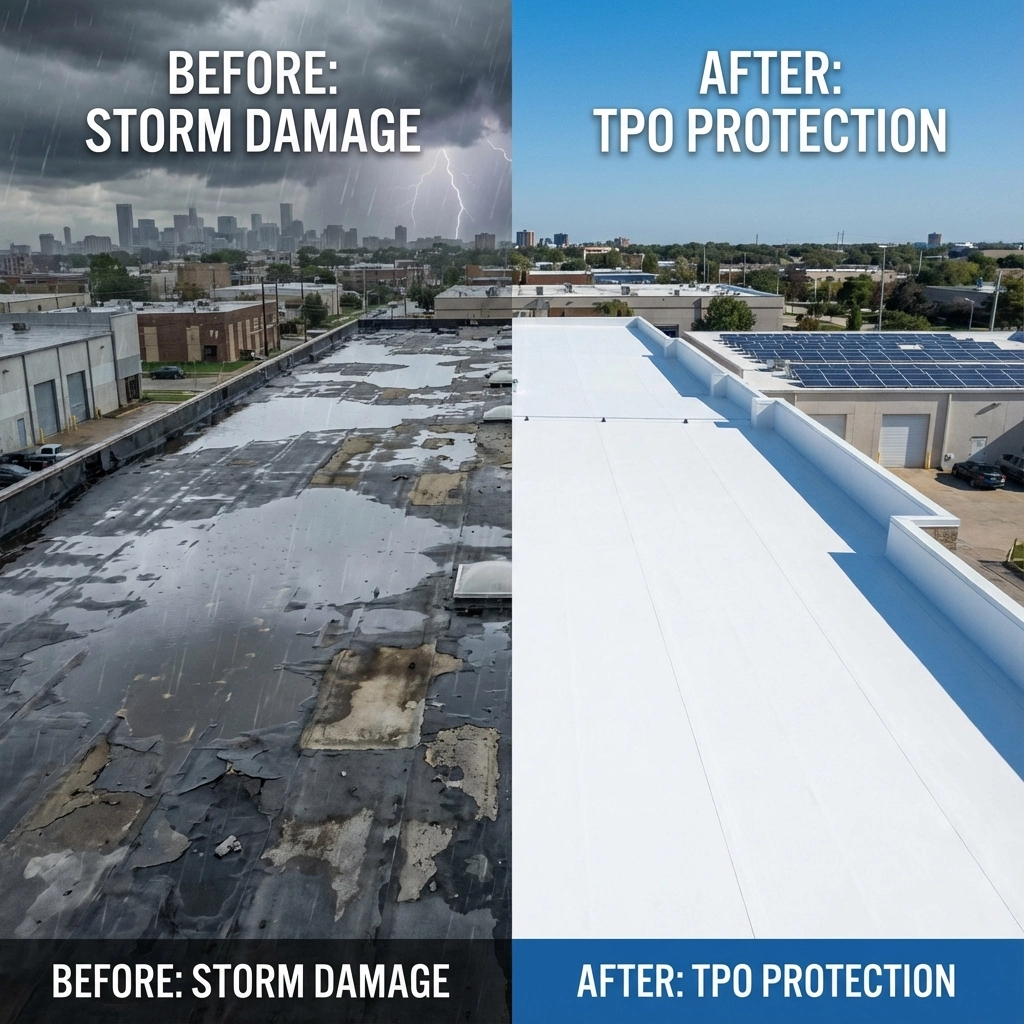
Older buildings might not qualify for premium warranties. The roof deck condition, building structure, and existing systems all affect warranty options.
If your building is over 20 years old, you might need structural upgrades before qualifying for long-term warranties.
Are you planning to sell the building in five years? A basic warranty might be sufficient.
Planning to operate from this location for 20+ years? Invest in extended coverage.
Warranty transferability also matters. Some warranties can transfer to new owners, which adds value if you sell the property.
Don't just look at warranty costs. Factor in:
Sometimes paying more upfront for comprehensive coverage saves money long-term.
We see this constantly. Business owners get three quotes and pick the cheapest one, assuming the warranties are equivalent.
Take time to compare warranty terms side-by-side. Look at coverage periods, dollar limits, and exclusions. A cheaper quote might come with a much weaker warranty.
Every commercial roofing warranty has maintenance requirements. These typically include:
Skip these requirements, and your warranty is void. Even if you have a legitimate claim, the manufacturer can deny it.
Keep detailed records of all maintenance, repairs, and inspections. Take photos. Save invoices.
When you file a warranty claim, you'll need to prove you've maintained the roof properly. Without documentation, even valid claims get denied.
Let's say your roof develops a small leak three years after installation. You call a local handyman to patch it quickly.
That simple repair just voided your warranty. Almost all manufacturer warranties require you to use approved contractors for any roof work.
Many warranties reduce coverage over time. A 20-year warranty might cover 100% of costs in year one, but only 25% in year fifteen.
If you don't understand the proration schedule, you might be shocked when you file a claim years later.
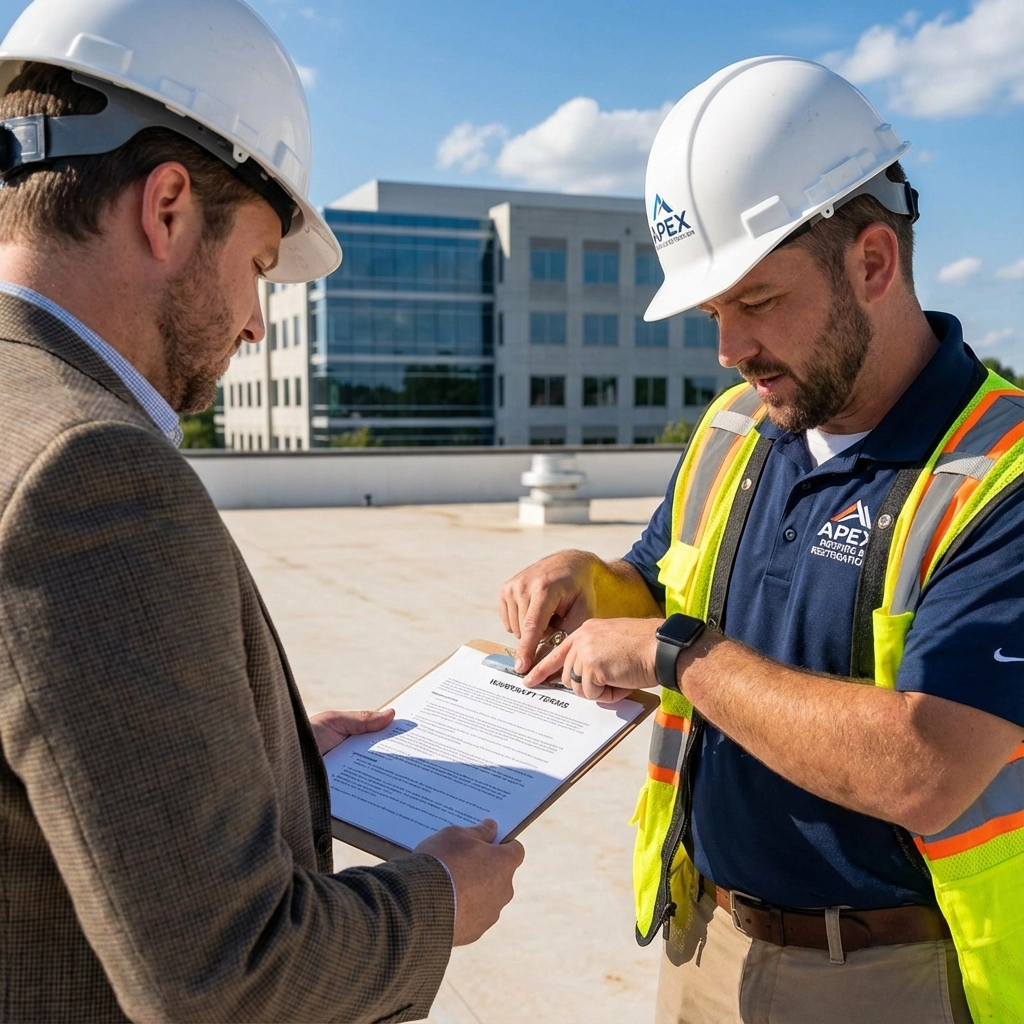
Before signing any warranty agreement, ask these specific questions:
Be suspicious of warranties that seem to cover everything with no exclusions. Legitimate warranties always have limitations.
Also watch for vague language. Good warranties specify exactly what's covered and what isn't.
If your contractor can't clearly explain warranty coverage, find someone else. You need to work with someone who understands the products they're installing.
Legitimate warranty offers don't expire overnight. If a contractor pressures you to sign immediately to "lock in" warranty terms, that's a red flag.
Every warranty should be in writing with clear terms. Verbal promises are worthless when you need to file a claim.
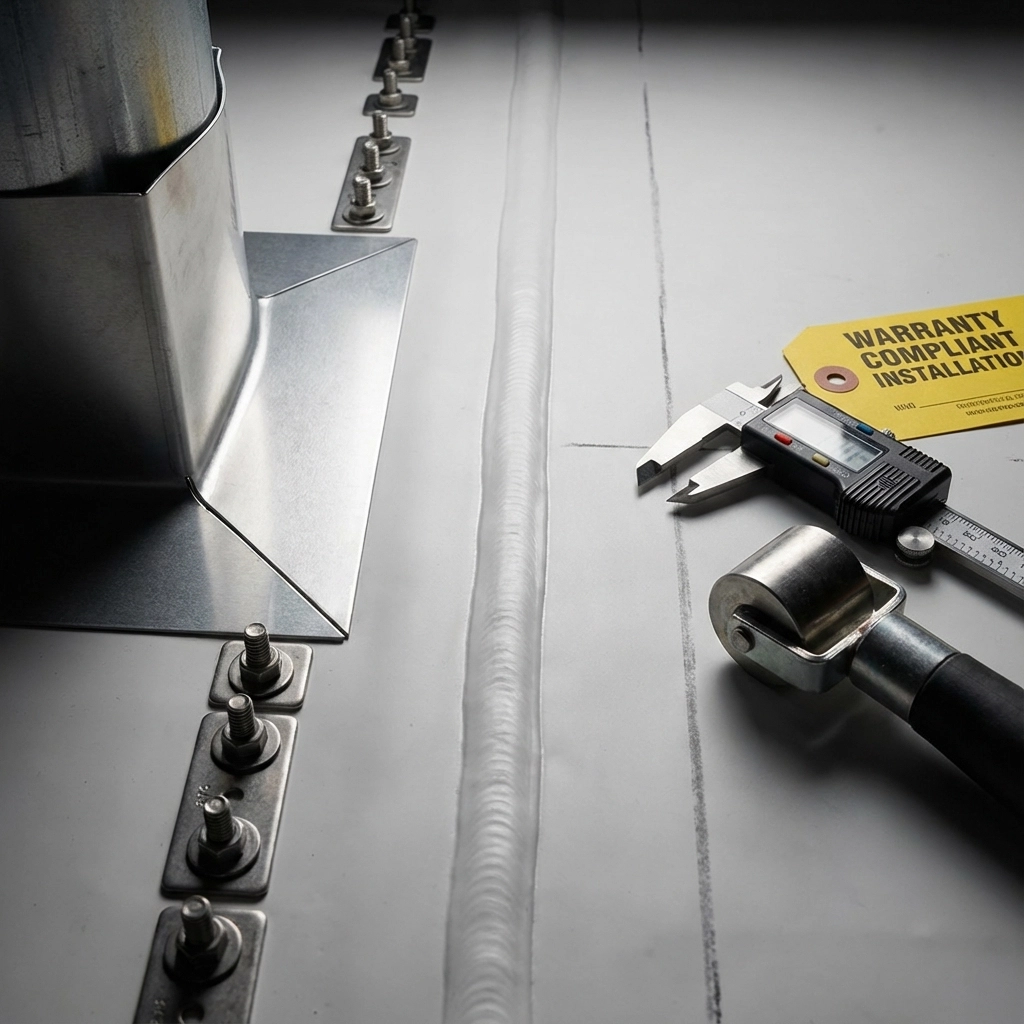
When you discover a potential warranty issue, document everything immediately:
For manufacturer warranty claims, contact the manufacturer directly. For contractor workmanship issues, start with your installer.
Don't delay. Many warranties require prompt notification of problems.
The warranty provider will likely send someone to inspect the damage. They'll want to see:
Warranty claims can take weeks or months to resolve. The process typically includes:
Commercial roofing warranties are complex, but they're essential protection for your business investment. Here's what you need to remember:
Choose coverage that matches your business plans. If you're staying put for 20 years, invest in long-term protection.
Understand what you're buying. Read the warranty terms carefully. Ask questions until you're clear on coverage and requirements.
Budget for ongoing maintenance. Warranties aren't free money – they require you to maintain your roof properly.
Work with qualified contractors. Using approved, certified contractors isn't just recommended – it's required to keep your warranty valid.
Document everything. Keep detailed records of maintenance, repairs, and inspections. You'll need them if you ever file a claim.
The roofing industry has plenty of horror stories about warranty disputes and denied claims. But with the right knowledge and preparation, your warranty can provide real protection for your business.
Don't leave your commercial roof's future to chance. At Best Roofing Now, we help Charlotte business owners navigate warranty options and choose coverage that makes sense for their specific needs.
Our team works with all major manufacturers and can explain warranty options in plain English. We'll help you understand the real costs and benefits of different coverage levels.
Call us at (704) 774-9080 for a free commercial roof assessment and warranty consultation. We'll evaluate your current roof, discuss your business plans, and recommend warranty coverage that protects your investment without breaking your budget.
Your roof is too important to trust to just anyone. Work with Charlotte's commercial roofing experts who understand both the technical requirements and the business implications of warranty decisions.
Best Roofing Now
Charlotte's trusted roofing experts since 2019
Based on this article, you may be interested in these services.
We proudly serve these Charlotte-area communities with professional roofing services.
View All Service Areas →See our recent roofing work across the Charlotte metro area.
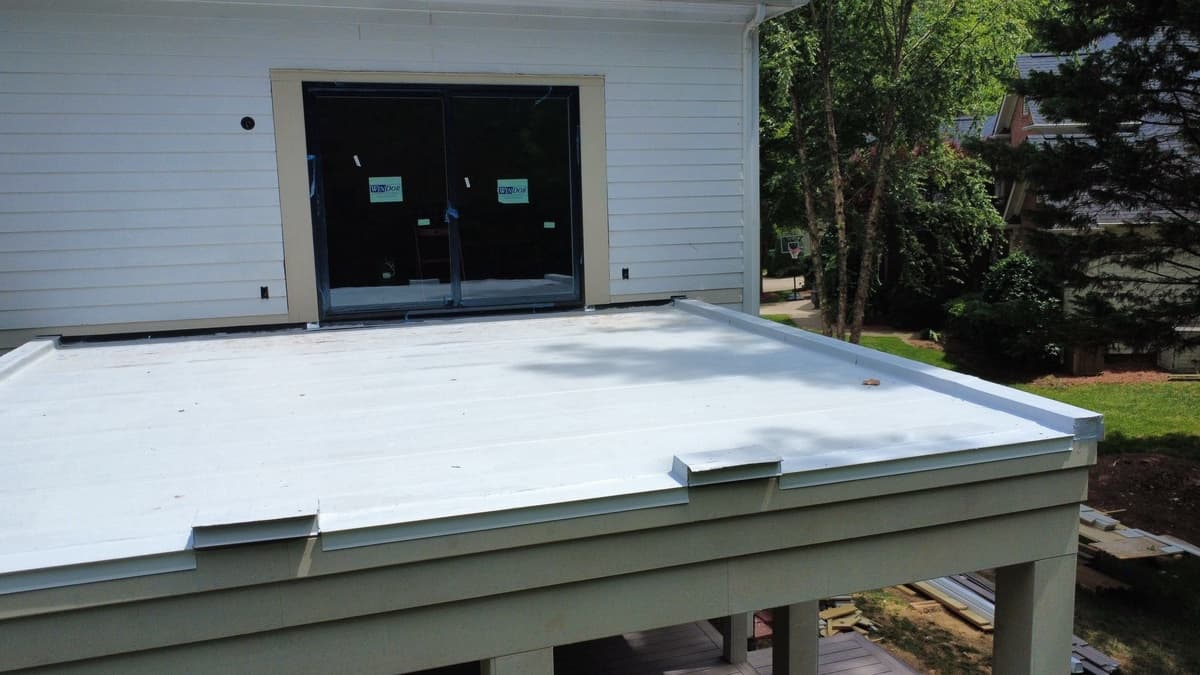
Charlotte, NC
completed exterior
Charlotte, NC
before after
Charlotte, NC
repair
Charlotte, NC
new roof
Get a free roof inspection and honest assessment from Charlotte's most trusted roofing company.


