
Roofing Tips & Guides
Expert Roofing Advice for Charlotte Homeowners
Learn from Charlotte's trusted roofing experts. Tips on maintenance, repair, replacement, and protecting your home from the elements.
Leak or wind damage from Isaias? 24/7 emergency tarping, free storm-damage inspections and insurance-claim help.
Learn from Charlotte's trusted roofing experts. Tips on maintenance, repair, replacement, and protecting your home from the elements.
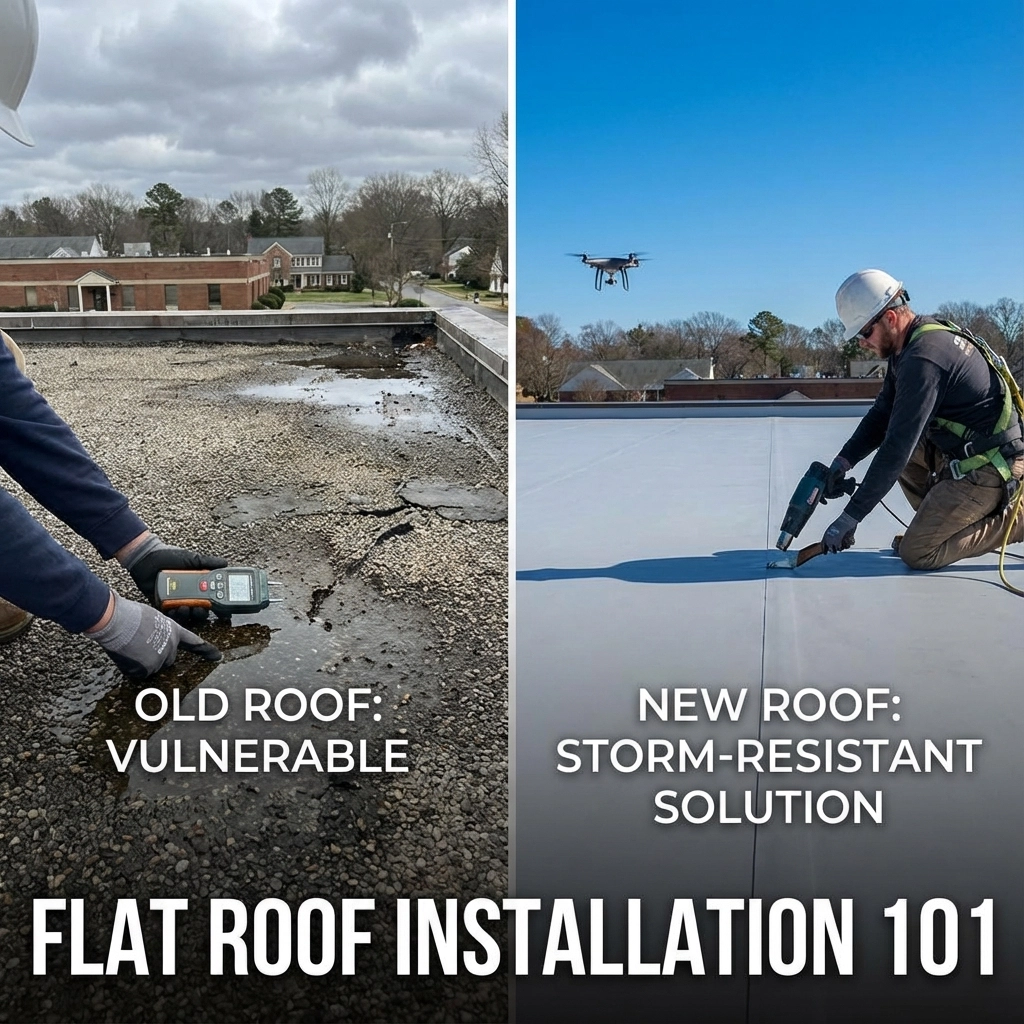
Property owners across Charlotte and Lake Norman are discovering what commercial builders have known for decades. Flat roofs offer unmatched versatility, energy efficiency, and cost-effectiveness. But here's what most don't realize: installing a truly storm-resistant flat roof requires precision that would make a watchmaker proud.
After 15 years of flat roof installations in the Charlotte area, I've seen what works and what fails spectacularly. The difference between a roof that lasts 30 years and one that leaks after the first thunderstorm? It's all in the details.
Let's clear up the biggest misconception right away. Flat roofs aren't actually flat. They can't be.
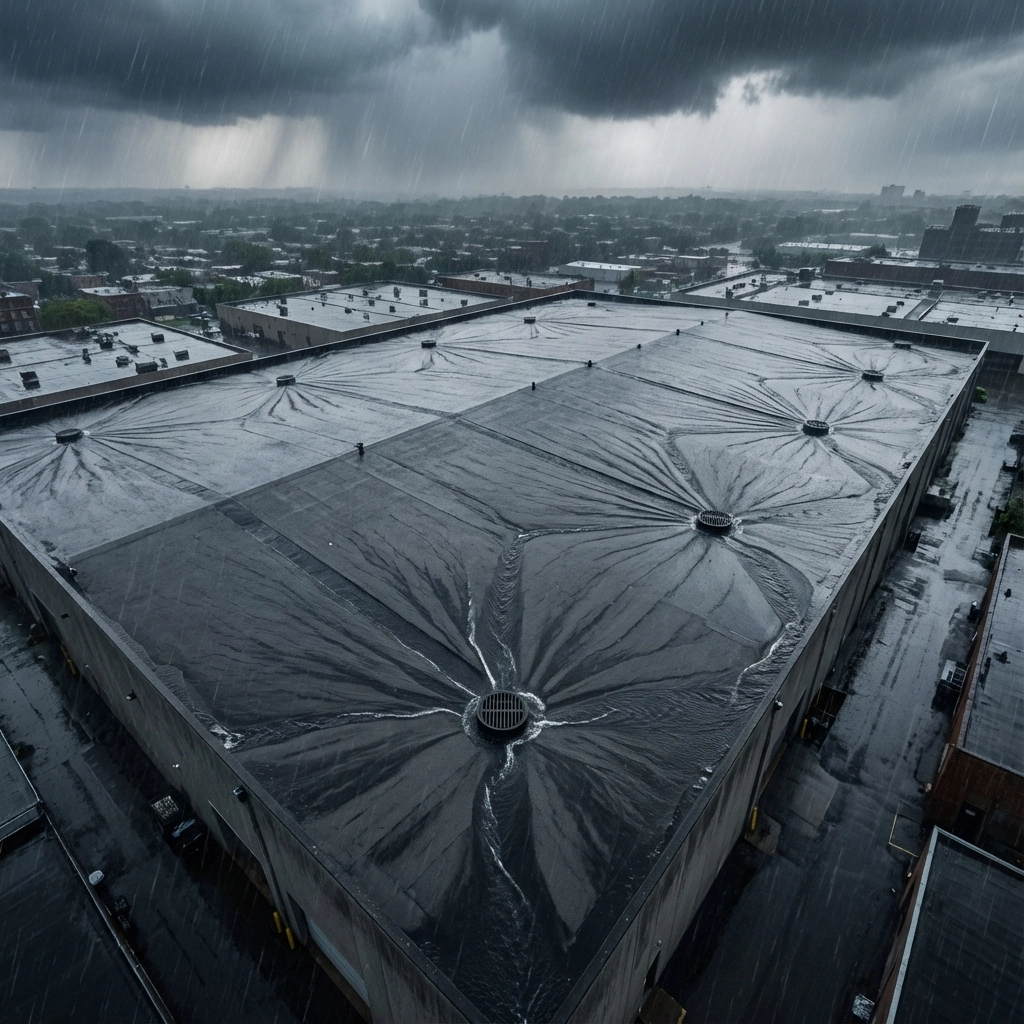
A truly flat surface would create standing water after every rainstorm. In Charlotte, where we see 43 inches of annual rainfall, that's a recipe for disaster. Your "flat" roof needs a minimum slope of 1/8 inch per foot. Most manufacturers recommend 1/4 inch per foot. Some systems require up to 1/2 inch per foot.
This slight incline is your first line of defense against storm damage. Water flows toward drains instead of pooling in low spots. Those puddles you see on poorly installed flat roofs? They're not just unsightly. They're ticking time bombs waiting for the next freeze-thaw cycle or heavy storm.
The flat roofing industry has evolved dramatically. The materials we're installing today make the systems from even 10 years ago look primitive.
EPDM (Ethylene Propylene Diene Monomer) remains the gold standard for residential flat roofs. This synthetic rubber membrane flexes with temperature changes without cracking. In Charlotte's climate, where we swing from 20°F winters to 90°F summers, that flexibility matters.
TPO (Thermoplastic Polyolefin) is gaining ground for its energy efficiency. The white surface reflects heat, reducing cooling costs by up to 30%. For commercial properties with large flat roof areas, the energy savings add up quickly.
Modified Bitumen works well for smaller residential applications. It's essentially an evolution of traditional tar and gravel systems, but with modern polymers that resist cracking and UV damage.
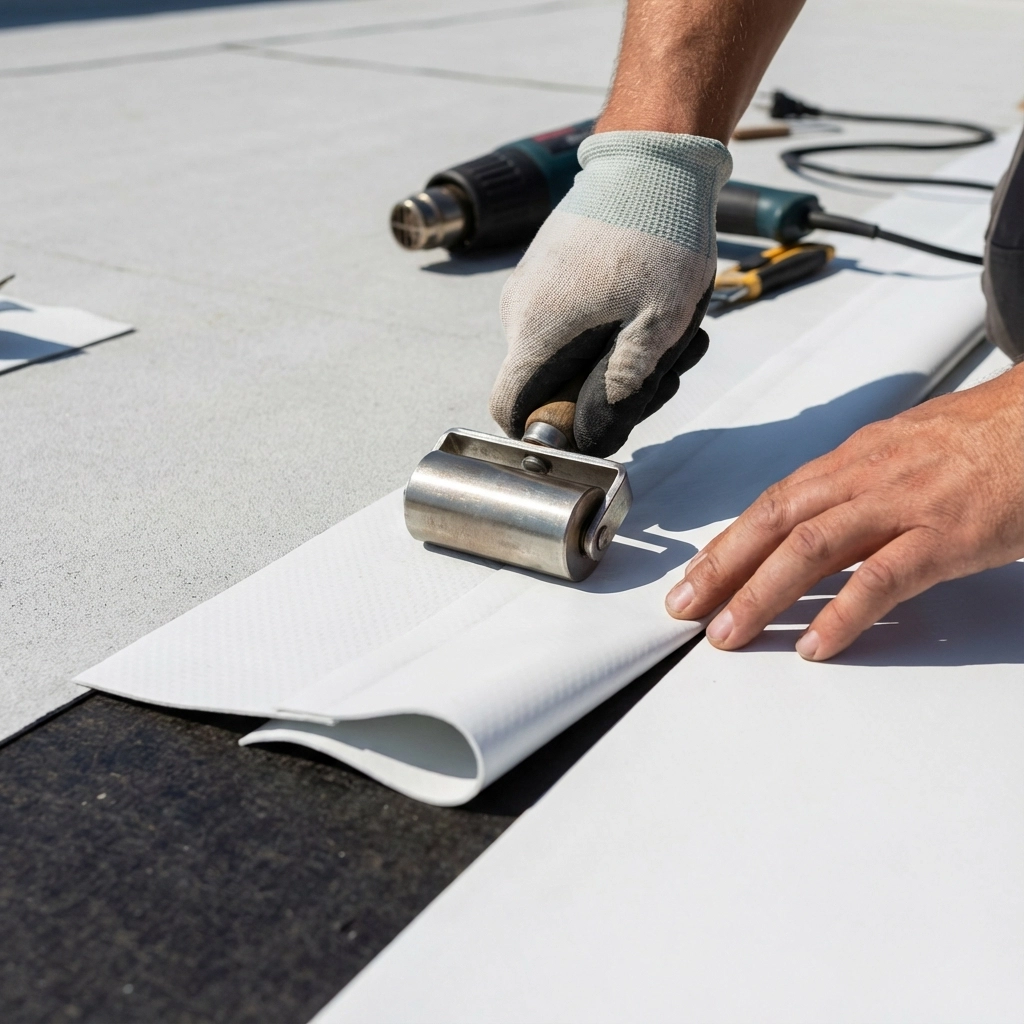
The key is matching the material to your specific situation. A lakefront property in Cornelius faces different challenges than a downtown Charlotte commercial building. Wind uplift, temperature extremes, and UV exposure all factor into the decision.
Here's where most flat roof installations go wrong. Contractors rush through critical steps or skip them entirely. The result? Callbacks, leaks, and frustrated property owners.
Before we touch your existing roof, we examine the structure underneath. Flat roofs carry more weight than sloped systems. The membrane, insulation, and potential standing water create loads that stressed joists can't handle.
We look for sagging, which indicates structural problems. We check for rot in the decking. We verify that the structure can support the new system's weight. This step takes time, but it prevents catastrophic failures later.
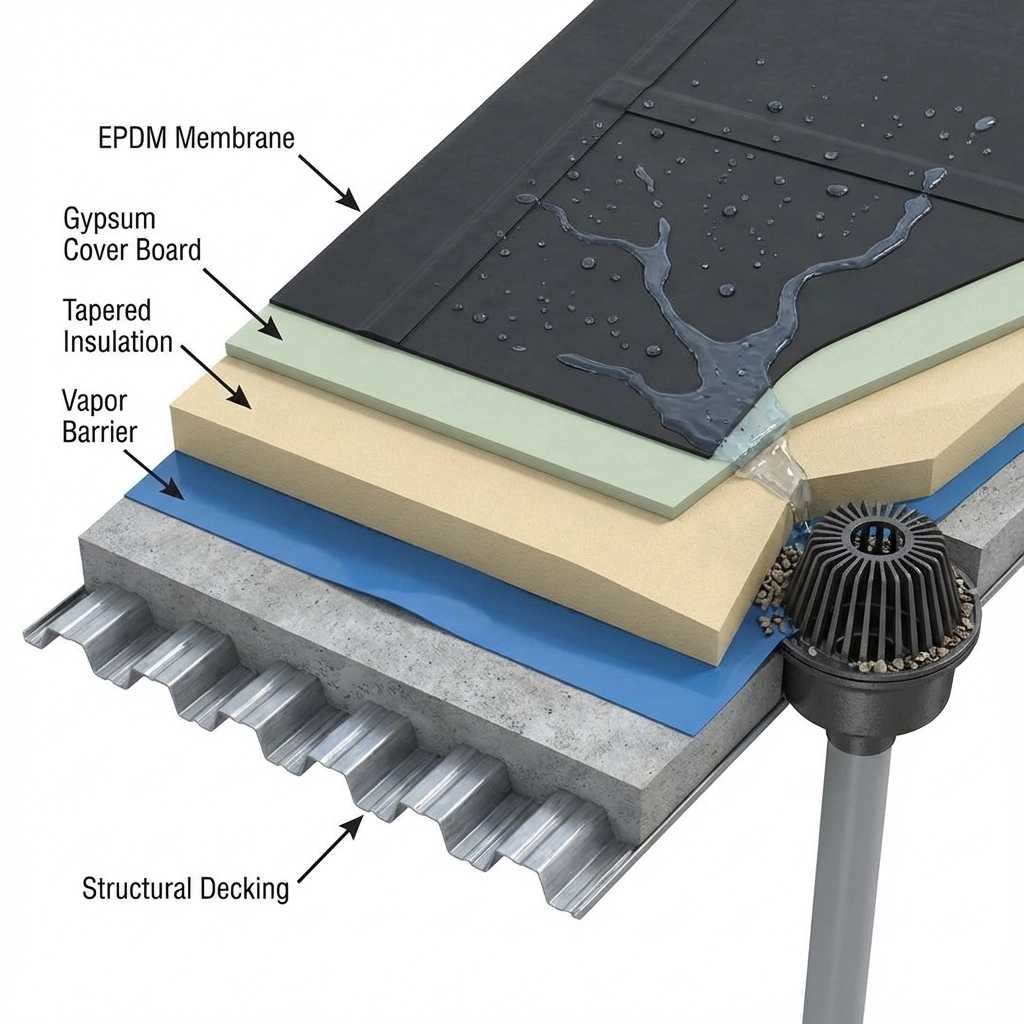
This is where the magic happens. We use tapered insulation panels to create that critical slope. These pre-cut panels kill two birds with one stone. They establish proper drainage while adding R-value for energy efficiency.
The insulation goes directly over the structural deck. Then we install half-inch high-density gypsum board on top. This creates a stable, non-compressing surface that won't deflect under foot traffic. That stability is crucial for membrane longevity.
Charlotte's humid climate makes vapor barriers essential. Moisture vapor rises from inside the building. Without a proper barrier, that moisture condenses in the insulation, reducing its effectiveness and creating mold problems.
We install the vapor barrier between the structural deck and insulation. It's a seemingly simple step that prevents thousands of dollars in future problems.
This is where experience separates the pros from the wannabes. The membrane is your primary defense against water infiltration. There's no room for mistakes.
We start by positioning the membrane and letting it relax for 30 minutes. Temperature changes cause the material to expand and contract. Rushing this step creates wrinkles and stress points that become leaks later.
The adhesive application requires precision. We use water-based adhesive in the field areas and contact adhesive at the perimeter. Each type is formulated for specific applications. Using the wrong adhesive in the wrong place compromises the bond.
We roll out air bubbles as we work. Every bubble is a potential weak spot. The membrane must lay perfectly flat against the substrate.
This step determines whether your roof lasts 5 years or 30 years. Every seam, every penetration, every edge must be sealed perfectly.
Seam Sealing Process:
Penetration Details:
Every pipe, vent, and equipment support creates a potential leak point. We use pre-formed boots for pipes, custom flashing for equipment, and termination bars for wall connections.
The key is creating redundant seals. If the primary seal fails, the secondary seal prevents water infiltration.
In Charlotte, where thunderstorms can drop 2-3 inches of rain in an hour, your drainage system is critical. A properly designed system removes water faster than storms can deliver it.
Interior Drains handle the bulk of the water. We size them based on roof area and local rainfall intensity. An undersized drain system is like trying to empty a swimming pool through a straw.
Scuppers provide emergency overflow. When drains become clogged with debris, scuppers prevent water from rising above the roof membrane level.
Sump Pans create low points that direct water toward drains. They're especially important on larger roofs where minor settling could create unintended water pooling.
The entire system works together. Primary drains handle normal rainfall. Overflow scuppers handle extreme events. Properly sloped surfaces prevent water accumulation. It's engineered redundancy that prevents storm damage.
I've repaired hundreds of failed flat roofs. The same mistakes appear repeatedly:
Inadequate Slope: Contractors who don't understand drainage requirements create flat surfaces that pool water. Those pools become ice dams in winter and breeding grounds for membrane-destroying algae in summer.
Poor Seam Work: Rushed seam installation creates weak points that fail during high winds or thermal cycling. A properly sealed seam is stronger than the base membrane material.
Incorrect Fastening: Over-fastening creates stress concentrations that crack under wind loads. Under-fastening allows membrane movement that opens seams. The fastening pattern must match manufacturer specifications exactly.
Ignored Penetrations: Every penetration requires custom detailing. Cookie-cutter approaches don't work. Each situation requires engineered solutions based on equipment type, loading, and thermal movement.
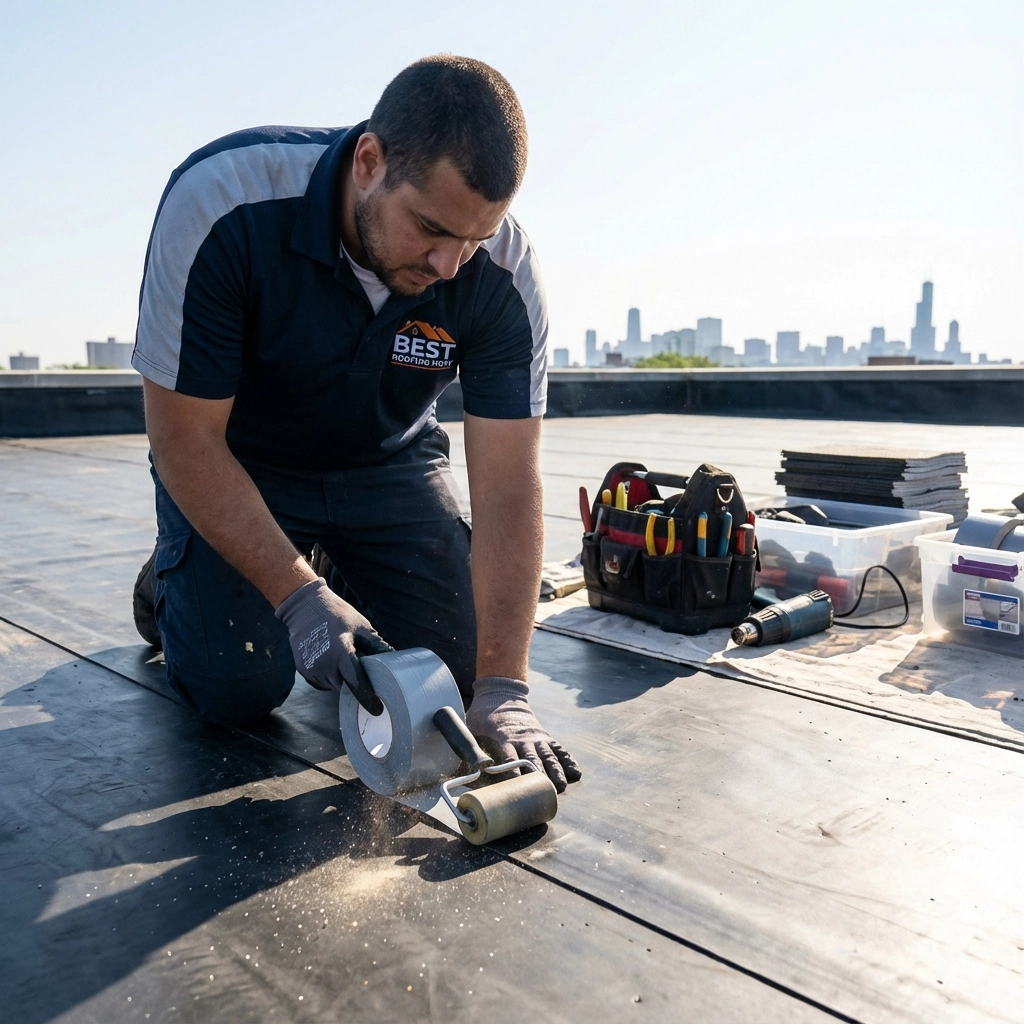
Inadequate Edge Details: Wind uplift forces are highest at roof edges. Improper termination allows wind to get under the membrane, creating blow-offs during storms.
Modern flat roof systems include features that weren't available even 5 years ago:
Enhanced Wind Resistance: New mechanically-fastened systems resist winds up to 150 mph. In Charlotte's climate, where severe thunderstorms produce straight-line winds exceeding 70 mph, this matters.
Impact-Resistant Membranes: Hail-resistant materials prevent punctures from ice impacts up to 1.75 inches in diameter. Given Charlotte's history of severe hail events, this protection is increasingly valuable.
Smart Drainage Systems: Sensor-equipped drains monitor flow rates and detect blockages. They send alerts before problems become leaks.
Reflective Coatings: Advanced cool-roof coatings reflect 85% of solar energy while remaining flexible at low temperatures. They reduce thermal stress that causes membrane cracking.
Even perfectly installed flat roofs require maintenance. The difference is that well-installed systems need less frequent attention and minor repairs instead of major overhauls.
Quarterly Inspections: Check drains for debris. Look for standing water that indicates slope problems. Examine seams and penetrations for signs of movement or deterioration.
Annual Professional Service: We inspect areas that property owners can't safely access. We check termination details, test drain flow rates, and identify potential problems before they become leaks.
Immediate Storm Response: After severe weather, inspect for debris damage, check that drains flow freely, and look for any membrane displacement.
The investment in regular maintenance is minimal compared to emergency repairs or complete replacement.
Flat roof installation isn't a DIY project. The precision required and consequences of mistakes make professional installation essential. But not all contractors understand flat roof systems.
Look for contractors with specific flat roof experience. Ask about their membrane installation training. Verify they understand local building codes and drainage requirements. Check references from similar projects.
At Best Roofing Now, we've installed hundreds of flat roof systems throughout Charlotte and Lake Norman. Our team includes certified installers trained by membrane manufacturers. We understand the unique challenges that Carolina weather presents.
We also provide detailed warranties that cover both materials and workmanship. A flat roof installation is a major investment. You deserve protection that matches the quality of the work.
The future of your property depends on the roof above it. In 2025, storm-resistant flat roof systems offer unmatched protection when installed correctly. The technology exists to create systems that last decades while providing superior energy efficiency and weather resistance.
But success requires precision installation, quality materials, and ongoing maintenance. There's no room for shortcuts or compromises.
Ready to explore how a storm-resistant flat roof system can protect your property investment? Contact our team for a comprehensive evaluation of your current system and detailed proposal for upgrade options. We'll show you exactly what's needed to achieve decades of worry-free protection, even during Charlotte's most severe weather events.
Your property deserves the best protection available. Let's build it together.
Best Roofing Now
Charlotte's trusted roofing experts since 2019
Based on this article, you may be interested in these services.
We proudly serve these Charlotte-area communities with professional roofing services.
View All Service Areas →See our recent roofing work across the Charlotte metro area.
Charlotte, NC
new roof
Charlotte, NC
new roof
Charlotte, NC
new roof
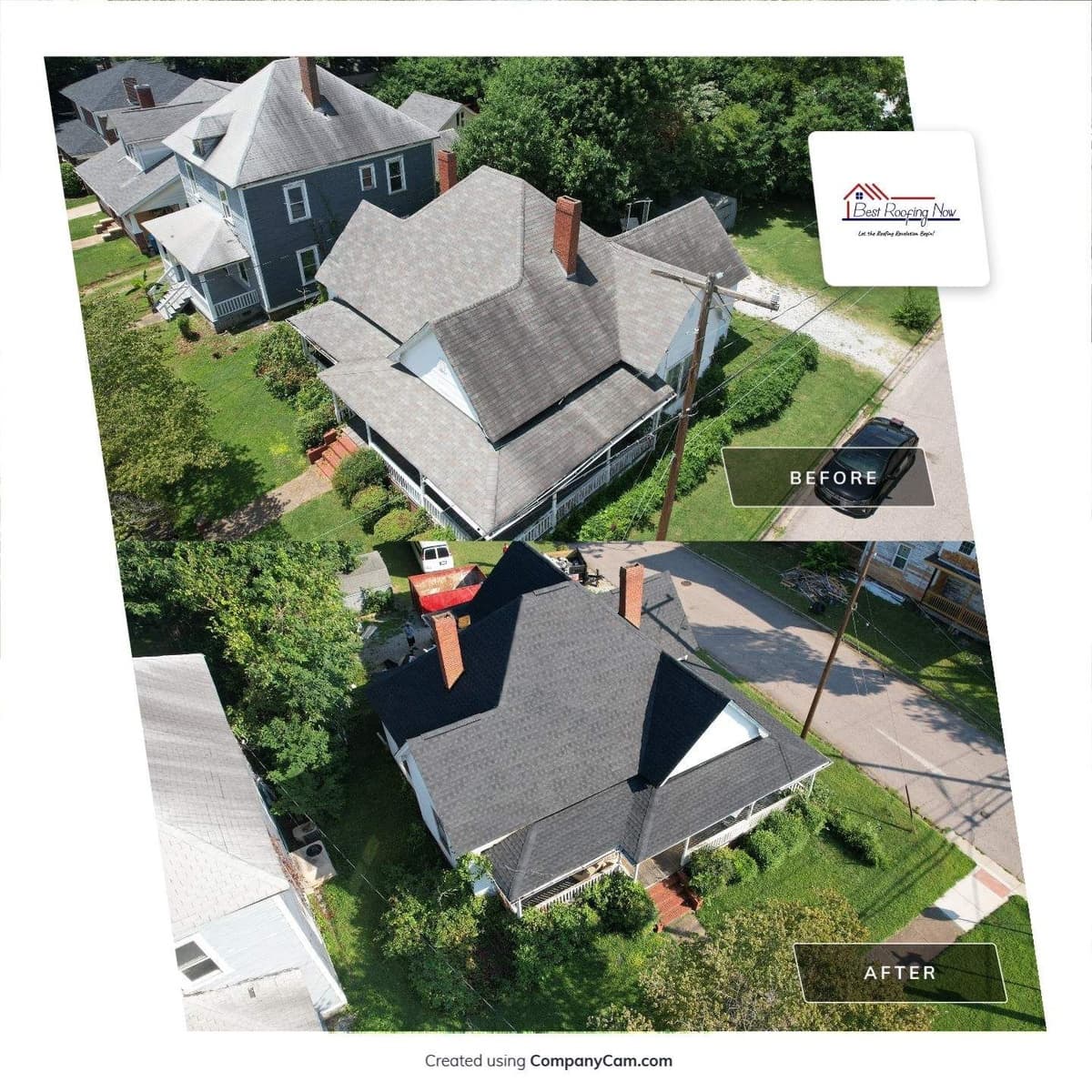
Charlotte, NC
new roof
Get a free roof inspection and honest assessment from Charlotte's most trusted roofing company.


