
Roofing Tips & Guides
Expert Roofing Advice for Charlotte Homeowners
Learn from Charlotte's trusted roofing experts. Tips on maintenance, repair, replacement, and protecting your home from the elements.
Leak or wind damage from Isaias? 24/7 emergency tarping, free storm-damage inspections and insurance-claim help.
Learn from Charlotte's trusted roofing experts. Tips on maintenance, repair, replacement, and protecting your home from the elements.
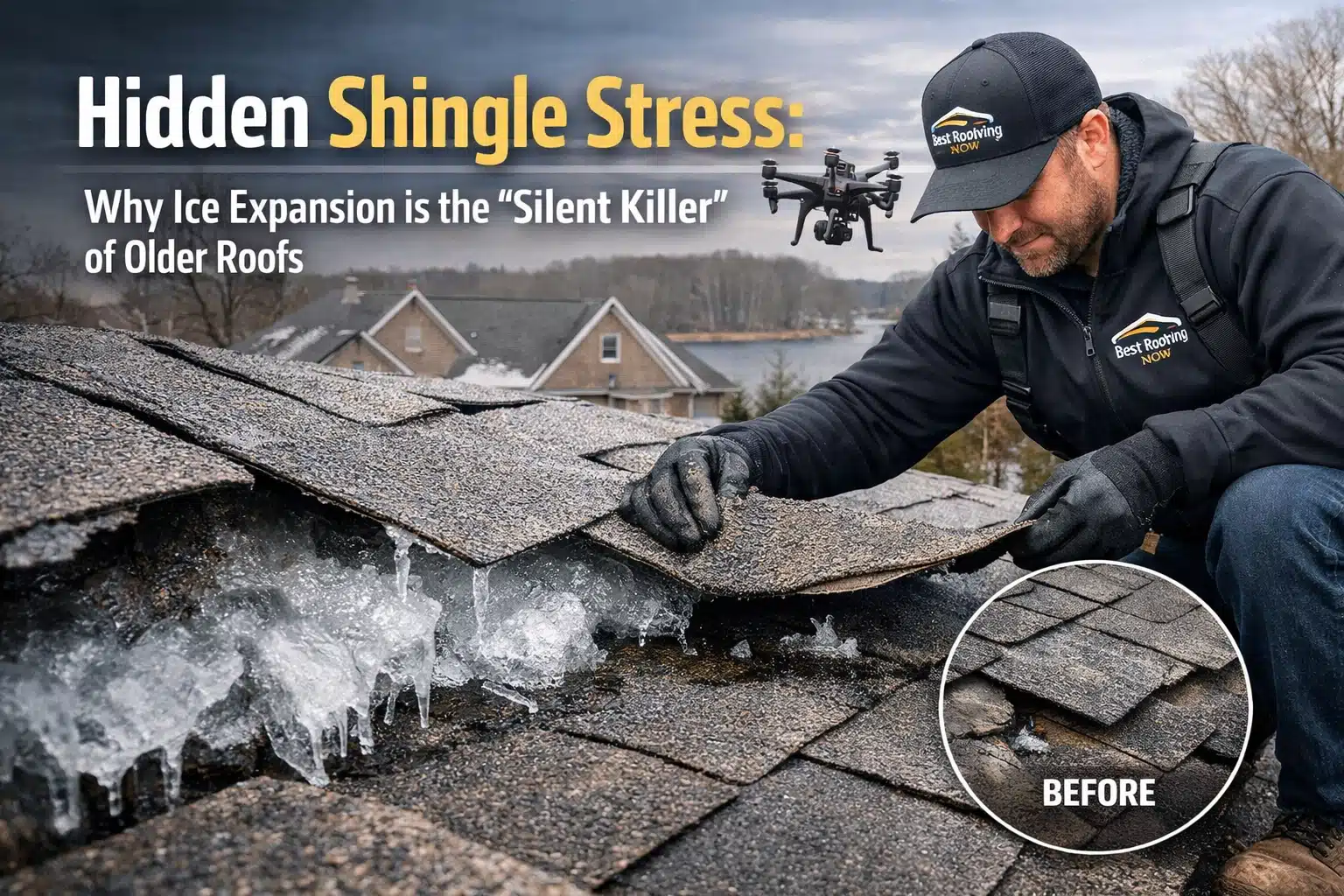
After that historic February 2026 snowstorm, Charlotte homeowners are dealing with something they can't see yet. It's not the obvious stuff: missing shingles or collapsed gutters. It's the quiet damage happening right now, under the surface.
Ice doesn't just sit on your roof. It moves. It expands. And if your roof is over 15 years old, that expansion is doing more harm than you realize.
Let me explain why this matters: and what you need to watch for as we head into the big melt.
Here's the thing about water: it's one of the only substances on Earth that expands when it freezes.
When water turns to ice, it grows by about 9%. That doesn't sound like much. But when that happens inside the tiny cracks and gaps in your shingles, it's like a slow-motion wrecking ball.
Think of it this way. Water seeps into a hairline crack in your shingle during the day. Temperatures drop at night. The water freezes. The crack widens. The ice melts the next morning. More water gets in. The cycle repeats.
Each freeze-thaw cycle makes the damage worse. After a week of this, that tiny crack becomes a real problem. After a winter season? You're looking at serious structural issues.
The National Roofing Contractors Association calls this "the freeze-thaw effect." And it's responsible for more roof failures in cold climates than most other weather events combined.
Here in Charlotte, we don't think of ourselves as a "cold climate." But we get something worse: constant temperature swings. We'll hit 50 degrees one afternoon and drop to 28 that night. That's the perfect recipe for freeze-thaw damage.

If your roof is new, you've got some built-in protection. Modern asphalt shingles are designed with flexibility and better sealants. They can handle some expansion and contraction.
But if your roof is 15, 20, or 25 years old? The game changes.
Older shingles lose their flexibility over time. UV rays, heat, and general wear make the asphalt brittle. The protective granules wear off. The sealant strips that hold shingles flat start to fail.
When ice gets into these aging materials, it finds all the weak spots. Every little crack. Every lifted edge. Every gap around a nail.
And here's the kicker: you won't see most of this damage from the ground.
The Asphalt Roofing Manufacturers Association notes that "aged asphalt shingles are 300% more susceptible to freeze-thaw damage than shingles in their first decade of service."
That's not a small difference. That's a massive vulnerability gap.
I've been doing this work since my military days. One thing the service taught me was to respect invisible threats. Just because you can't see damage doesn't mean it's not happening. Ice expansion is exactly that kind of threat.
Let's talk about our local weather. Charlotte sits in this weird climate zone where winter isn't predictable.
We're not Maine, where it stays frozen for months. We're not Florida, where ice never happens. We're in this middle ground where temperatures bounce around like crazy.
Check out what happened in January and early February 2026. We had days in the 60s. Then we got hit with that massive snowstorm. Now we're warming up again. This pattern is brutal on roofing materials.
Lake Norman area homes face an added challenge. The lake effect creates more moisture in the air. That means more water saturation in roofing materials. When temperatures drop, all that moisture turns to ice: right inside your shingles.
Huntersville, Cornelius, Davidson: these waterfront communities see more freeze-thaw cycles than neighborhoods further from the lake. If you live near the water, your roof is working overtime.
The thing about freeze-thaw damage is that it's cumulative. One cycle doesn't kill your roof. But 20 or 30 cycles over a winter season? That's when older roofs start to fail.
And here's what most Charlotte homeowners don't realize: you can have freeze-thaw damage even when you don't see ice on your roof. It's happening in the layers you can't see: under the shingles, in the underlayment, around the flashing.

Most of the ice expansion damage happens where you're not looking.
Inside the shingle layers. Water gets between the laminated layers of architectural shingles. It freezes. The layers separate. Now you've got delamination: and that shingle is done.
Around nail penetrations. Every shingle has 4-6 nails holding it down. Each nail creates a tiny entry point for water. Ice expansion around these nails can lift the shingle or crack the material around the penetration.
At the shingle edges. The tab edges are the thinnest part of the shingle. Ice forms here first. When it expands, it curls the edges up. Once they curl, wind can get underneath. Then you lose the whole shingle in the next storm.
In the valleys. Roof valleys are already the most vulnerable part of any roof. They collect water. In winter, they collect ice. The freeze-thaw action in valleys accelerates wear by years.
Under the flashing. Ice loves to form under metal flashing around chimneys, vents, and skylights. When it expands, it pushes the flashing away from the roof deck. That creates gaps. Water follows. And suddenly you've got a leak that won't show up until spring.
I've done post-winter inspections where the roof looked fine from the street. But up close, you could see the damage everywhere. Lifted tabs. Cracked sealant. Separated layers. All caused by ice expansion that happened over weeks of freeze-thaw cycles.
After a winter like we just had, here's what to look for:
Curling shingle edges. Walk around your house and look up at the roof edge. If you see shingles curling upward, that's often ice damage from the inside out.
Granule loss in the gutters. Check your gutters after the snow melts. If you see a lot of granules (they look like coarse sand), your shingles are deteriorating faster than normal.
Lifted or loose shingles. Ice expansion can break the seal that holds shingles flat. You might see shingles that look raised or wavy from below.
Ice dam staining. If you had ice dams during the storm, look for water stains on your ceiling or walls. That's a sign water got past your shingles and into the structure.
Cracked or missing sealant. If you can safely see your roof up close, look at the sealant strips on the shingles. They should be flat and stuck down. If they're cracked or lifted, ice likely got underneath.
⚠️ Don't try to inspect your roof yourself after heavy snow or ice. Roofs are dangerous when wet or icy. A professional inspection is always safer and more thorough.
You might also notice issues that aren't obviously related to the roof. Water stains on walls. Peeling paint on soffits. Mold smell in the attic. These can all trace back to ice damage that let water into places it shouldn't be.

Some homeowners figure they'll just wait and see if anything leaks. I get it. Nobody wants to spend money on a roof that "seems fine."
But here's the reality: by the time you see a leak inside your house, the damage is already extensive.
Water doesn't travel in a straight line. It can enter your roof in one spot and run along rafters or sheathing for several feet before it drips through your ceiling. When you finally see that water stain, the actual damage area might be ten times bigger.
Ice expansion creates the entry points. Spring rain exploits them. By summer, you're dealing with rot in the decking, mold in the insulation, and potential structural issues in the rafters.
I've seen roofs that looked okay in February completely fail by June. The ice damage created the weak spots. The spring storms did the rest.
And here's the financial reality: catching ice expansion damage early might mean a few hundred dollars in targeted repairs. Waiting until you have interior water damage? Now you're talking thousands in roof replacement plus interior repairs.
The other issue is insurance. Most homeowners policies cover sudden damage: like a tree falling on your roof. They don't cover gradual deterioration. If you wait too long to address ice damage, your insurance company might argue it's wear-and-tear, not covered damage.
Getting a professional inspection now, while the damage is fresh and clearly storm-related, gives you the best chance for insurance coverage.
If your roof is under 10 years old, you're probably in decent shape. Modern materials handle freeze-thaw cycles pretty well.
Between 10-15 years? You're in the caution zone. Pay attention. Get an inspection if you had significant ice buildup during the storm.
Over 15 years? You're in the high-risk category. The materials are aging. Flexibility is decreasing. The protective layers are wearing thin.
Over 20 years? Honestly, if you made it through this winter storm, count yourself lucky. But don't push that luck. Ice expansion damage on a 20+ year roof is almost guaranteed.
Here in Charlotte and Lake Norman, I see a lot of roofs in that 15-20 year range. They look okay. They're not leaking yet. But after a winter like this one, they're on borrowed time.
The thing about roofs is they don't fail gradually. They fail suddenly. Everything seems fine until it's not. And that moment usually comes during the next major storm.

When we do a post-winter inspection, we're looking at things most homeowners can't see or reach safely.
We check every penetration: vents, pipes, chimneys. These are prime spots for ice expansion damage. We look for lifted flashing and cracked sealant.
We examine the valleys carefully. We're checking for separated shingles, missing granules, and stress cracks.
We look at the roof-to-wall transitions. These spots collect ice and snow. The freeze-thaw action here is intense.
We inspect the attic from inside. This tells us if water got past the shingles. We look for stains, moisture, and proper ventilation.
And we document everything with photos. If you need to file an insurance claim, you'll need this documentation. Storm damage claims are time-sensitive. Waiting months to discover problems makes the claim process much harder.
A thorough inspection takes 45 minutes to an hour. We give you a written report with photos and clear recommendations. No pressure. No sales pitch. Just honest information so you can make the right decision.
That's the Best Roofing Now difference. We're not here to scare you into a new roof. We're here to give you facts. If you need repairs, we'll tell you. If your roof is fine, we'll tell you that too.
Here's what I recommend as we move from winter into spring:
Schedule an inspection now. Don't wait until you see a leak. By then, you're in crisis mode. Get ahead of it.
Clean your gutters. Once the snow melts completely, clear out all debris. Check for granule accumulation. That's a sign of shingle deterioration.
Watch for recurring ice dams. If you had ice dams in the same spot every winter, there's an underlying ventilation or insulation issue. Ice dams are symptoms, not the disease.
Address small issues immediately. A few lifted shingles aren't an emergency today. But they will be when the next storm hits. Fix small problems before they become big ones.
Document everything. Take photos of any damage you notice. Keep records of when you first saw issues. This helps with insurance claims and proves you've maintained your property.
Plan for replacement if needed. If your roof is over 20 years old and showing ice damage, start planning for replacement. You might make it through this year. But you probably won't make it through next winter.
Charlotte's spring storm season starts in April. That's when we get heavy, wind-driven rain. If ice expansion created weak spots this winter, those spring storms will find them.
✅ Being proactive now saves money, stress, and potential interior damage later.

I've worked on roofs across Charlotte, Huntersville, Cornelius, Davidson, and all around Lake Norman. Every area has its own challenges.
Homes near the lake deal with more moisture and humidity. Older neighborhoods like Dilworth and Myers Park have mature trees that shade roofs: which means more moisture retention and slower drying after snow.
Newer subdivisions often have better ventilation systems. But they also have more complex roof lines with multiple valleys and transitions. More complexity means more spots for ice to cause problems.
Understanding these local factors matters. A roofer from out of state doesn't know Charlotte weather patterns. They don't know which neighborhoods see more freeze-thaw cycles. They don't know local building codes or which materials hold up best in our climate.
We've been serving this community for years. We know these homes. We know this weather. And we know what ice expansion damage looks like on a Charlotte roof in February.
That local knowledge makes the difference between a patch job that fails in six months and a proper repair that lasts for years.
Ice expansion is real. It's happening right now on older roofs across Charlotte and Lake Norman. And most homeowners have no idea it's there until it's too late.
The 2026 winter storm created the perfect conditions for this kind of damage. Heavy snow. Multiple freeze-thaw cycles. Sudden temperature swings.
If your roof is over 15 years old, the odds are high that ice expansion caused damage. Maybe not catastrophic damage. But damage that will get worse with every storm, every season, every year.
You can't see it from the ground. You might not see it from a ladder. But it's there. And waiting won't make it better.
The good news? Caught early, this damage is fixable. We can replace damaged shingles. We can seal vulnerable areas. We can reinforce weak spots before they fail completely.
But we need to catch it now. Before spring storms arrive. Before minor damage becomes major failure.
If you've got an older roof and you're worried about ice expansion damage after this winter, let's take a look.
We offer free, no-pressure inspections throughout Charlotte and Lake Norman. We'll tell you exactly what we find: good or bad. No sales pitch. No scare tactics. Just honest information from a veteran-owned business that values integrity over everything else.
Call Best Roofing Now at (704) XXX-XXXX or visit bestroofingnow.com to schedule your post-winter roof inspection.
The peace of mind is worth the phone call. And catching problems now could save you thousands down the road.
Your roof protected you through one of Charlotte's worst winter storms in decades. Now it's time to make sure it's ready for whatever comes next.
Best Roofing Now
Charlotte's trusted roofing experts since 2019
Based on this article, you may be interested in these services.
We proudly serve these Charlotte-area communities with professional roofing services.
View All Service Areas →See our recent roofing work across the Charlotte metro area.
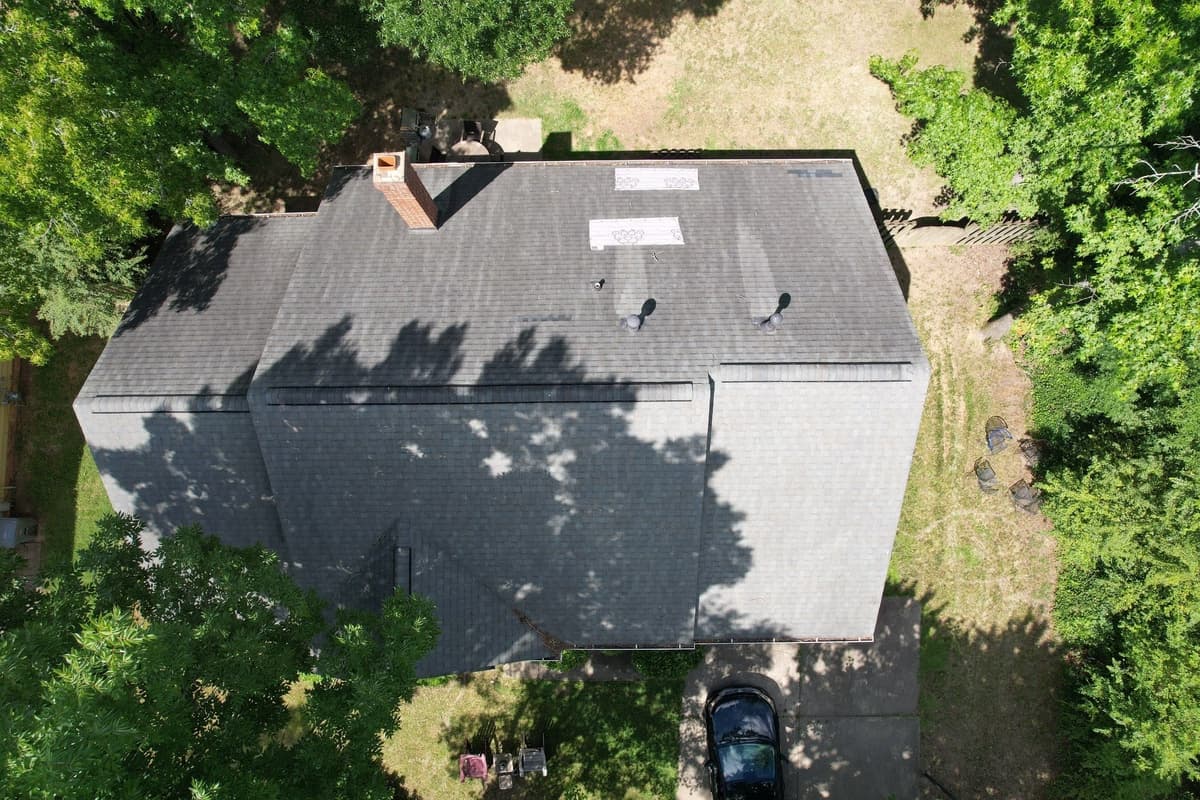
Charlotte, NC
new roof
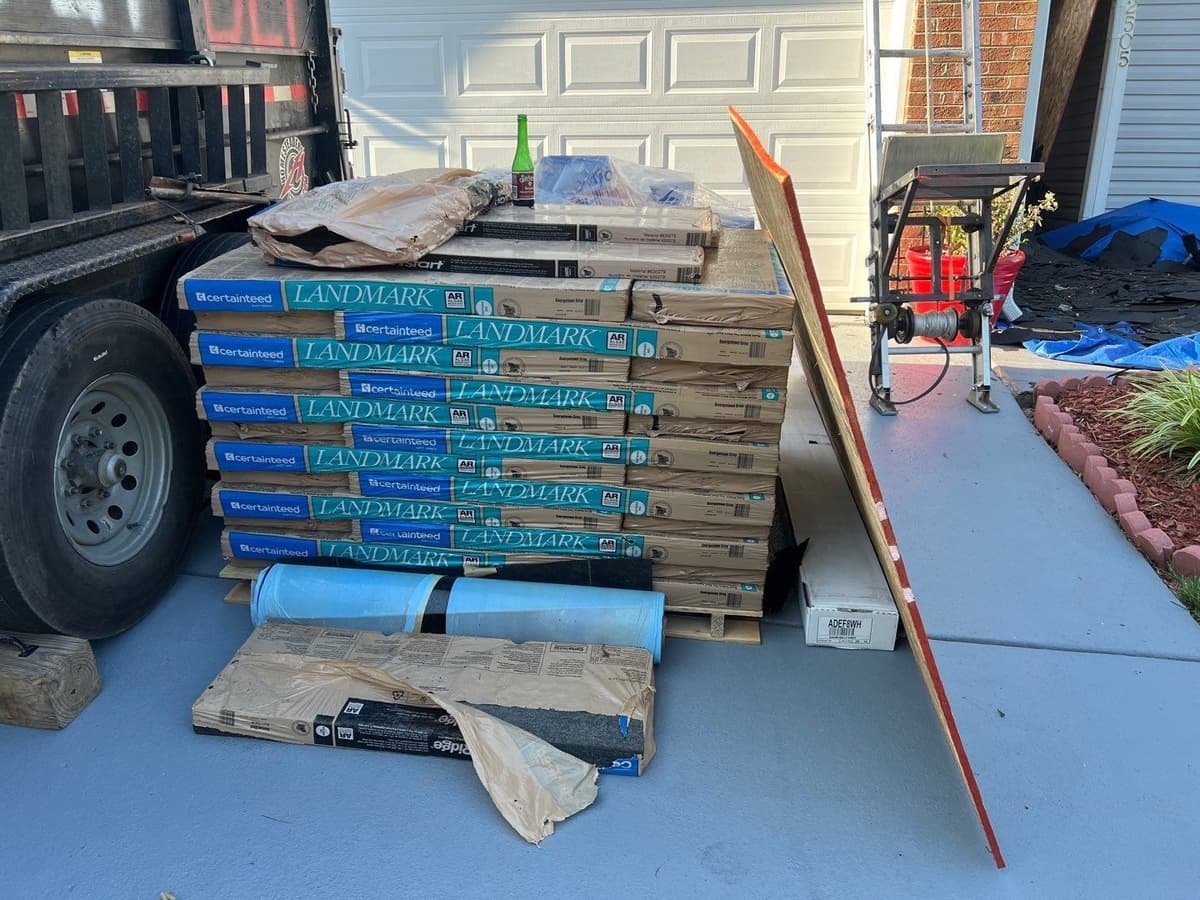
Charlotte, NC
completed exterior
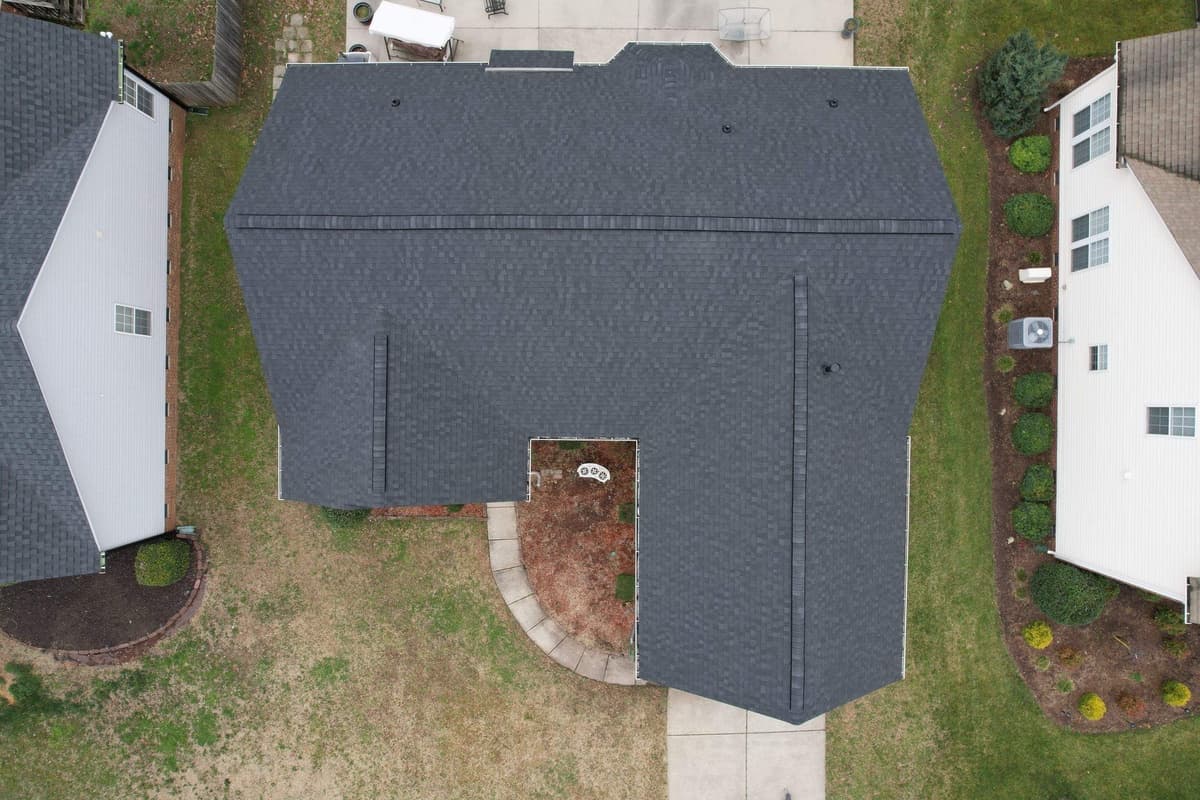
Charlotte, NC
new roof
Charlotte, NC
new roof
Get a free roof inspection and honest assessment from Charlotte's most trusted roofing company.


