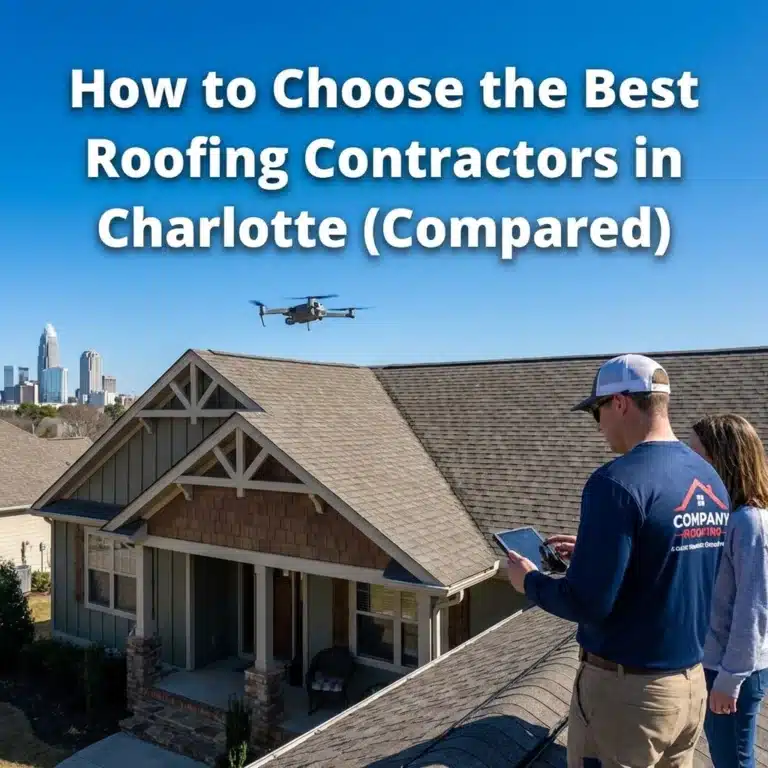
Your roof protects everything you own. Your family. Your belongings. Your peace of mind.
So when it's time to repair or replace it, you want to get this decision right. But here's the problem: Charlotte has hundreds of roofing contractors. Some are fantastic. Some are… not.
How do you tell the difference?
I've been in this industry long enough to know that homeowners often feel overwhelmed. You get three quotes. They all sound similar. The prices vary wildly. And everyone claims to be "the best."
Let me help you cut through the noise. This guide breaks down exactly what to look for when comparing roofing contractors in Charlotte. No fluff. Just practical advice you can actually use.
Why Choosing the Right Contractor Actually Matters
Here's something most people don't realize: a roof is only as good as the crew that installs it.
You could buy the most expensive shingles on the market. But if they're installed wrong? You'll have leaks within a few years. Maybe sooner.
The National Roofing Contractors Association puts it simply: "Proper installation is the single most important factor in roof performance."
In Charlotte, we deal with specific challenges. Heavy summer storms. Occasional ice in winter. High humidity that can encourage algae growth. A contractor who understands these local factors will build a roof that actually holds up.
The Certifications That Actually Matter
Not all certifications are created equal. Some are basically participation trophies. Others actually mean something.
Manufacturer Certifications (The Big Three)
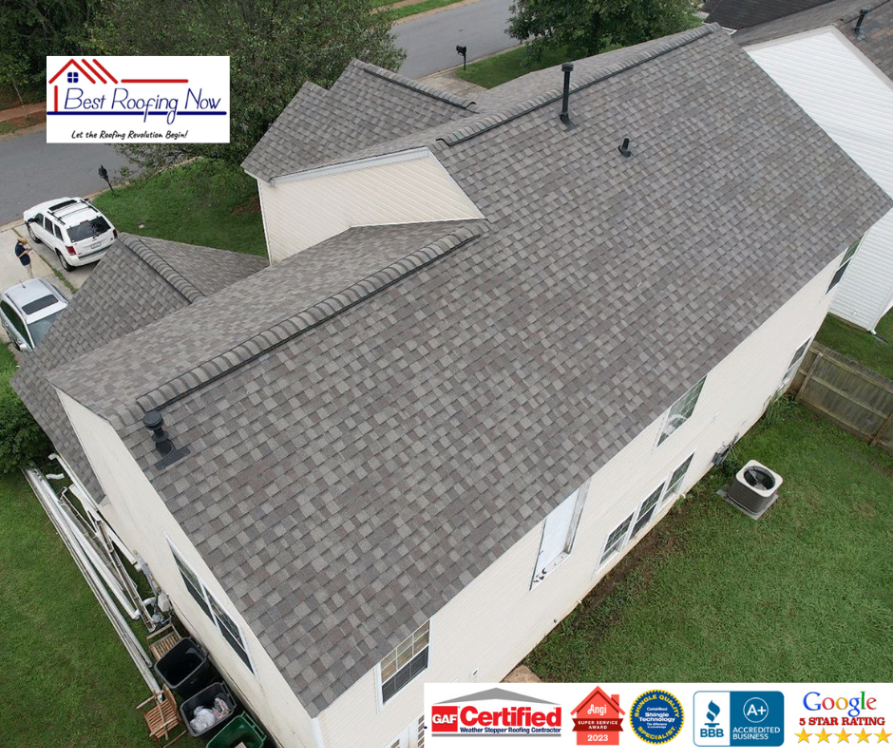
Look for contractors certified by major manufacturers like GAF, Owens Corning, or CertainTeed. Why? Because these companies don't certify just anyone.
To earn GAF Master Elite status, for example, a contractor must:
- Maintain proper licensing and insurance
- Demonstrate a commitment to ongoing training
- Show a track record of quality installations
- Maintain a good reputation in their community
Only about 2% of roofing contractors nationwide earn this certification. That's not marketing speak. That's a real barrier to entry.
What Certification Means for You
Here's the practical benefit: certified contractors can offer better warranty options. A GAF-certified contractor can provide a 25-year or even 50-year system warranty. A non-certified contractor? They can only offer the standard manufacturer warranty on materials.
That's a huge difference if something goes wrong down the road.
BBB Accreditation
Better Business Bureau accreditation isn't a roofing-specific credential. But it tells you something important. An accredited business has committed to resolving customer complaints and maintaining ethical practices.
Is it perfect? No. But it's one more data point in your evaluation.
Warranties: What You're Really Getting
Warranties confuse a lot of homeowners. And honestly, some contractors use that confusion to their advantage.
Let me break it down simply.
Material Warranties
These come from the shingle manufacturer. They typically cover defects in the shingles themselves. Most range from 20 to 50 years depending on the product.
But here's the catch: material warranties usually have limitations. They're often prorated, meaning coverage decreases over time. And they typically don't cover labor costs if you need repairs.
Labor Warranties
This is where the contractor's promise comes in. A labor warranty covers the workmanship: the actual installation.
Good contractors offer labor warranties of 5 to 10 years. Some offer longer. At Best Roofing Now, we stand behind our work because we know how we install roofs.
The Questions to Ask
When comparing warranties, ask these specific questions:
- What exactly does your labor warranty cover?
- Is your warranty prorated or non-prorated?
- What happens if your company goes out of business?
- Are there any actions on my part that would void the warranty?
A reputable contractor will answer these questions clearly. If they get vague or defensive? That's a red flag.

Why Local Expertise Matters More Than You Think
A roofing contractor from another state might do fine work. But they probably don't know Charlotte like a local company does.
Understanding Charlotte's Weather
Our weather patterns create specific roofing challenges. Summer thunderstorms can dump several inches of rain in an hour. That tests your roof's drainage and flashing. The occasional ice storm stresses different components than constant snow would.
A local contractor knows these patterns. They know which products perform best in our climate. And they know where roofs in Charlotte typically fail first.
Navigating Local Building Codes
Mecklenburg County has specific requirements for roofing projects. Permit requirements. Inspection standards. A local contractor has dealt with these dozens or hundreds of times.
They know the process. They know the inspectors. They can help your project move smoothly through the permitting process.
Neighborhood-Specific Knowledge
Charlotte neighborhoods have different roofing needs. Historic homes in Dilworth require different approaches than new construction in Ballantyne. Lake Norman properties face different conditions than homes in South Charlotte.
A contractor who's worked extensively in your area will understand these nuances.
Red Flags That Should Make You Walk Away
Not every contractor is trustworthy. Here's how to spot the problematic ones.
Storm Chasers
After major storms, contractors flood into Charlotte from other states. They knock on doors. They offer "amazing deals." Then they do subpar work and disappear.
⚠️ If a contractor shows up uninvited after a storm, be very careful. Ask where they're based. Check how long they've been in business locally. Verify their address.
The "Today Only" Pressure
Any contractor who pressures you to sign immediately is not looking out for your interests. Good contractors understand that a roof is a major investment. They give you time to compare options and make an informed decision.
Cash-Only Requests
Professional contractors accept multiple payment methods. If someone insists on cash only: and won't provide a detailed written contract: walk away.
No Physical Address
Every legitimate roofing company has a physical location. If they can only provide a P.O. box or seem evasive about where they're based? That's a problem.
The Inspection and Estimate Process
How a contractor handles your initial inspection tells you a lot about how they'll handle your project.
What a Good Inspection Looks Like
A thorough inspection should include:
- Examination of the entire roof surface
- Checking flashing around chimneys, vents, and skylights
- Inspecting gutters and drainage
- Looking at attic ventilation (if accessible)
- Documenting current damage or wear
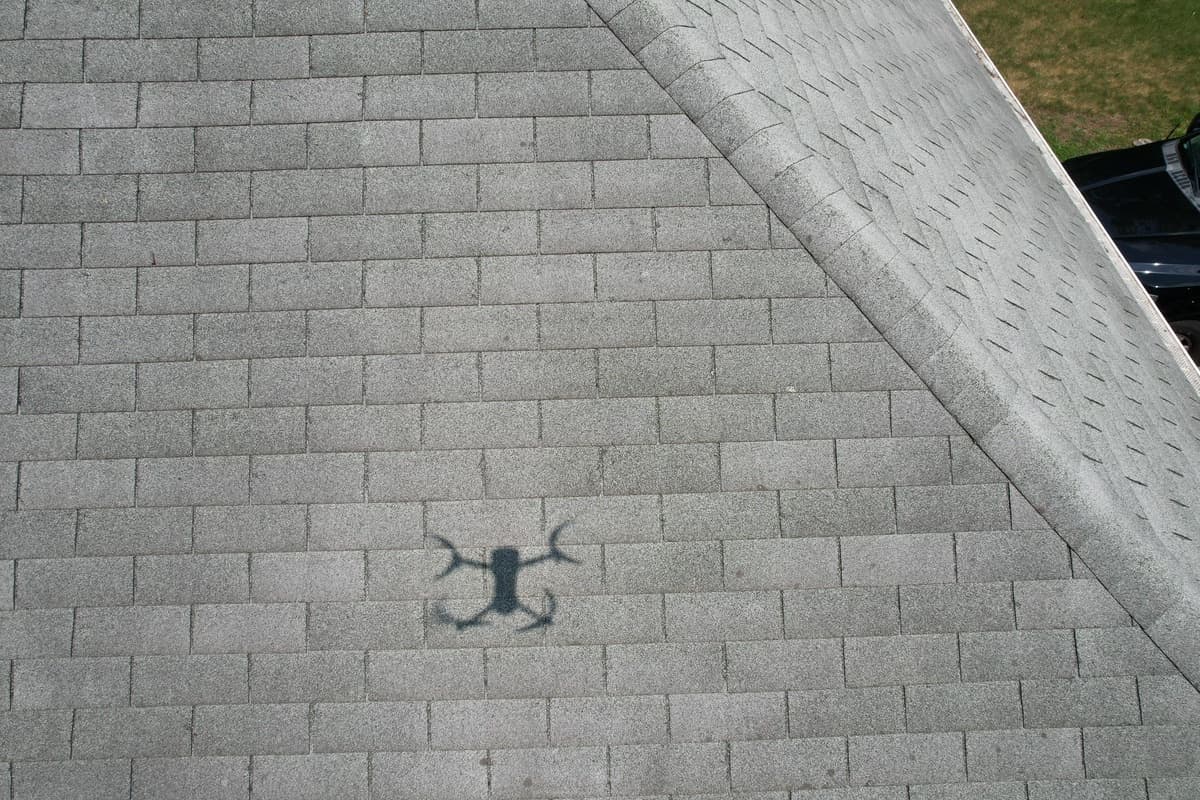
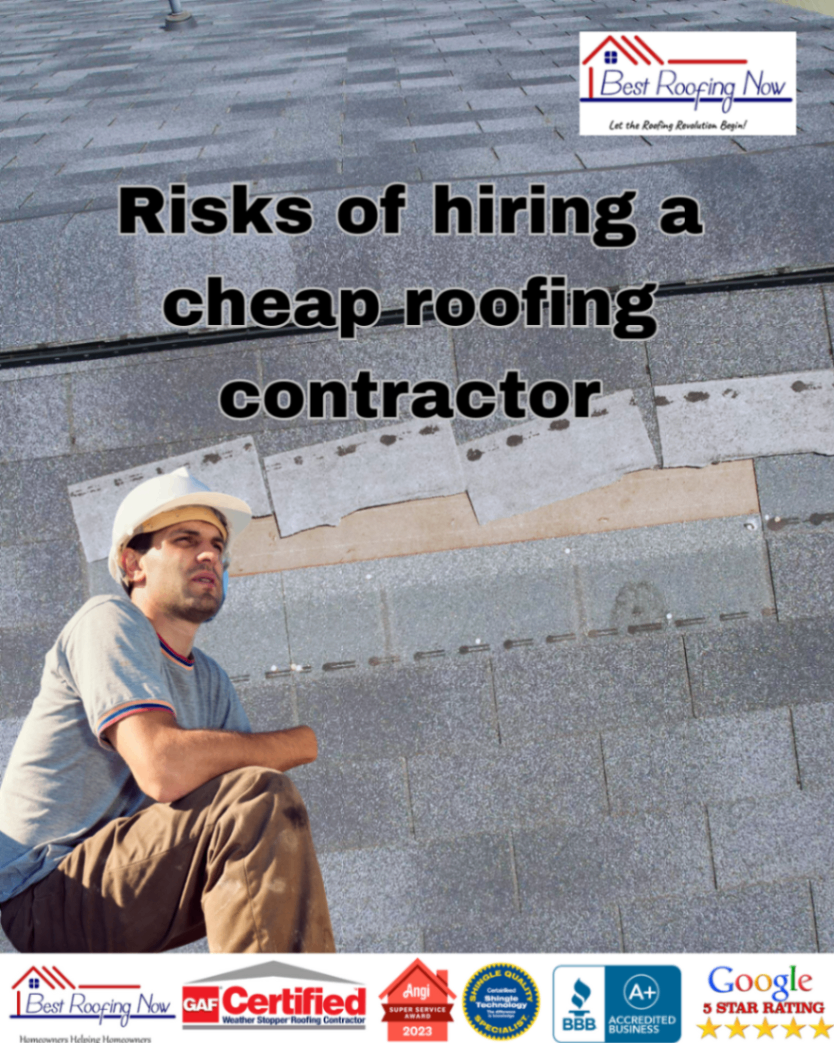
Some contractors now use satellite imagery or drones to assess roofs. This technology can provide accurate measurements and detailed views. But nothing fully replaces boots on the roof for catching subtle issues.
Understanding Your Estimate
Your written estimate should be detailed. It should include:
- Specific materials to be used (brand, product line, color)
- Scope of work (tear-off, decking repair, flashing replacement)
- Timeline for completion
- Payment terms and schedule
- Warranty information
If an estimate is vague or missing key details, ask for clarification. A professional contractor will happily explain every line item.
How to Actually Compare Contractors
You've gathered your estimates. Now what?
Don't Just Compare Price
The lowest price isn't always the best value. A cheap installation that fails in five years costs more than a quality installation that lasts twenty-five.
Look at what's included. Are they using the same quality materials? The same underlayment? The same ice and water shield in vulnerable areas?
Check Their Reviews
Online reviews aren't perfect. But patterns in reviews tell you something real. Look at Google reviews and Angie's List ratings. Charlotte homeowners average about a 4.6 rating when reviewing their roofing contractors.
Pay attention to how companies respond to negative reviews. Do they get defensive? Or do they try to resolve issues professionally?
Verify Insurance
Ask for proof of both liability insurance and workers' compensation. Then actually verify it's current. If a worker gets injured on your property and the contractor isn't properly insured? You could be liable.
Ask for Local References
A contractor who's been working in Charlotte should have plenty of local references. Ask for them. Then actually call a few.
Ask previous customers:
- Did the crew show up when promised?
- Was the worksite kept clean?
- Were there any unexpected costs?
- Would you hire them again?
Before You Contact Contractors
A little preparation on your end makes the whole process smoother.
Know Your HOA Rules
Many Charlotte neighborhoods have homeowners associations with specific roofing requirements. Colors. Materials. Approval processes. Know these before you start getting quotes.
Check Permit Requirements
In most cases, roofing projects in Charlotte require permits. Your contractor should handle this. But it's good to know what's required.
Prepare Your Property
Before your inspection, clear any debris from around your home's perimeter. Make sure the contractor can access all areas of your roof. And if possible, clear your attic access point.
What Sets the Best Apart
After comparing dozens of contractors, here's what the best ones have in common:
✅ They communicate clearly throughout the process
✅ They show up when they say they will
✅ They use quality materials installed correctly
✅ They stand behind their work with meaningful warranties
✅ They treat your home with respect
That's really what it comes down to. Technical skill matters. But so does professionalism, communication, and integrity.
Making Your Decision
Choosing a roofing contractor doesn't have to be overwhelming. Focus on the fundamentals:
- Verify certifications and insurance
- Compare warranties carefully
- Prioritize local experience
- Watch for red flags
- Read reviews and check references
- Get detailed written estimates
Take your time. Ask questions. Trust your instincts about the people you're dealing with.
Your roof is a major investment. It deserves a contractor who will treat it: and you: with respect.
Ready to get started? We offer free roof inspections for homeowners throughout Charlotte and the Lake Norman region. No pressure. No obligation. Just honest answers about your roof's condition and your options moving forward. Give us a call or schedule online today.
Related Posts


Written by
James Turner, Co-Founder & Chief Executive Officer, Best Roofing Now
Co-founded Best Roofing Now with his father Fred. The company's roofing and insurance-claim expert, and the one who will happily explain any of it to anyone who asks.
More about James →Related Roofing Services
Based on this article, you may be interested in these services.
Service Areas Mentioned
We proudly serve these Charlotte-area communities with professional roofing services.
View All Service Areas →