
Roofing Tips & Guides
Expert Roofing Advice for Charlotte Homeowners
Learn from Charlotte's trusted roofing experts. Tips on maintenance, repair, replacement, and protecting your home from the elements.
Leak or wind damage from Isaias? 24/7 emergency tarping, free storm-damage inspections and insurance-claim help.
Learn from Charlotte's trusted roofing experts. Tips on maintenance, repair, replacement, and protecting your home from the elements.
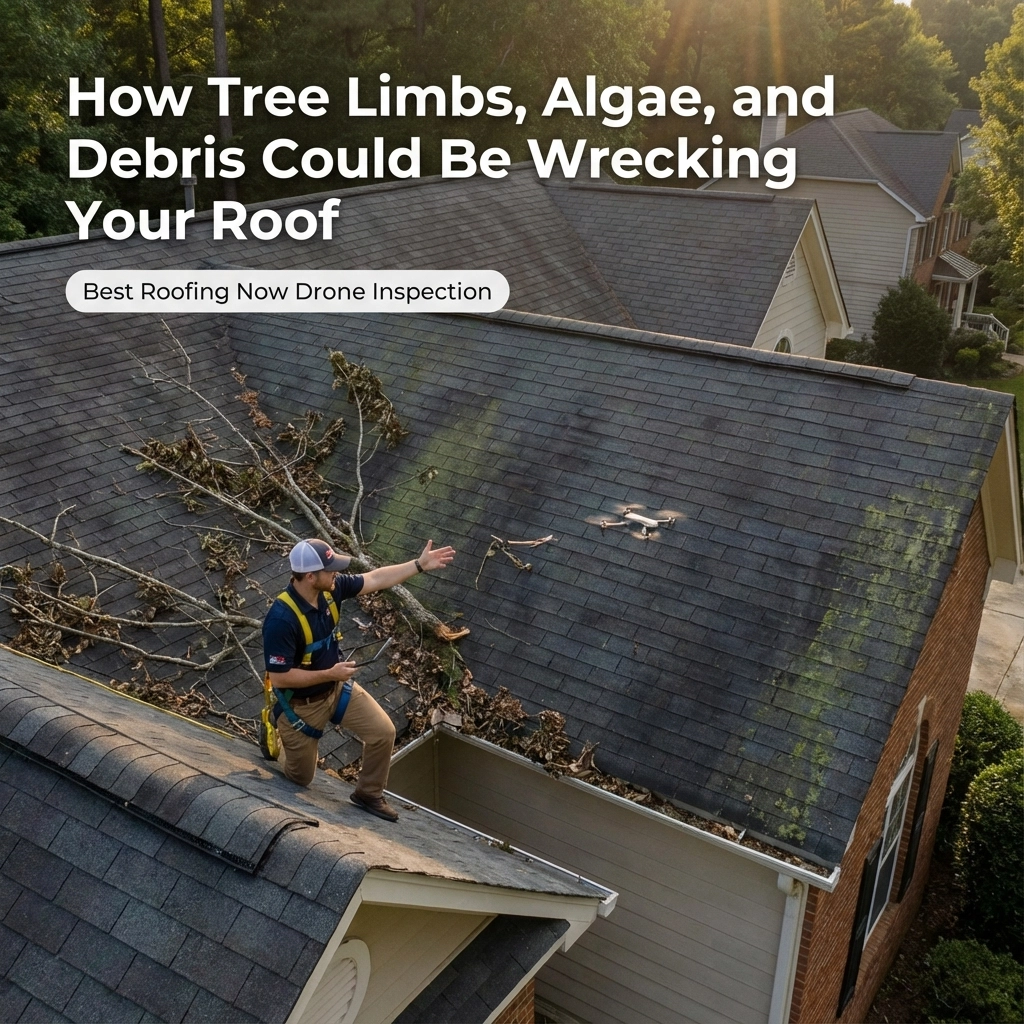
Your roof faces a constant battle against nature. In Charlotte and the Lake Norman area, our beautiful tree-lined neighborhoods and humid subtropical climate create the perfect storm for roof damage. Tree limbs, algae, and debris might seem harmless, but they're silently wreaking havoc on roofs across our region.
As a roofing professional who's climbed thousands of roofs in Charlotte, I've seen how these environmental threats can turn a perfectly good roof into an insurance claim waiting to happen. The good news? Most of this damage is preventable when you know what to look for and take action early.
Let's dive into how these three culprits could be costing you thousands in repairs – and what you can do about it.
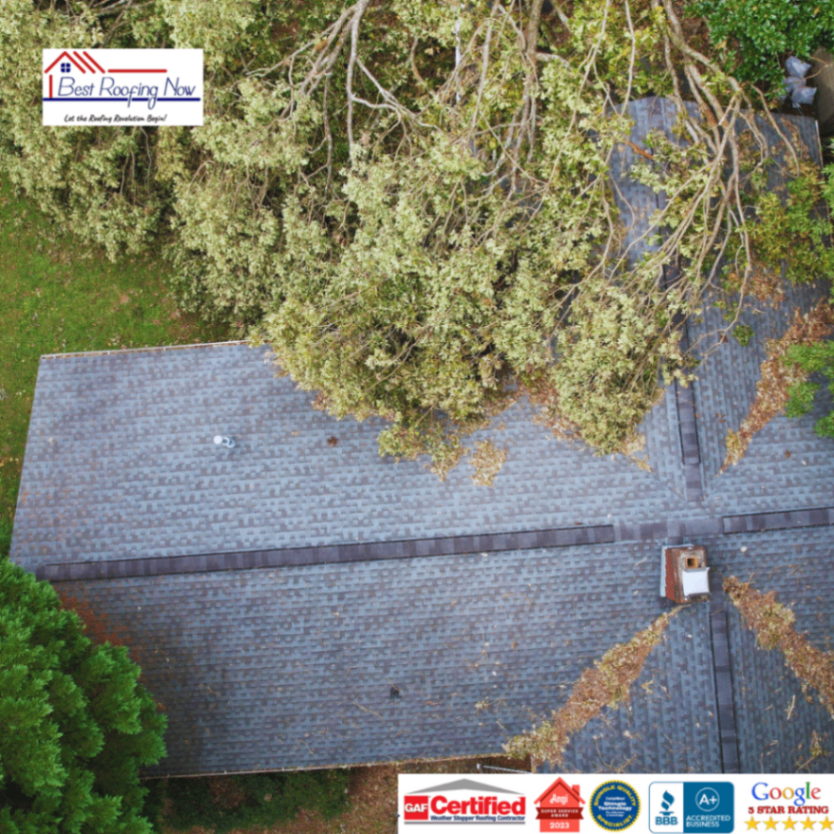
Tree limbs pose the most immediate and dramatic threat to your roof. In Charlotte, we're blessed with mature oak trees, towering pines, and beautiful maples that add character to our neighborhoods. But these same trees can become roof wreckers during our frequent thunderstorms and occasional ice storms.
When a heavy limb crashes down on your roof, the damage is obvious and immediate. I've responded to emergency calls where 500-pound oak branches punched clean through shingles, decking, and into living spaces below. The structural damage can cost $15,000 to $30,000 to repair properly.
But here's what many homeowners don't realize: even smaller branches can cause significant damage. A two-inch diameter pine branch falling from 30 feet carries enough force to crack multiple shingles and expose your roof deck to water infiltration.

Perhaps more insidious is the slow, constant damage from branches that merely touch your roof. During Charlotte's windy springs and stormy summers, overhanging branches scrape against shingles like sandpaper. This friction strips away the protective granules on asphalt shingles, reducing their lifespan by years.
I recently inspected a home in Myers Park where beautiful old oak trees had been gradually scraping the roof for a decade. What should have been a 25-year roof needed replacement after just 15 years. The homeowner had no idea the damage was happening until it was too late.
Don't overlook what's happening below ground. Large tree root systems can cause foundation settling, which leads to roof structure shifts. I've seen cases where foundation movement from aggressive roots created roof peaks that no longer aligned properly, causing premature shingle failure and leaks.
In Charlotte's humid climate, algae growth is almost inevitable. Those dark streaks running down your roof aren't just cosmetic issues – they're signs of active roof deterioration.
Algae, specifically Gloeocapsa Magma, feeds on the limestone filler used in asphalt shingles. As it grows, it creates dark streaks that absorb more heat than clean shingles. This extra heat accelerates shingle aging and can increase your cooling costs by up to 15%.
The algae also retains moisture against your shingles, creating perfect conditions for rot and more aggressive organisms like moss and lichen to take hold. I've seen algae-damaged roofs in Lake Norman neighborhoods that needed replacement 5-7 years earlier than they should have.
Algae spreads through airborne spores. Once one roof in a neighborhood becomes infected, it quickly spreads to surrounding homes. This is why you'll often see entire Charlotte subdivisions with similar algae patterns on their roofs.
The humidity in our area makes the problem worse. During Charlotte's muggy summers, algae has perfect growing conditions. Add in the shade from our tree canopies, and you've got an algae paradise that's tough on roofs.
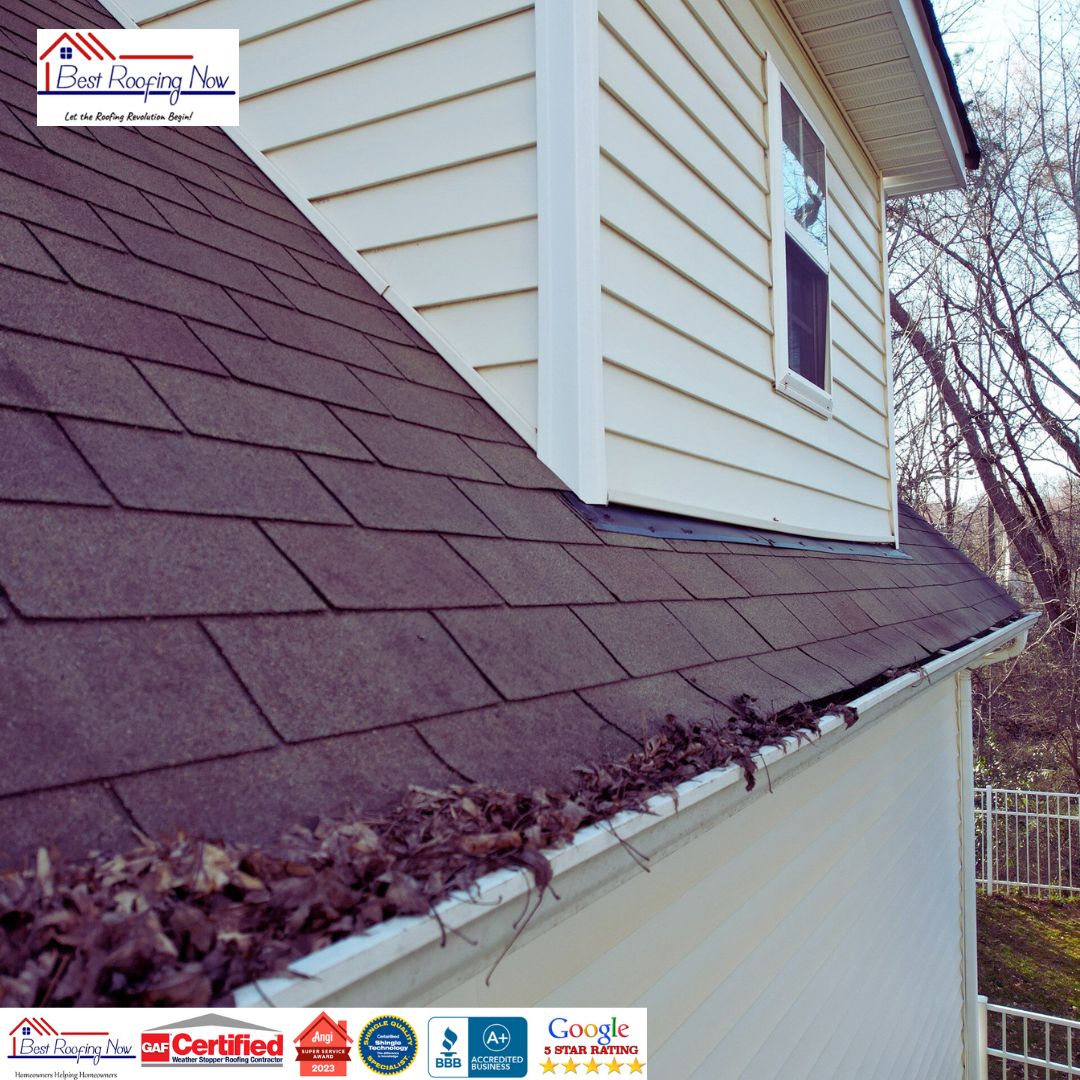
Many homeowners think algae is just an ugly cosmetic issue. But algae actually changes your roof's thermal properties. Dark algae absorbs significantly more heat than clean shingles, causing thermal cycling that makes shingles brittle and prone to cracking.
I've measured temperature differences of 15-20 degrees between algae-covered and clean sections of the same roof on hot Charlotte summer days. That thermal stress adds up over time.
Debris might seem harmless, but it creates a cascade of problems that can destroy your roof system from the inside out.
Leaves, pine needles, and small branches accumulate in gutters faster than most homeowners realize. In Charlotte's fall season, a single storm can fill gutters completely with oak and maple leaves.
When gutters clog, water has nowhere to go except back up onto your roof. This standing water seeps under shingles, rots fascia boards, and can cause ice dams during our occasional winter freezes.
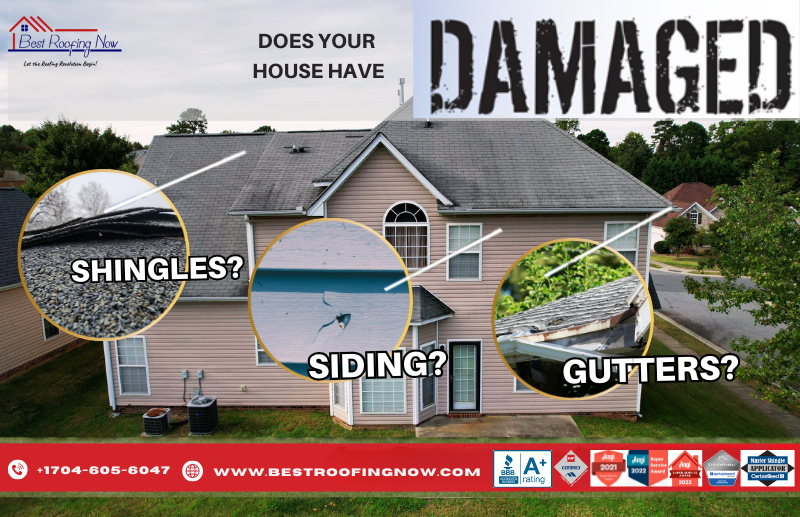
I've seen clogged gutters cause $8,000 worth of damage to a home in Cornelius after just one heavy rainstorm. The backed-up water found its way into the walls, causing mold issues that required professional remediation.
Roof valleys – where two roof planes meet – are debris magnets. Leaves and branches naturally collect in these low spots, creating dams that redirect water flow. During heavy rains, this debris can cause water to pool and eventually find its way under shingles.
Pine needles are particularly problematic in Charlotte because they mat together and are difficult to remove once they accumulate. I've seen valleys completely blocked by compressed pine needle mats that took professional cleaning to remove.
Wet debris is surprisingly heavy. A small section of roof covered with just 6 inches of wet leaves can add several hundred pounds of weight to your roof structure. Over time, this extra weight can cause sagging and structural damage.
During Charlotte's wet springs, I've measured debris accumulations that added over 1,000 pounds to small residential roofs. That's well beyond what most roof structures are designed to handle long-term.
Our unique climate and geography create specific challenges for Charlotte area roofs.
Charlotte's spring and summer thunderstorms are particularly hard on roofs dealing with tree limbs, algae, and debris. Our storms often bring high winds that can turn loose debris into projectiles and snap weakened tree branches.
The combination of high humidity before storms and intense rainfall during them creates perfect conditions for rapid algae growth and debris accumulation problems.
Many Charlotte neighborhoods, particularly in areas like Dilworth, Myers Park, and around Lake Norman, have established tree canopies that homeowners love. But these beautiful trees require extra roof vigilance.
Homes under heavy tree cover need more frequent inspections and maintenance. I recommend quarterly gutter cleaning for homes with significant tree coverage, compared to twice yearly for homes in more open areas.
Charlotte's clay soil affects tree stability. During dry periods, clay shrinks and can compromise tree root systems. Then during heavy rains, the soil becomes saturated and unstable. This cycle makes tree falls more likely during storm seasons.
After years of seeing preventable roof damage, I've learned which strategies actually protect roofs versus which ones just make homeowners feel better.
The most effective prevention starts with proper tree management. Keep branches at least 6 feet away from your roof – not just touching, but completely clear. This prevents both scraping damage and provides a buffer zone if branches fall.
For large trees near your home, hire a certified arborist annually to assess tree health and remove problematic branches before they become roof hazards. The cost of professional tree trimming ($300-800 annually) is nothing compared to emergency roof repairs.
Consider the long-term growth of newly planted trees. That cute sapling planted 10 feet from your house could become a roof threat in 15-20 years.
Zinc or copper strips installed along roof ridges can help prevent algae growth. As rain washes over these metal strips, it carries algaecidal properties down the roof surface.
However, the most effective algae prevention is keeping your roof clean and ensuring good air circulation. Trim overhanging branches to increase sunlight and airflow across your roof surface.
Professional roof cleaning every 2-3 years in Charlotte's climate can extend your roof's life significantly. Just make sure to use low-pressure cleaning methods that won't damage shingles.
Develop a regular debris removal routine. Clean gutters at least twice yearly – more often if you have pine trees or heavy leaf coverage. Don't wait until gutters are completely full.
Install gutter guards if debris accumulation is a persistent problem. Quality gutter guards cost $8-15 per linear foot installed but can pay for themselves by preventing water damage and reducing cleaning frequency.
Check roof valleys quarterly and remove any debris accumulation. A simple garden hose can usually flush out light debris before it becomes a problem.
Some roof maintenance you can handle yourself, but know when to call professionals.
Never attempt to remove debris from steep roofs or work around power lines. If tree branches are within 10 feet of power lines, only certified professionals should handle removal.
For roofs steeper than 6/12 pitch (common in many Charlotte neighborhoods), professional cleaning and maintenance is safer and more effective than DIY attempts.
If you notice algae streaks, damaged shingles from scraping branches, or signs of water infiltration, get a professional inspection. What looks like minor cosmetic damage could indicate more serious underlying problems.
Professional inspections can identify early-stage damage before it becomes expensive repairs. Most reputable Charlotte roofing companies offer free initial inspections.
Document tree and debris damage with photos before cleanup. Your insurance company will want evidence of the cause and extent of damage. Professional damage assessment can help ensure you get fair insurance settlements.
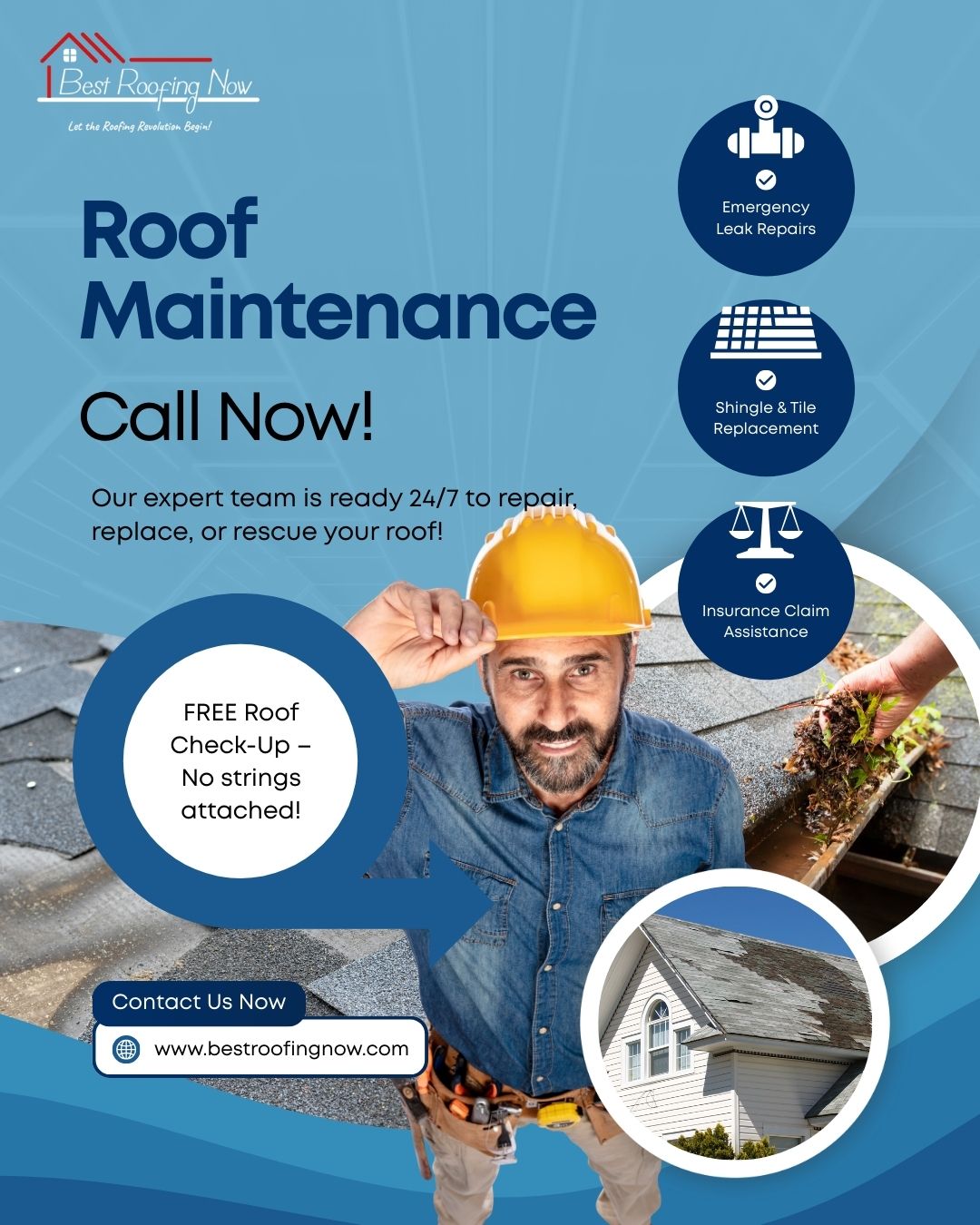
I've seen too many Charlotte homeowners wait until small problems become major expenses. Here's what delayed action typically costs:
Minor algae growth that could be cleaned for $500 can reduce roof life by 30%, costing $8,000-15,000 in premature replacement costs.
Clogged gutters that could be cleaned for $200 can cause water damage repairs costing $5,000-12,000.
Overhanging branches that could be trimmed for $800 can cause emergency roof repairs costing $3,000-10,000 when they fall.
The pattern is clear: small prevention investments save massive repair costs.
Don't wait for your roof to show obvious signs of damage. Take action now to protect your investment.
Start with a visual inspection from the ground. Look for dark algae streaks, overhanging branches within 10 feet of your roof, and clogged or overflowing gutters.
Schedule professional tree trimming if you have branches anywhere near your roof. The best time for this in Charlotte is late winter or early spring before storm season.
Consider professional gutter cleaning if it's been more than six months since your last cleaning. With Charlotte's frequent storms, clean gutters are essential for proper roof protection.
Ready to protect your roof from environmental damage? Call Best Roofing Now at (704) 774-6234 for a free inspection and personalized maintenance plan. We'll assess your specific risks and create a prevention strategy that fits your Charlotte-area home and budget.
Your roof protects everything you value most. Don't let tree limbs, algae, and debris slowly destroy that protection. Take action today, and your roof will serve you reliably for decades to come.
Best Roofing Now
Charlotte's trusted roofing experts since 2019
Based on this article, you may be interested in these services.
We proudly serve these Charlotte-area communities with professional roofing services.
View All Service Areas →See our recent roofing work across the Charlotte metro area.
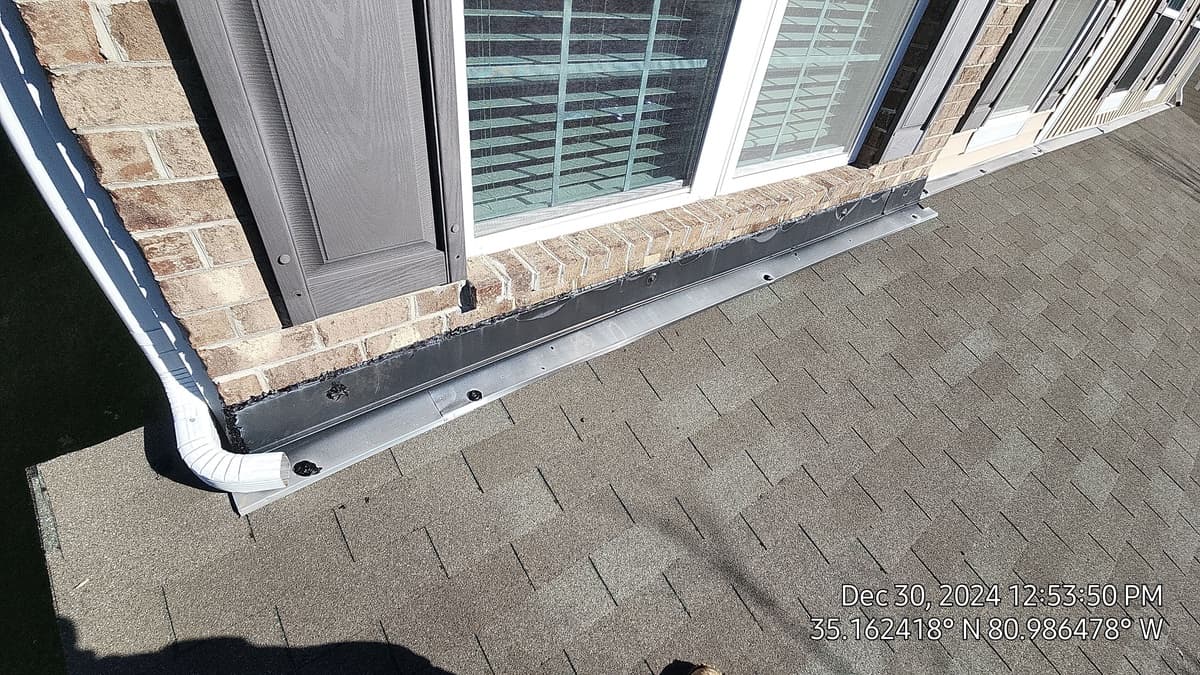
Charlotte, NC
new roof
Charlotte, NC
new roof
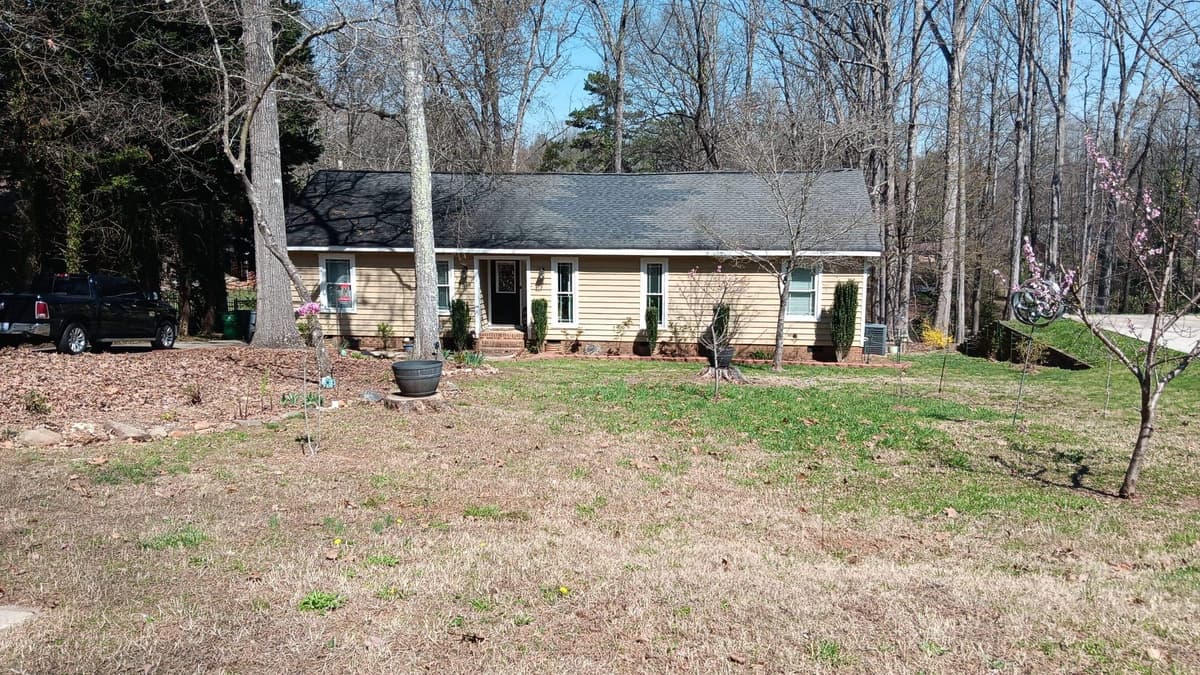
Charlotte, NC
work in progress
Charlotte, NC
storm damage
Get a free roof inspection and honest assessment from Charlotte's most trusted roofing company.


