
Roofing Tips & Guides
Expert Roofing Advice for Charlotte Homeowners
Learn from Charlotte's trusted roofing experts. Tips on maintenance, repair, replacement, and protecting your home from the elements.
Leak or wind damage from Isaias? 24/7 emergency tarping, free storm-damage inspections and insurance-claim help.
Learn from Charlotte's trusted roofing experts. Tips on maintenance, repair, replacement, and protecting your home from the elements.
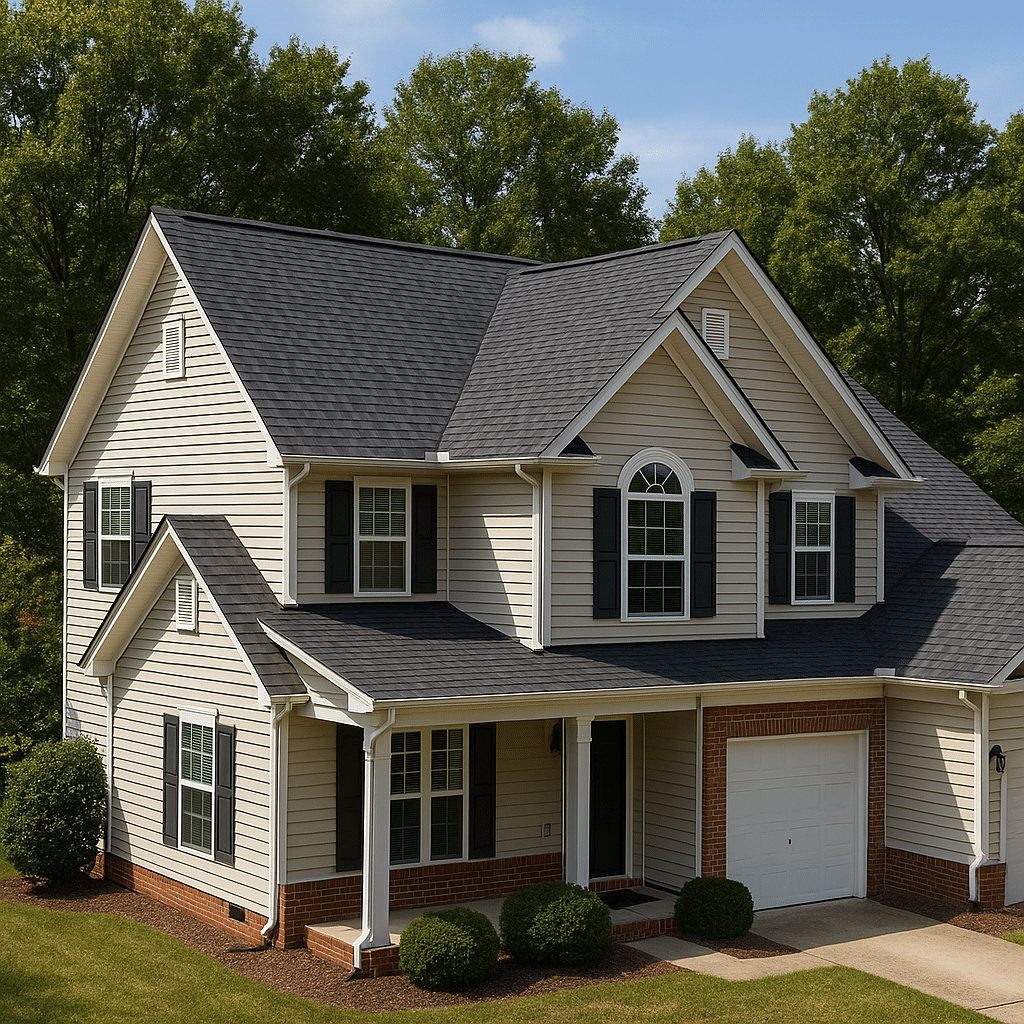
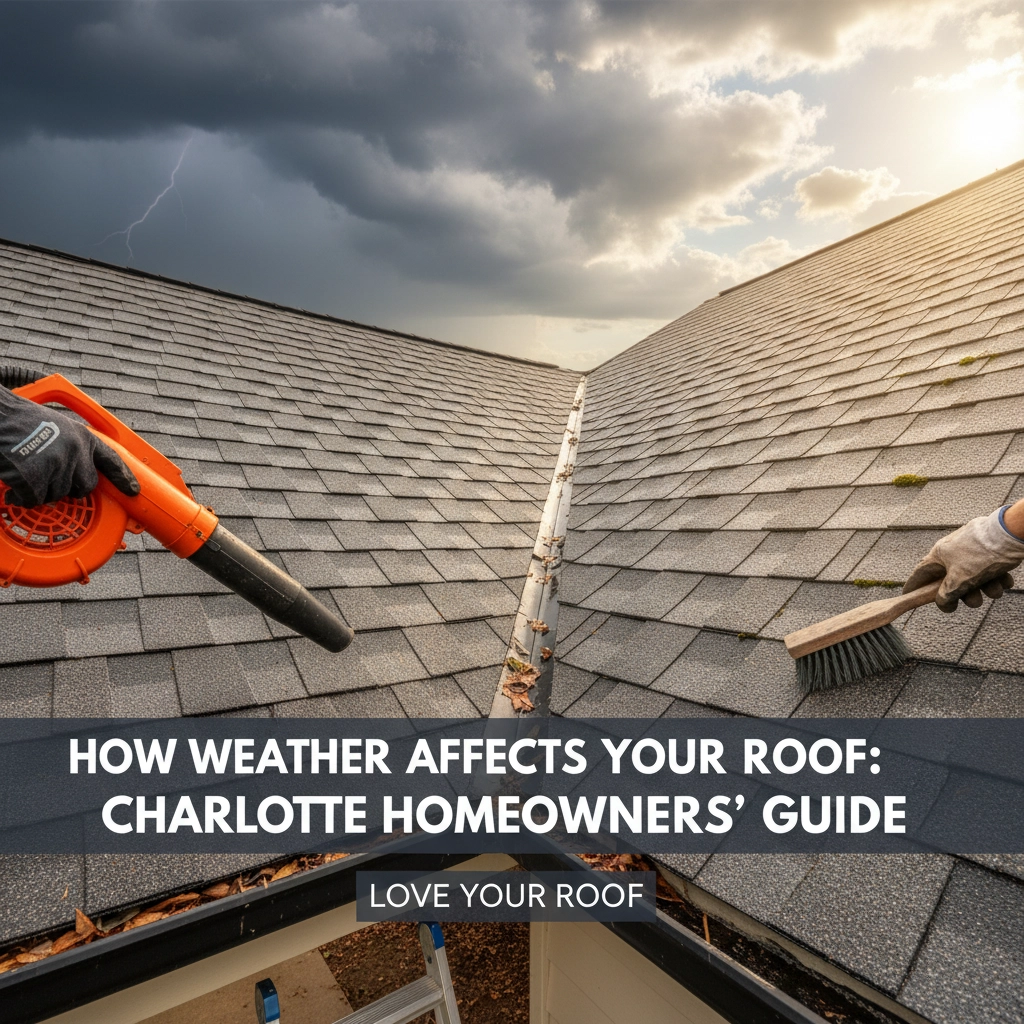
Living in Charlotte means dealing with some seriously unpredictable weather. One day you're enjoying beautiful 75-degree sunshine, and the next you're dodging hail while thunder rattles your windows. As someone who's spent years working on roofs across the Queen City, I can tell you that this weather rollercoaster puts your roof through the wringer year-round.
Your roof isn't just sitting there looking pretty: it's your home's first line of defense against everything Mother Nature throws at it. And trust me, she throws a lot in Charlotte. From scorching summer heat that can literally cook your shingles to sudden thunderstorms packing 60+ mph winds, your roof takes a beating that most homeowners never really think about.
Charlotte sits in what meteorologists call a humid subtropical climate zone. That's a fancy way of saying we get hot, sticky summers and unpredictable weather patterns that can change faster than you can say "pop-up thunderstorm." We average about 43 inches of rain per year, which might not sound like much, but when it comes down in those intense summer storms, it can overwhelm even well-maintained roofing systems.
The real kicker? Our weather doesn't just damage roofs: it creates the perfect conditions for problems to multiply. A small leak during a spring storm can turn into a major headache by summer when the humidity kicks in and mold starts growing in your attic.
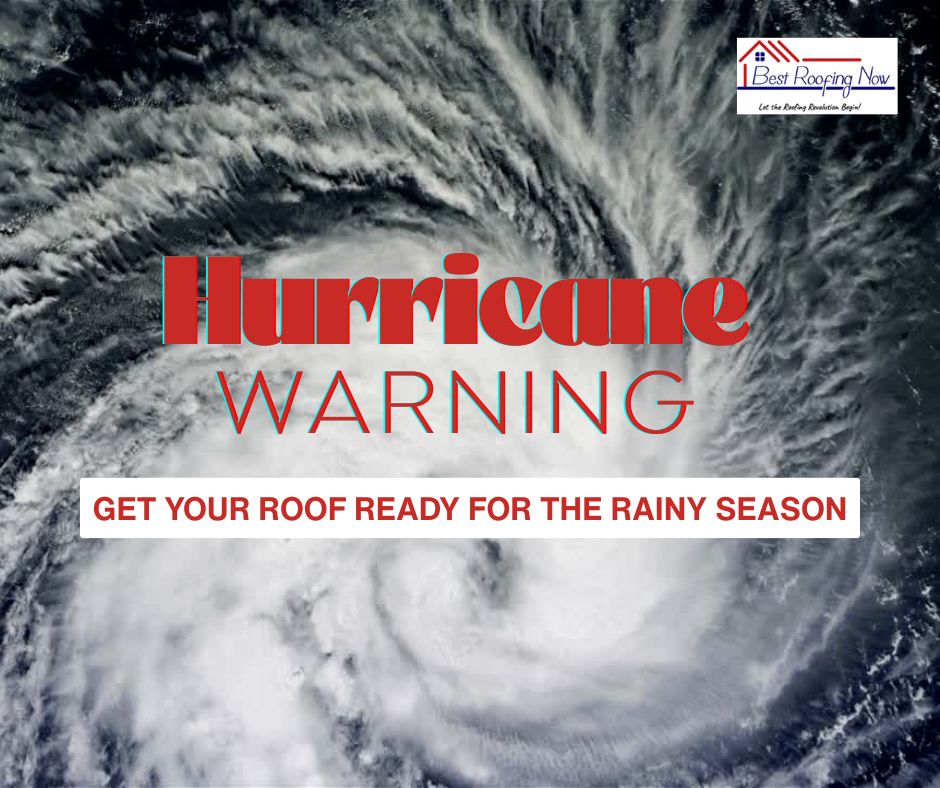
Charlotte's thunderstorms aren't messing around. When these systems roll through, they're packing winds that regularly hit 50-60 mph, and during tropical storm remnants, those numbers can climb even higher. I've seen what these winds can do to a roof, and it's not pretty.
High winds don't just blow shingles off (though they definitely do that). They create uplift pressure that can loosen shingles you'd never expect to have problems. Wind gets under loose or aging shingles and peels them back like opening a can of sardines. Even worse, once one shingle goes, it creates a weak spot that makes the surrounding shingles more vulnerable.
Then there's the debris factor. Charlotte's tree-lined neighborhoods are gorgeous, but when storms hit, those beautiful oaks and maples can drop branches right onto your roof. I've pulled everything from small twigs to entire tree limbs off roofs after storms. The immediate damage is obvious, but the real problem is often the smaller punctures and cracks that let water seep in slowly over time.
With our 43 inches of annual rainfall, water infiltration is a constant threat in Charlotte. But here's what most homeowners don't realize: it's not just about having a hole in your roof. Water is sneaky. It can seep into the smallest cracks, travel along roof decking for feet before finally dripping into your living space.
During those intense summer downpours we're famous for, even tiny vulnerabilities in your roofing system can become major problems. I've traced leaks that started at loose flashing around a chimney and traveled 15 feet before showing up as a water stain in a bedroom. By the time you see that stain, the water has probably been causing damage for weeks or months.
The humidity factor makes everything worse. In drier climates, small amounts of water infiltration might dry out between storms. But in Charlotte's humid summers, that moisture just sits there, creating perfect conditions for mold, rot, and structural damage.
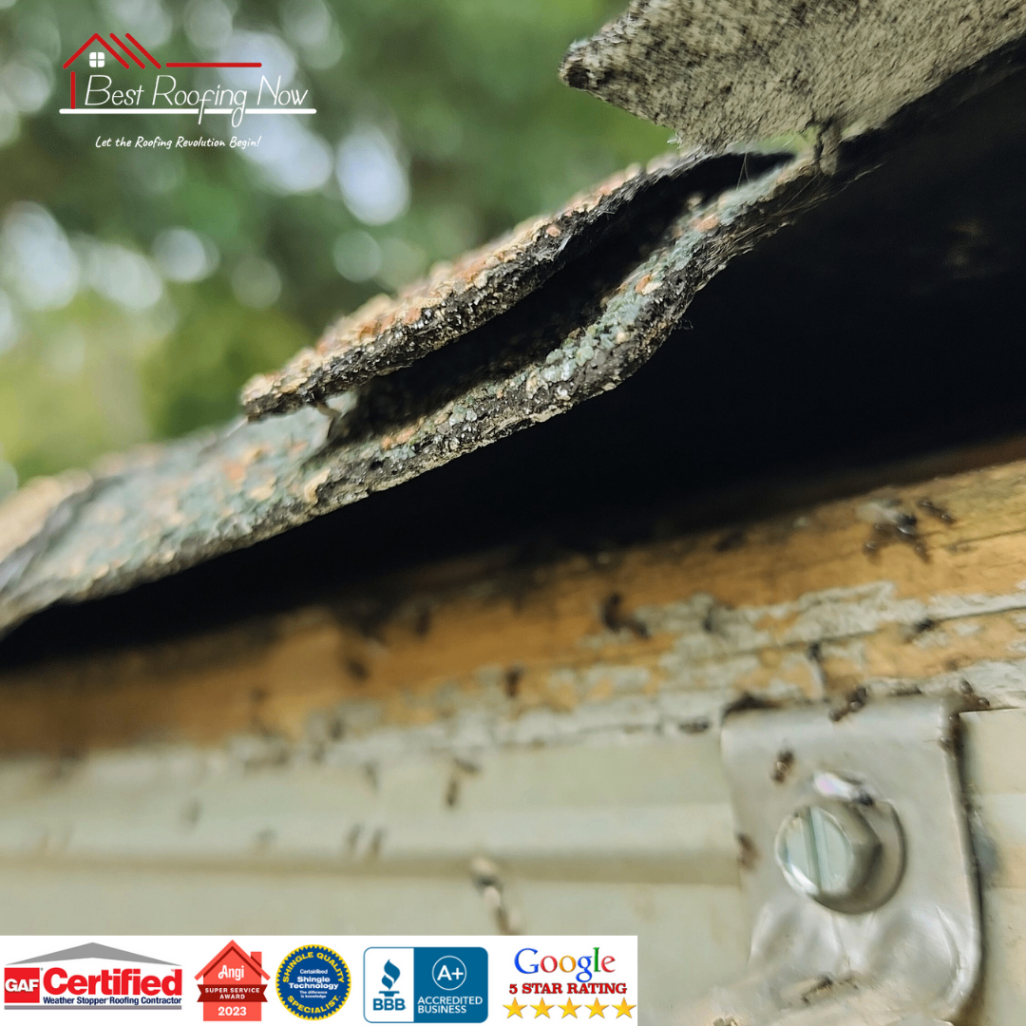
People worry about storms, but Charlotte's summer heat might be doing more damage to your roof than you realize. When temperatures climb into the 90s (which they do regularly from June through August), your roof surface can reach 150 degrees or higher. That kind of heat literally cooks asphalt shingles.
UV rays break down the chemical bonds in roofing materials, making them brittle and more prone to cracking. Heat causes expansion and contraction cycles that stress nails and flashing. And those protective granules on your shingles? They start loosening and washing away, leaving the asphalt underneath exposed to even more damage.
I always tell homeowners to check their gutters after heavy summer rains. If you're seeing a lot of granules washing out, it's a sign that UV and heat damage is accelerating. Those granules aren't just decorative: they're your shingles' sunscreen.
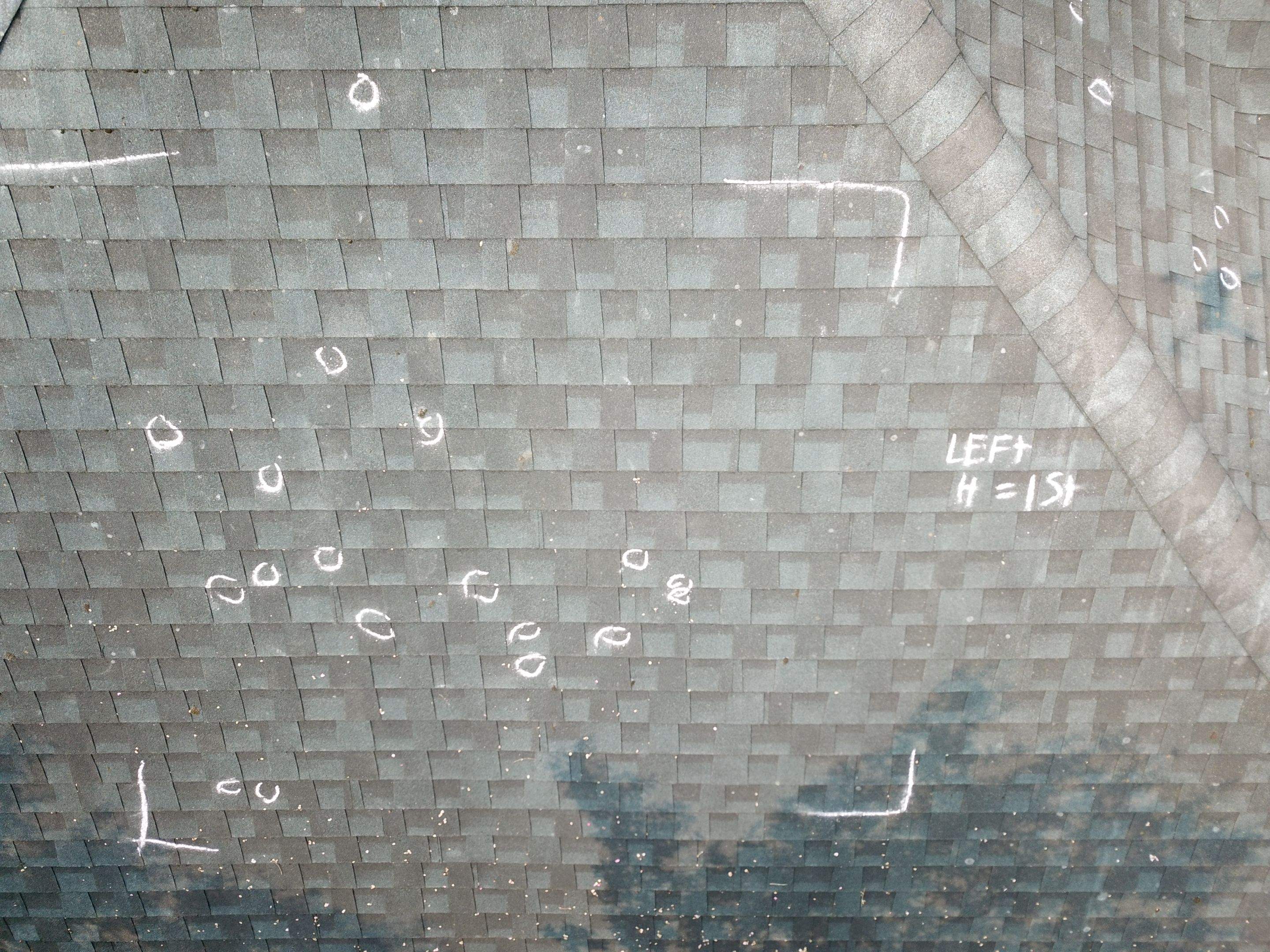
Charlotte might not be in Tornado Alley, but we definitely get our share of hail. Even pea-sized hail can crack shingles, and anything quarter-sized or larger can punch holes right through them. The tricky thing about hail damage is that it's not always obvious from the ground.
I've inspected roofs where homeowners swore there was no damage, only to find dozens of impact marks once I got up there with a ladder. Hail damage creates weak spots that might not leak immediately, but will fail during the next big storm. Insurance companies know this, which is why they're often willing to pay for roof replacement after significant hail events: even if you're not seeing leaks yet.
Charlotte's humidity creates problems most people never think about. That sticky summer air doesn't just make you uncomfortable: it creates perfect growing conditions for algae, moss, and lichen on your roof. I see this especially on north-facing slopes that don't get as much direct sunlight.
Those dark streaks you might notice on some roofs aren't just cosmetic issues. Algae growth can actually degrade shingles over time, and moss can trap moisture against your roof surface, accelerating deterioration. In extreme cases, moss roots can actually work their way under shingles and cause them to lift.
Knowing how weather affects your roof is just the first step: you need to take action to protect your investment. Here's what I recommend Charlotte homeowners do throughout the year:
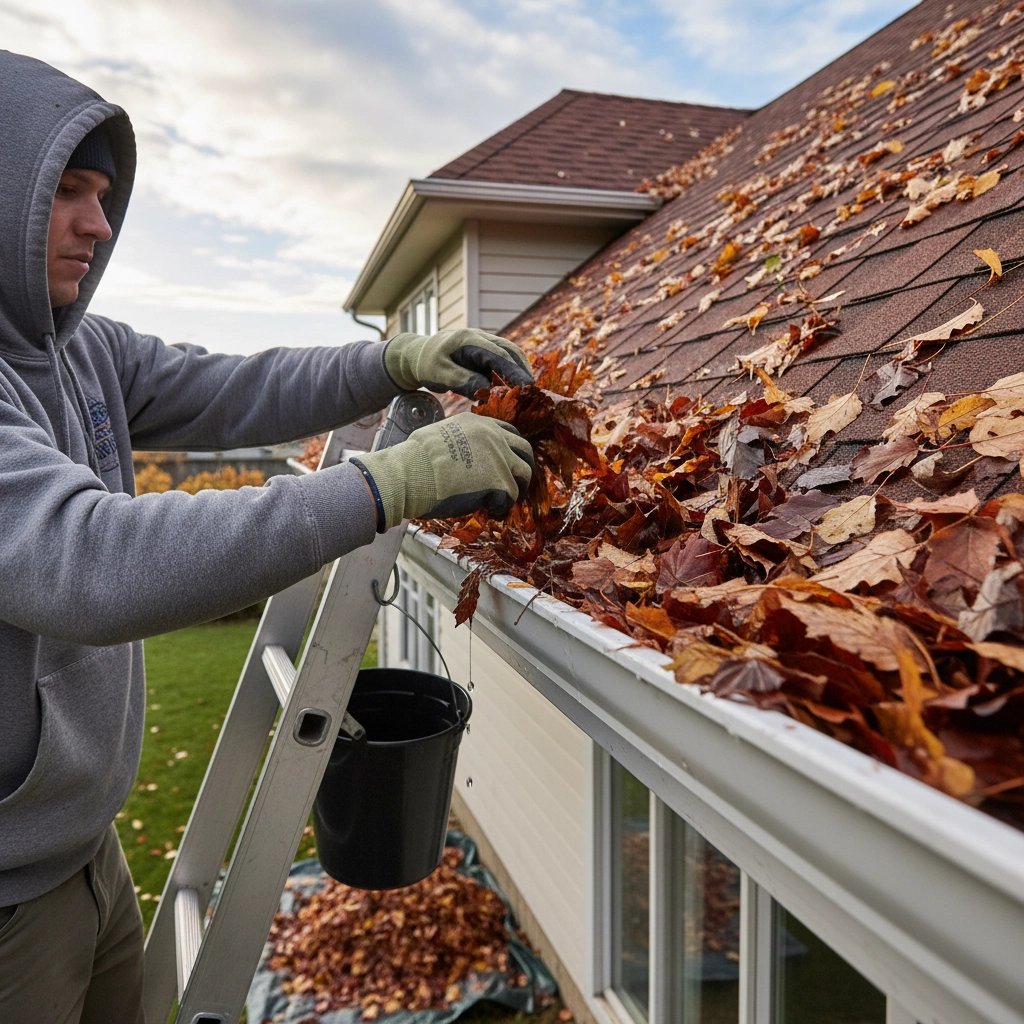
Spring (March-May): This is prime inspection season. Winter and early spring storms can cause damage that needs addressing before summer heat sets in. Clean your gutters, check for loose or missing shingles, and look for any debris that accumulated over winter.
Summer (June-August): Focus on ventilation and moisture control. Make sure your attic ventilation is working properly: poor ventilation in Charlotte's heat can literally cook your roof from the inside out. This is also a good time to trim tree branches that are too close to your roof.
Fall (September-November): Gutter cleaning is critical before winter rains arrive. This is also the best time for major roof work if needed: temperatures are moderate and you're less likely to get rained out. Check and clean your roof vents, and inspect flashing around chimneys and other penetrations.
Winter (December-February): While we don't get much snow, winter storms can still cause damage. After any significant weather event, do a visual inspection from the ground and look for obvious problems like missing shingles or damaged gutters.

The best way to deal with weather-related roof damage is preventing it in the first place. Regular professional inspections are crucial: most insurance companies actually require annual inspections to maintain coverage. A good roofer can spot potential problems before they become expensive disasters.
Keep trees trimmed back from your roof. I can't stress this enough. Those beautiful shade trees might keep your house cool, but branches scraping against shingles during storms cause more gradual damage than most people realize.
Maintain proper attic ventilation. In Charlotte's climate, trapped heat and humidity in your attic can cause as much damage as external weather. Proper airflow keeps moisture from building up and extends the life of your roofing materials.
Here's the reality: some weather damage isn't obvious from the ground, and some maintenance tasks are genuinely dangerous for homeowners to attempt. If you've experienced hail larger than a quarter, winds over 60 mph, or have any signs of leakage, it's time for a professional inspection.
Don't wait until small problems become big ones. A missing shingle might seem minor, but in Charlotte's weather, it can quickly turn into structural damage if water gets into your roof decking. Most reputable roofing companies offer free inspections that can identify issues before they become expensive repairs.
Charlotte's weather isn't going to get any easier on your roof: if anything, climate patterns suggest we might see more intense storms and longer heat waves in the coming years. The good news is that with proper maintenance and professional help when needed, your roof can handle whatever nature throws at it. Your home is your biggest investment, and your roof is what keeps it safe. Take care of it, and it'll take care of you.
Best Roofing Now
Charlotte's trusted roofing experts since 2019
Based on this article, you may be interested in these services.
We proudly serve these Charlotte-area communities with professional roofing services.
View All Service Areas →See our recent roofing work across the Charlotte metro area.
Charlotte, NC
new roof
Charlotte, NC
new roof
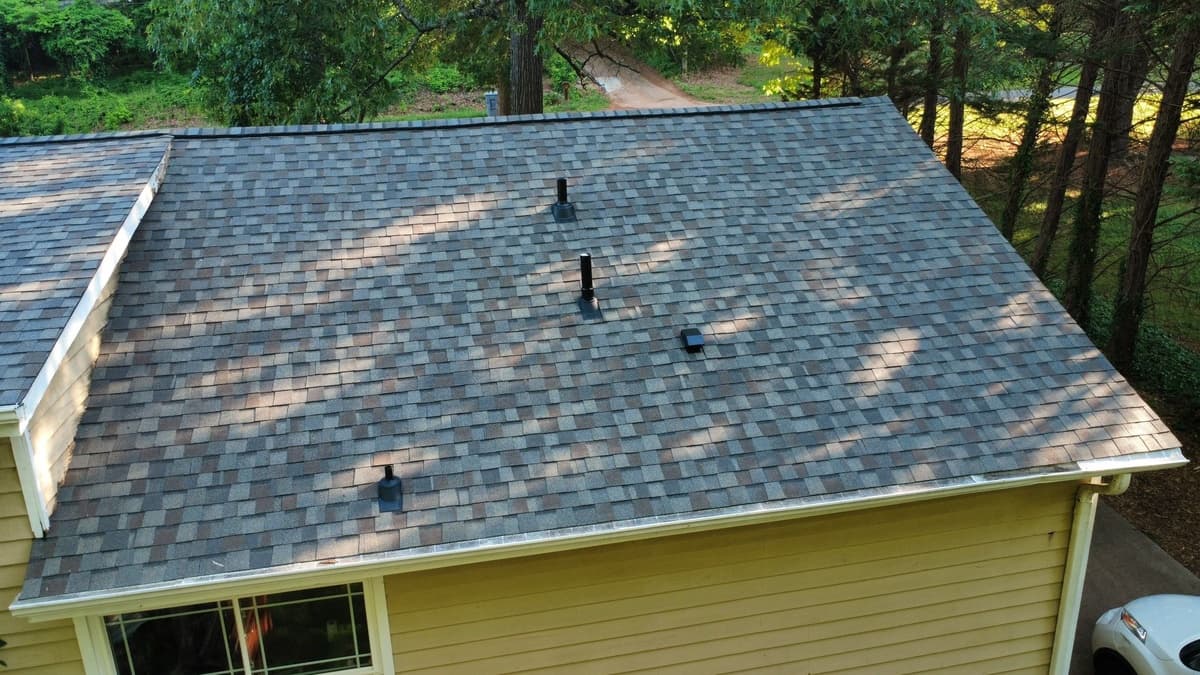
Charlotte, NC
storm damage
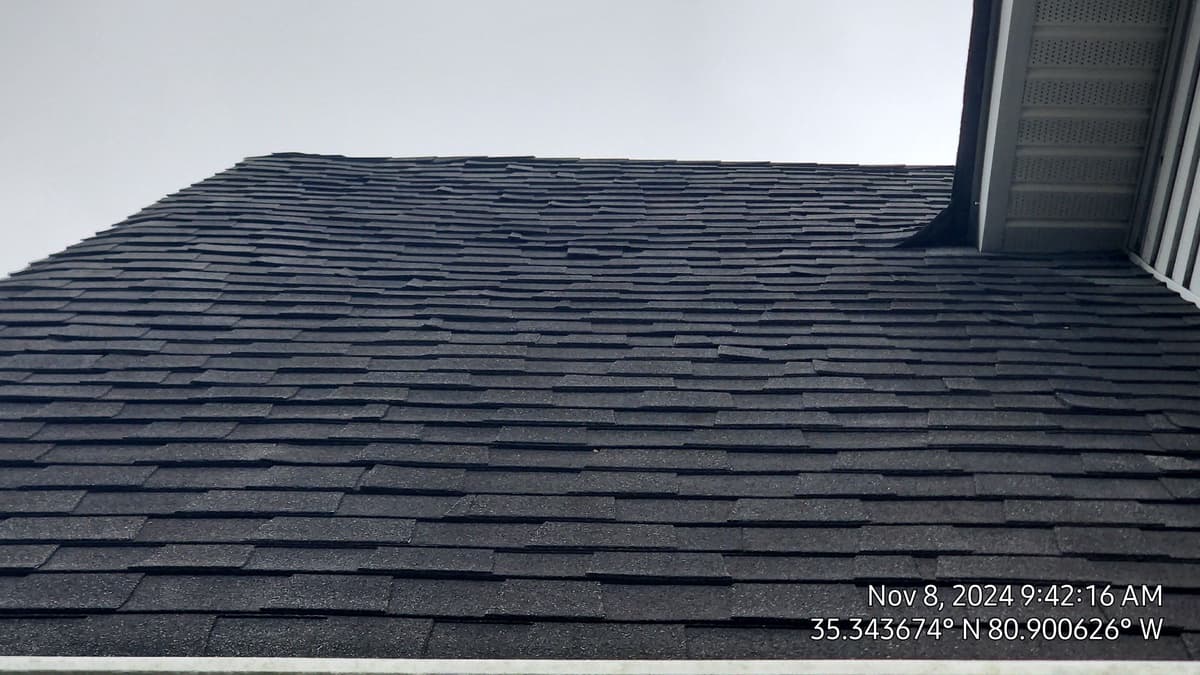
Charlotte, NC
new roof
Get a free roof inspection and honest assessment from Charlotte's most trusted roofing company.