
Roofing Tips & Guides
Expert Roofing Advice for Charlotte Homeowners
Learn from Charlotte's trusted roofing experts. Tips on maintenance, repair, replacement, and protecting your home from the elements.
Leak or wind damage from Isaias? 24/7 emergency tarping, free storm-damage inspections and insurance-claim help.
Learn from Charlotte's trusted roofing experts. Tips on maintenance, repair, replacement, and protecting your home from the elements.
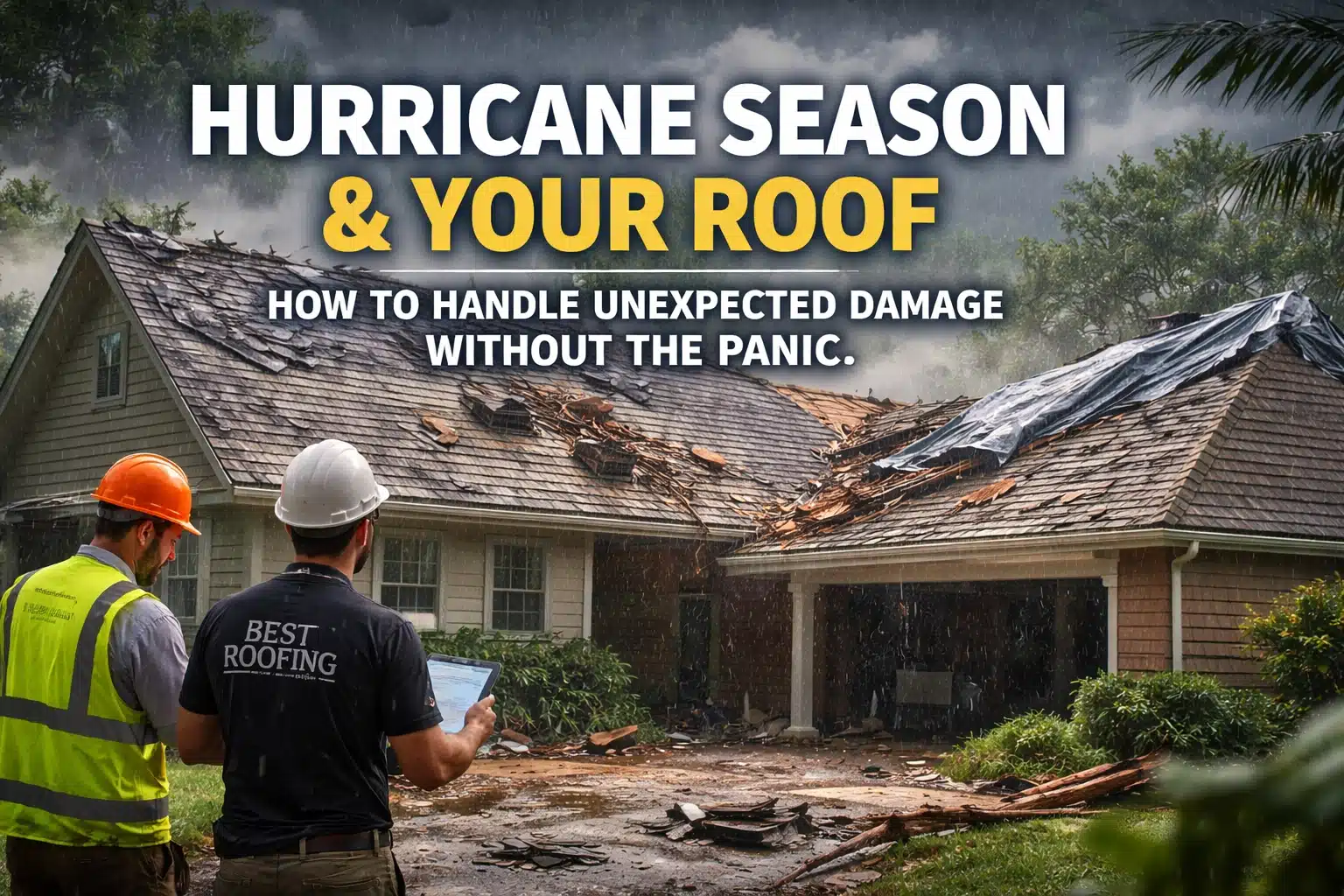
Hurricane season runs from June 1 through November 30. That's six months where Charlotte and Lake Norman homeowners hold their breath. We watch the weather maps. We stock up on batteries and water. But here's what most people forget: your roof is your home's first line of defense.
And it needs to be ready before the storm hits.
I've been fixing roofs in the Charlotte area for years. Every hurricane season, we get calls from panicked homeowners. Water is pouring through their ceiling. Shingles are scattered across the yard. They didn't see it coming. But the truth is, most storm damage can be prevented. Or at least minimized. You just need a plan.
This guide will walk you through exactly what to do before, during, and after a hurricane. No panic required.
People think hurricanes only hit the coast. That's a dangerous assumption.
When storms make landfall in the Carolinas, they push inland. Charlotte sits about 175 miles from the coast. But we still feel the effects. High winds. Heavy rain. Flying debris. Tornadoes that spin off from the main storm.
Lake Norman communities face unique challenges too. The open water creates wind tunnels. Trees near the shoreline catch gusts and fall on homes. Roofing in LKN requires special attention to these local conditions.

Hurricane Florence in 2018 dropped over 10 inches of rain in parts of Charlotte. Roofs that seemed fine suddenly showed their weaknesses. Small cracks became waterfalls. Old flashing failed. Gutters overflowed and pulled away from fascia boards.
The point is this: Charlotte is not immune. And neither is your roof.
Let's talk about what actually happens to your roof during a hurricane. This isn't meant to scare you. It's meant to help you spot problems before they become disasters.
Wind Damage
Hurricane winds don't just blow straight. They create uplift pressure. This pushes against the underside of your roof. Shingles lift at the edges. Once one lifts, others follow. Your roof starts to peel like a banana.
Modern asphalt shingles can handle winds up to 150 mph. But older shingles? They might fail at 50-60 mph. That's barely a Category 1 hurricane.
Rain Damage
Wind-driven rain is different from regular rain. It comes at your roof sideways. It finds gaps that normal rain would never reach. Water gets under shingles, around flashing, and into your attic before you know it.
Debris Impact
Tree branches, patio furniture, trash cans: anything loose becomes a missile in hurricane winds. One good hit can crack or dislodge shingles. It can puncture flat roofing membranes. It can destroy skylights and vents.
Structural Stress
The worst hurricanes can actually lift your entire roof off the walls. Hurricane ties and straps prevent this. But many older Charlotte homes don't have them installed.
The best time to prepare for hurricane season is before it starts. May is ideal. Here's what to do:
A trained roofing expert can spot problems you'd never see from the ground. We look for:
According to the National Roofing Contractors Association, "Regular roof inspections are the most cost-effective way to extend roof life and prevent emergency repairs."
If you haven't had your roof inspected in the last two years, now is the time. Experienced roof contractors can identify weak points and fix them before storms test your roof's limits.
Full gutters don't drain water. They dam it up. During heavy rain, water backs up under your shingles. It overflows and damages your fascia and soffits. It pools around your foundation.
Clean your gutters at least twice a year. Once in spring. Once in fall. And always before a major storm if you can.
Tree branches should be at least 6-10 feet away from your roof. This reduces the chance of impact damage during high winds. It also keeps leaves and debris out of your gutters.
Dead or dying trees in your yard? Get them removed before hurricane season. A tree that falls on your roof during a storm can cause tens of thousands of dollars in damage.
Proper roof ventilation helps your roof handle extreme weather. It reduces moisture buildup. It prevents ice dams in winter. And it keeps your attic cooler in summer, which extends shingle life.
We check soffit vents, ridge vents, and attic fans during every inspection. Poor ventilation is a silent roof killer.
If your roof is older or has been through multiple storms, consider upgrades:
These upgrades cost more upfront. But they can save you thousands in repairs and insurance deductibles over time. Learn more about your options on our materials page.
Once the hurricane arrives, there's not much you can do for your roof. Your job now is to stay safe.
Don't go outside during the storm. Flying debris is deadly. That loose shingle can wait.
Don't climb on your roof during or immediately after the storm. Wet surfaces are slippery. Damaged structures can collapse. Wait until conditions are safe.
Document what you can see from inside. If you notice water coming in, place buckets to catch it. Take photos and videos. This documentation helps with insurance claims later.
Turn off electricity to affected areas if water is leaking near outlets or light fixtures. Water and electricity are a dangerous combination.
The storm has passed. Now it's time to assess the damage. But don't rush. Safety comes first.
Local authorities will announce when it's safe to go outside. Roads may be blocked. Power lines may be down. Be patient.
Walk around your home and look for obvious damage:
Don't climb on the roof yourself. Leave that to the professionals.
After a major storm, roof contractors get flooded with calls. The earlier you reach out, the faster you'll get help. Keep your contractor's number saved in your phone before hurricane season starts.
At Best Roofing Now, we prioritize emergency calls during storm season. We know that every hour of delay means more potential water damage to your home.
Before any repairs happen, document all damage:
This documentation is critical for insurance claims. Your insurance company will want proof of the damage and its extent.
If your roof has significant damage, you need a tarp immediately. This prevents further water intrusion while you wait for permanent repairs.
Professional roofers carry tarps and know how to secure them properly. A poorly installed tarp can blow off in the next storm or cause additional damage. Let the pros handle it.
Filing an insurance claim for roof damage can feel overwhelming. Here's how to make it easier.
Know what your policy covers before a storm hits. Most homeowner policies cover wind and hail damage. But there may be separate deductibles for hurricane-related claims.
Flood damage is typically not covered by standard policies. If you live in a flood-prone area of Lake Norman, you may need separate flood insurance.
Don't wait to file your claim. Insurance companies have deadlines. The sooner you file, the sooner an adjuster can assess the damage.
Your insurance company will send an adjuster. But you should also get estimates from reputable roof contractors. If the adjuster's assessment seems low, your contractor's estimate provides supporting documentation.

After every major storm, out-of-town contractors flood the area. They knock on doors. They offer deals that seem too good. Then they do poor work or disappear entirely.
Stick with local contractors who have established reputations. Roofing in LKN requires knowledge of local building codes, weather patterns, and materials that work in our climate. Someone from out of state doesn't have that expertise.
At Best Roofing Now, we've worked with every major insurance company in North Carolina. We know what documentation they need. We advocate for fair settlements. And we're here long after the repairs are done.
Every hurricane season is a reminder. Your roof needs ongoing care. Here's how to build long-term resilience:
Schedule a professional roof inspection every year. Ideally in spring before hurricane season. This catches small problems before storms turn them into big ones.
Roofs don't last forever. Asphalt shingles typically last 15-25 years. If yours is approaching that age, start planning for replacement. A new roof installed before hurricane season handles storms far better than an aging one.
Check out our guide on roofing options in Charlotte for more information.
We prepare for hurricane season all year long. Our trucks are stocked with tarps and emergency supplies. Our team is trained in rapid response. Our phone lines stay open.
When that storm hits Charlotte or Lake Norman, we're ready to help. We've seen what hurricanes do to roofs. We've fixed thousands of them. And we've learned that the homeowners who prepare ahead of time always come out better.
You don't have to panic when the next hurricane warning appears on your screen. You just need a plan. And a roofing partner you can trust.
Hurricane season is coming. Is your roof ready?
Schedule a free pre-season inspection with Best Roofing Now. We'll identify any weak points, give you honest recommendations, and make sure your roof can handle whatever this season brings.
📞 Call us today or visit our website to book your inspection. Don't wait until the storm is on the radar.
Best Roofing Now
Charlotte's trusted roofing experts since 2019
Based on this article, you may be interested in these services.
We proudly serve these Charlotte-area communities with professional roofing services.
View All Service Areas →See our recent roofing work across the Charlotte metro area.
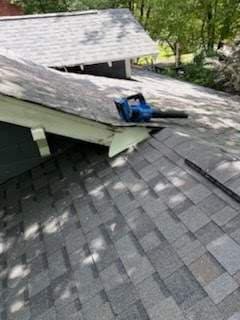
Charlotte, NC
new roof
Charlotte, NC
work in progress
Charlotte, NC
new roof
Charlotte, NC
work in progress
Get a free roof inspection and honest assessment from Charlotte's most trusted roofing company.


