
Roofing Tips & Guides
Expert Roofing Advice for Charlotte Homeowners
Learn from Charlotte's trusted roofing experts. Tips on maintenance, repair, replacement, and protecting your home from the elements.
Fall storm and leaf-season roof check? Free roof inspection and insurance-claim help — honest answers, no pressure.
Learn from Charlotte's trusted roofing experts. Tips on maintenance, repair, replacement, and protecting your home from the elements.
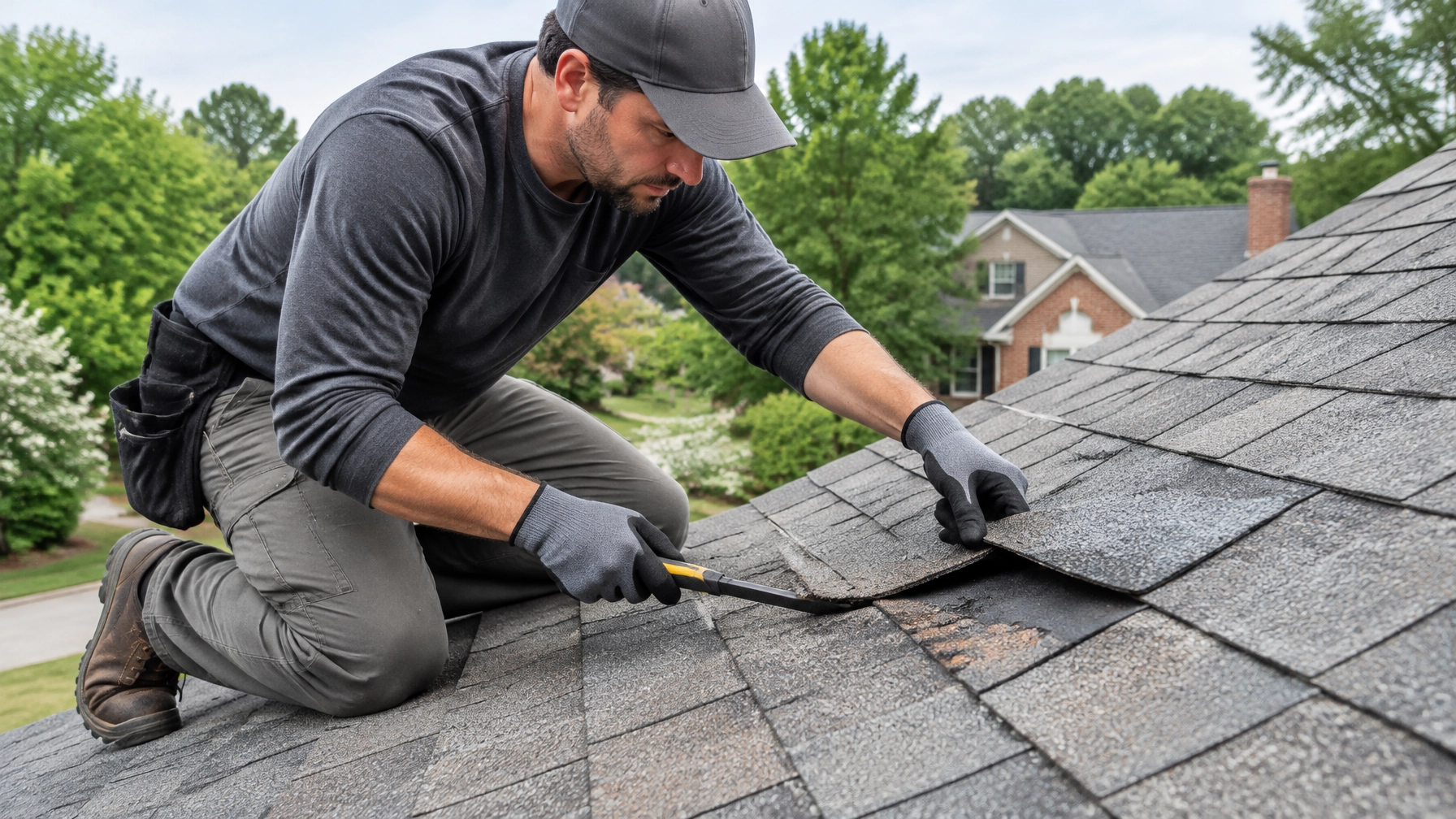
A roof problem can make any homeowner worry about a large bill. But a leak or a few damaged shingles does not always mean you need a new roof.
The right choice depends on the size of the damage, the roof’s age and condition, and how long a repair is likely to last. The goal is not to spend the least today. It is to protect your home without paying for work you do not need.
For homeowners in Charlotte, NC and around Lake Norman, good advice starts with evidence. A careful roof inspection can show whether one small part failed or the whole roof is wearing out.
A repair often makes sense when the damage is limited and the rest of the roof remains in good shape. Examples include a few missing shingles, a loose section of flashing, or a worn pipe boot.
A replacement may make more sense when damage appears across many areas, the roof deck is weak, or leaks keep returning after sound repairs. The roof deck is the wood base beneath the shingles.
Age matters, but it should not decide the answer by itself. Two roofs installed in the same year can have very different conditions because of past repairs, shade, ventilation, storm exposure, and installation quality.
A good roofer should explain what is damaged, why it matters, and what repair or replacement can reasonably achieve. You should have room to ask questions and consider your options. No pressure.
A repair works best when the roofer can find a clear, limited source of trouble. One leak near a chimney, for example, may come from worn flashing rather than failing shingles across the whole roof.
Flashing is metal or another water-blocking material placed around roof edges, chimneys, walls, vents, and other openings. If it pulls loose, rusts, or was installed poorly, rain can get beneath the roof covering.
Other repairable problems can include a small number of torn or missing shingles, a damaged vent cover, or a limited area of storm damage. The roofer must still check the nearby materials and wood base. A patch that hides the symptom but misses the cause may not hold.

A sound repair should address the point where water enters and restore the affected area. If water reached the attic or roof deck, that damage also needs attention. A ceiling stain can appear far from the entry point, so the spot below the stain may not be the source.
Repairs can buy useful time, but they do not make an aging roof new again. A limited fix on an older roof may be sensible when you understand its limits and plan for future work.
Replacement becomes more likely when wear is widespread, rather than limited to one small section. Look for broad patterns, such as many curling or split shingles, repeated leaks, or damage across several roof slopes.
A roof slope is one side or section of the roof. If many slopes show similar wear, fixing one area may leave other weak areas in place. That can lead to more repairs and more disruption.
Water damage can also change the decision. Soft, rotted, or badly stained roof decking can mean the roof needs more than a surface patch. Damaged wood may not hold roofing nails as it should.

Repeated leaks deserve a closer look, especially when they come from different spots or return after a repair. They do not prove the entire roof must go. But they raise a fair question: will another repair protect the house well enough to justify its cost?
The National Roofing Contractors Association, or NRCA, gives a useful test for this choice: “If maintenance and repairs no longer can prevent recurrent leakage or extend useful service life,” it may be time to consider replacement. In plain words, compare how well repairs can protect the home with the roof’s remaining useful life.
A roof’s age helps set expectations, but there is no single age that makes every roof ready for replacement. The material, original work, weather, shade, attic airflow, and past upkeep all play a part.
The exact shingle type and installation records can help. So can repair invoices and notes about earlier leaks. If those records are missing, a roofer can still check the roof’s current condition and explain what remains unknown.
Some roofs are aging but still have sound areas. Others develop major problems earlier because of poor installation, storm damage, or moisture. Age is a clue, not a diagnosis.
For roofing in Charlotte, NC, local weather is part of the picture. Charlotte summers bring hot days, humidity, heavy rain, and thunderstorms. The National Weather Service lists an average August high of 88.6°F and 4.35 inches of normal rainfall for Charlotte in its August climate figures.
Heat and moisture do not mean your roof needs replacement. They do make it wise to address leaks before water has more time to reach wood, insulation, or ceilings. Hail and strong winds can also cause damage that may not be easy to see from the ground.
NRCA recommends checking a roof after severe weather, including hailstorms. That is useful after a storm crosses Charlotte or Lake Norman, but a storm alone is not proof that replacement is needed. An inspection that a Charlotte homeowner arranges after a storm should look for specific damage and check the rest of the roof too.
A repair usually costs less upfront than replacing the roof. That can make repair the sensible choice when the issue is small and the remaining roof is in good shape.
But if the roof has several weak areas, the same repair can become one in a series. Each visit may add cost and inconvenience, while the older roof continues to wear. The key question is whether the repair is likely to provide useful protection for a worthwhile period.
Replacement is a larger expense, and it may be unnecessary for a localized problem. It also involves more work around the home. A fair decision weighs that upfront cost against the risks and likely costs of keeping a worn roof in service.
There is no honest formula that fits every house. A roofer should explain what the repair can fix, what it cannot fix, and what signs would mean replacement is becoming more likely. If the roof still has useful life, waiting may be reasonable. If its condition puts the home at risk, delay can make the eventual work more costly.
These examples can help frame a conversation. They are not a substitute for a close look at your own roof.
| What the roofer finds | A repair may fit when… | Replacement may fit when… |
|---|---|---|
| A leak near a chimney | The nearby shingles and wood remain sound, and the flashing is the clear source. | Several roof areas leak, or the surrounding materials are worn out. |
| Missing shingles after wind | Damage is limited to a small area on an otherwise healthy roof. | Shingles are loose, brittle, or missing across several slopes. |
| Hail or storm marks | The roofer finds a small, specific area of damage that can be fixed. | Damage is widespread, or the roof already shows broad wear. |
| A ceiling stain | The source is found and the roof materials around it remain sound. | Leaks return, more damage appears, or the wood base has deteriorated. |
The same warning sign can lead to different choices on different homes. That is why the roofer should explain the reason for a recommendation, rather than treating one clue as automatic proof.
After hail or high winds, take a calm approach. If water is entering the home, keep people away from wet electrical areas and move belongings from the leak when safe. Do not climb onto the roof to look for damage. ⚠️
A professional can check the roof and document what they find. If you may file an insurance claim, keep photos of interior damage and save related paperwork. Your insurance policy and claim rules control coverage; do not assume a storm means every repair or replacement will be paid.
A temporary cover can limit more water damage while you arrange a lasting repair. It is not a permanent fix. Ask what work is temporary, what still needs attention, and whether the roof can safely wait for permanent work.
Be wary of anyone who says that one hailstorm automatically means the entire roof must be replaced. The right answer depends on the roof’s condition and the details of the damage. A storm may reveal a small issue, or a broad one.
You do not need to become a roofing expert to make a sound choice. You do need a clear explanation you can understand.
Ask the roofer to point out the damage and explain how it affects the roof. Find out whether the recommended repair addresses only one area or whether similar problems appear elsewhere. If the roofer finds damaged wood, ask where it is and what work that damage requires.
If replacement is recommended, ask why a repair would not protect the home well enough. If a repair is recommended, ask what it can and cannot solve. A trustworthy professional should be willing to discuss uncertainty and the limits of a repair.
NRCA’s Mark S. Graham puts the value of upkeep simply: “Maintenance is proactive. It helps identify problems early.” Finding a problem early can leave more choices open. It does not mean every issue will stay small, but waiting can give water more time to spread.
A repair warranty may cover the repair work, not every part of an older roof. A full replacement may carry separate material and workmanship coverage, with terms that depend on the products and work used.
Read the actual warranty before you rely on it. Ask what is covered, for how long, and what conditions apply. A long material warranty does not necessarily cover every leak, storm event, or installation issue.
Best Roofing Now publishes different terms for repairs and full replacements on its roofing warranty page. The written terms for your project should explain exactly what applies. Do not assume a repair has the same coverage as a complete new roof.
Charlotte and Lake Norman roofs face hot summers, humid air, heavy rain, and seasonal storms. Local experience helps a roofer understand the conditions roofs face here. Still, the best recommendation should point to what is happening on your home, not just the weather nearby.
Homeowners searching for Lake Norman roofers can use the same decision test as homeowners in the city: Is the damage limited? Is the rest of the roof sound? Will a repair protect the home for a useful time?
Regular roof maintenance helps Charlotte, NC homeowners catch small concerns sooner. It cannot stop every storm or make old shingles last forever. But prompt attention to a loose shingle or a leak can reduce the chance of avoidable damage.
The Charlotte map and Lake Norman map show two very different settings, but both call for the same thing: a roof decision based on condition, not fear.
Choose repair when the damage is limited, the rest of the roof remains sound, and the repair has a clear purpose. Choose replacement when damage is broad, leaks keep returning, or the roof's weak areas make repeated patching a poor use of money. ✅
When the signs are mixed, ask for an honest assessment before making a large commitment. A second opinion can help when the repair and replacement choices are far apart. Be sure each roofer is explaining the same problem and not assuming facts that have not been checked.
At Best Roofing Now, we believe homeowners deserve clear answers before they make a major decision. Sometimes the right answer is a small repair. Sometimes the roof has reached the point where a replacement is the safer, more sensible choice. Either way, you should understand why.
Schedule a free roof inspection and consultation to learn whether your roof needs a repair or replacement.
{“@type”:”Article”,”image”:[“https://cdn.marblism.com/9V8cTaXqxAG.webp”,”https://cdn.marblism.com/hPQGvSuFdAy.webp”,”https://cdn.marblism.com/NbxVI2LoLug.webp”],”author”:{“name”:”Best Roofing Now”,”@type”:”Organization”},”@context”:”https://schema.org”,”headline”:”Repair or Replace? How Charlotte Homeowners Can Decide Without Overspending”,”publisher”:{“url”:”https://bestroofingnow.com”,”name”:”Best Roofing Now”,”@type”:”Organization”},”mainEntity”:[{“name”:”How do I know if my roof needs repair or replacement?”,”@type”:”Question”,”acceptedAnswer”:{“text”:”Repair may make sense when damage is limited and the rest of the roof remains sound. Replacement may be a better choice when damage is widespread, leaks keep returning, or the roof deck is weak. A professional assessment should explain the condition and limits of each option.”,”@type”:”Answer”}},{“name”:”Does an old roof always need replacement?”,”@type”:”Question”,”acceptedAnswer”:{“text”:”No. Age is one factor, not a diagnosis. Material, installation, ventilation, past repairs, storm exposure, and current condition also affect how much useful life remains.”,”@type”:”Answer”}},{“name”:”Does hail damage mean I need a new roof?”,”@type”:”Question”,”acceptedAnswer”:{“text”:”Not always. Hail may cause limited damage or affect several roof areas. A roofer should document the specific damage and explain whether a repair can protect the home.”,”@type”:”Answer”}}],”description”:”A practical guide for Charlotte and Lake Norman homeowners comparing roof repair and replacement based on damage, roof condition, weather, and long-term value.”}
Best Roofing Now
Charlotte's trusted roofing experts since 2019
Based on this article, you may be interested in these services.
We proudly serve these Charlotte-area communities with professional roofing services.
View All Service Areas →See our recent roofing work across the Charlotte metro area.
Charlotte, NC
new roof
Charlotte, NC
new roof
Charlotte, NC
work in progress
Charlotte, NC
before after
Get a free roof inspection and honest assessment from Charlotte's most trusted roofing company.


