
Roofing Tips & Guides
Expert Roofing Advice for Charlotte Homeowners
Learn from Charlotte's trusted roofing experts. Tips on maintenance, repair, replacement, and protecting your home from the elements.
Leak or wind damage from Isaias? 24/7 emergency tarping, free storm-damage inspections and insurance-claim help.
Learn from Charlotte's trusted roofing experts. Tips on maintenance, repair, replacement, and protecting your home from the elements.
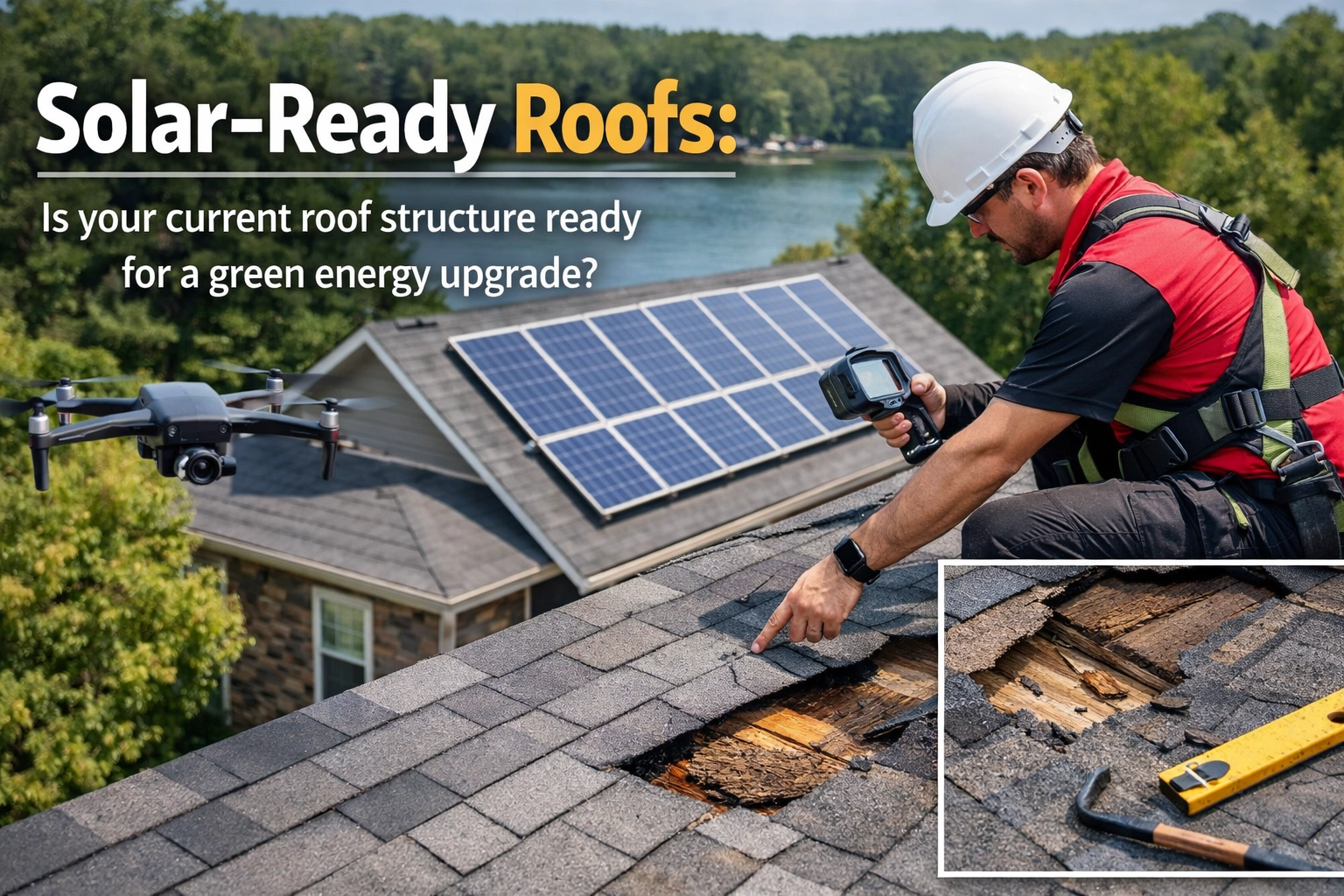
You've seen them popping up all over Charlotte and Lake Norman. Those sleek black panels catching sunlight on rooftops throughout Cornelius, Davidson, and Huntersville. Solar energy is no longer some futuristic dream. It's here. And homeowners are making the switch.
But here's what most people don't realize until it's too late: Your roof needs to pass a test before those panels go up.
I've inspected hundreds of roofs for solar readiness over the years. And I can tell you from experience that about 40% of homeowners who want solar aren't actually ready for it. Not because they can't afford it. But because their roof structure isn't up to the task.
That's a conversation nobody wants to have after they've already signed a solar contract.
Let's walk through what makes a roof "solar-ready" so you know exactly where you stand before you move forward.
Solar panels seem lightweight. They look thin. You'd think any roof could handle them.
But those panels add 2-4 pounds per square foot to your roof. That might not sound like much. But multiply that across 30-40 panels and you're adding around 800 pounds or more to your roof structure.
And unlike snow that melts or leaves that blow away, solar panels are permanent weight. They sit there 24/7 for the next 25-30 years. Your roof structure needs to handle that load without sagging, cracking, or failing.
Here's the bigger issue: If your roof fails after solar installation, you're paying twice. Once to remove the panels. Again to fix the roof. Then a third time to reinstall the panels. I've seen homeowners drop $15,000-$20,000 on this nightmare scenario.
The solar company isn't paying for that. Your homeowner's insurance probably won't either. You are.
That's why we always tell homeowners in the Charlotte area to get a professional roof assessment before they even talk to a solar installer.

Let's start with the simplest factor. How old is your roof?
If you've got asphalt shingles (which most Charlotte homes do), your roof should be 10 years old or less before you add solar panels. That's the sweet spot.
Why? Because asphalt shingle roofs typically last 20-25 years. If your roof is already 15 years old, you're looking at replacement within 5-10 years. And nobody wants to remove a $20,000 solar array just to replace shingles underneath it.
I worked with a family in Davidson last year. Beautiful home on the lake. They wanted solar badly. But their roof was 18 years old. The shingles looked fine from the ground. But when we got up there, we found granule loss, cracked tabs, and worn flashing.
We recommended roof replacement first. They weren't thrilled about the extra expense. But six months after their new roof and solar went in, their neighbors had to emergency-replace their roof after a storm. Those neighbors had just installed solar the year before. Cost them an extra $8,000 to remove and reinstall the panels.
The Davidson family sent us a thank-you card.
Here's what we look for during age assessment:
According to the National Roofing Contractors Association, "A roof inspection before solar installation can prevent costly repairs and ensure the longevity of both the roofing system and solar investment."
Don't skip this step.
This is where things get technical. But I'll keep it simple.
Your roof has two main structural components: rafters (or trusses) and decking. Both need to be strong enough for solar.
Rafter Spacing: Most residential roofs have rafters spaced 16 or 24 inches apart. The closer together, the better for solar. If your rafters are spaced more than 24 inches apart, you might need structural reinforcement.
Roof Decking: This is the plywood or OSB (oriented strand board) that your shingles attach to. For solar, you need at least 5/8-inch thick decking. Anything thinner won't hold the mounting hardware properly.
I inspected a home in Huntersville built in the 1970s last month. Beautiful brick ranch. The homeowner was ready to go solar. But when we checked the attic, we found 1/2-inch decking. Common for that era. Not strong enough for modern solar mounting.
We had to explain that he'd need decking replacement before solar. Not the answer he wanted. But the right answer for his safety and investment.

Here's the math you need to know: Each solar panel weighs about 40-50 pounds. The mounting equipment adds another 3-5 pounds per square foot. Your roof needs to support this plus normal loads like snow, wind, and people walking on it for maintenance.
If your home was built before 1990, I strongly recommend getting a structural engineer to assess your roof before solar. Older homes weren't designed with this kind of permanent load in mind.
Charlotte building codes require professional certification that your roof structure can handle the additional weight. The solar installer should verify this. But we've seen too many cases where they skip this step or do a half-hearted check.
Get it done right. Your family's safety depends on it.
Not all roofing materials play nice with solar panels.
Best materials for solar:
Materials that complicate solar:
Asphalt shingles are the gold standard for solar in our area. We can use flashed penetrating mounts that seal perfectly and don't compromise your roof's waterproofing.
Metal roofs are even better. We use clamp-on mounting systems that don't penetrate the roof at all. Zero leak risk. Metal roofs are also more durable long-term, which matches the 25-30 year lifespan of solar panels.
I worked on a commercial building on Lake Norman with a standing seam metal roof last fall. The solar installation was smooth and fast because we didn't have to make any roof penetrations. The clamps attached right to the seams. Done in two days.
If you've got tile, we can still make solar work. But it requires more care. We have to work around or through tiles without breaking them. This adds time and cost. But it's absolutely doable with the right experience.
The worst-case scenario? Flat roofs with tar and gravel. I won't install solar on them. Neither will any reputable contractor. The mounting systems can't get proper attachment. Water pools around the mounts. It's a leak waiting to happen.
If you've got a flat roof and want solar, you're looking at a complete roof replacement first. Usually with a TPO or EPDM membrane system that's designed for solar compatibility.
Here's where Charlotte's location comes into play.
We're at about 35 degrees north latitude. That means the sun's path across our sky follows a specific arc. For maximum solar production, your roof needs to face that arc.
Best orientation: South-facing roof. This gets the most direct sunlight throughout the day. If you've got a south-facing roof, you're golden.
Good orientation: Southeast or southwest-facing roofs. You'll get about 90-95% of the production of a true south-facing roof. Still excellent.
Workable orientation: East or west-facing roofs. You'll get morning or afternoon sun, but not both. Production drops to about 75-80% of a south-facing roof.
Not ideal: North-facing roofs in Charlotte. These get very little direct sun. We generally don't recommend solar on north-facing sections.
Now let's talk pitch (the angle of your roof).
The ideal pitch for Charlotte is 30-40 degrees. This matches our latitude and maximizes year-round sun exposure.
But here's the good news: Any roof pitched between 15-40 degrees will work fine for solar. Production might drop by 5-10% outside that sweet spot, but it's still worthwhile.
Flat roofs (0-5 degree pitch) are problematic. Not because of angle, but because water doesn't drain well around solar mounts. This is separate from the tar-and-gravel issue I mentioned earlier.
I have a simple rule: If water pools on your roof after rain, don't put solar panels there. You're asking for leaks and rot.

Most homeowners are surprised by how much roof space solar panels actually require.
A typical residential solar system needs 200-400 square feet of roof area. That's roughly a 15×25 foot section of your roof. And that's just for the panels themselves.
Charlotte and North Carolina building codes require additional clearances:
These requirements can eat up a lot of usable roof space. I've seen homeowners lose 30-40% of their south-facing roof to code-required clearances.
Let's do a real example. Say you've got a 30×40 foot south-facing roof section. That's 1,200 square feet total. Sounds huge.
But subtract:
You're down to about 950 square feet of usable space. Still plenty for most systems. But it shows why we need to map this out carefully.
Tree shading is another space killer. Even partial shade on solar panels drops production dramatically. We look for sections of roof that get full sun from 9am-3pm year-round. That's your prime real estate for solar.
I worked with a homeowner in Cornelius whose best roof section faced south but had a massive oak tree 40 feet away. Beautiful tree. But it shaded about 60% of that roof area from 2pm-5pm.
We had to use a west-facing section instead. Production was lower than ideal. But it beat putting panels in shade where they'd barely work.
Here's something most homeowners don't think about: Your electrical system needs to be ready for solar too.
Solar panels generate DC (direct current) electricity. Your home runs on AC (alternating current). You need an inverter to convert between them. And that inverter needs to connect to your main electrical panel.
We need to verify three things:
1. Panel capacity: Is there space in your electrical panel for the solar circuit breakers? Most modern panels have 200-amp service with room for additional circuits. Older homes might have 100-amp service with no spare slots.
If your panel is maxed out, you're looking at an electrical panel upgrade before solar. That's $1,500-$3,000 in Charlotte.
2. Conduit pathway: How will electrical wiring get from your roof to your panel? We need a clear, code-compliant pathway. Sometimes this means running conduit down the exterior of your house. Other times we can fish wires through walls or attic spaces.
This matters for aesthetics and cost. Exterior conduit is cheaper but visible. Interior runs are cleaner but more expensive.
3. Meter compatibility: Duke Energy (our local utility) needs to install a bidirectional meter that can track both power you pull from the grid and power you send back. Most homes in Charlotte already have compatible digital meters. But older analog meters need replacement.
Duke Energy handles the meter swap for free. But they need to schedule it, which can delay your solar system going live.
I always recommend getting an electrician involved early in the solar planning process. They can spot electrical issues that might derail your project later.
When you call us for a solar-readiness inspection, here's what happens.
Step 1: Visual exterior assessment (15-20 minutes)
We walk around your property and look at your roof from all angles. We're checking orientation, pitch, shading from trees or neighboring buildings, and obvious damage or wear.
Step 2: Attic inspection (20-30 minutes)
This is where we learn the most. We check rafter spacing, decking thickness, insulation, ventilation, and any signs of moisture damage or structural issues.
Step 3: Measurements and documentation (15-20 minutes)
We measure roof sections, note obstacles (vents, chimneys, skylights), and photograph everything. This helps us create an accurate solar layout later.
Step 4: Report and recommendations (same day)
We sit down with you and explain what we found. If your roof is solar-ready, we'll tell you. If it needs work first, we'll explain exactly what and why.
Total time: About 60-90 minutes for a typical residential inspection.
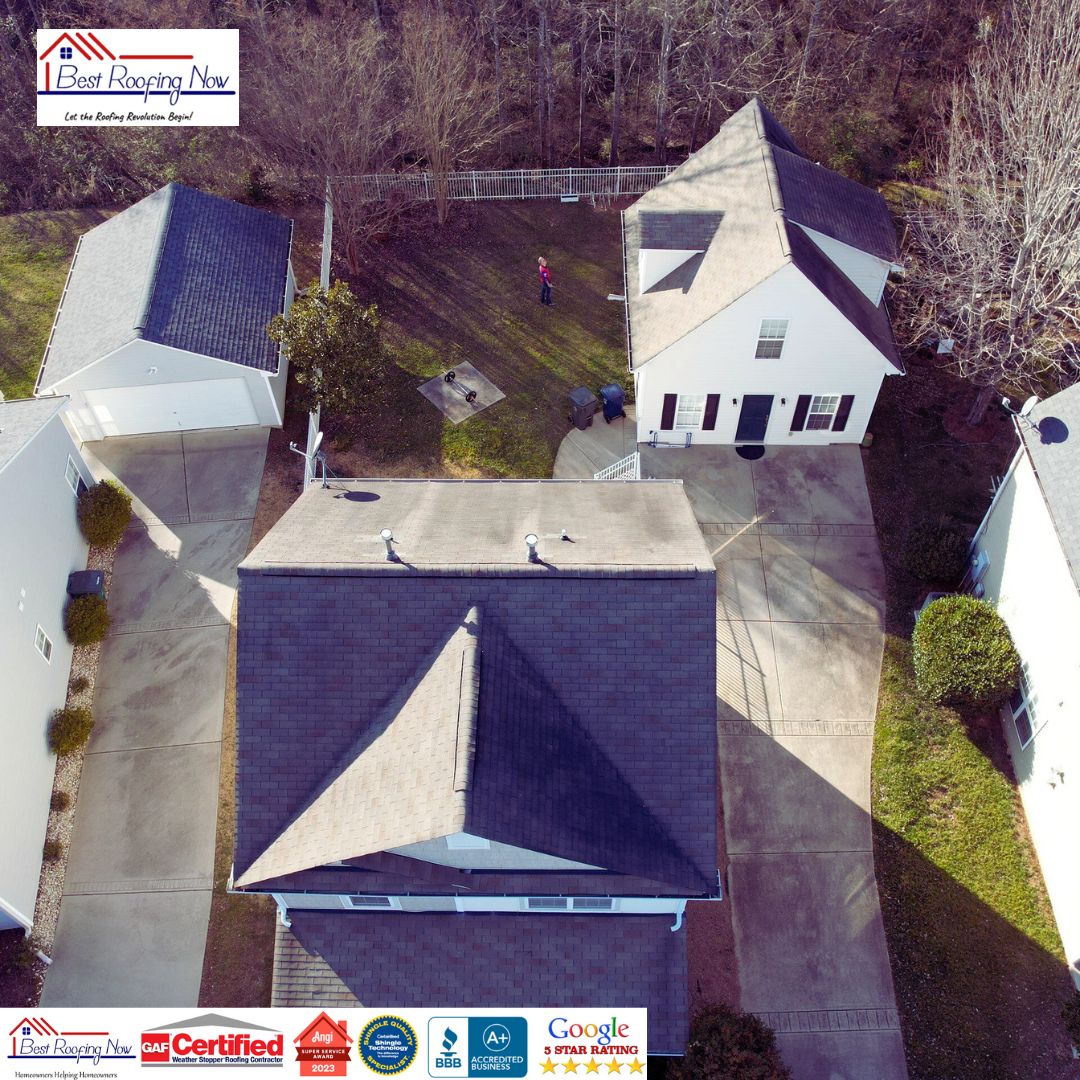
We never pressure you to do repairs or upgrades. Our job is to give you accurate information so you can make the best decision for your home and budget.
Some homeowners are ready to move forward immediately. Others need to plan for roof replacement or repairs first. Both are fine. We just want you to know the truth before you spend money on solar.
Living in Charlotte and the Lake Norman area creates some unique factors for solar readiness.
Weather patterns: We get decent sun year-round, but our summers are humid and we get afternoon thunderstorms regularly. This means your roof needs excellent waterproofing around solar mounts. Water finds every tiny gap.
We use extra sealant and longer flashing than some other regions because we know Charlotte's rain patterns. An ounce of prevention beats a gallon of water in your attic.
Building codes: Charlotte-Mecklenburg has adopted aggressive fire safety codes for solar. Those 3-foot pathways I mentioned? That's local code. Some counties nearby have slightly different requirements.
We stay current on every jurisdiction around Lake Norman (Cornelius, Davidson, Huntersville, Mooresville). It matters because code violations can fail inspection and delay your project.
Duke Energy requirements: Our local utility has specific interconnection standards for solar. They require certain types of disconnect switches, meter bases, and documentation before they'll approve your system.
We work with Duke Energy regularly. We know their process. We know what they'll approve and what they'll kick back. This saves you time and hassle.
HOA restrictions: Some neighborhoods around Lake Norman have homeowners associations with strict rules about solar panel placement and visibility. We've learned to check HOA covenants early in the process.
I can't tell you how many times we've had to redesign a solar layout to meet HOA requirements. It's frustrating. But it's reality in some of our nicer neighborhoods.
Always check your HOA rules before you sign a solar contract.
Let's talk money. Because roof preparation for solar isn't free.
If your roof is already in good shape (less than 10 years old, solid structure, compatible materials), you might not need any prep work at all. Your only cost is the solar system itself.
But if repairs or upgrades are needed, here are typical costs in the Charlotte area:
Roof replacement: $8,000-$15,000 for a typical single-family home. This varies based on roof size, pitch, and material choice.
Structural reinforcement: $2,000-$5,000 if you need additional support for solar loads. This includes sistering rafters or adding blocking between existing members.
Decking replacement: $1,500-$4,000 if you need to upgrade from 1/2-inch to 5/8-inch decking.
Electrical panel upgrade: $1,500-$3,000 if your existing panel can't handle the solar circuits.
Repairs (flashing, ventilation, etc.): $500-$2,000 depending on what needs fixing.
Yes, these numbers can add up fast. And I know it's frustrating to spend money on roof work before you even get to the solar.
But think about it this way: You're creating a power plant that will last 25-30 years. That infrastructure needs a solid foundation. Skimping on roof prep is like building a house on sand.
The good news? Many of these costs have their own payback. A new roof increases home value, lowers insurance costs, and improves energy efficiency even without solar.
Here's the sequence I recommend for homeowners planning solar:
6-12 months before solar:
Get your roof inspected. If major work is needed (replacement, structural upgrades), schedule it now. Don't rush. Get multiple quotes. Do it right.
3-6 months before solar:
Handle any minor repairs identified in the inspection. Replace worn flashing. Fix ventilation issues. Clean up debris.
2-3 months before solar:
Get your electrical panel assessed. Schedule any upgrades needed. This timeline gives the electrician time to pull permits and complete work.
1 month before solar:
Do a final roof inspection. Make sure everything is still in good shape. No new damage from storms or fallen branches.
Solar installation:
With proper roof prep done, solar installation typically takes 1-3 days for a residential system. The mounting and wiring go fast when the roof is ready.
I know it seems like a long timeline. But solar is a major investment. Doing the prep work right means your system performs better and lasts longer.
We've worked with homeowners who rushed the process and regretted it. And we've worked with homeowners who took their time and are thrilled with the results.
Be the second group.
Solar energy is amazing technology. I'm a big believer in it. The financial benefits are real. The environmental impact is positive. And the energy independence it provides is valuable.
But it only works if your roof is ready for it.
That's why we always start with a thorough roof assessment. Not to talk you out of solar. But to make sure solar succeeds for you.
Some roofs are ready to go today. Others need work first. A few aren't good candidates for solar at all (too much shade, wrong orientation, structural issues too expensive to fix).
Knowing where you stand is the first step toward making a smart decision about solar.
If you're thinking about solar for your Charlotte or Lake Norman home, let's start with a roof assessment.
We'll come out, inspect your roof and attic, check all the structural factors I've talked about here, and give you straight answers about whether your roof is solar-ready.
No pressure. No sales pitch. Just honest information from someone who's been doing this work for years and cares about getting it right.
Call us at Best Roofing Now or visit our website to schedule your solar-readiness inspection. It typically takes about an hour, and you'll walk away knowing exactly where you stand.
The sun's not going anywhere. But your roof's condition changes every year. Let's make sure yours is ready for the next three decades of solar power.
Because the future of energy is bright. And it starts with a solid roof over your head.
 local roofer" srcset="https://www.bestroofingnow.com/wp-content/uploads/2024/03/ChatGPT-Image-Apr-2-2025-02_05_40-PM.webp 1024w, https://www.bestroofingnow.com/wp-content/uploads/2024/03/ChatGPT-Image-Apr-2-2025-02_05_40-PM-200x300.webp 200w, https://www.bestroofingnow.com/wp-content/uploads/2024/03/ChatGPT-Image-Apr-2-2025-02_05_40-PM-683x1024.webp 683w, https://www.bestroofingnow.com/wp-content/uploads/2024/03/ChatGPT-Image-Apr-2-2025-02_05_40-PM-768x1152.webp 768w" sizes="(max-width: 320px) 100vw, 320px" title="">
Best Roofing Now
Charlotte's trusted roofing experts since 2019
Based on this article, you may be interested in these services.
We proudly serve these Charlotte-area communities with professional roofing services.
View All Service Areas →See our recent roofing work across the Charlotte metro area.
Charlotte, NC
new roof
Charlotte, NC
new roof
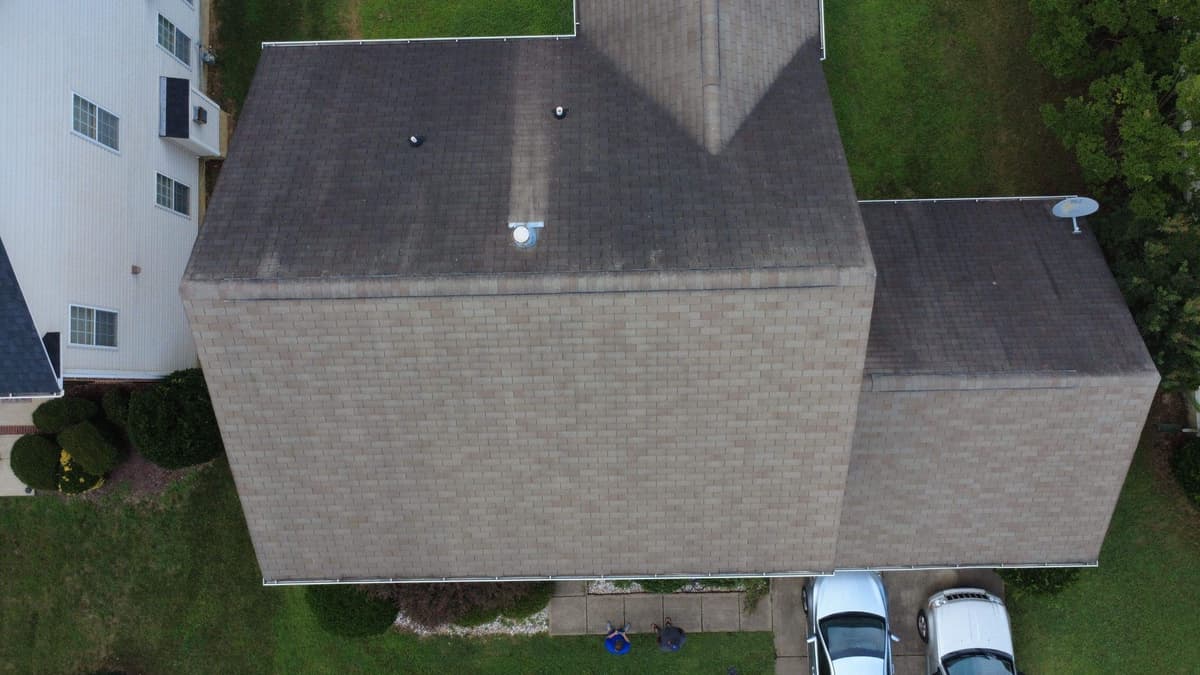
Charlotte, NC
work in progress
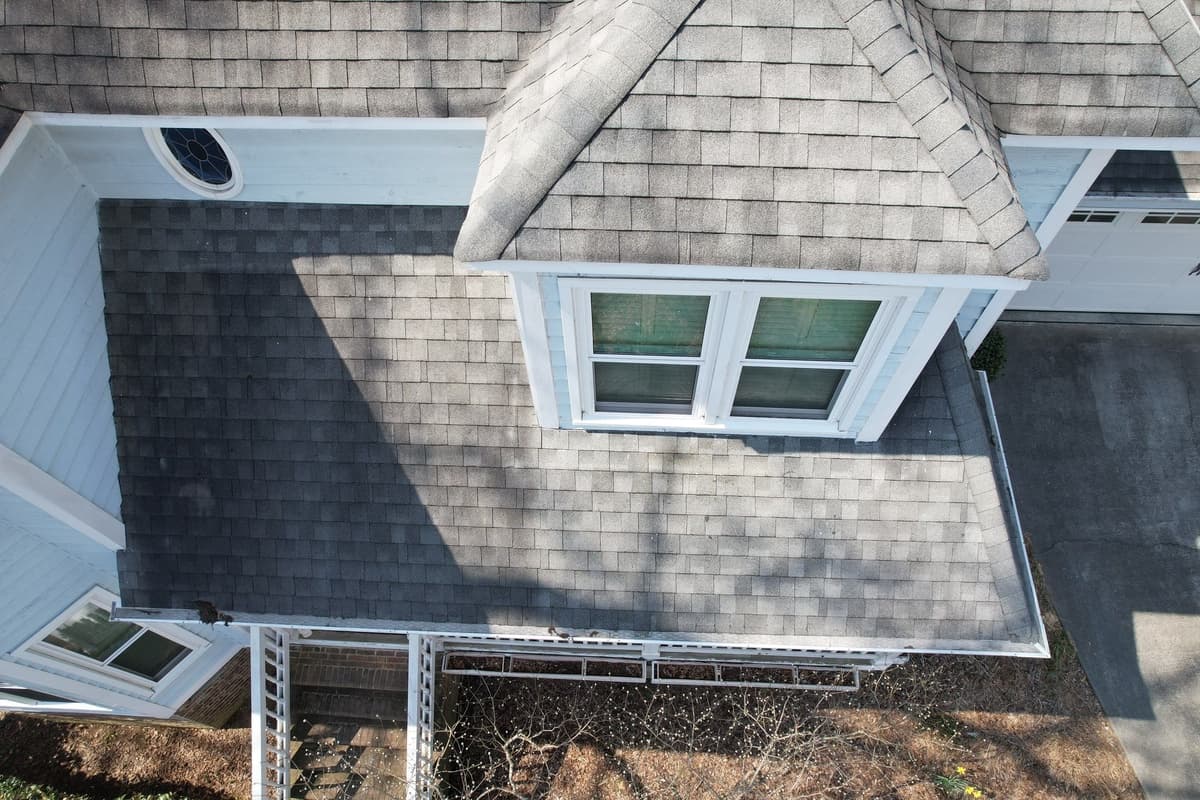
Charlotte, NC
new roof
Get a free roof inspection and honest assessment from Charlotte's most trusted roofing company.


