
Roofing Tips & Guides
Expert Roofing Advice for Charlotte Homeowners
Learn from Charlotte's trusted roofing experts. Tips on maintenance, repair, replacement, and protecting your home from the elements.
Leak or wind damage from Isaias? 24/7 emergency tarping, free storm-damage inspections and insurance-claim help.
Learn from Charlotte's trusted roofing experts. Tips on maintenance, repair, replacement, and protecting your home from the elements.
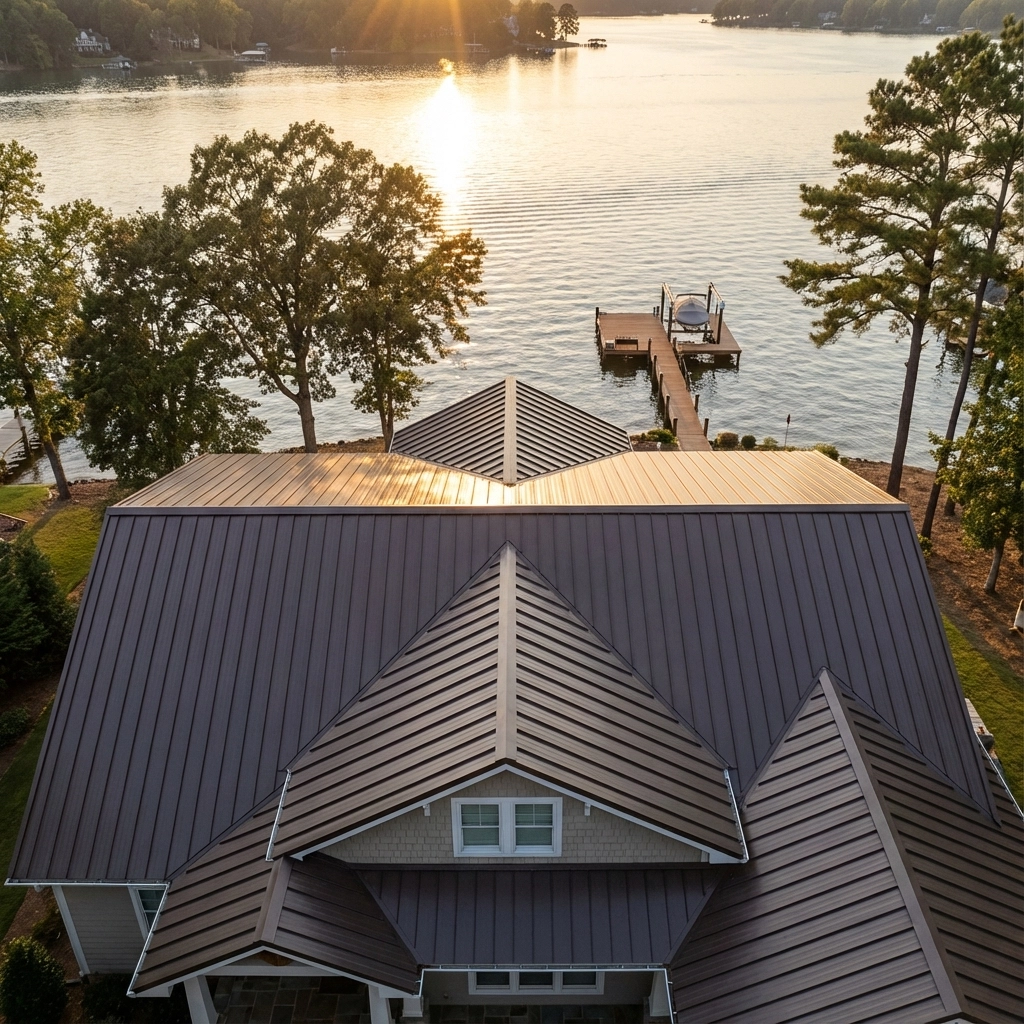
Lake Norman homeowners face unique roofing challenges. Heavy summer storms. Humid subtropical climate. Occasional ice events. And let's not forget those beautiful lakefront properties that demand both durability and style.
Metal roofing has become increasingly popular across our Lake Norman communities. But is it right for your home? After installing hundreds of metal roofs from Cornelius to Mooresville, we've seen the good, the bad, and everything in between.
This guide breaks down the real pros and cons of metal roofing specifically for Lake Norman homes. No sales pitch. Just honest insights from roofers who live and work in this community.
Lake Norman's location creates a unique microclimate. The large body of water moderates temperatures but increases humidity. Summer thunderstorms can be intense. Winter weather occasionally brings ice storms that stress roofing materials.
These conditions make material choice critical. Your roof needs to handle moisture, wind, thermal cycling, and occasional severe weather. Not every roofing material performs equally in our specific environment.
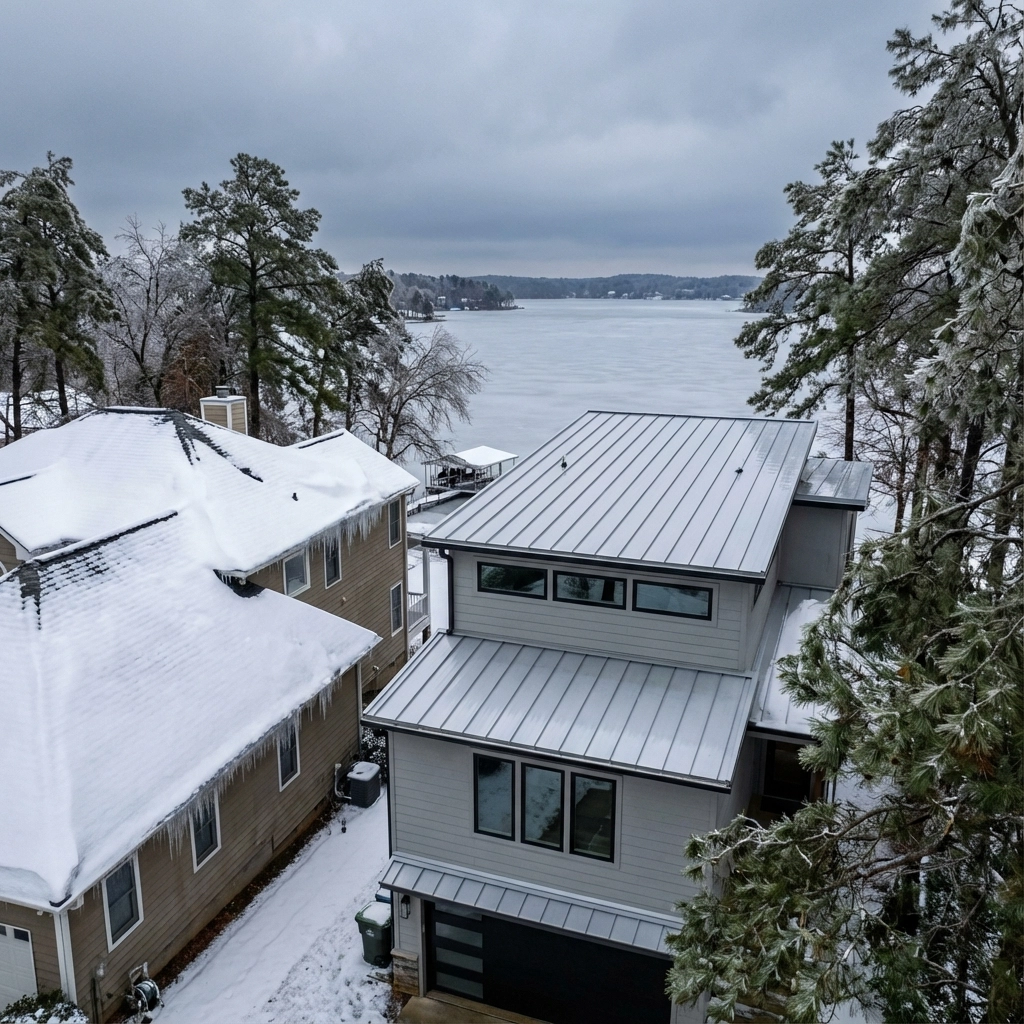
Metal roofs excel in Lake Norman's storm-prone climate. They resist wind damage better than any other residential roofing material. While asphalt shingles start lifting at 60-70 mph winds, quality metal roofing systems withstand winds over 140 mph.
Rain performance is equally impressive. Metal roofs shed water quickly, preventing the moisture buildup that plagues other materials in our humid climate. The smooth surface doesn't trap debris like pine needles and leaves that accumulate on textured shingles.
Ice and snow slide off metal roofs naturally. This prevents the ice dam formation that can damage homes during rare but damaging winter events. Your gutters and roof edge stay protected.
Lake Norman summers get hot. Metal roofs reflect solar heat instead of absorbing it like dark asphalt shingles. This reflection can reduce cooling costs by 10-25% during peak summer months.
Cool metal roofing technology has advanced significantly. Light-colored metal roofs with reflective coatings stay 50-60 degrees cooler than traditional asphalt shingles on the same day.
The energy savings add up over time. A typical Lake Norman home might save $200-400 annually on cooling costs with a properly installed metal roof. Over 30-40 years, those savings become substantial.
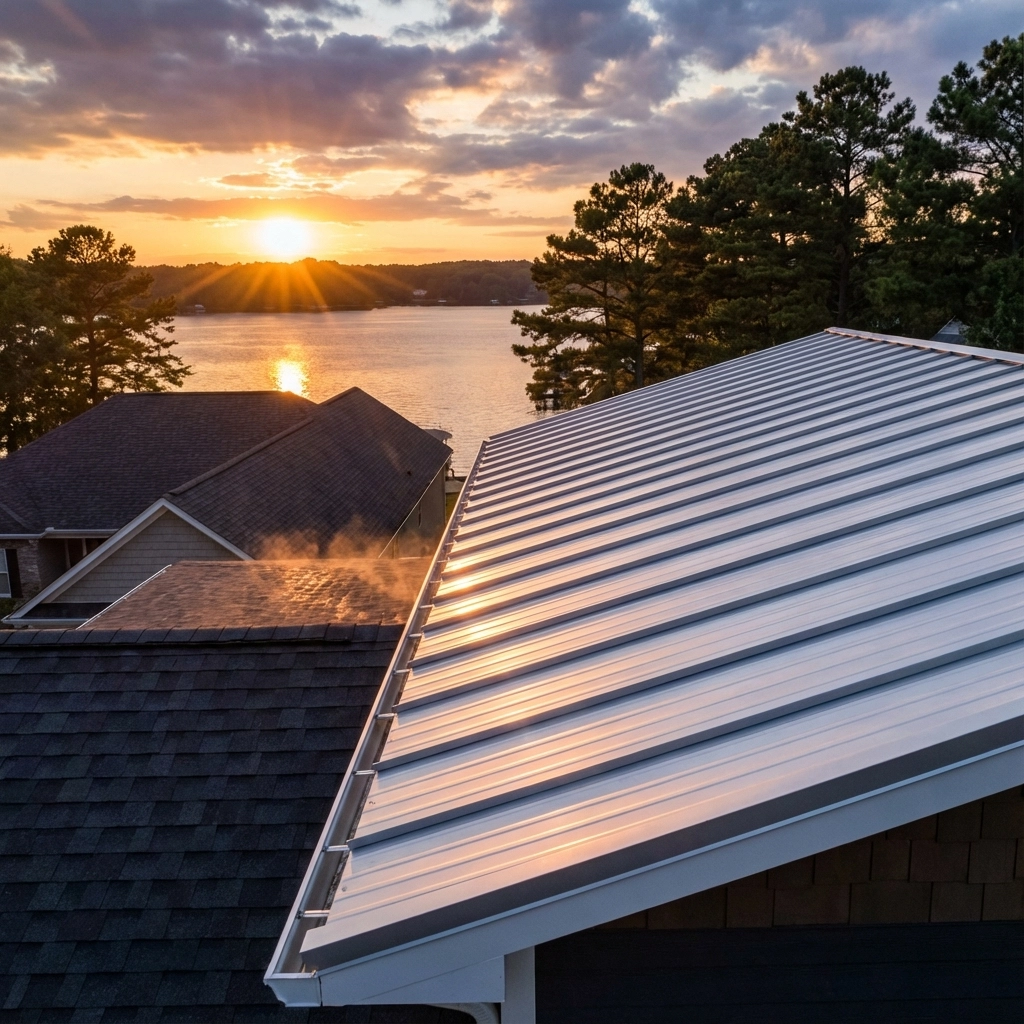
Quality metal roofing lasts 40-70 years with minimal maintenance. Compare that to asphalt shingles, which typically need replacement every 15-20 years in our climate.
The longevity advantage is even greater near Lake Norman's wooded areas. Metal roofs resist moisture damage, pest intrusion, and organic growth that can shorten the life of other materials. Your roof investment pays off over decades, not just years.
We've inspected metal roofs installed in the 1980s that still perform like new. That kind of durability simply isn't possible with traditional roofing materials in our environment.
Metal roofs require minimal ongoing maintenance. An annual inspection and occasional cleaning are usually sufficient. No replacing missing shingles. No sealing exposed nails. No worrying about granule loss.
This low maintenance is particularly valuable for lakefront properties where accessing the roof can be challenging. Many Lake Norman homes have complex rooflines and steep pitches that make regular maintenance expensive.
The smooth metal surface prevents moss and algae growth that commonly affects shingles in our humid climate. Your roof stays clean and attractive with minimal effort.
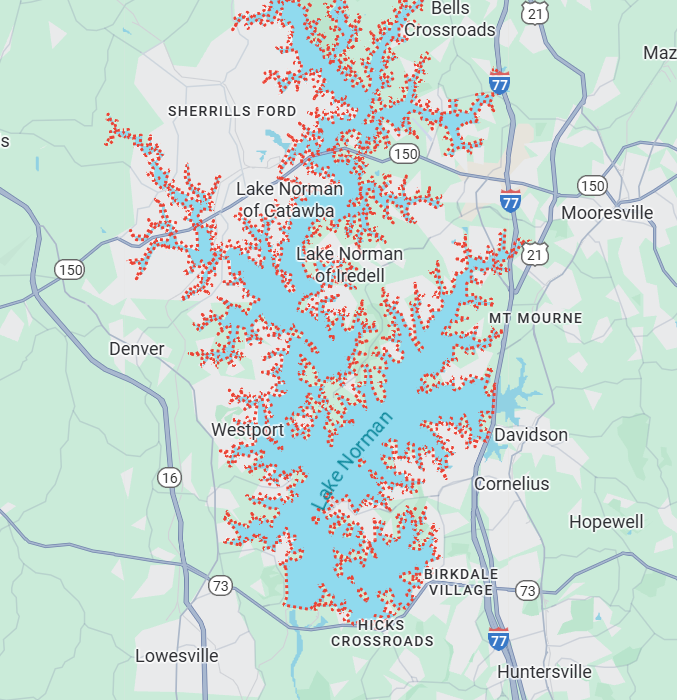
Metal roofing materials contain 25-95% recycled content. At the end of their long service life, they're 100% recyclable. This appeals to environmentally conscious Lake Norman homeowners who value sustainability.
The energy efficiency also reduces your home's carbon footprint. Lower cooling demands mean less strain on the electrical grid during peak summer periods.
Metal roofing doesn't contribute to landfill waste like the millions of tons of asphalt shingles replaced annually across North Carolina.
Metal roofing costs significantly more than asphalt shingles initially. Expect to pay $12,000-25,000 for a typical Lake Norman home versus $8,000-15,000 for quality asphalt shingles.
This cost difference stops many homeowners from considering metal roofing. The payback period through energy savings and avoided replacements is typically 15-20 years. That's longer than many homeowners plan to stay in their current homes.
Premium metal materials like copper or zinc can cost even more. These materials may not make financial sense unless you're planning to stay in your home for decades.
Metal roofing requires specialized installation knowledge. Not every roofing contractor in the Lake Norman area has the necessary experience. Poor installation can negate all the benefits of metal roofing.
Finding qualified installers can be challenging. The learning curve for proper metal roof installation is steep. Mistakes during installation can lead to leaks, thermal movement problems, and premature failure.
Installation timing is also more critical with metal roofing. Weather delays cost more when dealing with exposed metal components. Planning and coordination become more important.
Rain on metal roofs can be noisy without proper insulation and underlayment. This is particularly noticeable during Lake Norman's intense summer thunderstorms. However, modern installation techniques largely eliminate this issue.
Properly installed metal roofs with adequate insulation aren't significantly noisier than other roofing materials. The "rain drum" effect mostly applies to older installations or agricultural buildings without proper underlayment.
Hail noise can still be noticeable even with good insulation. While the metal roof won't be damaged by hail that would destroy asphalt shingles, you'll hear the impact more clearly.
Metal expands and contracts with temperature changes. Lake Norman's temperature swings can be significant, especially during spring and fall. This movement can stress fasteners and sealants over time.
Quality installation addresses thermal movement through proper fastening techniques and expansion joints. But the movement still occurs and requires consideration during design and installation.
Cheap metal roofing systems may develop problems from thermal cycling within a few years. Investing in quality materials and installation is essential for long-term performance.
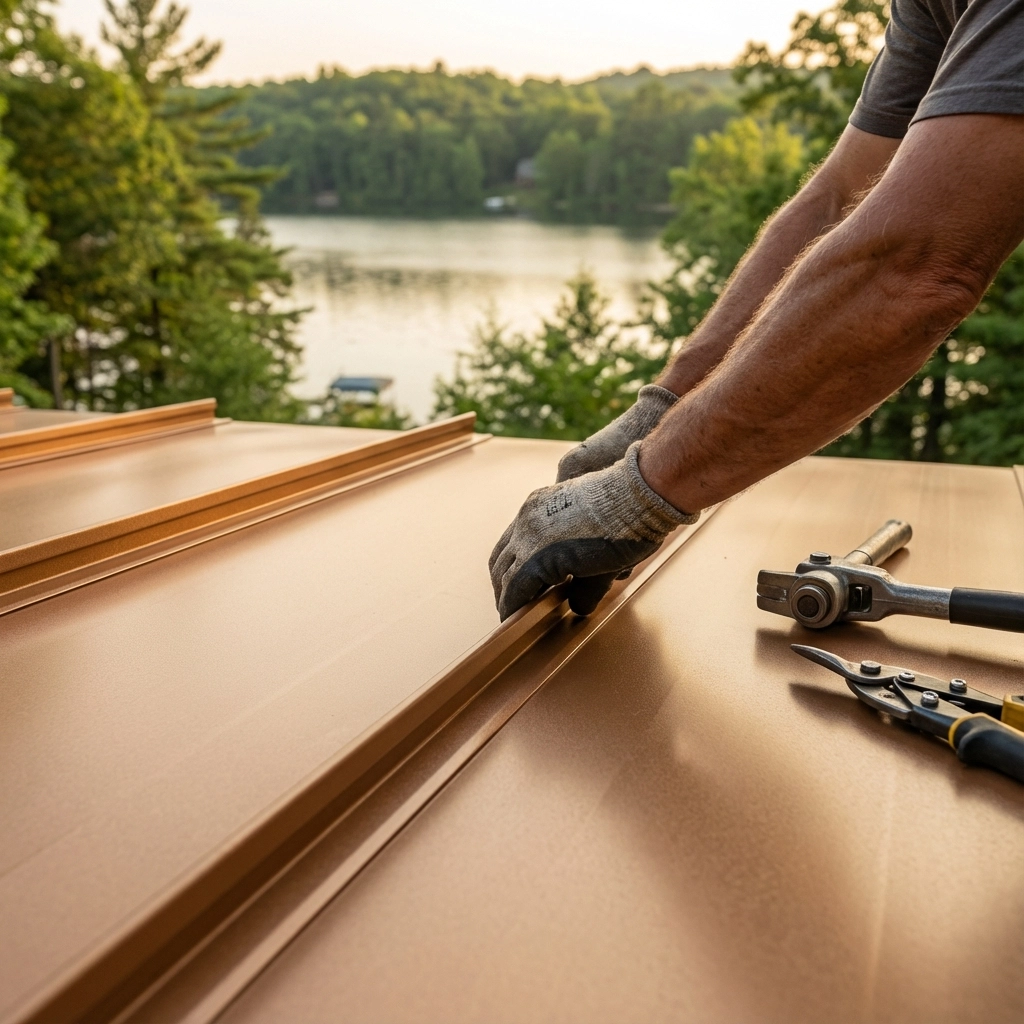
Steel is the most popular metal roofing choice for cost and performance balance. Galvanized and Galvalume steel resist corrosion well in our climate. Painted steel systems offer excellent color retention and weather resistance.
Steel works well for most Lake Norman applications. The material handles thermal cycling well and provides good value for the performance level.
Aluminum offers superior corrosion resistance, making it ideal for lakefront properties. The material is lighter than steel and easier to install on complex rooflines.
Aluminum costs more than steel but may be worth the premium for homes in high-moisture environments. The material's natural corrosion resistance provides extra insurance against our humid climate.
Copper and zinc offer exceptional longevity and unique appearance. These materials develop natural patina over time and can last 100+ years with proper installation.
Premium metals cost significantly more but may make sense for luxury homes or architectural designs where appearance is paramount. The investment only makes sense for long-term ownership.

Lake Norman's summer storms can be severe. Metal roofs handle high winds, heavy rain, and hail better than any other residential material. The smooth surface sheds water quickly and resists uplift forces.
Lightning protection isn't a major concern. Metal roofs don't attract lightning, but they do conduct electricity safely to ground if struck. Proper grounding is part of code-compliant installation.
While hurricanes rarely impact Lake Norman directly, the area occasionally experiences tropical storm conditions. Metal roofing provides the best protection against wind damage and flying debris.
The interlocking panel design of quality metal roofing systems creates a continuous weather barrier. This design prevents the progressive failure that can affect shingle roofs during extended high-wind events.
Ice storms occasionally impact Lake Norman. Metal roofs shed ice and snow naturally, preventing the ice dams that can damage homes with other roofing materials.
The smooth surface prevents snow accumulation that can overload roof structures. This is particularly valuable for homes with complex rooflines or limited structural capacity.
Not every roofer has metal roofing expertise. Look for contractors with manufacturer certifications and extensive local metal roofing experience. Ask to see recent local projects and contact references.
Proper training matters significantly with metal roofing. The techniques differ substantially from shingle installation. Cutting corners during installation causes expensive problems later.
Mecklenburg and surrounding counties have specific requirements for metal roofing installation. These requirements address wind resistance, fire ratings, and structural considerations.
Working with experienced contractors ensures code compliance. Permit requirements vary by jurisdiction and project scope. Professional contractors handle these requirements as part of their service.
Metal roofing installation typically takes longer than shingle replacement. Weather delays affect metal roofing projects more significantly. Plan for extended timelines during busy seasons.
The installation process requires more coordination between trades. Proper scheduling prevents delays and ensures quality results. Professional contractors manage these details effectively.
Metal roofs require annual inspections to identify potential issues early. Look for loose fasteners, damaged sealants, and debris accumulation. Professional inspections catch problems before they become expensive.
Fall inspections are particularly important after summer storm seasons. Check for impact damage and ensure gutters remain properly attached. Winter preparations prevent ice-related problems.
Lake Norman's humid climate can promote algae growth on any surface. Metal roofs resist growth better than shingles but may still require occasional cleaning. Gentle pressure washing removes accumulated debris.
Avoid harsh chemicals or abrasive cleaning methods. These can damage protective coatings and void warranties. Professional cleaning ensures proper techniques and protects your investment.
Well-maintained metal roofs in Lake Norman regularly exceed their expected service life. The key is addressing small issues before they become major problems. Professional maintenance programs provide peace of mind.
Quality metal roofing systems show minimal degradation after 20-30 years of service. This exceptional durability justifies the higher initial investment for most applications.
Calculate the total cost of ownership over 30-40 years. Include initial cost, energy savings, maintenance expenses, and replacement timing. Metal roofing often provides better value despite higher upfront costs.
Consider your ownership timeline. If you plan to move within 10 years, metal roofing may not provide adequate payback. For long-term ownership, the investment typically makes sense.
Modern metal roofing offers extensive style and color options. From traditional standing seam to shingle-look panels, options exist for every architectural style. Color retention technology ensures lasting appearance.
Lake Norman's diverse architectural styles accommodate various metal roofing designs. Work with experienced contractors to select options that complement your home's character.
If storm resistance and longevity are priorities, metal roofing excels. For budget-conscious projects with shorter timelines, quality asphalt shingles may make more sense.
Consider your specific location within Lake Norman. Exposed lakefront properties benefit more from metal roofing's superior weather resistance. Protected inland locations may not require the same performance level.
Quality installation is critical for metal roofing success. The benefits only materialize with proper installation techniques, quality materials, and attention to detail.
At Best Roofing Now, we've installed metal roofing systems throughout Lake Norman for over a decade. Our manufacturer certifications and local experience ensure quality results that protect your investment.
We understand Lake Norman's unique climate challenges and design our installations accordingly. From wind resistance to moisture management, every detail matters for long-term performance.
Metal roofing offers compelling advantages for many Lake Norman properties. Superior weather resistance, energy efficiency, and longevity justify the investment for most applications.
The decision depends on your specific situation, budget, and priorities. Consider your ownership timeline, aesthetic preferences, and performance requirements when making the choice.
Ready to explore metal roofing options for your Lake Norman home? Contact Best Roofing Now for a comprehensive evaluation and honest recommendations. We'll help you make the right decision for your specific situation and provide quality installation that protects your investment for decades to come.
Visit Best Roofing Now or call us today to schedule your free consultation and discover how metal roofing can benefit your Lake Norman home.
Best Roofing Now
Charlotte's trusted roofing experts since 2019
Based on this article, you may be interested in these services.
We proudly serve these Charlotte-area communities with professional roofing services.
View All Service Areas →See our recent roofing work across the Charlotte metro area.
Charlotte, NC
completed exterior
Charlotte, NC
new roof
Charlotte, NC
new roof
Charlotte, NC
work in progress
Get a free roof inspection and honest assessment from Charlotte's most trusted roofing company.


