
Roofing Tips & Guides
Expert Roofing Advice for Charlotte Homeowners
Learn from Charlotte's trusted roofing experts. Tips on maintenance, repair, replacement, and protecting your home from the elements.
Leak or wind damage from Isaias? 24/7 emergency tarping, free storm-damage inspections and insurance-claim help.
Learn from Charlotte's trusted roofing experts. Tips on maintenance, repair, replacement, and protecting your home from the elements.

You know that feeling. A big storm rolls through Charlotte, the wind howls all night, and by morning you're standing in your driveway with a cup of coffee. You look up at your roof and think… "Wait, was that there before?"
You're not alone. After every major storm in the Lake Norman area, we get hundreds of calls from homeowners asking that exact question. The good news? You don't need to climb a ladder to spot trouble. In fact, we don't want you to. That's dangerous.
This guide will teach you 10 subtle signs of roof damage you can spot safely from your lawn. No ladder required. Just your eyes and maybe a pair of binoculars.
Let's walk through what to look for.
Before we dive in, let's talk about why this matters.
Most roof damage starts small. A few missing granules here. A lifted shingle there. These tiny problems don't look scary at first. But give them a few months of Charlotte rain and humidity? They turn into leaks, mold, and expensive repairs.
The National Roofing Contractors Association recommends homeowners inspect their roofs at least twice a year. And always after major storms. But here's the catch: you should never climb on your roof yourself.
Roof surfaces are slippery. The pitch is steeper than it looks. And one wrong step can mean a trip to the ER. We've seen it happen too many times.
That's why a ground-level inspection is your first line of defense. You can spot most warning signs from the safety of your lawn. And if you see something concerning? That's when you call in the pros.
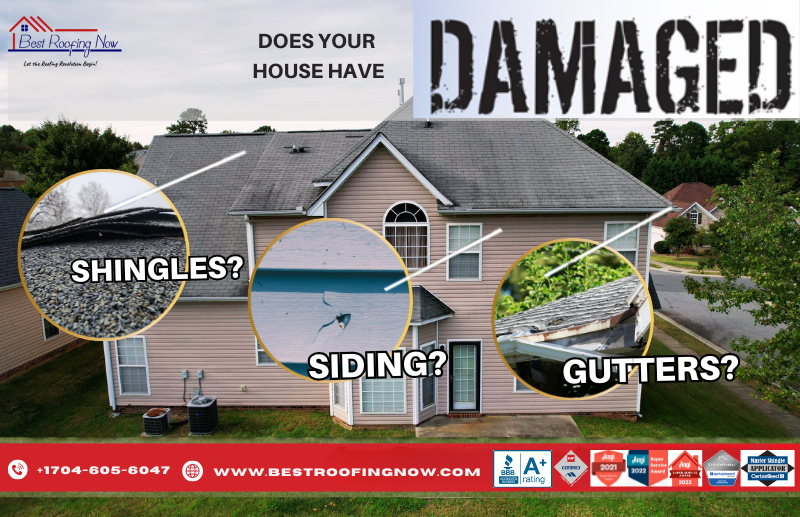
Grab your coffee. Walk around your house. And look for these 10 warning signs.
This one's obvious. But you'd be surprised how many people miss it.
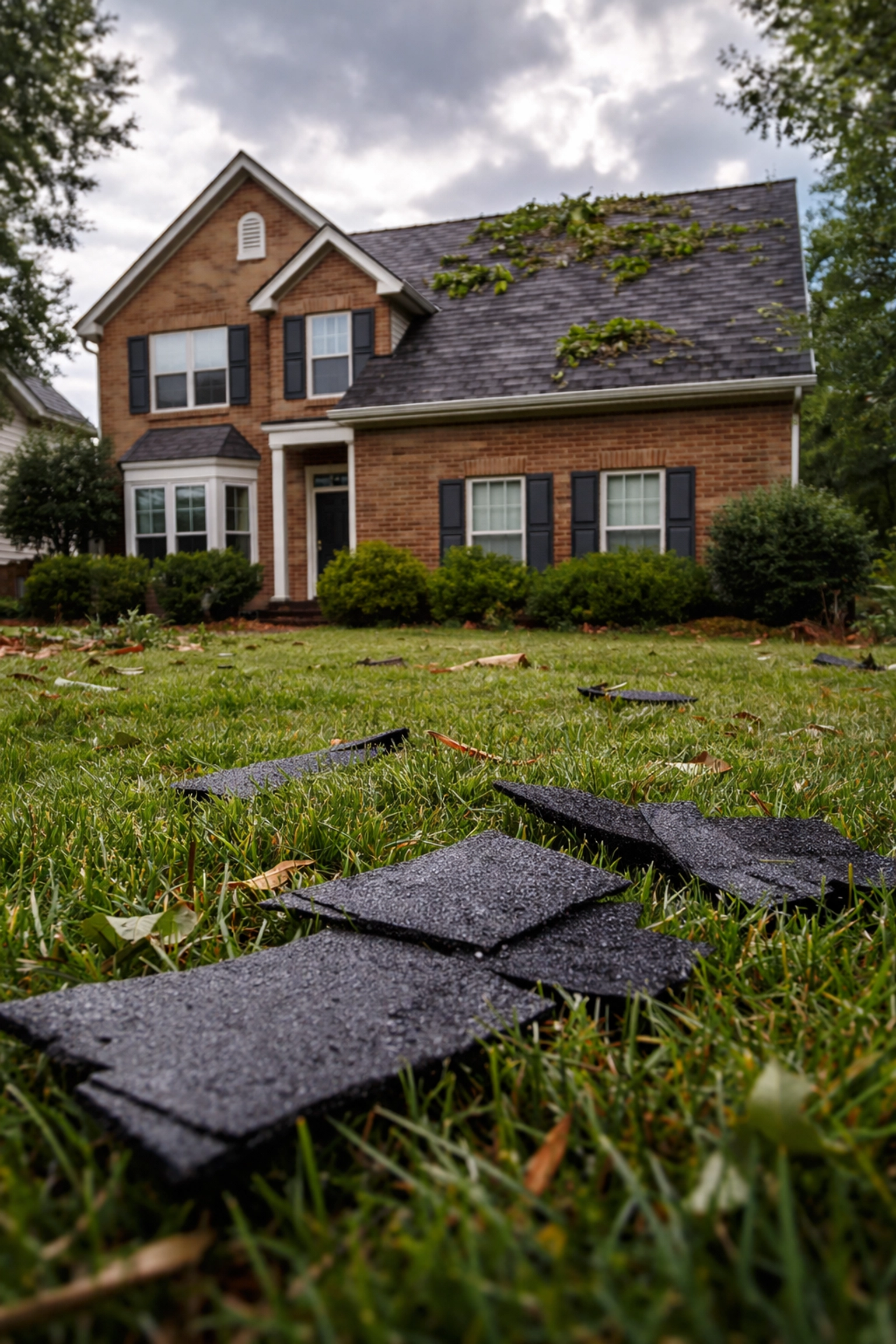
After a storm, take a slow walk around your entire yard. Look for shingle pieces in the grass, flower beds, and driveway. Check near your fence line too. Wind can carry shingles pretty far.
Why it matters: If shingles are on your lawn, they're not on your roof. That means exposed areas where water can get in. Even one missing shingle can lead to a leak within weeks.
Charlotte-specific note: Our summer storms bring serious wind gusts. We've seen 60+ MPH winds tear shingles off roofs that looked perfectly fine the day before. If you find shingle debris after a storm, don't wait to call.
Here's a subtle one that most homeowners miss.
Walk over to your downspouts. Look at the ground where water drains out. Do you see piles of what looks like coarse black sand? Those are granules from your shingles.
Now check your gutters if you can see inside them from the ground. Lots of granule buildup is a red flag.
Why it matters: Granules protect your shingles from UV rays and weather. When they wash off, your shingles age faster. Significant granule loss means your roof is losing its protective layer. It's like sunscreen washing off at the beach.
Pro tip: Some granule loss is normal on new roofs. But if your roof is more than 2-3 years old and you're seeing heavy granule deposits after rain? That's a sign of hail damage or aging shingles.
Stand in your driveway and look up. Can you see branches, leaves, or other debris sitting on your roof?
This is common after storms in the Lake Norman area. All those beautiful trees around Cornelius, Davidson, and Huntersville? They drop branches like crazy when the wind picks up.
Why it matters: Debris traps moisture against your shingles. It can also scratch and damage the surface. And large branches can crack shingles or puncture the roof deck entirely.
What to do: Don't climb up to remove debris yourself. Call a professional. We can safely clear debris and check for damage underneath.
This one takes a trained eye. But once you know what to look for, you'll spot it easily.
Stand at the street and look at your roofline. It should be straight and even. Now look for any areas that seem to dip, sag, or wave.
Why it matters: A sagging roofline often means structural damage. Water may have gotten into the roof deck and caused rotting. Or the support structure underneath has weakened.
Important: This is serious. If you see sagging, call immediately. Structural damage can lead to partial roof collapse in extreme cases. We've seen it happen after prolonged leak damage in older Charlotte homes.
Flashing is the metal material around chimneys, vents, and roof edges. It seals the gaps where different surfaces meet.
From your lawn, look at your chimney and any roof vents. Can you see metal that looks bent, rusted, or pulled away from the surface?
Why it matters: Flashing failures are one of the top causes of roof leaks. If the seal is broken, water goes straight into your home. We see this constantly after hail storms in the Charlotte metro area.
Lake Norman note: Waterfront homes around Lake Norman face extra wind exposure. That wind can lift and bend flashing over time. If you live in Mooresville, Denver, or along the lake, pay extra attention to your flashing.
Your gutters tell a story about your roof. Look at them from the ground.
Are they sagging? Pulling away from the house? Overflowing during light rain?
Why it matters: Sagging gutters can mean they're full of debris and heavy granule buildup. Gutters that overflow during light rain suggest blockages. Both point to potential roof issues.
The connection: When gutters fail, water doesn't drain properly. It backs up under your shingles. That causes rot and leaks along your roof edge. We call this area the "drip edge," and it's a common failure point.
Related reading: Check out our step-by-step guide to gutter maintenance for more tips.
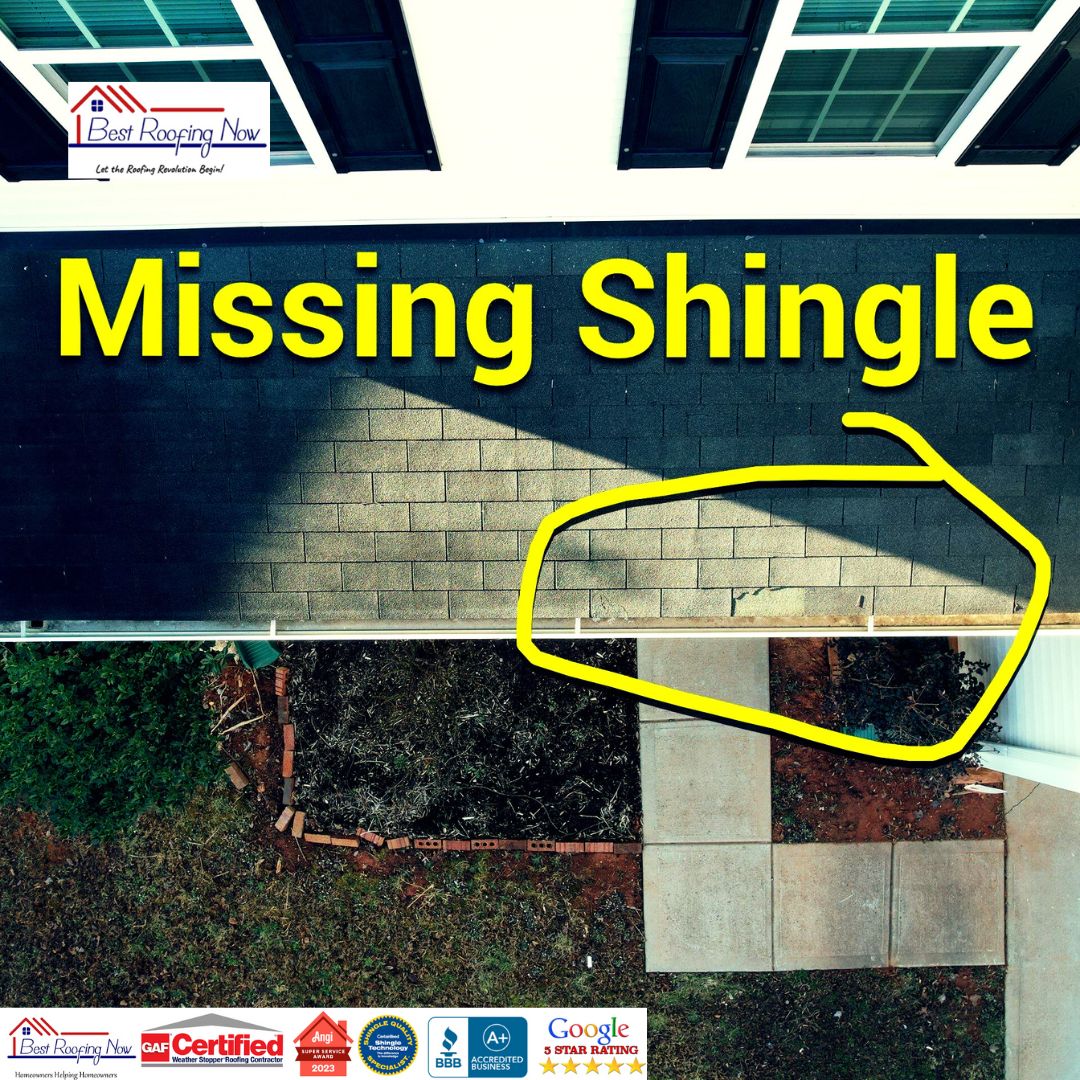
The soffit is the material under your roof overhang. The fascia is the board that runs along the roof edge where gutters attach.
Look up at these areas from your lawn. Do you see peeling paint? Holes? Rot? Discoloration?
Why it matters: Damaged soffit and fascia often signal water damage from above. If water is getting behind these areas, it's probably getting into your roof structure too.
Charlotte weather factor: Our humid summers are brutal on wood fascia. Moisture accelerates rot. If you see soft spots or peeling paint, that's a warning sign.
This one surprises people. But it's a reliable indicator.
Look at your exterior walls, especially below the roofline and around windows. Do you see dark streaks? Brown stains? Discoloration?
Why it matters: Stains on exterior walls can mean water is running where it shouldn't. This might be a gutter problem, flashing failure, or shingle damage above.
What to check: Follow the stain up with your eyes. Try to trace where the water might be coming from. This helps us pinpoint the problem during a professional inspection.
Here's an indirect sign that most people overlook.
After a hail storm, check your car, air conditioning unit, mailbox, and outdoor furniture. Do you see dents or dings?
Why it matters: If hail damaged your car, it probably damaged your roof too. Hail hits everything equally. Your roof just can't tell you about it like your car can.
Insurance tip: Take photos of any hail damage to outdoor items. This documentation supports your insurance claim for roof repairs. According to the Insurance Information Institute, hail causes over $1 billion in damage to US homes annually.
Charlotte hail history: We get hit by hail storms more than most people realize. The Charlotte metro area typically sees 3-5 significant hail events per year. Each one can damage roofs without obvious visible signs from the ground.
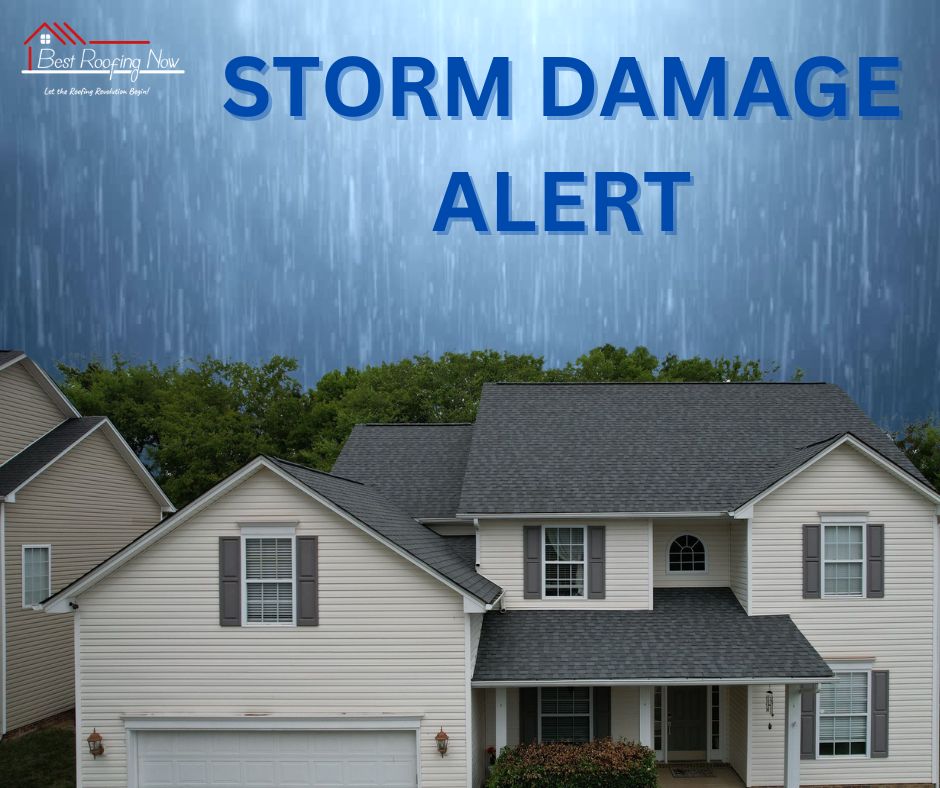
Finally, look at your landscaping. Are shrubs beaten down? Are leaves shredded? Do you see broken branches throughout your yard?
Why it matters: Storm damage to vegetation indicates the intensity of what hit your property. If the storm beat up your plants, it probably beat up your roof too.
The science: Hail and wind affect everything on your property. Damaged landscaping is your clue that an inspection is needed: even if you can't see obvious roof damage from the ground.
Found one or more of these signs? Here's your action plan.
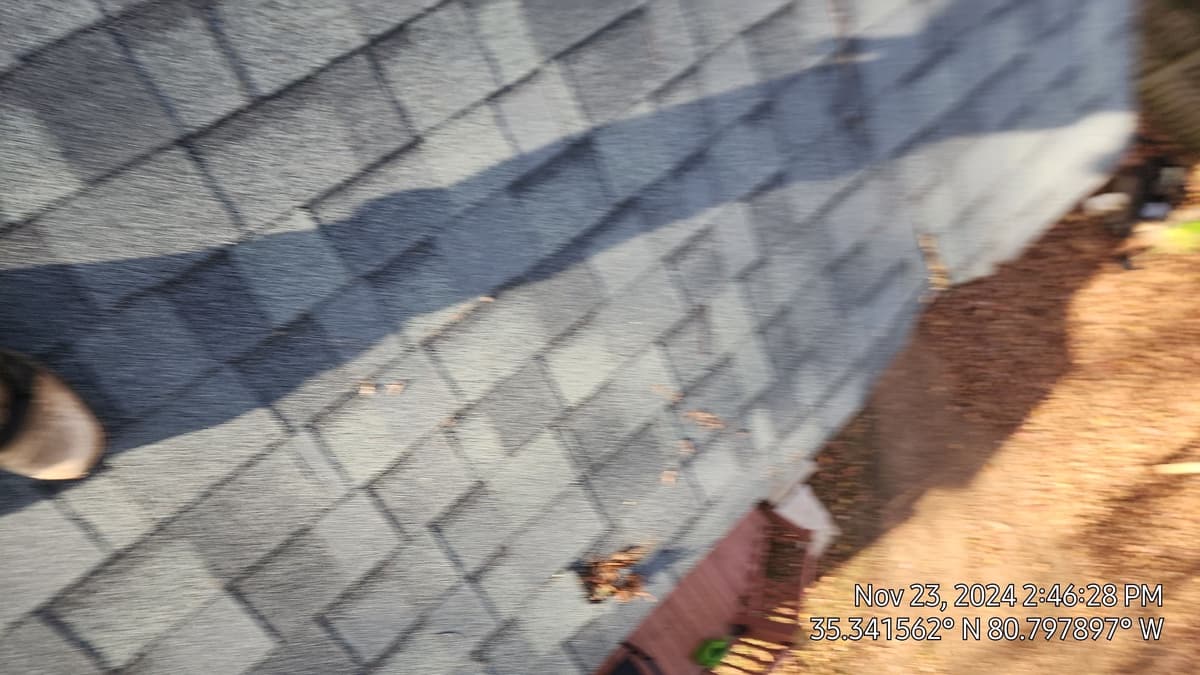
Step 1: Document everything. Take photos with your phone. Make sure location services are on so the photos are timestamped and geotagged. This helps with insurance claims later.
Step 2: Don't climb the roof. We can't stress this enough. Leave the close inspection to professionals with proper safety equipment.
Step 3: Call for a professional inspection. A trained eye catches things you'll miss. And we can safely access areas you can't.
Step 4: Contact your insurance company. If you suspect storm damage, report it promptly. Most policies require timely notification.
Related guide: For more on what to do after storm damage, read our emergency roof repair guide.
You might wonder: "If I can see these signs from the ground, why do I need a professional?"
Great question. Here's the truth.
Ground-level inspection is your early warning system. It tells you something might be wrong. But it can't tell you the full story.
What you miss from the ground:
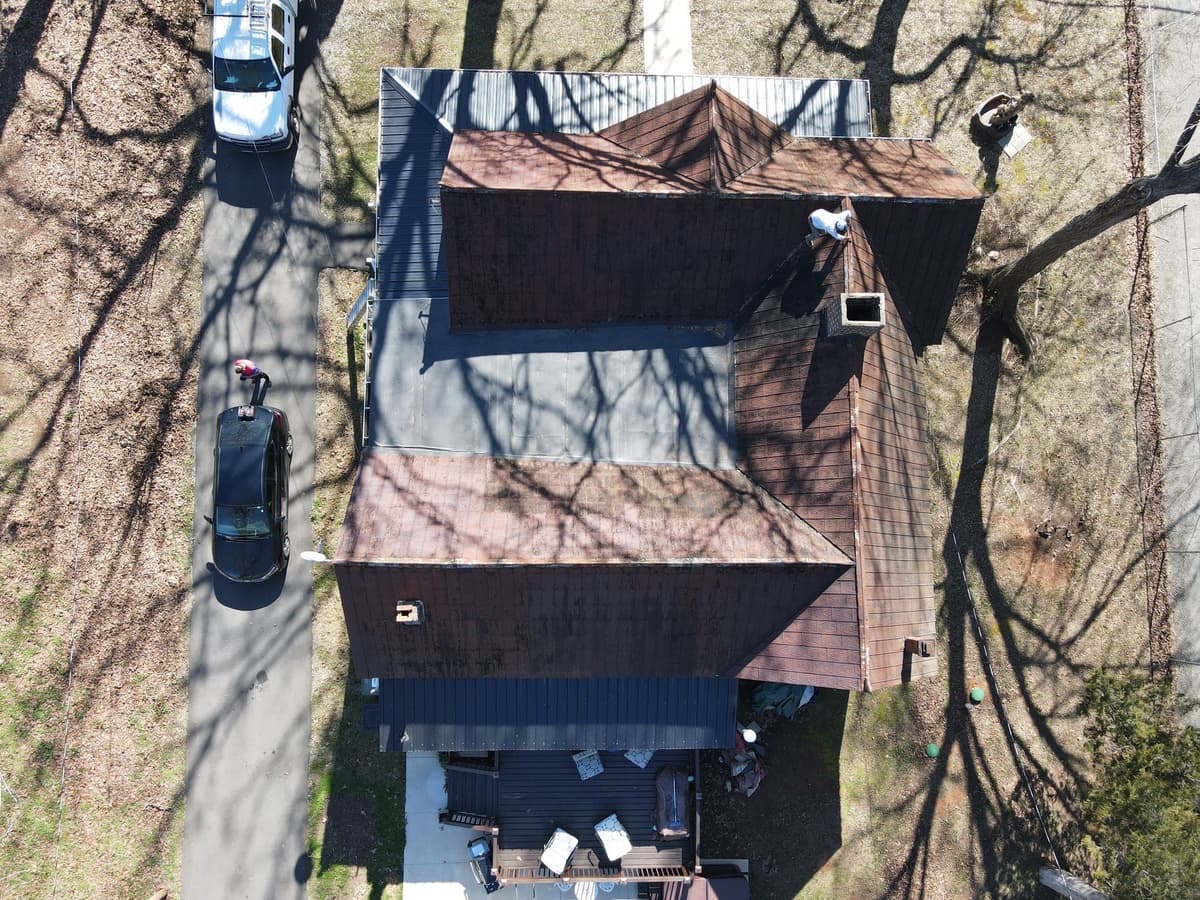
We use drone photography to see hard-to-reach areas. We walk the roof safely with proper fall protection. We check the attic for water stains and daylight coming through. We look at every detail.
Expert insight: The National Roofing Contractors Association states that "many roof problems are not visible to the untrained eye or from ground level." They recommend professional inspections after any significant weather event.
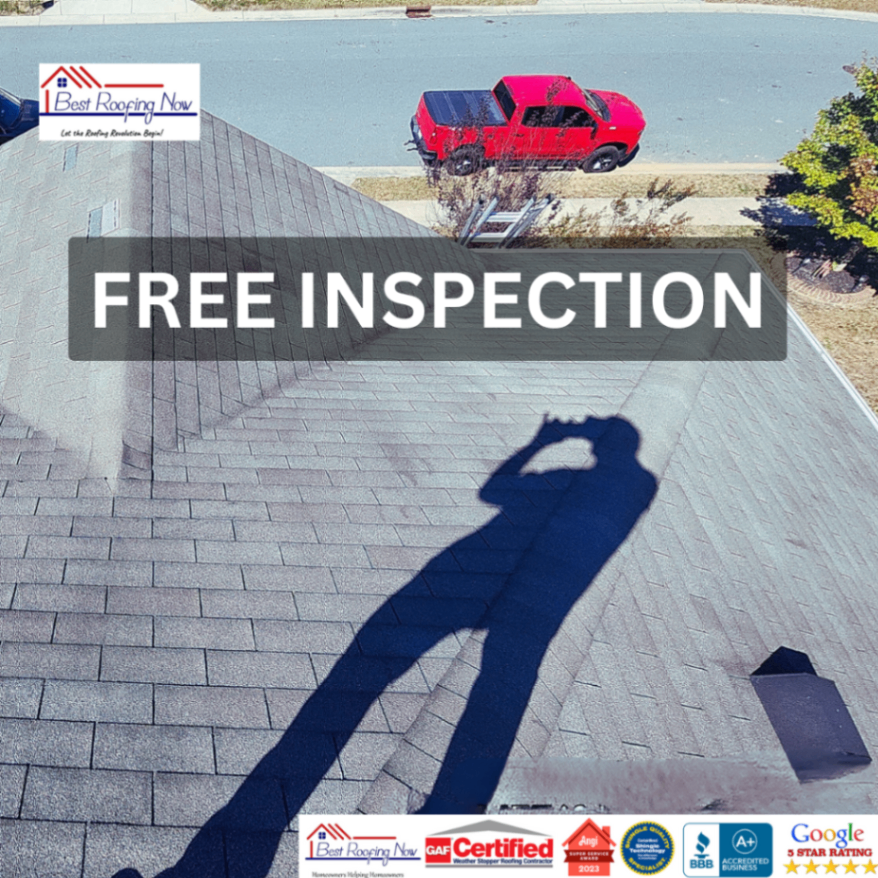
At Best Roofing Now, we offer free storm damage inspections for Charlotte and Lake Norman homeowners. Here's what that includes:
We're not here to sell you a roof you don't need. We're here to give you the facts so you can make informed decisions.
We serve: Charlotte, Huntersville, Cornelius, Davidson, Mooresville, Denver, Concord, Matthews, Mint Hill, and all Lake Norman communities.
Ready to schedule? Call us at (704) 605-6047 or visit bestroofingnow.com to request your free inspection online.
Don't wait until that small problem becomes a big leak. One quick call today could save you thousands tomorrow.
✅ Walk your entire yard looking for shingle pieces
✅ Check downspout areas for granule buildup
✅ Look for debris sitting on your roof
✅ Stand at the street and check for roofline sagging
✅ Inspect visible flashing around chimneys and vents
✅ Examine gutters for sagging or overflow signs
✅ Look at soffit and fascia for damage or rot
✅ Check exterior walls for water stains
✅ Inspect outdoor items for hail dents
✅ Survey landscaping for storm damage indicators
Spotted something concerning? Call Best Roofing Now at (704) 605-6047 for your free inspection. We'll take it from there.
Best Roofing Now
Charlotte's trusted roofing experts since 2019
Based on this article, you may be interested in these services.
We proudly serve these Charlotte-area communities with professional roofing services.
View All Service Areas →See our recent roofing work across the Charlotte metro area.
Charlotte, NC
new roof
Charlotte, NC
new roof
Charlotte, NC
completed exterior
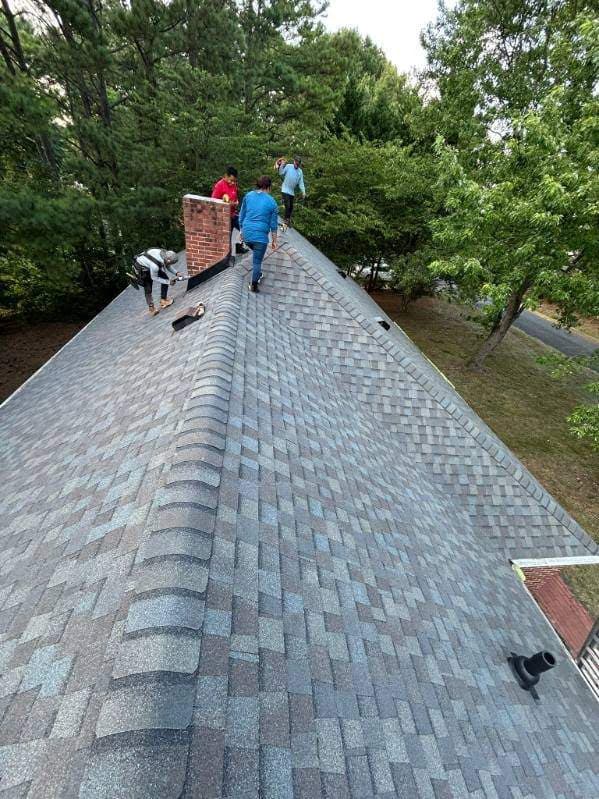
Charlotte, NC
new roof
Get a free roof inspection and honest assessment from Charlotte's most trusted roofing company.


