
Roofing Tips & Guides
Expert Roofing Advice for Charlotte Homeowners
Learn from Charlotte's trusted roofing experts. Tips on maintenance, repair, replacement, and protecting your home from the elements.
Leak or wind damage from Isaias? 24/7 emergency tarping, free storm-damage inspections and insurance-claim help.
Learn from Charlotte's trusted roofing experts. Tips on maintenance, repair, replacement, and protecting your home from the elements.
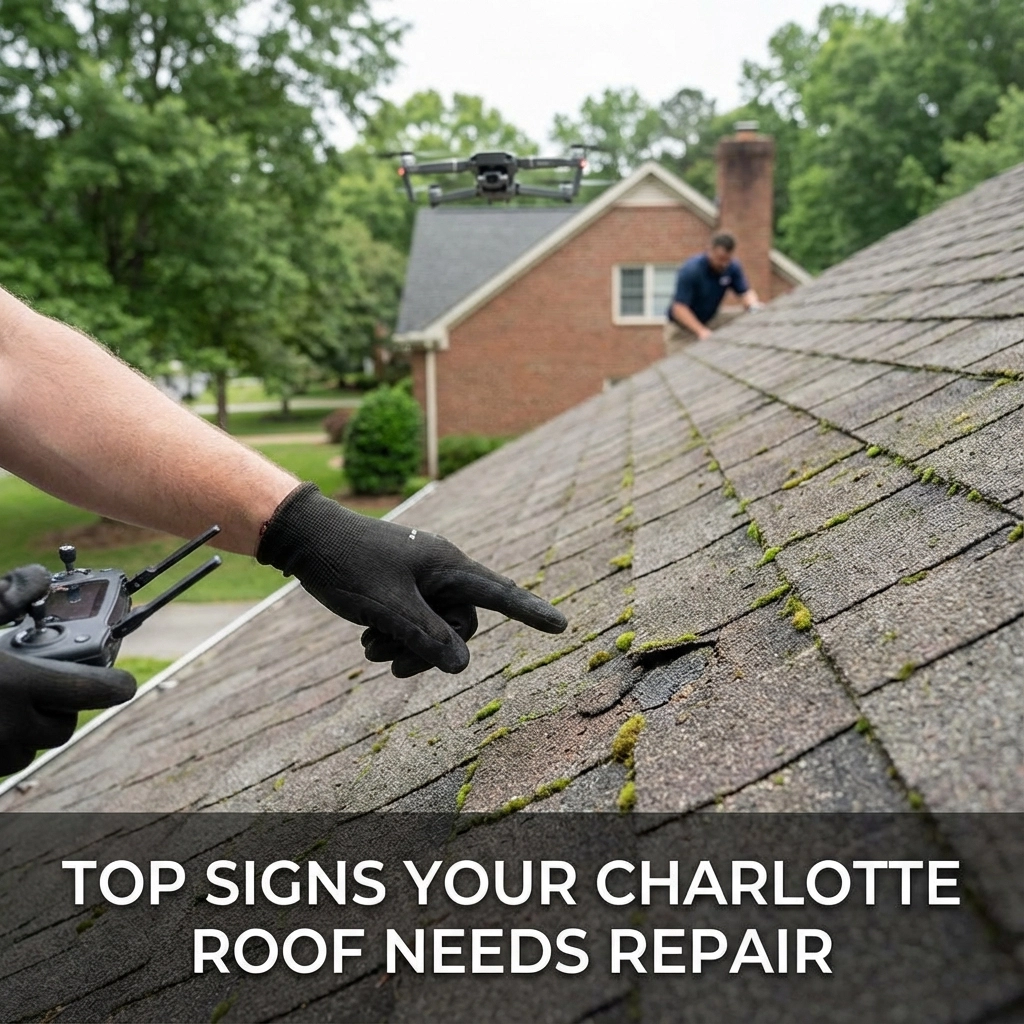
Your roof works 24/7 to protect your Charlotte home from our unpredictable North Carolina weather. From summer thunderstorms to winter ice, your roof takes a beating. But how do you know when normal wear crosses into emergency territory?
After two decades in the roofing business here in Charlotte, I've seen what happens when homeowners wait too long. Small problems become big problems. Big problems become expensive disasters.
Let me walk you through the warning signs that demand immediate attention. Some can wait for your next scheduled maintenance. Others need action today.
Water is your roof's biggest enemy. And it's sneaky.
Brown spots on your ceiling are red flags. If you see water stains bigger than an orange, don't wait. That's not a weekend project – it's an emergency. The water you see inside has already done damage you can't see in your walls and insulation.
I remember inspecting a beautiful home in Dilworth last spring. The homeowner called about a "small" brown spot in their living room. By the time we got up there, we found rotted decking, soaked insulation, and mold starting to grow. What started as a $300 shingle repair became a $8,000 restoration project.
Standing water on your roof is trouble. Your roof should shed water, not hold it. Puddles that stick around after rain mean your drainage system isn't working. This puts serious stress on your roof structure.
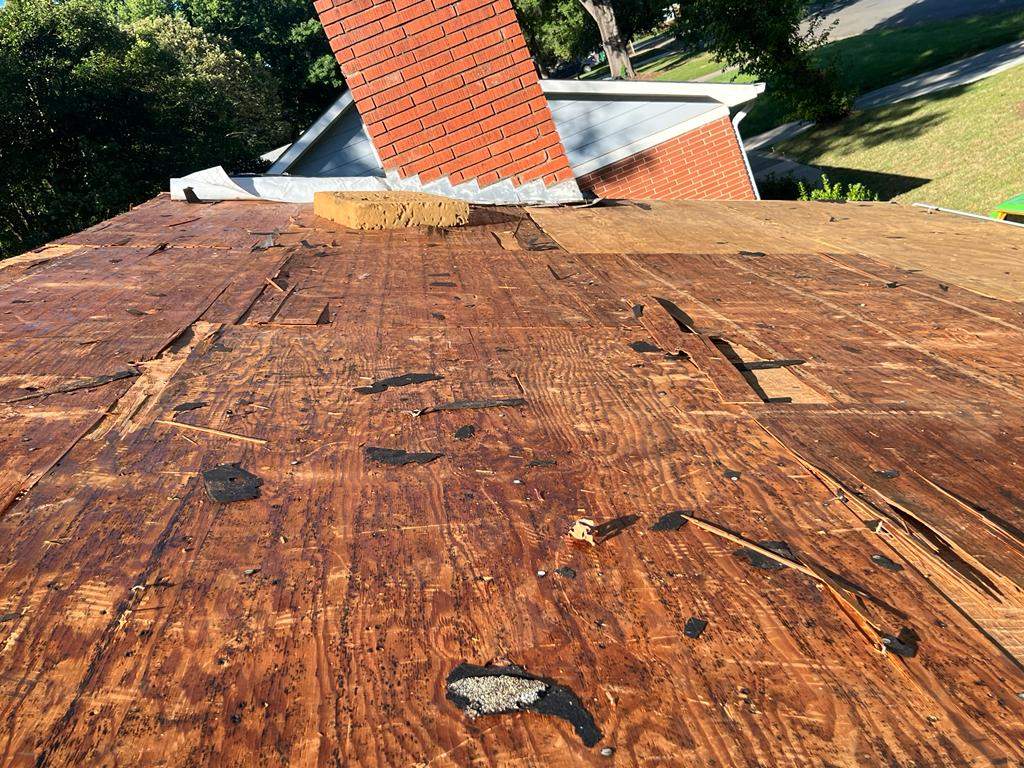
Check your attic regularly. Grab a flashlight and look up. If you see any light coming through your roof boards, water can get through too. If you find wet insulation, damp wood, or that musty smell, call a professional immediately.
Here's what many Charlotte homeowners don't realize: our humidity makes water damage worse. That small leak becomes a mold factory fast in our climate.
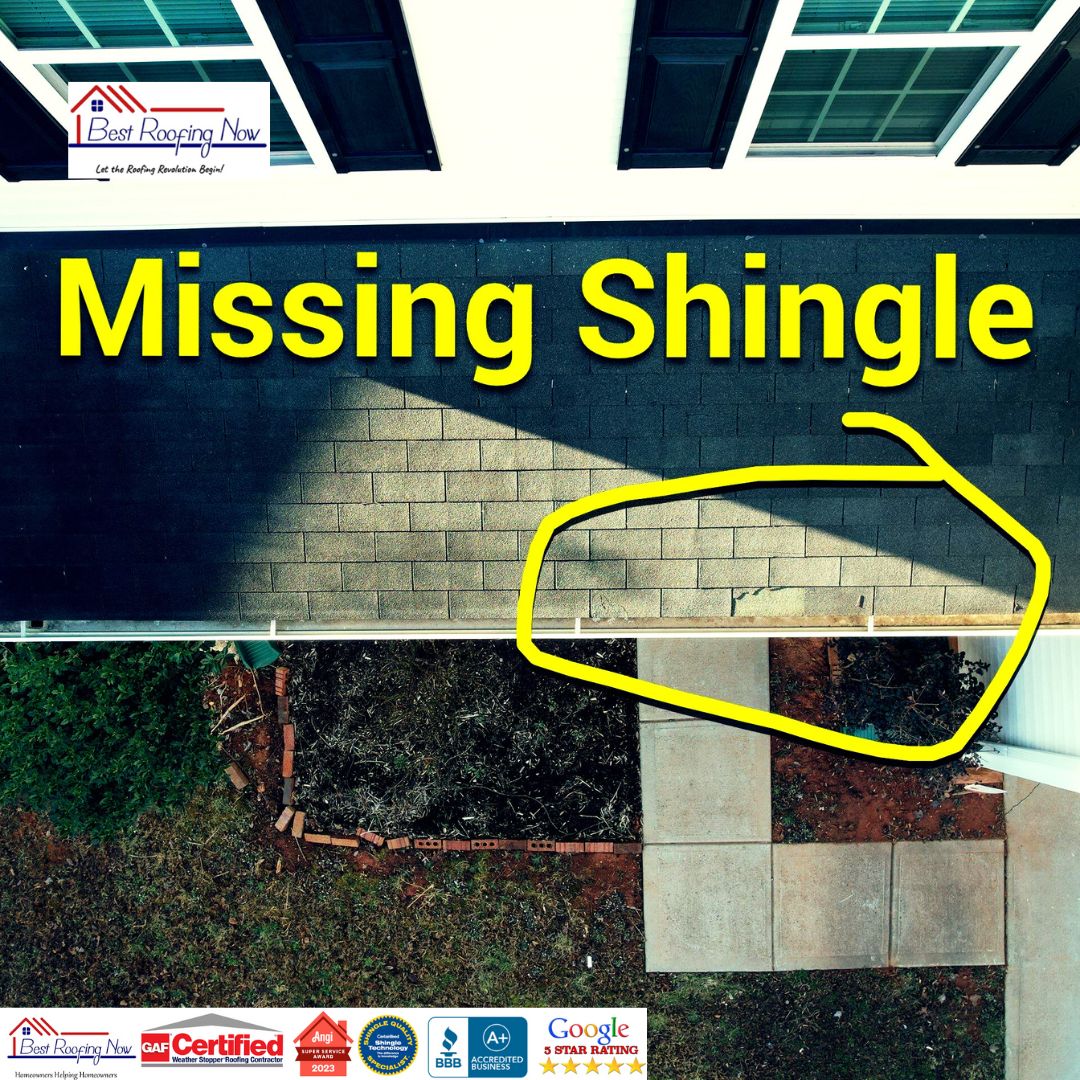
Your shingles are like armor for your home. When pieces go missing, you're exposed.
Walk around your property after storms. Look for shingles in your yard, driveway, or gutters. Charlotte gets some serious wind during storm season. I've seen perfectly good roofs lose dozens of shingles in one afternoon.
Curling, cracking, and buckling shingles are warning signs. These happen naturally as shingles age. But they also happen fast when shingles get damaged. Curled shingles catch wind like sails. Cracked shingles let water through.
Here's what to look for:
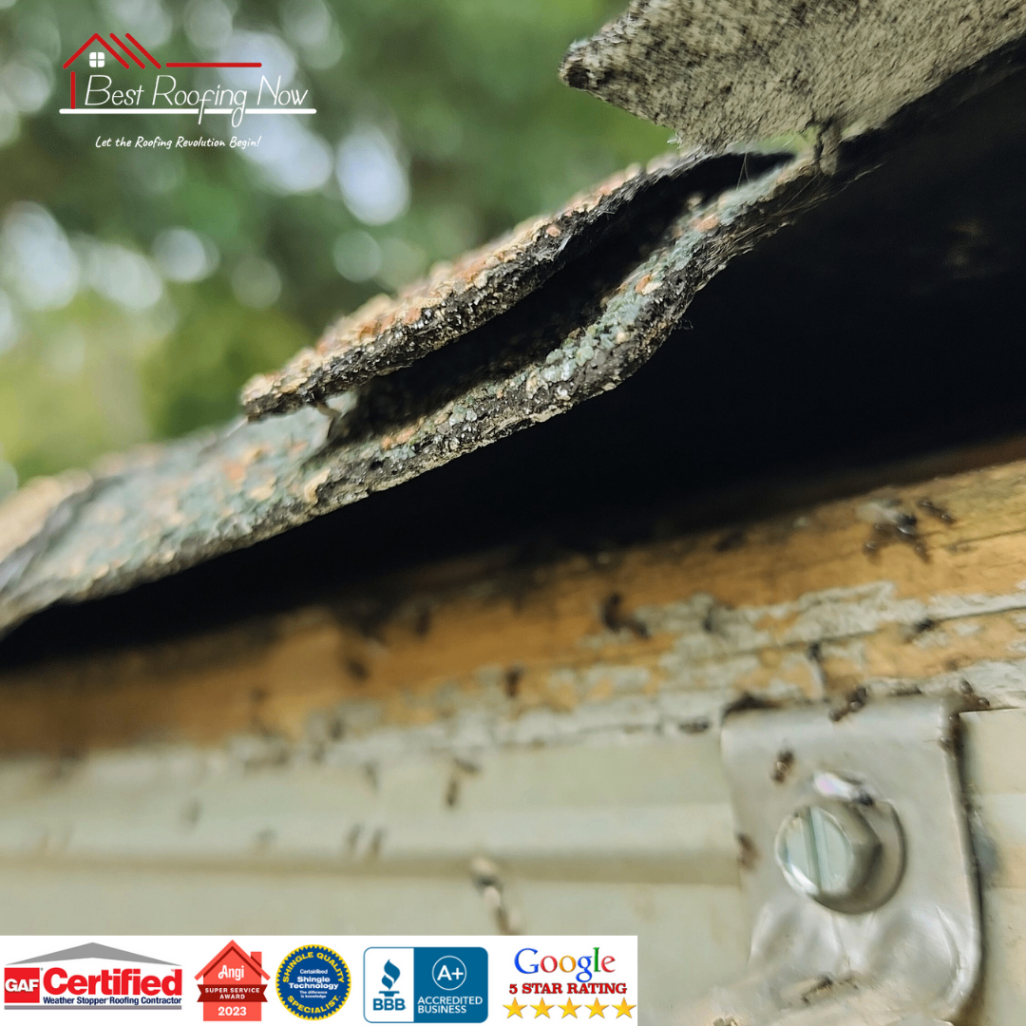
Don't ignore small shingle damage. I tell my customers this all the time – fix three damaged shingles today, or replace 300 next year. Charlotte's weather doesn't give damaged shingles time to heal.
Charlotte sits right in the path of some serious weather. Hail, wind, and falling trees don't mess around.
Hail damage isn't always obvious. Small hail might just knock granules loose. Large hail can crack shingles or even puncture them. After any hail storm, have your roof inspected. Insurance companies often cover hail damage, but you have to catch it early.
Tree damage needs immediate attention. Even small branches can puncture shingles or damage gutters. Large tree damage is obviously an emergency. But don't assume a small branch that "just brushed" your roof is harmless.
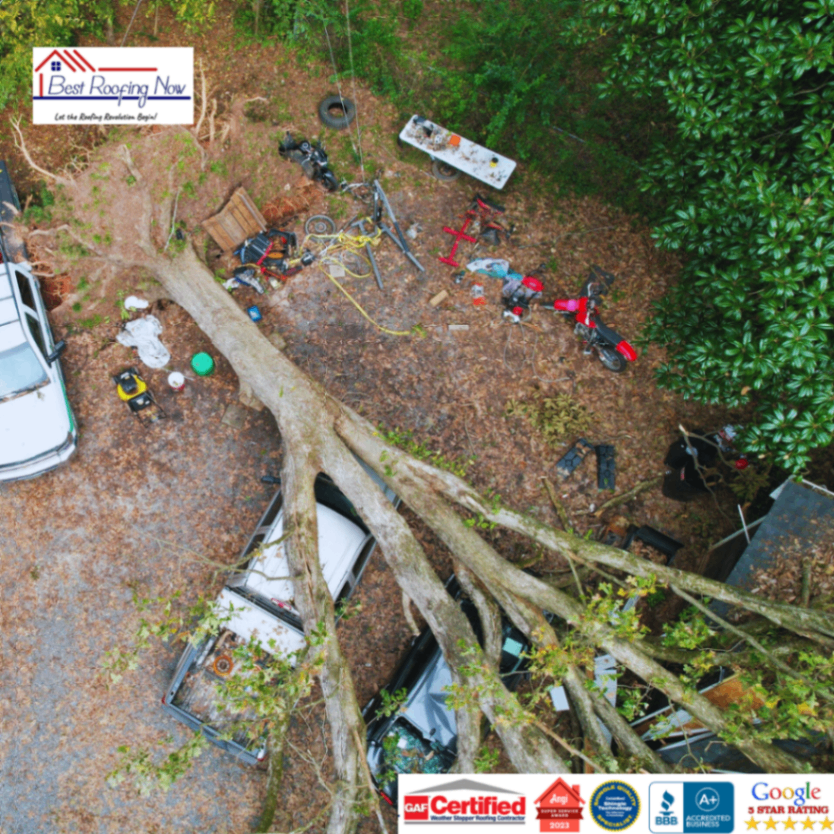
Last summer, we got called to a home in Cornelius after a storm. The homeowner said a "small branch" hit their roof. When we got up there, that small branch had cracked the ridge vent and loosened a dozen shingles. The repair was quick and covered by insurance. But if they'd waited, wind would have torn those loose shingles off completely.
Wind damage adds up over time. You might not lose shingles in every windstorm. But repeated lifting and settling weakens the nails holding everything down. After a big storm, look for:
Flashing is the metal or rubber material that seals joints on your roof. Around chimneys, vents, skylights, and where roof planes meet. It's also where most leaks start.
Rust spots and cracked caulk around flashing mean trouble. Metal flashing rusts. Rubber flashing cracks. Both let water through when they fail. If you see rust stains running down from flashing, or if the caulk looks cracked or missing, get it fixed.
Missing or damaged step flashing is serious. Step flashing runs along the sides of chimneys and dormers. It's usually hidden under shingles. But if pieces come loose or get damaged, water flows right into your walls.
I've seen beautiful brick homes in Myers Park with thousands of dollars in interior damage because $200 worth of step flashing failed. The homeowners had no idea anything was wrong until water started showing up in their bedroom ceiling.
Even good roofs wear out. Here in Charlotte, asphalt shingles typically last 20-25 years. But our sun, heat, and storms can shorten that timeline.
Widespread granule loss means your roof is aging out. Some granule loss is normal. But if your gutters are constantly full of granules, or if large areas of your shingles look bald, you're in the danger zone.
Multiple small problems happening at once. When your roof starts failing, it rarely fails all at once. Instead, you'll see several small issues pop up over a short period. A few loose shingles here. A small leak there. Some damaged flashing over there.
This is your roof telling you it's time for replacement, not just repairs.
Not every roof problem is an emergency. But some definitely are.
Call immediately for:
Schedule routine service for:
When in doubt, call and describe what you're seeing. A good roofing company will tell you honestly whether it's urgent or can wait.
If you've found signs of roof damage, here's your action plan:
First, document everything. Take photos of any damage you can see from the ground. Note the date and what caused it (storm, wind, etc.). Your insurance company will want this information.
For active leaks, minimize the damage. Put buckets under dripping water. Move valuables away from wet areas. If it's safe and you know how, you can put a tarp over damaged areas from the outside. But don't take risks – let professionals handle dangerous repairs.
Turn off electricity to wet areas. Water and electrical wiring don't mix. If you see water near outlets, switches, or light fixtures, shut off power to that area and call an electrician along with your roofer.
Call your insurance company. Many types of roof damage are covered by homeowners insurance. The sooner you report it, the better. But get your roof inspected by a professional first – you'll need their assessment for your claim.
Your roof protects everything you value most. When it shows signs of trouble, quick action saves money and prevents bigger problems.
At Best Roofing Now, we've been helping Charlotte homeowners protect their investments for over 20 years. We know which problems can wait and which ones can't. We know how to work with insurance companies. And we know how to fix things right the first time.
If you're seeing any of these warning signs, don't guess about whether it's serious. Get a professional inspection. We offer free assessments because we believe homeowners should have the information they need to make good decisions.
Ready to protect your home? Call Best Roofing Now today at (704) 659-8864 for your free roof inspection. We'll tell you exactly what needs attention and what can wait. Your roof – and your wallet – will thank you.
Best Roofing Now
Charlotte's trusted roofing experts since 2019
Based on this article, you may be interested in these services.
We proudly serve these Charlotte-area communities with professional roofing services.
View All Service Areas →See our recent roofing work across the Charlotte metro area.
Charlotte, NC
completed exterior
Charlotte, NC
new roof
Charlotte, NC
work in progress
Charlotte, NC
before after
Get a free roof inspection and honest assessment from Charlotte's most trusted roofing company.


