
Roofing Tips & Guides
Expert Roofing Advice for Charlotte Homeowners
Learn from Charlotte's trusted roofing experts. Tips on maintenance, repair, replacement, and protecting your home from the elements.
Leak or wind damage from Isaias? 24/7 emergency tarping, free storm-damage inspections and insurance-claim help.
Learn from Charlotte's trusted roofing experts. Tips on maintenance, repair, replacement, and protecting your home from the elements.
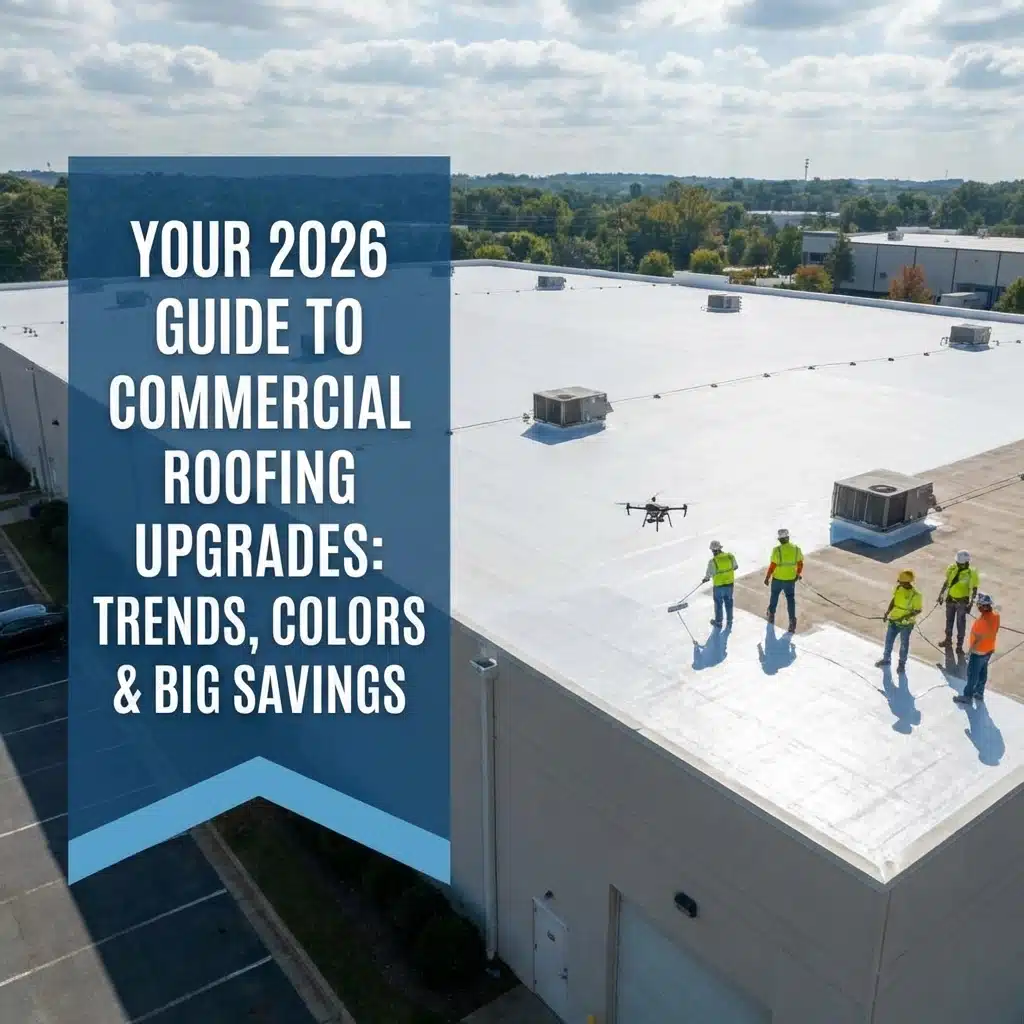
The commercial roofing game is changing fast, and 2026 is shaping up to be the year that separates the forward-thinking Charlotte business owners from those stuck with yesterday's problems. With the commercial roofing market hitting $14.2 billion and growing at 6.1% annually, there's never been a better time to understand what's coming next.
I've been working with Charlotte businesses for years, watching them struggle with energy bills that climb every summer and roofs that seem to need constant attention. But here's what excites me about 2026: the technology and materials coming online aren't just better – they're game-changers that'll actually put money back in your pocket.
Whether you're managing a warehouse in NorthLake, running a retail space in South End, or overseeing an office complex in Ballantyne, this guide breaks down exactly what you need to know about the trends that'll dominate 2026. And more importantly, how they'll help your bottom line.
Commercial buildings eat up 40% of America's total energy consumption. That's a staggering number, and Charlotte business owners feel it every month when those power bills arrive. The good news? The roofing industry has finally cracked the code on materials that fight back against our brutal Carolina summers.
Cool roofing systems are leading the charge, and we're not talking about minor improvements here. In climates similar to Charlotte's, these reflective systems are cutting energy consumption by 30-43%. That's real money staying in your business instead of going to Duke Energy.
The science is pretty straightforward: traditional dark roofs absorb heat like a sponge, forcing your HVAC system to work overtime. Cool roofing materials reflect that heat away from your building, keeping indoor temperatures more stable and reducing the strain on your cooling system.
Here's what I'm seeing work best for Charlotte businesses:
White TPO membranes are becoming the gold standard for flat commercial roofs. They reflect heat exceptionally well and hold up against our occasional severe weather. Plus, they're cost-effective to install and maintain.
Reflective coatings over existing roofs can transform an energy-wasting surface into a heat-reflecting shield. This option works especially well for businesses that need to extend their roof's life while immediately cutting energy costs.
High-albedo materials that reflect not just visible light but near-infrared radiation. These materials stay cooler even on the hottest July days when Charlotte temperatures hit the mid-90s.
The energy savings start immediately, but the long-term benefits really add up. Less heat stress on your roof means fewer repairs, longer lifespan, and more predictable maintenance costs.

The days of waiting for leaks to show up as water stains on your ceiling are ending. Smart roofing technology is transforming how we monitor, maintain, and manage commercial roofs, and Charlotte businesses are perfectly positioned to take advantage.
IoT sensors embedded in roofing systems can detect moisture infiltration before it becomes visible damage. These systems connect to your building management platform, sending real-time alerts about potential issues. Imagine getting a text alert about a small problem that costs $200 to fix instead of discovering a major leak that requires $20,000 in repairs and lost business time.
I've installed several of these systems for Charlotte businesses, and the feedback is consistently positive. Building managers love having detailed data about their roof's condition, and maintenance teams can schedule preventive work during convenient times instead of scrambling to handle emergencies.
The monitoring systems track:
For businesses with multiple locations around Charlotte, centralized monitoring means you can oversee all your properties from a single dashboard. That's especially valuable for retail chains, restaurant groups, and property management companies.
But here's the real advantage: predictive maintenance. Instead of replacing roofs on a calendar schedule or waiting for failures, smart systems help you make data-driven decisions about when and where to invest maintenance dollars.
Flat roofs are having a moment, and it's not hard to understand why. For Charlotte's commercial landscape – from the manufacturing facilities near Charlotte Douglas Airport to the office complexes in University area – flat roofs offer practical advantages that traditional sloped roofs simply can't match.
The flexibility factor is huge. Need to install new HVAC equipment? Solar panels? Satellite dishes? Flat roofs make these additions straightforward and cost-effective. The installation crews have safe, stable work surfaces, and the equipment sits securely without complex mounting systems.
Modern flat roofing materials have solved the durability concerns that gave flat roofs a bad reputation. Today's single-ply membranes – TPO, EPDM, and PVC – are engineered to handle Charlotte's weather extremes while providing decades of reliable service.
TPO (Thermoplastic Polyolefin) leads the pack for most Charlotte commercial applications. The white reflective surface handles our summer heat beautifully, and the material resists tears, punctures, and chemical exposure. Installation is relatively quick, which means less disruption to your business operations.
EPDM (Ethylene Propylene Diene Monomer) rubber membranes work exceptionally well for businesses that need chemical resistance or have equipment that might damage other materials. The black surface absorbs heat, but newer formulations include reflective coatings that minimize this concern.
PVC membranes shine in applications where chemical resistance is critical. Restaurants, manufacturing facilities, and buildings with specialized ventilation systems often benefit from PVC's superior chemical resistance and welded seams.

The green roofing market has hit $2.62 billion globally, and Charlotte businesses are starting to understand why. Beyond the environmental benefits, green roofs deliver practical advantages that improve your building's performance and your bottom line.
Modern green roofing systems are far from the high-maintenance gardens that property managers feared. Today's systems include built-in irrigation, lightweight growing media, and plant selections that thrive in Charlotte's climate with minimal intervention.
The water management benefits alone make green roofs worth considering for many Charlotte properties. These systems can absorb up to 65% of rainwater, reducing stormwater runoff and potentially lowering your stormwater management fees. With Charlotte's increasing focus on stormwater management, this benefit will likely become more valuable over time.
The insulation value of green roofs helps year-round. The growing medium and plants provide additional thermal mass that stabilizes indoor temperatures, reducing both heating and cooling costs. In Charlotte's climate, where we need both heating and cooling throughout the year, this dual benefit maximizes your investment.
For businesses focused on sustainability and corporate responsibility, green roofs provide tangible evidence of environmental commitment. They help with LEED certification, improve air quality around your building, and create pleasant outdoor spaces that can enhance employee satisfaction.
Solar adoption is accelerating rapidly, with U.S. cumulative solar capacity reaching 178 gigawatts in 2024. Smart business owners are designing their roof upgrades to accommodate solar panels from day one, avoiding costly retrofits down the road.
The key is planning during the initial roofing project. Solar-ready roofs include:
Charlotte's solar incentives make this planning even more valuable. The combination of federal tax credits, state programs, and Duke Energy's solar rebates can significantly offset both roofing and solar installation costs when planned together.
I'm also seeing interest in integrated solar membranes – materials that function as both roofing and power generation. While still emerging, these products could revolutionize commercial roofing by eliminating the need for separate roofing and solar installations.
The mounting technology is getting better too. Newer systems distribute weight more evenly, require fewer roof penetrations, and install faster than traditional methods. This means less disruption to your building's weather barrier and lower installation costs.
Commercial roofing color choices used to be simple: black, white, or gray. But 2026 is bringing a broader palette that balances performance with aesthetics, especially important for businesses where roof visibility affects curb appeal.
Earth tones are trending strongly, with warm browns, deep grays, and muted greens becoming popular choices. These colors work well with Charlotte's architectural styles while still providing good heat reflection when formulated properly.
Matte finishes are replacing glossy surfaces in many applications. They reduce glare, look more sophisticated, and tend to hide minor imperfections better than high-gloss materials.
For flat commercial roofs, white and light gray TPO and PVC membranes remain the practical choice for most Charlotte businesses. They maximize energy efficiency and meet building code requirements for reflectance. But even these utilitarian materials are getting design upgrades with textured surfaces and subtle color variations.
The key is balancing aesthetics with performance. A beautiful roof that drives up your energy bills isn't a good investment. Work with contractors who understand both the visual and functional requirements of your project.

Let's talk numbers, because that's what matters for your business. The upfront cost of upgrading your commercial roof is significant, but the savings opportunities in 2026 make these investments increasingly attractive.
Energy Bill Reduction delivers immediate and ongoing savings. Cool roofing systems that cut energy consumption by 30-43% translate to real monthly savings. For a typical 50,000 square foot Charlotte commercial building, that could mean $15,000-25,000 in annual energy savings.
Extended Roof Lifespan means lower total cost of ownership. Energy-efficient materials experience less thermal stress, which reduces expansion and contraction cycles that cause premature aging. A roof that lasts 25 years instead of 15 years provides enormous value over time.
Reduced Maintenance Costs come from better materials and smart monitoring systems. Early detection prevents minor issues from becoming major problems, and modern materials simply require less frequent attention.
Tax Incentives and Rebates can offset significant portions of your upgrade costs. Federal energy efficiency tax credits, state rebates, and local utility programs stack up to reduce your net investment. LEED certification opens additional incentive opportunities.
Insurance Premium Reductions reflect the lower risk profile of modern commercial roofing systems. Impact-resistant materials, improved water management, and smart monitoring systems all contribute to lower insurance costs.
Preventive Maintenance Contracts with smart roofing systems cost less than reactive maintenance approaches. Contractors can offer more competitive pricing when they can predict and prevent problems instead of responding to emergencies.
Charlotte's climate and building environment create specific opportunities and challenges for commercial roofing upgrades. Understanding these local factors helps you make smarter investment decisions.
Our summer temperatures regularly hit the mid-90s with high humidity, making cooling costs a major concern for most commercial buildings. Energy-efficient roofing delivers maximum value in our climate because cooling loads dominate annual energy consumption.
Severe weather events, while not as frequent as in other parts of the Southeast, do occur. The smart roofing monitoring systems provide valuable early warning for storm damage, helping you respond quickly to prevent secondary damage.
Charlotte's rapid growth means many commercial buildings are aging infrastructure in need of updates. This creates opportunities to upgrade entire building systems – roofing, HVAC, electrical, and solar – in coordinated projects that maximize efficiency and minimize disruption.
Local building codes and zoning requirements affect roofing choices, especially for businesses in historic districts or areas with specific architectural requirements. Understanding these constraints early in the planning process prevents costly design changes.
The skilled labor shortage affecting construction nationwide is present in Charlotte too. Advanced materials and systems that install faster and require less specialized labor help control project costs and timelines.
The convergence of better materials, smarter technology, and attractive financial incentives makes 2026 an ideal time for commercial roofing upgrades. But success requires careful planning and the right partners.
Start with a comprehensive assessment of your current roof's condition, your building's energy performance, and your business's long-term facility needs. This analysis should consider not just the roof itself, but how roofing upgrades integrate with other building improvements.
Work with contractors who understand both the technical and financial aspects of modern commercial roofing. The best projects coordinate roofing, energy efficiency, and technology upgrades to maximize your total return on investment.
Consider the timing carefully. Many businesses benefit from scheduling upgrades during slower periods when building disruption has less impact on operations. Planning ahead also allows you to take advantage of seasonal pricing and contractor availability.
Don't overlook the financing options available for energy-efficient commercial roofing. Many programs offer attractive terms that allow upgrades to pay for themselves through energy savings.
The commercial roofing industry is evolving rapidly, and businesses that adapt early gain competitive advantages. Lower operating costs, better building performance, and reduced maintenance headaches all contribute to stronger bottom lines.
Your commercial roof represents a significant investment in your business's future. Make it count by understanding the trends, technologies, and opportunities that define 2026. The right upgrade doesn't just protect your building – it enhances your entire operation.
Ready to explore how these 2026 trends can benefit your Charlotte business? Schedule a consultation to discuss your specific needs and discover which upgrades deliver the best return on investment for your property.
Best Roofing Now
Charlotte's trusted roofing experts since 2019
Based on this article, you may be interested in these services.
We proudly serve these Charlotte-area communities with professional roofing services.
View All Service Areas →See our recent roofing work across the Charlotte metro area.
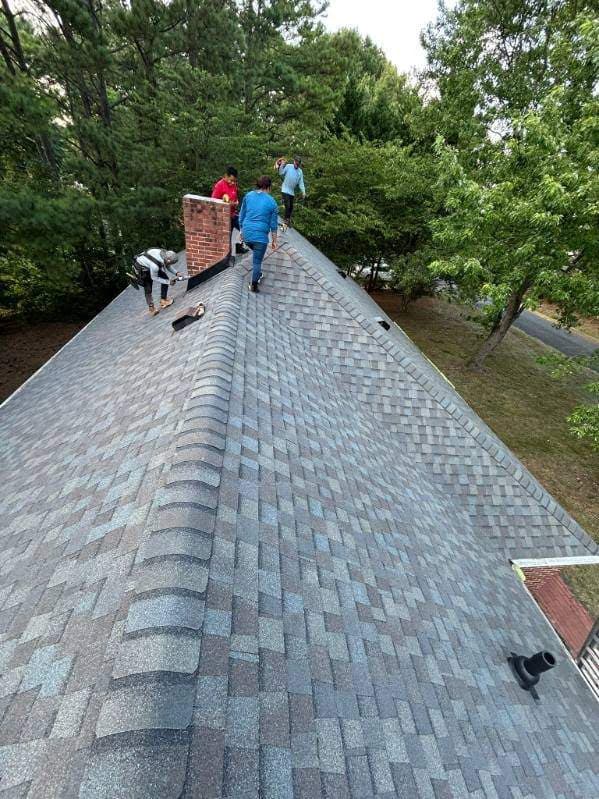
Charlotte, NC
new roof
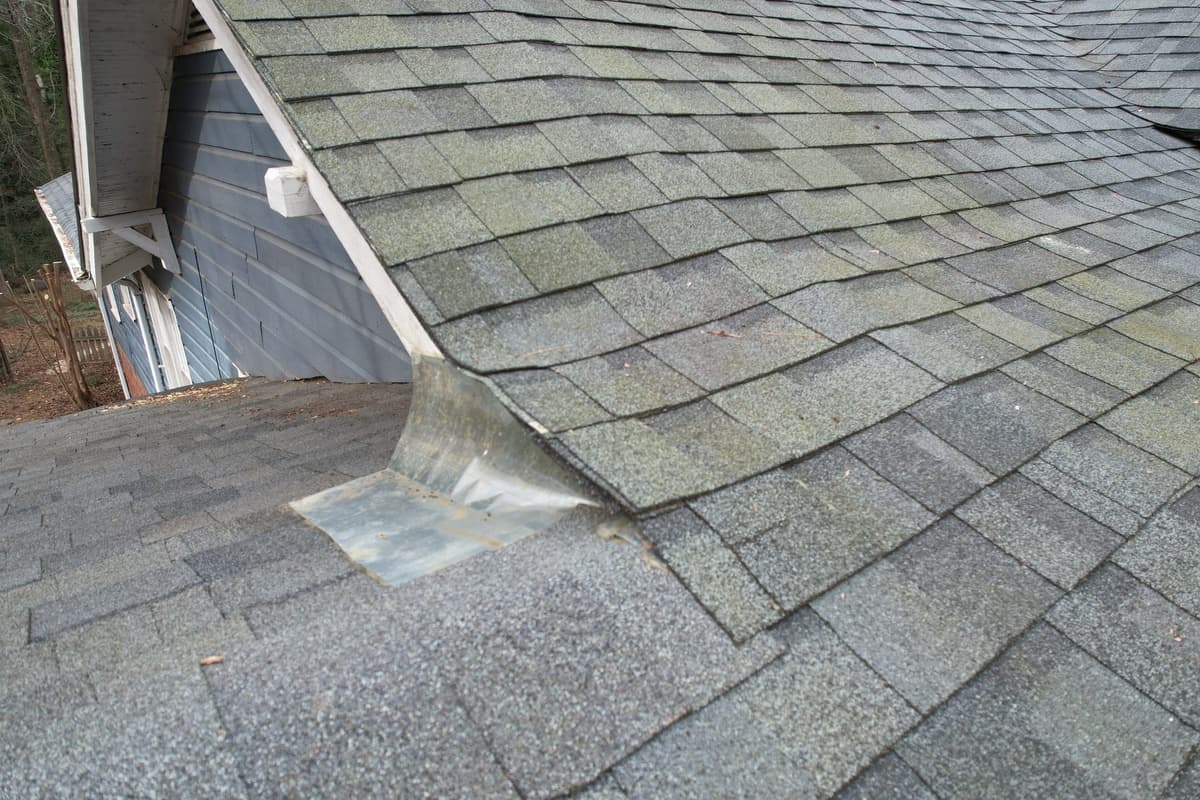
Charlotte, NC
new roof
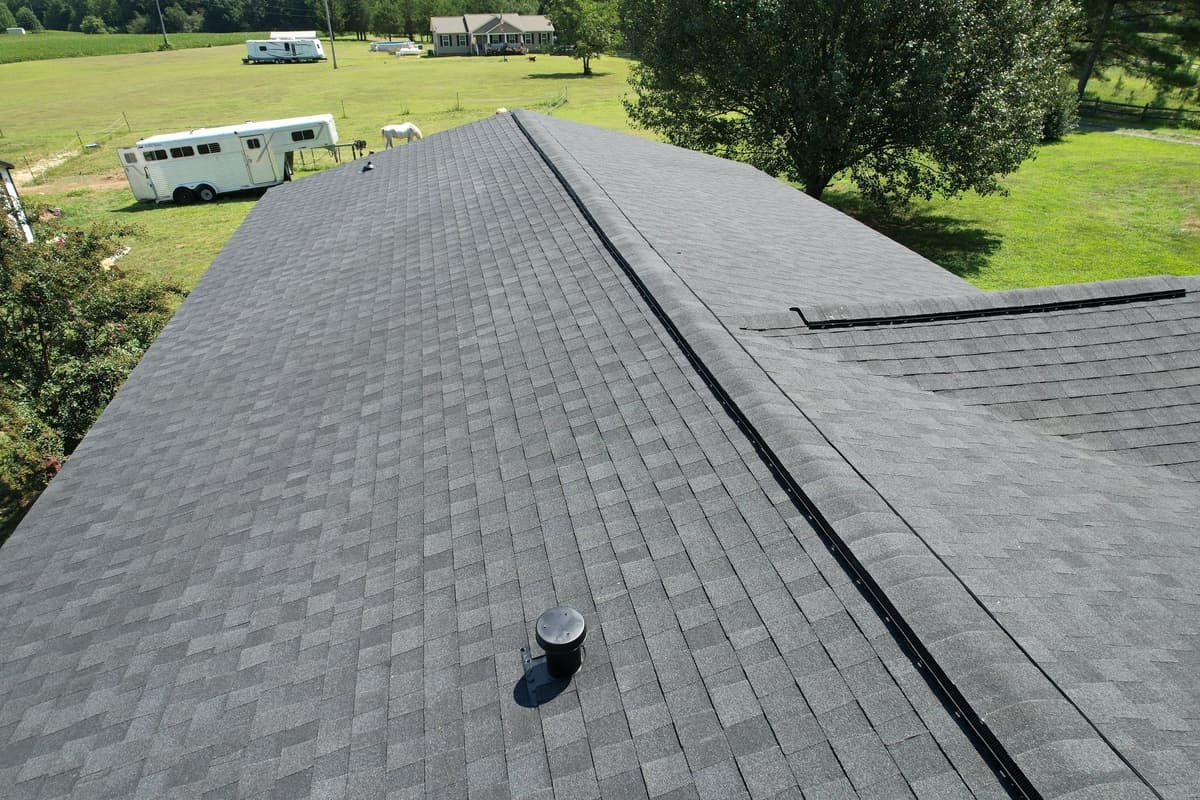
Charlotte, NC
new roof
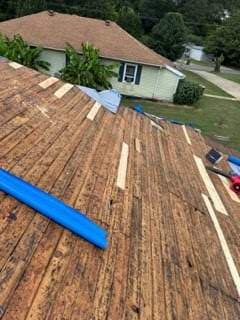
Charlotte, NC
new roof
Get a free roof inspection and honest assessment from Charlotte's most trusted roofing company.


