
Roofing Tips & Guides
Expert Roofing Advice for Charlotte Homeowners
Learn from Charlotte's trusted roofing experts. Tips on maintenance, repair, replacement, and protecting your home from the elements.
Leak or wind damage from Isaias? 24/7 emergency tarping, free storm-damage inspections and insurance-claim help.
Learn from Charlotte's trusted roofing experts. Tips on maintenance, repair, replacement, and protecting your home from the elements.
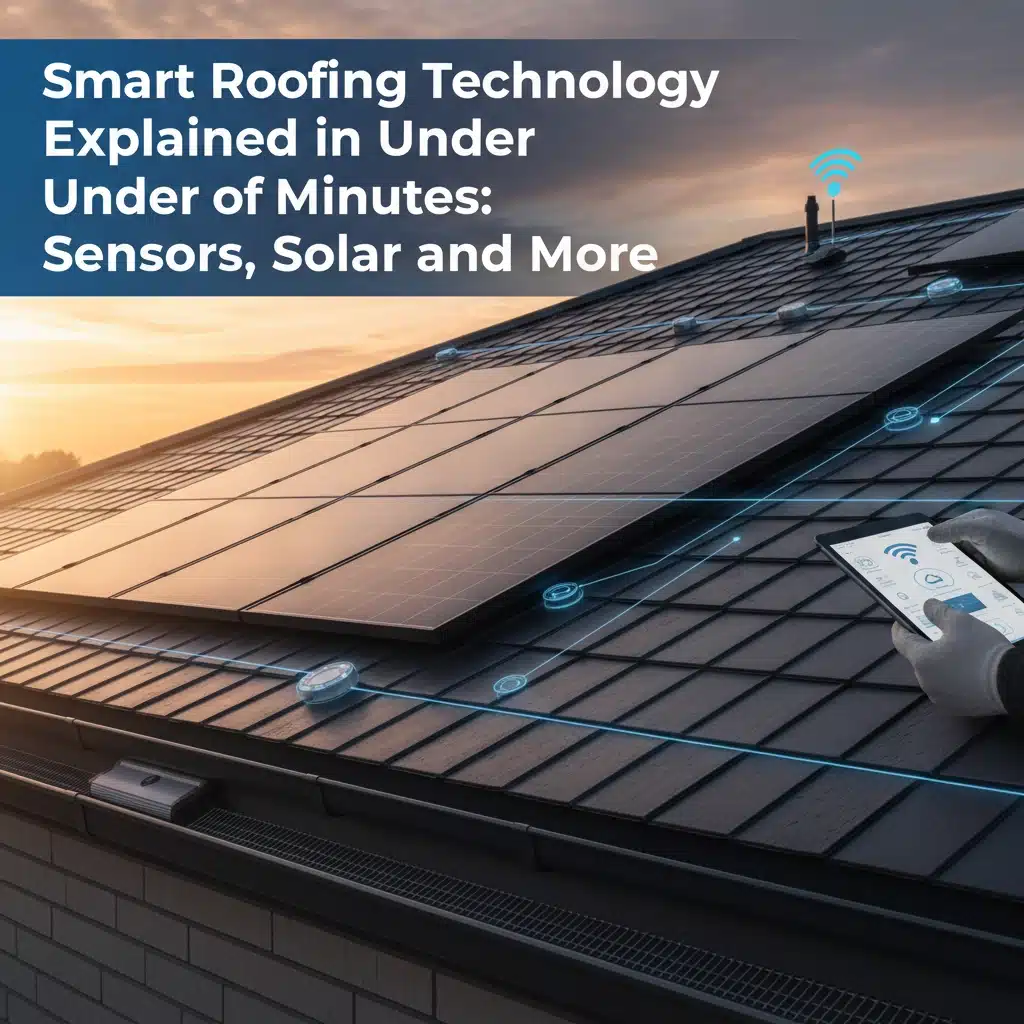
Remember when your biggest roofing worry was whether you'd spot a leak before it damaged your ceiling? Those days are quickly becoming a thing of the past. Smart roofing technology is transforming how we think about the roof over our heads – turning what used to be a "set it and forget it" part of your home into an intelligent system that actively protects, monitors, and even pays for itself.
If you're wondering what all the buzz is about (and whether it's worth the investment), you've come to the right place. Let's break down the world of smart roofing in terms that won't make your head spin.
Smart roofing isn't just slapping some gadgets on your roof and calling it a day. It's about integrating technology directly into your roofing system to make it more efficient, durable, and responsive to your home's needs. Think of it as giving your roof a brain – one that can think ahead, solve problems, and communicate with you about what's happening up there.
The technology ranges from simple sensors that detect moisture to sophisticated solar systems that generate electricity while protecting your home. What makes it "smart" is the ability to collect data, analyze conditions, and either alert you to issues or automatically adjust to optimize performance.
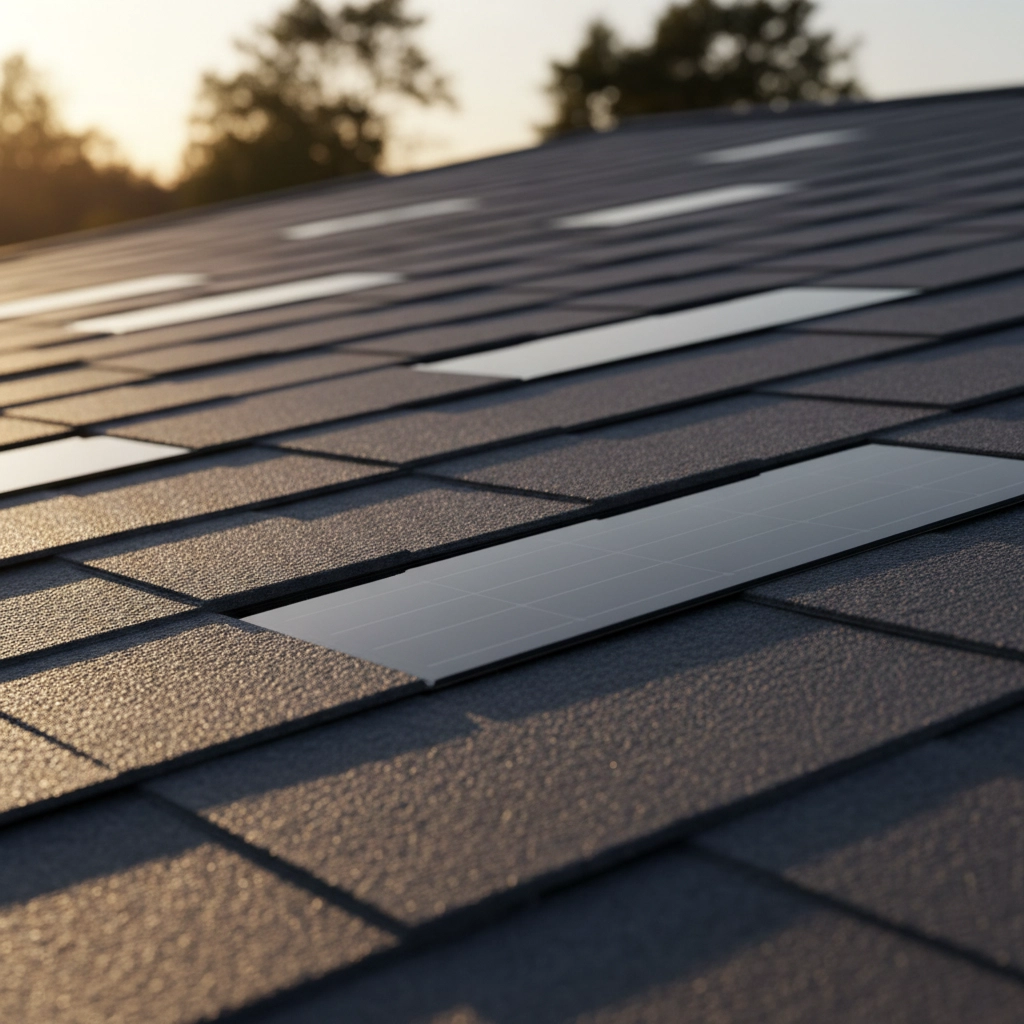
Let's start with the star of the show – solar technology. Modern solar roofing has come a long way from those clunky panels that looked like they belonged on a space station.
Solar Shingles and Integrated Panels
Today's solar solutions blend seamlessly with your roof's design. Solar shingles look almost identical to regular asphalt shingles but generate electricity. Tesla's Solar Roof might get all the headlines, but there are plenty of other options that offer similar functionality at different price points.
Integrated solar panels are another option – they're built into the roof structure during installation rather than mounted on top. This approach offers better aesthetics and often better performance since the panels can be optimally positioned during the roofing process.
The Financial Benefits
Here's where things get interesting for your wallet. A typical solar roof system can reduce your electricity bills by 70-90%, and in many cases, you'll generate excess power that you can sell back to the utility company. The average homeowner saves between $1,000-$1,500 annually on energy costs.
With federal tax credits (currently 30% through 2032) and various state incentives, the payback period for solar roofing has dropped to around 6-8 years in most areas. After that? It's essentially free electricity for the remaining 20+ year lifespan of the system.
While solar gets most of the attention, sensors might be the unsung heroes of smart roofing technology. These small devices are embedded throughout your roofing system to monitor conditions and alert you to problems before they become expensive disasters.
Moisture and Leak Detection
Water damage is every homeowner's nightmare, and it's often invisible until significant damage has already occurred. Smart moisture sensors change that game entirely. These devices can detect even tiny amounts of water intrusion and send alerts directly to your smartphone.
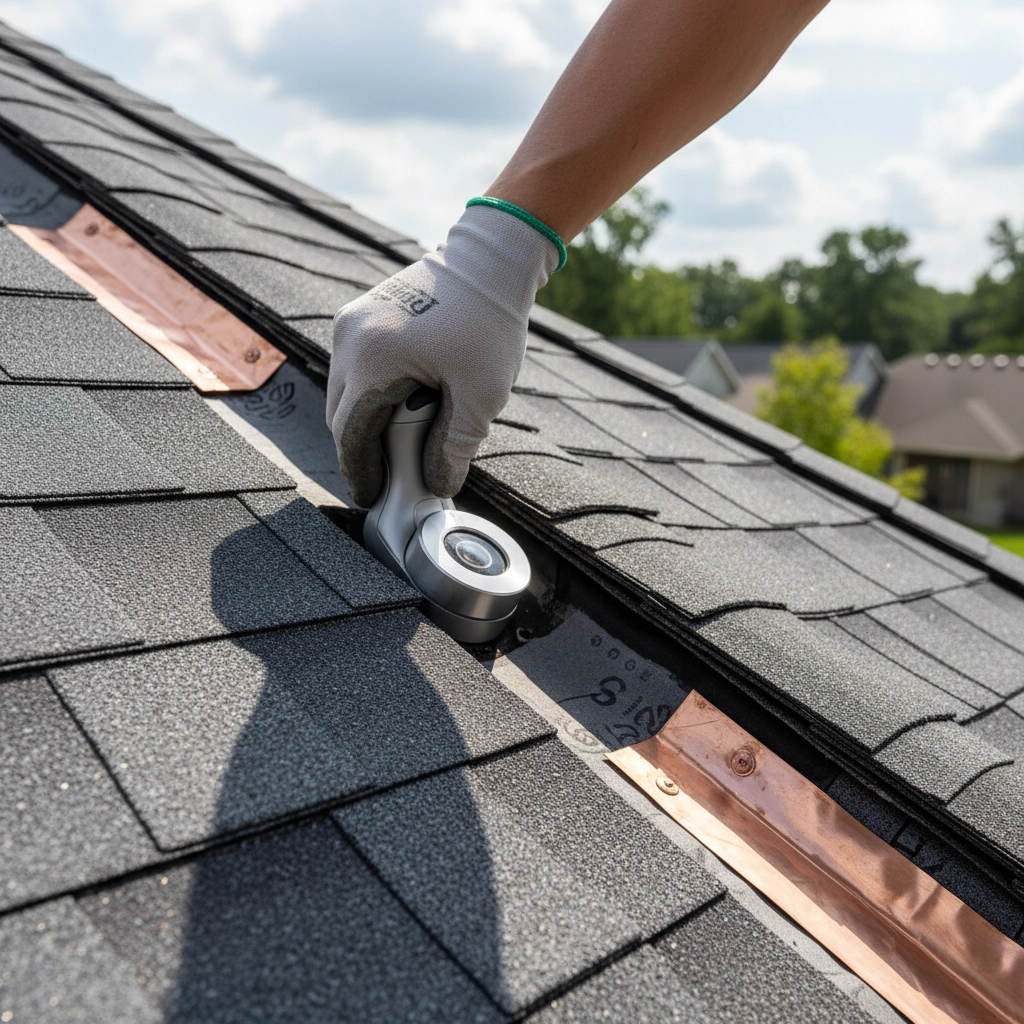
The sensors are typically placed along vulnerable areas like roof penetrations, valleys, and flashing. When moisture levels exceed normal parameters, you get an immediate notification. Some systems even include precise location data, so you know exactly where to look (or where to tell your roofer to look).
Temperature and Weather Monitoring
Smart roofs can also monitor temperature fluctuations, which helps identify issues like poor insulation, ice dam formation, or excessive heat buildup that can damage roofing materials. Some systems integrate with local weather data to provide predictive alerts – warning you about incoming storms or temperature swings that might cause problems.
Here's where everything comes together. Energy management systems are like the conductor of an orchestra, coordinating all the different smart elements of your roof to optimize performance.
Automated Climate Control
These systems can automatically adjust your home's heating and cooling based on roof temperature data, solar production, and weather forecasts. On sunny days, when your solar panels are producing peak power, the system might pre-cool your home using that free electricity. During peak utility rate hours, it switches to battery power or adjusts usage to minimize costs.
Predictive Maintenance
The system learns your roof's normal patterns and can predict when maintenance might be needed. It might notice that a particular area is experiencing unusual temperature fluctuations, suggesting insulation problems or potential damage that needs attention.
Grid Integration
Advanced systems can communicate with your utility company to optimize when you use, store, or sell electricity based on real-time pricing and grid demand. This level of integration can maximize your savings and even help stabilize the electrical grid.
The smart roofing industry is moving fast, and some exciting developments are on the horizon:
Self-Healing Materials: Researchers are developing roofing materials that can automatically repair small cracks and damage using embedded healing agents or shape-memory polymers.
Dynamic Insulation: Smart insulation systems that can adjust their R-value based on weather conditions, providing better thermal performance year-round.
Integrated Air Quality Monitoring: Sensors that monitor air quality around your home and can adjust ventilation systems accordingly.
Storm Response Systems: Advanced weather tracking that can automatically secure loose elements, adjust solar panel angles, or activate protective measures before severe weather hits.
Let's talk numbers, because we know that's what you're really wondering about. Smart roofing technology isn't cheap upfront, but the long-term value proposition is compelling.
A basic smart sensor system might add $2,000-$5,000 to a roofing project. A full solar integration could add $15,000-$30,000, but remember that tax credits, financing options, and energy savings significantly offset these costs.
Many homeowners are surprised to learn that smart roofing technology can actually increase their home's value by more than the installation cost. Studies show that homes with solar systems sell for 3-4% more than comparable homes without them.
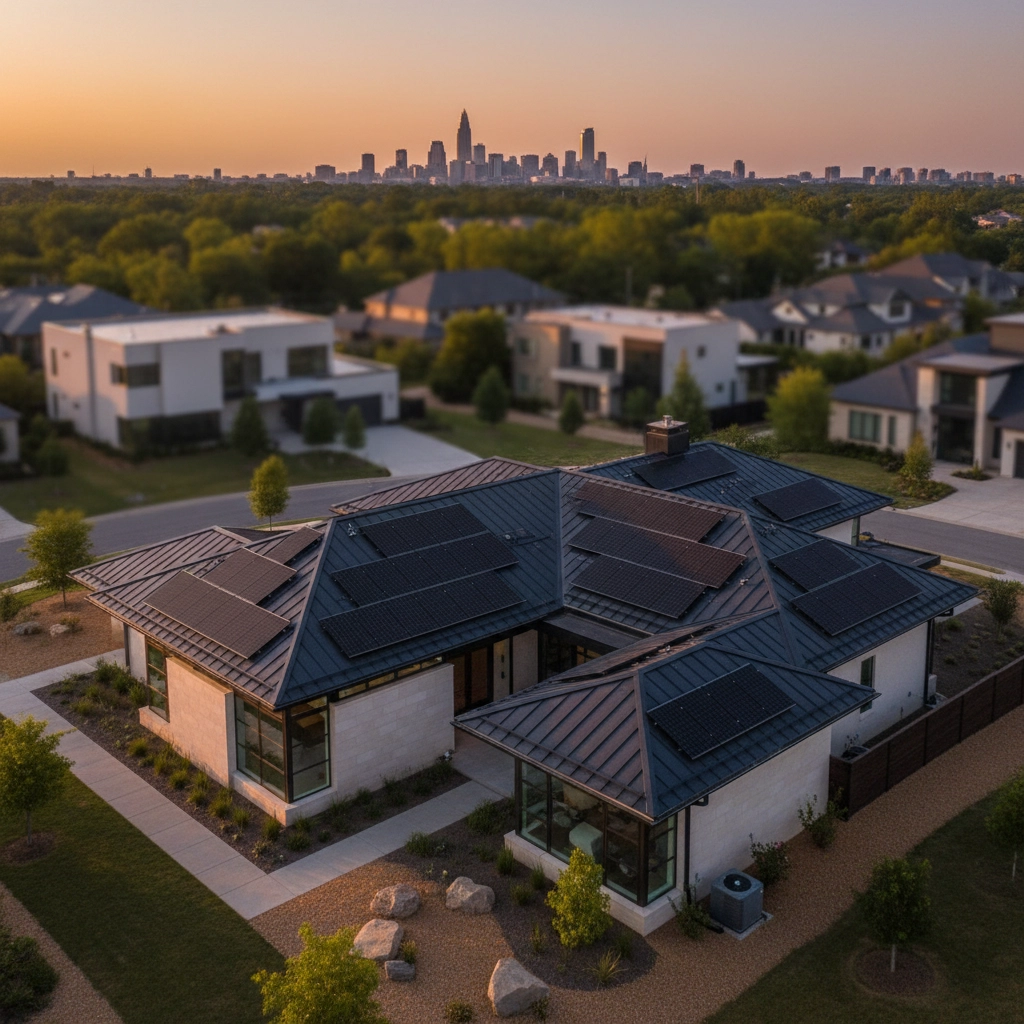
Living in Charlotte, we deal with everything from scorching summer heat to occasional ice storms. Smart roofing technology is particularly valuable in our climate because it can help manage these extreme conditions more effectively than traditional roofing.
The combination of our relatively high electricity rates and excellent solar exposure makes Charlotte one of the better markets for solar roofing technology. The moisture monitoring capabilities are especially valuable given our humid summers and occasional severe weather.
Here's the thing about smart roofing – it's only as good as the installation. These systems require careful planning, proper integration, and ongoing maintenance by professionals who understand both traditional roofing and the technology components.
At Best Roofing Now, we've invested in training and certification for smart roofing systems because we've seen firsthand how transformative they can be for homeowners. But we always emphasize that the foundation has to be solid – literally. Smart technology built on a poorly installed roof is just expensive technology that will fail.
Regular maintenance becomes even more important with smart systems, but it's also easier because the technology often tells you exactly what needs attention and when.
Smart roofing isn't some far-off technology – it's happening right now, and it's becoming more accessible and affordable every year. The question isn't whether smart roofing will become mainstream (it will), but whether you want to be an early adopter who reaps the benefits now or wait until everyone else catches up.
For many Charlotte homeowners, the combination of energy savings, increased home value, peace of mind, and environmental benefits makes smart roofing technology a smart investment. The key is working with a roofing contractor who understands both the traditional fundamentals and the cutting-edge technology.
Whether you're dealing with an aging roof that needs replacement or building new, now is an excellent time to explore how smart roofing technology can benefit your specific situation. The technology has matured to the point where it's reliable and cost-effective, while still being new enough that you'll be ahead of the curve.
Ready to explore how smart roofing technology could work for your Charlotte home? Contact us for a consultation where we can discuss the options that make sense for your budget, your home, and your goals. After all, your roof should be more than just protection – it should be an asset that works for you every single day.
Best Roofing Now
Charlotte's trusted roofing experts since 2019
Based on this article, you may be interested in these services.
We proudly serve these Charlotte-area communities with professional roofing services.
View All Service Areas →See our recent roofing work across the Charlotte metro area.
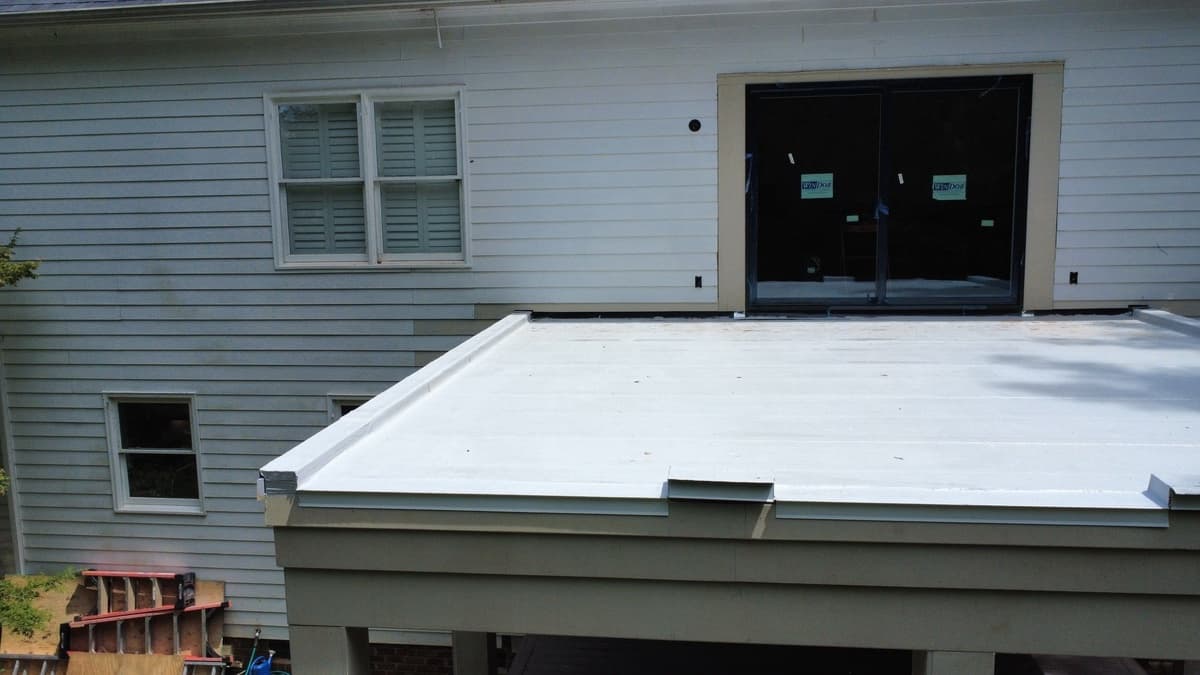
Charlotte, NC
work in progress
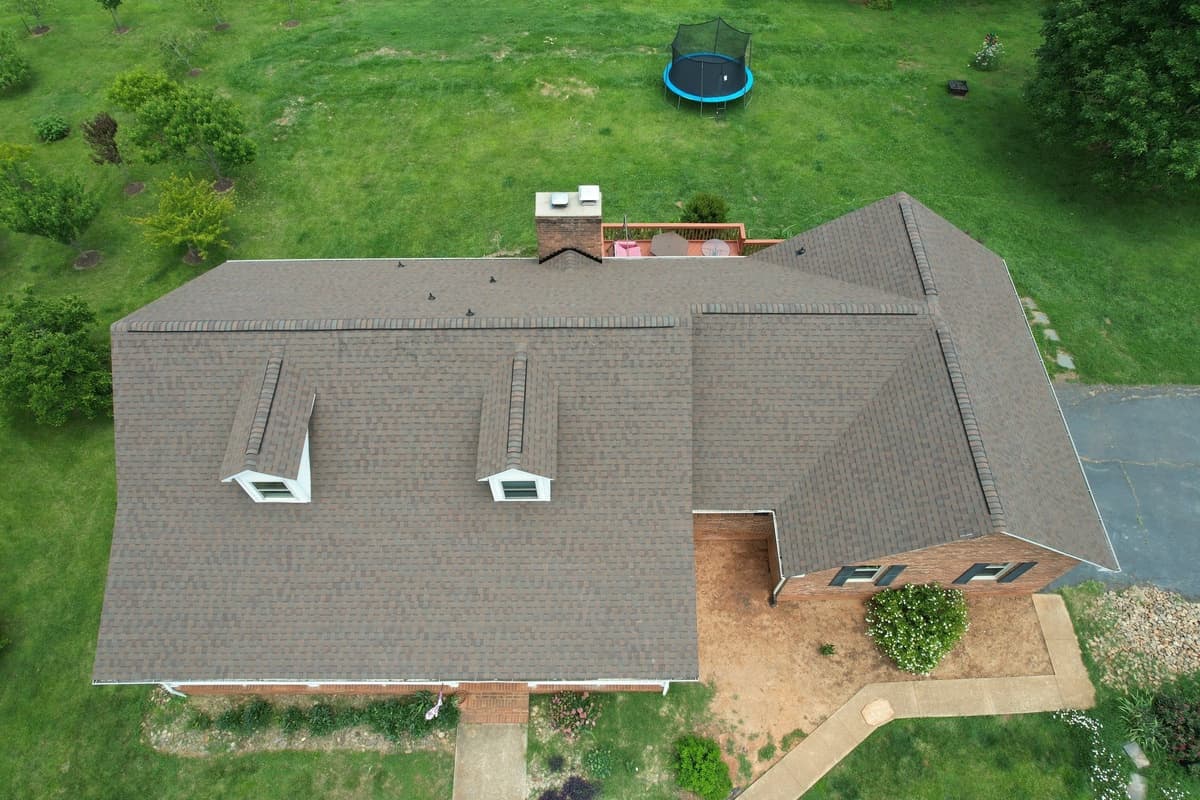
Charlotte, NC
new roof
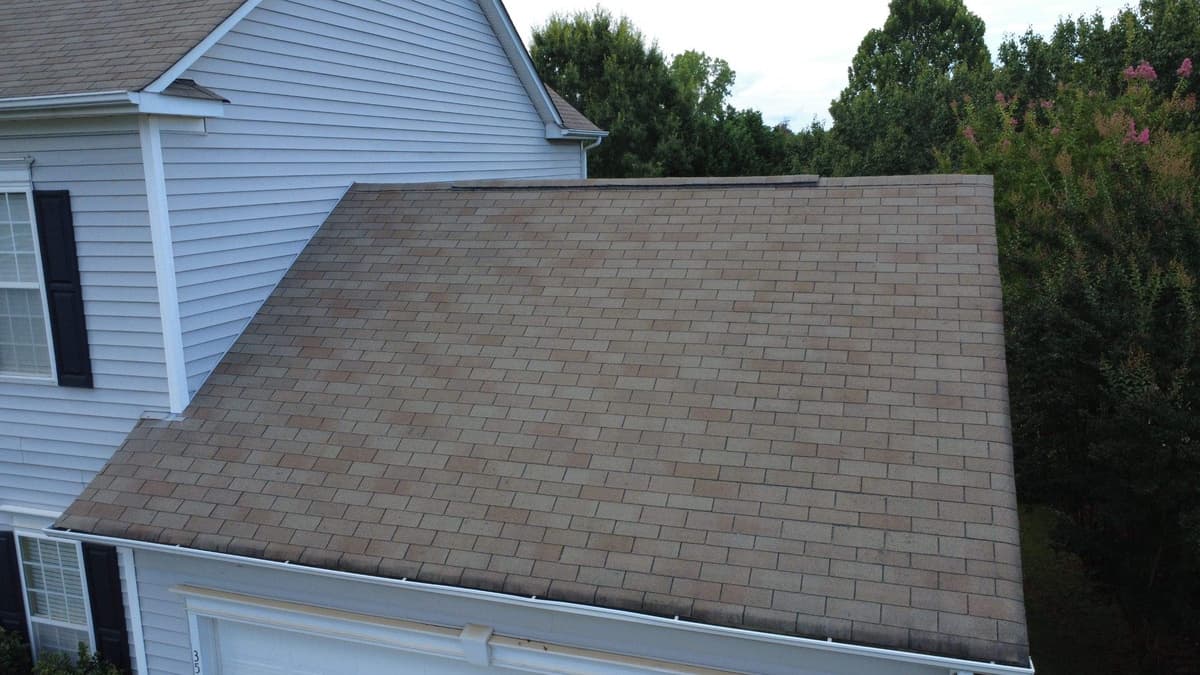
Charlotte, NC
work in progress
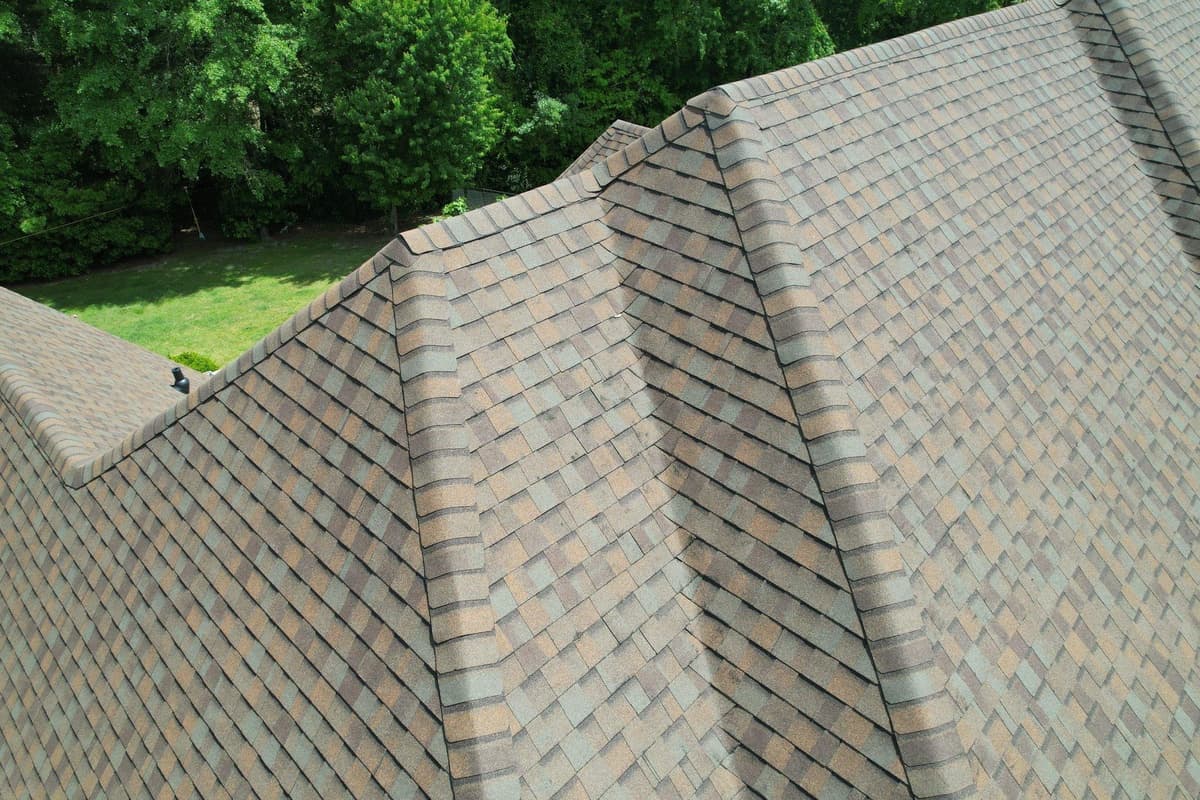
Charlotte, NC
new roof
Get a free roof inspection and honest assessment from Charlotte's most trusted roofing company.


