
Roofing Tips & Guides
Expert Roofing Advice for Charlotte Homeowners
Learn from Charlotte's trusted roofing experts. Tips on maintenance, repair, replacement, and protecting your home from the elements.
Ice & Snow Damage? Get 10% off repairs with a free inspection.
Learn from Charlotte's trusted roofing experts. Tips on maintenance, repair, replacement, and protecting your home from the elements.
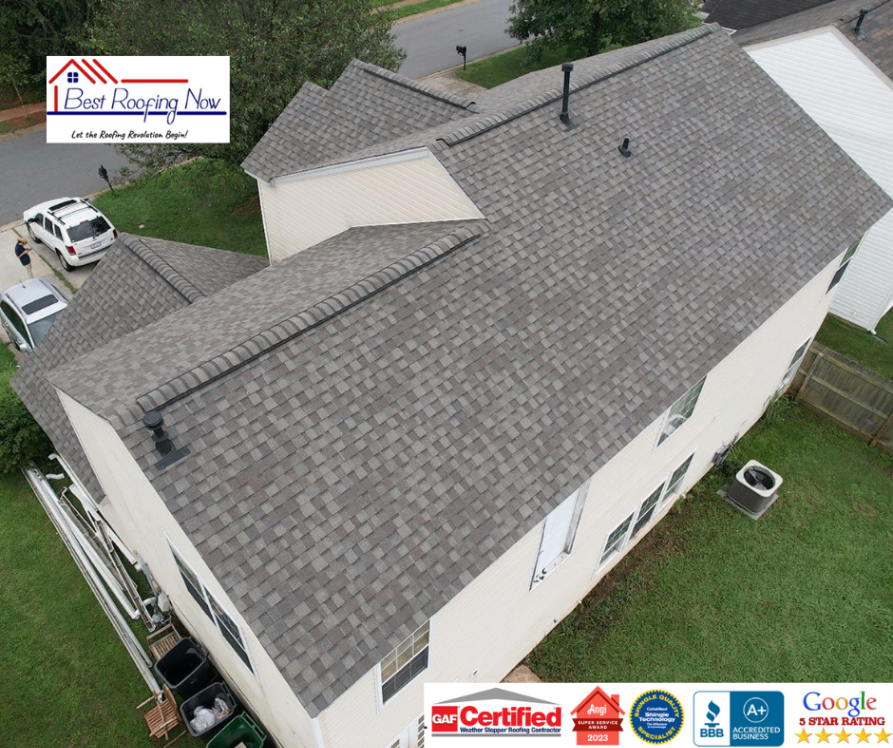
Summer in North Carolina is a beautiful time. The sun shines bright over the trees in Myers Park. Families gather for boat days on Lake Norman. But for your home, summer is a season of tests. The heat can be brutal. The humidity feels like a wet blanket. And then, there are the storms.
If you live in Charlotte, you know the drill. It is 3:00 PM on a Tuesday. The sky turns a dark shade of bruised purple. The wind starts to howl through the oaks. In minutes, a heavy downpour hits. These "pop-up" thunderstorms are a staple of our local weather. They bring heavy rain, lightning, and sometimes hail.
Is your roof ready for that?
Most people do not think about their roof until it leaks. By then, the damage is done. Your attic insulation is soaked. Your ceiling has a brown ring. At Best Roofing Now, we want to help you avoid that. We believe in being proactive. A little bit of care today saves a lot of money tomorrow.
We are a veteran-owned business right here in the Queen City. We have seen what the NC heat does to shingles. We know how the humidity grows algae. We want to share our expert knowledge with you. This guide will walk you through seven vital checks. These will keep your home safe and dry all summer long.
Before we dive into the list, let's talk about why we do this. Charlotte weather is unique. We get over 210 days of sun a year. That sun beats down on your roof. It makes the shingles hot enough to fry an egg. This heat causes the materials to expand. At night, they cool down and shrink. This cycle is called "thermal shock." Over time, it makes shingles brittle.
Then, there is the humidity. We are far from the coast, but the air is often thick. This moisture is perfect for mold and algae. If you see dark streaks on a roof in Ballantyne or Huntersville, that is likely Gloeocapsa Magma. It is a type of algae that eats the limestone in your shingles.
Finally, we have the storms. Whether it is a summer thunderstorm or a tropical system moving up from the coast, our roofs take a beating. High winds can lift loose shingles. Heavy rain can find the tiniest hole in your flashing.
Check your roof now so you don't have to worry later. Here is your ultimate summer maintenance checklist.
Gutters are the most important part of your roof’s drainage system. They catch the water and move it away from your home. In Charlotte, our trees are beautiful, but they are gutter enemies. Pine needles, oak tassels, and leaves fill up your troughs fast.
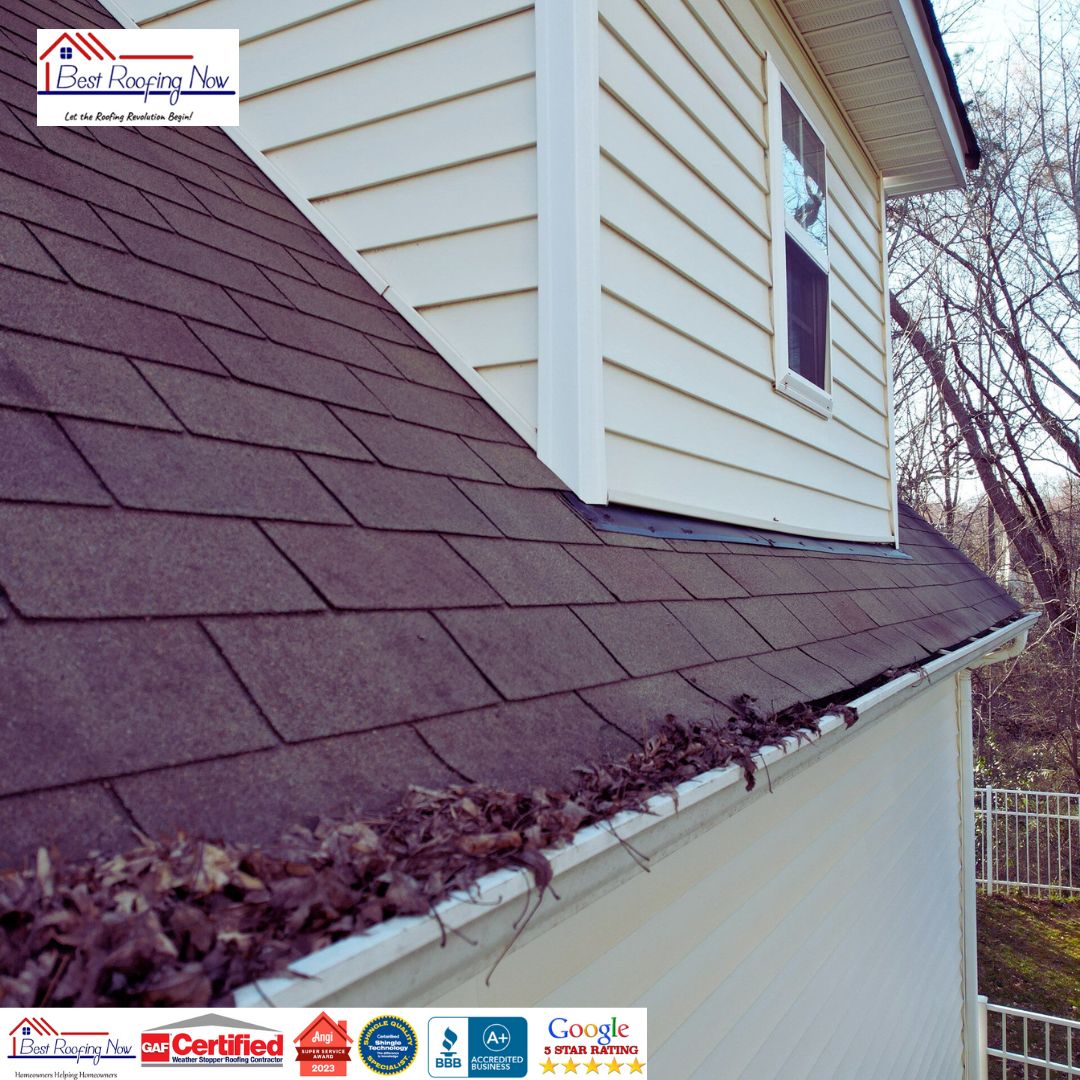
When gutters are full, water has nowhere to go. During a heavy summer rain, the water will overflow. It can spill over the back of the gutter. This sends water straight into your fascia boards and siding. This leads to rot. It can also cause water to pool at your foundation. This leads to basement leaks or foundation cracks.
Walk around your house after a light rain. Do you see water pouring over the sides? That is a clog. Look for "gutter gardens": little weeds growing in the dirt inside your gutters.
Use a sturdy ladder. Wear gloves. Scoop out the debris into a bucket. Once the big stuff is gone, flush the gutters with a garden hose. Make sure the water flows freely out of the downspouts at the bottom. If the water backs up, you have a clog in the downspout itself. You may need to take it apart or use a plumber's snake to clear it.
Shingles are the "skin" of your roof. They protect everything underneath. In the summer heat of Charlotte, shingles can literally bake.
Asphalt shingles have oils that keep them flexible. The sun dries these oils out. When shingles get dry and brittle, they can't protect your home. They can crack or lose their protective granules. Without those granules, the sun hits the asphalt directly. This makes the shingle fail even faster.
You don't need to get on the roof for this. Grab a pair of binoculars and stand in your yard. Look for shingles that are:
Also, check your gutters for granules. They look like coarse sand. A few are normal, but a pile of them means your shingles are wearing out.
If you see a few damaged shingles, they can often be replaced individually. This is a quick repair that prevents a big leak. But if most of your roof looks "crispy," it might be time for a professional consultation. We offer free inspections to help you decide.
Charlotte is famous for its tree canopy. We love our old oaks and tall pines. But trees and roofs do not get along well in a storm.

In a summer storm, wind can whip branches around. If they are too close to your roof, they act like sandpaper. They rub against the shingles and strip away the granules. Even worse, a heavy branch can snap and fall. A large limb can punch a hole right through your roof deck.
Trees also provide shade. While this keeps your house cool, too much shade prevents the roof from drying. This leads to the moss and algae growth we talked about earlier.
Look at your roof from the ground. Are any branches touching the shingles? Are there limbs hanging directly over the house?
We recommend keeping branches at least 6 to 10 feet away from your roof. This gives the branches room to sway in the wind without hitting your home. It also makes it harder for squirrels and raccoons to jump onto your roof. These critters love to chew on vent pipes and soffits!
Many homeowners forget that the inside of the roof matters just as much as the outside. Your attic needs to "breathe."
In a typical Charlotte summer, your attic can reach 150 degrees if it isn't vented properly. That heat has to go somewhere. It radiates down into your living space, making your AC work harder. It also "cooks" your shingles from the inside out.
Proper ventilation keeps the attic temperature close to the outside temperature. This saves you money on power bills. It also extends the life of your roof.
Go into your attic on a hot afternoon. It should feel warm, but not like an oven. If you feel a "wall of heat," your ventilation is likely blocked. Look at your soffit vents (the vents under the eaves). Sometimes insulation gets pushed over them, blocking the air.
Also, look for "baffles." These are plastic or foam chutes that keep the air flowing from the soffits up to the ridge vent. If they are missing or crushed, your roof is suffocating.
If shingles are the skin, flashing is the "armor." Flashing is the metal or plastic material used around "penetrations." These are things that poke through your roof, like chimneys, pipes, and vents.
Most roof leaks don't happen in the middle of the shingles. They happen at the edges. Wind and heat can cause flashing to lift or rust. The sealant (caulk) used around these areas can also dry out and crack in the summer sun.
Using your binoculars, check around your chimney. Is the metal pulled away from the brick? Check the "boots" around your plumbing pipes. These are rubber seals that often crack after a few years of NC sun. If the rubber looks dry and split, it will leak during the next big thunderstorm.
Have you noticed green or black stains on your roof? This is very common in neighborhoods near Lake Norman or the Catawba River where the humidity is high.
As we mentioned, this isn't just an "ugly" problem. Algae and moss hold onto moisture. This moisture rots the shingles and the wood underneath. Moss is especially dangerous because its roots can lift shingles up, creating an entry point for wind and rain.
Whatever you do, never let someone pressure wash your roof. High-pressure water will blast the granules right off your shingles. It will ruin your roof in minutes.
You can see a lot from the ground, but you can't see everything. A professional roofer knows exactly where to look for hidden trouble.
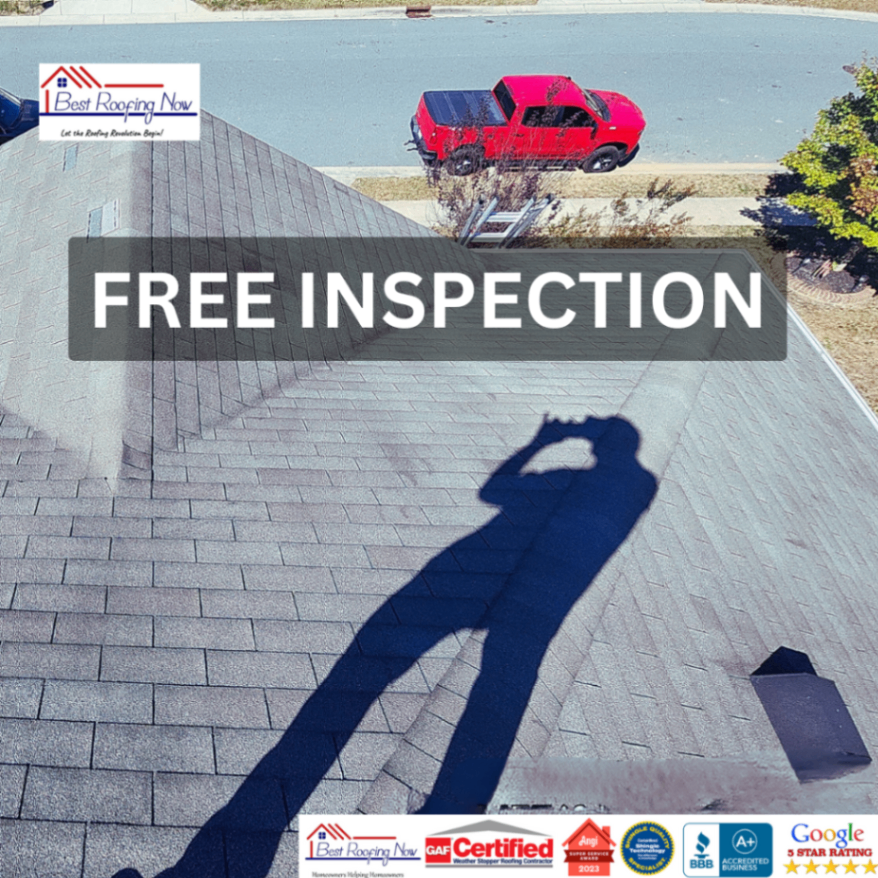
Roofing is dangerous work. We have the safety gear and the training to walk on your roof without damaging the shingles. We can find soft spots in the wood that you can't see from the yard. We can check the "underlayment": the waterproof layer under your shingles: to make sure it's still doing its job.
We don't believe in high-pressure sales. We are veterans. We believe in honesty and service. When we come out for a free inspection, we give you a clear report. If your roof is fine, we will tell you! If it needs a small repair, we will show you why.
Maintenance is great, but what if a major storm is coming? The National Weather Service often issues Severe Thunderstorm Warnings for Mecklenburg County. Here is how to prepare your roof in the 24 hours before a big one hits.
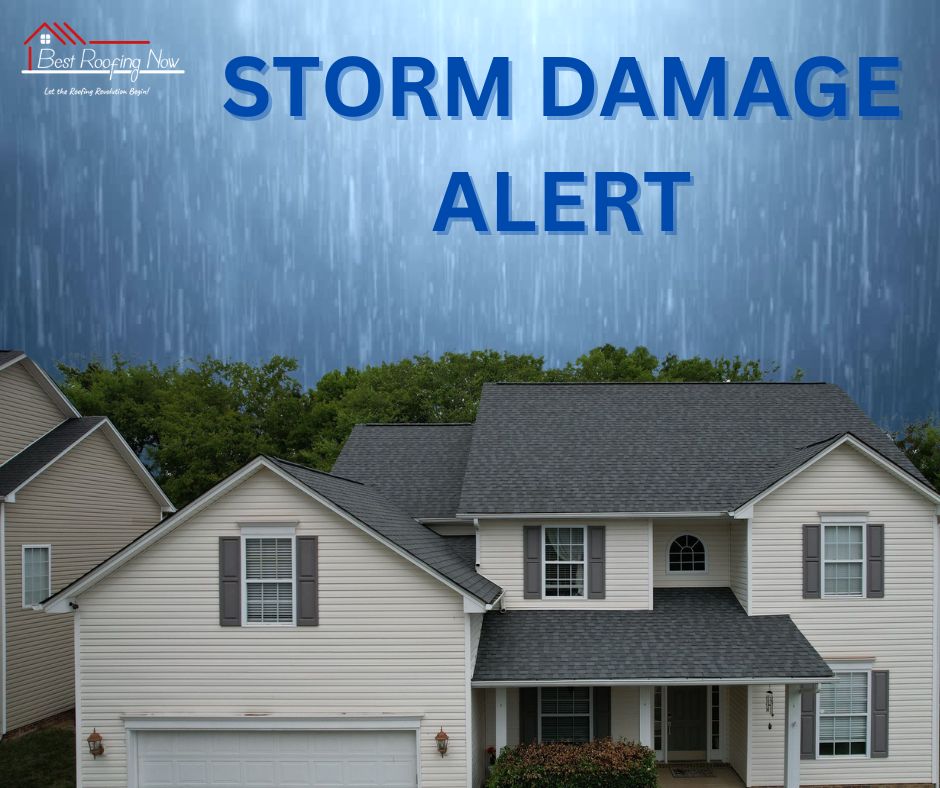
Check your yard for things that can become "missiles." Patio umbrellas, toys, and light furniture can catch the wind and fly into your roof or siding. Put them in the garage or a shed.
If you haven't cleaned your gutters recently, at least check the downspout openings. Make sure there isn't a pile of leaves blocking the hole. You want that water to leave the roof as fast as possible.
Once the sun comes out, do a "perimeter walk."
If you suspect damage, call us immediately. We specialize in emergency roofing and storm damage insurance claims.
Your home is likely your biggest investment. The roof is the only thing standing between your family and the elements. Don't let a summer storm take you by surprise. Use this checklist to keep your home safe.
At Best Roofing Now, we are proud to serve the Charlotte and Lake Norman communities. We bring veteran values: integrity, hard work, and attention to detail: to every job. Whether you are in a classic bungalow in Plaza Midwood or a new build in Fort Mill, we are here for you.
We offer free inspections and consultations. We don't use "sales tactics." We use expertise. We also provide lifetime warranties on our work because we believe in our craftsmanship.
Ready to get your roof summer-ready?
✅ Schedule your FREE 21-point roof inspection today!
{“@type”:”BlogPosting”,”image”:”https://cdn.marblism.com/CVX02VTkwqn.png”,”author”:{“name”:”Best Roofing Now”,”@type”:”Organization”},”@context”:”https://schema.org”,”headline”:”Summer Roof Maintenance Checklist for Charlotte Homeowners: 7 Things to Check Before the Next Storm Hits”,”publisher”:{“logo”:{“url”:”https://bestroofingnow.com/logo.png”,”@type”:”ImageObject”},”name”:”Best Roofing Now”,”@type”:”Organization”},”articleBody”:”Introduction to Charlotte summer weather… 1. Clean Gutters… 2. Inspect Shingles… 3. Trim Branches… 4. Attic Ventilation… 5. Flashing and Seals… 6. Algae and Moss… 7. Professional Inspection…”,”description”:”Learn the essential summer roof maintenance steps for Charlotte and Lake Norman homeowners. Protect your home from heat, humidity, and thunderstorms with our 7-point checklist.”,”datePublished”:”2026-07-25″,”mainEntityOfPage”:{“@id”:”https://bestroofingnow.com/blog/summer-roof-maintenance-charlotte”,”@type”:”WebPage”}}
Best Roofing Now
Charlotte's trusted roofing experts since 2019
Based on this article, you may be interested in these services.
We proudly serve these Charlotte-area communities with professional roofing services.
View All Service Areas →See our recent roofing work across the Charlotte metro area.

Charlotte, NC
repair

Charlotte, NC
completed exterior

Charlotte, NC
work in progress

Charlotte, NC
new roof
Get a free roof inspection and honest assessment from Charlotte's most trusted roofing company.


