
Roofing Tips & Guides
Expert Roofing Advice for Charlotte Homeowners
Learn from Charlotte's trusted roofing experts. Tips on maintenance, repair, replacement, and protecting your home from the elements.
Leak or wind damage from Isaias? 24/7 emergency tarping, free storm-damage inspections and insurance-claim help.
Learn from Charlotte's trusted roofing experts. Tips on maintenance, repair, replacement, and protecting your home from the elements.
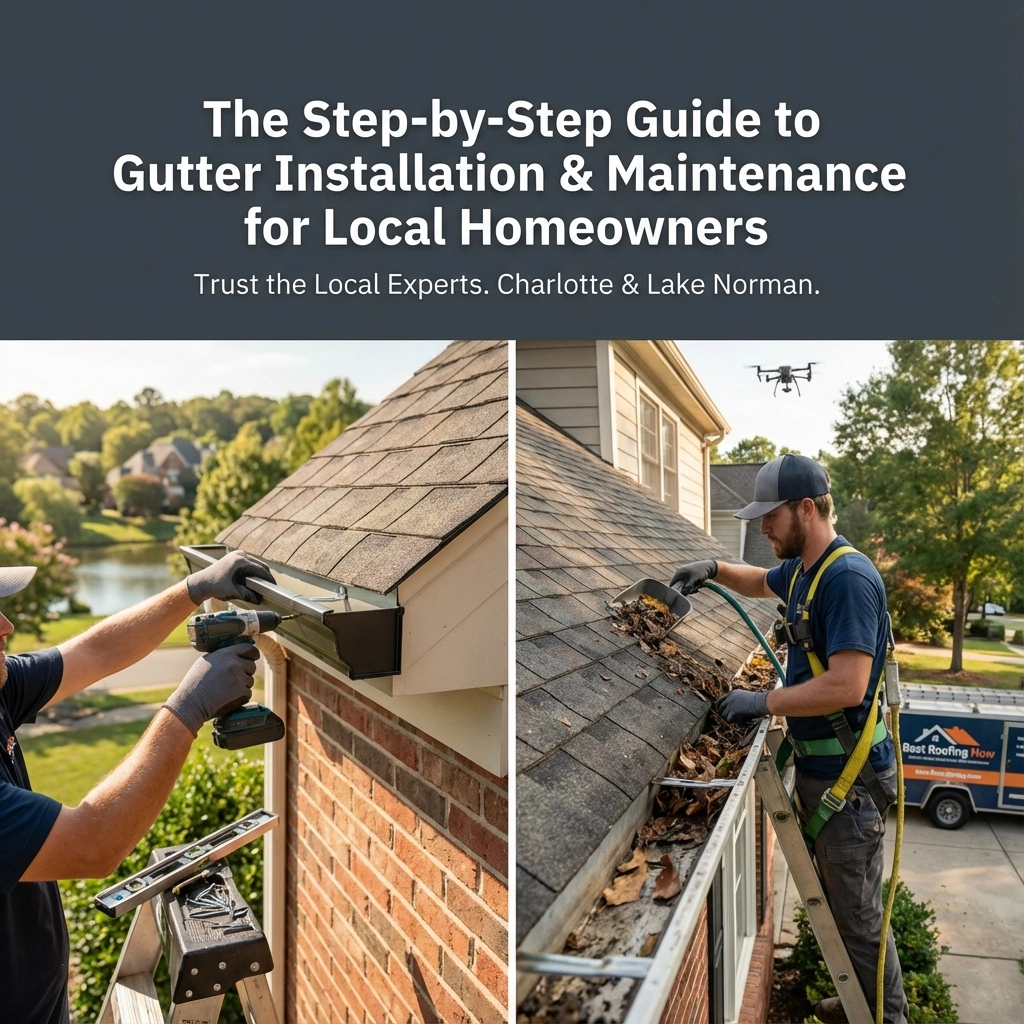
Your home's gutter system works harder than you might think. Here in Charlotte and Lake Norman, where we see everything from summer thunderstorms to winter ice, proper gutters protect your biggest investment. Whether you're tackling a DIY project or want to understand what your contractor should be doing, this guide breaks down everything you need to know.
Living in the Charlotte area means dealing with unique weather challenges. We get about 43 inches of rain per year – that's a lot of water flowing off your roof. Without proper gutters, that water damages your foundation, floods your basement, and creates expensive problems.
I've seen too many Lake Norman homes with foundation issues that started with poor drainage. The clay soil common around here doesn't absorb water quickly. When gutters fail, water pools around your foundation and causes settling, cracks, and moisture problems.
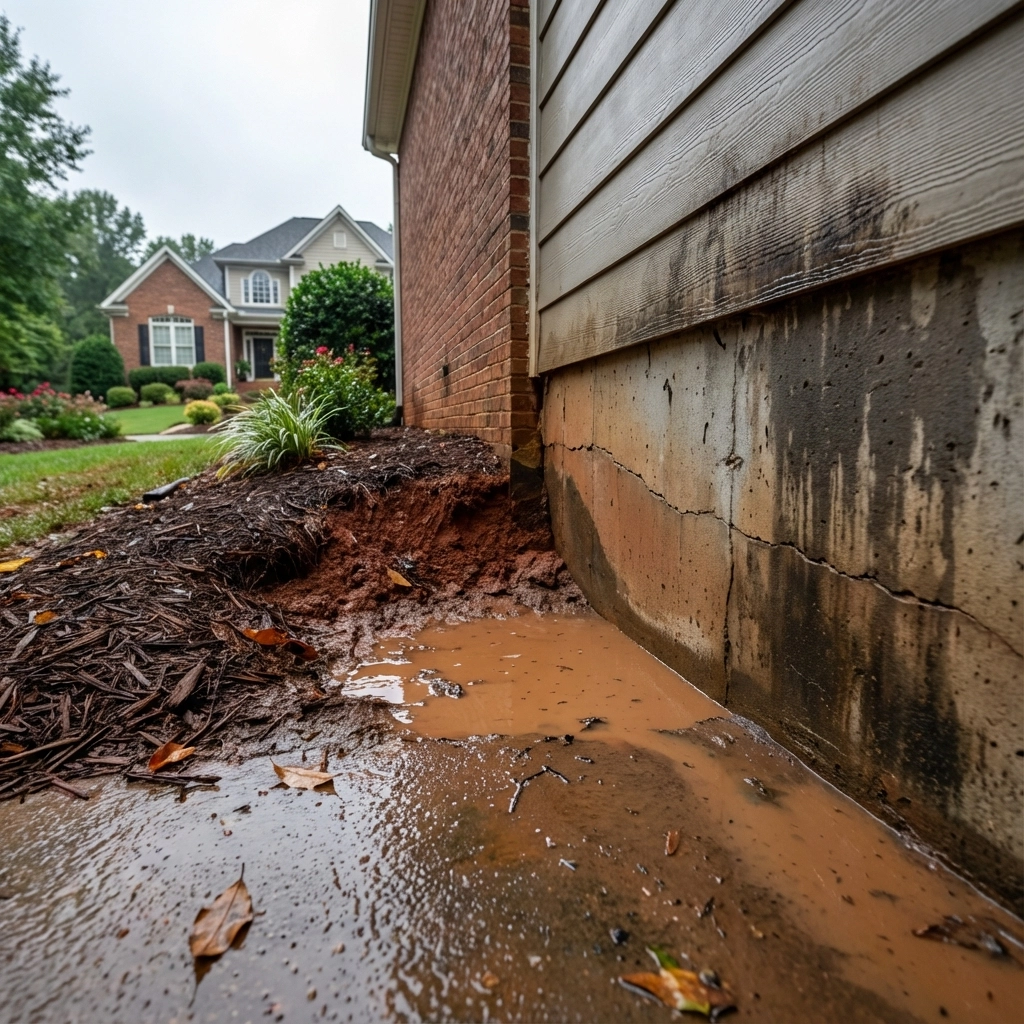
But gutters do more than handle rain. They also protect your siding, prevent erosion in your landscaping, and keep water from freezing against your home during those occasional Charlotte ice storms.
Before you grab a ladder, smart planning saves time and money. Start by walking around your house and measuring the roofline. You'll need enough guttering to cover every edge where water runs off.
What You'll Need to Measure:
Add 10% extra material to your measurements. Trust me on this – you'd rather have leftover pieces than make another trip to the store halfway through your project.
For a typical Charlotte home, you'll need downspouts every 35-40 feet of gutter run. Houses in established neighborhoods like Myers Park or Davidson often have longer rooflines that need more downspouts for proper drainage.
Tools You'll Need:
Materials List:
Aluminum gutters work best in our climate. They don't rust like steel and handle temperature changes better than vinyl. Most Charlotte-area suppliers stock 5-inch K-style gutters – they move water efficiently and look good on most home styles.
Start at the highest point where you want to install gutters. Position this point about 1 to 1½ inches below your roofline or drip edge. This placement lets water flow into the gutter without overshooting during heavy rains.
At the other end (where your downspout will go), mark a point that's ½ inch lower for every 10 feet of gutter run. This slope ensures water flows toward the downspout instead of pooling in the middle.
Snap a chalk line between these two points. This line guides your entire installation and keeps everything level and properly sloped.
Space your gutter brackets no more than 24 inches apart. In areas that get heavy snow (like some parts of north Charlotte), go with 18-inch spacing for extra support.
Secure each bracket to your fascia board with 2½-inch lag screws. Make sure you're hitting solid wood, not just the fascia facing. If your fascia feels soft or spongy, you might have rot that needs fixing first.
Line up each bracket with your chalk line. Even small variations add up and create low spots where water pools.
Measure twice, cut once. Use a hacksaw, tin snips, or miter saw with a carbide blade to cut your gutters to length.
For corners, cut 45-degree angles on both pieces. Take your time with these cuts – sloppy corner joints leak and look unprofessional.
When joining two straight sections, overlap them by 8 inches. Use stainless steel screws or pop rivets in two rows of four each. Cheap fasteners corrode and fail, especially in our humid summers.
At each end of your gutter run, install an end cap to prevent water from spilling out. Hold the cap in place temporarily with a sheet metal screw, then drill pilot holes for pop rivets.
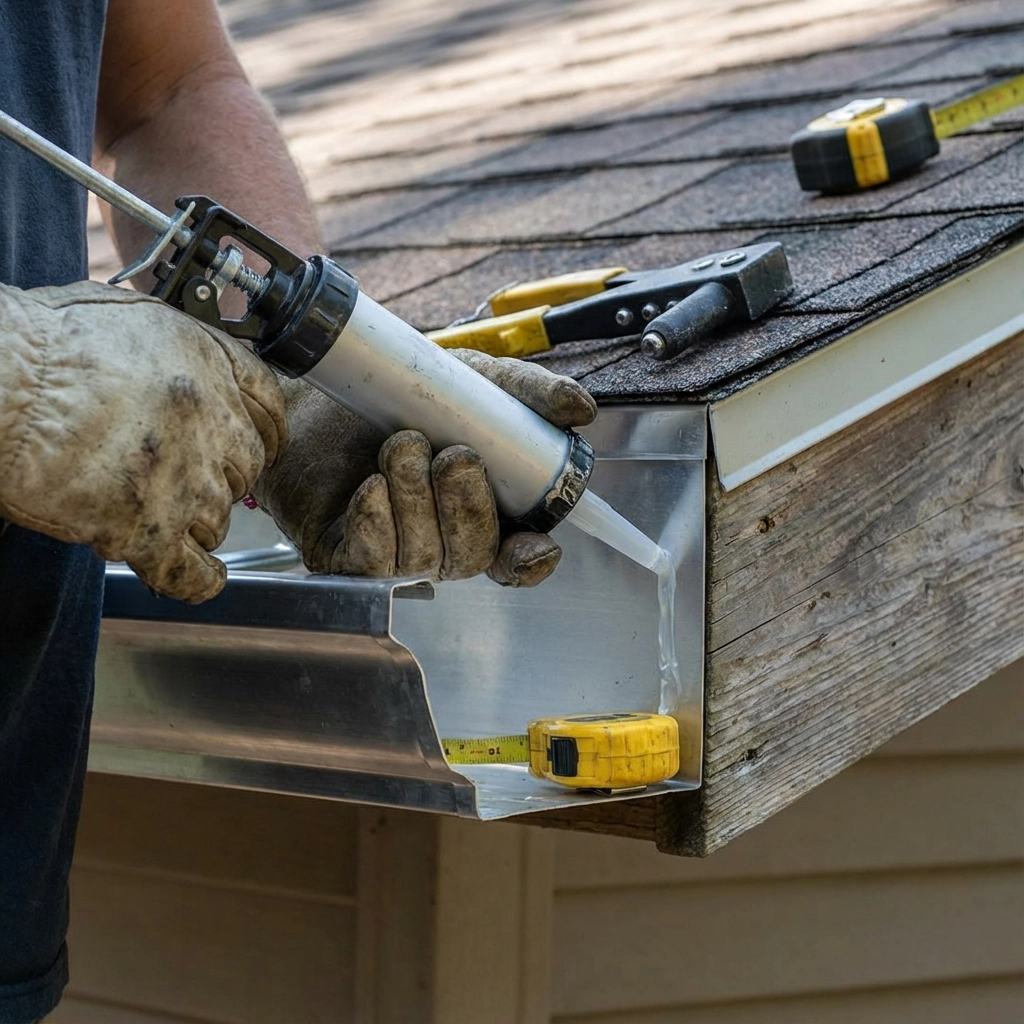
Seal the inside joint with high-quality silicone caulk. Cheap caulk fails within a year or two. Spend a few extra dollars on something that will last.
Use your downspout outlet as a template to mark hole locations. Place it on the bottom of the gutter and trace around the inside opening.
Drill a ¼-inch starter hole in the center of your marked circle. Then use a 4-inch hole saw to cut the opening. File or sand any rough edges – they can catch debris later.
Set each gutter section into its brackets, starting with the back edge. Rock the gutter up until it sits properly in all bracket hooks.
Drill pilot holes through the front mounting holes in each bracket. Use stainless steel machine screws with flanged nuts to secure everything. Regular screws corrode and come loose.
Cover each corner joint with a strip miter – a 3-inch-wide piece of aluminum that wraps around the bottom and sides of the joint. Secure it with pop rivets or screws.
Cut triangular notches in the top of the strip miter, then fold the flaps down over the gutter edges. Seal everything with silicone caulk on the inside.
Done right, corner joints are the strongest part of your gutter system. Done wrong, they're the first place to leak.
Attach your downspout outlet to the gutter with four pop rivets. Connect the first elbow to the outlet tube, then measure the distance to your next elbow against the house wall.
Cut your downspout sections to fit between elbows. Crimp one end slightly with needle-nose pliers for a tight fit. Secure all joints with rivets or screws.
Use downspout brackets every 6-8 feet to keep everything secure against the wall. Make sure your bottom section directs water at least 6 feet away from your foundation.
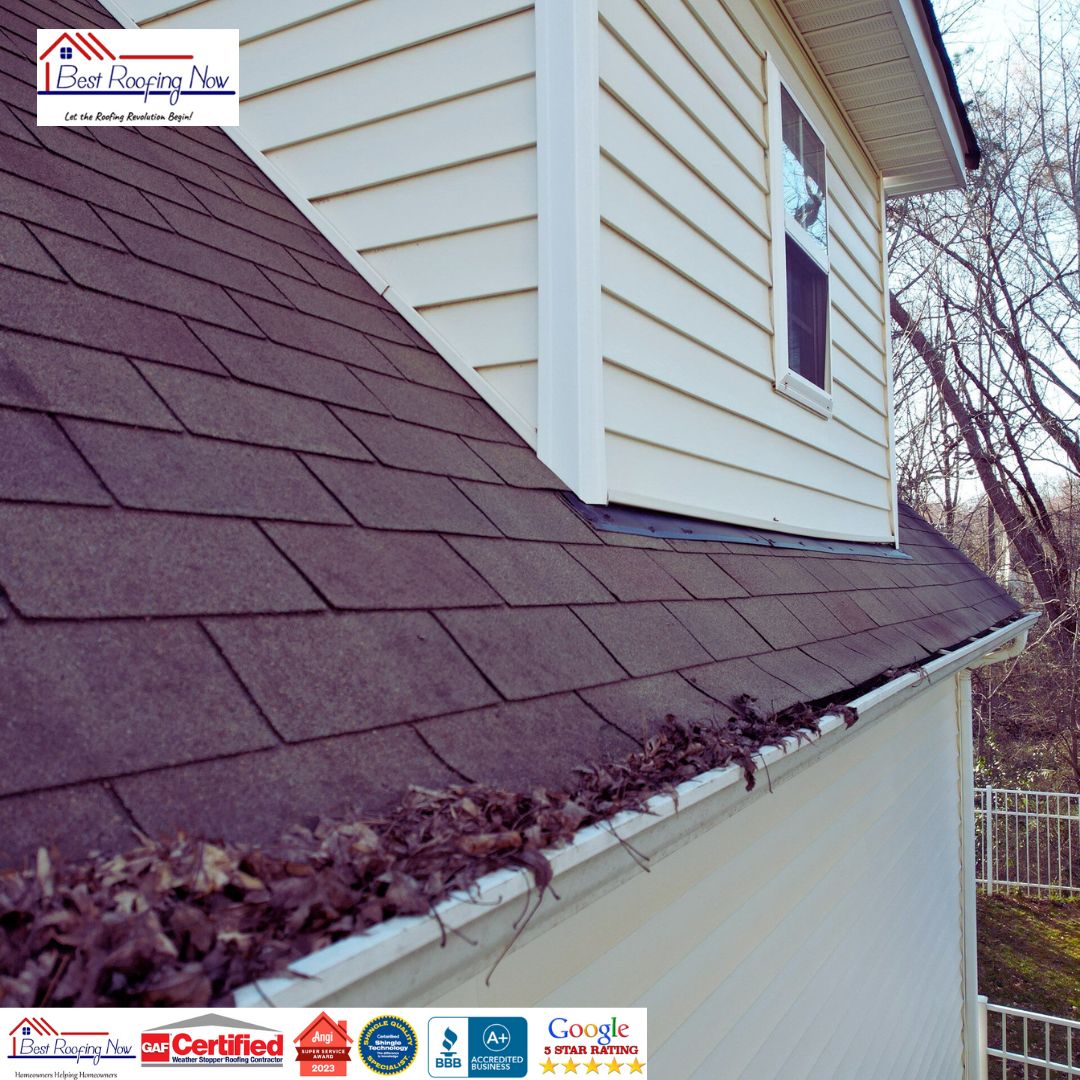
Installing gutters is only half the job. Regular maintenance keeps them working for decades instead of years.
Spring Maintenance:
Fall Maintenance:
Year-Round Signs of Problems:
Many Charlotte homeowners only think about gutters when they see problems. By then, damage often extends beyond just the gutter system.
DIY gutter installation saves money, but it's not right for every situation. Call professionals when:
At Best Roofing Now, we often help homeowners who started DIY projects but ran into complications. There's no shame in knowing your limits – a professional installation costs less than fixing mistakes.
According to the National Association of Home Builders, "Proper gutter installation requires precise measurements, correct slope calculations, and secure fastening to handle regional weather loads. Mistakes often aren't apparent until the first major storm."
We also see problems when homeowners try to match existing gutters without understanding the full system. Sometimes the best solution involves replacing everything for proper drainage and appearance.
Different neighborhoods around Charlotte and Lake Norman have unique challenges:
Older neighborhoods like Dilworth or Myers Park often have mature trees that drop more debris. Plan for more frequent cleaning and consider gutter guards.
Lakefront properties around Lake Norman deal with higher humidity and more frequent storms. Use marine-grade sealants and check systems more often.
Newer developments in areas like Huntersville or Cornelius typically have better drainage planning, but builders sometimes install undersized gutters to save money.
The clay soil common throughout Mecklenburg County makes proper water drainage critical. Poor gutter systems create expensive foundation problems that could have been prevented.
A properly installed and maintained gutter system protects your home for 20+ years. Take time to do it right the first time, or hire professionals who will.
If you're ready to tackle this project yourself, start with careful planning and quality materials. If you'd rather have experts handle it, we're here to help.
Ready to protect your home with a professional gutter installation? Contact Best Roofing Now at bestroofingnow.com for a free assessment. We'll evaluate your current system, discuss your options, and provide a detailed estimate. Your home deserves protection that lasts – let's make sure it gets exactly that.
Best Roofing Now
Charlotte's trusted roofing experts since 2019
Based on this article, you may be interested in these services.
We proudly serve these Charlotte-area communities with professional roofing services.
View All Service Areas →See our recent roofing work across the Charlotte metro area.
Charlotte, NC
new roof
Charlotte, NC
new roof
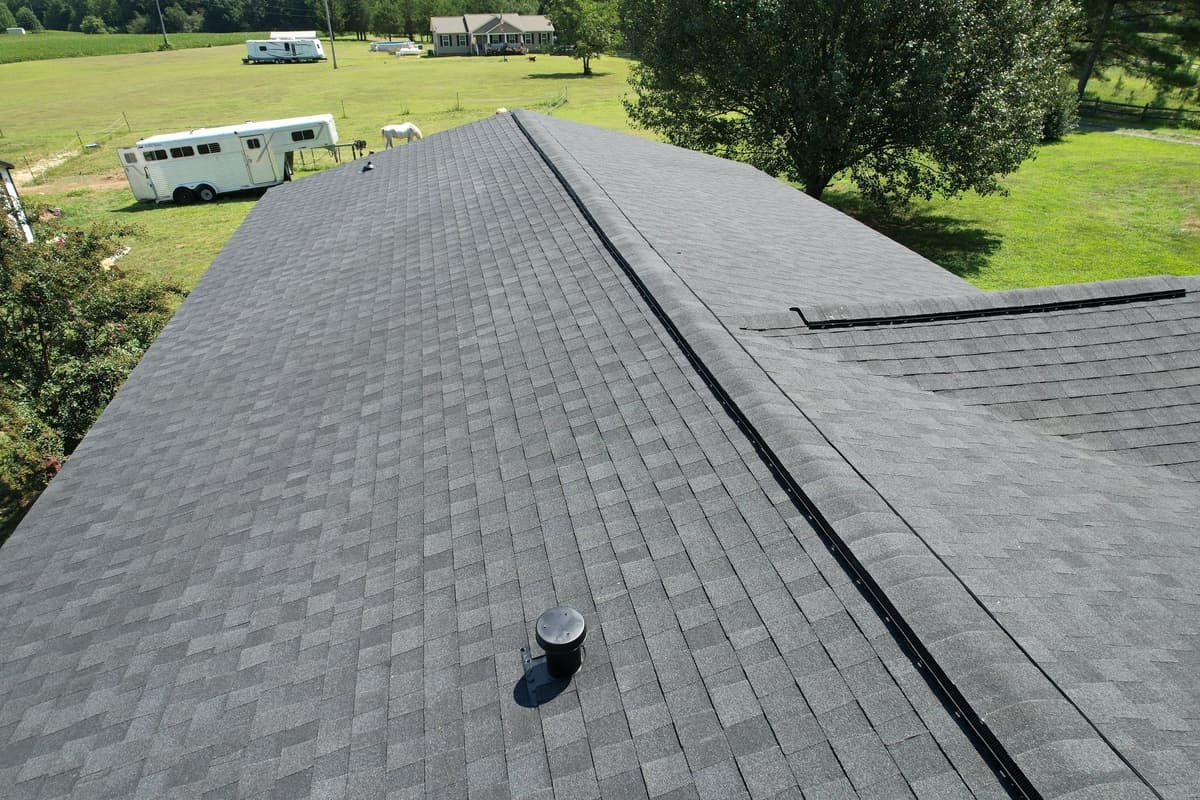
Charlotte, NC
new roof
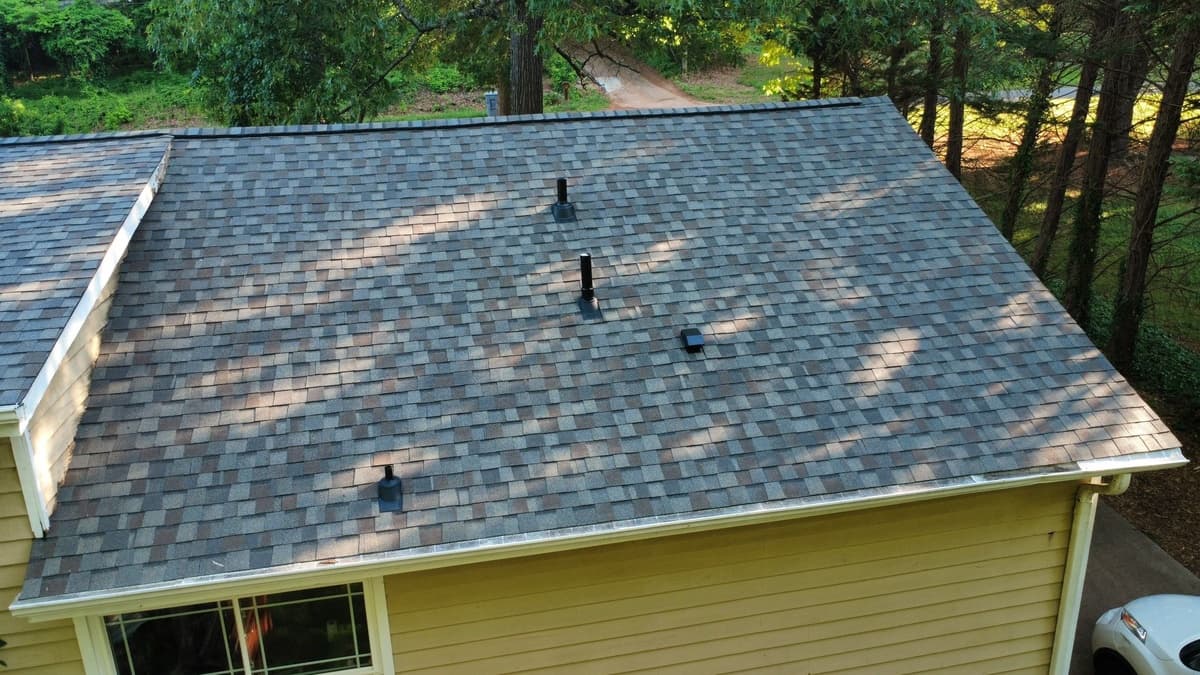
Charlotte, NC
new roof
Get a free roof inspection and honest assessment from Charlotte's most trusted roofing company.


